Dracaena Lemon Lime Soil Mix, Perlite & Drainage Guide
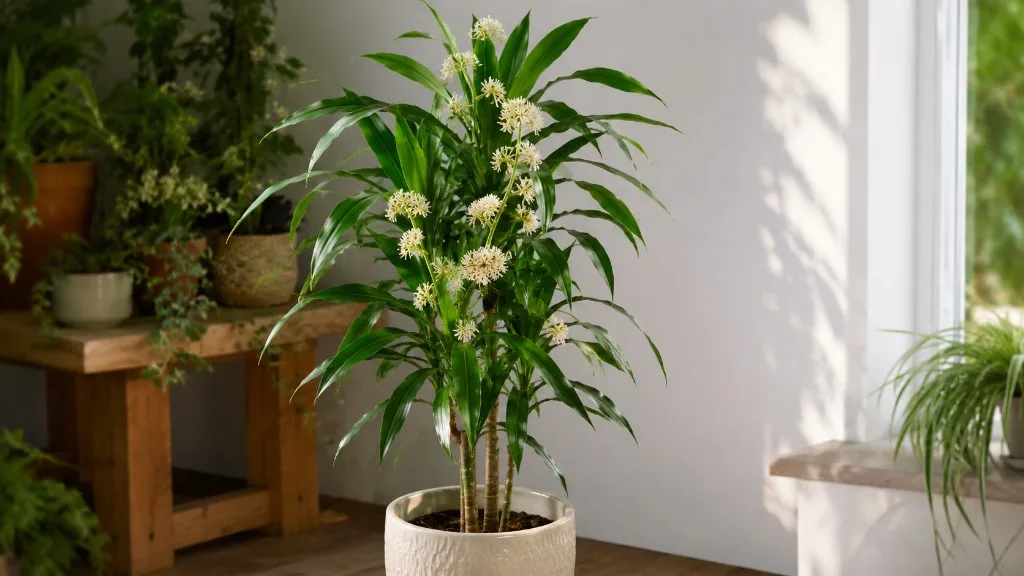
Dracaena Lemon Lime Soil Mix, Perlite & Drainage Guide
Dracaena Lemon Lime Soil Mix, Perlite & Drainage Guide
About this guide: Dracaena deremensis ‘Lemon Lime’ is the chartreuse-striped dracaena with narrow leaves banded in lime green and darker green. Color fades in dim corners and bleaches in harsh direct sun, so placement matters as much as watering. Otherwise it follows standard deremensis rules: let the top half of the mix dry, use low-fluoride water, and avoid cold drafts below 50°F (10°C).
Dracaena Lemon Lime soil is the invisible partner behind every chartreuse stripe on those narrow, arching leaves. Dracaena deremensis ‘Lemon Lime’ — also sold under the RHS name Dracaena fragrans (Deremensis Group) ‘Lemon Lime’ — is not a succulent and not a moisture-loving fern. It is a slow-growing tropical shrub that wants moist but well-drained compost around relatively thick, sparse roots, with enough air between waterings that oxygen can reach the cane base. Get the mix wrong and the plant can keep its silhouette for weeks while roots suffocate below the surface. Yellow lower leaves, a soft mushy cane at soil level, and sour-smelling compost often trace back to soil that stayed wet too long — especially in the dim corners where Lemon Lime loses stripe contrast and uses even less water.
The practical target is a blend that drains within seconds after a thorough watering, holds enough moisture that you are not watering daily, and stays open and crumbly for a year or more before peat fines compact. A reliable starting formula is two parts peat-free indoor potting compost, one part perlite, and one part medium orchid bark — roughly 2:1:1 by volume, matching RHS dracaena guidance. Pair that with a pot only one size larger at repot time, empty the saucer after every soak, and check moisture at depth before adding more water per the Dracaena Lemon Lime watering guide. This page covers what Lemon Lime roots need from soil, how that differs from generic houseplant advice, DIY and store-bought options, fluoride and pH interactions, drainage tests, and when to refresh the mix.
Why Soil Matters for Striped Deremensis Leaves
Lemon Lime is sold as easy care, and the reputation is mostly fair — but the cultivar hides a root-zone detail beginners skip. These are woody tropical shrubs from Africa, adapted to rainy seasons followed by dry intervals where roots breathe. Indoors you replace weather with potting mix physics. If the mix holds water like a sponge and sheds air like a wet towel, roots cannot exchange oxygen. They weaken first, then rot when waterlogged conditions persist. Clemson University’s Home & Garden Information Center states that root rot usually results from a soil mix that does not drain quickly or from overly frequent watering (Clemson HGIC).
Soil also controls how forgiving your watering habits are. In an airy bark-perlite blend, a slightly early watering might not matter because excess moisture exits quickly. In dense, compacted peat-heavy mix inside an oversized decorative pot, the same watering rhythm becomes dangerous within a few weeks — particularly in low light, where transpiration slows and pots stay heavy. Many growers blame themselves for overwatering when the real problem is a waterlogged mix that never dried at root depth.
For Lemon Lime specifically, soil connects to leaf display, not just survival. Chartreuse bands need adequate light to stay vivid, but they also need a root system that can take up water and minerals steadily without chronic wet stress. A plant in soggy mix often shows pale, washed-out new growth or yellowing lower leaves while sitting in a dim spot — a combination that looks like “not enough light” when the mix is the limiting factor. Fix drainage first, then judge light placement on new leaves.
Finally, soil is where fluoride and salts accumulate between flushes. Dracaena species are among the most fluoride-sensitive common houseplants, with tip burn documented on Dracaena deremensis and Dracaena fragrans when irrigated with fluoridated water (PNW Handbooks). Lemon Lime’s narrow, variegated leaves show marginal damage quickly. Mix choice, pH, and amendment levels interact with tap water chemistry in ways a bag label alone will not explain.
What Dracaena Lemon Lime Roots Need From Potting Mix
Think of the ideal Lemon Lime root zone as a balanced triangle: drainage, moisture retention, and aeration. Push any corner too far and the plant pays for it. Pure drainage with no water-holding capacity means chronic drought stress on fine roots. Heavy moisture retention without pore space means chronic oxygen deprivation at the cane base — the failure point on deremensis types.
The Drainage-Moisture-Aeration Balance
The sweet spot feels light in your hand, crumbly when squeezed, and damp but never soggy a day or two after a full watering in normal indoor conditions. The RHS Lemon Lime profile lists moist but well-drained soil as the target — not desert-dry, not constantly wet.
Lemon Lime roots are relatively thick and sparse compared to fibrous herbs — more like small woody anchors than a dense mat. They explore the pot slowly, which is why overpotting is so risky: a large volume of unused wet mix surrounds a modest root ball and stays saturated long after the plant has taken what it needs. The Royal Horticultural Society warns against overpotting, noting that compost remaining too wet too long causes root rot, and recommends repotting into only a slightly larger container (RHS).
How Lemon Lime Differs From Corn Plant and Dragon Tree Mix Needs
All dracaenas share the broad rule — well-draining indoor compost with structural amendments — but cultivar biology shifts emphasis. Corn plant (Dracaena fragrans ‘Massangeana’) carries broad strap leaves on thick canes and often sits in larger floor pots; the same 2:1:1 mix works, but dry-down timing differs because canopy surface area and pot volume change. Dragon tree (Dracaena marginata) runs on slimmer stems with narrow leaves and is frequently grown in smaller containers in offices; it may dry faster in bright light but also tolerates lower light with slower uptake.
Lemon Lime sits in the deremensis stripe group alongside Warneckii — narrow leaves banded in cream, white, or chartreuse. Clemson HGIC notes that ‘Warneckii’ is one of the best variegated plants for low light among dracaenas (Clemson HGIC), but even Warneckii types look best with reasonable brightness. Lemon Lime’s bright greenish-yellow stripes fade in dim corners regardless of soil — yet in those same dim spots, a dense wet mix fails first because the plant cannot transpire fast enough to pull moisture through. The practical pairing for Lemon Lime is airy soil plus the brightest indirect light you can offer, not richer wet compost in a dark corner.
Indoors, Lemon Lime typically reaches 3–5 feet (0.9–1.5 m) with slow to moderate growth — smaller than many corn-plant specimens. That slower pace means mix breakdown can outlast visible cane growth; a blend that worked at purchase can compact eighteen months later without any obvious change in your routine.
The Best Soil Mix for Dracaena Lemon Lime Indoors
The best dracaena lemon lime soil mix for most homes is a fast-draining, slightly moisture-retentive blend in the pH 6.0–6.5 range — slightly acidic to neutral. It should not clump when wet, should not crack into hard slabs when dry, and should not smell sour at the surface. In one sentence: use a well-draining peat-free indoor base amended with roughly 25–33% perlite and 25–33% coarse orchid bark by volume.
That ratio is structure, not magic. Potting compost supplies organic matter and moderate water holding. Perlite creates non-compacting pore space. Bark chips keep channels open as fine particles settle.
Peat-Free Base and Structural Amendments
In container culture, the “loam” equivalent is a quality peat-free or reduced-peat houseplant potting compost — not garden soil from the yard. Choose a base with visible texture rather than fine powdery peat alone. The RHS suggests three parts peat-free ericaceous compost, one part perlite, and one part medium orchid bark for dracaenas (RHS).
Avoid bases marketed as “moisture control” or “water-saving” for Lemon Lime. Those formulas often contain gels or extra fine peat designed to stay wet longer — the opposite of what roots need in a pot that may sit in moderate light for months. Skip heavy garden soil, topsoil, or outdoor compost in containers; they compact, introduce pathogens, and drain poorly in a confined column.
Perlite and Bark Ratios for This Cultivar
Perlite is expanded volcanic glass — lightweight and excellent at creating air pockets. For Lemon Lime, aim for roughly one part perlite per two parts base compost as a starting point. In a 10-litre batch, that might be 6 litres compost, 2 litres perlite, 2 litres bark.
Medium-grade orchid bark (fir or pine, roughly 1–2 cm pieces) adds larger voids water flows through and roots can grip. Bark breaks down more slowly than perlite in some setups and mimics the chunky forest duff dracaena relatives encounter in nature.
One nuance worth taking seriously: Clemson HGIC notes that dracaena is sensitive to fluoride and advises avoiding potting soils with a very high percentage of perlite while keeping soil pH between 6.0 and 6.5 (Clemson HGIC). That sounds contradictory until you understand the mechanism — extremely airy mixes paired with fluoride-heavy tap water may worsen tip burn. For most growers, moderate perlite at 20–30% balances drainage with mineral sensitivity better than a half-perlite succulent mix used straight. If Lemon Lime already shows tip burn on otherwise good care, consider slightly less perlite, more bark, rainwater or filtered water, and fertilizer without superphosphate (which Clemson flags for high fluorine).
DIY Potting Mix Recipes That Work for Lemon Lime
You do not need a laboratory — a bucket, measuring scoop, and dry ingredients are enough. Mix dry, then moisten slightly before repotting so perlite dust stays manageable and bark absorbs water evenly.
Recipe A — Standard indoor Lemon Lime (recommended default):
- 2 parts peat-free indoor potting compost
- 1 part perlite
- 1 part medium orchid bark
Recipe B — Low-light or slow-drying rooms (slightly more drainage):
- 2 parts peat-free potting compost
- 1½ parts perlite
- 1 part orchid bark
Recipe C — Bright, warm, fast-drying conditions (retain a touch more moisture):
- 3 parts peat-free potting compost
- 1 part perlite
- 1 part coco coir (fluffed) or bark
Blend until perlite and bark are distributed evenly. When you squeeze a handful, it should hold together briefly then fall apart when poked. If it forms a tight mud ball, add more perlite and bark.
Commercial Potting Mix: When Bag Soil Works and When It Fails
Yes — you can use regular commercial potting soil for Dracaena Lemon Lime, but only if it drains well out of the bag or you amend it. Many mass-market indoor mixes are peat-heavy with a token dusting of perlite on the label but not in the texture. If water sits on the surface when you irrigate, or the pot weight barely changes after ten days in moderate light, the bag mix is too dense for long-term health.
Clemson HGIC states that a standard commercial houseplant potting mix may be used for dracaena (Clemson HGIC). Treat “standard mix” as a starting point, not permission to skip perlite and bark if your environment runs cool or dim.
Premium blends labeled for foliage houseplants often perform better than seed-starting mix, which is finer and wetter. Cactus or succulent mix alone is usually too lean for Lemon Lime unless you cut it with compost — this cultivar wants moisture between waterings, just not constant saturation. A practical compromise is half quality potting compost, half succulent mix, then a handful of bark for structure.
When buying a new Lemon Lime, inspect the nursery pot: green algae on the surface and flat-smelling mix mean plan a refresh sooner rather than later.
pH, Fluoride, and Mineral Buildup in the Root Zone
Dracaena Lemon Lime prefers slightly acidic conditions around pH 6.0–6.5. In that range, many micronutrients stay available and fluoride is less likely to injure foliage, according to Clemson HGIC (Clemson HGIC). Hard, alkaline tap water gradually pushes pH upward and supplies fluoride that accumulates in the root zone. Symptoms include yellowing or scorched leaf tips and margins on the narrow striped leaves — sometimes mistaken for underwatering.
Michigan State University Extension notes that fluoride toxicity in container plants irrigated with city water is a documented problem for sensitive species. Soil connects to this issue in three ways. First, very high perlite mixes may worsen fluoride sensitivity in some setups — keep perlite moderate. Second, fertilizers containing superphosphate often carry high fluorine; Clemson advises avoiding them on dracaena. Third, alkaline water on ericaceous-style mix neutralizes acidity over time, so occasional flushing with rainwater or filtered water helps if tip burn persists despite good drainage.
The RHS recommends rainwater or filtered water for dracaena to protect acidity and reduce fluoride and alkaline salt buildup (RHS). That is watering advice, but the soil is where those minerals stay between flushes. A white crust on the surface usually means soluble salt accumulation — scrape lightly, flush with several volumes of water allowing full drainage, and reduce feed strength per the Dracaena Lemon Lime fertilizer guide.
Container Drainage, Pot Material, and Sizing
The best dracaena lemon lime soil mix still fails in a pot that traps water. A drainage hole is non-negotiable for long-term indoor health. Decorative cachepots without holes are fine only if the inner grow pot drains freely and you never let the outer pot fill with runoff.
After every thorough watering, let excess water exit, then empty the saucer within thirty minutes. Roots sitting in reclaimed runoff re-enter saturated conditions even if the upper mix feels acceptable.
Plastic and glazed ceramic pots retain moisture longer than unglazed terra-cotta, which breathes through walls. Terra-cotta can be an ally in low-light rooms where mix dries slowly, but it also means more frequent watering checks in bright heat. Match pot material to your room’s dry-down speed.
Why Overpotting Fades More Than Just Growth
Repot Lemon Lime into a container only one size larger — typically 2–5 cm (1–2 inches) wider across the top than the previous pot. A modest root ball in a huge floor pot is a root-rot setup waiting for the first winter slowdown. The unused mix stays wet; the plant cannot transpire enough to pull moisture out — and chartreuse stripes dull on weak new growth.
Depth matters for top-heavy deremensis canes. A stable, proportional pot prevents tipping without requiring an oversized volume. If aesthetics demand a large decorative planter, plant in a smaller plastic inner pot that lifts out for watering and drainage checks.
Fresh repots dry more slowly until roots explore new mix — adjust watering downward for four to six weeks even if the blend is perfect. See the Dracaena Lemon Lime repotting guide for step-by-step timing.
How to Test Whether Your Mix Drains Properly
Run these checks on your current setup before assuming care mistakes elsewhere.
The pour test: Water until liquid runs from the drainage hole. Well-structured mix accepts water without pooling on top for more than a few seconds. If water rolls off the sides and down the gap between soil and pot wall, you have hydrophobic or compacted mix — refresh or repot.
The weight test: Lift the pot when fully watered, then again seven days later in typical conditions. A healthy dry-down shows noticeable weight loss. If the pot stays heavy and the top 5 cm still feels cool and damp while lower leaves yellow, roots may be in anaerobic mix.
The finger-depth test: Push your finger or a dry bamboo skewer 5 cm (2 inches) deep. Lemon Lime watering follows dry at that depth, then a full soak — Clemson and RHS both emphasize letting the surface dry before re-watering (Clemson HGIC). If the deep probe stays wet for two weeks in an average room, the mix or pot size is wrong.
The smell test: Lift the plant slightly and sniff the drainage hole area. Earthy is good; sour, eggy, or swampy is bad. Odor precedes visible cane collapse.
The repot squeeze test: When you slip the plant out, healthy roots are firm and white or tan. Brown, mushy, hollow roots with smelly mix confirm waterlogged conditions — trim damaged tissue, repot into fresh airy mix, and fix drainage before expecting recovery.
Warning Signs Your Lemon Lime Soil Is Wrong
Soil problems show up in patterns. Single brown tips may be fluoride or low humidity; systemic decline with wet mix points to the root zone.
Watch for these soil-linked signals on Lemon Lime:
- Yellow lower leaves on a plant whose pot stays heavy and cool
- Soft, mushy cane at soil line while mix near the bottom smells off
- Chartreuse stripes fading on new leaves in a dim, constantly damp pot
- Water runs straight through without absorbing — hydrophobic compacted peat
- Surface stays dry but skewer emerges wet deep inside — perched moisture profile
- White mold or algae on mix surface in low light with constant dampness
- Sudden leaf drop after weeks of unchanged watering — often roots finally failing
Compare above-ground signs with pot weight and smell before fertilizing. Fertilizer on waterlogged roots accelerates salt injury and tip burn. If several warning signs align, inspect roots rather than moving the plant to brighter light alone — light helps dry-down, but it cannot fix anaerobic compost already packed around rotting roots.
When to Repot and Refresh the Mix
Repot Lemon Lime when roots circle the pot or emerge from drainage holes, when mix has compacted and drainage slowed, when the plant dries out in one day because roots consume the tiny remaining good volume, or when salt crust and sour smell persist after flushing. The RHS suggests repotting every two to three years into a slightly larger pot (RHS).
Spring is the safest window — active growth helps roots recover. Avoid repotting a severely stressed plant unless the mix itself is the clear problem. A new Lemon Lime from the shop does not need an immediate repot unless pests, rot, or failing mix are obvious; quarantine first, learn dry-down speed, then refresh if needed per the overview guide.
Partial refresh — scraping out the top third of old mix and replacing with fresh blend — helps when the root ball is still healthy but salts or compaction sit at the surface. Full repot is required when roots are tight, smelly, or discolored.
Pairing Soil With Watering and Light for Healthy Stripes
Soil does not work in isolation. Medium to bright indirect light helps Lemon Lime use water at a steady rate and maintain chartreuse banding on new leaves; low light slows transpiration and keeps pots wet longer — exactly when airy mix matters most. If your plant lives in a dim corner, prioritize bark-perlite structure and conservative pot size over chasing faster growth with rich, wet compost.
Water when the top half of the mix is dry (or at minimum the top 5 cm), then soak until runoff exits the hole. In summer that might be every 7–14 days; in winter 14–21 days is common — but the depth check overrides the calendar. A perfectly drained mix in a bright room may need water weekly; the same mix in a cool office may need half that frequency.
Humidity between 40–60% reduces tip desiccation but does not replace drainage. If you improve soil and still see tip burn, look at fluoride in tap water and fertilizer type next. When troubleshooting, change one variable at a time. If you repot into airy mix, do not simultaneously move to a darker wall and increase watering. Give the new root environment six weeks before judging stripe color on new growth.
Adjusting Mix for Low-Light and Cool Rooms
Lemon Lime in dim corners, north-facing windows, or air-conditioned offices uses water slowly. Standard bag mix that works in a bright kitchen may stay wet for three weeks in a cubicle — long enough for roots to decline without any obvious overwatering on your part. In those rooms, lean toward Recipe B proportions: slightly more perlite and bark relative to compost, a terra-cotta pot if dry-down is stubborn, and a smaller pot than your décor instinct prefers.
Cool temperatures below 18°C (65°F) further slow evaporation. Winter heating cycles add another twist: warm air by a vent can dry the surface while the core stays damp. Do not trust surface color alone; keep using the depth probe.
Avoid compensating for low light with richer, wetter compost hoping to “feed” stripe color back. That strategy backfires on deremensis types. Instead, keep the mix airy, water less often but thoroughly when dry, and accept slower cane elongation until light improves. A healthy Lemon Lime in modest light with excellent drainage outlasts a stressed plant in premium peat that never dries.
Conclusion
Healthy Dracaena Lemon Lime soil comes down to structure: a well-draining peat-free compost amended with perlite and coarse bark, in a pot with real drainage, sized only slightly larger than the root ball, watered when the upper mix dries and never left sitting in runoff. That combination gives roots oxygen between drinks, holds enough moisture for slow indoor growth, and supports the chartreuse stripes that make this cultivar worth the extra attention to water quality.
If your plant struggles, test the mix before buying another fertilizer or moving it again. Run the pour, weight, and smell checks; slip the root ball out if you suspect rot. Refresh compacted or sour mix, trim damaged roots, and repot into the 2:1:1 blend — then adjust watering to the new dry-down speed. Most Lemon Lime decline starts below the surface. Fix the soil system and container drainage first, and the striped foliage above has a fair chance to look like the vibrant deremensis cultivar you brought home.
When to use this page vs other Dracaena Lemon Lime guides
- Dracaena Lemon Lime overview — Whole-plant context, toxicity, and how the care topics fit together.
- Dracaena Lemon Lime watering — When and how much to water once your mix drains correctly; fluoride-safe water choices.
- Dracaena Lemon Lime light — Placement for chartreuse stripes; soil alone cannot restore faded color in dim rooms.
- Dracaena Lemon Lime repotting — Step-by-step repot timing and technique after you have chosen a mix.