Guava Propagation: Seeds, Cuttings & Air Layering
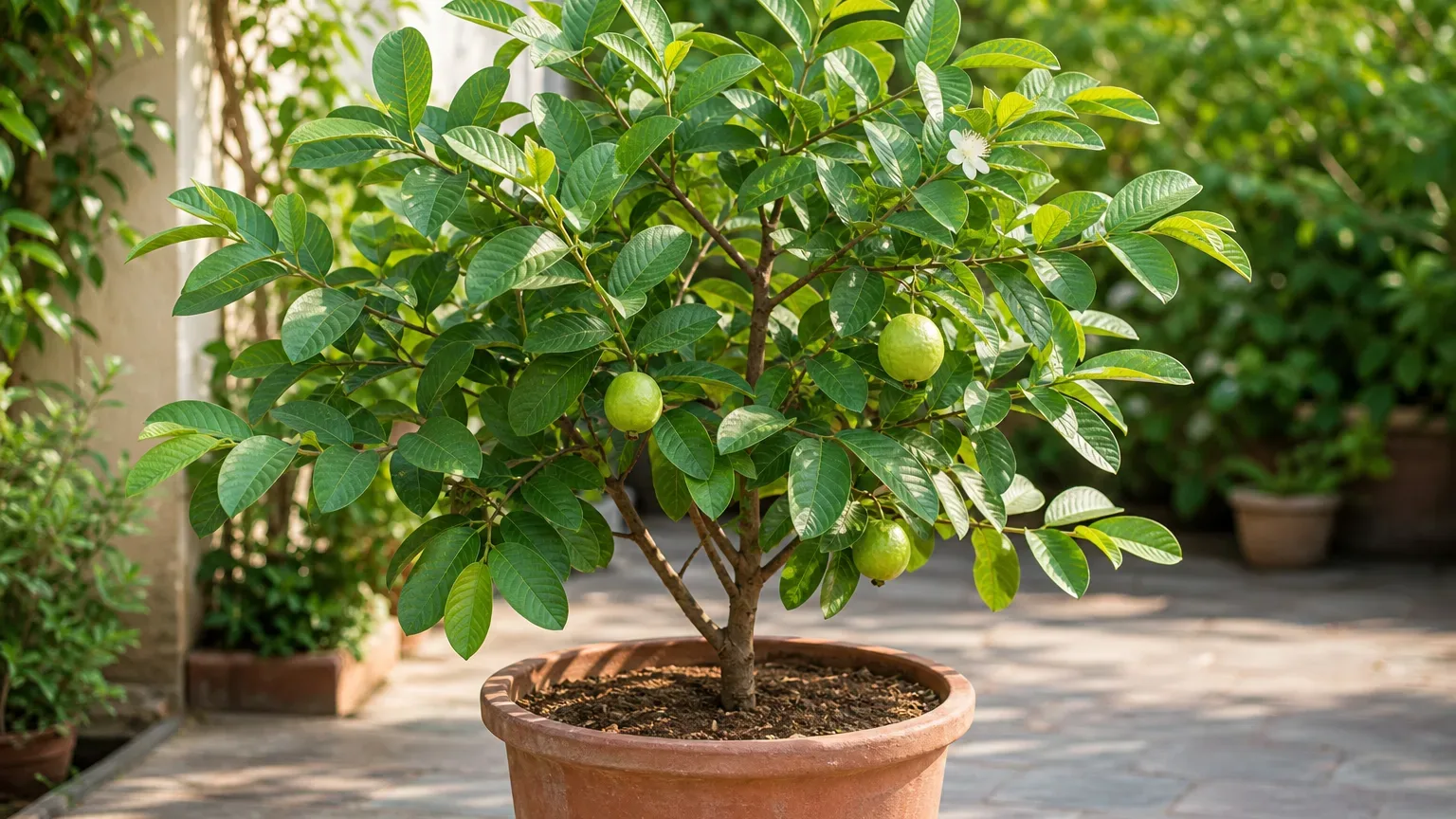
Guava Propagation: Seeds, Cuttings & Air Layering
Guava Propagation: Seeds, Cuttings & Air Layering
Guava propagation starts with one decision: do you want a new guava, or do you want a copy of one particular tree? A seed can produce a vigorous Psidium guajava, but it does not reliably reproduce the parent’s fruit. Air layers, cuttings, grafts and buds are vegetative methods that retain the selected cultivar.
That distinction matters when the parent is a named guava with fruit you value. It matters less when you want an inexpensive seedling, a rootstock or a long-term experiment. Kew accepts Psidium guajava as a species native from Mexico through tropical America, while cultivated selections now span many fruit sizes, flesh colours and flavours (Plants of the World Online).
The best propagation method depends on your goal
For most home growers who already have access to a productive tree, air layering is the most approachable clonal method. The branch remains attached and supplied by the parent while roots form, so it is less prone to drying than a detached woody cutting. Tamil Nadu Agricultural University describes air layering as a commercial guava method and also lists veneer grafting, T-budding and Forkert budding (TNAU).
Choose seed for experimentation or rootstocks; choose an air layer when you want one or two true-to-type copies without specialist equipment. Choose cuttings only if you can maintain warmth, high humidity and clean aerated media. Grafting or budding makes sense when you have compatible rootstocks, healthy scion wood and enough skill to align living cambium accurately.
Why seed-grown guava varies
A guava seed is the result of sexual reproduction, not a miniature clone packed inside the fruit. Even though guava can self-pollinate, insect cross-pollination can occur, and seedlings reshuffle traits from their parents. UF/IFAS is explicit that guava does not come true from seed and that seed-grown trees may take three to eight years to begin fruiting (UF/IFAS Extension).
Variation can show up in fruit size, flavour, seediness, flesh colour, bearing habit and tree vigour. A seed from excellent pink guava can eventually produce worthwhile fruit, but the parent fruit is not a warranty. If predictable fruit quality matters, buy or make a vegetatively propagated plant whose cultivar identity is known.
When growing guava from seed still makes sense
Seed is useful when you need several plants cheaply, enjoy selecting seedlings, or want young rootstocks for grafting. TNAU warns that guava seedlings differ greatly from their mother plants, which is precisely why seed is a poor route for duplicating a cultivar but a useful source of genetic variation (TNAU seed guidance).
Seed also suits a patient grower who values the process more than a fixed harvest result. Label the fruit source and sowing date, then judge the mature plant on its own performance. Do not sell or share an unverified seedling under the mother tree’s cultivar name.
Guava propagation methods compared
- Air layering: best home balance of clonal fidelity and practical success; produces a plant on its own roots.
- Stem cuttings: clonal, but usually need a mist bed or carefully controlled humidity, warmth and sterile medium.
- Grafting or budding: clonal scion on a seedling rootstock; efficient for nurseries and useful when rootstock traits matter.
- Seed: easy and inexpensive, but genetically variable and usually slower to fruit.
The Royal Horticultural Society groups cuttings, layering, division, grafting and budding as vegetative techniques that create plants genetically identical to the selected parent (RHS propagation techniques). “True to type” refers to the scion or rooted clone’s genetics; growing conditions can still change fruit size, sweetness and yield.
How to air layer a guava tree
Work during warm, humid, active growth rather than during a cool or drought-stressed period. In much of India, late spring into the early monsoon is practical, but local rainfall and shoot maturity matter more than a calendar date. TNAU gives April to June under warm, humid conditions, while a Garhwal trial on ‘Pant Prabhat’ obtained its best trial result from mid-July layering with IBA; together these sources show that climate and cultivar shift the useful window (Journal of Plant Development Sciences).
Select a healthy, pencil-to-finger-thick shoot from recently matured growth. Avoid flowering, heavily fruiting, diseased or shaded shoots. Water the parent normally the day before if its root zone is dry, and use a clean sharp knife.
Air-layering steps
- Remove a complete ring of bark roughly 2–3 cm long without cutting deeply into the wood. Scrape away the slippery cambial layer so the wound does not simply bridge over.
- Optional rooting hormone may improve rooting in some conditions, but follow the product label; concentrated agricultural trial treatments are not home-use instructions.
- Wrap the wound with damp—not dripping—sphagnum moss or a clean moisture-retentive propagation medium.
- Enclose the moss firmly in clear polyethylene and seal both ends against rain and drying. Cover the clear wrap with foil or an opaque outer layer if strong sun heats it.
- Check moisture without repeatedly opening the wrap. TNAU reports rooting in roughly 30–40 days under its described warm, humid conditions, but cooler weather or different material can take longer.
Do not detach at the first white root. Wait until several roots have spread through the moss and begun branching. A single brittle root is not enough to support a leafy top after separation.
Detaching and hardening the rooted layer
Cut below the rooted ball with clean secateurs, remove some foliage if the canopy is large, and pot without breaking the new roots apart. Use a compact starter pot and the airy, moisture-retentive mix described in the Guava soil guide. Keep the plant in bright shade, protected from wind and hard rain, while roots extend into the pot.
UF/IFAS notes that guavas produced by layers or cuttings tend to have relatively shallow root systems (UF/IFAS Extension). Do not compensate by putting a fresh layer in a large water-holding pot. Increase direct sun gradually only after the plant holds its leaves and produces firm new growth; the Guava light guide explains the full-sun goal for an established tree.
How to propagate guava from cuttings
Use recently matured terminal wood rather than very soft tips or old exhausted branches. UF/IFAS recommends pieces about 15–20 cm long with two or three leaves, placed in sterile medium under mist, with bottom warmth around 24–29°C and rooting hormone as potentially beneficial (UF/IFAS propagation guidance). These are controlled nursery conditions, so home success is less predictable.
Take several cuttings because some loss is normal. Reduce each leaf blade if it is large, make a fresh cut below a node, apply a rooting product labelled for woody cuttings, and insert into clean coarse propagation medium. Keep humidity high without leaving the stem base saturated; bright indirect light and warm roots are safer than direct midday sun.
Do not tug weekly. Look for held leaves, buds that continue developing and roots visible at drainage holes, but remember that a shoot can spend stored energy before it has roots. Blackening from the base, sour media or collapsing tissue means rot; discard the cutting and sanitize reusable equipment.
Grafting and budding for named cultivars
Grafting joins a piece of the chosen cultivar—the scion—to a compatible rooted seedling. Budding transfers a single bud instead of a longer scion. UF/IFAS reports veneer and cleft grafts and chip budding as more successful on young, vigorous guava seedling rootstocks, with green quadrangular terminal growth used for scion material (UF/IFAS).
These methods preserve the scion cultivar but demand accurate cuts, close cambial contact and protection from drying. The RHS advises collecting healthy scion material and matching technique and timing to active rootstock growth (RHS grafting guidance). For one terrace plant, buying a correctly labelled grafted or budded guava is often more efficient than learning on the only scion available.
How to grow guava from seed
Use fully ripe, healthy fruit from a tree free of obvious disease. Fresh seed is preferable; TNAU notes that viability declines after extraction and reports germination in about three weeks. Avoid the hazardous acid scarification sometimes described in old production manuals; it is unnecessary for a home grower.
Cleaning, sowing and germination
Remove all pulp, rinse the seeds, and sow several because germination is not perfectly uniform. A 12–24 hour soak in warm water is a conservative way to hydrate the hard seed coat. Sow about 0.5–1 cm deep in clean, free-draining seed-starting medium, water gently, and keep warm in bright indirect light.
Keep the medium evenly moist, never swampy. Once seedlings emerge, improve airflow and give stronger light gradually. NC State Extension explains that damping-off is favoured by contaminated media, excessive moisture and conditions that keep seedlings weak; sanitation and careful watering are the useful prevention tools (NC State Extension).
Aftercare for a new guava plant
Move a seedling or rooted clone up only when its roots hold the starter mix together. A much larger pot remains wet for too long and makes moisture control harder. Follow the Guava watering guide: check the mix rather than watering on fixed weekdays, and empty standing water from saucers.
Delay strong feeding until fresh growth confirms establishment. Tender new roots are more easily damaged by concentrated salts; once growth is steady, use the restrained schedule in the Guava fertilizer guide. If roots circle densely or the starter pot dries within a day, use the pot-sizing approach in the Guava repotting guide.
Common propagation failures and first fixes
A seedling has different fruit from the parent: nothing failed. Genetic variation is expected; graft the desired cultivar onto it or grow a known clone.
An air layer forms callus but no roots: the cambium may not have been fully removed, the medium may have dried, or conditions may be too cool. Re-wound fresh material during warm active growth rather than repeatedly cutting the same weak branch.
A detached layer wilts: move it to bright shade, reduce wind exposure and check whether the root ball stayed intact. Do not drown it; damaged roots need oxygen as well as moisture.
Cuttings blacken at the base: restart with clean tools, sterile airy medium and less water. A humidity cover keeps leaves from drying, but saturated media and sealed stagnant air favour rot.
Seedlings collapse at soil level: isolate affected pots, improve airflow and stop surface flooding. Restart severe losses in clean containers and fresh medium rather than reusing contaminated wet mix.
When to use this page vs other Guava guides
Use this page to choose a propagation method, create roots and establish a young plant. Use the Guava overview for the species’ mature size and fruiting context, the light guide for acclimating established foliage to full sun, and the watering guide once the plant has left the high-humidity propagation stage.
Propagation humidity is temporary. It should not be confused with keeping a mature guava continually wet or shaded. Transition the young plant toward normal guava culture in small steps.
Related Guava guides
- Guava soil — choose an airy mix for rooted layers and young trees.
- Guava repotting — decide when a starter plant genuinely needs a larger pot.
- Guava fertilizer — begin feeding only after roots and shoots are active.
- Guava light — harden a young plant from bright shade into stronger sun.
- Guava watering — replace propagation moisture with a root-zone watering rhythm.
Conclusion
Use seed when variation is acceptable or when you need rootstocks. Use air layering, cuttings, grafting or budding when preserving a selected guava’s genetics and fruit traits matters. For most home growers in warm Indian conditions, a well-timed air layer offers the clearest route to a true-to-type plant; seed remains the simplest experiment, not a dependable copy.