Neon Pothos Problems: Causes & Quick Fixes
Quick answer
Neon Pothos is prone to 16 common issues - each link below is a plant-specific fix guide.
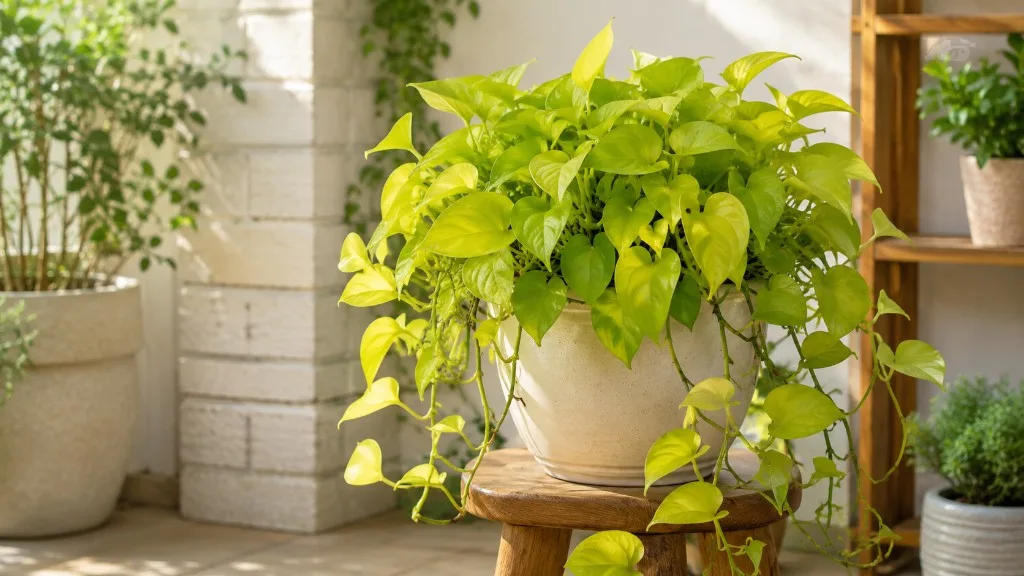
Neon Pothos problems
Use the guides below to diagnose and fix common issues on Neon Pothos. Each problem page explains why it happens on this species and what to do first.
Or use our problem diagnosis tool to narrow down symptoms.
Common problems on Neon Pothos
Brown Tips
LowLikely cause: Low humidity or hard water
Quick fix: Increase humidity; use filtered water
Full fix guide →Leggy Growth
MediumLikely cause: Insufficient light dimming colour and stretching growth
Quick fix: Move to brighter indirect light
Full fix guide →Root Rot
MediumLikely cause: Consistently wet soil
Quick fix: Repot in fresh draining mix
Full fix guide →Spider Mites
MediumLikely cause: Jul 5, 2023 · If you notice signs of spider mite infestation on your Neon Pothos plant, it’s crucial to take immediate action to prevent further damage. In this article, we will discuss effective methods to get …
Quick fix: Confirm diagnosis on your Neon Pothos, then address the most likely care or pest factor described in current extension guidance.
Full fix guide →Yellow Leaves
MediumLikely cause: Overwatering or patchy nutrient deficiency
Quick fix: Allow top 3–5 cm to dry; feed monthly
Full fix guide →Aphids
MediumLikely cause: Aphids on Neon Pothos cluster on soft unfurling leaves and node joints along chartreuse vines, often leaving sticky honeydew that dulls the lime-green sheen. First step: isolate the plant and rinse le
Quick fix: See plant-specific guide for step-by-step fixes.
Full fix guide →Drooping Leaves
MediumLikely cause: Drooping leaves on Neon Pothos almost always mean the roots are not delivering water-check whether the top 1–2 inches (3–5 cm) of soil is bone-dry or still wet before you water, repot, or fertilize.
Quick fix: See plant-specific guide for step-by-step fixes.
Full fix guide →Fungus Gnats
MediumLikely cause: Fungus gnats on Neon Pothos mean the soil surface stays wet too long-common when drought-tolerant chartreuse vines get watered on habit in hanging baskets or dim rooms. First step: stop watering until
Quick fix: See plant-specific guide for step-by-step fixes.
Full fix guide →Low Humidity
MediumLikely cause: Low humidity stresses Neon Pothos when heated or air-conditioned air dries leaf margins-measure humidity near the plant, move it off vents, and run a humidifier to reach 40–60%.
Quick fix: See plant-specific guide for step-by-step fixes.
Full fix guide →Mealybugs
MediumLikely cause: Mealybugs on Neon Pothos show up as raised white cottony masses in leaf axils and at stem nodes along trailing chartreuse vines-not as part of the plant's smooth lime-green foliage. First step: move t
Quick fix: See plant-specific guide for step-by-step fixes.
Full fix guide →Mold on Soil
MediumLikely cause: Fluffy white or gray mold on Neon Pothos (*Epipremnum aureum* 'Neon') soil is usually harmless saprophytic fungus feeding on wet organic matter-not a leaf disease. First step: scrape the visible mold,
Quick fix: See plant-specific guide for step-by-step fixes.
Full fix guide →Not Enough Light
MediumLikely cause: Not enough light on Neon Pothos shows first on new leaves-they dull from chartreuse toward olive or forest green as the plant makes more chlorophyll. First step: move the pot within 12–36 inches of yo
Quick fix: See plant-specific guide for step-by-step fixes.
Full fix guide →Overwatering
MediumLikely cause: Overwatering on Neon Pothos (*Epipremnum aureum* 'Neon') means the root zone stays wet too long. First step: stop watering until the top 1–2 inches of mix are dry, then inspect roots if chartreuse lea
Quick fix: See plant-specific guide for step-by-step fixes.
Full fix guide →Slow Growth
MediumLikely cause: Slow growth on Neon Pothos usually means the plant is surviving-not thriving. First step: check whether leaves are dulling and internodes are stretching, then move to brighter indirect light before ch
Quick fix: See plant-specific guide for step-by-step fixes.
Full fix guide →Underwatering
MediumLikely cause: Underwatered Neon Pothos wilts with a light pot and dry mix-but unlike overwatering, chartreuse leaves usually perk within hours after a thorough soak. First step: check soil moisture 1–2 inches deep,
Quick fix: See plant-specific guide for step-by-step fixes.
Full fix guide →Wilting
MediumLikely cause: Wilting on Neon Pothos is not fixed by watering blindly. Probe soil moisture and pot weight first-dry soil usually means thirst; wet soil with wilt often means damaged roots.
Quick fix: See plant-specific guide for step-by-step fixes.
Full fix guide →