Wilting on Peperomia Hope: Causes, Checks & Fixes
Quick answer
Wilting on Peperomia Hope usually means underwatering or overwatering-lift the pot before you act. A light, dry pot needs one deep soak; a heavy, wet pot needs watering stopped and stem bases checked for rot.
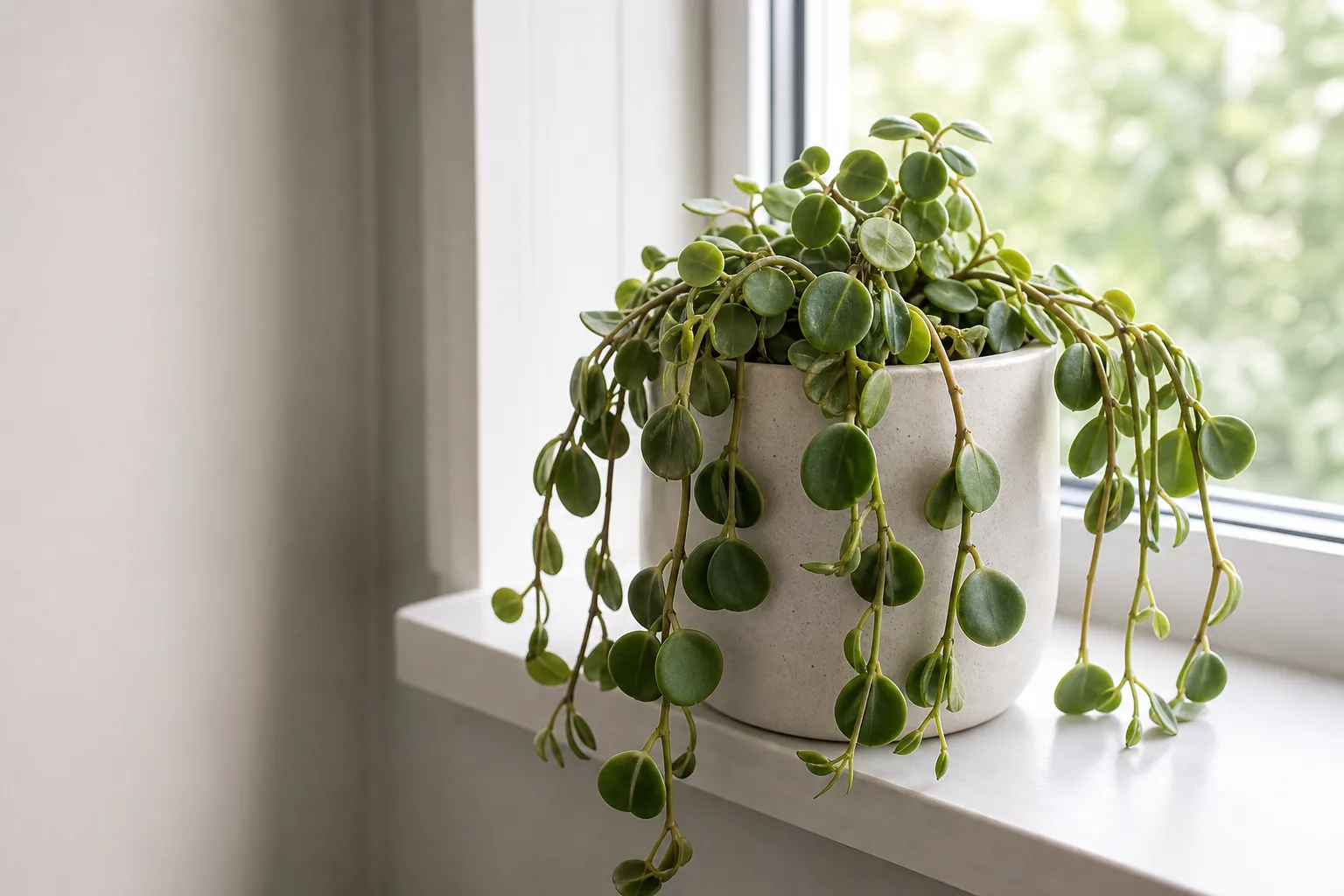
Wilting on Peperomia Hope: Causes, Checks & Fixes
This guide covers wilting on Peperomia Hope. See also the general Wilting guide, watering, and light pages for this plant.
Wilting on Peperomia Hope: Causes, Checks & Fixes
Quick answer
Wilting on Peperomia Hope (Peperomia tetraphylla ‘Hope’) looks dramatic on trailing stems with round, coin-like leaves-but the same limp collapse can mean opposite problems. Semi-succulent foliage stores water, yet the plant’s compact root system rots quickly in soggy mix. That is why wilt plus wet soil is often root failure, not thirst-rotting roots cannot take up water even when the mix feels damp.
First step: lift the pot and check moisture before you water. A light, dry container needs one thorough soak with full drainage. A heavy, wet pot needs watering stopped immediately while you inspect where stems meet the soil at the crown. Do not soak a wet, wilted Hope-that is the fastest path from recoverable stress to crown rot.
Wilting vs. drooping on Peperomia Hope
Both symptoms mean the plant cannot hold turgor, but the timing and urgency differ on this trailing cultivar.
| Wilting (this page) | Drooping leaves | |
|---|---|---|
| Onset | Sudden collapse-often overnight or within a day | Gradual sag over days or weeks |
| Typical trigger | Missed soak, heat spike, or a wet week in an oversized basket | Chronic slight overwatering, low light, or slow dry-down failure |
| Leaf look | Deflated coins or soft limp rounds across whole vines | Leaves hang under their own weight; stems may still feel partly firm |
| Your first check | Pot weight and crown firmness-same for both | Same diagnostic path |
Use this page when vines collapse quickly and you need an acute wet-vs-dry decision. For slow hanging without full collapse, read drooping leaves on Peperomia Hope. Chronic wet-soil patterns also belong in our overwatering and root rot guides.
What wilting looks like on Peperomia Hope
On this trailing cultivar, wilt usually shows along the outer hanging stems first. Round leaves lose their plump look, hang flat instead of slightly cupped, and the whole vine drapes lower than usual. Stems may feel rubbery rather than springy when you pinch them lightly.
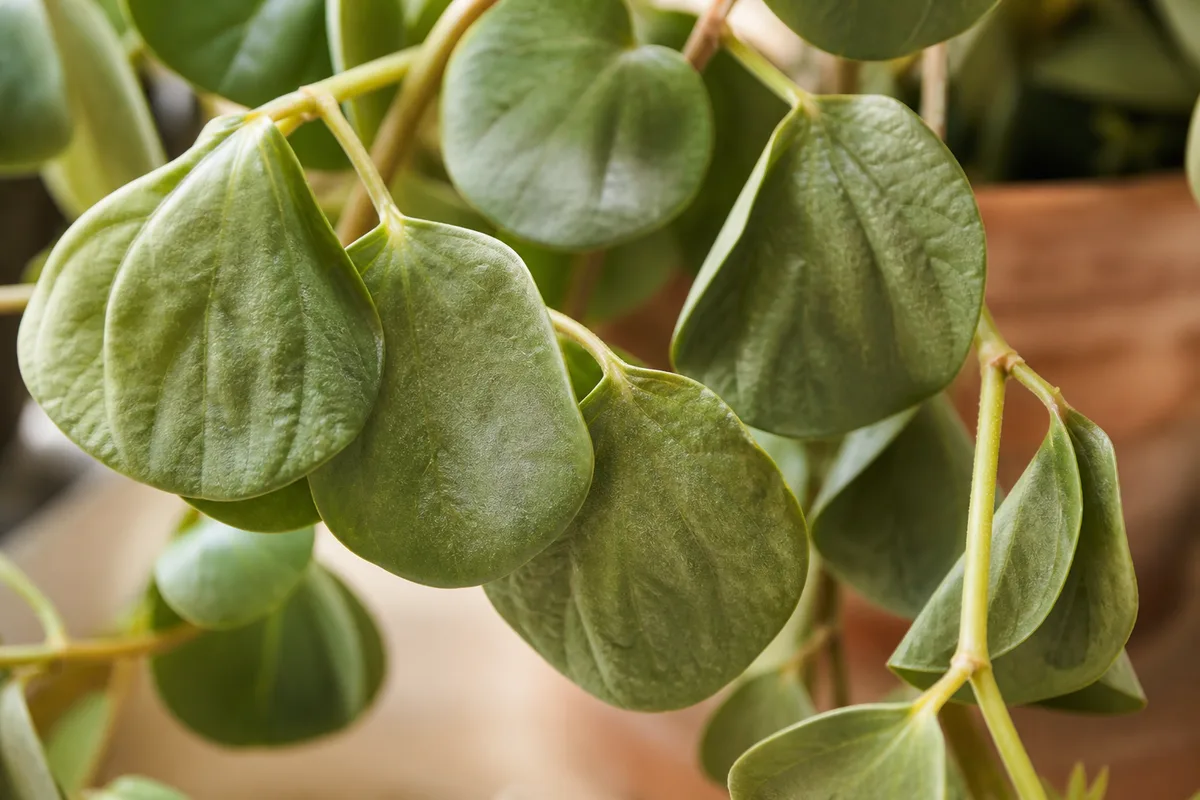
Wilting symptoms on Peperomia Hope - compare with healthy tissue on the same plant.
The pattern matters:
- Dry wilt - Leaves look slightly deflated or wrinkled, like thin coins. Pot feels light. Mix is dry several centimetres down. Lower leaves may crisp at edges before the whole stem collapses.
- Wet wilt - Leaves stay soft and limp even though soil feels damp. Lower leaves yellow while tips still look green. Stem bases where vines meet the soil may feel mushy. A sour or swampy smell from the pot is a strong rot clue.
- Heat or draft wilt - Often hits one side of a hanging basket after a heat spike or cold draft. Foliage recovers overnight if moisture was adequate; if it does not, check roots.
Peperomia Hope does not wilt dramatically from one missed drink the way a fern might. Because leaves hold water, dry wilt builds slowly-then collapses quickly once storage is spent. Wet wilt can look similar from above while roots are already failing below the trailing curtain of leaves.
Why Peperomia Hope gets wilting
This plant is a trailing, semi-succulent peperomia with a shallow, delicate root system. Missouri Botanical Garden notes that Peperomia ‘Hope’ needs a well-draining mix and watering that allows soil to almost dry on top before the next drink. Clemson HGIC lists overwatering as the most common peperomia disease-root rot follows when pots stay wet.
Underwatering removes turgor from fleshy round leaves. Owners often underwater hanging baskets because only the top of the pot is visible, or because the semi-succulent look tricks them into waiting too long. Long dry spells also damage fine roots, so a single soak may not perk the plant up instantly. Hydrophobic dry pockets in old mix make this worse: surface water runs down the sides while the center stays desert-dry-a pattern covered in depth on our underwatering guide.
Overwatering and root rot are the other major wilt driver. RHS guidance for peperomias warns that roots rot in persistently damp compost, causing yellowing, leaf drop, and eventual collapse. On Hope specifically, oversized pots are a hidden trigger-the trailing vines look big, but the root ball stays small. Extra wet soil volume stays saturated long after the plant has taken what it needs.
Low light plus frequent watering slows transpiration while the mix stays damp. A Hope in a dim corner can wilt from root stress even when you water modestly.
Heat, drafts, and AC desiccate leaves fast in small hanging pots. A plant near a heating vent may wilt in the afternoon despite moist soil because roots cannot supply water as fast as leaves lose it.
Crown rot at stem bases is especially dangerous on trailing peperomias. Dense foliage hides where stems enter the mix. Water trapped in a decorative basket liner, or soil that never dries at the crown, softens tissue there first. Wilt spreads outward along vines once the crown fails.
How to confirm the cause
Work through these checks in order-do not skip to watering:
- Pot weight - Lift the container. Light and airy suggests dry wilt. Heavy and dense suggests wet wilt or an oversized pot holding moisture.
- Deep moisture - Push your finger 5 cm into the mix, or use a bamboo skewer. Dry throughout confirms drought stress. Wet deep down with wilt above confirms uptake failure, not thirst.
- Stem bases at the crown - Part trailing stems gently at the soil line. Firm green tissue is reassuring. Soft, dark, or collapsing bases mean rot-follow our root rot guide before the next pour.
- Leaf texture - Deflated, slightly wrinkled coins point dry. Soft, yellowing lower leaves with limp green tips point wet.
- Smell and drainage - Sour odor, full saucers, or a decorative basket holding water all support rot.
- Light and placement - Bright indirect light with stable room temperature (18–27°C) is normal for this plant. Dim light, radiator blasts, or cold window drafts explain temporary wilt if soil moisture is balanced.
- Recent changes - New pot, moved basket, or switched from summer to winter watering rhythm commonly trigger wilt without disease.
Wet wilt vs. dry wilt at a glance
| Check | Dry wilt | Wet wilt |
|---|---|---|
| Pot weight | Light | Heavy days after watering |
| Soil 5 cm deep | Dry throughout | Cool, clinging, or soggy |
| Leaf texture | Deflated, slightly wrinkled coins | Soft, limp; lower leaves may yellow |
| Stem bases at crown | Firm | Soft, dark, or collapsing |
| Smell | None | Sour or swampy |
| First action | One thorough soak, drain fully | Stop watering; inspect crown and roots |
If the pot is light, mix is dry throughout, and stem bases are firm, underwatering is the working diagnosis. If soil stays wet for days and stems soften at the crown, treat root rot as confirmed enough to stop all water.
The first fix to try
Lift the pot. Do not water until you know whether the mix is dry or wet.
That single check prevents the classic mistake: soaking a plant whose roots are already drowning. Wisconsin Extension notes that gardeners often first notice root rot when a plant is wilted even though soil is wet-extra water makes the problem worse.
- If dry: Water thoroughly until excess drains from the bottom, then empty the saucer. If water runs straight through dry, hydrophobic mix, bottom-soak the pot for 30–60 minutes, then drain fully. Match ongoing rhythm to our Peperomia Hope watering guide.
- If wet: Stop watering. Move the plant to bright indirect light-not harsh sun on a stressed plant-and inspect stem bases at the crown. If any tissue is soft, unpot and examine roots before the next watering decision.
Do not fertilize, repot, or prune heavily on day one. One correct moisture correction tells you whether the wilt is reversible.
Step-by-step recovery
For dry wilt
- Soak until the root ball is evenly moist, then drain completely.
- Wait 12–24 hours. Semi-succulent leaves should plump and stems should stiffen.
- Resume the normal rhythm: water only when the mix is completely dry-typically every 10–14 days in active growth, every 3–4 weeks in winter for most homes.
- Trim only leaves that stay crispy and brown after turgor returns.
For wet wilt and suspected root rot
- Stop watering and remove standing water from saucers or basket liners.
- Unpot if stem bases are soft or soil has smelled sour for more than a day. Knock away wet mix and rinse roots gently.
- Trim decay - Cut mushy roots and soft stem tissue back to firm white or green flesh. Sterilize scissors between cuts.
- Let cuts dry - Leave the plant unpotted or lightly wrapped in dry paper towel for several hours in bright indirect light so wounds callus.
- Repot small - Use fresh 50 % potting compost + 50 % perlite in a pot only slightly larger than the root ball, with open drainage. Trailing vines do not require a huge basket.
- Hold water - Wait five to seven days after repotting unless leaves show severe dry shrivel on firm roots. First drink should be moderate, then full dry-down before the next.
- Watch new growth - Pinch or trim bare, collapsed stem sections only after you see firm new leaves sprouting along healthy wood. Full surgery steps are in the root rot guide.
For heat or draft wilt
Move the basket away from vents, radiators, and hot glass. Ensure even bright indirect light on all sides-rotate weekly so trailing growth does not thin on the dark side. If soil moisture was balanced, stems often recover without root surgery.
Recovery timeline
Dry wilt - Mild dehydration can improve within hours after a proper soak. Leaves that wrinkled deeply may stay slightly textured but should feel firm again within 24–48 hours.
Wet wilt after early correction - Once watering stops and drainage improves, stabilization takes one to two weeks. Crown tissue should stop softening. New firm leaves along stems are the best success marker-expect them in two to four weeks during spring or summer growth.
Root rot recovery - Trimmed plants with firm remaining roots can push new growth in three to six weeks, but full trailing form rebuilds over several months. Old limp leaves rarely become plump again; judge recovery by new rounds along stems, not by old tissue greening up.
Worsening signs - Crown continues softening after dry treatment, more vines collapse from the base upward, or no new firm growth appears after four weeks of corrected care. Those patterns suggest tissue that cannot be salvaged; take healthy stem cuttings while wood is still firm-see our propagation guide.
Lookalike symptoms
- Normal thirst rhythm - Slight midday droop in very warm rooms with dry soil that recovers after dark; one soak fixes it.
- Drooping from leggy growth - Long thin stems in low light lean and look weak without true wilt; brighter indirect light and light pinching improve structure, not emergency watering. See drooping leaves when sag is gradual.
- Yellow leaves - Often pairs with wet wilt but can precede full collapse; yellowing with wet soil is an early overwatering signal on Hope.
- Leaf drop - Lower round leaves shed naturally on old stems; concern rises when drop happens with wet soil and soft crowns.
- Transplant shock - Temporary limpness for a few days after repotting with firm crowns and balanced moisture; hold off on repeated watering changes.
Mistakes to avoid
Do not water because leaves look limp without checking soil first-overwatering can also cause wilting, and it is easy to mistake for drought. Avoid bottom-watering into a full saucer that never gets emptied-crown rot loves stagnant water under trailing foliage.
Skip repotting into a much larger hanging basket because vines are long. Extra soil stays wet and invites rot. Do not mist heavily as a wilt cure; surface moisture does not fix root-zone problems and can worsen crown decay.
Avoid moving a wet, wilted plant into direct sun to “dry it out.” Stressed roots cannot support extra transpiration. Do not fertilize a wilted plant hoping to perk it-salts stress damaged roots.
Do not assume semi-succulent leaves mean drought when soil is wet. The wilt paradox-limp plant, moist mix-almost always means roots, not thirst.
Peperomia Hope care cross-check
Wilting prevention on this plant is mostly about matching water to how the pot actually dries:
- Light - Bright indirect light. Weak light slows drying and stretches stems.
- Water - Every 10–14 days when soil is completely dry in active growth; every 3–4 weeks in winter for many homes. Lift the pot; do not follow a calendar. Full rhythm in our watering guide.
- Soil - 50 % potting compost + 50 % perlite, fast-draining, pH 6.0–7.0.
- Pot size - Slightly tight is better than oversized. Use a shallow nursery pot inside a decorative basket with drainage.
- Temperature - 18–27°C (65–80°F). Protect from cold drafts below about 15°C.
When these basics are stable, wilt is usually an early warning-not a mystery disease.
How to prevent wilting next time
Build a dry-down habit: before every watering, confirm the mix is dry throughout, not just on the surface crust. Empty saucers and basket liners after every soak.
Keep the plant in bright indirect light so water use stays predictable through the seasons. Reduce watering frequency in winter when growth slows-Peperomia ‘Hope’ needs less moisture from fall through winter per Missouri Botanical Garden guidance.
Choose pots with drainage and a mix that dries within a week after watering in your home. If the pot is still heavy seven days later, improve light or downsize the container.
Rotate hanging baskets weekly for even light and inspect crown tissue monthly by gently lifting trailing stems at the soil line. Early softness is far easier to fix than a fully collapsed basket.
When to worry
Escalate immediately if wilt pairs with wet soil, sour smell, or mushy stem bases. Crown rot on trailing peperomias can spread along multiple vines within days once the base fails-start the root rot rescue workflow within 24 hours.
Slow dry wilt on a firm crown can wait for a soak. Wet wilt with yellow lower leaves cannot wait for the soil to “dry on its own” in a heavy mix-inspect roots within 24 hours.
If more than half the crown tissue is soft after trimming, survival odds drop sharply. Propagate firm stem cuttings in water or moist perlite while healthy tissue remains-step-by-step backup is in our propagation guide.
Related Peperomia Hope guides
- Peperomia Hope watering - dry-down rhythm and hanging-basket weight checks
- Root rot - crown surgery when wet wilt will not stabilize
- Overwatering - the wet-soil wilt trap on semi-succulent trailers
- Drooping leaves - gradual sag vs. acute collapse
- Underwatering - deflated coins and hydrophobic dry pockets
- Peperomia Hope overview - full care context for this trailing cultivar
Conclusion
Wilting on Peperomia Hope is a water-pathway problem more than a random leaf failure-houseplant troubleshooting starts with water and light checks. The same limp trailing stems can mean dry storage spent or rotting roots unable to drink-pot weight and crown firmness tell them apart. Lift before you pour, correct moisture once, then judge recovery by new firm round leaves along the stems. A Hope with sharp drainage, right-sized pot, and bright indirect light wilts far less often-and recovers faster when it does.