Peperomia Hope Problems: Causes & Quick Fixes
Quick answer
Peperomia Hope is prone to 19 common issues - each link below is a plant-specific fix guide.
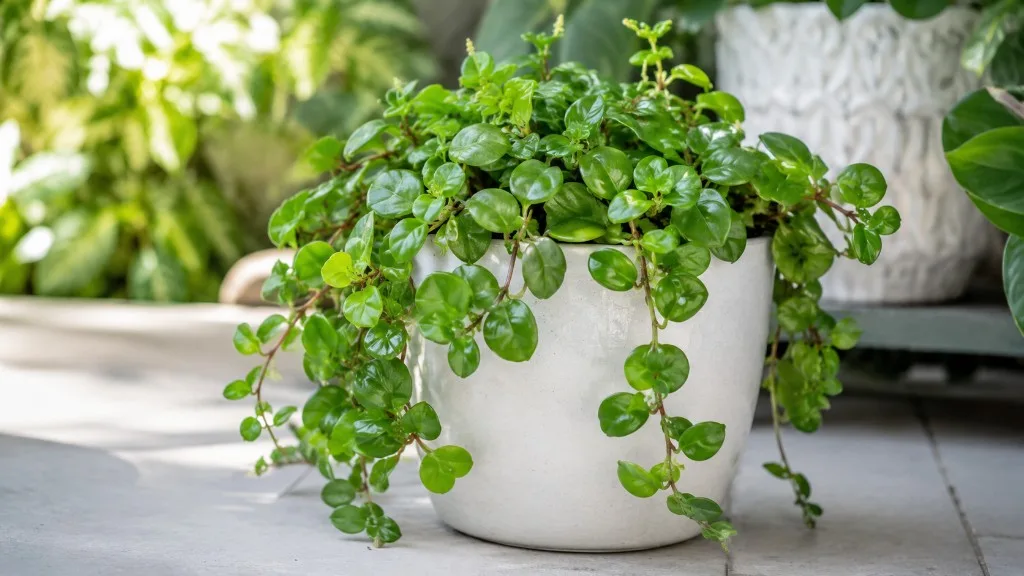
Peperomia Hope problems
Use the guides below to diagnose and fix common issues on Peperomia Hope. Each problem page explains why it happens on this species and what to do first.
Or use our problem diagnosis tool to narrow down symptoms.
Common problems on Peperomia Hope
Likely cause: Sep 3, 2025 · Peperomia is a large genus of ornamental foliage tropical plants in the family Piperaceae native to Mexico, South America, and the Caribbean. With more than 1,500 known species, like …
Quick fix: Follow extension or botanical guidance for Peperomia Hope ants on plant; adjust care before applying broad treatments.
Full fix guide →Leggy Growth
MediumLikely cause: Insufficient light
Quick fix: Move to brighter indirect light
Full fix guide →Plant Leaning
MediumLikely cause: Sep 3, 2025 · Peperomia is a large genus of ornamental foliage tropical plants in the family Piperaceae native to Mexico, South America, and the Caribbean. With more than 1,500 known species, like …
Quick fix: Follow extension or botanical guidance for Peperomia Hope plant leaning; adjust care before applying broad treatments.
Full fix guide →Pot Too Large
MediumLikely cause: Peperomia is one of the two large genera of the family Piperaceae. It is estimated that there are over 1,000 species, occurring in all …
Quick fix: Confirm diagnosis on your Peperomia Hope, then address the most likely care or pest factor described in current extension guidance.
Full fix guide →Slow Growth
LowLikely cause: Insufficient light or cool temperatures
Quick fix: Bright indirect light; ensure above 18 °C
Full fix guide →Root Rot
HighLikely cause: Overwatering before soil dries
Quick fix: Allow to dry completely; repot in fast-draining mix
Full fix guide →Yellow Leaves
MediumLikely cause: Overwatering or insufficient light
Quick fix: Ensure soil dries fully; move to brighter light
Full fix guide →Aphids
MediumLikely cause: Aphids on Peperomia Hope cluster on new round leaves and green flower spikes, leaving sticky honeydew. First step: isolate the plant and rinse aphids off trailing stems with lukewarm water before appl
Quick fix: See plant-specific guide for step-by-step fixes.
Full fix guide →Brown Tips
MediumLikely cause: Brown tips on Peperomia Hope are usually environmental-fluoride in tap water, uneven watering, or dry winter air-not disease. First step: switch to room-temperature filtered or rainwater and water onl
Quick fix: See plant-specific guide for step-by-step fixes.
Full fix guide →Drooping Leaves
MediumLikely cause: Drooping leaves on Peperomia Hope usually mean the roots are failing to move water-either from chronic wet soil or a fully dry mix. Lift the pot and feel stem bases at the crown before you water.
Quick fix: See plant-specific guide for step-by-step fixes.
Full fix guide →Fungus Gnats
MediumLikely cause: Fungus gnats on Peperomia Hope mean the soil surface stays wet too often. Let the mix dry completely before watering again-that is the first fix. Sticky traps catch adults; BTI targets larvae if dryin
Quick fix: See plant-specific guide for step-by-step fixes.
Full fix guide →Low Humidity
MediumLikely cause: Peperomia Hope tolerates average home humidity, but very dry winter air can crisp leaf edges and invite spider mites on trailing stems. Move the plant away from heating vents first, then raise humidit
Quick fix: See plant-specific guide for step-by-step fixes.
Full fix guide →Mealybugs
MediumLikely cause: Mealybugs on Peperomia Hope hide as white cottony clusters in leaf axils along trailing stems and at the crown. Isolate the plant, dab visible bugs with 70% alcohol, then spray insecticidal soap on re
Quick fix: See plant-specific guide for step-by-step fixes.
Full fix guide →Mold on Soil
MediumLikely cause: White or gray fuzz on Peperomia Hope soil is almost always harmless surface mold feeding on damp organic mix. The real problem is moisture: hold water until the top dries, scrape the mold, and check s
Quick fix: See plant-specific guide for step-by-step fixes.
Full fix guide →Not Enough Light
MediumLikely cause: Not enough light makes Peperomia Hope stretch, shrink its round leaves, and grow slowly. Move the pot to bright indirect light-an east window or a filtered spot one to two feet from south or west glas
Quick fix: See plant-specific guide for step-by-step fixes.
Full fix guide →Overwatering
MediumLikely cause: Overwatering on Peperomia Hope shows as a heavy wet pot, yellow dull leaves at the crown, and limp stems where vines meet the soil-often while trailing tips still look green. Stop watering, check crow
Quick fix: See plant-specific guide for step-by-step fixes.
Full fix guide →Spider Mites
MediumLikely cause: Spider mites on Peperomia Hope cause pale stippling and fine webbing on round succulent leaves, especially in dry winter air near windows. First step: isolate the plant and rinse leaf undersides thoro
Quick fix: See plant-specific guide for step-by-step fixes.
Full fix guide →Underwatering
MediumLikely cause: Underwatering on Peperomia Hope shows as a light dry pot, wrinkled round leaves, and limp-but still firm-trailing stems. Water thoroughly once until excess drains, empty the saucer, then resume lettin
Quick fix: See plant-specific guide for step-by-step fixes.
Full fix guide →Wilting
MediumLikely cause: Wilting on Peperomia Hope usually means underwatering or overwatering-lift the pot before you act. A light, dry pot needs one deep soak; a heavy, wet pot needs watering stopped and stem bases checked
Quick fix: See plant-specific guide for step-by-step fixes.
Full fix guide →