Philodendron Imperial Green Problems: Causes & Quick Fixes
Quick answer
Philodendron Imperial Green is prone to 20 common issues - each link below is a plant-specific fix guide.
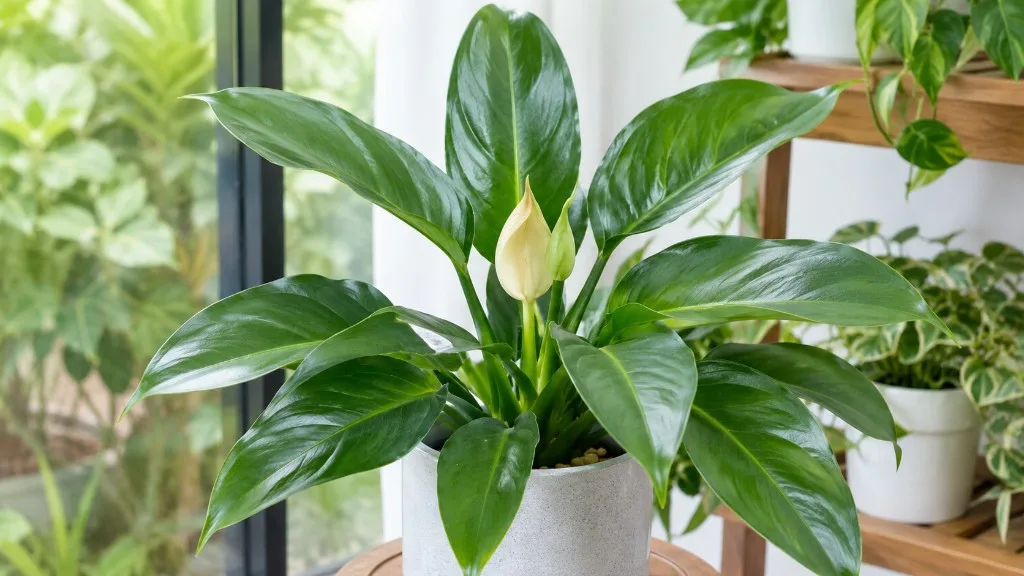
Philodendron Imperial Green problems
Use the guides below to diagnose and fix common issues on Philodendron Imperial Green. Each problem page explains why it happens on this species and what to do first.
Or use our problem diagnosis tool to narrow down symptoms.
Common problems on Philodendron Imperial Green
Likely cause: Philodendron is a large genus of flowering plants in the family Araceae. As of September 2025, the Plants of the World Online …
Quick fix: Confirm diagnosis on your Philodendron Imperial Green, then address the most likely care or pest factor described in current extension guidance.
Full fix guide →Brown Tips
MediumLikely cause: Low humidity
Quick fix: Increase humidity to 50%+
Full fix guide →Leaf Miners
MediumLikely cause: Feb 21, 2024 · Philodendron Types with Pictures and Care Guide The green heartleaf Philodendron is a vining type of plant with dark-green leaves in a heart’s shape. This type of Philodendron can be grown …
Quick fix: Confirm diagnosis on your Philodendron Imperial Green, then address the most likely care or pest factor described in current extension guidance.
Full fix guide →Leaf Drop
MediumLikely cause: Feb 21, 2024 · Philodendron Types with Pictures and Care Guide The green heartleaf Philodendron is a vining type of plant with dark-green leaves in a heart’s shape. This type of Philodendron can be grown …
Quick fix: Confirm diagnosis on your Philodendron Imperial Green, then address the most likely care or pest factor described in current extension guidance.
Full fix guide →Leaf Spot Disease
MediumLikely cause: Feb 21, 2024 · Philodendron Types with Pictures and Care Guide The green heartleaf Philodendron is a vining type of plant with dark-green leaves in a heart’s shape. This type of Philodendron can be …
Quick fix: Confirm diagnosis on your Philodendron Imperial Green, then address the most likely care or pest factor described in current extension guidance.
Full fix guide →Root Rot
MediumLikely cause: Wet soil
Quick fix: Repot in fresh draining mix
Full fix guide →Slow Growth
LowLikely cause: Low light
Quick fix: Move to medium-bright indirect light
Full fix guide →Yellow Leaves
MediumLikely cause: Overwatering
Quick fix: Allow top 3–5 cm to dry
Full fix guide →Aphids
MediumLikely cause: Aphids on Philodendron Imperial Green cluster on new leaves and tender petioles at the crown, sucking sap and leaving sticky honeydew on glossy foliage. First step: isolate the plant, rinse colonies o
Quick fix: See plant-specific guide for step-by-step fixes.
Full fix guide →Drooping Leaves
MediumLikely cause: Drooping leaves on Philodendron Imperial Green usually mean inconsistent watering-either dry soil or damaged roots in wet soil. First step: check whether the top 3–5 cm is dry or wet and lift the pot
Quick fix: See plant-specific guide for step-by-step fixes.
Full fix guide →Fungus Gnats
MediumLikely cause: Fungus gnats on Philodendron Imperial Green mean the soil surface has stayed wet too long-often from calendar watering, low light, or an oversized pot. First step: let the top 3–5 cm (1–2 inches) dry
Quick fix: See plant-specific guide for step-by-step fixes.
Full fix guide →Leggy Growth
MediumLikely cause: Leggy growth on Philodendron Imperial Green is usually etiolation from insufficient usable light. First fix: move it to brighter indirect light, then judge recovery by tighter new growth rather than o
Quick fix: See plant-specific guide for step-by-step fixes.
Full fix guide →Low Humidity
MediumLikely cause: If your Imperial Green's largest outer paddle leaves have dry brown tips but the central crown keeps pushing glossy new growth, check a hygrometer at canopy height-readings below 40% strongly support
Quick fix: See plant-specific guide for step-by-step fixes.
Full fix guide →Mealybugs
MediumLikely cause: Mealybugs on Philodendron Imperial Green hide as white cottony clusters in petiole axils of the self-heading rosette. Isolate the plant, dab visible bugs with 70% alcohol, then spray insecticidal soap
Quick fix: See plant-specific guide for step-by-step fixes.
Full fix guide →Mold on Soil
MediumLikely cause: On Philodendron Imperial Green, soil mold is usually saprophytic fungus feeding on moist organic matter beneath a dense upright crown. First fix: scrape off the fuzzy top layer, then let the top 3–5 c
Quick fix: See plant-specific guide for step-by-step fixes.
Full fix guide →Not Enough Light
MediumLikely cause: Not enough light on Philodendron Imperial Green causes long petioles, small new paddle leaves, slow growth, and a leaning rosette. First step: move to medium-bright indirect light within a few feet of
Quick fix: See plant-specific guide for step-by-step fixes.
Full fix guide →Overwatering
MediumLikely cause: Overwatering on Philodendron Imperial Green happens when soil stays wet too long-often from calendar watering in low light or poor drainage. Stop watering, let the top 3–5 cm dry fully, and inspect ro
Quick fix: See plant-specific guide for step-by-step fixes.
Full fix guide →Spider Mites
MediumLikely cause: Spider mites on Philodendron Imperial Green cause fine yellow stippling and webbing on leaf undersides, especially in hot dry winter air. First step: isolate the plant and rinse all foliage thoroughly
Quick fix: See plant-specific guide for step-by-step fixes.
Full fix guide →Underwatering
MediumLikely cause: Underwatering on Philodendron Imperial Green usually means a very light pot, dry soil beyond the surface, and limp paddle leaves. First step: soak thoroughly until water drains, then return to waterin
Quick fix: See plant-specific guide for step-by-step fixes.
Full fix guide →Wilting
MediumLikely cause: Wilting on Philodendron Imperial Green means roots cannot keep large paddle leaves firm-usually from dry soil or damaged roots in wet soil. First step: probe the top 3–5 cm and lift the pot before you
Quick fix: See plant-specific guide for step-by-step fixes.
Full fix guide →