How to Propagate Philodendron Moonlight
How to Propagate Philodendron Moonlight
How to Propagate Philodendron Moonlight
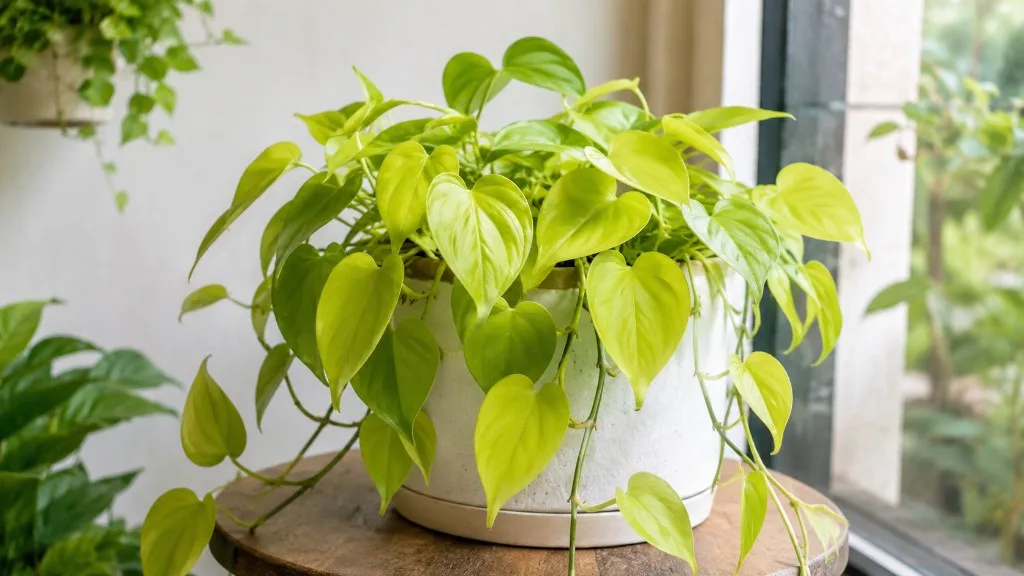
Philodendron Moonlight propagation at home means division at repotting — gently separating a mature plant into two or more sections that each carry roots, leaves, and an active growth point. Philodendron ‘Moonlight’ is a self-heading hybrid with an upright rosette and luminous chartreuse new foliage, not a long vining stem you can drop in a water jar. That growth habit changes everything about which methods work, how fast new plants establish, and what aftercare looks like in the first two months.
The reliable workflow: wait until the parent is healthy and actively growing, combine division with a scheduled repot in spring or early summer, tease apart multiple crowns or basal offsets so each piece has its own root mass, pot into the same well-draining mix you use for the parent, and place divisions in bright indirect light while holding fertilizer until fresh chartreuse leaves appear at the crown.
Why Moonlight Propagation Is Different From Vining Philodendrons
If you have propagated a heartleaf philodendron or a Pink Princess vine, Moonlight will feel unfamiliar at first — and that is biology, not a skill gap.
Self-heading rosette vs trailing stems
NC State Extension divides the genus into climbing vining types and non-climbing self-heading types. Philodendron ‘Moonlight’ sits in the second group: it grows upright with very short stems and large elongated lime-green leaves that mature to softer green. There is no trailing stem to submerge in water for weeks, and no moss pole requirement because the plant does not climb.
Clemson HGIC notes that self-heading philodendrons send leaves from a heavy clump of growth at the base and that some philodendrons produce offsets. Division exploits that clumping habit — you are splitting an established root-and-crown system, not rooting a detached vine segment.
What the patent hybrid tells you about cloning
Moonlight is a named Florida hybrid bred for uniform chartreuse colour on new leaves. Unlike chimeric variegated cultivars where node choice determines pink streaks, Moonlight propagates true to type when each division includes healthy crown tissue from a well-grown parent. Your main job is mechanical — clean separation and stable aftercare — not gambling on which bud carries variegation.
What You Need Before You Divide
Propagation succeeds when the parent plant is stable, the season supports root recovery, and your setup limits rot and sap exposure.
Tools, sanitation, and pet safety
Gather before you unpot:
- Sharp bypass pruners or a clean knife — dull blades crush aroid stems and invite infection
- 70% isopropyl alcohol to wipe blades between cuts
- Nitrile gloves — philodendrons contain insoluble calcium oxalate crystals; the ASPCA lists philodendron as toxic to cats and dogs with oral irritation, drooling, vomiting, and difficulty swallowing if chewed
- Fresh potting mix with perlite matching your soil guide recipe
- Small pots with drainage — one per division, only 2–5 cm wider than each rootball
- Newspaper or a tarp for the workspace — sap and soil spread fast on counters
Work on a surface pets cannot reach. Bag trimmings in a closed bin. Wash hands after handling cut tissue. Call ASPCA Poison Control at (888) 426-4435 if a pet ingests plant material.
Parent plant health and best timing
Divide only firm, upright plants with no active pest webs, widespread yellowing, or soft stems. If the parent is recovering from chronic overwatering or root damage, stabilize watering and light first — propagation multiplies healthy plants; it does not rescue a failing one.
Best timing is active growth: spring through early summer when warmth and bright filtered light support root repair. The parent species complex behind many modern hybrids — including Philodendron erubescens — performs best between 65 and 85°F (18–29°C) with high humidity and moist, well-drained organic soil per NC State’s erubescens profile. Those same conditions help divisions re-root without stalling.
Avoid dividing immediately after shipping, a heavy pest treatment, or a severe drought cycle. Wait until the plant pushes one clean new chartreuse leaf at the crown or shows steady turgor in existing foliage.
When Your Moonlight Is Ready to Divide
Not every Moonlight needs splitting every year. Division is a repot-season decision, not a calendar ritual.
Signs of multiple crowns or offsets
Look for these cues when you slide the rootball out during repotting:
- Two or more distinct leaf rosettes emerging from separate points on the root mass
- Basal offsets — smaller crowns at the soil line with their own leaves and starter roots
- A rootball so tight that water runs straight through dry mix despite regular watering checks
- Stalled spring growth on an otherwise well-lit plant that has not been repotted in more than two years
The NC State Extension Gardener Handbook describes division as cutting a plant into separate pieces, each with enough roots and shoots to survive independently — the same logic applies when you tease apart Moonlight crowns at repot.
When to wait another season
Do not divide if the plant is a single tight rosette with no offsets, if roots are mostly brown and mushy, or if you are heading into cold dim winter without supplemental light. A lone young Moonlight in a 10 cm pot often needs another year of growth before it produces a splittable clump. Patience beats forcing a one-crown plant into two weak halves.
Division at Repotting: Step-by-Step
Pair division with repot so you inspect roots once and disturb the plant minimally.
Preparing the workspace and parent plant
Water lightly one to two days before repot so the rootball is flexible but not soggy. Clear a workspace, sterilize tools, and pre-fill pots with moistened mix — standard potting soil plus 20–25% perlite for drainage, consistent with Moonlight’s soil needs.
Separating crowns without tearing roots
- Tip the plant out of its pot and brush away loose old mix from the outer root mass.
- Locate natural split lines between crowns — where stems diverge and roots form separate clusters.
- Gently tease roots apart by hand first. Use a sterile knife only if the clump is truly fused; cut between crowns, not through the main growth point of either section.
- Confirm each division has roots + at least two to three leaves + a central crown where new chartreuse leaves emerge. Discard leafless fragments — they lack the meristem to rebuild a rosette.
- Trim black or mushy roots with sterile shears. Healthy roots are firm and pale tan or white.
Clemson HGIC allows repotting overcrowded philodendrons in any season; for Moonlight indoors, spring repot plus division still gives the best recovery window.
Potting each division
- Choose a pot only one size up from what that section’s roots need — oversize pots stay wet and invite rot.
- Set the crown at the same soil depth as before; burying the growth point causes stem rot.
- Backfill around roots and firm lightly — no compacting.
- Water once until a little drains from the bottom, then empty the saucer.
- Place in bright indirect light — same exposure as the parent, not direct sun on stressed foliage.
Hold fertilizer until each division pushes new growth — usually three to six weeks in warm bright conditions.
Can You Use Stem Cuttings or Water Propagation?
Short answer: sometimes, but division is the home default for Moonlight.
Short-stem cutting limits on compact plants
Clemson HGIC states philodendrons may be propagated from stem cuttings or air layering at any season, provided the cutting includes node tissue. Moonlight’s stems are short and crowded near the crown, so you rarely have the long internode sections that make stem propagation easy. If a mature plant sends a side shoot with its own node and leaves, you could remove it with sterile shears and root it in moist perlite or sphagnum under humidity — but most indoor Moonlights never offer a convenient cutting before they are old enough to divide instead.
Why water jars are not the default here
The RHS philodendron guide describes water rooting for climbing or trailing philodendrons — roughly 10 cm stem sections with lower leaves stripped, stood in water until roots form. That workflow assumes visible internodes on a vine. Moonlight’s self-heading rosette does not produce those stems in typical home conditions, which is why social-media water-jar tutorials fail or produce leaf-only sections that yellow without a node.
If you only have a single young rosette, grow the parent larger rather than forcing experimental cuttings.
Soil, Light, and Humidity for New Divisions
New divisions are small root systems in fresh mix — treat them like recently repotted parents, not established specimens.
Use the same well-draining potting mix with perlite described in the soil guide. The RHS recommends loose, free-draining compost and warns that oversize pots stay wet longer and rot roots — especially critical for freshly separated plants.
Place divisions in bright indirect light within 1–2 m of an east window or behind sheer south-west glass. Moonlight needs enough light for chartreuse new leaves; dim placement after division slows recovery and produces pale, stretched crowns.
Target moderate humidity (50–60%) and stable room temperatures above 15°C (59°F) per RHS minimum guidance. A clear humidity dome or propagation box for the first 7–10 days can reduce wilt on small divisions, but vent daily to prevent mold on wet mix.
Aftercare: Weeks 1 Through 8
The first two months determine whether divisions become independent plants or linger in transplant limbo.
Water and fertilizer rules
Weeks 1–2: Keep mix lightly and evenly moist, not saturated. Check with a finger at 3–5 cm depth before adding water — the same check-first rhythm as the watering guide. Divisions wilt slightly when dry but rot quickly when sodden.
Weeks 3–6: As new white root tips appear against pot walls and the first chartreuse leaf unfurls, shift toward the parent’s normal dry-down pattern — allow the top 3–5 cm to dry between soaks.
Weeks 7–8: If growth is steady, resume half-strength balanced liquid fertilizer monthly during active growth, following the fertilizer guide — never feed a division that still shows wilt or brown mushy roots.
Reading stress signals on new leaves
Judge success on the next one or two leaves at each crown, not on older foliage from before the split.
- Soft drooping with wet mix — reduce water and confirm drainage holes are open
- Crisp brown leaf edges with dry mix — increase humidity slightly and check that light is bright but not direct sun
- Dull green new leaves instead of chartreuse — move closer to filtered light before changing fertilizer or pot size
- No new growth after six weeks in warm conditions — gently slide the plant out; if roots are stagnant, confirm the division retained enough crown tissue
Common Propagation Failures and Fixes
| Problem | Likely cause | First fix |
|---|---|---|
| Division collapses after repot | Too-small root mass or crown damage | Stabilize in smaller pot, humidity dome, bright indirect light |
| Mushy stem at soil line | Buried crown or chronic wet mix | Unpot, trim rot, repot higher with fresh airy mix |
| Both halves stall | Divided too early (single rosette forced apart) | Recombine if possible; otherwise grow remaining section and wait for offsets |
| Pale stretched new leaves | Low light after division | Increase filtered brightness; read the light guide |
| Mold on soil surface | Overwatering plus poor airflow | Reduce water, vent dome, scrape surface mold |
Propagation does not fix a parent with chronic root rot — address root health during repot before expecting divisions to thrive.
When to Use This Page vs Other Philodendron Moonlight Guides
Use this propagation guide when you have a mature multi-crown Moonlight and want to multiply it at repot with division steps and aftercare timelines.
Use the overview for identity, growth habit, and quick-care context. Use repotting for pot sizing and root inspection when you are refreshing mix without splitting. Use soil, light, and watering for ongoing culture on parent and offspring. Use pruning only for removing damaged leaves — Moonlight does not need vine shortening.
Related Philodendron Moonlight Guides
- Overview — chartreuse self-heading habit and buying checkpoints
- Repotting — when to repot, pot size, and root-health checks (pair with division)
- Soil — perlite mix and drainage for new divisions
- Light — keeping chartreuse crown colour on propagated plants
- Watering — check-first dry-down after division
Conclusion
Philodendron Moonlight propagation belongs at repot time, not in a water jar. Wait for multiple crowns or basal offsets, divide so each section keeps roots, leaves, and a growth point, pot into well-draining mix in appropriately small containers, and give bright indirect light with patient watering while the first new chartreuse leaves prove the split worked. That approach matches this self-heading hybrid’s biology — and gives you true-to-type chartreuse plants without the guesswork vining philodendrons demand.