Pilea Moon Valley Problems: Causes & Quick Fixes
Quick answer
Pilea Moon Valley is prone to 16 common issues - each link below is a plant-specific fix guide.
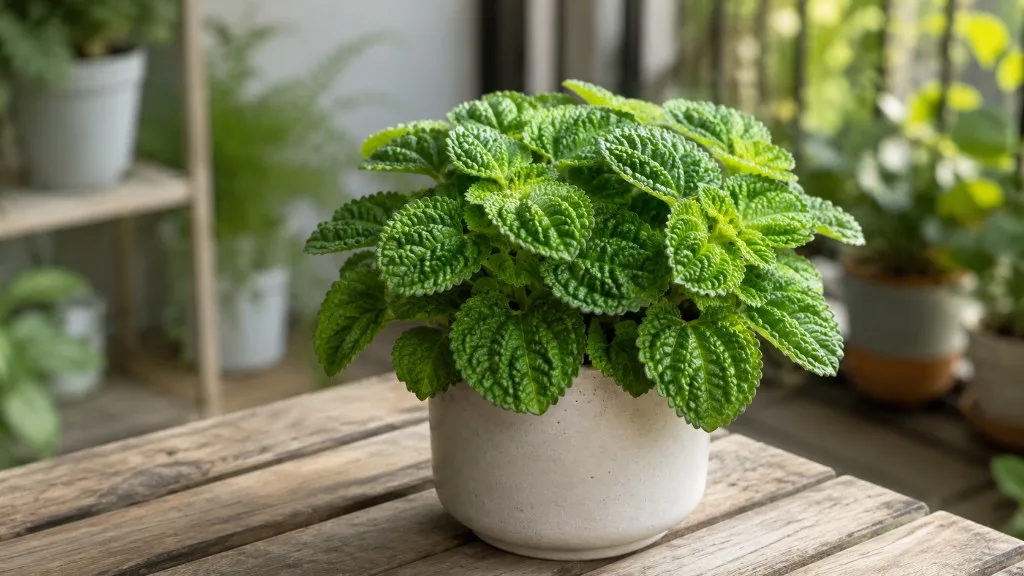
Pilea Moon Valley problems
Use the guides below to diagnose and fix common issues on Pilea Moon Valley. Each problem page explains why it happens on this species and what to do first.
Or use our problem diagnosis tool to narrow down symptoms.
Common problems on Pilea Moon Valley
Brown Tips
LowLikely cause: Low humidity or salt build-up from over-fertilising
Quick fix: Increase humidity; flush soil with plain water
Full fix guide →Leggy Growth
MediumLikely cause: Insufficient light
Quick fix: Move to brighter indirect light
Full fix guide →Root Rot
MediumLikely cause: Persistently wet soil
Quick fix: Repot in fresh draining mix
Full fix guide →Yellow Leaves
MediumLikely cause: Overwatering
Quick fix: Allow top 2–3 cm to dry before watering
Full fix guide →Aphids
MediumLikely cause: Aphids on Pilea Moon Valley cluster on soft new quilted tips and leaf axils, leaving sticky honeydew in the textured leaf craters. First step: isolate the plant and rinse colonies off with lukewarm wa
Quick fix: See plant-specific guide for step-by-step fixes.
Full fix guide →Drooping Leaves
MediumLikely cause: Drooping leaves on Pilea Moon Valley mean the leaf mound lost turgor-usually from dry soil, heat stress, or roots that cannot drink despite wet mix. First step: feel soil at 2–3 cm depth and lift the
Quick fix: See plant-specific guide for step-by-step fixes.
Full fix guide →Fungus Gnats
MediumLikely cause: Fungus gnats on Pilea Moon Valley almost always mean the soil surface stays wet too long. First step: let the top 2–3 cm dry completely and place yellow sticky traps at the pot rim.
Quick fix: See plant-specific guide for step-by-step fixes.
Full fix guide →Low Humidity
MediumLikely cause: Low humidity on Pilea Moon Valley crisps the puckered leaf margins and invites spider mites in dry heat. First step: Group the pot with other plants on a pebble tray and rinse the textured leaves week
Quick fix: See plant-specific guide for step-by-step fixes.
Full fix guide →Mealybugs
MediumLikely cause: Mealybugs on Pilea Moon Valley hide as white cottony clusters in leaf axils and at the crown where quilted leaves overlap. Isolate the plant, dab visible bugs with 70% alcohol, then spray insecticidal
Quick fix: See plant-specific guide for step-by-step fixes.
Full fix guide →Mold on Soil
MediumLikely cause: Mold on soil on Pilea Moon Valley usually means the surface stays wet while organic mix breaks down. First step: scrape off visible mold and let the top 2–3 cm dry before watering again.
Quick fix: See plant-specific guide for step-by-step fixes.
Full fix guide →Not Enough Light
MediumLikely cause: Not enough light makes Pilea Moon Valley stretch, fade bronze-green color, and flatten its quilted leaf texture. Move the pot to bright indirect light-an east window or a filtered spot one to two feet
Quick fix: See plant-specific guide for step-by-step fixes.
Full fix guide →Overwatering
MediumLikely cause: Overwatering on Pilea Moon Valley keeps the peaty mix soggy and starves roots of oxygen. First step: stop watering and do not pour again until the top 2–3 cm of mix is dry.
Quick fix: See plant-specific guide for step-by-step fixes.
Full fix guide →Slow Growth
MediumLikely cause: Slow growth on Pilea Moon Valley is usually tied to low light, root stress, or cool wet soil-not a fertilizer shortage. First step: move to bright indirect light and verify the top 2–3 cm drying cycle
Quick fix: See plant-specific guide for step-by-step fixes.
Full fix guide →Spider Mites
MediumLikely cause: Spider mites on Pilea Moon Valley cause pale stippling in puckered leaf craters and fine webbing at crowded stem joints, especially in dry winter heat. First step: isolate the pot and rinse every leaf
Quick fix: See plant-specific guide for step-by-step fixes.
Full fix guide →Underwatering
MediumLikely cause: Underwatering on Pilea Moon Valley collapses the leaf mound and crisps quilted edges when the top 2–3 cm of mix stays dry too long. First step: soak the pot until water runs from drainage holes, then
Quick fix: See plant-specific guide for step-by-step fixes.
Full fix guide →Wilting
MediumLikely cause: Wilting on Pilea Moon Valley can mean too little water or failing roots on wet soil. First step: Check pot weight and soil at 2–3 cm depth before you add any water.
Quick fix: See plant-specific guide for step-by-step fixes.
Full fix guide →