Sow Turai Right: Germination & Seed-Saving Tips
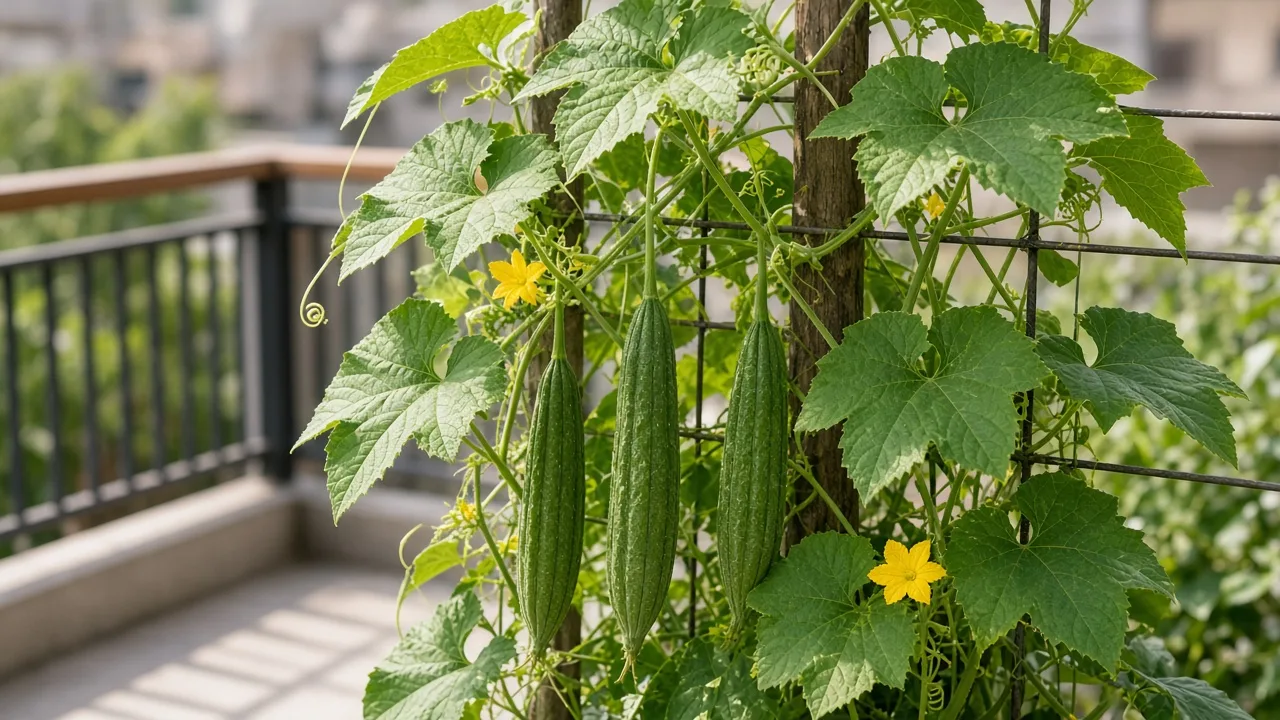
Sow Turai Right: Germination & Seed-Saving Tips
Sow Turai Right: Germination & Seed-Saving Tips
Ridge gourd propagation for Luffa acutangula—the ridged turai or torai vine grown across Indian kitchens—means growing from seed. This fast annual cucurbit does not behave like a perennial houseplant you can root from cuttings; every new season starts with warm soil, viable seed, and a trellis plan ready before vines lengthen. UF/IFAS Gardening Solutions describes angled luffa (L. acutangula) and smooth luffa as climbing summer vines planted by direct seeding or transplant, much like cucumber but with a greater need for drainage and steady moisture.
If you are wondering whether a leftover kitchen scrap or vine tip can spawn another plant, redirect that effort into sowing. The payoff is a single vigorous vine that can cover a balcony railing in weeks when light, water, and support align with the ridge gourd overview.
How Luffa acutangula reproduces in the garden
Ridge gourd completes its life in one warm season. It germinates, climbs with tendrils, flowers, sets fruit, and dies back after seed matures—there is no persistent crown to divide. Propagation is therefore about starting the next generation from seed, optionally saving seed from your own mature fruits if quality and bitterness checks pass.
Why seed is the reliable propagation route
Commercial and home growers propagate ridge gourd almost exclusively from seed. UF/IFAS EDIS notes that both direct seeding and transplanting are used for luffa production; seedlings are ready to move when they carry two to three true leaves. Stem cuttings are not part of standard practice for this species, and success rates are poor compared with sowing—unlike some perennial gourds, L. acutangula does not root readily from vine segments in typical garden conditions.
Ridge gourd vs smooth luffa and other “luffa” names
Angled ridge gourd (L. acutangula) has sharp lengthwise ribs on young fruit, while smooth luffa (L. aegyptiaca, sometimes listed as L. cylindrica) looks more cucumber-like. Both grow similarly from seed, but cultivar names and harvest size differ. UF/IFAS Gardening Solutions lists separate cultivar suggestions for each type—confirm your packet says L. acutangula if you want turai for curries rather than a smooth sponge gourd.
When to sow ridge gourd in India and warm climates
Ridge gourd is a warm-season crop. Seeds sit idle in cold, waterlogged soil, while heat and consistent moisture drive fast emergence once nights stay mild.
Summer and monsoon planting windows
In most Indian plains, growers sow a summer crop in February–March and a monsoon crop in June–July, adjusting for local rain and temperature. DesiKheti describes ridge gourd as thriving in warm, humid weather with optimal growth roughly 25–35°C, and notes regional rabi or hilly sowings where climate allows. On a terrace, match sowing to when your container mix stays warm day and night—not merely when the calendar flips.
Soil temperature checks before sowing
Hold off until soil at sowing depth feels warm to the touch and stays above about 20°C for reliable emergence; many home growers see cotyledons in roughly 5–8 days under those conditions. Treeier suggests waiting for at least 21°C (70°F) soil for direct outdoor sowing and maintaining warm mix for indoor starts. If a cold snap follows sowing, germination stalls and seedlings become vulnerable to rot—see the ridge gourd light guide for full-sun placement after emergence.
Choose seed and variety before you plant
Propagation success begins with seed quality, not secret soaking formulas. Weak or old seed wastes a long trellis season.
Store-bought hybrid vs open-pollinated turai
Hybrids such as those used in commercial Indian production are bred for uniform fruit and disease tolerance; open-pollinated landraces may vary in length and rib prominence. Buy from a reputable source and note days-to-harvest on the packet. For sponge production rather than kitchen turai, you may deliberately leave fruits to mature on the vine—still the same sowing method, different harvest goal.
Home-saved seed and bitter-fruit caution
UF/IFAS EDIS explains that mature luffa fruits hold dark, hard seed suitable for storage after drying. Home saving works, but cucurbits can occasionally produce bitter fruit, especially with unselected seed. Taste a sliver of raw flesh from the first fruits of a saved line; discard bitter ones and do not reuse seed from those plants. This step matters most when you propagate from seed you saved yourself.
Direct sowing in beds, pits, and large containers
Direct sowing is the simplest propagation path when frost is past and soil is warm—exactly how many Florida growers seed luffa in summer, per UF/IFAS Gardening Solutions.
Prepare drainage and organic matter first
Work mature compost into loamy soil or use a free-draining container mix as outlined in the ridge gourd soil guide. Ridge gourd tolerates average garden soil when water moves through; saturated mix invites root trouble in hot weather. In pits or raised beds, mound slightly so water does not pool around the stem.
Depth, pit spacing, and thinning seedlings
Sow about 2 cm deep—roughly ½ inch—and keep the zone evenly moist until emergence. DesiKheti recommends three seeds per pit, then thin to two strong seedlings after germination. For row culture, UF/IFAS EDIS cites roughly 3 feet between plants and 6 feet between rows; on a balcony, one plant per 40-litre or larger pot with a tall trellis often outperforms crowded tubs.
Optional 12–24 hour soaking in room-temperature water can soften the seed coat; drain and sow promptly rather than leaving seed in water for days.
Nursery starts and careful transplanting
When you need an earlier start or controlled germination on a windy terrace, raise seedlings in modules, then transplant once roots fill the cell but before vines tangle.
Pro-trays and cocopeat modules
Use 50-cell pro-trays or similar inserts filled with sterile cocopeat or seed-starting mix, as Indian extension materials describe for ridge gourd nurseries. Sow one seed per cell when possible. Keep mix warm and bright; leggy pale seedlings rarely recover into strong vines.
Move plants at two to three true leaves
UF/IFAS EDIS recommends transplanting luffa when seedlings have two to three true leaves—typically about two weeks after germination in warm nurseries, matching DesiKheti guidance. Disturb roots minimally, plant at the same depth as in the tray, water in, and shade for a few days. Cucurbit taproots resent rough handling; if transplants wilt despite moist soil, direct sowing may be easier next season. The ridge gourd repotting guide covers moving young plants into final large containers before vines attach to trellis mesh.
Germination timeline and early seedling care
Think of propagation as two phases: emergence (seed to seedling) and establishment (seedling to climbing vine).
Heat, moisture, and light for young vines
After sowing, expect cotyledons within about a week when soil is warm and consistently moist—not sodden. Provide full sun as soon as seedlings stand; weak light produces thin stems that snap on the first windy afternoon. Match irrigation to the ridge gourd watering guide: dry surface, slight moisture deeper, never standing water in the saucer.
Spot damping-off before stems collapse
Cucurbit seedlings in cool, wet mix are classic targets for damping-off. NC State Extension describes stems pinching at the soil line and toppling seedlings when pathogens attack overwatered, poorly ventilated trays. Improve airflow, reduce watering frequency slightly, and use clean mix for your next sowing rather than reusing soggy cocopeat.
Trellis training right after establishment
Propagation is not finished at germination—without vertical support, you do not get straight, clean turai.
Vertical support on terraces and balconies
UF/IFAS Gardening Solutions recommends vertical trellises six feet or taller because luffa stems can grow extremely long; fruit that rests on soil rots more easily. Install trellis mesh, railing nets, or tripod poles when you transplant or when direct-sown plants have their first true leaves. Guide the main stem upward with soft ties, then let laterals spread—most kitchen fruits form on side shoots, as noted in the ridge gourd pruning guide.
Why delayed trellising wastes the season
Vines that sprawl on paving tangle, break, and set curved fruit exposed to soil splash. Fixing support after a 2 m tangle costs more time than setting a trellis on sowing day. On containers, anchor structures so a full vine plus wind load does not pull pots over.
Pollination once vines start flowering
Separate male and female yellow flowers appear on the same vine—UF/IFAS EDIS describes monoecious luffa with clustered male blooms and solitary female flowers. Bees usually transfer pollen, but balconies with poor insect traffic may set few fruits unless you help.
Male and female flowers on one plant
Male flowers typically open first on young vines—a normal cucurbit pattern that can worry new growers until females appear. Do not uproot a vine during that gap; keep moisture steady and avoid heavy nitrogen that pushes leaves over flowers, as discussed in the ridge gourd fertilizer guide.
Hand pollination when bees are scarce
On quiet terraces, pick a freshly open male flower, peel back petals, and brush pollen onto the stigma of open female flowers early in the morning. Mark pollinated ovaries if you like, and remove fruit that swells then yellows—often a sign of poor pollination or pest sting rather than a watering issue.
Aftercare that turns seedlings into harvests
Propagation aftercare is the bridge from seedling to first 15–25 cm tender gourds.
Water and feed through first fruit set
Increase watering slightly as vines run and flowers open, but always let excess drain. Young plants do not need heavy feed at emergence; begin gentle feeding once true leaves expand, following the fertilizer guide rather than burning seedlings with strong doses.
Days from sowing to first tender turai
DesiKheti notes first harvest roughly 60 days after sowing, with pick intervals every few days once fruiting starts—aligned with the fast growth rate described on the plant profile. Check vines every two to three days in peak season so fruits do not pass the tender stage.
Saving ridge gourd seed for next season
Saving seed is still propagation—just shifted to the end of the life cycle.
Mature fruits on the vine for seed
Leave selected fruits to ripen until skin browns and fibers develop if you want sponges, or until fruits are fully mature for seed extraction as UF/IFAS Gardening Solutions outlines for luffa processing. For seed only, mature fruits contain dark, hard seed distinct from pale immature seed inside young turai UF/IFAS EDIS.
Clean, dry, and store turai seed safely
Scoop seeds, rinse away pulp, and dry on paper in a warm, airy room for several days. Store in labeled jars in a cool, dark place. Select seed from non-bitter, healthy fruits to reduce off-types next year. Do not save seed from the only bitter fruit on a vine.
Common propagation failures and first fixes
Seeds that never sprout
Cold soil, buried too deep in heavy clay, or dried-out surface mix are the usual causes. Re-sow in warm mix rather than waiting on a month-old pot. Test leftover seed on a damp paper towel at 25–30°C if you doubt viability.
Seedlings that stall after transplant
Root damage, night chill, or sudden full sun without hardening off stall cucurbit vines. Shade transplants for three to five days, keep soil evenly moist, and avoid disturbing roots again. If stalls continue, sow direct in a fresh large pot while season warmth still allows.
When to use this page vs other Ridge Gourd guides
Use this propagation page when you are starting from seed, raising nursery trays, thinning pits, or drying seed for next year. For daily moisture checks on established vines, open the watering guide. For mix recipes and pH, see soil. For window placement and sun hours, see light. For moving seedlings into final tubs, see repotting. For side-shoot management after vines run, see pruning.
Related Ridge Gourd guides
The overview hub summarizes growth habit, harvest size, and pet-awareness around edible vines. Fertilizer covers feeding after propagation succeeds. Together, these pages support a full season from first sowing to last tender turai.
Conclusion
Ridge gourd propagation is seed propagation: warm soil, about 2 cm sowing depth, prompt trellis setup, and careful handling if you transplant at the two-to-three true-leaf stage. In India-friendly climates, align sowing with February–March or June–July windows when nights stay mild, thin crowded pits to the strongest vines, and hand pollinate if bees are rare. Save seed only from healthy, non-bitter fruits, and treat next season’s sowing as a fresh start on a clean, well-drained mix. Get those steps right and a single packet can fuel months of vertical harvests on a sunny terrace.