Ridge Gourd Soil Guide — Mix, pH & Drainage for Turai
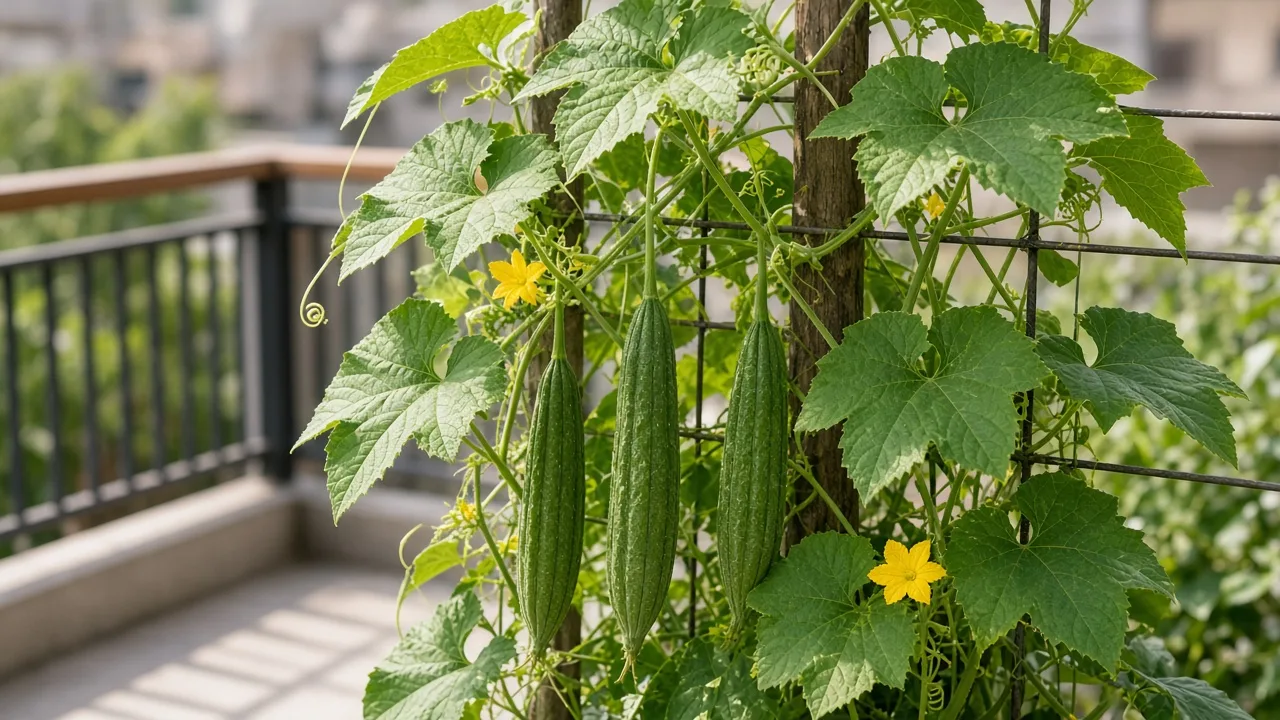
Ridge Gourd Soil Guide — Mix, pH & Drainage for Turai
Ridge Gourd Soil Guide — Mix, pH & Drainage for Turai
Ridge gourd (Luffa acutangula) is a heat-loving cucurbit vine, not a forgiving windowsill herb. It wants fertile, well-aerated soil that drains freely, steady moisture in the root zone, and enough organic matter to fuel a long season of flowers and young turai. Get the texture wrong—especially in a small pot or water-holding monsoon mix—and you will see yellow lower leaves, wilting in wet soil, or flower drop long before you blame pests or pollination.
This page covers mixes, pH, bed prep, containers, and warning signs. For how often to irrigate once the mix is right, use the Ridge Gourd watering guide. For trellis timing and harvest length, start with the Ridge Gourd overview.
What ridge gourd roots need from soil
Cucurbit roots need oxygen as much as water. Ridge gourd grows fast on a trellis; during flowering and fruit set it pulls water and nutrients from a wide root zone. Soil that stays saturated after every watering shuts down fine roots, invites stem rots at the crown, and can make the whole vine look thirsty even when the surface is muddy.
Fast annual vines and warm roots
Treat ridge gourd as a warm-season annual. Seeds germinate in about five to eight days when soil stays warm above roughly 20°C. Cold, clammy mix in an unglazed pot on a shaded floor is a common reason turai fails on balconies while the same seed lot thrives in a sunny terrace bed. Soil preparation and sowing timing belong together—you are not just picking a bag label, you are choosing a root environment for the next three months.
Drainage before bag labels
Farmers’ Almanac notes that luffa vines need plenty of sun, regular water, and well-drained soil, with sturdy support so fruits do not rot on the ground. That drainage requirement is the spine of every recommendation here. A “vegetable potting mix” that stays spongy for days after one watering is worse for turai than average garden loam on a raised mound with open drainage.
Ideal texture, organic matter, and pH
Target a fertile loam or sandy loam with mature compost worked through the planting zone—not a thin enriched hole in unchanged clay. Tropilab’s ridged luffa profile describes culture in full sun and good-drained sandy loam, which matches how most Indian kitchen gardens succeed with turai on mounded beds or large containers.
Ridge gourd farming guidance for India commonly cites well-drained loam or sandy loam with good organic content, with irrigation emphasis during flowering and fruiting. You are aiming for crumb structure that holds moisture in the middle of the root ball yet releases excess water within minutes of a deep irrigation.
Practical pH window for Luffa acutangula
A practical home-garden band is pH 6.0–7.5, aligning with LeafyPixels hub data and multiple grower sources that cite roughly 6.0–7.0 for turai. India Gardening’s turai guide recommends sandy-loam soil amended with organic matter and pH between 6 and 7. Do not chase a decimal on paper while ignoring structure—compacted, waterlogged soil at “ideal” pH still produces weak vines.
If you have chronic blossom-end or nutrient oddities on other cucurbits in the same bed, a soil test is worthwhile. For most terrace growers, fixing drainage and compost quality matters more than lime or sulphur guesses.
Loamy beds versus heavy terrace clay
Ridge gourd tolerates a range of native soils when drainage is improved, but heavy clay that puddles after monsoon rain is a poor direct-sow bed without elevation. Mound soil 10–15 cm, add mature compost through the full planting row—not only in seed pits—and ensure water exits the bed laterally. Pure sand dries too fast on a hot railing; pure clay suffocates roots. Loam with compost is the middle path.
Preparing garden beds before sowing
Clear weeds and old cucurbit debris, then spread well-rotted compost or farmyard manure across the bed rather than concentrating fertility only where three seeds will sit. RHS cucumber guidance—a close cucurbit cousin—recommends digging in two bucketfuls of garden compost or well-rotted manure per planting site, ideally a few weeks before sowing so the soil settles. The same principle applies to turai mounds: organic matter improves fertility and water-holding without replacing the need for air spaces.
Zaid and monsoon field prep in India
On the plains, many growers sow in February–March for summer harvest or June–July when monsoon nights stay warm. Prep the bed before those windows: compost incorporated, trellis posts set, drainage paths open. Sowing into cold, wet clay at the first cloudy monsoon day is a frequent failure mode—wait until soil warms and crumbles rather than smears.
Building tilth without compacting wet soil
Ridge gourd seed is sown about 2 cm deep; seedlings emerge best where the top few centimetres are fine and crumbly. Work soil when it is moist but not plastic. Walking on wet clay compacts the very layer roots need. If your bed crusts after rain, that signals low organic matter or working soil too wet—add compost and avoid tillage until conditions improve.
Direct sowing is normal for turai. Prepare the final bed or pot before seed contact; repeated disturbance of young cucurbit roots checks growth. For spacing, trays, and succession timing, see the Ridge Gourd propagation guide.
Container and grow-bag mixes
Garden soil alone is a poor container medium. It compacts, sheds water down the sides of the pot, and may carry pathogens. Use a peat-free or coir-based vegetable potting mix designed for containers, then adjust for drainage.
RHS guidance for cucumbers in pots suggests containers at least 30 cm wide and deep filled with multipurpose compost. Ridge gourd on a trellis is larger and longer-season than a compact cucumber—roughly 40 litres or more for one strong plant is a safer terrace minimum so the mix does not dry and heat-cycle violently every day.
Sizing pots for one strong vine
Undersized pots force you into a drought–flood cycle: the mix bakes on a west-facing railing, then someone compensates with heavy watering and the root zone goes anaerobic. Large volume buffers moisture and temperature. Confirm open drainage holes and pot feet; a saucer that holds standing water negates a good mix.
A ridge-gourd-friendly DIY blend
A workable starting blend—matching LeafyPixels hub proportions—is about 50% quality potting mix or screened garden loam, 30% mature compost, and 20% perlite, coarse sand, or coco chips for aeration. Moisten components before mixing. The finished medium should hold together briefly when squeezed, then fall apart when touched.
Savvy Gardening’s loofah growing notes suggest giving plants a strong start by digging in several inches of compost or aged manure at planting time; in pots they recommend roughly two-thirds potting mix and one-third compost in a large grow bag. That is more compost-heavy than the hub blend—fine in cool, dry weather, but on humid monsoon balconies consider more perlite or chips if the mix stays wet past 24 hours after watering.
Coir-heavy mixes hold moisture longer; bark- or perlite-rich mixes need more frequent checks. Adjust based on how your pot behaves, not a universal recipe card. Try the Soil Mix Calculator with ridge-gourd pre-selected to compare proportions.
Warming soil for reliable germination
Soil temperature matters as much as air temperature for germination. Sow when the upper 5–8 cm of mix stays warm—typically above about 20°C—and nights are not cool enough to chill a terrace pot. Black grow bags or mulching with dry straw can help marginally cool sites; avoid sowing into waterlogged monsoon beds before warmth returns.
If you start in trays, use free-draining seed compost with low salinity, then transplant into the richer final blend before vines tangle. The Ridge Gourd repotting guide covers moving seedlings into their last home; this soil page defines what should be in that destination mix.
Warning signs your soil mix is wrong
Soil problems show up in leaves, flowers, and stems before you identify a pest.
Wilting while the mix stays wet
Lower leaves yellowing while the mix glistens often means waterlogging or nitrogen loss in airless media—not a call to water again. Wilting with wet soil points to damaged roots. Gently lift a struggling container plant: healthy roots are pale and firm; brown, mushy roots smell sour and need trimmed roots, refreshed mix, and gentler watering—see how that ties to the Ridge Gourd watering guide once drainage is fixed.
A white or green fuzz on the surface usually means the top layer never dries—common with peat-heavy mixes on shaded, humid balconies.
Cracked beds and flower drop
At the other extreme, cracked, pale soil and limp midday leaves mean the mix is too lean or the pot too small. Drought during flowering can drop buds and shrink young gourds even on an otherwise healthy vine. Fix organic matter and volume before chasing fertilizer alone—the Ridge Gourd fertilizer guide assumes roots already sit in a sound medium.
Fruits resting on soggy ground rot and curve; that is partly trellis work, but it often starts with beds that never drain. Train vines early as described in the Ridge Gourd overview and pruning guide.
When to use this page vs other Ridge Gourd guides
Use this soil guide when you are choosing or fixing the root zone—before sowing, at transplant, or when leaves look stressed despite a watering calendar that “should” work. Switch to the Ridge Gourd watering guide for how deep and how often to irrigate this mix. Use the Ridge Gourd fertilizer guide once drainage and texture are sound but growth is still pale or slow. The Ridge Gourd light guide matters when vines are leggy or sun-starved regardless of soil quality. For trellis training and tip pinching, see Ridge Gourd pruning.
Related Ridge Gourd guides
- Ridge Gourd overview — identity, sowing seasons, trellis basics, and harvest stage
- Ridge Gourd watering — moisture checks matched to this mix
- Ridge Gourd fertilizer — feeding after soil structure is right
- Ridge Gourd propagation — sowing depth, trays, and spacing
- Ridge Gourd repotting — moving seedlings into final containers
Conclusion
Ridge gourd soil should behave like good vegetable loam on a trellis: fertile, slightly acidic to neutral, moist in the root zone, and never stagnant. Blend potting mix or loam with mature compost and a coarse aerating fraction, confirm water flows freely from drainage holes, and size pots to the vine—not to what is convenient on the balcony floor. Fix structure before chasing pH or fertilizer, warm the mix before you sow, and expect the best turai harvest when roots breathe as well as they drink.