Best Soil for Spring Onions (Allium fistulosum)
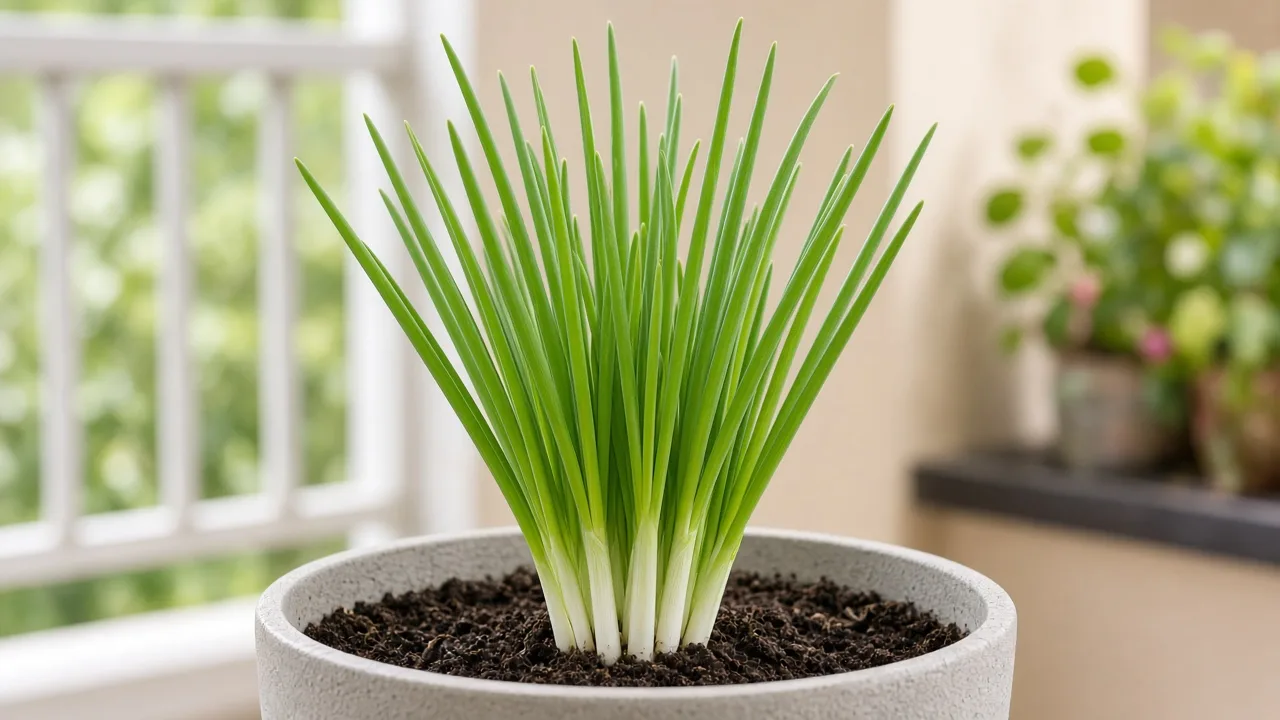
Best Soil for Spring Onions (Allium fistulosum)
Best Soil for Spring Onions (Allium fistulosum)
Spring onion (Allium fistulosum) — scallion, green onion, hari pyaz, Welsh or Japanese bunching onion — rewards you with tender hollow leaves and slim white shanks when the root zone stays moist, airy, and fertile. Unlike bulb onions (Allium cepa), fistulosum is grown for repeated green harvests, not a large storage bulb. That means soil structure and drainage matter from day one: crowns rot quickly in soggy, poorly aerated mix, while drought-prone sand or a shallow, crowded trough produces tough shoots and early flower stalks.
This page covers texture, compost, pH, containers, and drainage — not irrigation schedules. For finger-test timing and saucer habits, use the Spring Onion watering guide. For the full seasonal picture, start with the Spring Onion overview.
What bunching onion roots need from the soil
The RHS describes Welsh onion (Allium fistulosum) as suited to fertile, well-drained ground in full sun, with moist but well-drained moisture needs and tolerance for chalk, loam, or sand. The Spruce lists green onion soil as sandy, loamy, and well-drained, with a slightly acidic to neutral pH, and recommends working organic matter such as compost about 6 to 8 inches (15–20 cm) deep at planting to boost growth.
In plain terms, aim for a crumbly sandy loam or improved loam — something that holds moisture in the top few centimetres without staying saturated after every watering or rain. Bunching onions are not succulents and not bog plants; they need oxygen at the crown as much as water at the roots.
Shallow roots on a clump-forming allium
Most daily uptake happens in the upper few centimetres where young roots explore. Gardening Know How notes that scallions have a shallow root system, so moisture and weed competition at the surface matter. The Spruce echoes that green onions grow well in pots because the root system is fairly small, provided soil does not stay waterlogged.
Clumps also spread horizontally. A tall, narrow decorative pot with poor outlet space often fails even when the mix recipe looks correct on paper. Wide window boxes and troughs match how kitchen gardeners actually harvest hari pyaz — a row or grid with roughly 2–3 cm between plants once thinned, as suggested in scallion spacing guidance.
The practical pH window for Allium fistulosum
LeafyPixels hub data and most home guides target pH about 6.0–7.0 for spring onion. Gardening Know How recommends spring onion culture in well-draining, humus-rich soil with pH 6.0 to 7.0 and full sun. Gardenate lists Allium fistulosum with similar cool-season sowing advice and stresses a sheltered sunny spot without letting plants go too dry.
Do not chase a decimal on paper while ignoring structure. Compacted, waterlogged mix at “ideal” pH still rots crowns. Fix drainage and tilth first; adjust pH only when a soil test shows a real need.
Test and prepare mix before you sow
Walk the site or balcony after rain or a deep watering. Water should soak in within minutes, not pool for hours. In containers, fill an empty pot with your proposed blend, irrigate until drainage runs, and confirm multiple open holes at the base — a gravel layer does not fix blocked outlets.
Squeeze a handful of moist mix. It should hold together briefly, then crumble when touched. A tight, shiny ribbon signals clay or excess fine silt; pure coarse sand falls apart instantly and may need more compost for fertility. For seed, the top centimetre should rake to a fine crumb without a hard pan directly underneath.
If you are restarting grocery scallions, the same rules apply after the water-only rooting phase. The Spruce explains that shoots regrown in water must move into good-quality potting soil once roots are active — water alone lacks nutrients for long-term growth.
Garden beds and raised rows
Clear weeds and old debris, then spread mature compost across the whole row width you plan to use, not only in planting holes. Bunching onions are often direct-sown or set in close rows; a rich pocket surrounded by compacted clay collects water like a cup.
Fork or loosen the upper profile where your tools allow, then rake level. The Spruce advises incorporating organic matter 6 to 8 inches deep when planting — a useful benchmark for in-ground preparation even though daily moisture management stays shallow.
For sowing depth and succession timing, see the Spring Onion propagation guide. Soil preparation should finish before seed contact; disturbed, bare roots from repeated transplanting check growth on this fast crop.
Organic matter without waterlogging
Organic matter buffers moisture and feeds soil life, but fresh, hot compost or undecomposed manure can slump, heat, or stay wet. Use compost that smells earthy, not ammonia-like. In heavy native clay, repeat light compost additions over seasons instead of a one-time dump of sand that can set into a concrete-like layer.
Heavy feeding belongs in the Spring Onion fertilizer guide once light, moisture, and drainage look right. Rich manure before every sowing is unnecessary and can leave salts or excess nitrogen that push soft, disease-prone leaves.
Fine tilth for small onion seed
Rake the surface free of clods and stones larger than the seed. Sow about 6 mm deep per Gardening Know How scallion advice. A crusted surface after heavy rain may need a light scratch to help emergence; chronic crusting signals poor organic matter or working soil when too wet.
Container soil for balconies and kitchen regrowth
Garden soil alone is a poor container choice. It compacts, sheds water down pot sides, and may carry pathogens. Use a peat-free vegetable or multipurpose potting mix designed for containers, or blend your own.
Brown Thumb Mama recommends growing scallions in well-drained, fertile soil with added compost or worm castings, in containers of one gallon or larger. That aligns with terrace reality: width and drainage matter as much as volume.
A spring-onion-friendly DIY blend
LeafyPixels hub data suggests a workable starting point:
- 40% quality vegetable potting mix or screened loam
- 30% mature compost
- 30% perlite, coarse sand, or fine grit
Moisten components before mixing. The finished medium should hold a squeeze, then break apart. Coir-heavy blends may stay wet longer in humid monsoon weather; perlite- or grit-rich blends may need more frequent checks — behaviour matters more than a universal recipe card.
If you regrow grocery bases, plant them about 2.5 cm deep in this mix once roots are active, with the green tops above the surface. Expect several cut-and-come-again cycles before vigor fades; fresh seed or divisions give the best texture long term.
Pot depth, width, and drainage holes
Planters at least about 15 cm deep work when the container is wide enough for your intended spacing — a rule echoed across the Spring Onion overview and hub grower notes. The Spruce notes that unglazed clay can help excess moisture escape through pot walls, but drainage holes and empty saucers matter more than material.
After watering, pour out saucer runoff so the root ball does not sit in stagnant water, especially during cloudy, humid spells when transpiration is low. If mix shrinks and water channels down the sides while the centre stays dry, top up with fresh moist blend or restart in a clean trough — see the Spring Onion repotting guide for why “moving up a pot” is usually the wrong frame for this crop.
Monsoon and warm-climate drainage in India
In regions with intense monsoon rain, the critical question is where water exits. A raised trough without a lower outlet becomes a tank. Elevate planters on feet, clear balcony drains before storms, and pause irrigation when mix is already saturated from rain.
Cool-season hari pyaz in much of India is sown in milder months; summer heat on exposed terraces dries shallow mix quickly — that is partly a watering issue, partly a mix that holds too little moisture. For the sowing window and heat stress, Gardenate’s spring onion profile is a useful cross-check for soil temperature near 10–20°C at sowing and harvest in roughly two to three months, adjusted to your locality.
Weak light on the same wet mix encourages soft, pale growth; pair soil fixes with the Spring Onion light guide when plants look leggy despite correct moisture.
Wrong soil: warning signs on scallions
Yellowing leaves while mix stays wet often signals poor aeration or chronic saturation at the crown, not nitrogen deficiency alone. Soft, rotting white bases with a sour smell mean the root zone has been too wet too long — fix drainage before fertilizing.
Wilting with soggy surface is a red flag: roots may already be damaged. White or green mold on the surface after repeated top watering suggests the mix stays wet too long between checks.
Thin, tough shoots and early flower stalks tie to heat and drought stress, but a stressed root zone accelerates the plant’s exit. Crowded seedlings in shallow mix compete for water and yield pencil-thin shanks — thin to roughly 5–8 cm (2–3 in) spacing per Gardening Know How when plants are young.
Remove flower stalks promptly so energy returns to leaves — trimming details sit in the Spring Onion pruning guide.
When soil problems overlap with watering
Bunching onions want consistent moisture, not saturation. The Spruce warns against letting plants sit in wet soil, which leads to rot and other diseases, while still needing soil consistently moist as the surface begins to dry. Match your mix’s drainage rate to the finger-check method in the Spring Onion watering guide: water when the top 2–3 cm feels dry, not on a fixed clock.
Dense sowing plus wet, cool mix increases damping-off risk in seedlings. Use fresh seed, avoid over-compacting seed-starting mix, and let the surface breathe slightly between waterings in trays.
When to use this page vs other Spring Onion guides
Use this soil guide to choose bed versus container mix, interpret pH and compost, and fix drainage before sowing or transplanting. Use the Spring Onion watering guide for when and how much to irrigate, the Spring Onion fertilizer guide for nitrogen and compost feeding after roots are healthy, and the Spring Onion light guide for sun versus shade placement on your terrace.
For seed depth, succession sowing, divisions, and grocery regrowth, use Spring Onion propagation. Soil cannot replace cool weather; if plants bolt in heat despite a perfect mix, the next sowing belongs on the calendar, not in a deeper compost layer alone.
Related Spring Onion guides
The Spring Onion overview ties together species identity, harvest method, and pet safety. The Spring Onion watering guide translates your mix’s drainage into a daily check routine, while the Spring Onion light guide explains when full sun keeps shanks stocky.
Container growers can follow Spring Onion repotting for trough sizing logic, and Spring Onion propagation for repeat sowings that replace bolted clumps. Spring Onion pruning covers flower-stalk removal when soil and moisture are already correct but plants still shift toward flowering.
Conclusion
Good spring onion soil is fertile, moisture-retentive in the top few centimetres, and genuinely well drained — in ground, in raised rows, and especially in pots. Aim for a sandy loam or improved loam near pH 6.0–7.0, work in mature compost before sowing, and size troughs for shallow roots plus horizontal spacing.
Before you sow, run one simple test: water the empty pot or a soaked bed slice and watch whether surplus water leaves within a reasonable time. If it does not, fix outlets, raise the root zone, or lighten the mix — then sow hari pyaz into conditions that can stay moist without drowning the crown.