Water Lily Repotting Guide for Aquatic Baskets
Water Lily Repotting Guide for Aquatic Baskets
Water Lily Repotting Guide for Aquatic Baskets
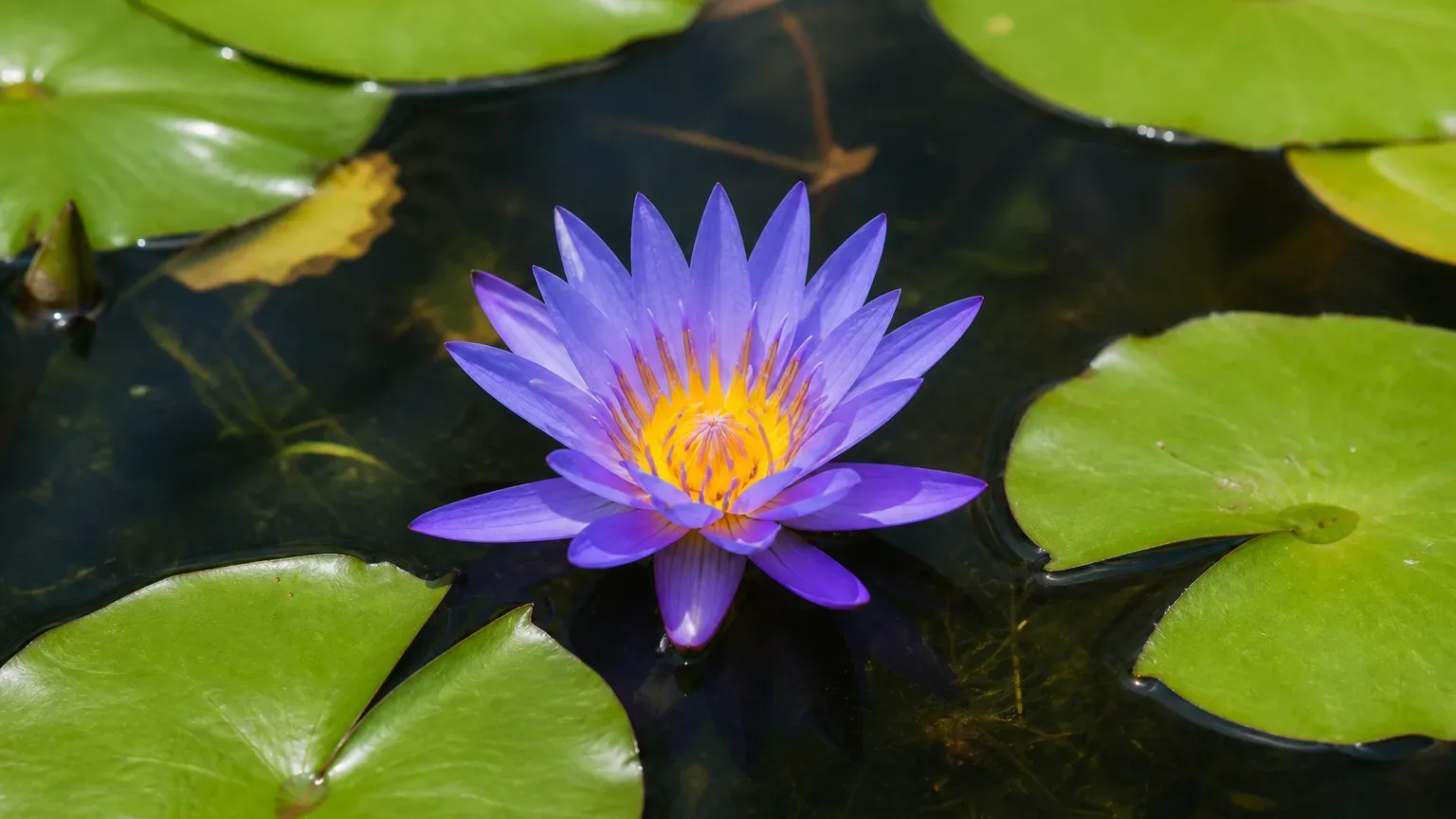
Repotting a Water Lily means lifting and renewing a submerged aquatic basket, not moving a houseplant into free-draining potting mix. Nymphaea nouchali is a tuberous aquatic plant of tropical Asian wetlands, so its storage organ stays anchored in dense soil while leaves rise on long stalks to the water surface.
The job is usually one of three things: replacing exhausted or foul basket soil, giving a crowded plant more horizontal room, or separating viable side growth from an overfilled tuber cluster. Decide which job is necessary before cutting anything. A healthy, uncrowded tuber can simply be reset in fresh aquatic loam.
Quick answer
Repot Water Lily in late spring or early summer when the water is reliably warm and new growth is visible. Lift the basket, keep the tuber damp, remove loose old soil, trim dead roots and soft tissue, then set the firm tuber in heavy clay loam or peat-free aquatic compost with the crown or growing point at the surface. Cap the soil with washed gravel and return the basket to water shallow enough for the newest pad to reach and float.
Use a broad aquatic basket rather than an ordinary flowerpot. The RHS water-lily method uses mesh-sided aquatic baskets, dense loam, a surface gravel cap, and water over the crown; that combination contains the root zone without pretending an underwater planting needs terrestrial drainage.
Repotting versus dividing a Water Lily
Repot without division when the tuber is firm, there is one clear growing point, and the plant simply needs fresh soil or a sound basket. Disturbing and cutting a small Water Lily gains nothing. Reset it gently, preserving healthy roots wherever they fit.
Divide while repotting when several distinct growing points or young side tubers have formed and the basket is congested. Tropical water lilies grow from tubers and may be propagated from side shoots or young tubers, while standard guidance for cutting a clump into rhizome sections is often written for hardy water lilies. The University of Florida’s water-garden account also distinguishes hardy and tropical water-lily types, so identify the actual structure in your basket instead of forcing a long, creeping-rhizome technique onto N. nouchali.
If no natural separation is obvious, repot the whole plant. Division belongs on the Water Lily propagation guide when producing extra plants is the main goal; this page treats cutting only as a response to basket congestion.
Signs it is time to lift the basket
A calendar is less useful than the plant. Inspect yearly, but repot when pads become smaller or pile above one another, flowering falls despite adequate sun and feeding, shoots crowd the basket rim, or the container bends around the underground growth. The RHS notes that leaves pushed above the water rather than floating can indicate a congested plant in need of division.
Do not blame every poor season on the basket. Too little sun, cold water, sudden depth changes, or inadequate nutrition can also reduce flowering. Check the Water Lily light guide and fertilizer guide before cutting a firm, uncrowded tuber.
Crowding signals above the water
Look for many leaf stalks emerging from a tight area, pads repeatedly overlapping near the crown, and fewer flowers than the plant produced under the same conditions last season. A tropical water lily is naturally vigorous in warmth; the NC State tropical water-lily profile describes container culture in fertile loam and strong sun, so fast summer growth in an Indian terrace tub can fill a modest basket sooner than a fixed multi-year interval suggests.
One or two aerial pads after a water-level drop are not proof of congestion. Restore the normal depth and observe the next leaves before lifting.
What the basket reveals
Lift the basket only after the above-water signs justify it. A split or distorted basket, multiple growing points pressed against the sides, sour-smelling black soil, or a tuber circling the edge all support repotting. Healthy tissue should feel firm; soft, collapsing, foul tissue should be removed rather than buried again.
Fine roots passing through mesh are normal. Roots alone do not make an aquatic plant “root-bound” in the houseplant sense, and moving directly to a huge container can make the heavy basket difficult to handle without solving the actual problem.
Best season for repotting
Work in late spring to early summer, after N. nouchali has resumed active growth and the water has warmed. This species is accepted as an aquatic perennial in the Nymphaeaceae family, and warm active growth gives retained buds and roots the best chance to replace damaged leaves.
In most warm parts of India, choose a settled warm spell before intense monsoon disturbance. Avoid repotting in cold water, during a heat wave that makes exposed tubers dry in minutes, or immediately before moving the plant to a new light level. Prepare the basket and soil first so the lifted plant spends as little time out of water as possible.
Choose the right basket and water container
An aquatic basket holds dense soil while allowing water contact around the root zone. A watertight patio tub or pond is the outer water container; it is not a substitute for the planted basket unless the tub is intentionally designed as a soil-bottomed mini-pond. Keeping the plant removable makes later inspection and division much easier.
Basket size and shape
Choose a wide, stable basket with enough horizontal room for the existing tuber and a season of growth. General water-lily guidance commonly uses 5–10 litre baskets, but the correct choice depends on the plant’s current spread and the depth your pond or tub can support. Move up one practical size when the old basket is deformed or the tuber has reached the edge; do not bury a small division in an oversized, unwieldy mass of soil.
Mesh baskets may be lined with untreated hessian if the openings are large enough to lose soil. Avoid a tall, narrow houseplant pot: Water Lily benefits more from a broad planting surface than unnecessary depth.
Pond and patio-tub placement
Return the basket to still water away from fountain jets and strong pump outlets. The general NC State Nymphaea profile places water lilies in standing-water culture and notes that suitable depth varies with plant size, which is why the newest leaves—not a universal number—should guide the first placement.
In a terrace tub, set the basket on clean bricks or an inverted stand if necessary. The water container must be broad enough that mature pads can spread without covering the entire surface, and deep enough that evaporation does not expose the crown between top-ups.
Soil and materials for underwater repotting
Use heavy clay-based loam or a labelled peat-free aquatic compost. The dense mix anchors the tuber and stays in the basket; ordinary lightweight potting mix contains buoyant materials that can float away and cloud the water. The RHS guidance on planting aquatic and bog plants supports container methods tailored to submerged aquatics rather than ordinary terrestrial mixes.
Prepare the chosen basket, dense soil, washed pea gravel, a clean sharp knife, gloves, and a shallow tray of pond water. Do not mix fresh manure or loose granular houseplant fertilizer through the soil. If feeding at repotting, use a labelled aquatic tablet buried away from direct contact with the tuber and follow the Water Lily fertilizer guide.
Step-by-step Water Lily repotting
- Fill the new basket partway with damp heavy loam and make a shallow bed shaped for the tuber.
- Lift the old basket slowly, letting water drain back into the pond, and place it in a tray out of direct sun.
- Ease away loose soil with your fingers and a gentle swish of water. Do not scrub the growing point.
- Remove dead leaves, mushy roots, and soft black tissue with a clean blade.
- Separate only clearly viable side tubers or crowded sections, retaining a sound bud and roots on each piece.
- Position the retained plant at the soil surface, firm the loam around its roots, and keep the crown exposed.
- Add a thin cap of washed gravel without covering the growing point.
- Wet the basket slowly, then lower it into warm, still water at a depth the newest leaf can reach.
Lift, rinse, and identify the growing point
Support the tuber from beneath rather than pulling on leaf stalks. Keep it shaded and wet throughout the job; exposed aquatic roots and buds are not adapted to drying. Remove only enough soil to see where firm storage tissue, roots, and new shoots meet.
The growing point is the live bud or crown producing the youngest leaves. Mark its location mentally before trimming anything, because a tuber without a viable growing point will not resume normal growth.
Inspect and cut the tuber only when needed
Use a sterilised, sharp knife for any cut. A viable division needs firm storage tissue, at least one healthy growing point, and roots or clear root initials. The RHS describes removing young side tubers from tropical water lilies, then establishing them in prepared aquatic baskets and warm water.
Discard tissue that is soft through the centre or smells rotten. If one end is damaged but the rest is firm, cut back to clean tissue and let the cut surface stop weeping before planting; do not leave the tuber in the sun to “cure.”
Set the tuber and crown correctly
Spread flexible roots over the soil bed without forcing or sharply bending them. Set compact tuber forms with the growing point at the surface; if your plant has an elongated, directional section, lay it at a slight angle with the growing tip exposed and room ahead of it. Never bury the live crown under several centimetres of loam.
Firm the mix enough to remove large air pockets but do not crush the tuber. N. nouchali is a tuberous hydrogeophyte, which explains why protecting firm storage tissue and its active bud matters more than preserving every old fine root.
Cap the soil and submerge the basket
Apply washed pea gravel as a thin top dressing, leaving the crown uncovered. The cap limits soil loss and discourages fish from disturbing the surface, but thick stones can trap the growing point. Wet the basket gently before lowering it so trapped air does not lift the soil.
Set a newly handled plant shallow enough that its newest pads can float. Established tropical water lilies can grow quickly, but staged depth is the safer choice after division or major root loss. Increase depth only after fresh stalks lengthen; follow the Water Lily watering guide for stable water-level care.
Aftercare and signs of recovery
Keep the basket in warm, calm water and maintain the same sunny position it had before the job. Remove leaves that melt after handling, but retain any firm green pad that can photosynthesise. Wait for clear new growth before adding more fertilizer or changing depth again.
Recovery begins with a firm new stalk and a pad that reaches the surface and opens flat. A short pause is expected after division. Persistent softening at the crown, black stalk bases, foul soil, or no new growth in sustained warmth calls for another inspection; do not keep adding feed to a rotting tuber.
When to use this page vs other Water Lily guides
Use this page when the basket is crowded, broken, foul, or due for a soil reset. Use Water Lily soil guidance to choose and troubleshoot the heavy underwater mix, and the propagation guide when the main aim is multiplying a healthy plant.
If pads fail to float because the outer tub is losing water, use the watering guide. If the basket is sound but flowering is poor, diagnose sun and nutrition before repotting through the light and fertilizer pages.
Related Water Lily guides
- Water Lily overview — confirm the identity and aquatic growth habit of Nymphaea nouchali.
- Water Lily soil — select dense loam and avoid floating terrestrial mixes.
- Water Lily propagation — take division beyond routine basket renewal.
- Water Lily watering — manage submersion depth and evaporation in ponds and tubs.
- Water Lily fertilizer — feed the basket without dosing the open water.
Conclusion
Successful Water Lily repotting is a controlled reset of the plant’s underwater anchor. Lift only when crowding or basket condition warrants it, protect the firm tuber and live growing point, use a broad aquatic basket with dense loam, and return the plant to warm water at a reachable depth.
The first goal after repotting is not an immediate flower. It is a firm new stalk and a flat floating pad. Once those appear, lower the basket gradually if needed and resume normal warm-season care.