Garden Style Trends 2026: 5 Styles to Try
Find garden style trends for 2026 that solve real yard problems, with practical advice for choosing plants, materials, and layouts that last.
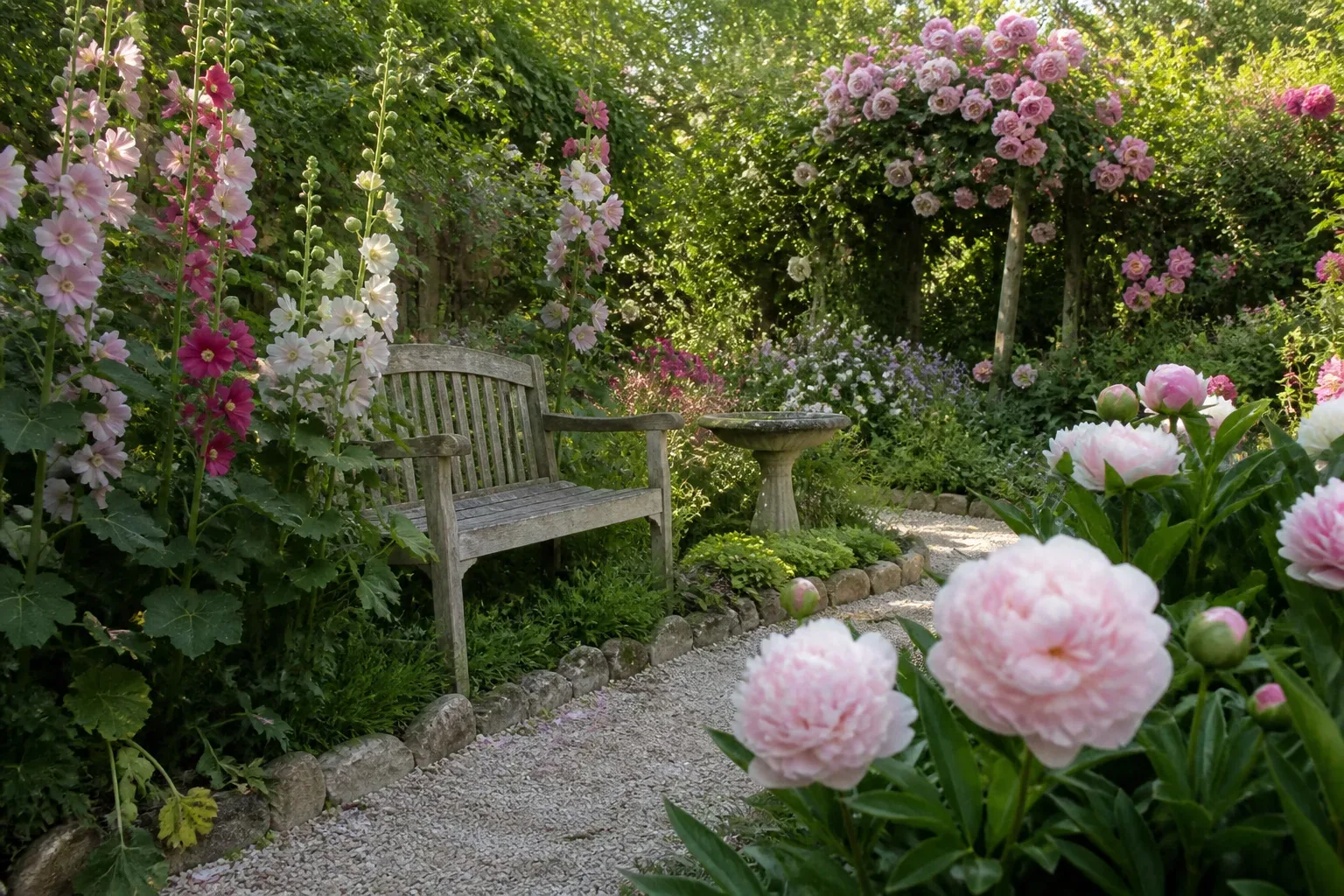
The most useful garden style trends for 2026 are not colors or objects that will look dated next season. They are ways of arranging plants and space that answer real constraints: a small patio, a hot slope, poor soil, a desire to grow food, or the need to support more wildlife without turning the whole yard into a maintenance project.
Five directions keep surfacing because they are flexible enough to be personal and practical enough to work. Cottage gardens are loosening into regional, plant-led borders; containers are becoming serious growing spaces; ecological gardens are planning for insects beyond the showiest butterflies; crevice gardens are making room for alpine plants in difficult sites; and edible plants are being designed into the ornamental landscape.
Treat that list as a menu, not a mandate. The best-looking garden is usually the one that fits its light, moisture, soil, circulation, and the amount of care you can honestly give it.
What makes a garden style trend worth adopting?
A style earns a place in your yard when it improves more than the view. It should make a site easier to use, extend the season, make watering more sensible, create habitat, produce food, or solve a difficult planting condition. If it only asks you to buy a new color palette or a collection of decorative objects, it is a theme—not a durable garden style.
The strongest designs also tolerate change. Annuals can move, a shrub can outgrow its spot, and a favorite plant can fail in a wet winter. Build a framework of paths, repeated shapes, reliable structural plants, and clear planting conditions, then let the details evolve.
Start with the site, then choose the style
Spend one ordinary day observing the space before you shop. Note where the sun reaches the ground in the morning and afternoon, where water sits after rain, which areas dry first, and which views matter from inside the house. Mark the path you actually walk, not the one a plan might suggest, and measure the distance to a hose or outdoor tap.
Then write down your non-negotiables. A gardener with two hours on Saturday needs a different style from someone who enjoys daily deadheading; a rental balcony needs a different structure from a sloped front yard. Use the table below as a quick filter.
| If your main constraint is… | Start by exploring… | Watch out for… |
|---|---|---|
| Limited or rented space | Containers or a compact edible border | Drying roots and weight limits |
| A sunny slope with sharp drainage | Crevice or gravel-style planting | Irrigation and stone stability |
| More wildlife and less lawn | Ecological planting | Removing every leaf and stem too soon |
| A romantic, mixed border | Cottage-garden structure | Crowding and a lack of access |
| A desire for harvests | Edible landscaping | Choosing plants that cannot receive enough sun |
1. Cottage gardens become more personal and regional
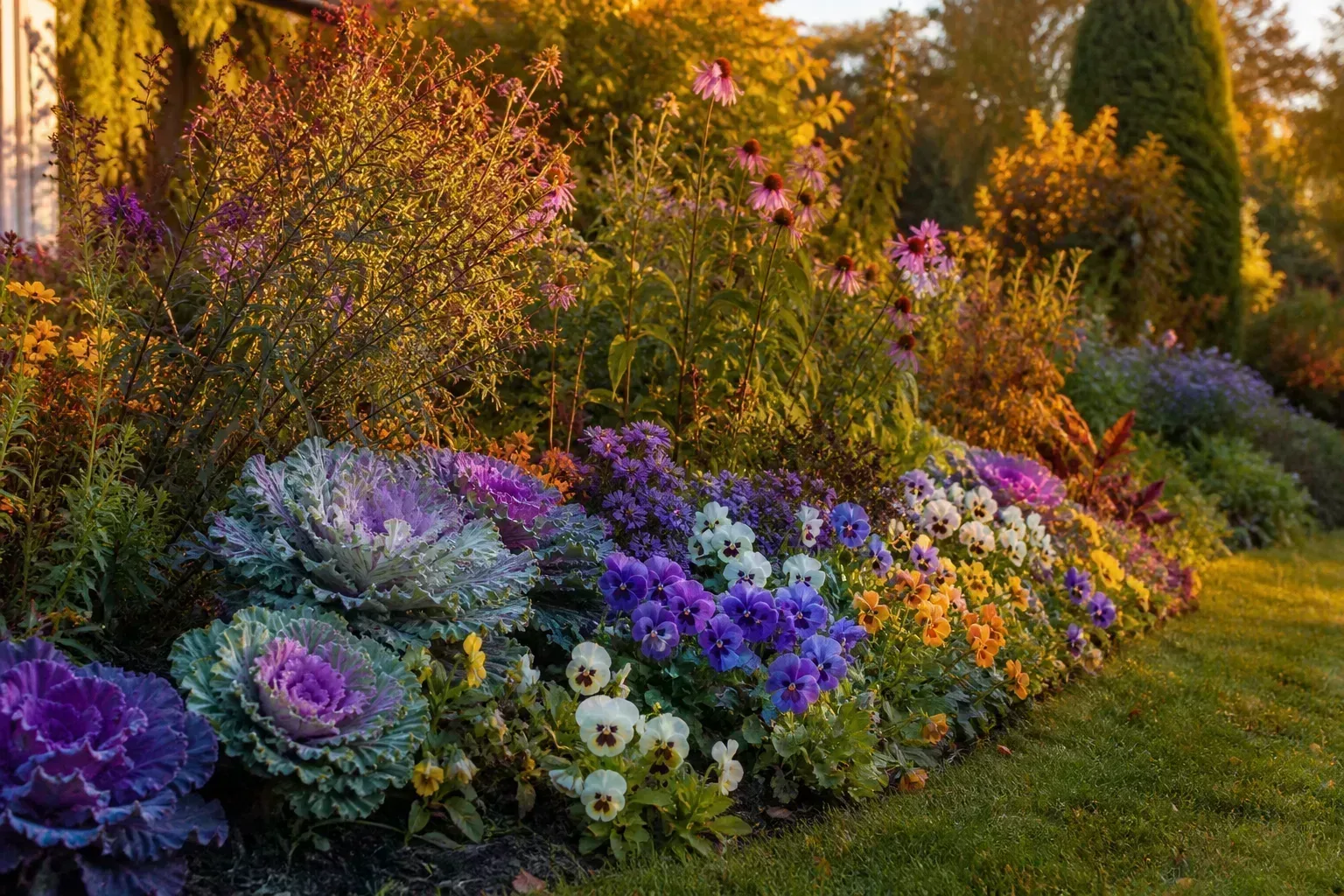
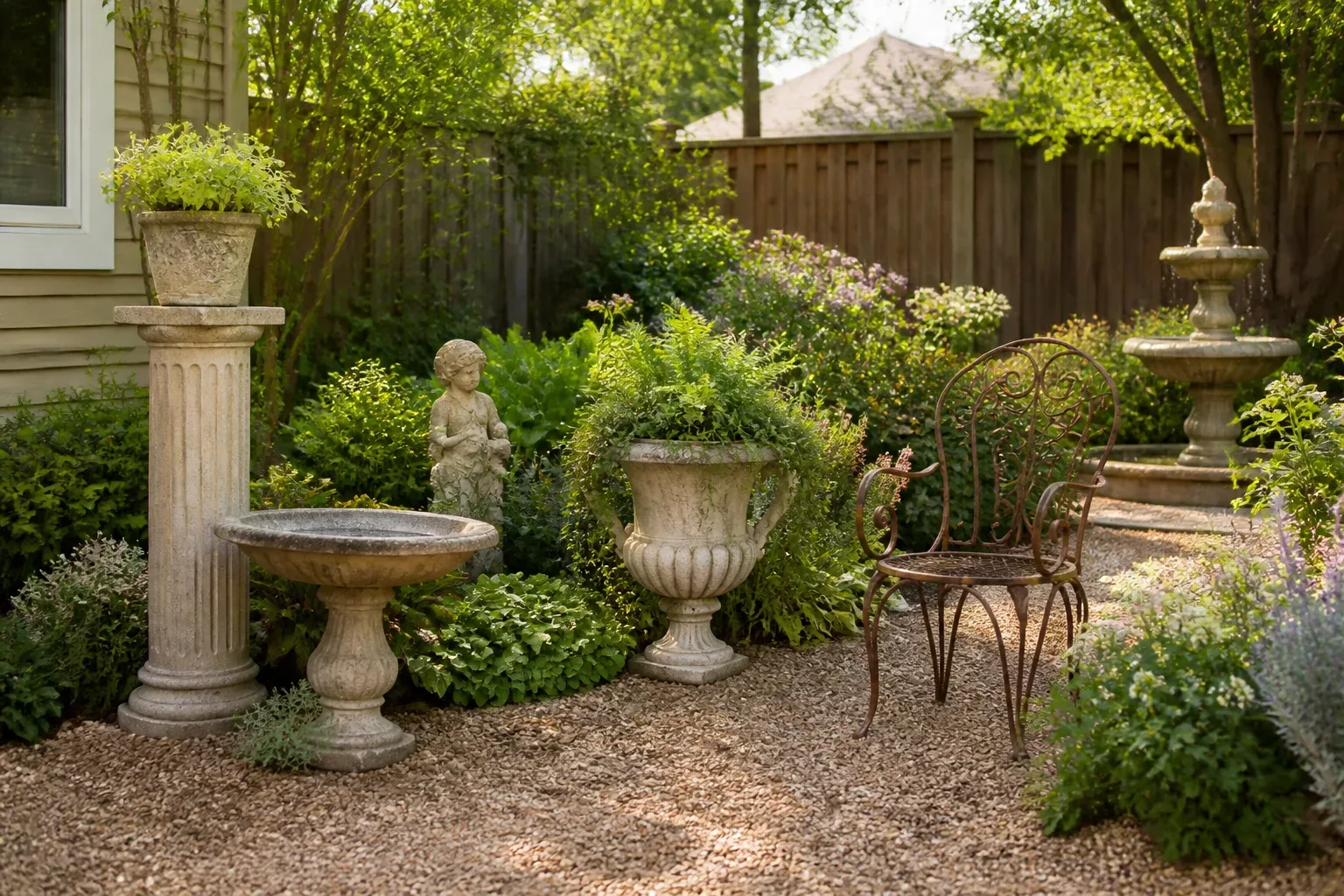
The cottage garden is not disappearing because it was never a rigid formula. Its appeal comes from a layered, lived-in feeling: flowers, foliage, shrubs, paths, and small surprises coexist rather than standing in separate rows. A regional version is even more useful because it replaces the idea of a universal cottage plant list with plants that actually cope with your heat, winter, rainfall, and soil.
That makes the style less about recreating an English postcard and more about building a generous border from what thrives where you live. A dry-climate gardener might use aromatic herbs, grasses, salvias, and gravel; a cool, damp gardener might lean on ferns, foxgloves, hardy perennials, and shrubs. Both can look informal without looking neglected.
Established garden-design coverage describes English-style gardens as romantic and lush but still tended, with paths, hedges, stone, and spaces for gathering rather than an entirely uncontrolled planting. That balance is the useful lesson: let plants mingle, but give the eye a few repeated shapes and the gardener a clear route through the bed. (Country Living)
The formula: structure plus repetition plus looseness
Start with one structural layer: a low hedge, small tree, evergreen shrub, fence, arbor, or repeated line of stones. Add three to five dependable plants in groups rather than scattering one of everything, and reserve a smaller number of gaps for seasonal experiments. Repetition keeps a mixed planting legible even when the flowers are exuberant.
Keep the looseness at the edges and in the middle of the planting, not in the walking route. A narrow path, stepping stones, or a mown strip lets you water, harvest, divide, and inspect plants without compressing the soil. If the border looks messy in its first year, resist filling every gap; young plants need room to mature, and a little bare mulch is easier to edit than an overgrown tangle.
Choose cottage plants by job. Use tall stems at the back or in islands, medium plants to repeat color and texture, low plants to soften edges, and a few seedheads or grasses for late-season structure. The result can be maximalist, but it is not random.
2. Container gardens move beyond patios
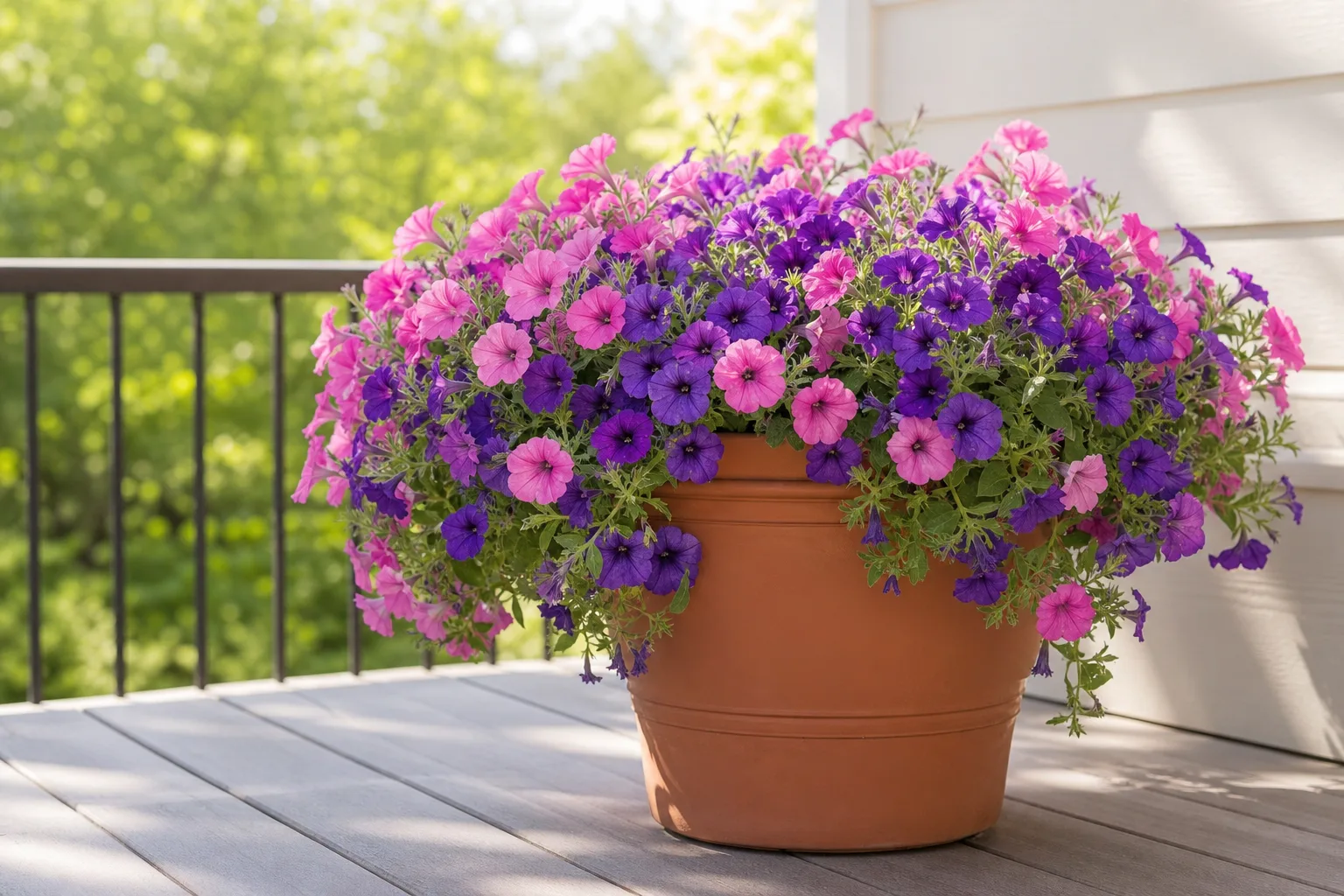
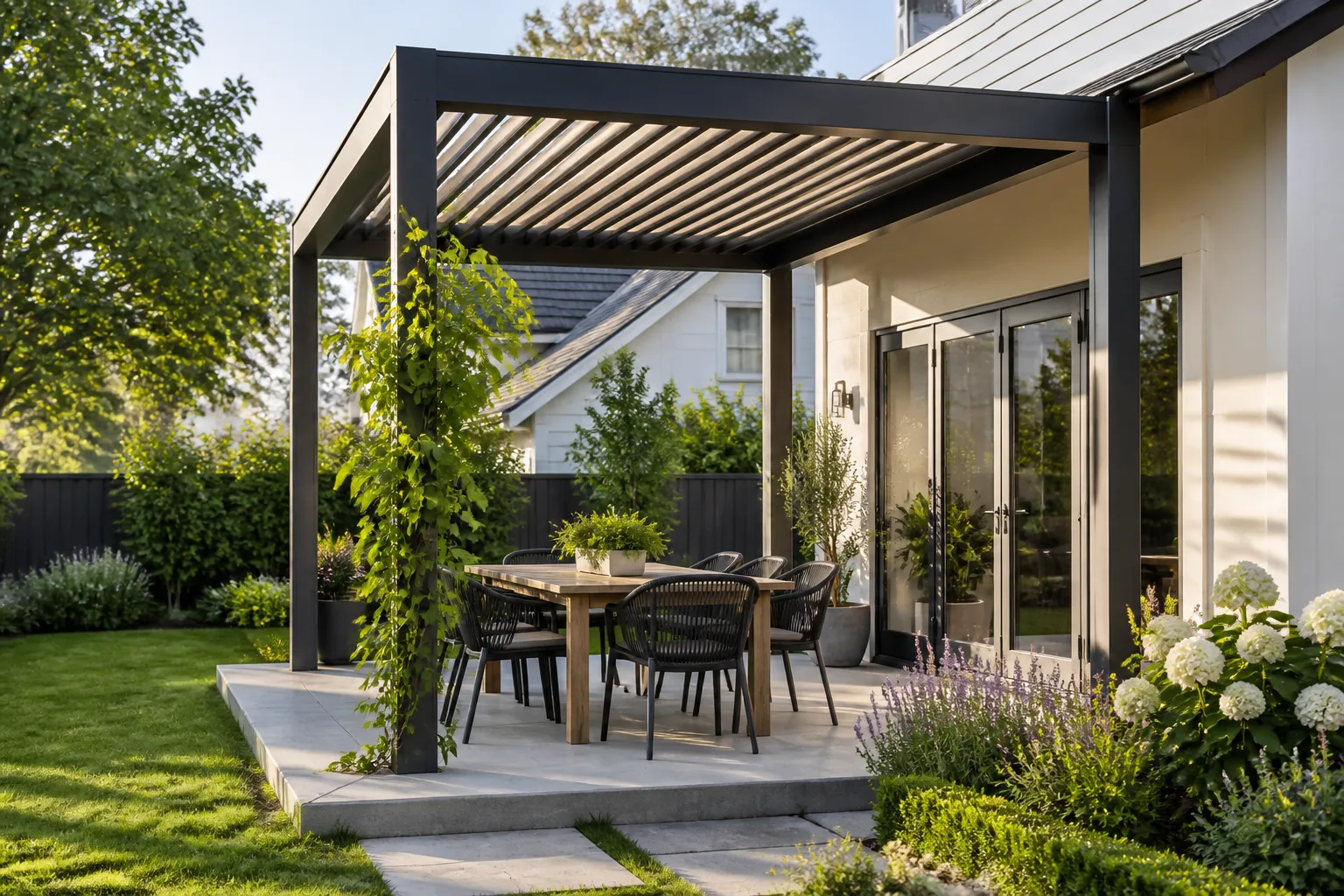
Containers are becoming a genuine garden style because they let people grow where there is no diggable soil: on patios, balconies, driveways, rooftops, and the hardscape corners that a conventional bed cannot reach. They also let you separate plants with incompatible soil needs and move vulnerable specimens out of harsh weather.
The trade-off is that a container is a small climate. It heats up faster, freezes harder, and runs out of water and nutrients sooner than the ground. A beautiful pot placed in the wrong light can become a daily rescue job, so the design should begin with the site’s exposure and the container’s root volume rather than the color of the pot.
Native and pollinator-focused organizations show that containers can support habitat, too. The Pollinator Partnership’s regional garden cards are built around small plots and explain that a compact planting can expand over time with shrubs, trees, bunch grasses, sedges, leaf litter, and woody debris. (Pollinator Partnership)
Design a container by light, root room, and watering
Group pots by care rather than by appearance. Put plants with similar sun, moisture, and winter needs together; a drought-tolerant herb should not share a pot with a thirsty annual simply because the colors work. For a pollinator container, include several flowering plants with overlapping bloom periods instead of relying on a single heroic bloomer.
Use large containers whenever possible. More soil buffers temperature and moisture swings, while a narrow, dark pot against a south-facing wall may need frequent checks in hot weather. Every container still needs a drainage hole, and the pot should be stable enough not to topple in wind or become a hazard on a balcony.
Think in seasons. A spring bulb can share a pot with a later annual; a compact berry, herb, or edible flower can provide both harvest and structure; and a perennial can stay in place while short-lived color changes around it. The design works best when each container has a clear role—screen, focal point, food, habitat, or fragrance—instead of becoming a collection of stranded pots.
3. Ecological gardens are designed for the whole life cycle
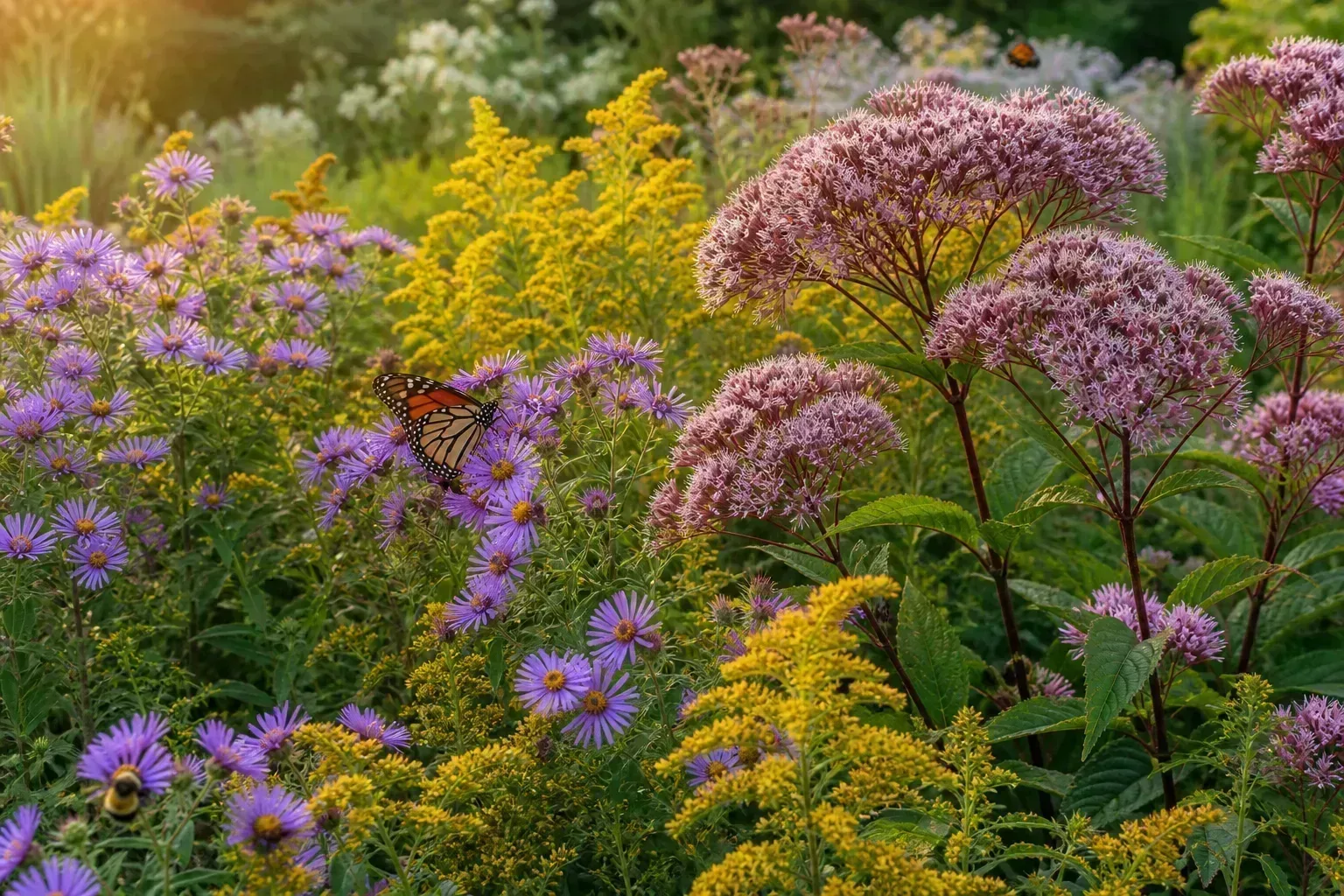
An ecological garden is not simply a flower bed with a bee in the photograph. It plans for food, shelter, nesting, breeding, and overwintering, so the garden remains useful when few flowers are open. That broader lens is why the style can still look intentional: habitat is designed into the layers rather than added as an afterthought.
Begin with regional plants, but do not stop at a list of attractive blooms. The National Park Service’s ecoregional planting cards are designed for small home gardens of roughly 3 by 6 feet and are organized by region so plant choices match local pollinators and growing conditions. (National Park Service)
The Pollinator Partnership also emphasizes that host plants matter because caterpillars need specific plants to complete their life cycles. A garden that supports only adult nectar-feeding insects may be colorful while still omitting an important part of the habitat equation. (Pollinator Partnership garden cards)
Plant for food, shelter, and overwintering
Build the planting around three questions: What is flowering now? Where can an insect hide or nest? What will remain when the flowers are finished? A mix of trees or shrubs, perennial flowers, grasses, sedges, annuals, and ground-level cover usually gives more ecological function than a bed made entirely of one plant type.
Leave some stems standing through winter and allow a measured layer of fallen leaves to remain where it will not smother crowns or block drains. The National Garden Bureau, drawing on Pollinator Partnership guidance, notes that bare soil can provide nesting space for ground-nesting bees, while dead wood, hollow stems, and leaf litter support other life stages. It also recommends reducing routine pesticide use and using observation-based integrated pest management instead of treating every insect as an emergency. (National Garden Bureau)
That does not mean ignoring safety or allowing an invasive plant to spread. Check local invasive-plant lists, keep paths and sight lines clear, and choose a shallow water source that can be refreshed without creating a mosquito problem. If you need to intervene for a serious pest issue, identify the pest first and follow the label for any product; “wildlife-friendly” is a design goal, not permission to use an untested treatment.
For a small start, convert a 3-by-6-foot patch or a large planter. Use a repeated cluster of regionally appropriate plants, add one host plant, leave a small patch of open soil, and delay the urge to clean every stem in autumn. Native plants may need regular watering while they establish and can take several seasons to reach their mature presence, so judge the design after establishment rather than after the first month. (National Garden Bureau)
4. Crevice gardens turn difficult slopes into plantable features
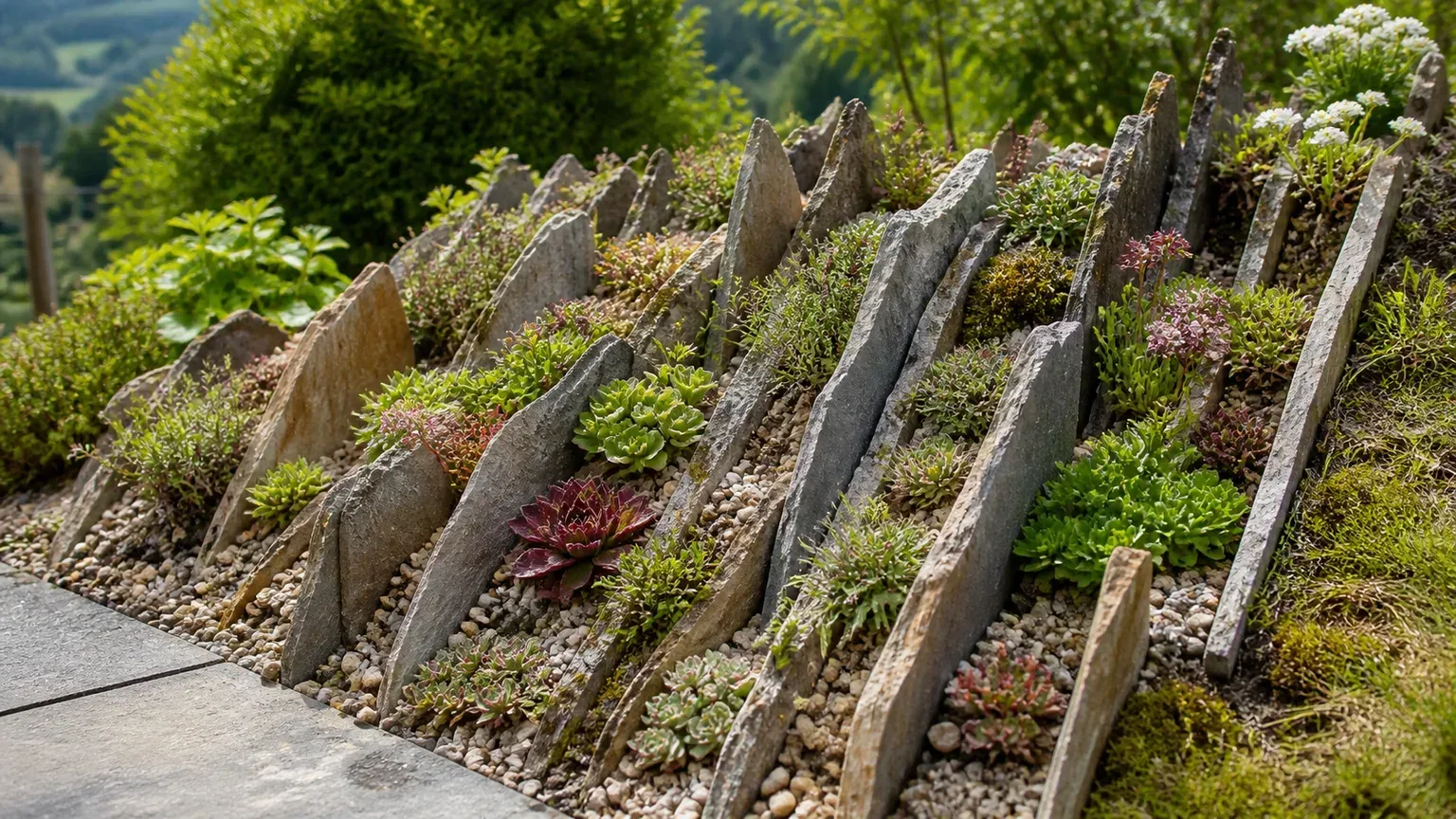
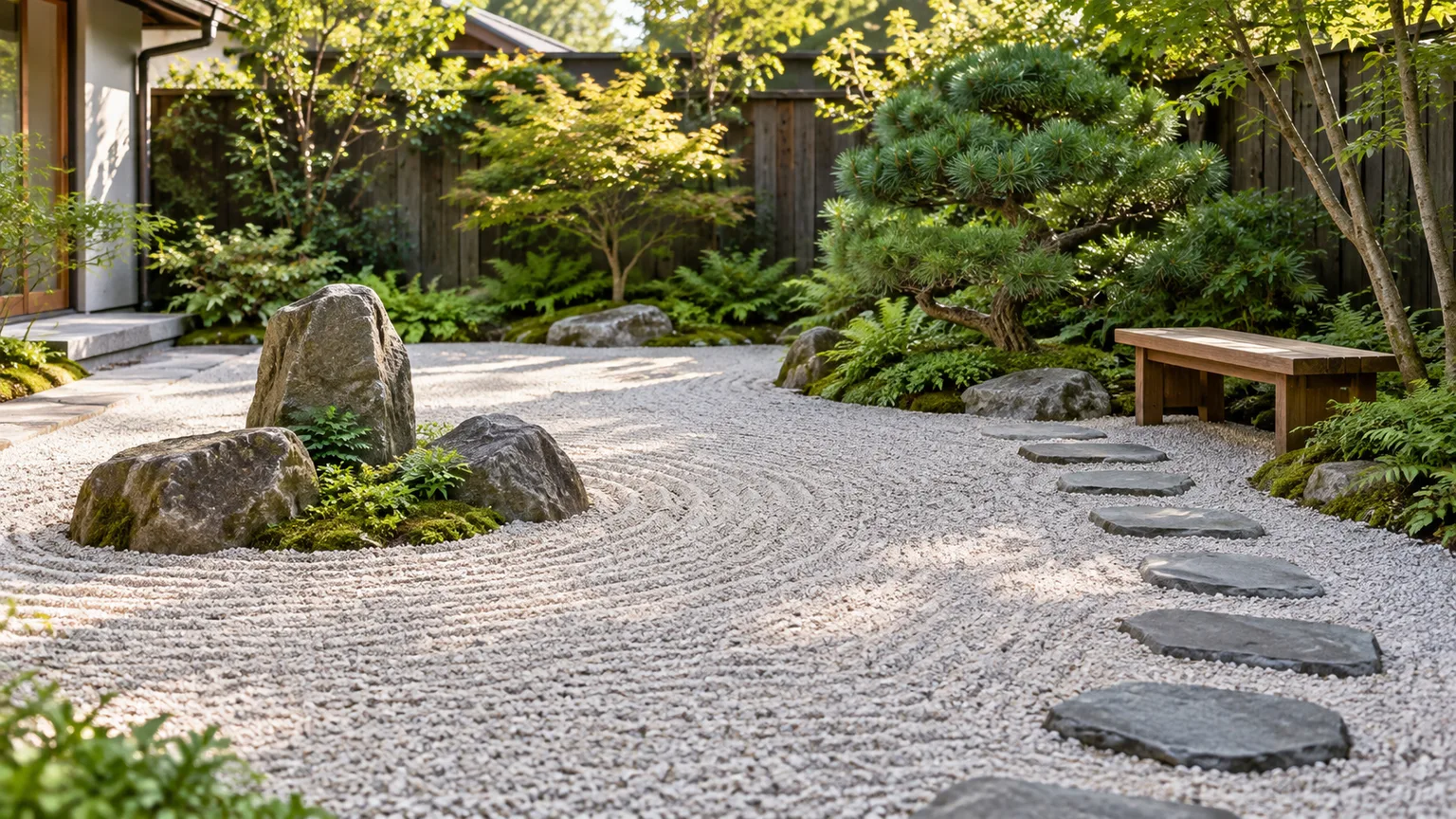
Crevice gardens are a specialized but increasingly approachable style for a sunny slope, retaining-wall edge, raised bed, or other place where sharply drained conditions are an advantage. They use flat pieces of stone set vertically or at a slight angle, creating narrow planting channels that mimic layered rock formations.
This is a style to choose for the site, not a decoration to bolt onto any bed. It is a poor match for a place where water pools, a root-filled area under large trees, or a gardener who wants instant results with no construction work. The setup is labor-intensive, but once established it can provide a small, distinctive habitat for alpine plants, succulents, and other species that dislike wet crowns.
How a crevice garden works
The geometry creates two useful conditions at once: the surface can be warm and exposed, while the narrow root channel remains cooler and holds moisture longer than its appearance suggests. Penn State Extension describes a practical construction approach using a mound or berm, a deep sand layer, upright flagstone or other flat stone, narrow gaps, and a coarse mineral top layer. It recommends full sun, excellent drainage, and keeping decaying leaves and pruned material from building soil on top of the stones. (Penn State Extension)
Stone choice and orientation change the microclimate. The RHS advises selecting an open site with strong drainage and notes that different faces of a rock can offer warmer sun or cooler shade; its crevice-garden guidance describes sandstone slabs set vertically into sand and grit or a gritty potting mix. (Royal Horticultural Society)
For a small ground-level project, sketch the outline first and make sure the stone will be stable before planting. Penn State’s example uses crevices about 1 to 2 inches wide and a footprint of at least 4 by 6 feet for a feature that reads well, but a trough can translate the same principle to a smaller space. Use local or salvaged stone when appropriate, avoid creating a drainage feature that sends water toward a foundation, and select plants only after checking their winter hardiness and moisture needs.
Water new plants while roots establish, then adjust to weather and the plant’s actual condition. A crevice garden is not automatically drought-proof; its advantage is efficient drainage and a distinct root-zone microclimate, not an excuse to leave new plants dry.
5. Edible and ornamental plants share the same beds
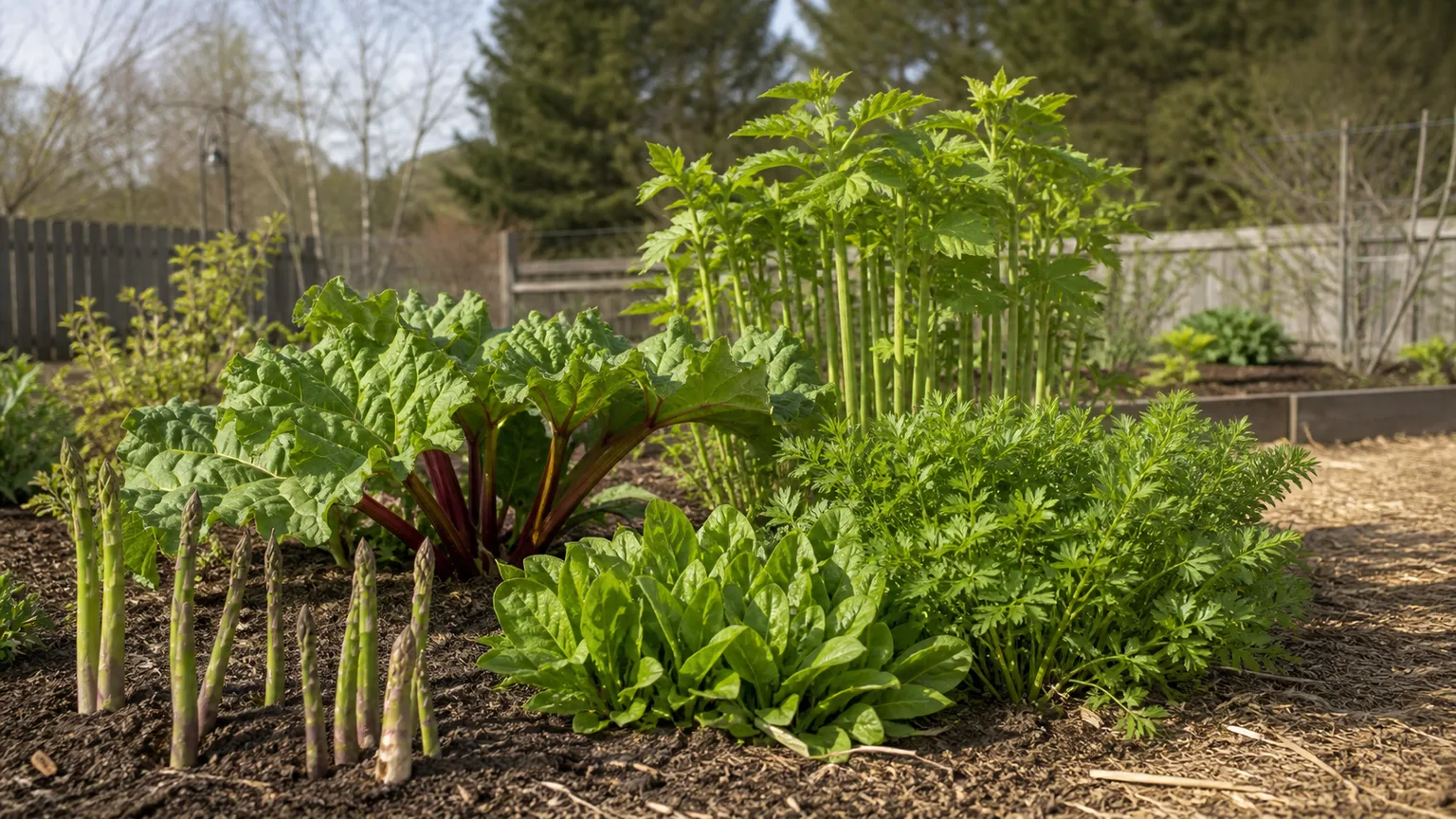
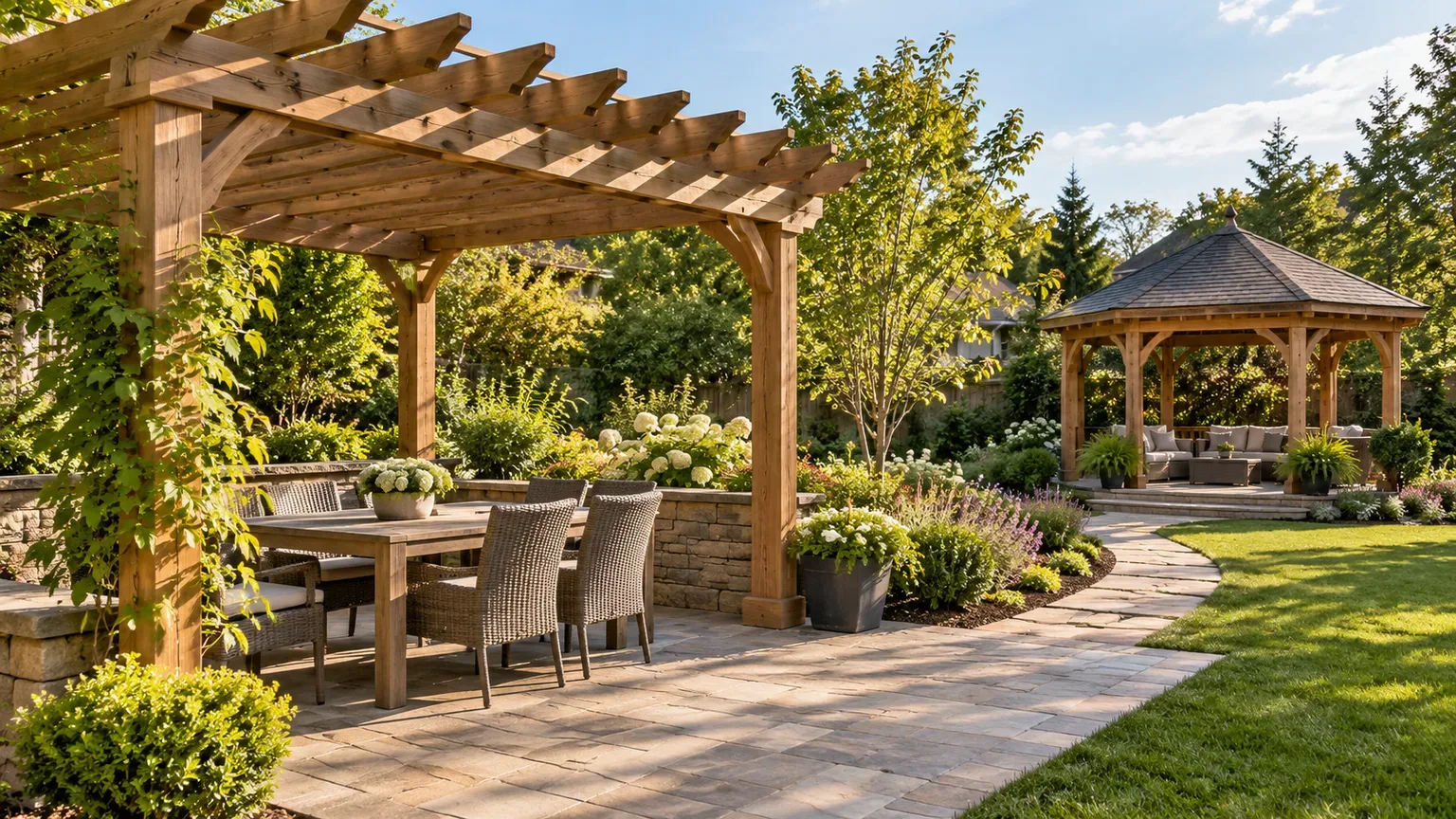
Edible landscaping replaces the strict boundary between the vegetable patch and the decorative border. Herbs, berries, fruiting shrubs, leafy greens, flowers, and vegetables can contribute color, scent, texture, seasonal rhythm, or structure as well as food.
The National Gardening Association defines edible landscaping as integrating food-producing plants into the ornamental landscape, with attention to foliage, flowers, mature size, and seasonal interest—not just yield. That makes the idea useful for a small yard: a blueberry can be a shrub, a strawberry can edge a path, chives can flower in a perennial bed, and a trellised grape can provide vertical structure where a bed has little room. (National Gardening Association)
The style also gives you permission to prioritize plants you will actually harvest. Garden Design’s coverage of “aesthetic edibles” describes combining vegetables, herbs, berries, and ornamentals according to cultural needs and visual effect, rather than segregating food plants by category. (Garden Design)
Choose edibles by landscape role
Start with the function you need, then choose the edible plant that can perform it. This keeps the design from becoming a random swap of flowers for vegetables.
- Border: thyme, chives, alpine strawberries, lettuce, or compact greens where the edge is easy to reach.
- Vertical accent: a trellised cucumber, grape, bean, or small fruit tree where the support will not shade the rest of the bed.
- Shrub layer: blueberries, currants, gooseberries, or other regionally suitable fruiting shrubs, provided soil and pollination needs fit.
- Seasonal filler: nasturtiums, basil, parsley, rainbow chard, kale, or edible flowers that provide color while larger plants establish.
- Ground layer: strawberries or culinary herbs only where foot traffic, moisture, and harvesting access are realistic.
Sunlight is the first gate. Many fruiting and vegetable crops need long, bright exposure to produce well, and a plant that survives in shade may still yield poorly. Soil is the second gate: blueberries, for example, require acidic conditions, while a mixed ornamental bed may not. Make the plant earn its place by fitting the site, not by forcing the site to imitate a catalog photograph.
Plan for the moment of harvest. A thorny berry hedge beside a narrow path may be beautiful but frustrating; a tomato hidden behind tall perennials may be impossible to inspect; and a vigorous vine can overwhelm a small support. Keep edible plants within easy reach, give them the trellis or cage they need, and reserve enough space for pruning, netting, or picking.
How to combine the five styles without visual clutter
You do not need five separate gardens. A cottage border can include native host plants, an edible herb edge, and a few pollinator-friendly containers; a crevice garden can anchor the sunny end of an ecological yard; and a container garden can carry a small version of any style to a balcony.
The trick is to combine jobs, not aesthetics. Choose one dominant structure for the space, one supporting function, and one seasonal accent. If every plant is a focal point and every material is trying to signal a different style, the garden will feel like a showroom of ideas instead of a place.
Use a simple three-layer planting plan
Layer one is the backbone: a path, hedge, tree, retaining edge, repeated pot shape, or line of stone. Layer two is the working planting: the shrubs, perennials, herbs, vegetables, and grasses that fill the space and provide most of its ecological or edible function. Layer three is the changeable layer: annuals, bulbs, containers, movable supports, and small experiments.
Repeat a few colors or leaf shapes across the layers so the transitions feel deliberate. Keep the materials restrained—one main stone, one edging language, and one or two container finishes are often enough. The more diverse the planting, the more valuable repetition becomes.
Finally, leave access. A beautiful bed that cannot be watered, inspected, or harvested will age badly no matter how fashionable its starting concept was. Design a place to stand, a route for a hose or wheelbarrow, and an easy way to remove a plant that has outgrown its role.
What to skip when chasing a garden trend
Skip any style that ignores your site. A full-sun crevice planting cannot compensate for a waterlogged slope, and a cottage border cannot make a shade-only yard behave like a meadow. Begin with observation and choose plants for the conditions you have.
Skip the one-of-everything shopping trip. A garden becomes easier to maintain when plants repeat, mature at compatible sizes, and share watering needs. Buy fewer plants, place them with their adult spread in mind, and leave room for the gaps to close.
Skip “low maintenance” as a promise without a timeline. Containers may be easy to rearrange but demanding to water; crevice gardens may need little attention after establishment but require a serious build; native plants may reduce long-term inputs while still needing first-year irrigation and weed control. Ask, “Low maintenance when?” before you commit.
Also skip the idea that ecological means untidy or that ornamental means harmful. A clipped edge, a mown path, a bench, or a deliberate opening can make habitat legible to people while leaving food and shelter for wildlife inside the planting.
A practical 2026 garden plan for one weekend
Choose one small area, not the whole property. Photograph it from the house and from the path, then mark sun, drainage, wind, and the nearest water source. Decide whether your first project is primarily about beauty, food, wildlife, difficult terrain, or flexibility; that choice points you toward the five styles above.
On the first day, create the framework. Lay out a hose or string to test a bed edge, place empty containers where they will live, or dry-lay stone without planting. Check the view from several angles and leave the mock-up in place overnight if possible.
On the second day, select plants using a short list: mature size, light, moisture, soil, winter tolerance, and maintenance. Buy one structural plant or repeated group, add a few supporting plants, and keep a written record of what you planted and where. For an ecological bed, include at least one habitat feature beyond flowers; for an edible bed, make sure every crop is reachable.
Water new plants thoroughly, label the date, and schedule the next check instead of guessing. Watch how the space behaves through a hot afternoon and after rain, then edit gradually. The most durable garden style is the one that gets better because you observed it.
Conclusion
The garden style trends worth carrying into 2026 are the ones that make a yard more responsive: cottage planting that reflects its region, containers that bring growing space to hardscape, ecological beds that support more than adult pollinators, crevice gardens that use difficult drainage to advantage, and edible landscapes that join beauty with harvest.
Pick one direction that solves a real problem in your space. Build a modest framework, choose plants for the conditions, and let the garden show you what to repeat next season.