How to Grow and Care for Agapanthus
Learn how to grow agapanthus with practical advice on planting, light, drainage, watering, feeding, division, containers, winter care, and pests.

Agapanthus is a clump-forming perennial with strap-shaped leaves and tall stems topped by rounded clusters of blue, violet, or white flowers. It is often sold as African lily or Lily of the Nile, although it is neither a true lily nor a plant that belongs in a permanently wet spot. The plant’s South African origins explain both its strengths—sun, heat, and periods of dryness—and its main weakness: cold, waterlogged winter soil.
The most useful way to grow agapanthus is to plan around the plant’s growth cycle. Give it light and moderate moisture while leaves and flower stems are developing, keep the crown out of standing water, and reduce winter stress according to whether your plant is evergreen or deciduous. That approach works better than following a fixed weekly schedule, especially when a pot dries faster than a garden bed or a rainy winter arrives earlier than expected.
Is Agapanthus Right for Your Garden?
Agapanthus suits a sunny border, a gravel garden, a slope, a patio container, or the edge of a warm-season bed. Mature clumps create strong vertical flower stems without taking up the space of a woody shrub, and the leaves remain attractive even when the plant is between bloom cycles. In a good site, it can be a low-fuss perennial that returns for years.
It is not the best choice for heavy shade, a low pocket that stays saturated, or a cold garden where an unprotected evergreen cultivar must face repeated hard freezes. It may survive at the edge of its rated zone, but survival and dependable flowering are different goals. Use the cultivar label, local nursery advice, and your winter conditions together rather than treating “agapanthus” as one uniform plant.
The genus contains evergreen and deciduous types. Evergreen forms hold foliage through mild winters and generally need a frost-free or strongly protected position in colder climates. Deciduous forms lose their leaves as they enter rest and are usually more forgiving of cold, provided the rhizomes are not left frozen and wet. The Royal Horticultural Society’s agapanthus advice is useful for comparing these broad habits, while NC State Extension’s plant profile is a helpful reference for identification and basic culture.
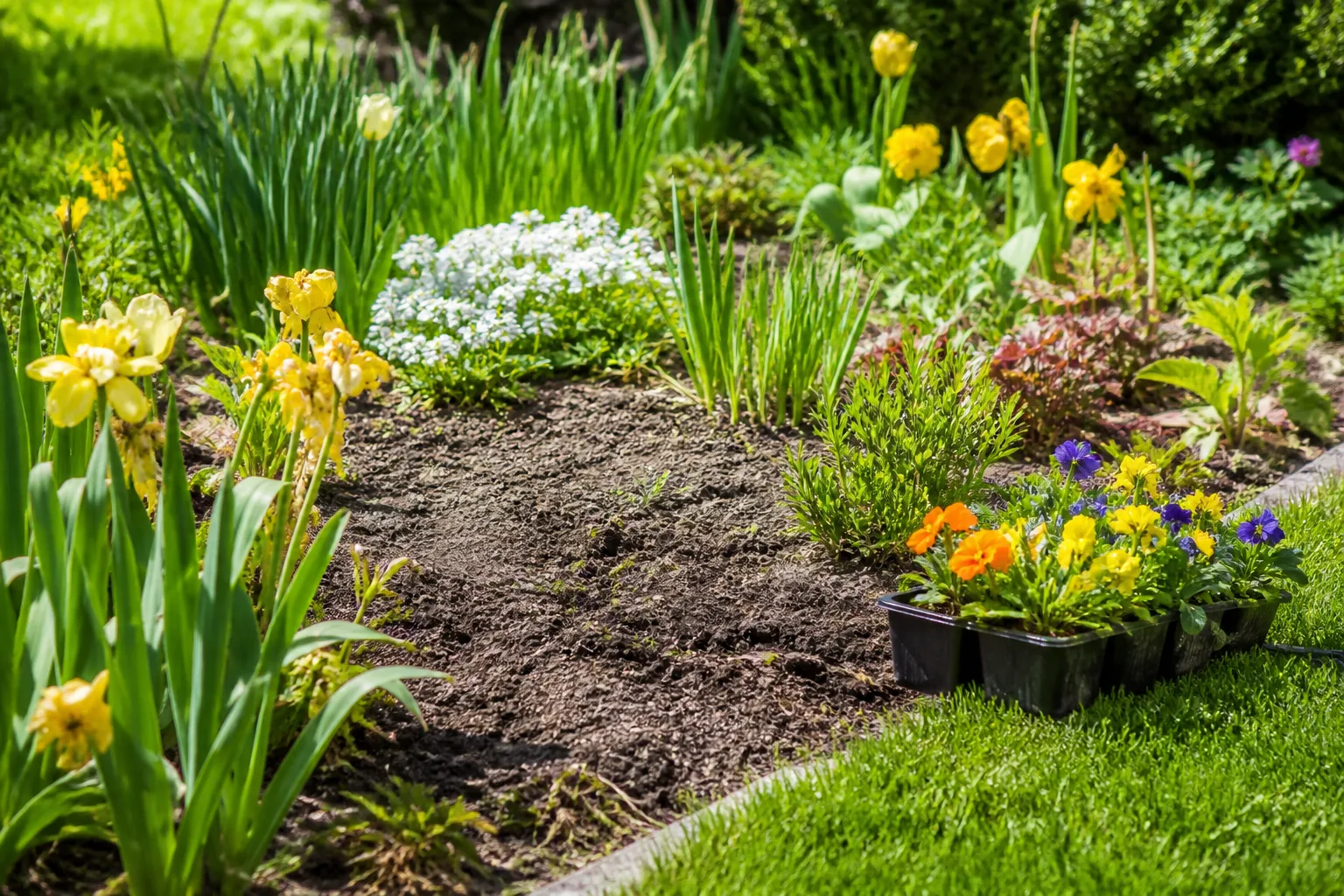
Evergreen and deciduous forms
Read the label before you choose a winter plan. “Evergreen” does not mean hardy everywhere; it means the plant tends to retain leaves when conditions are suitable. “Deciduous” does not mean dead when foliage disappears; it may be entering a normal resting period. A common mistake is to move a leafless deciduous plant into a warm room and keep watering it, which encourages weak growth or rot instead of a useful dormancy.
Choose the Right Site Before Planting
Light and heat
Give agapanthus at least six hours of direct sun for sturdy stems and reliable flowering. Morning sun plus some afternoon protection can be a good compromise in very hot climates, especially for plants in dark containers that heat quickly. A bright but shaded location may produce leaves while disappointing you with sparse flowers.
Look at the site at the time of year when you expect flowers. A bed that is sunny in early spring can become shaded by a tree canopy or a new fence by midsummer. If the plant receives less light than expected, improve the location before adding more fertilizer; extra feeding cannot replace the energy gained from sun.
Drainage and soil
Agapanthus tolerates several soil textures, but the root zone must drain freely. A fertile sandy loam is ideal, yet ordinary soil can work if it does not remain puddled after rain. In heavy clay, plant slightly high, open compacted soil, or choose a raised location. Do not bury the crown under a deep layer of compost or mulch.
A simple drainage check is more useful than a guessed soil amendment. Dig a hole about the width and depth of a nursery pot, fill it with water, and watch what happens after the first soak has drained. If water still stands for many hours or returns after rain, correct the site before installing a valuable clump. Wet roots have too little oxygen and are more vulnerable to decay.
Aim for soil that is fertile but not overfed. Incorporate finished compost into poor soil if needed, but avoid building a rich, water-holding pocket inside otherwise heavy ground. The transition between amended soil and native soil can act like a bowl if it drains poorly.
When and How to Plant Agapanthus
In mild climates, plant established agapanthus in fall or spring, choosing a period when the soil is workable and severe cold is not imminent. In colder areas, spring is safer for rhizomes and young divisions because the plant has the full growing season to make roots before winter. Container plants can be planted whenever conditions are manageable, but they still need time to settle before a heat wave or freeze.
Planting rhizomes in the ground
Agapanthus rhizomes are not bulbs that should be buried deeply. Set them so the growing points face upward and the crown is just below or close to the soil surface, following the depth on the nursery label. Planting too deep is a common reason for slow emergence and poor drainage around the crown.
Use this sequence:
- Clear perennial weeds and loosen a planting area wider than the root mass.
- Set plants far enough apart for mature leaves to spread, usually about 12 to 18 inches for medium cultivars; use the label for dwarf or very large forms.
- Place the rhizome or root ball at its original depth, with no stem or crown buried under a mound of soil.
- Backfill around the roots, firm gently, and water once to settle the soil.
- Add a thin mulch layer if needed, keeping mulch away from the crown.
Do not keep the bed saturated after planting. New roots need contact with moist soil, but they also need air. In cool weather, a plant that looks “thirsty” may actually be slowed by cold roots rather than asking for more water.
Starting with a nursery plant
Nursery agapanthus often blooms more quickly than seed-grown plants because it is already an established division or young plant. Check for firm leaves, a stable crown, roots that are not circling in a sour or wet mix, and no cottony insects hidden at the leaf bases. If the root ball is tightly packed, tease only the outer roots that resist; aggressive root cutting is unnecessary for a plant that will soon be planted in open soil.
After planting, protect the plant from a sudden change in exposure. A container-grown plant moved from a shaded nursery bench into intense afternoon sun may scorch even though agapanthus ultimately prefers bright light. Give it a short acclimation period or choose a morning-sun position first.
Build a Reliable Care Routine
Water by growth stage
Water deeply when the top layer of soil has begun to dry, then allow excess water to drain. During establishment, check the root zone every few days in hot or windy weather. Once the plant is rooted and actively growing, many garden beds need less frequent irrigation than containers, and established agapanthus can tolerate short dry spells.
The correct amount changes with soil, rainfall, pot size, temperature, and leaf area. Use the soil as your schedule: water when the plant is growing and the root zone is drying, reduce water as temperatures fall or leaves die back, and stop treating winter as a normal summer growth period. A saucer that remains full after irrigation is a warning, not a convenience.
Water at the soil line when practical. Repeatedly wetting dense foliage late in the day can make fungal problems more likely in humid conditions, while crowded clumps benefit from airflow. If a plant is wilting in wet soil, do not automatically irrigate; inspect the roots and drainage first.
Feed for flowers, not floppy leaves
Apply a balanced slow-release fertilizer or a modest complete feed in spring as new growth begins. A second light application several weeks later may help in poor soil, but stop feeding late in the season so the plant can slow down naturally. Follow the product label rather than doubling a rate because the plant looks small.
Too much nitrogen can produce lush leaves at the expense of flowers and can make stems softer. A fertilizer marketed for flowering plants may be useful, but a high-phosphorus product is not a magic bloom switch if the plant lacks light, is planted too deeply, or is recovering from cold damage. Correct the limiting condition first.
Grow Agapanthus in Containers
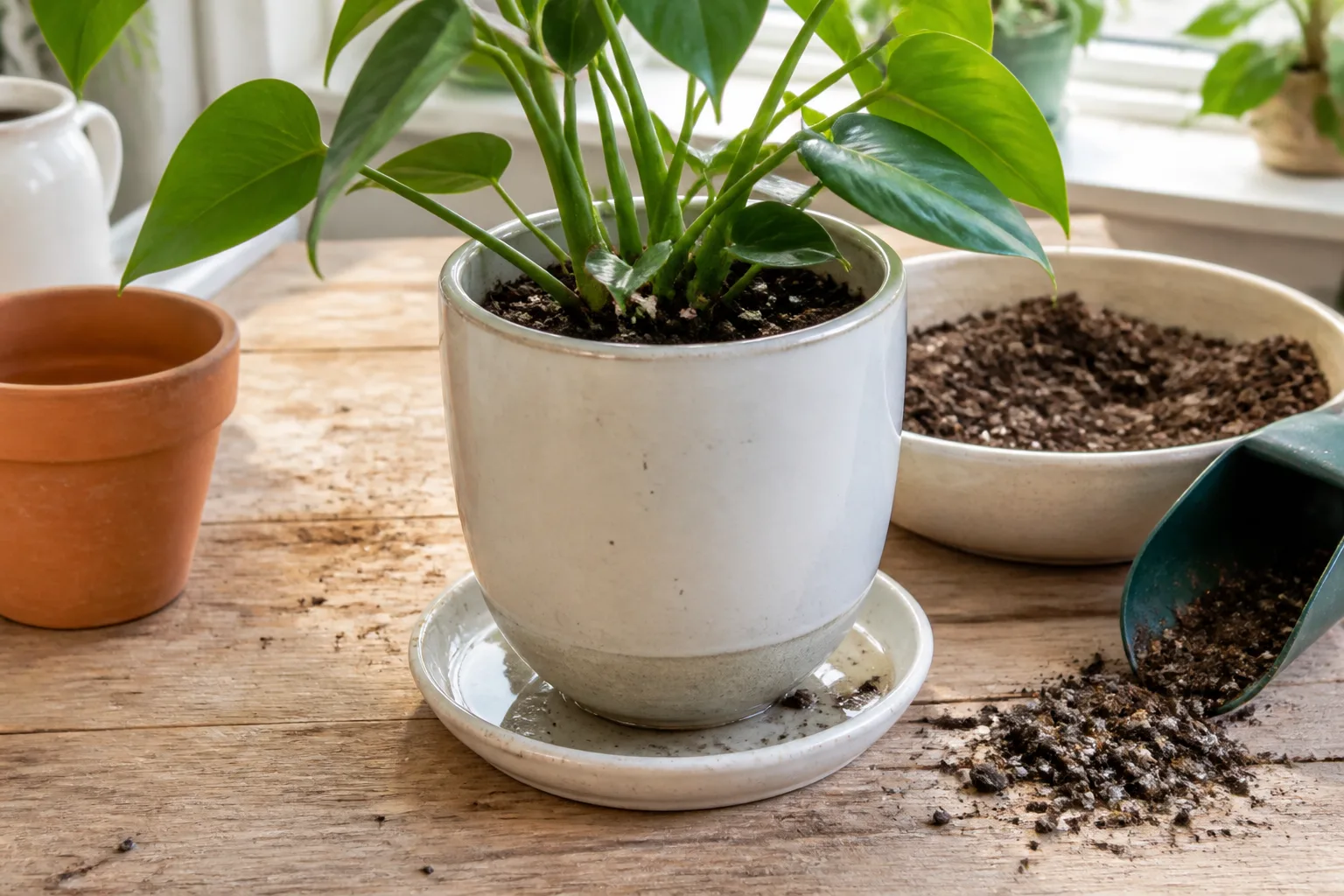
Containers are valuable when your climate is marginal, your soil is heavy, or you want to move an evergreen plant under cover. Choose a pot with a drainage hole and a gritty, well-drained mix. A roughly 12-inch container works for a single young plant, but the best size depends on the root mass and the cultivar; a very large pot holds more wet mix than a small root system can use.
Agapanthus often flowers well when slightly root-restricted. That does not mean it should remain jammed in a cracked pot or left with a solid root cylinder. Repot when roots circle densely, water runs straight down the gap between root ball and pot, the plant repeatedly wilts despite adequate moisture, or flowering declines for more than one season.
Move up one container size at a time, or divide a large clump rather than shifting a small division into a huge tub. Use a heavy enough pot that tall flower stems will not tip it, and keep the drainage hole open. In a hot patio, check moisture by lifting the pot or feeling several inches down; the surface can look damp while the inner root ball is dry, or look dry while the lower mix remains wet.
Prune, Deadhead, and Divide Without Weakening the Clump
Cut spent flower stems down near the base once the display fades. Deadheading keeps the plant tidy and directs energy away from unnecessary seed production, but it is optional if you want to collect seed or enjoy the drying seed heads. Remove damaged foliage when you see it, using clean shears.
Do not cut healthy deciduous leaves immediately after flowering just because the plant looks untidy. Those leaves are still making energy for the rhizome. Let them yellow and collapse naturally, then remove the dead material. Evergreen foliage can be trimmed selectively, but wholesale cutting is best reserved for a clear reason such as moving, dividing, or removing frost damage.
Propagate by division
Division is the quickest way to make a plant that resembles the parent and is usually best done in spring for deciduous plants or after flowering in mild climates. Water the plant lightly beforehand if the soil is bone dry, but avoid dividing a saturated clump that will be difficult to handle.
- Cut back only enough foliage to see the crown and reduce handling damage.
- Dig around the clump wider than you think you need, then lift from below rather than pulling flower stems.
- Shake or wash away enough soil to see natural divisions.
- Separate fans with attached roots by hand; use a clean, sharp knife only where the root mass is too tight.
- Keep each division large enough to contain healthy roots and a growing point.
- Replant at the original depth, water to settle, and keep moisture moderate while roots re-establish.
If a cut surface is badly torn, let it dry briefly in a shaded, airy place before planting. Do not leave divisions exposed to wind or sun for days. Garden divisions are generally straightforward, but named patented cultivars may not be legally propagated for sale or distribution; check the plant label and local rules before multiplying one.
Grow from seed
Seed propagation is useful for breeding or curiosity, not for a quick identical replacement. Agapanthus seeds may produce plants that differ from the parent, and flowering can take several years. Collect mature, dry seeds and sow them fresh in a clean, draining seed mix. Keep the medium evenly moist, provide bright light, and transplant seedlings only after they have developed a useful root system.
Protect Agapanthus Through Winter
Winter care begins with identifying the plant and the real risk at your site. In a mild, well-drained garden, an agapanthus may need only a light mulch layer. In a cold or wet garden, the combination of frozen soil and saturated roots is more dangerous than a single cool night.
For deciduous types, allow foliage to die back and reduce watering as growth stops. In a marginal climate, cover the crown with an airy mulch after the ground cools, keeping the material from pressing against the crown. In a pot, move the plant to an unheated but frost-free, bright or cool sheltered space, depending on whether the cultivar remains active.
Evergreen plants need more light and cannot be stored as if they were fully dormant bare roots. Protect them from hard frost, but do not move them into a hot, dim room and water frequently. A cool porch, conservatory, greenhouse, or bright sheltered position is often easier to manage than a warm living room. Remove winter protection gradually in spring so new leaves are not scorched.
If you lift a plant for storage, let excess soil dry from the rhizomes, inspect for soft or damaged tissue, and keep them cool, dry, and protected from freezing. Never store a wet, injured rhizome in a sealed plastic bag. Replant when the soil is warming and the risk of severe frost has passed.
Solve Common Problems
No flowers
Start with light. A plant that receives fewer than about six hours of direct sun may grow leaves but set few flower stems. Next check whether it was divided, moved, frost-damaged, or overfed with nitrogen during the previous season. Newly divided plants may need a recovery period, and a cultivar at the edge of its hardiness may spend its energy surviving winter rather than flowering.
If the clump is old and crowded, divide it after flowering or in the recommended spring window. Check planting depth and drainage at the same time. More fertilizer is the last step, not the first.
Yellow leaves or soft roots
An older leaf turning yellow while new center leaves remain firm can be normal aging, especially as an evergreen plant enters a seasonal transition. Widespread yellowing, limp foliage, sour-smelling soil, or a soft crown points more strongly to excess moisture or root damage.
Pause irrigation and inspect the root zone. If soil is saturated, improve drainage, remove rotting tissue with sterile tools, and repot into a fresh draining mix if the plant is in a container. Do not bury a damaged crown or seal wet roots under plastic. If leaves yellow during a cold, rainy period, protect the plant from more rain while the root zone dries.
Pests and disease
Aphids, mealybugs, thrips, and mites can appear on stressed plants, particularly under cover. First isolate a container plant, rinse pests from sturdy foliage, and inspect leaf bases and flower stems. For persistent infestations, use a product labeled for the plant and pest, following its directions and any local restrictions; “natural” does not automatically mean harmless to beneficial insects.
Crowded, wet conditions can encourage fungal or crown problems. Improve spacing and airflow, water the soil rather than the foliage, and remove collapsed tissue promptly. If the whole clump declines despite corrected drainage, discard severely rotten material rather than spreading it through divisions.
Agapanthus can be toxic when eaten. The ASPCA’s agapanthus listing identifies it as toxic to dogs, cats, and horses, with gastrointestinal signs among the concerns. Keep rhizomes and discarded foliage away from pets and children, and contact a veterinarian or poison service promptly if ingestion occurs.
Conclusion
Agapanthus succeeds when three conditions line up: strong light, fast drainage, and a winter plan that matches the cultivar. Plant the crown shallowly in soil that does not stay saturated, water more during establishment and active growth than during rest, and feed lightly rather than chasing flowers with excess fertilizer. Choose containers when mobility solves a climate or soil problem, and divide only when the clump is crowded or flowering has genuinely declined.
The plant is forgiving about many details, but it is not forgiving about a dark site or wet roots in cold weather. If you start with the site, identify whether the plant is evergreen or deciduous, and diagnose symptoms before watering or feeding, agapanthus becomes a long-lived, repeatable garden perennial rather than a seasonal gamble.