Growing Zoysia Grass: The Complete Lawn Care Guide
Learn how to grow zoysia grass from seed, sod, or plugs, then manage sun, water, mowing, fertilizer, thatch, weeds, and winter dormancy.
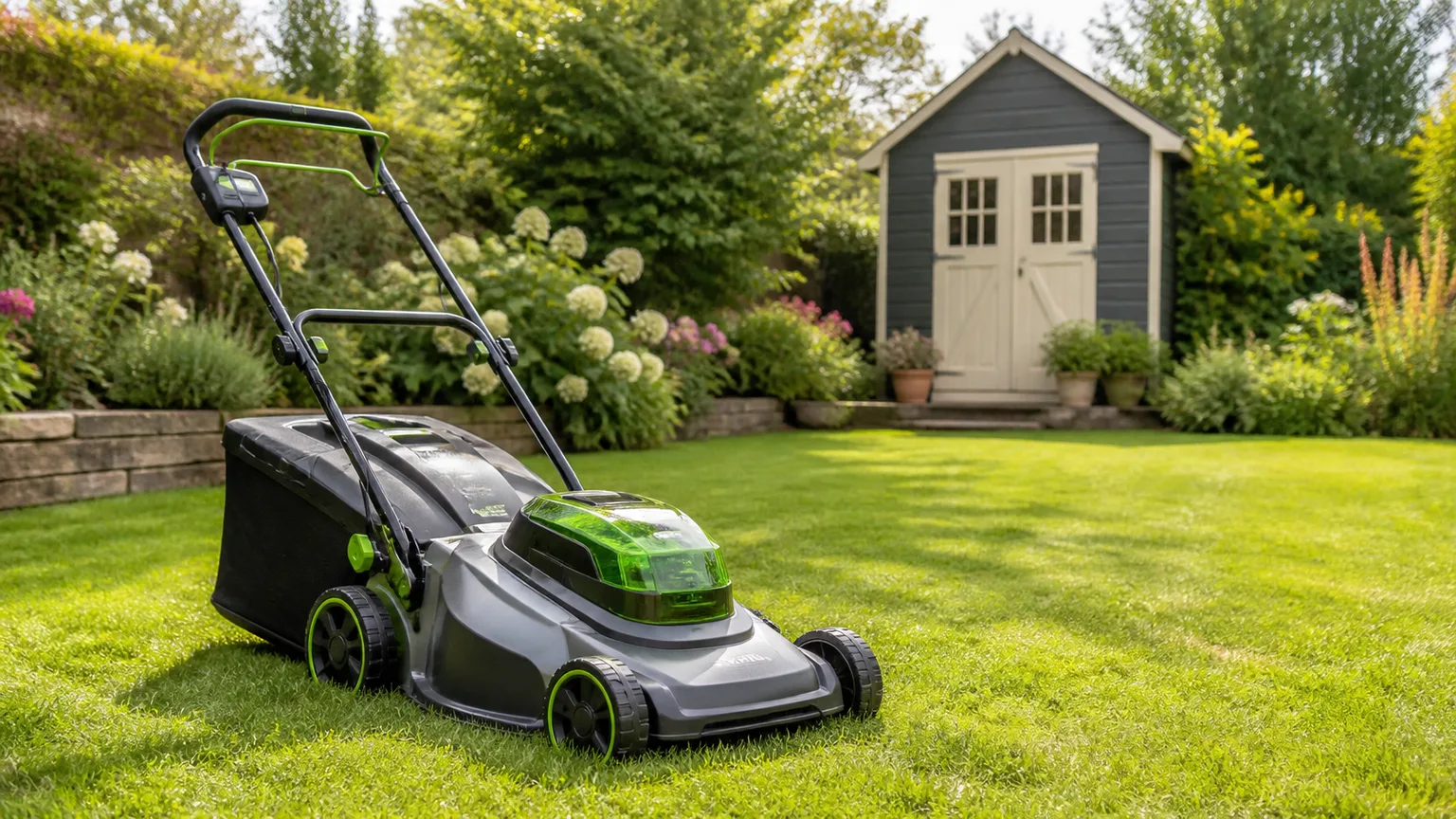
Zoysia is a warm-season turf grass that earns its reputation by making a thick, traffic-tolerant carpet once it is fully established. It spreads sideways through rhizomes and stolons, so a healthy lawn can close small gaps and resist many weeds. The catch is that zoysia is slow to establish, slow to green up in spring, and unforgiving when the site is too shady or the soil stays wet.
The best zoysia lawn is not produced by one miracle fertilizer or a rigid watering number. It comes from matching the grass to the site, putting it in the ground at the right time, mowing often enough to avoid scalping, and accepting its seasonal rhythm. Use this guide to decide whether zoysia fits your yard and to build a care routine that works with, rather than against, the grass.
Zoysia grass in one practical definition
Zoysia is a perennial, warm-season grass used for lawns, parks, athletic fields, and other sunny areas that need a dense surface. It grows most actively in warm soil and air, turns straw-colored when cold weather triggers dormancy, and usually recovers from ordinary wear more slowly than aggressively spreading Bermuda grass.
Its density is a major advantage. A mature stand shades the soil surface, leaves less room for many weed seedlings, and feels comfortable underfoot. Its density is also why problems can hide: a compacted root zone, a heavy thatch layer, or persistently wet soil may be affecting the lawn long before the top looks obviously sick.
Decide whether zoysia fits your lawn
Start with the site, not the seed bag. Zoysia performs best in full sun, generally with at least six hours of direct light during the growing season. A lawn beneath mature trees may look bright to your eye while receiving too little usable light for a thick turf canopy, especially when tree roots also compete for water.
Zoysia tolerates a broad range of soils when drainage is adequate. It does not need perfect garden soil, but it does need a root zone that can take in water and then drain excess moisture. Dense clay, construction compaction, shallow fill, and low spots are not fixed by watering more; they need physical improvement or a different planting plan.
Sun, soil, climate, and traffic checks
Before committing, watch the proposed lawn area at three points in the day. Note direct sun, shade from buildings, reflected heat, standing water after rain, and the routes people actually walk. Zoysia can handle regular household traffic once established, but newly planted turf is vulnerable to footprints, pets, and wheelbarrows before roots knit the surface together.
Climate matters just as much. Zoysia is a warm-season grass, so it excels where summers are long and warm. In cooler parts of its range and in transition zones, it can survive in a favorable microclimate but may green up late, go dormant early, and spend a shorter portion of the year looking actively green. That is a performance trade-off, not a disease.
Choose a zoysia type and cultivar
The name zoysia covers several species and many cultivars. Zoysia japonica is generally coarser-textured and more cold-tolerant than finer types, and it is the group most associated with seedable lawn cultivars such as Meyer and Zenith. Zoysia matrella tends to have finer blades and a slower, more refined appearance; Emerald is a familiar example. Zoysia tenuifolia has very fine foliage and a soft, tufted look but is best suited to hot climates and carefully chosen sites.
Do not choose solely by blade texture. Ask the nursery or local extension office how a cultivar behaves in your region, how quickly it establishes, how much shade it tolerates, and whether it is normally sold as seed, sod, plugs, or sprigs. A fine-bladed cultivar that looks superb on a golf course may be a frustrating choice for a shaded, heavily used backyard.
Coarser, finer, and lower-growing forms
Coarser zoysia usually gives a more forgiving lawn for ordinary home mowing and may establish more readily. Finer types can produce an exceptionally smooth surface, but they may demand closer mowing, sharper equipment, more patient establishment, and a site with fewer stresses. Lower-growing forms are not automatically “no-mow”; they still need occasional trimming and good light to stay dense.
Establish zoysia by seed, sod, plugs, or sprigs
The establishment method determines how quickly the lawn looks finished. Sod provides the fastest visual result and the strongest erosion control, but it costs more and still needs careful watering while roots connect with the soil. Plugs lower the initial cost and work well for small areas, but the spaces between plugs may take a full growing season or longer to close.
Seed is usually the most economical option where a suitable seeded cultivar is available. It requires a clean, finely prepared seedbed, steady surface moisture, and patience; a new seeded lawn can take more than one warm growing season to become dense. Sprigs can establish a lawn efficiently over a larger prepared area, but they are less forgiving of poor contact, drying, and sloppy spacing.
| Method | Best for | Main advantage | Main risk |
|---|---|---|---|
| Sod | Fast coverage and slopes | Immediate soil cover | High cost and transplant shock |
| Plugs | Small repairs or budgets | Flexible, low-volume planting | Long fill-in time |
| Seed | Large open areas with patience | Lower material cost | Slow, moisture-sensitive establishment |
| Sprigs | Prepared large areas | Efficient vegetative spread | Must stay in close soil contact |
Match the method to your budget and patience
Choose sod when erosion, appearance, or a short deadline matters most. Choose plugs when you can keep the area weed-free and watered while the runners expand. Choose seed only if you can protect a consistently moist seed zone and accept that “green” does not mean “mature.” For any method, buy enough material to establish one compatible cultivar rather than mixing unknown grasses and hoping they merge evenly.
Prepare the site before planting
Remove competing vegetation and correct grade problems before the grass arrives. A shallow, uneven surface creates dry ridges and wet hollows that no irrigation schedule can manage uniformly. Loosen compacted soil, incorporate only the amendments a soil test supports, and finish with a firm but crumbly seedbed rather than a fluffy layer that settles after the first rain.
Take a soil sample before applying lime, phosphorus, or a high-nitrogen product. A soil test can reveal pH and nutrient conditions, but it will not replace a drainage assessment. If water stands for a day or more after ordinary rain, solve the drainage or grading issue first; zoysia’s drought tolerance does not make its roots tolerant of constant saturation.
Plant during the active warm-season window for your area, after the soil has warmed reliably. Planting dormant material into cold soil delays rooting and increases the chance that the lawn dries, rots, or gets damaged before it can establish. Follow the supplier’s laying or seeding directions for the specific cultivar because particle size, sprig condition, and sod thickness change the details.
Water new zoysia without drowning it
New zoysia needs a different watering pattern from established turf. During germination or immediately after laying sod, keep the upper root zone consistently moist but never muddy. That may mean light, frequent irrigation at first, followed by a gradual shift toward deeper, less frequent watering as roots move downward.
Established zoysia generally performs well when irrigation is guided by soil moisture, weather, and visible stress rather than a timer alone. Water deeply enough to wet the active root zone, then allow the surface to dry somewhat before watering again. Early morning is usually the most practical time because it gives foliage time to dry and reduces the hours of overnight leaf wetness.
Watch the lawn’s signals. Folded or rolled blades, a gray-green cast, and footprints that remain visible are signs of developing water stress. Conversely, constantly soft soil, runoff, algae, mushrooms, and recurring disease suggest that irrigation is too frequent or drainage is poor. Sandy soil may need smaller, more frequent applications than clay; the correct schedule is the one that wets the soil without pushing water beyond the root zone.
Feed zoysia according to growth, not hope
Zoysia benefits from nitrogen during active growth, but more fertilizer is not a shortcut to density. Excess nitrogen can produce lush top growth, increase mowing, worsen thatch accumulation, and make some disease problems more likely. Use a soil test when possible and follow the product label’s rate for the lawn area rather than estimating by eye.
Apply fertilizer when the grass is actively growing and able to use it. A late-season nitrogen surge can encourage tender growth just as the lawn should be preparing for dormancy. In a thin lawn, first ask whether the real limiting factor is shade, compaction, poor drainage, or insufficient establishment time; feeding cannot solve a site mismatch.
Grass clippings can return nutrients when the lawn is mowed regularly and the clippings are not excessively wet or long. They do not create a thatch layer by themselves because they decompose quickly on the soil surface. The tougher stems, stolons, and roots that accumulate between soil and green leaves are the material to monitor.
Mow for a dense, healthy canopy
Mow zoysia often enough that no more than one-third of the leaf height is removed in a single cut. Allowing the lawn to grow tall and then cutting it very short—scalping—can expose the crown, stress shallow roots, and leave a tan lawn even when the grass is alive.
Many home lawns are maintained somewhere around 1 to 2 inches, but the correct height depends on cultivar, mower, terrain, and management skill. A shorter cut usually demands more frequent mowing, a level surface, sharper blades, and closer attention to stress. A slightly taller height can be more forgiving during heat, drought, and imperfect mowing intervals.
Keep blades sharp. A ragged cut increases water loss from the leaf tips and gives the lawn a faded, frayed look that can be mistaken for nutrient deficiency. Never remove a large amount of dormant or winter-brown foliage just to make the lawn look green; wait for active growth and raise or lower the mowing height gradually.
Manage shade, edges, and spreading
Zoysia is more shade-tolerant than some warm-season grasses, but “tolerates shade” does not mean “thrives without sun.” In a tree canopy, thin turf may be caused by the combined effects of low light, dry soil from tree roots, leaf litter, and foot traffic. Pruning selected branches for filtered light may help, but do not damage a valuable tree just to save a lawn that is poorly matched to the location.
Because zoysia spreads laterally, define the lawn edge before runners cross into beds, paths, or neighboring turf. A clean physical edge, periodic trimming, and a narrow buffer make containment easier. If you want a crisp boundary, do not wait until the grass has rooted through a hedge or filled every crack in a hardscape.
Build a seasonal zoysia care calendar
In spring, wait for consistent warmth and active green-up before heavy feeding or aggressive renovation. Remove winter debris, inspect for compaction and drainage problems, and begin mowing when the lawn is growing enough to recover from the cut. Watering dormant brown turf heavily does not force it to green up sooner.
Summer is the main growth and repair season. Maintain a sensible mowing height, irrigate in response to soil and weather, control weeds while they are small, and avoid driving or turning equipment on saturated soil. If you need to aerate, do it during active growth when the grass can recover and the soil is moist enough to penetrate but not wet enough to smear.
In fall, reduce inputs as growth slows and keep mowing until the lawn naturally approaches dormancy. Avoid a late nitrogen push, rake leaves before they mat down, and mark irrigation changes by weather rather than calendar date. In winter, the most important care may be restraint: limit traffic on frozen or saturated turf and do not mistake normal dormancy for a watering emergency.
Diagnose brown, thin, or slow-growing zoysia
Brown zoysia is a symptom, not a diagnosis. Uniform straw color after cold weather is usually dormancy. Irregular brown patches during warm growth may point to drought, mower stress, insects, disease, poor drainage, or chemical injury. Look at the pattern, the soil moisture, the roots, and the recent weather before choosing a treatment.
Slow fill-in is often normal for a new lawn, especially when planted late, shaded, mowed too low, or asked to spread across compacted soil. Thin areas under trees may need a shade-tolerant groundcover or hardscape instead of more seed. If the lawn is thin everywhere, check sun exposure, fertility, soil structure, and whether the selected cultivar is appropriate for the climate.
Large patch is a fungal disease associated with warm-season turf and is favored by prolonged leaf wetness, excessive nitrogen, thatch, and poor drainage. A recurring patch deserves a site-and-timing review, not automatic fungicide use. Extension guidance from Clemson Cooperative Extension’s zoysiagrass maintenance calendar and North Carolina State Extension’s large-patch information can help you compare symptoms and management timing.
Control thatch and compaction
Some thatch is normal and useful. A thick, spongy layer becomes a problem when it blocks water, fertilizer, and air from reaching the soil. Zoysia’s strong lateral growth can make that layer build faster than a homeowner expects, particularly when the lawn is overfertilized, mowed too high for its cultivar, or growing vigorously in a poorly decomposing root zone.
Check before dethatching. Cut a small plug from the lawn and measure the brown, fibrous layer between green tissue and soil. If it is thin and the turf roots into the soil, aggressive removal can do more harm than good. If the layer is thick, use a dethatching or vertical-mowing approach during active growth, remove loosened debris, and support recovery with appropriate watering rather than a heavy fertilizer dump.
Compaction is a separate problem. Core aeration removes plugs of soil and creates temporary channels for air and water, but it works best when timed to active growth and followed by changes that prevent traffic from recreating the problem. Aerating a chronically wet lawn or using a spike tool that only pokes holes may produce little lasting improvement.
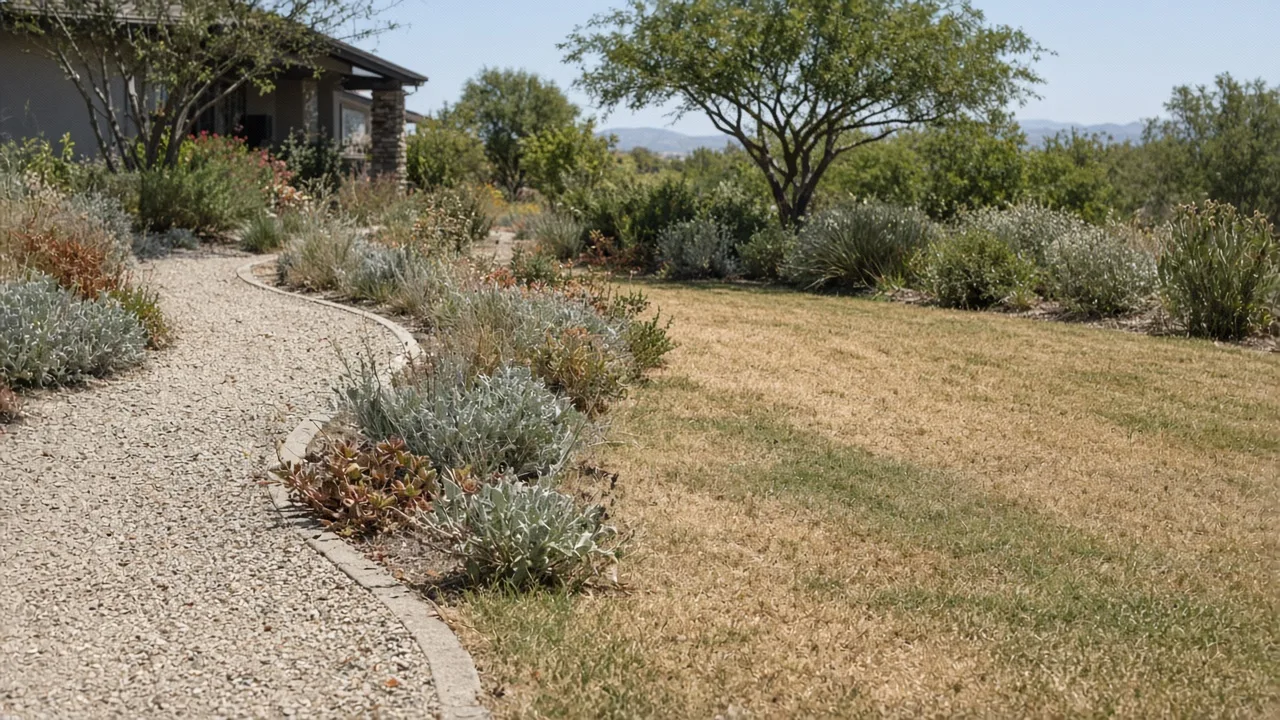
Prevent weeds, grubs, and large patch
The strongest weed strategy is a dense, correctly mowed lawn. Fill bare spots, correct shade and drainage limits, and avoid frequent shallow irrigation that favors shallow roots and weak turf. Pull isolated weeds early, and choose any herbicide only after confirming the grass, weed, timing, label restrictions, and local rules.
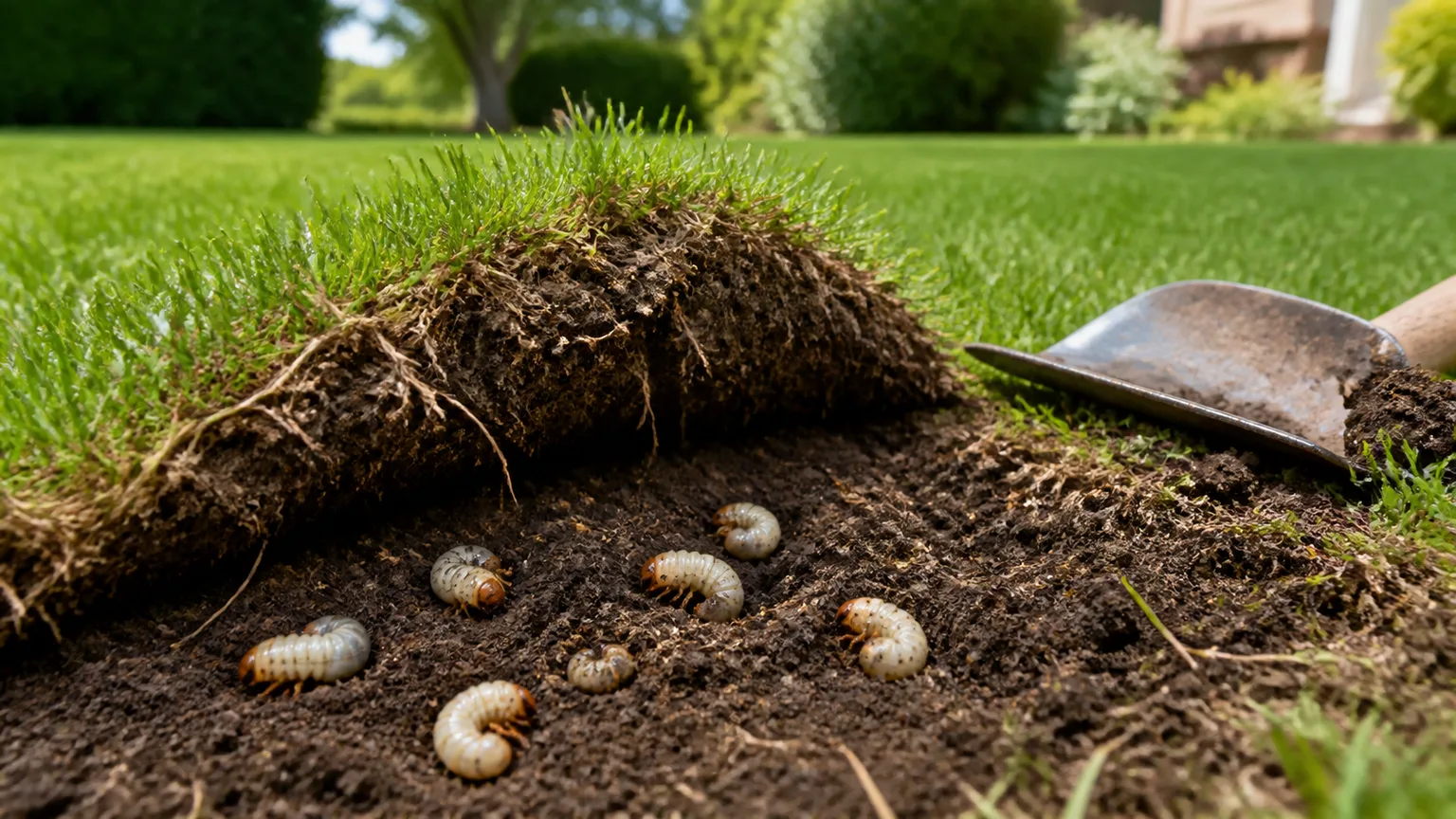
Grubs can feed on roots and may attract animals that tear up the surface. Do not treat every lawn because a beetle flies nearby; inspect damaged areas and confirm the problem. If you need a chemical control, read and follow the current label exactly, including timing, irrigation requirements, protective equipment, and restrictions around water.
Large patch prevention is mostly cultural: avoid excess nitrogen, reduce prolonged leaf wetness, improve drainage, manage thatch, and keep mowing equipment from spreading wet debris across the lawn. When disease recurs in the same low spot every year, the site condition is part of the diagnosis.
Know zoysia’s trade-offs before committing
Zoysia is a strong choice for a sunny lawn where a dense, durable surface matters more than instant green-up. It can use water efficiently once rooted, needs less frequent mowing than some fast-growing warm-season grasses, and often hides minor wear better as the canopy thickens.
Its drawbacks are real. Establishment is slow, spring green-up can lag, heavy shade exposes thin spots, thick thatch may require monitoring, and lateral spread can cross boundaries. In a lawn that needs year-round green color, grows beneath deep shade, or must recover from intense traffic quickly, another turf type or a mixed landscape may be a better fit.
Conclusion: grow zoysia by matching care to its rhythm
Growing zoysia grass successfully starts with a site that has enough sun, usable drainage, and a realistic establishment timeline. Choose a cultivar that suits your region, select seed, sod, plugs, or sprigs according to your budget and patience, and prepare the soil before planting rather than trying to repair every problem afterward.
Once established, focus on the fundamentals: water deeply enough to build roots, feed only when growth and soil conditions justify it, mow without scalping, watch thatch and compaction, and treat winter brown as normal unless the pattern or timing says otherwise. Zoysia rewards consistency more than intensity; when your routine follows its warm-season growth cycle, the lawn can become dense, durable, and considerably easier to manage.