How to Grow and Care for Alocasia Wentii
Grow Alocasia wentii with the right light, soil, watering, humidity, dormancy, propagation, and outdoor overwintering rules for glossy elephant-ear foliage.
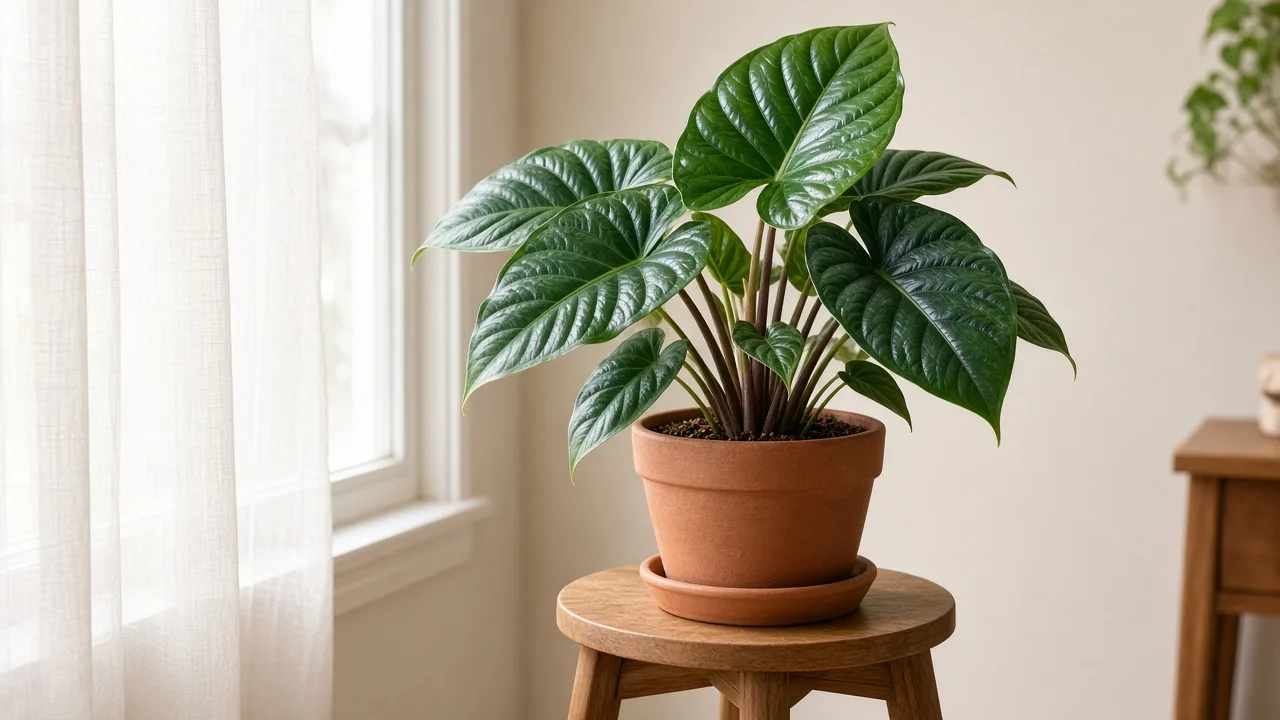
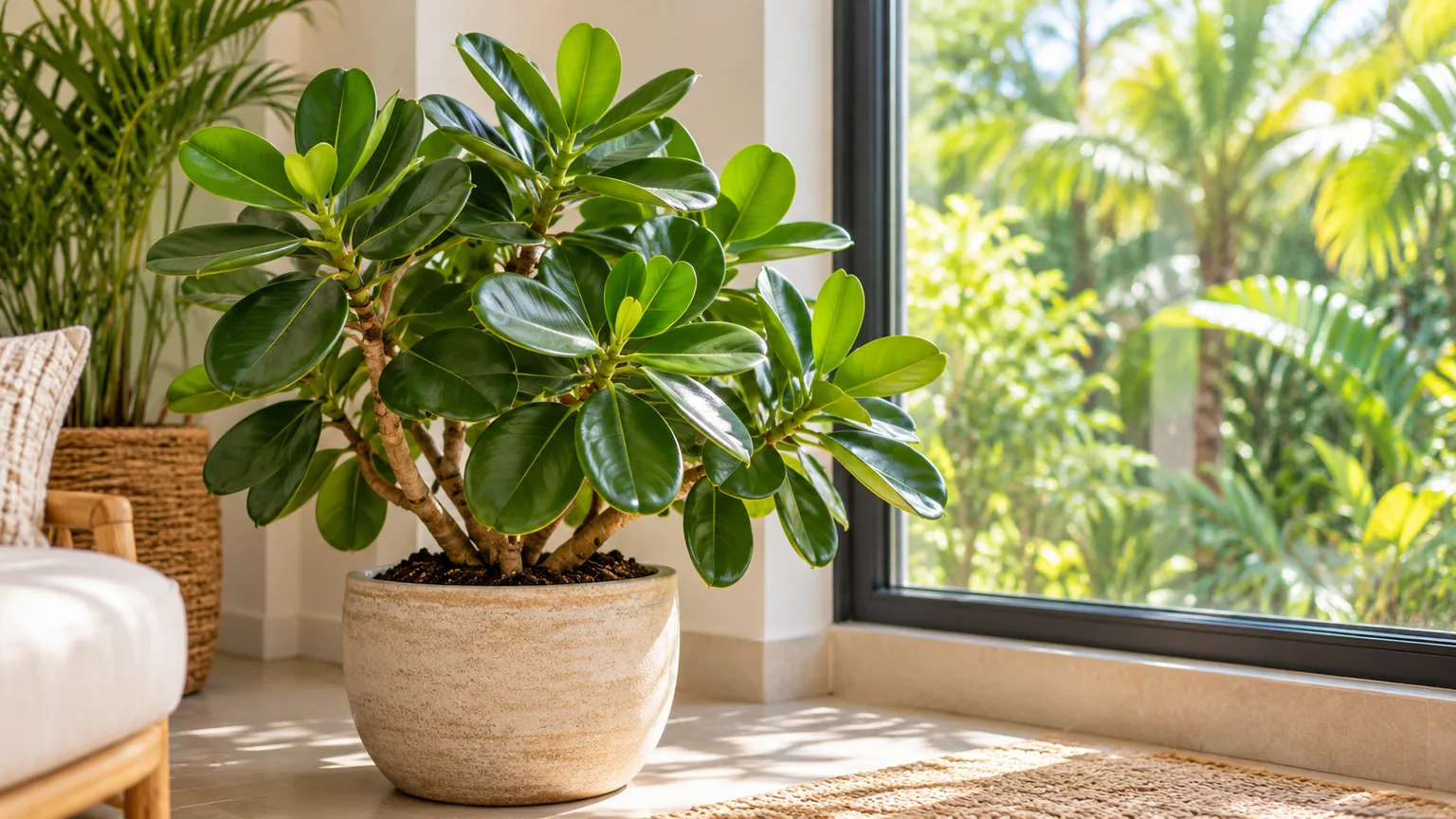
Alocasia wentii is sold as hardy elephant ear or New Guinea shield, and for good reason: it brings the dramatic arrow-shaped foliage alocasias are known for, yet it tolerates cooler conditions better than many of its cousins. That does not mean it is a set-and-forget houseplant. It still behaves like a tropical aroid—responsive to light, sensitive to soggy roots, and much happier when humidity and warmth stay in a narrow band.
The practical goal is simple. Give the plant bright filtered light, an airy but moisture-retentive mix, even watering during growth, and a drier rest in winter. Do that consistently and Alocasia wentii can become a striking floor plant indoors or a bold foliage anchor in a sheltered outdoor bed in mild climates.
What makes Alocasia wentii different from other elephant ears
Most alocasias fail indoors for the same reason: the room is too dim, too cold, or too wet for too long. Alocasia wentii earns its “hardy” nickname because it can handle brief dips toward 45°F (7°C) better than fussier jewel types, and it is often marketed as one of the easier large-leaved alocasias to keep. Outdoors, it is commonly listed for USDA hardiness zones 8 through 10, where sheltered plantings can reach taller proportions than typical indoor specimens.
There is an important identity wrinkle worth knowing before you troubleshoot care. Botanists described the true Alocasia wentii from montane rainforest in Papua New Guinea, where it grows as a small epiphytic herb with modest leaves. Many plants sold under the same name in the nursery trade are now thought to be Alocasia ‘Uhinkii’, a hybrid dating to the late 1890s, rather than the original species. For care purposes the difference rarely matters—you still treat the plant like a warm, humid aroid—but it explains why your “wentii” may look larger and more upright than early botanical descriptions suggest.
If you are comparing options, see our guides on growing alocasia indoors and alocasia varieties for how wentii fits among Polly, zebrina, and other elephant ears.
Quick profile: hardy elephant ear at a glance
| Feature | Details |
|---|---|
| Common names | Hardy elephant ear, New Guinea shield |
| Botanical name | Alocasia wentii (trade plants may be Alocasia ‘Uhinkii’) |
| Family | Araceae (arum family) |
| Mature size indoors | Up to about 5 feet tall; leaves can exceed 12 inches long |
| Mature size outdoors | Can exceed indoor size in zones 8–10 with time |
| Light | Bright indirect light; shelter from harsh midday sun |
| Soil | Rich, well-drained, evenly moist loam or aroid mix |
| Water | Water when the top 1–2 inches of mix are dry in active growth |
| Temperature | Roughly 68–77°F (20–25°C) in growth; avoid prolonged cold |
| Humidity | Target 60–70% where possible |
| Toxicity | Toxic to people and pets; contains calcium oxalate crystals |
| Propagation | Rhizome division; corm offsets |
| Bloom | Rare indoors; foliage is the main show |
The NC State Extension profile for Alocasia notes that elephant ears in this genus prefer shaded sites with moist, well-drained, humus-rich soil and daytime temperatures in the 68–77°F range. That outdoor description still maps cleanly to a bright indoor room with fast-draining potting mix and no standing water in the saucer.
Toxicity note: All parts of alocasias contain insoluble calcium oxalate crystals, according to the National Capital Poison Center. Chewing leaves or stems can cause mouth pain, irritation, nausea, or vomiting. Wear gloves when dividing rhizomes if sap bothers your skin, and keep plants away from curious pets and children.
Choose the right room before you bring one home
Start with the space, not the leaf photo. Alocasia wentii wants a warm room with bright indirect light and enough floor or table space for upward growth. A north-facing room can work if it is bright; a dark hallway usually will not, even if you water perfectly.
When buying, inspect the crown and petiole bases. Choose a plant with firm stems, unblemished glossy leaves, no fine webbing under foliage, and no sour smell from the pot. Avoid specimens already leaning hard toward a single window or sitting in a cachepot full of water. Because alocasias are tropical, carry the plant home protected from cold drafts—the RHS alocasia growing guide recommends keeping transport warm for these plants.
If your home is dry, plan humidity support before leaf edges crisp. A pebble tray, grouped plants, or a humidifier is cheaper than replacing a large specimen after a winter of brown margins. Our DIY pebble tray guide walks through a setup that keeps the pot above the waterline.
Light requirements for large, glossy leaves
Place Alocasia wentii near an east- or north-facing window, or set it a few feet back from a brighter south- or west-facing window where direct midday rays are softened by a sheer curtain. The target is bright filtered light, not low light. Too much shade produces weak, spaced petioles and smaller leaves; too much direct sun bleaches or scorches the glossy surface.
Outdoors in zones 8–10, morning sun with afternoon shade, or dappled light under a pergola or tree canopy, usually works better than an open baking patio. Indoors, rotate the pot a quarter turn every week or two so the plant does not lean and become top-heavy on one side.
When grow lights are worth adding
If winter light drops and new leaves emerge smaller or on longer, weaker petioles, supplement with a full-spectrum grow light rather than pushing fertilizer. Aim for a consistent photoperiod—roughly 10–12 hours—and keep the fixture far enough away that leaves do not heat or bleach. Grow lights support the plant; they do not replace the need for warm roots and correct watering.
Soil and potting mix that drains fast but holds moisture
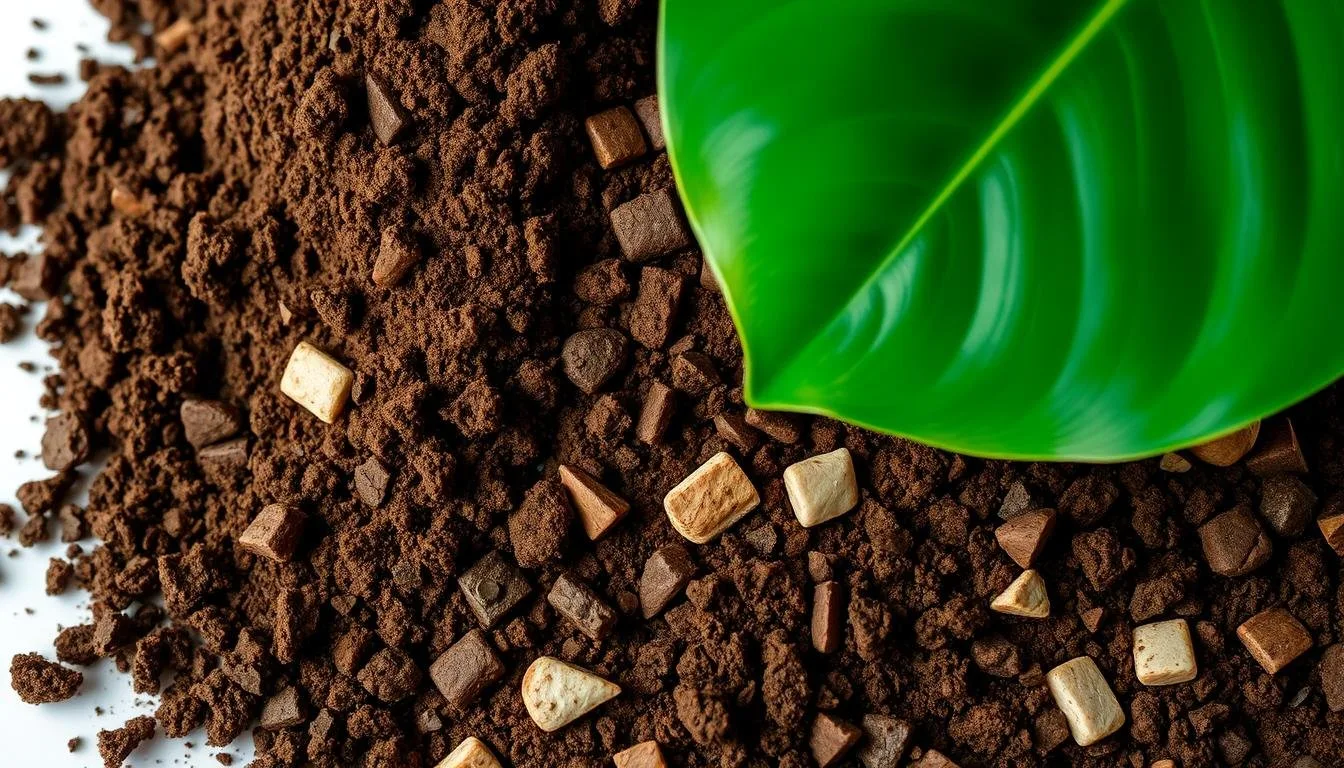
Alocasia wentii tolerates a range of well-drained soils outdoors, but as a houseplant it performs best in a rich, airy aroid mix that stays evenly moist without collapsing into mud. A reliable starting blend is one part potting soil, one part coco coir, and one part perlite. Add a handful of orchid bark if your home runs warm and the mix dries too quickly.
The pot must have drainage holes. Decorative outer pots are fine only if you empty excess water after each watering. Heavy garden soil or straight peat in a dim room is a common route to root rot, especially in winter when the plant uses less water.
Some growers experiment with LECA or other semi-hydro media for alocasias. That can work if you understand fertilizer and water-level management, but it is not necessary for success. A well-drained organic mix in a appropriately sized pot is the lower-risk choice for most homes.
Water by pot dryness, not by the day of the week
Even moisture is the goal during active growth, not constant sogginess. In spring and summer, water thoroughly when the top 1–2 inches of mix feel dry to your finger or when a skewer pulled from the pot comes out mostly clean rather than damp. Let excess drain fully, then empty the saucer.
In fall and winter, when growth slows or the plant enters dormancy, stretch the interval between waterings. The RHS guide warns that overwatering during dormancy is a primary cause of rot. A plant that is resting in cooler, dimmer conditions may need only occasional sips to keep the rhizome from desiccating.
Use room-temperature water when you can. Cold water shocks warm roots and can contribute to leaf complaints on sensitive aroids.
How to tell overwatering from underwatering
Overwatering often shows up as yellowing lower leaves, a sour smell, soft petiole bases, or fungus gnats hovering over constantly wet soil. The mix may stay wet for many days even though the plant looks wilted—because damaged roots cannot take up water.
Underwatering usually produces crisp brown edges, drooping leaves that recover after a thorough soak, and very light pots. If the mix has pulled away from the pot sides, water slowly in two passes so the root ball rehydrates instead of channeling down the gap.
When in doubt, check the crown and roots before adding more water. A firm crown and healthy white roots mean you can adjust light or humidity; a mushy crown means repotting and rot removal, not another drink.
Temperature, humidity, and winter dormancy
During the growing season, keep daytime temperatures roughly in the 68–77°F (20–25°C) band—the same range NC State Extension cites for elephant ears in the genus. Alocasia wentii can survive short exposure near 45°F, but it will not look lush there, and prolonged cold triggers leaf loss and dormancy.
Humidity near 60–70% keeps leaf margins clean. In dry heated homes, combine methods: pebble tray, plant grouping, bathroom placement with good light, or a humidifier. Misting alone rarely fixes chronic dryness, but wiping dust from large leaves helps the plant photosynthesize efficiently and makes pest detection easier.
Expect seasonal rhythm. Many alocasias drop older leaves as light and temperatures fall. That can look alarming, but a firm crown and reduced watering often carry the plant through to spring. If every leaf falls, do not discard the pot immediately—wait for warmth and brighter days, then resume careful watering once you see new growth.
Fertilizer during active growth only
Alocasias are hungry while producing large leaves. Feed with a balanced liquid houseplant fertilizer diluted to label strength every two to three weeks from spring through early fall. Stop feeding when growth slows in late fall, and do not resume until new leaves appear in spring.
Overfeeding a plant in low light or during dormancy creates salt buildup and weak tissue. If leaf tips brown despite good humidity, flush the pot with plain water once and reassess light before increasing fertilizer strength.
Pruning, cleanup, and what to do about flowers
Pruning needs are minimal. Remove yellowed, damaged, or dead leaves at the base with clean shears. That redirects energy to healthy foliage and improves airflow around the crown.
Flowering indoors is uncommon and not especially ornamental—blooms are typically a slender cream spadix within a modest spathe. Many growers remove inflorescences to keep the plant focused on leaves. If a flower appears on a mature outdoor specimen in spring or summer, you can leave it or cut it; either choice is aesthetic, not survival-critical.
Propagate Alocasia wentii by division or corm offsets
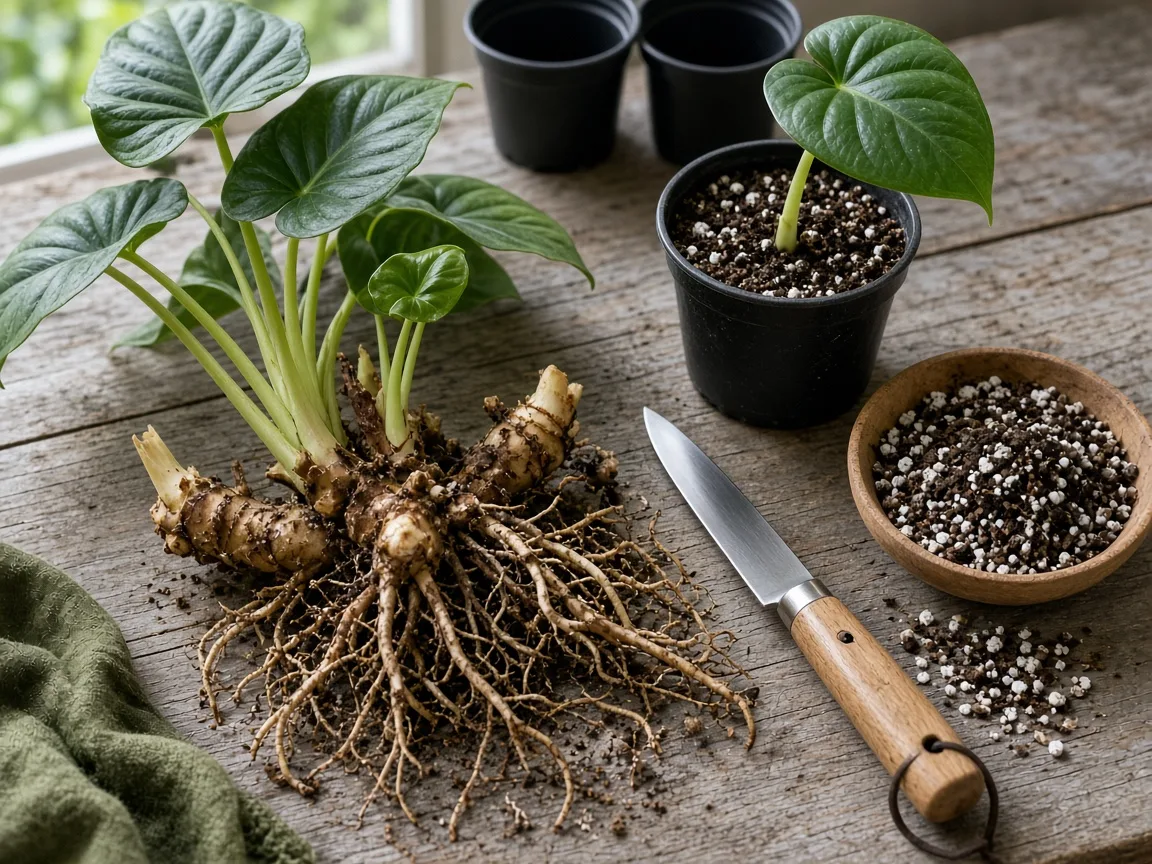
You cannot propagate Alocasia wentii from a leaf cutting alone. New plants come from rhizome division or from corm offsets that form around the base of a mature clump. Epic Gardening’s alocasia propagation guide outlines both methods clearly: division for immediate new plants, corms when you want more starts from one repot.
Work in spring, after the last frost outdoors and once the parent plant is actively growing. Water the parent a day or two beforehand so the root ball releases more easily.
Step-by-step division in spring
Wear gloves to limit contact with oxalate-rich sap. Slide the plant from its pot and brush away loose mix so you can see rhizomes and offsets. Small pups with their own roots often pull away cleanly; larger sections need a sterile knife to separate rhizome tissue with at least one growth point.
Pot each division in a small, well-drained aroid mix. Keep the medium evenly moist—not wet—and place pots in bright indirect light. Expect slow recovery: Alocasia wentii is not a fast multiplier, and new top growth may take weeks while roots establish. Avoid fertilizing until you see fresh leaves.
For corm offsets without roots, some growers peel the outer husk, set the corm partly submerged in water or moist sphagnum, cover lightly for humidity, and transplant once roots are a few inches long. Cover with ventilated plastic only if air exchange remains adequate; stagnant humidity invites rot.
Repotting without inviting root rot
Alocasia wentii grows slowly compared with some alocasias and tolerates being slightly rootbound. Repot every two to three years, or when roots circle heavily, water runs straight through dry mix, or growth stalls despite good light and feeding.
Repot in spring or early summer using a container 2–4 inches wider in diameter—not a huge jump. Oversized pots hold excess wet soil around a small root system and invite rot. Tease circling roots gently, set the crown at the same depth, and water once to settle the mix.
If you repot mainly to propagate, combine tasks: divide, refresh mix for the parent, and pot offsets separately rather than upsizing and dividing later in the same season.
Growing Alocasia wentii outdoors and overwintering
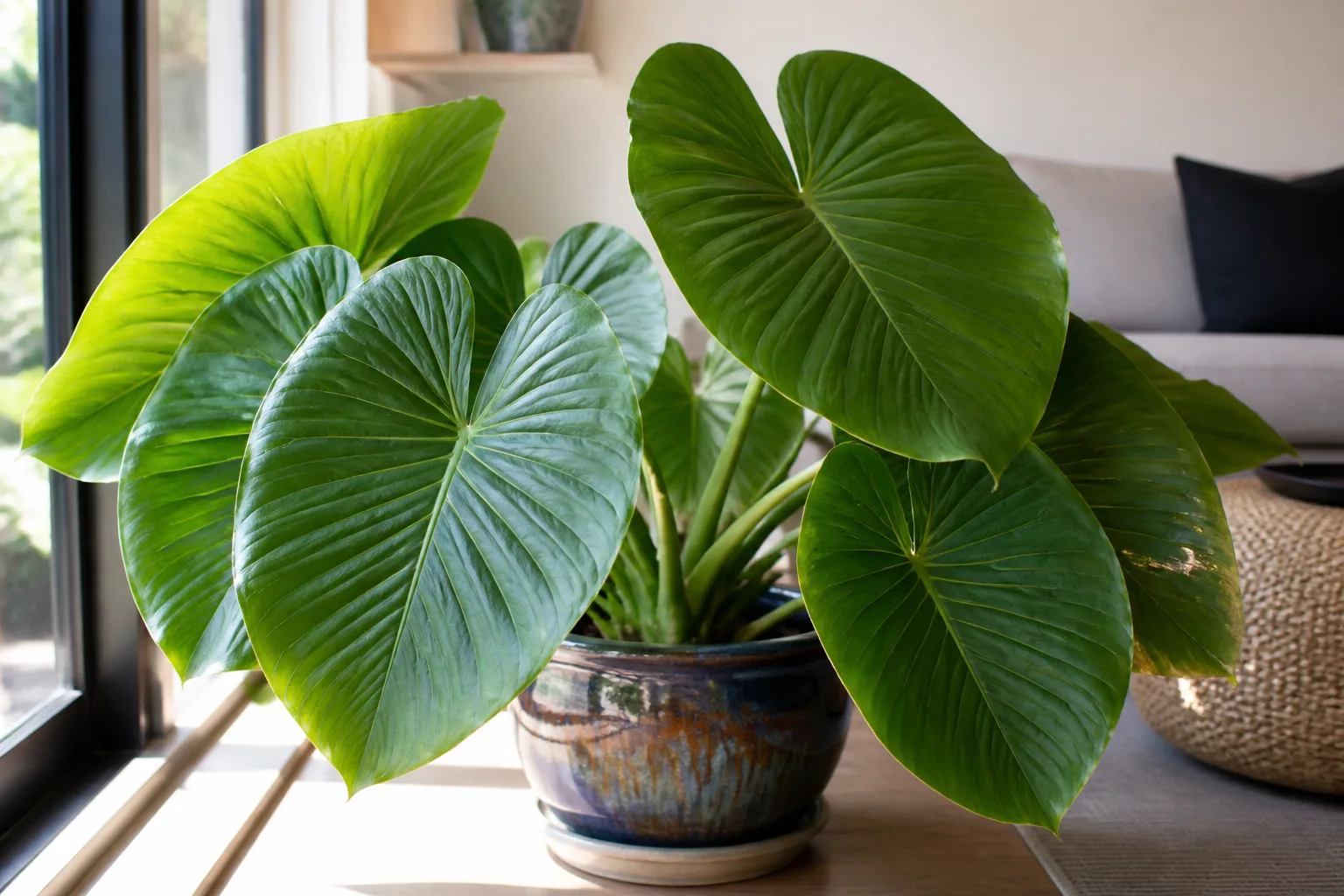
In USDA zones 8–10, Alocasia wentii can live outdoors in rich, moist, well-drained soil with partial shade. Container plants on patios need the same drainage discipline as indoor pots. Wind tears large leaves, so choose a sheltered wall or fence line.
Before hard frost, dig container plants or lift garden specimens and move them to a frost-free room, greenhouse, or bright garage above 50°F (10°C). Reduce watering during storage. In borderline climates, mulch around in-ground rhizomes may help short cold snaps, but do not treat this plant like a fully hardy temperate perennial in cold-winter regions.
For broader context on elephant ear types and outdoor culture, see our elephant ear plants guide.
Pests and common leaf problems
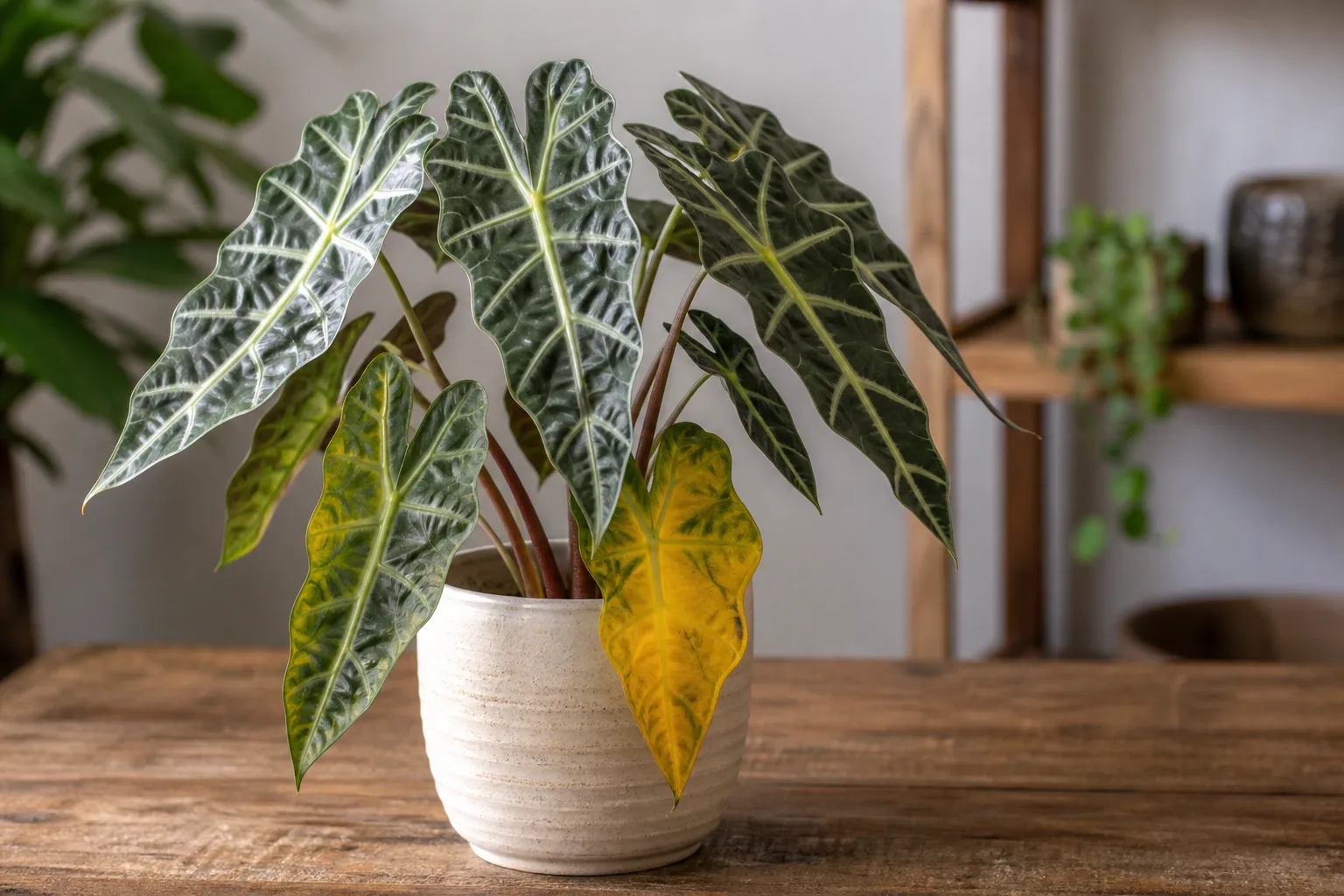
Healthy culture prevents most issues. Stress from dry air invites spider mites—look for stippling and fine webbing on leaf undersides. Mealybugs appear as cottony clusters in leaf axils; aphids and fungus gnats often follow overwatering or stale wet topsoil.
At first sign, isolate the plant, rinse foliage, and treat with insecticidal soap or horticultural oil on a test leaf before full application. Repeat at label intervals; one spray rarely clears mites.
Yellow leaves usually trace to watering imbalance, cold drafts, or sudden light changes. Fix the root cause before removing more foliage.
Brown leaf edges commonly mean low humidity, underwatering, or leaf scorch from direct sun. Raise humidity and adjust placement before assuming pest damage.
Leaf drop in fall or winter may be normal dormancy if the crown stays firm. If leaves drop during active growth with wet soil, inspect roots immediately.
Conclusion
Alocasia wentii rewards growers who treat it as a warm-season foliage plant with a real winter rhythm—not as a static green sculpture that needs the same water every Tuesday. Give it bright filtered light, a fast-draining but moisture-retentive mix, consistent humidity, and a dry rest when growth slows. Divide in spring if you want more plants, and protect outdoor specimens before frost.
When leaves complain, check light and root moisture before reaching for fertilizer or a bigger pot. That order of operations keeps hardy elephant ear glossy, upright, and worth the space it eventually claims in your room.