How to Grow and Care for Elephant Ear Plants
Elephant ears span Colocasia, Alocasia, and Xanthosoma. Learn light, water, soil, overwintering, and pet safety so your plant thrives indoors or out.
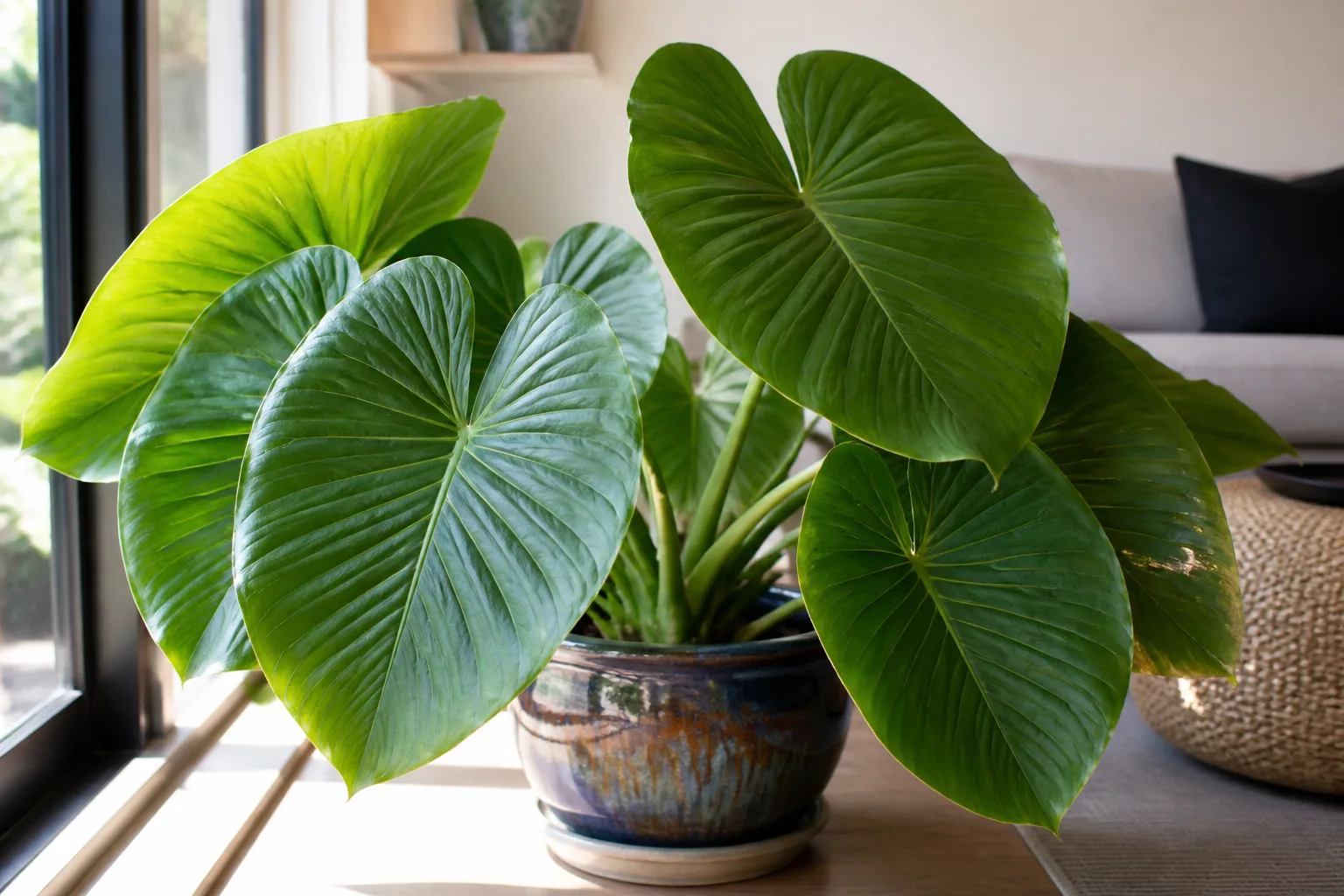
A single nickname covers several unrelated-looking tropical plants. Elephant ear usually means a big-leaf perennial in the Araceae family—most often Colocasia, Alocasia, or Xanthosoma—and the care details change depending on which genus you actually brought home. Get that ID right first, and watering, light, and winter storage stop feeling like guesswork.
What “Elephant Ear” Actually Means
Garden centers slap the same common name on plants with different leaf shapes, growth habits, and moisture tolerance. All are tuberous tropical perennials prized for dramatic foliage, but they are not interchangeable.
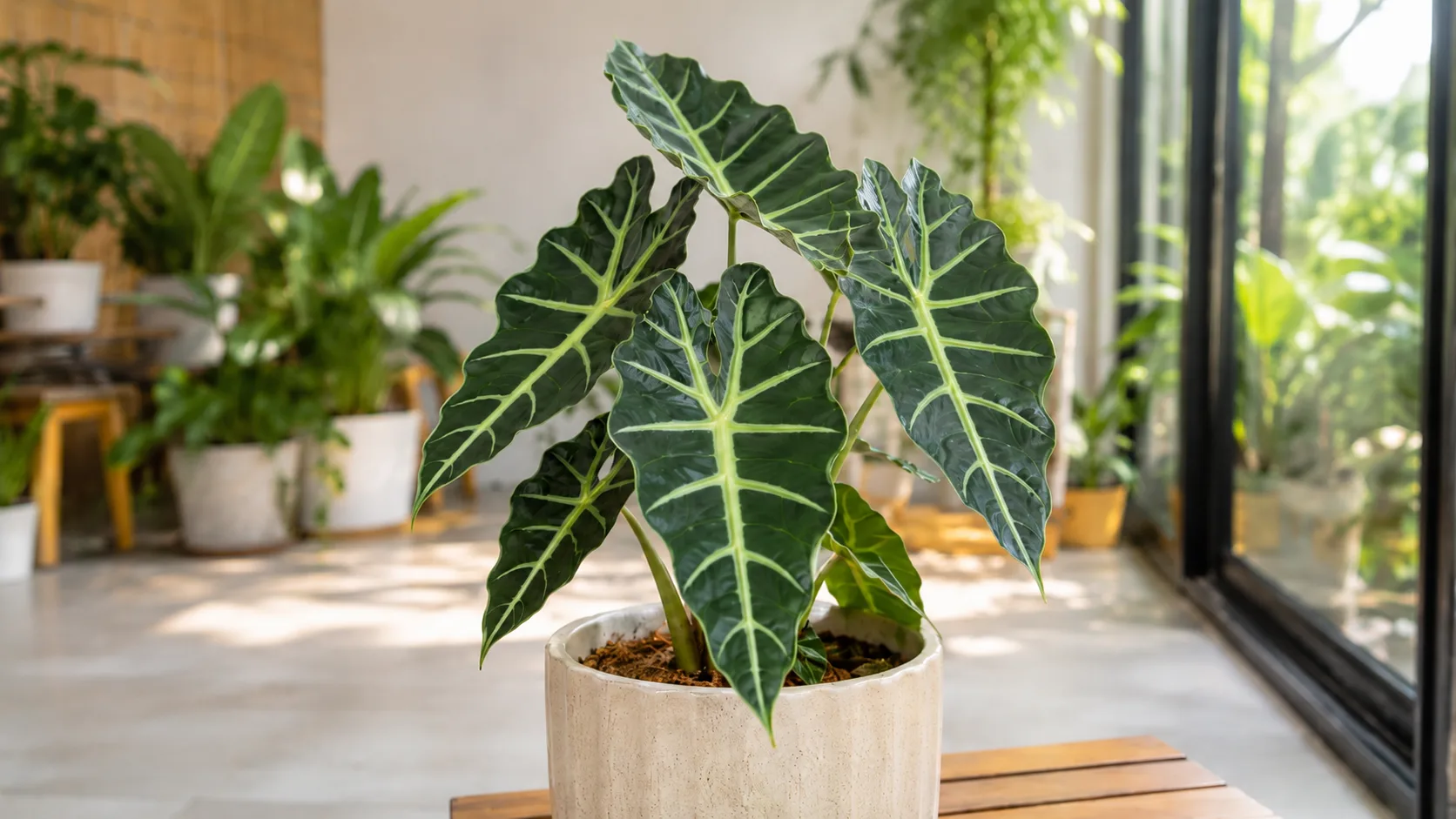
Colocasia leaves typically hang downward with the leaf tip pointing toward the ground. These are the classic wetland lovers: bog edges, rain gardens, and consistently moist beds. Alocasia leaves usually point upward on stiff petioles, and many cultivars stay smaller but demand steadier warmth and humidity indoors. Xanthosoma sits between the two in habit, with arrow-shaped leaves and similar warmth needs.
Colocasia, Alocasia, and Xanthosoma Compared
| Trait | Colocasia | Alocasia | Xanthosoma |
|---|---|---|---|
| Leaf orientation | Often drooping, heart-shaped | Often upright, arrow- or heart-shaped | Arrow-shaped, upright to arching |
| Moisture tolerance | High; tolerates wet soil and shallow standing water | Moist but needs drainage; rots in soggy mix | Moist, well-drained; less bog-tolerant than Colocasia |
| Typical outdoor size | 3–6 ft+, some giants taller | 2–10 ft depending on species/cultivar | 3–4 ft common |
| Indoor difficulty | Moderate in bright humidity | Often finicky; spider mites common | Moderate; needs warmth |
| Hardiness (general) | Often USDA 8–11; dig in colder zones | Often USDA 9–11; many treated as annuals north | Similar to Colocasia |
| Running habit | Some species spread by stolons | Mostly clumping | Mostly clumping |
NC State Extension’s Colocasia profile notes full sun to part shade, wet soil tolerance, and medium-severity poison characteristics from calcium oxalate. Its Alocasia overview emphasizes shaded sites, 68–77°F daytime comfort, spider mite pressure, and division-based propagation. If you own a named indoor cultivar like Alocasia zebrina or Alocasia ‘Black Velvet’, treat it as Alocasia—not Colocasia—even though both get called elephant ears.
Quick Start Checklist Before You Buy
Before you commit to a 4-foot leaf span, run through this short list. It saves the “why is it dying in October?” conversation later.
Match the plant to your light: bright indirect indoors; outdoors, partial shade or dappled sun beats hot afternoon blast on most types. Dark-leaved cultivars like ‘Black Magic’ usually need more light than plain green forms to hold color. Check your watering habit: Colocasia wants soil that stays moist; Alocasia wants even moisture with drainage, not a swamp. Plan winter storage if you are below USDA Zone 8 for most Colocasia and below Zone 9 for many Alocasia. Confirm pet and kid safety: all parts contain irritating calcium oxalate crystals when raw. Buy healthy starts: avoid yellow-spotted leaves, mushy stems, or pots that have been sitting dry for weeks at the store.
If you are new to tropical foliage indoors, scan our best indoor tropical plants guide for easier companions before betting the living room on a giant Colocasia.
Light: Sun, Shade, and Indoor Placement
Outdoors, elephant ears generally perform best in partial shade, filtered sun, or morning sun with afternoon protection. Full sun is tolerable for some Colocasia—especially in cooler, humid regions—but leaf edges brown faster and watering demand jumps sharply. In hot, dry climates, lean toward shade.
Indoors, place plants in bright, indirect light near an east- or west-facing window, or set back from a south window so leaves do not scorch. Direct sun on glass can bleach or burn foliage within days. Leggy stems, smaller new leaves, and long petioles reaching toward the window mean the plant needs more usable light—not necessarily more fertilizer.
A useful rule: the darker the leaf, the more light it usually needs to keep depth of color. ‘Mojito’ and green seedling forms may tolerate slightly lower light than near-black cultivars. If you move a plant outdoors for summer, harden it off in shade first; a week of gradual exposure prevents sun scorch.
Water and Humidity Without Root Rot
Elephant ears are thirsty plants, but “moist” is not the same as “sitting in stagnant water” for every genus. Colocasia can live at the edge of a pond or in soil that stays wet; NC State Extension lists wet soil and water-garden use among its tags. Alocasia and most container plants need even moisture with drainage—roots should never dry to dust, yet the bottom of the pot should not stay waterlogged for days.
Outdoors, water deeply when the top inch of soil feels dry in containers, or when surface soil begins to crack in beds during heat waves. In-ground Colocasia in full sun may need water every day in July; a shaded Alocasia in a glazed pot might need water twice weekly in the same weather. Morning watering gives leaves time to dry before cool nights, which reduces fungal issues.
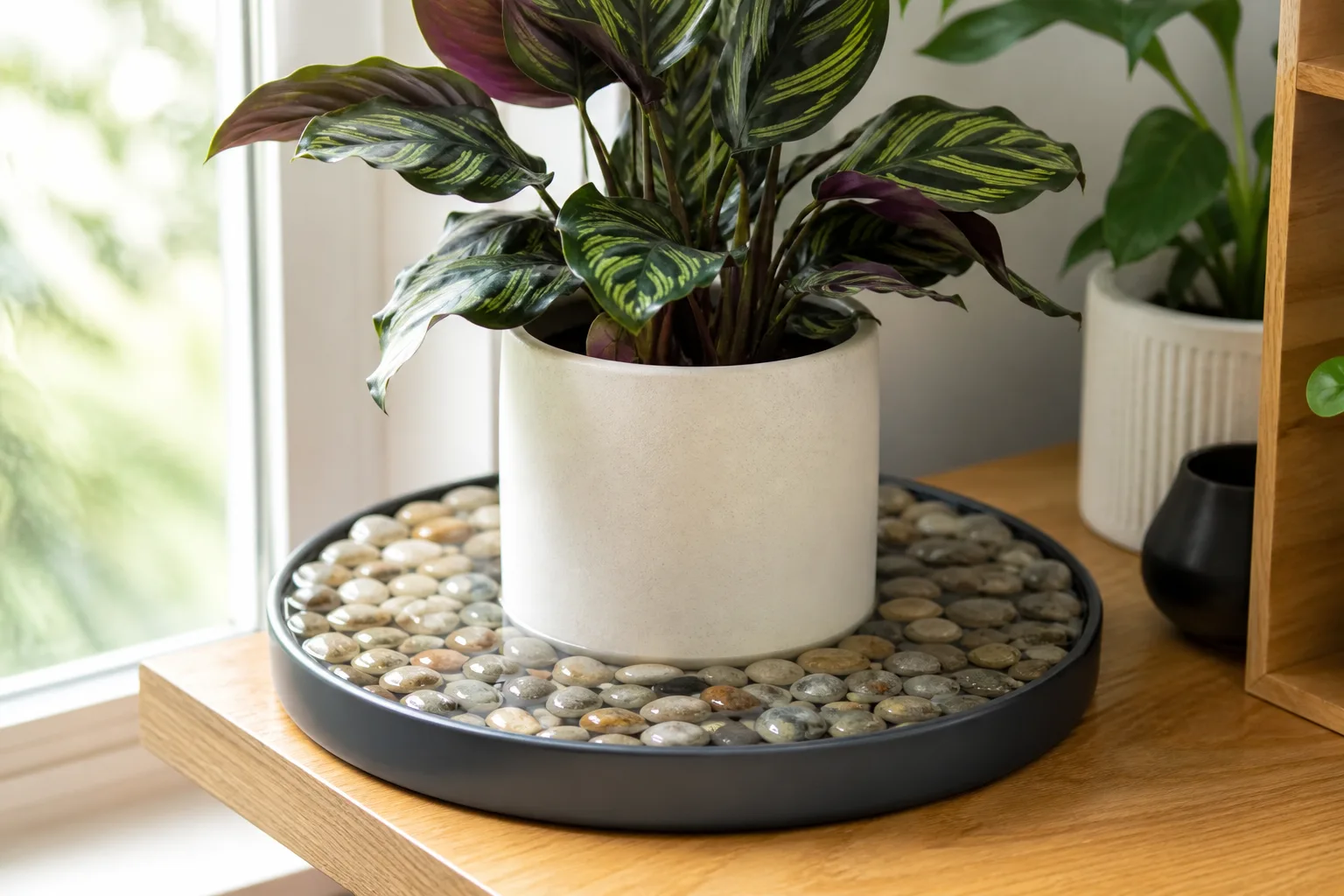
Indoors, dry winter air is the hidden killer. Humidity near 50% or higher helps Alocasia hold leaves through heating season. A sized humidity pebble tray raises local moisture without misting leaves nightly; misting is a weak, short-lived fix and can encourage leaf spots if water sits on foliage overnight. Grouping plants helps slightly, but a humidifier is more reliable for large-leaf Alocasia in dry apartments.
Soil, pH, and Boggy Garden Spots
Target rich, organic, slightly acidic soil in the pH 5.5–7.0 range. Work compost or aged manure into planting beds before setting tubers. Colocasia thrives in loamy, humusy soil that holds moisture; Alocasia wants the same fertility with sharper drainage—perlite, bark, or coarse sand mixed into potting media prevents Pythium rot.
For rain gardens, swales, or pond margins, Colocasia esculenta and related cultivars are natural fits. Do not plant running Colocasia types in unmanaged wetlands in the Gulf Coast: NC State Extension warns that Colocasia is invasive in some American wetland habitats and can displace native plants. In those regions, keep Colocasia in containers or confined beds and remove runners promptly.
Container mixes should be high in organic matter yet porous. A practical blend: quality potting soil, perlite, and compost in roughly equal parts, with a layer of mulch on outdoor pots to slow evaporation.
Temperature, Frost, and Seasonal Moves
These are true tropicals. Frost kills foliage overnight; repeated cold nights damage tubers. Colocasia is injured below about 68°F (20°C) according to NC State’s hardiness notes, and most types will not survive freezing soil. Alocasia prefers daytime temperatures around 68–77°F and suffers when nights drop below 60°F for extended periods.
In USDA Zones 8–11, many Colocasia return from the ground each spring. Zone 7 growers sometimes succeed with heavy mulch and microclimate protection, but plan to dig tubers if you want insurance. North of Zone 7, treat elephant ears as summer annuals or container plants you overwinter indoors or in cool storage.
When autumn forecasts hit the mid-40s°F, move container plants inside or begin the dig-and-store routine. Our winter potted plant guide walks through which tropical pots must come indoors before the first frost and how to stage the transition without shock.
Fertilizer for Fast Leaf Growth
Large leaves are expensive for the plant to build. During active growth—roughly spring through early fall—feed every two to three weeks with a balanced or slightly nitrogen-forward water-soluble fertilizer diluted to label strength. Epic Gardening’s elephant ear guidance recommends rich organic matter at planting plus monthly feeding during the warm season; that rhythm matches what most growers see in fast summer expansion.
Slow-release pellets at planting time work well for in-ground Colocasia. Container plants leach nutrients faster; liquid feeds or half-strength weekly doses during peak growth keep leaf size up. Stop fertilizing when growth slows in late fall or when you bring plants indoors for dormancy—salts build up in dry winter soil and burn roots.
Pale new leaves with green veins sometimes signal iron deficiency in alkaline soil; a chelated iron supplement after a pH test is more useful than doubling nitrogen.
Planting Tubers and Spacing Outdoors
Wait until soil temperature reaches at least 70°F before planting outdoors in spring. Cold, wet soil rots dormant tubers.
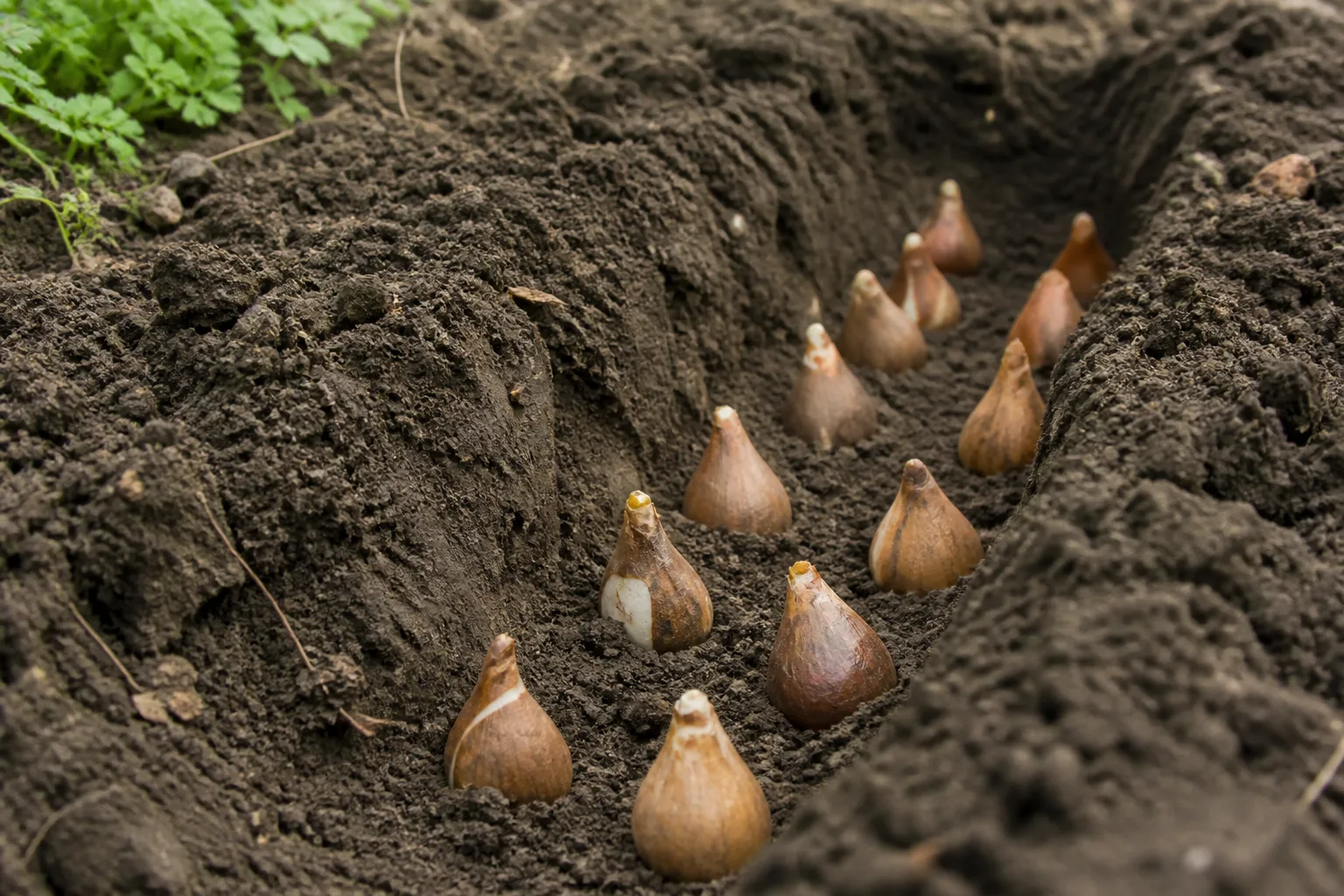
Plant corms 2–4 inches deep with the growing point—or visible buds—facing up. Space smaller cultivars at least 2 feet apart and giant types 4 feet or more; NC State notes Colocasia may need 6 feet of spread at maturity. In beds, dig a hole twice the tuber width, set the corm, backfill with amended soil, and water thoroughly.
For bog plantings, you can set Colocasia esculenta in shallow standing water during summer, but transition gradually so the tuber does not rot from sudden saturation. Mark planting locations if you dig tubers each fall—it is easy to slice a stored corm with a spring shovel otherwise.
Growing Elephant Ears in Containers
Containers are the smartest path in cold climates: you get patio drama all summer and a movable plant in fall. Choose the largest pot you can realistically water—a 5-gallon minimum for young plants, 10–20 gallons for mature Colocasia, because small pots dry out in hours on a hot deck.
Every container needs a drainage hole. Elevate pots on feet so saucers do not hold stagnant water. Expect to water daily in midsummer; glazed pots dry slower than terracotta but stay heavier to move.
Repot when roots circle the bottom or push the tuber against the pot wall—usually every one to two years for Alocasia, less often for fast summer Colocasia grown as annuals. Fresh mix at repot time rejuvenates growth better than top-dressing alone.
Pruning, Deadheading, and End-of-Season Cutback
Remove yellowing or damaged leaves any time with clean shears, cutting near the base without tearing petioles. Wear gloves: sap can irritate skin.
Elephant ears occasionally flower—a hooded spathe around a spadix. Blooms are interesting but drain energy from foliage. Many gardeners remove flower stalks early unless they want seed or pollinator value.
Before frost, cut back outdoor plants to 2–6 inches above soil after foliage blackens. Wait two to three days after the first light frost so leaves collapse naturally; cutting green tissue too early wastes stored energy in the tuber. Indoors, reduce watering when growth stops and remove spent leaves to limit pest hiding spots.
Propagating Elephant Ears by Division
Division is the reliable method. Seed is slow, unavailable for most named cultivars, and seedlings will not match variegated parents.
In fall—or when repotting in spring—lift the tuber carefully. Brush off soil and inspect for firm, healthy tissue. With a sterile knife, split the corm so each piece has at least one growth eye or active shoot. Let cuts dry in a warm, shaded spot for about a week until the surface calluses.
Pot divisions in rich, moist media and keep warmth above 70°F. Do not plant directly into cold garden soil until nights stay mild. Alocasia also produces offsets you can separate when repotting; smaller pups root faster than huge chunks.
Skip seed unless you are experimenting—elephant ears rarely bloom as houseplants, and even outdoor blooms are uncommon on young plants.
Overwintering Tubers in Cold Climates
If you cannot keep a full-size plant indoors, dig and store the tuber. After cutback, lift the corm with a fork, leaving soil on roots initially. Cure tubers indoors with good airflow for one to two weeks until surfaces feel dry to the touch—not shriveled like leather.
Wrap each tuber in paper or pack loosely in peat, vermiculite, or dry wood shavings inside a cardboard box or mesh bag. Store at 45–55°F in a dark, dry basement or garage that does not freeze. Check monthly; discard anything soft, black, or foul-smelling.
In spring, replant when soil warms to 70°F again. Start pots indoors four to six weeks before last frost if you want a head start. Rot during storage almost always means temperatures were too warm and wet, or tubers were damaged at digging.
Pests and Diseases to Watch For
Healthy elephant ears are vigorous, but constant moisture invites problems. Inspect leaf undersides weekly.
Fungal leaf blight shows as water-soaked lesions that may ooze and turn purple or yellow; fuzzy growth can follow. Remove infected leaves immediately and improve airflow. Water at soil level, not over foliage.
Pythium root rot follows prolonged saturation. Leaves yellow in patches; roots turn dark and greasy. Infected plants are usually not salvageable—discard the plant and soil, sterilize the pot, and fix drainage before replanting.
Aphids and mealybugs cluster on new growth; rinse or treat with insecticidal soap. NC State’s Alocasia profile lists spider mites, aphids, and mealybugs as primary pests.
Spider Mites on Indoor Elephant Ears
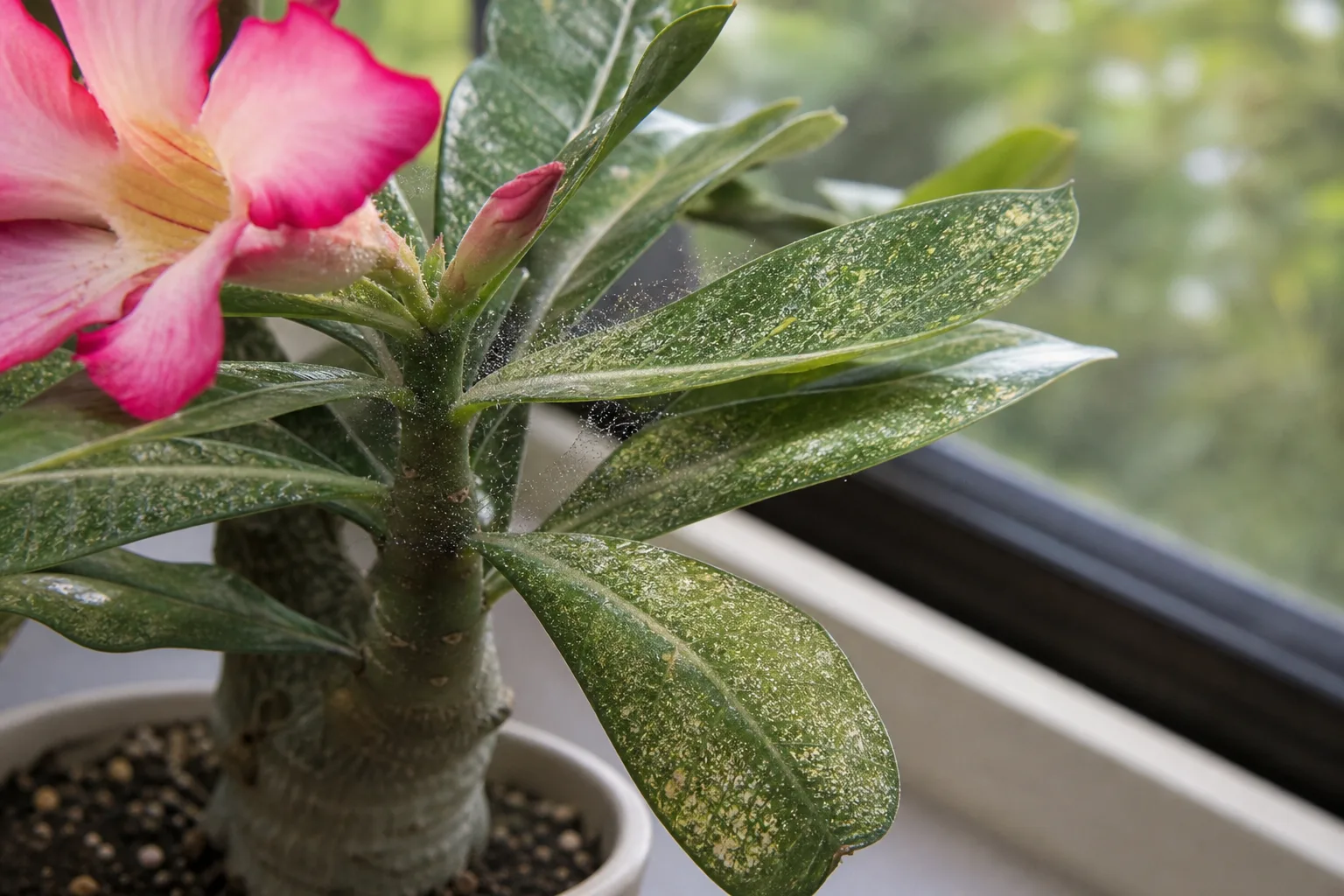
Spider mites thrive in dry, warm indoor air. Look for stippled yellow leaves, fine webbing, and tiny moving dots on leaf undersides. Increase humidity, shower the plant gently, and apply horticultural oil or insecticidal soap on two-week intervals. Severely infested Alocasia may drop all leaves; if the tuber is firm, reduce watering and retry after recovery. Our thrips and houseplant pest guide covers broader integrated pest habits that also help mite prevention—quarantine new plants and avoid nitrogen-heavy feeding during outbreaks.
Troubleshooting Yellow, Drooping, or Pale Leaves
Symptoms overlap, but the first fix differs:
Uniform yellowing with wet soil usually means overwatering or root rot—check drainage and let the mix dry one notch before the next soak. Yellow lower leaves on dry soil point to underwatering, especially in full sun containers. Pale, small new leaves often mean low light or hunger; move to brighter indirect light and feed lightly. Sudden droop on a hot afternoon can be heat and thirst—water and shade-check before assuming disease. Seasonal yellowing in fall may be normal dormancy; cut back and store or reduce water indoors.
If multiple fixes fail on Alocasia, inspect for mites before repotting. Repotting a stressed plant into wet soil often makes things worse.
Toxicity, Taro, and Pet Safety
All elephant ear parts contain calcium oxalate crystals that cause intense oral irritation if chewed. The ASPCA lists elephant ears (Caladium hortulanum grouping) as toxic to dogs and cats, with drooling, vomiting, and difficulty swallowing as common signs. Keep plants off pet routes and call your veterinarian or poison control if ingestion occurs.
Humans should wear gloves when pruning and wash hands after handling sap. Taro is Colocasia esculenta grown as a food crop in tropical regions; tubers are edible only after thorough cooking that breaks down oxalates—never eat raw corms or leaves. Ornamental cultivars like ‘Black Magic’ are not selected for flavor or safe food prep; grow food taro only from known culinary stock if you intend to harvest.
Conclusion
Elephant ears reward you with some of the boldest foliage you can grow—if you match genus to site. Plant Colocasia where soil stays moist and summer heat is manageable; treat Alocasia as a warmth- and humidity-loving house or patio plant with sharper drainage; use containers and tuber storage anywhere frost arrives before Thanksgiving. Check light and water before reaching for fertilizer, divide instead of hunting rare seed, and keep pets away from those spectacular leaves. Nail those decisions, and elephant ears become a reliable summer statement rather than a one-season experiment.



