Apartment Gardening for Beginners: Indoor Herbs, Veggies & Flowers
Learn apartment gardening for beginners: audit your light, pick containers, choose easy crops, and avoid the watering mistakes that kill indoor gardens.
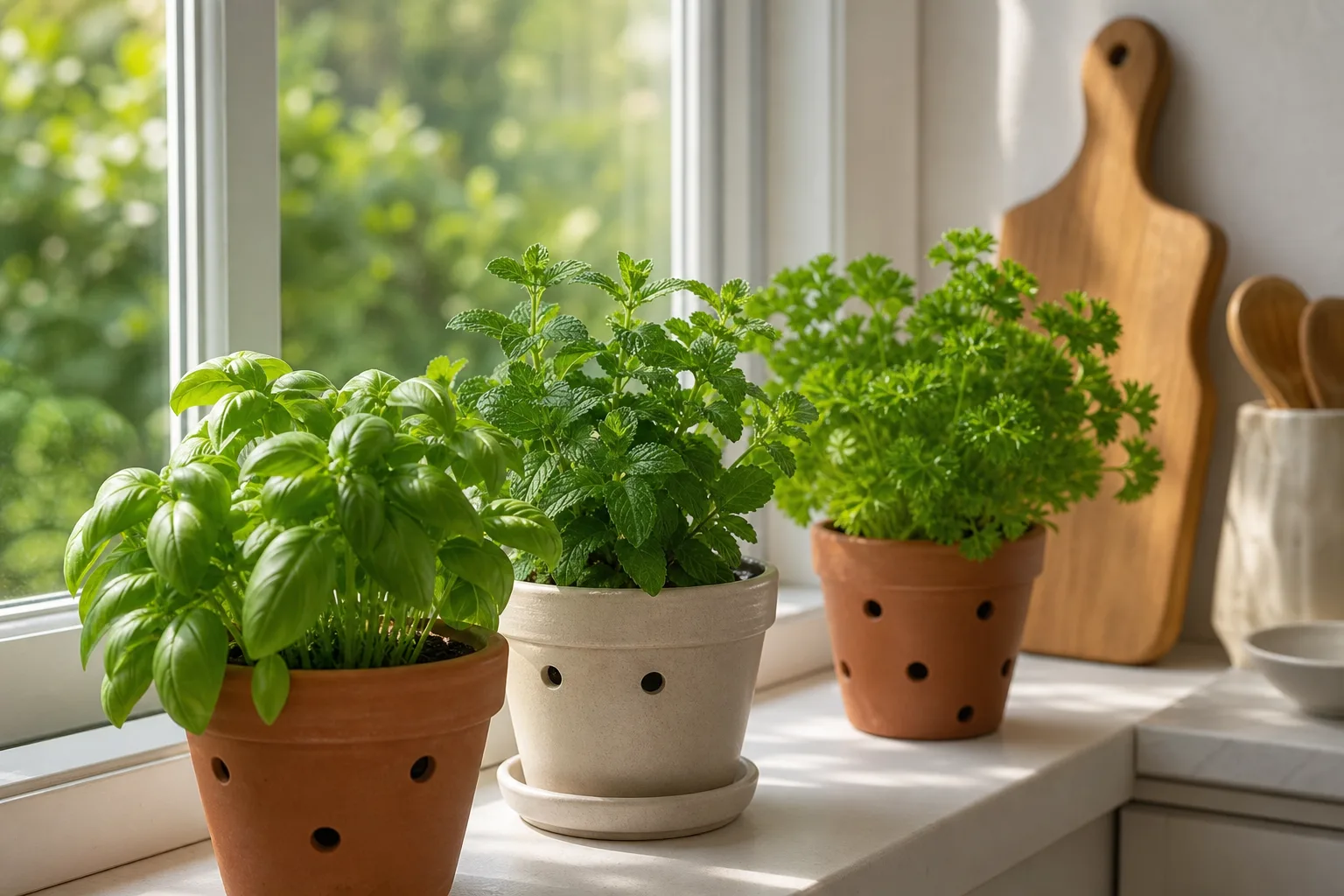
Apartment gardening is growing edible and ornamental plants in containers inside a limited living space — on a windowsill, kitchen counter, shelf with grow lights, balcony railing, or compact hydroponic unit. You do not need a yard, a dedicated sunroom, or a green thumb certificate. You do need an honest read of your light, a drainage-first container setup, and crops matched to what your apartment can actually deliver.
Most beginner failures happen before the first seed is sown. People buy a tomato because they love caprese salad, then park it on a north-facing sill that cannot support fruiting. Or they stack pots on a windowsill with no saucers and discover water damage on the sill the hard way. The framework below reverses that order: audit the space, choose a setup, then shop for plants.
Start by Auditing Your Apartment, Not Your Plant Wish List
Before you browse seed catalogs, spend one week watching how light moves through your home. Note which surfaces stay dry enough for pots, which spots get blasted by heating vents, and whether you have a balcony, fire escape, or only interior shelves. The RHS notes that container gardens excel where in-ground space is limited — but limited root volume also means plants depend entirely on you for water, nutrients, and stable temperatures.
Write down three numbers: how many hours of direct sun your best window gets, how many square feet of flat surface you can dedicate without blocking walkways, and whether your lease restricts drilling, hanging heavy planters, or placing items on balcony railings. Those three answers narrow your options faster than any plant list.
Map Natural Light by Window Direction
Window direction is a starting point, not a guarantee. Tall buildings, trees, and deep roof overhangs can turn a “south” window into a dim corner. Still, orientation gives you a useful first guess:
South-facing windows usually deliver the longest, strongest light — best for fruiting vegetables, strawberries, and sun-loving herbs like basil. East-facing windows offer gentler morning sun that suits many herbs, leafy greens, and flowering houseplants. West-facing windows can run hot in afternoon summer sun; watch for leaf scorch on tender greens. North-facing windows provide mostly indirect light — fine for tolerant foliage plants and some shade-preferring flowers, but rarely enough for tomatoes or peppers without supplemental lighting.
A practical test: on a clear day, hold your hand a few inches above the spot where a pot would sit. A sharp, defined shadow that moves across the surface suggests usable direct light. A faint, fuzzy shadow means indirect light — plan on grow lights for anything you want to eat beyond occasional herb snips. If you cannot comfortably read a book at the sill without turning on a lamp, treat that zone as a low-light space and read our dark-apartment houseplant guide before buying food crops.
Fruiting crops generally need at least six to eight hours of strong light daily; leafy greens and many herbs tolerate somewhat less, especially if you accept slower growth and smaller harvests. When natural light falls short, a grow light is not a luxury — it is the difference between a decorative plant and a productive one.
Measure Space, Weight Limits, and Rental Rules
Containers full of moist potting mix are heavy. The RHS warns that saturated compost can triple the weight of a large pot — a detail that matters on windowsills, shelf units, and balconies. Confirm that your sill brackets are rated for the load, and ask your landlord or building board about balcony weight limits before lining a railing with half-barrel planters.
Inside, protect floors and furniture with waterproof trays wider than the pot base. Never let runoff sit in a full saucer for days; roots reabsorb stagnant water and rot in low-light apartments where soil dries slowly. If drilling into walls is prohibited, use freestanding shelf units, tension-pole systems, or rolling plant stands instead of wall-mounted planters.
Temperature swings matter too. Avoid placing pots directly against cold winter glass or beside blasting heat vents. Rapid shifts stress roots and dry foliage unevenly, which makes watering guesses harder.
Choose a Setup That Matches Your Light Budget
There is no single best apartment garden — only the best match for your light, budget, and tolerance for daily maintenance. Use the table below as a decision shortcut, then read the setup that fits your situation.
| Apartment situation | Recommended setup | Good first crops | Key caution |
|---|---|---|---|
| Bright south or west window | Small containers on sill | Basil, lettuce, chives, compact flowers | Rotate pots weekly; protect sill from moisture |
| Medium east window | Countertop herb pots | Parsley, mint (solo pot), spinach, impatiens | Mint spreads — never share a pot |
| Low natural light | LED grow-light shelf | Microgreens, lettuce, compact herbs | Timer 12–14 hours; adjust fixture height |
| Tight floor space | Vertical shelf or hanging baskets | Trailing herbs, strawberries, pothos | Secure mounts; water upper tiers carefully |
| No soil tolerance | Countertop hydroponics | Lettuce, basil, kale | Clean reservoir weekly; follow nutrient schedule |
| Balcony with sun | Outdoor containers | Tomatoes, peppers, petunias | Wind protection; weight and drainage rules |
Windowsill and Countertop Gardens
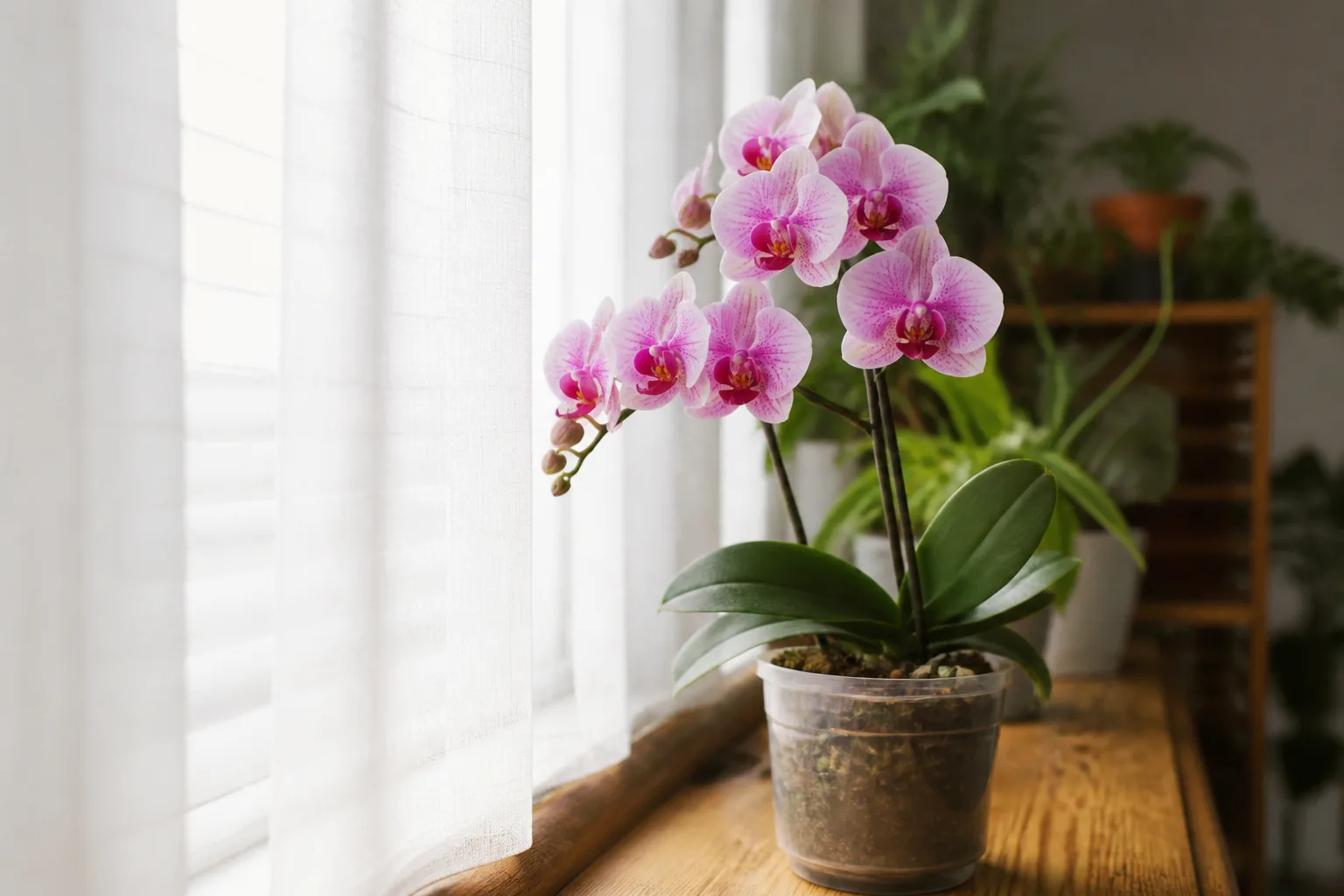
This is the lowest-cost entry point. A few six-inch pots on a kitchen windowsill can supply weekly basil and salad-greens harvests without dominating the room. Choose containers with drainage holes and set them in waterproof trays. Decorative mugs and jars without drainage look cute until the roots suffocate — skip them unless you are running a proper hydroponic insert.
Keep frequently harvested herbs near the kitchen so you notice wilting early. Rotate pots every few days so all sides receive light and growth stays even rather than leaning dramatically toward the glass.
Container Racks and Vertical Systems
When floor space is scarce, go up — not out. Tiered shelving, narrow plant stands, and hanging baskets multiply growing area without claiming the whole living room. The trade-off is maintenance: upper pots drip on lower ones if you are careless, and tall shelves can shade the bottom tier.
Place the tallest, most light-hungry plants on the top shelf nearest the window or grow light. Leave enough reach to water and inspect every level without knocking over the stack. For broader container principles — drainage, pot sizing, feeding — see our container garden rules guide.
Grow-Light Shelves and Hydroponic Units
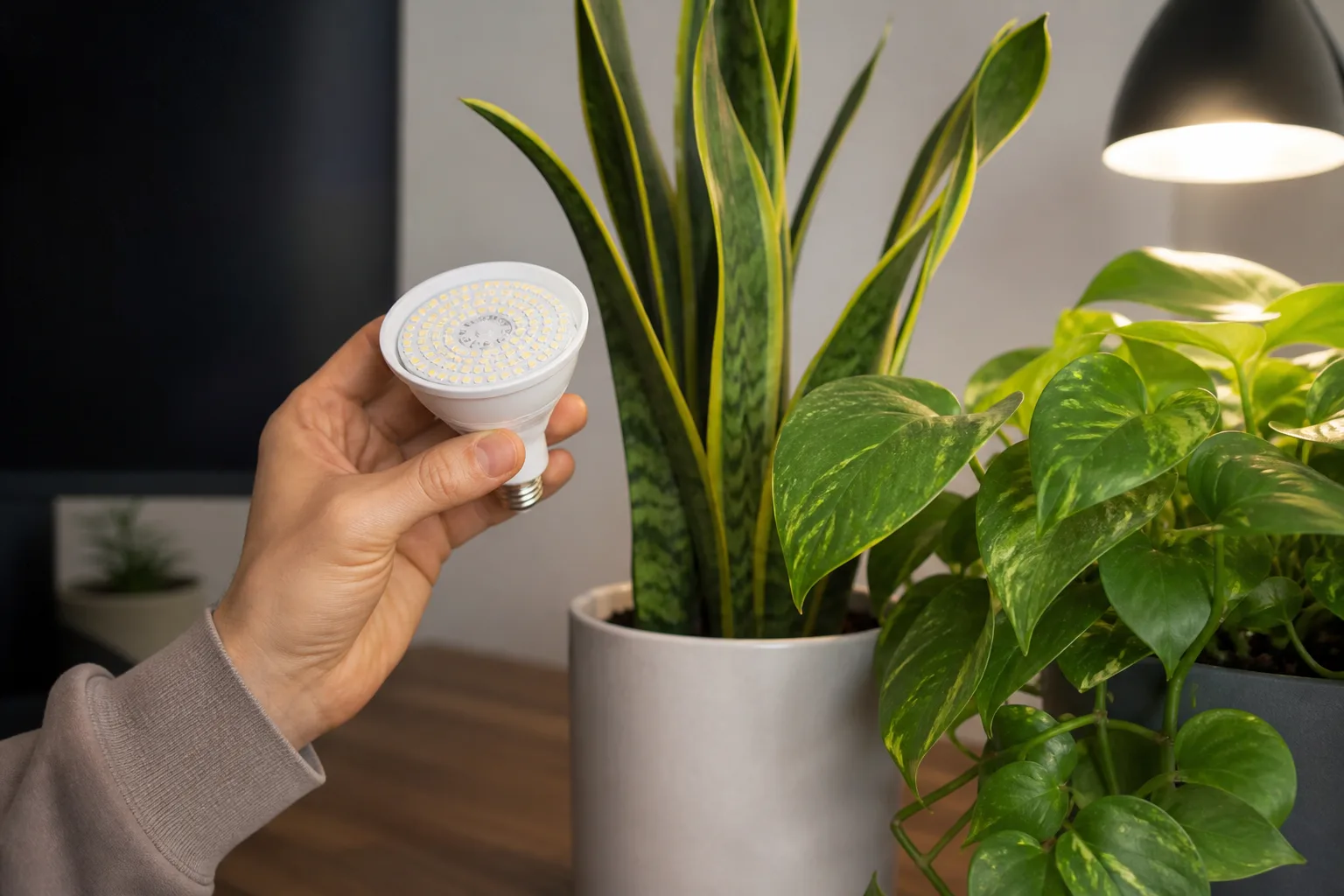
If your apartment’s best “bright spot” still cannot support a sharp hand shadow for most of the day, stop fighting the window and add artificial light. A simple LED shelf with a timer transforms a dim corner into a productive greens station. University of Illinois Extension’s indoor-growing guidance recommends roughly 14–16 hours of supplemental light daily for many seedlings and food crops, with a dark period overnight — a schedule easily handled by an outlet timer.
Match fixture strength and hanging distance to the crop. Leafy greens and herbs tolerate moderate-intensity panels placed closer to the canopy; tomatoes, peppers, and strawberries need brighter, longer exposure. Our complete grow-light guide covers fixture types, distance, and setup without overbuying.
Hydroponic countertop units bundle reservoir, grow light, and sometimes pre-seeded pods into one footprint — useful in kitchens with almost no natural light. UF/IFAS Extension notes that hydroponic herbs grow faster because water and nutrients stay continuously available, but systems still need cleaning, nutrient refills, and pest checks. They cost more upfront than a $3 basil start in a clay pot, but they remove guesswork about soil and drainage.
Get the Foundation Right: Containers, Soil, Water, and Humidity
Apartment gardening lives or dies on three basics: pots that drain, mix that breathes, and watering based on soil moisture — not a calendar.
Why Potting Mix Beats Garden Soil in Pots
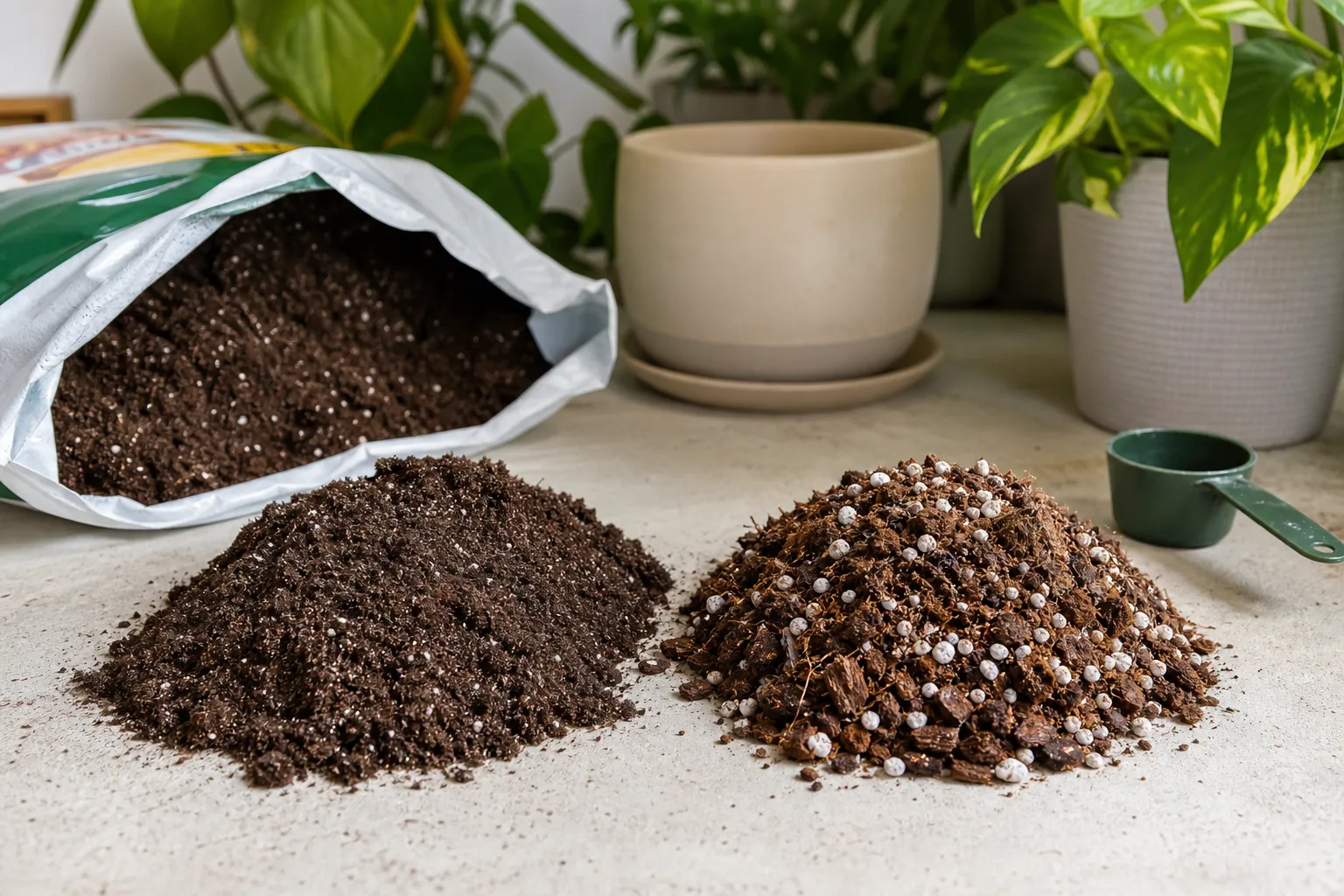
Never fill indoor containers with garden soil dug from a yard or park. Garden soil compacts in pots, drains poorly, and can introduce pests and weed seeds into your living room. Use bagged potting mix labeled for containers — a light, peat-free or coir-based blend that holds moisture while keeping air around roots. The RHS distinguishes potting compost from garden compost explicitly: one is formulated for confined root zones, the other is a soil improver for beds.
For short-cycle crops like lettuce and basil, standard multi-purpose peat-free mix works well. Longer-lived plants — rosemary, dwarf citrus, perennial flowers — benefit from a heavier soil-based mix with more structure. Check whether your bag already includes slow-release fertilizer; pre-fertilized mix delays the need for supplemental feeding by several weeks.
Size pots to the plant’s mature root system, not the cute seedling you brought home. Herbs fit in six- to eight-inch pots; determinate tomatoes and peppers need at least twelve to fourteen inches of depth; dwarf citrus wants a large, stable container you are willing to live with for years. Oversized empty soil volume stays wet and causes root rot — the RHS overpotting guidance applies indoors too.
Watering Without Flooding Your Apartment
Container plants dry faster than in-ground beds because they have limited soil volume and apartment air — especially winter heating — pulls moisture from leaf surfaces. The RHS notes that small pots in full sun may need watering twice daily in summer heat; indoors, the bigger risk for beginners is the opposite: overwatering in dim, cool rooms where soil never dries.
Use the finger test: poke your index finger one to two inches into the mix. If it feels dry at that depth, water until a little excess drains into the saucer, then empty the saucer within thirty minutes. If the surface looks dry but the deeper mix is still damp, wait. Missouri Botanical Garden’s indoor watering guidance emphasizes soaking thoroughly when you do water rather than sprinkling daily — light sprinkles keep only the top inch wet while roots below stay dry or rot from chronic sogginess.
Winter humidity drops when furnaces run. Grouping plants raises local humidity slightly; a pebble tray under humidity-loving foliage helps if water sits below the pot base, not touching drainage holes.
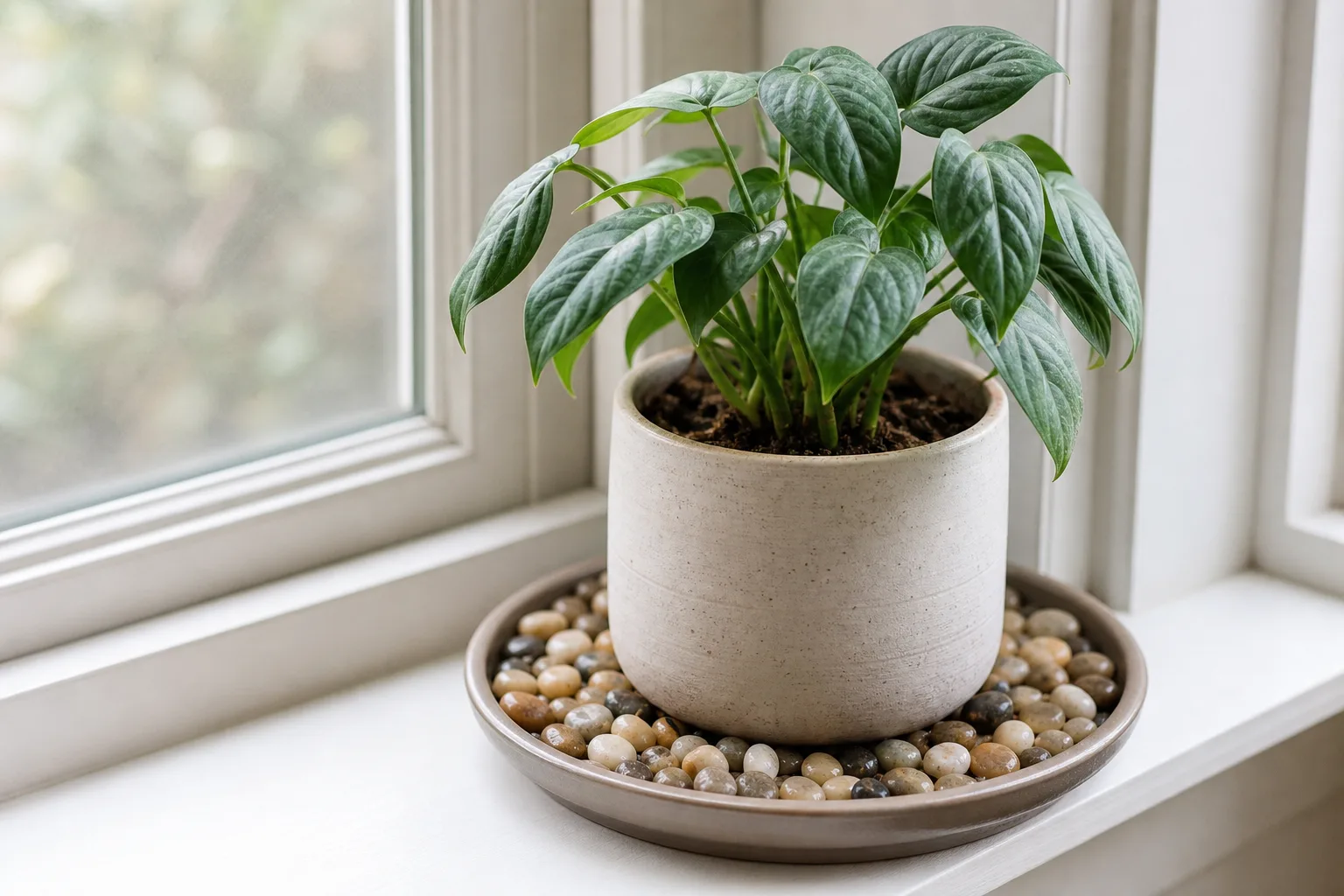 For tray setup detail, see our DIY pebble tray guide. Avoid misting as your primary humidity strategy — it raises leaf wetness without changing root-zone moisture and can encourage fungal spots on crowded shelves.
Best Crops for Apartment Gardeners, Ranked by Difficulty
Not every crop belongs in a first apartment garden. Rank choices by light demand, container size, days to harvest, and whether the plant needs pollination help indoors.
Tier 1: Herbs and Leafy Greens
Start here. These crops tolerate moderate light, fit small pots, and reward frequent harvesting.
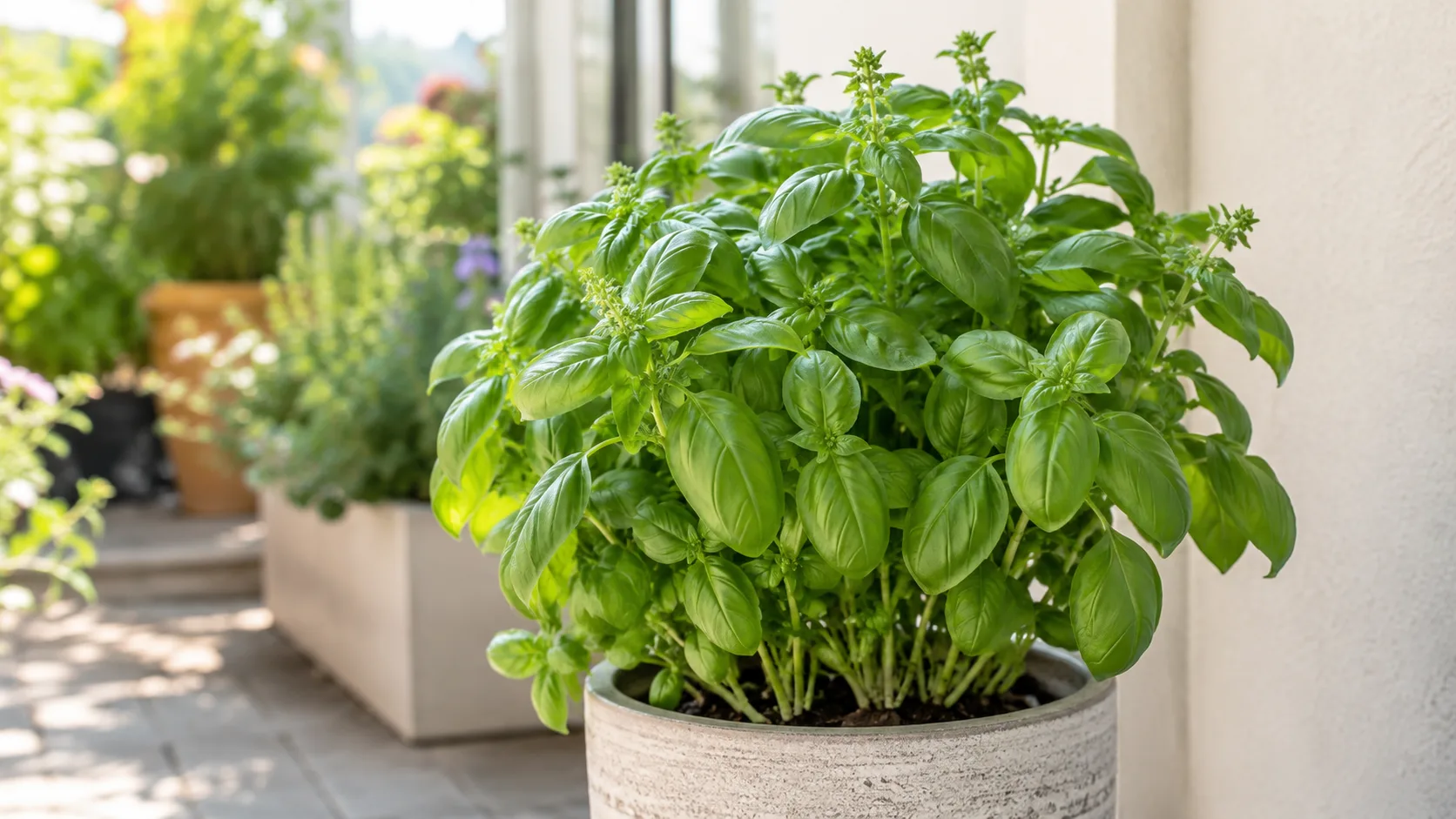
Basil wants warmth and bright light; harvest leaf tips regularly to delay flowering. Parsley and chives are slower but forgiving on an east window. Mint grows easily but spreads aggressively through roots — give it its own pot, never a shared herb planter. UF/IFAS Extension specifically recommends confining mint to containers for that reason. Thyme and rosemary need sharper drainage and stronger light; treat them as slightly harder than basil.
Lettuce, spinach, and arugula are shallow-rooted and fast — many varieties reach salad size in four to six weeks under bright light or a modest grow lamp. Microgreens are even faster: harvest in two to three weeks from a shallow tray, making them the best “proof of concept” crop for skeptical roommates.
For a deeper herb-specific setup, read best herbs to grow indoors.
Tier 2: Tomatoes, Peppers, and Strawberries
These are doable in apartments but honest about their demands: strong light, larger pots, steady feeding, and sometimes manual pollination.
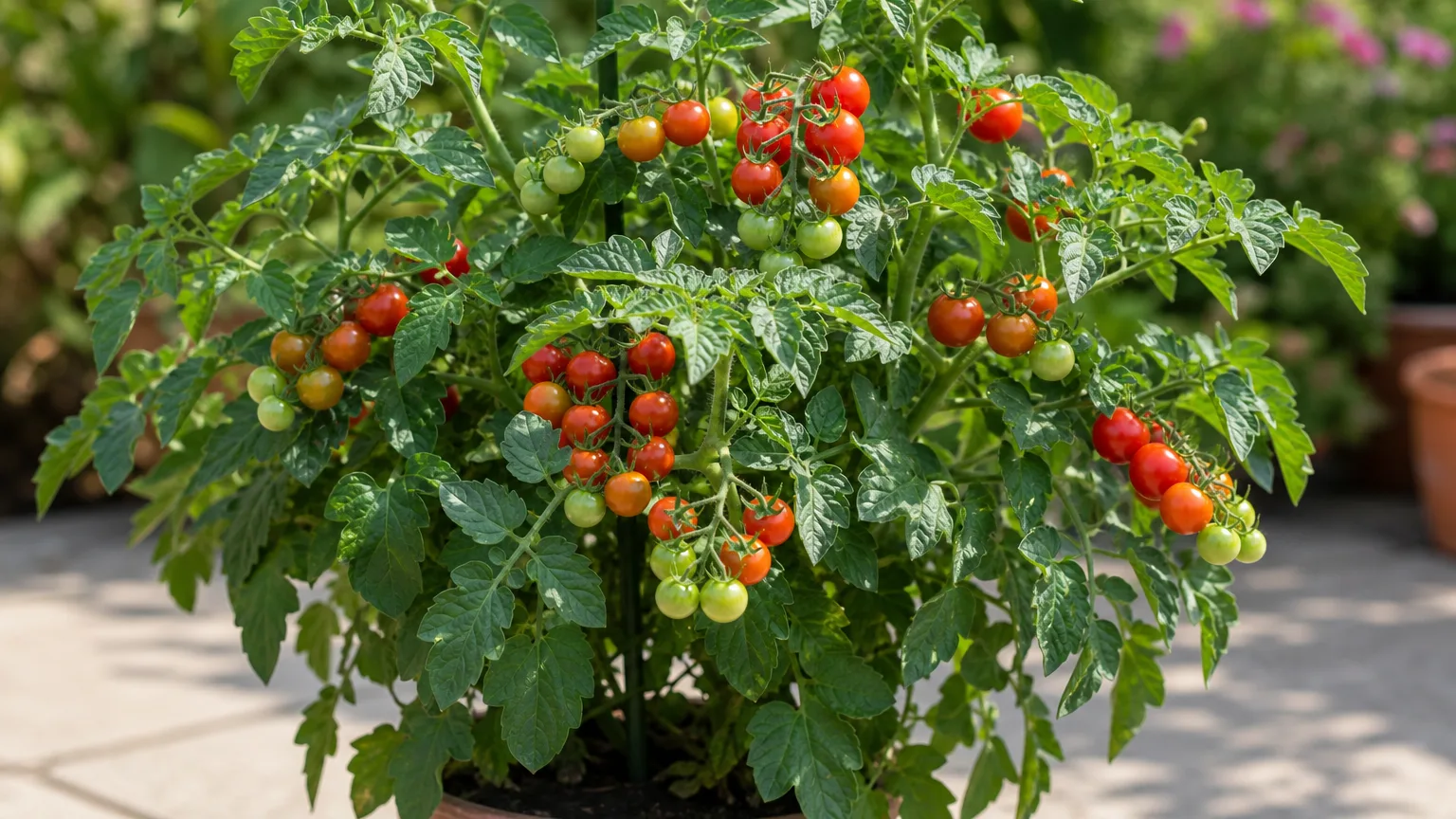
Choose determinate or patio tomato varieties rather than indeterminate vines that outgrow a city kitchen. A fourteen-inch pot is a practical minimum; bigger is better if you have floor space and light. Hot peppers often outperform sweet bells indoors because they tolerate container life and set fruit with less perfection than large bell varieties.
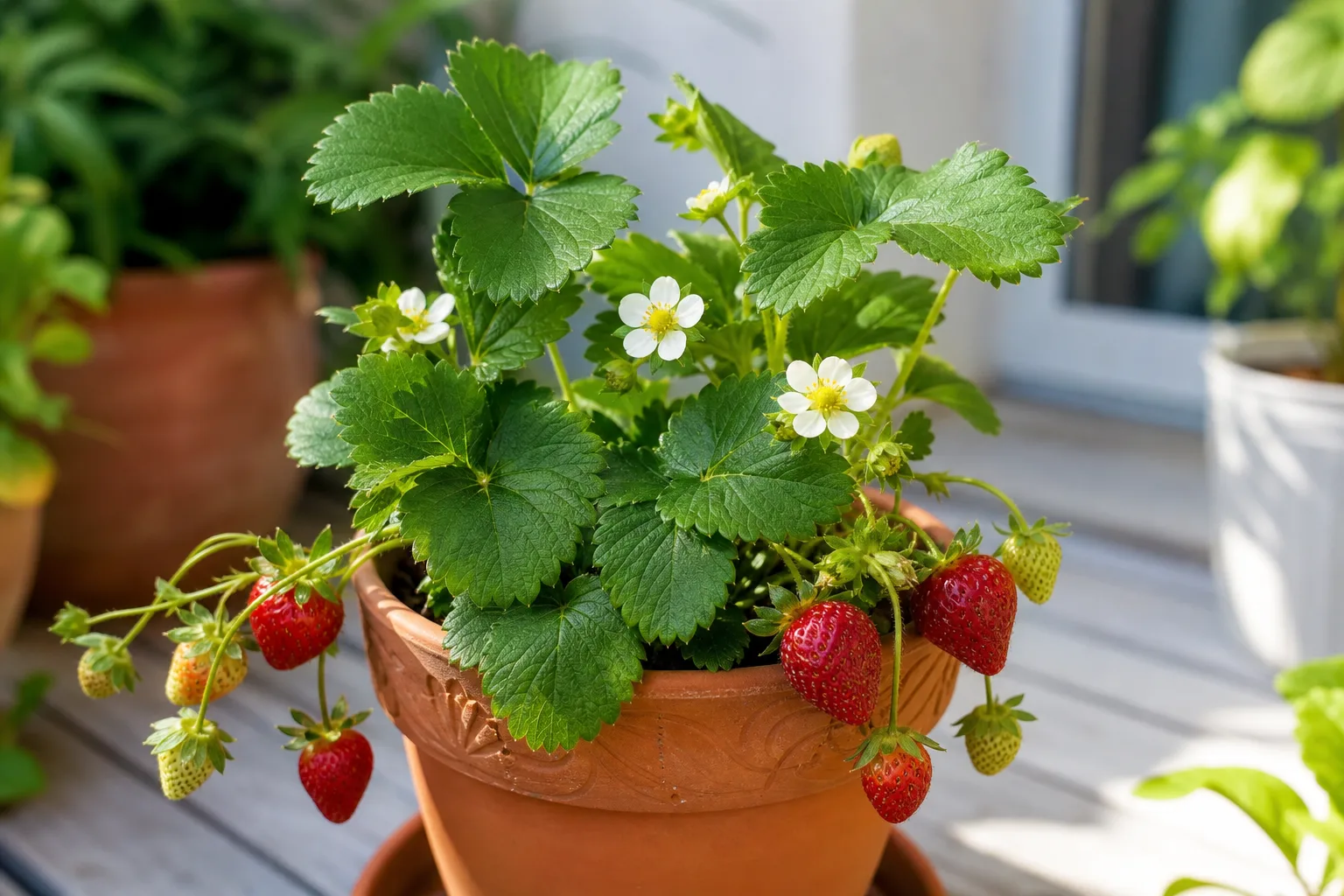
Strawberries fit hanging baskets and tiered planters beautifully — six hours of strong daily light is a realistic minimum for consistent berries. When flowers open indoors without insect visitors, gently brush pollen between blossoms with a small paintbrush or tap flowering clusters lightly every few days during bloom.
Feed fruiting crops with a balanced liquid fertilizer diluted per label directions every one to two weeks during active growth, unless your potting mix already includes slow-release nutrients. Reduce feeding in low-light winter months when growth slows.
Tier 3: Dwarf Citrus and Flowers Indoors
Meyer lemons and other dwarf citrus can live indoors for years if they receive six to eight hours of strong light, regular feeding, and humidity above desert-dry furnace air. Use a wheeled saucer — citrus can weep sticky sap. Protect floors and furniture accordingly. Our indoor citrus guide covers variety choice and winter care in more depth.
For flowers, match species to light rather than impulse-buying blooms. African violets and begonias suit bright indirect light without harsh midday sun. Impatiens and petunias want stronger light — often better on a sunny balcony than a dim sill. If pets share your apartment, verify toxicity before bringing new plants inside; many common houseplants and some garden flowers are not pet-safe.
Weekly Care Routine That Keeps Pots Healthy
Apartment gardening succeeds on small, repeatable habits rather than marathon weekend sessions. Once a week, walk your garden with this checklist:
Water check: finger-test every pot; empty saucers; note any plant that dries out faster than neighbors — it may need a bigger pot or more light. Light check: rotate windowsill pots; dust grow-light lenses; confirm timer settings after power outages. Feed check: liquid-feed active fruiting plants if it has been more than two weeks and soil fertility is not pre-charged. Pest check: inspect leaf undersides and new growth for aphids, spider mites, and fungus gnats; isolate affected pots immediately. Harvest check: pick herbs and greens promptly — basil flowers turn bitter, and regular lettuce harvests encourage more leaves.
Spend five extra minutes after watering to remove yellowing leaves and wipe sticky citrus or herb debris from trays. That housekeeping prevents pest buildup in the warm, sheltered environment indoor plants enjoy.
Troubleshooting Common Apartment Garden Problems
Leggy, pale seedlings mean insufficient light — move closer to the window or lower the grow light; do not just fertilize harder. Yellow lower leaves on herbs often signal overwatering in a dim room; let the mix dry further between drinks and confirm drainage holes are open. Brown leaf tips on tropical flowers may reflect dry furnace air; group plants or use a humidity tray rather than increasing water frequency.
Gnats around soil usually indicate the surface stays wet too long. Let the top inch dry, avoid decorative moss toppers that trap moisture, and consider a thin sand top-dressing only if it does not block your finger test. Mildew on leaves points to poor airflow — space pots farther apart or run a small fan on low nearby.
When a plant shows pests or mystery spots, move it away from neighbors until you identify the issue. Indoor gardens lack outdoor predators; problems spread quickly on a crowded shelf. Remove heavily infested leaves, rinse aphids with a gentle shower in the sink if the plant tolerates it, and avoid spraying random household chemicals that damage foliage and indoor air quality.
If fruit sets but fails to ripen, light — not fertilizer — is the usual culprit. Add hours or intensity before repotting or changing feeds.
Conclusion
Apartment gardening is not a consolation prize for people without yards. It is a practical way to grow fresh flavor, color, and greenery in the space you already have — if you match the setup to your light, respect drainage, and choose crops honestly ranked for indoor life. Audit your windows before you shop, start with herbs and greens, add grow lights when the shadow test says you should, and build a short weekly routine that catches problems while they are still small.
You do not need outdoor space to garden. You need a sunny sill or a reliable grow light, a pot that drains, and the patience to water based on soil — not guilt. Start small, harvest often, and expand only when the first pots are thriving.