Basil Flowering: How to Keep It Leafy and Flavorful
Basil flowering is normal, but it can slow leaf production. Learn when to pinch buds, where to cut, how much to harvest, and when to let flowers stay.
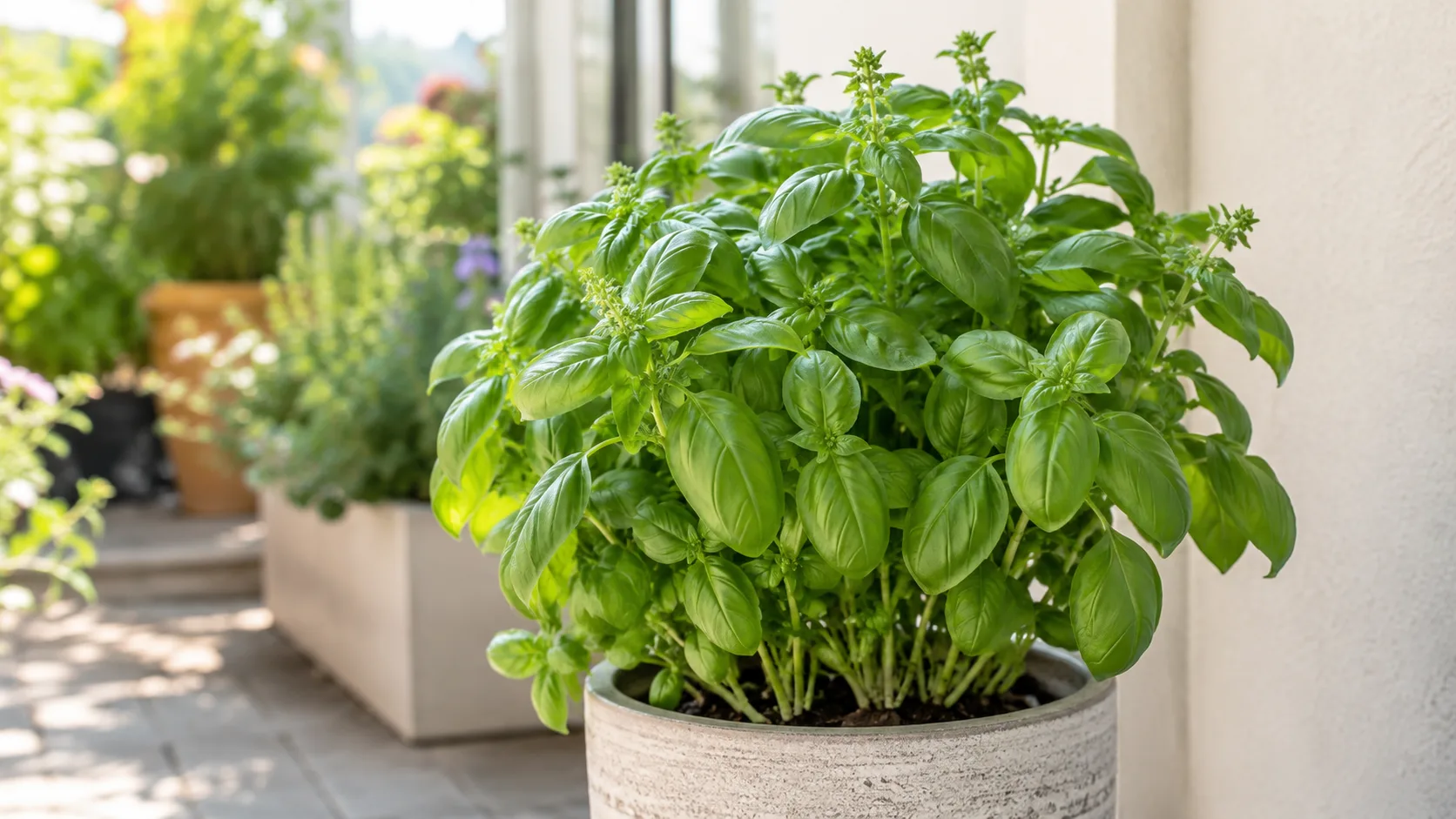
If you grow basil for pesto, salads, or a handful of leaves on warm-weather dinners, pinch off the flower buds as soon as you notice them. This keeps the plant focused on leafy growth for longer, but it does not mean a flowering basil is poisonous, ruined, or no longer worth harvesting.
The useful distinction is your goal. Remove flower spikes when you want the most tender leaves and continued branching. Leave some flowers when you want to feed pollinators, enjoy the blooms, or collect seed. Even after flowering begins, you can usually cut the plant back selectively, harvest the best leaves, and get another flush of growth if the stem and roots are still healthy.
The Short Answer: Pinch Flowers When You Want Leaves
Basil flowers as part of its normal reproductive cycle. Once a plant has enough size, warmth, light, and maturity, it begins sending flower spikes from the tips of stems. That is not a diagnosis by itself; it is the plant moving toward seed production.
For a basil plant grown mainly as a culinary herb, pinch or cut off each flower spike before the flowers open. Then harvest the stem just above a pair of leaves, called a leaf node, so the remaining stem can branch. Penn State Extension and NC State Extension both recommend pinching basil tips and flower buds to maintain a bushier plant and encourage leaf production. Penn State Extension NC State Extension
| Your goal | Best choice | What to expect |
|---|---|---|
| Tender leaves for cooking | Remove buds and harvest the stem above a node | More branching and a longer leafy harvest |
| A few flowers for bees | Leave one or two spikes on a separate plant | Fewer leaves on those stems, but useful blooms |
| Seeds for next season | Let selected flowers mature | Leaf production slows as seed heads develop |
| A plant already in bloom | Cut back the flowering tips, then keep healthy young leaves | Recovery is possible, but older foliage may be less tender |
The timing matters more than the drama. A tiny green bud is easy to remove; a tall, fully open flower stalk has already used more of that stem’s growing momentum. Still, do not treat a few open flowers as a reason to pull the plant out.
What Basil Flowering Actually Means
Basil flowering is a signal that the plant has shifted from prioritizing vegetative growth toward reproduction. The flower stalks eventually carry seeds, so the plant’s next job is to mature them rather than keep producing a dense canopy of young leaves. Gardenary describes the practical effect clearly: regular harvest and removal of flower heads help keep basil branching instead of becoming tall and narrow. Gardenary
Gardeners often call this “bolting,” although basil is not failing in the same way as a cool-season leafy crop that suddenly shoots upward. In everyday care language, the important observation is simple: the stem tip is turning into a flower spike, and the plant will make fewer new leaves on that tip if you let the spike develop.
Why flowering can change flavor and texture
Flowering does not make basil unsafe to eat. The more common culinary problem is that the older leaves can become tougher, less fragrant, or more bitter as the plant matures. Gardening Know How makes an important nuance: older leaves may taste more bitter with or without flowers, while young leaves tend to be sweeter. Gardening Know How
That is why “basil tastes bitter after flowering” is a useful warning but a poor absolute rule. Taste depends on cultivar, leaf age, heat, watering consistency, and how long the plant has been allowed to mature. If a flowering plant still has soft, green young leaves, taste one before discarding it. Keep the good leaves for fresh use and reserve stronger-tasting ones for cooked dishes, herb butter, or freezing.
Removing flower buds helps for two reasons. It takes away a developing reproductive sink, and it gives you a reason to trim the tender stem tips where new branches can form. It does not reverse every factor that changed the flavor, so pinching works best alongside regular harvest and stable growing conditions.
Why a flowering basil is not automatically a failed plant
A mature basil plant may flower even when it has been watered correctly and grown in good soil. Heat and long, bright days can speed the transition, and some cultivars are naturally more ornamental or flower-forward than classic Genovese basil. NC State Extension lists sweet basil as an edible annual with summer flowers and includes Thai, purple, compact, and ornamental forms among the broader basil group. NC State Extension
Flowering can also be useful. Basil flowers attract bees and other insects, and the blooms themselves can be used as a mild garnish or in an infusion. If your garden has several basil plants, designate one as the pollinator-and-seed plant and keep the others pruned for leaves. That simple separation avoids making the same plant serve two competing purposes.
How to Tell a Flower Bud from New Leaf Growth
Basil leaf node with new growth on a leggy stem:
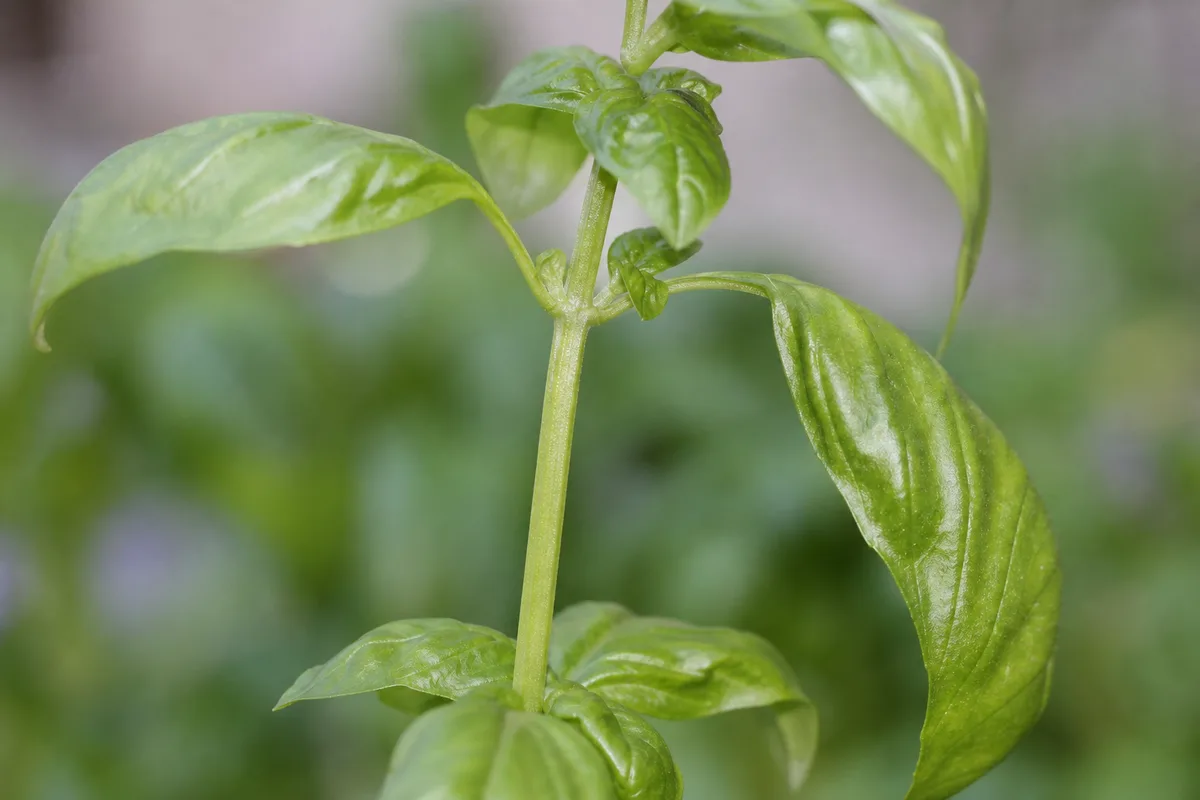
Basil produces opposite leaves along its stems. At each point where a pair of leaves joins the stem, you can usually find a small dormant growing point in the angle above the leaf. That junction is the leaf node. A new leafy branch looks like a compact pair of green leaves emerging from that junction.
A flower bud starts at the end of a stem and usually forms a tight, upright cluster or narrow spike. The tip becomes more pointed and crowded than a normal pair of leaves. As it develops, the stalk may lengthen quickly, and small white, pink, or purple flowers appear in whorls depending on the variety.
When you are unsure, follow the stem from the tip downward. If the growth is a compact pair of leaves with no central spike, leave it alone. If it is a thin central stalk carrying a cluster of bead-like buds, pinch the stalk. Thai basil and some purple cultivars may show more colorful bracts or flowers, so judge the structure rather than the color.
This check is worth doing every few days during a warm, fast-growing stretch. You do not need to search every leaf; scan the top of each main branch, where flower spikes first show. Catching the spike before it opens lets you make a smaller cut and saves more tender foliage.
How to Pinch Basil Flowers Without Stunting the Plant
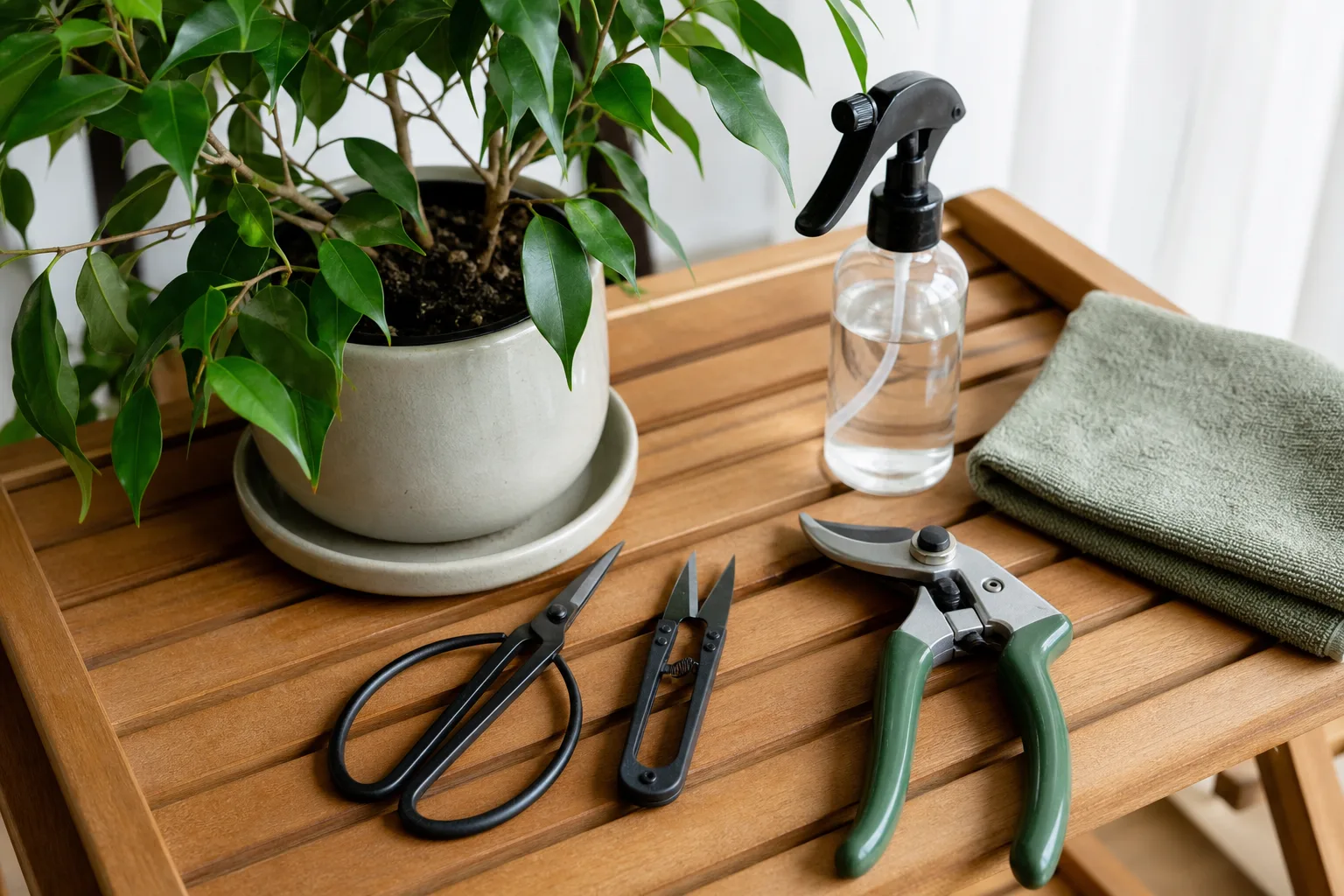
Use clean, sharp herb scissors, snips, or pruners. A clean blade makes a neat cut and lowers the chance of dragging soil or disease from one plant to another. Gardenary recommends cleaning pruning tools before harvesting, especially when you move between plants. Gardenary
Clean pruning snips and shears arranged for a plant-pruning setup:
Follow this sequence:
- Find the flower spike. Trace it to the leafy stem below it instead of cutting only the visible flower heads.
- Locate the nearest healthy leaf node below the spike. Choose a node with green leaves or visible side-bud growth.
- Cut just above that node. Leave a small amount of stem above the leaf pair rather than cutting through the node itself.
- Remove damaged or fully spent material. Keep soft, healthy leaves; discard blackened, slimy, or diseased tissue.
- Water normally and watch the node. New side shoots should develop from the remaining growth point if the plant has enough light and a healthy root system.
The cut flower tips are not automatically waste. Strip off any clean young leaves for cooking, and use the flowers as a garnish if you like their milder flavor. Do not eat plant material that has been exposed to an unapproved pesticide, contaminated runoff, or an unknown ornamental treatment.
Cut just above a leaf node
The node is the plant’s branching opportunity. Cutting above it leaves a pair of leaves and a dormant bud below the cut, so the stem can divide into two growing points. This is why a correct basil harvest gradually turns a single tall stem into a fuller plant.
Do not cut directly through the node, remove every leaf below it, or leave a long bare stub above it. A cut too close to the node can damage the new bud; a long stub may dry back; and a bare stem has less active foliage to support recovery. A clean cut about a quarter-inch above the node is a practical target for a small herb stem, but use the plant’s structure rather than measuring every cut.
How far back to prune a flowering stem
For a single flower spike, remove only the flowering tip and the small section of stem needed to reach a healthy node. For a long, bare, or repeatedly flowering branch, cut farther down to a lower node that still has green leaves. Leave several leaf pairs on the plant whenever possible.
Never shear a weak basil plant to the soil line just because it is flowering. Better Homes & Gardens advises harvesting from the top, cutting above nodes, and taking no more than one-third of the plant at a time. Better Homes & Gardens A severe cut can expose the plant to sun and heat, reduce its photosynthetic surface, and slow recovery just when it needs stored energy to make new shoots.
If the plant is crowded with many flowering tips, work around it in stages. Remove the oldest or tallest spikes first, wait several days, and then reassess. This gives you a harvest now while preserving enough leaf area for the next round of growth.
How Often to Harvest Basil to Delay Flowering
Regular harvesting is a form of maintenance, not an emergency response. Once a basil plant is established and actively growing, check it at least weekly and harvest the tips you can use. Gardenary recommends a weekly harvest because it encourages branching and reduces the chance that long stems quietly turn into flower stalks. Gardenary
Harvest in the morning after dew or irrigation has dried. The leaves are usually well hydrated then, and named horticulture educators note that morning harvest can help with flavor and short-term storage. If the foliage is wet, wait; wet leaves bruise more easily and can spread disease when you handle a whole row.
When you only need a few leaves, pinch individual leaves from the top or side of the plant rather than stripping the lower canopy. When you need enough for pesto, cut complete stem tips above nodes. A stem harvest is more useful to the plant because it removes the terminal growing point and encourages the two side buds below the cut to take over.
Use the one-third rule for a safe harvest
The one-third rule is a reliable guardrail: do not remove more than about one-third of the plant’s height or leafy growth in one session. The exact amount depends on plant size, heat, root health, and how much green foliage remains, so treat it as a ceiling rather than a target.
For example, if a potted basil plant is 12 inches tall and bushy, a harvest of the upper four inches from several branches may be reasonable. If the same plant is 12 inches tall but has only a few leaves and a thin stem, four inches could be too much. Cut the healthiest tips first, keep the lower leaves intact, and wait for new side shoots before taking another heavy harvest.
A plant that is growing strongly can be harvested more often than one recovering from transplanting, root disturbance, drought, or disease. If the leaves wilt for hours after a cut, the cut surface browns, or the plant stops making new growth, pause pruning and investigate the root zone and light before taking more.
What to Do If Basil Is Already in Full Bloom
Start by deciding whether the plant still has a useful leafy canopy. If it is green, upright, and producing young leaves, remove the flowering tips selectively. Cut each flowering branch back to a healthy node, keep the remaining leaves, and give the plant consistent moisture and light.
If many leaves are tough but the new tips are soft, harvest the new tips for fresh dishes and use the stronger leaves in cooked recipes. Basil flowers are edible too, and Gardening Know How describes them as milder than the leaves, with uses in salads, as garnishes, tea, and infused vinegar. Gardening Know How Use clean flowers from a culinary plant, rinse gently, and dry them before adding them to food.
If the plant has long bare stems, yellowing leaves, a sour or constantly wet pot, or gray growth under leaves, do not assume flowers are the main problem. Check for poor drainage, root stress, or basil downy mildew. Penn State Extension recommends reducing leaf wetness, improving air movement, and avoiding overhead watering as part of cultural disease management. Penn State Extension
When to keep flowers for pollinators or seed
Keep flowers on at least one plant if your priority is pollinator activity. Flowering basil can provide a late-season nectar source, and the blooms may bring bees and other beneficial insects into a vegetable garden. The trade-off is that the flowering stems will not remain as leafy as pruned stems.
Let flowers mature if you want to save basil seed. Choose a vigorous plant, stop pinching its selected flower spikes, and wait for the flower heads to dry and form seed. Harvest the dry material before it scatters, then label the variety and store the seed cool and dry.
You can also use a rotation: keep one plant flowering while pruning two or three others. This gives the garden flowers and gives the kitchen a steady supply. It is often more practical than asking one basil plant to produce maximum foliage, attract pollinators, and finish a full seed crop at the same time.
Fix the Conditions That Make Basil Flower Early
Pinching controls the visible flower spike, but it cannot change the plant’s age or stop a warm-season annual from eventually reaching the end of its cycle. If buds return immediately after every cut, look at the growing conditions instead of simply cutting more aggressively.
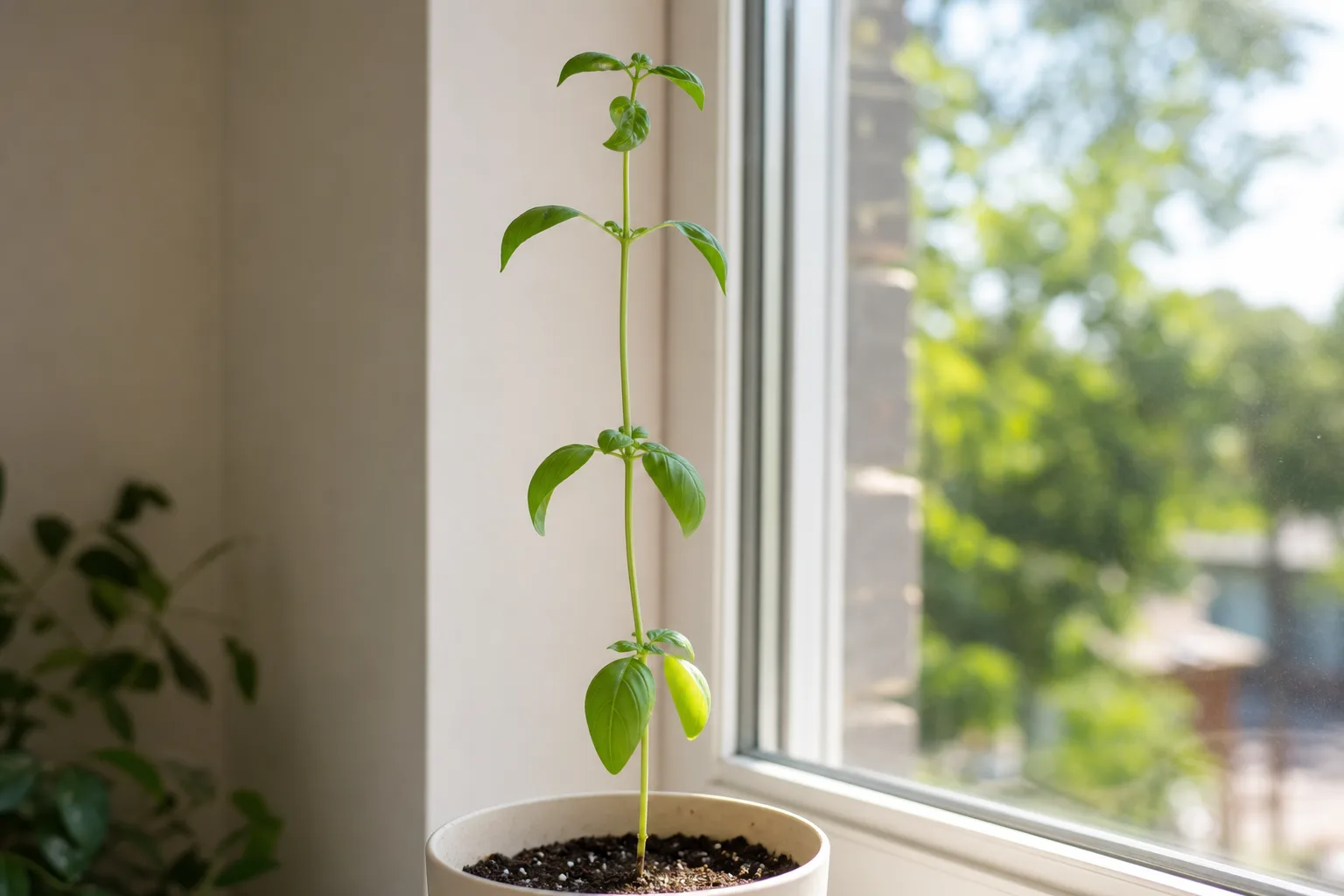
Leggy basil growing beside a bright window:
Check heat, light, and water together
Basil is a warm-season herb. Penn State Extension recommends full sun, warmth, fertile well-draining soil, and steady moisture; it also notes that basil grows vigorously in warm summer conditions. Penn State Extension NC State Extension similarly describes sweet basil as preferring full sun and moist, well-drained soil. NC State Extension
Use this quick diagnostic order:
- Heat: A sudden hot spell can speed maturity and increase water loss. Check a container in the afternoon; dark pots on hot paving may be much warmer than a garden bed.
- Light: Low light creates thin, stretched stems that carry fewer leaves. Move indoor basil closer to a bright window or provide a suitable grow light, but acclimate outdoor plants gradually to stronger sun.
- Water: Basil likes consistent moisture but not a waterlogged root zone. Feel below the surface before watering; a dry plant may flower early under stress, while a wet plant may be unable to replace lost leaves.
- Airflow: Crowded, constantly wet foliage raises disease risk. Space pots so leaves can dry after watering and water at the soil line.
- Cold: Basil is tender. Harvest before a cold event rather than expecting pruning to protect leaves from chilling; Penn State Extension notes that temperatures below 40°F can discolor basil. Penn State Extension
Do not respond to flowering by watering every day without checking the soil. Nor should you move a sun-grown basil abruptly into deep shade because the leaves look tired. Stabilize the root-zone moisture, provide strong but appropriate light, and then continue with light tip harvests.
Feed and space basil without forcing weak growth
Basil in a container may need more frequent nutrition than basil in a fertile bed because each watering can carry nutrients out of the pot. Use a balanced fertilizer according to its label rather than treating flower buds as proof that the plant needs a heavy dose of nitrogen. Excessive feeding can produce soft, floppy growth that still flowers and may be more vulnerable to damage.
Compost or a fresh, nutrient-containing potting mix can support growth, but it is not a substitute for drainage. Choose a container with a drainage hole, keep the root ball from sitting in a saucer of water, and avoid packing several large plants into a small pot. Crowded roots dry unevenly and make it harder to tell whether a wilted plant needs water or better drainage.
Leave enough space between outdoor basil plants for air movement. NC State Extension lists downy mildew and Fusarium wilt among basil disease problems and notes that resistant cultivars are available for downy mildew. NC State Extension If your region has recurring mildew, a resistant cultivar and dry foliage may buy you more harvest time than repeated pruning alone.
Harvest and Store Basil Without Losing Its Flavor
Cut basil in the morning after the leaves are dry, then move it into the kitchen promptly. If you are harvesting stems, remove any leaves that would sit below the waterline and place the stems in a glass of room-temperature water. Better Homes & Gardens and Penn State Extension both recommend treating fresh basil sprigs more like a bouquet than like a refrigerated leafy green. Better Homes & Gardens Penn State Extension
Refrigeration can blacken basil because the herb is sensitive to cold. Keep the glass on the counter for a short-term supply, refresh the water, and use the leaves before they wilt. For a larger harvest, freeze whole leaves or chopped basil in a freezer container, or freeze basil with a little water or oil in small portions for sauces and soups. Penn State Extension also describes drying as an option when leaves are crisp and fully dry before storage. Penn State Extension
Separate flowers from leaves according to how you will use them. Tender leaves are best for fresh pesto, salads, and finishing; flowers can add a softer basil note to salads, pasta, cheese, tea, or vinegar. Older leaves with a stronger flavor can still work in cooked dishes, where heat and other ingredients balance them.
Common Basil-Flowering Mistakes That Reduce Your Harvest
Removing only the open petals. The long flower stem is the part competing with leafy growth. Trace it down and cut above a node instead of plucking individual blossoms while leaving the spike intact.
Cutting to the soil line. A low cut may leave too little green growth for quick recovery. Keep several healthy leaf pairs and remove no more than one-third at a time unless you are making a deliberate end-of-season cleanup.
Picking only the lowest leaves. Lower leaves help power new growth. Harvest the top tips for branching, and remove lower leaves only when they are damaged, yellow, or blocking airflow.
Treating every flower as a crisis. A few flowers do not mean the plant is toxic or beyond use. Taste a young leaf, prune selectively, and decide whether one plant should remain in flower for bees or seed.
Pruning when foliage is wet. Wet leaves bruise, stick to tools, and make disease movement more likely. Wait until rain or irrigation has dried before making a large harvest.
Changing five conditions at once. If you move the plant, double the water, add fertilizer, prune hard, and place it in stronger sun on the same day, you will not know what helped. Make the cut first, check the soil and light, and adjust one major condition at a time.
Ignoring the end of the season. Basil is a tender annual in most gardens. When cold weather is approaching, harvest the healthy stems, root a few cuttings if you want a fresh indoor plant, or let one vigorous plant flower and set seed. No amount of pinching can make a frost-tender plant perennial outdoors.
Conclusion
If your priority is eating basil, pinch off flower buds early and cut each flowering tip just above a healthy leaf node. Harvest regularly, keep the lower canopy intact, and take no more than about one-third of the plant in a session. Those habits encourage branching and keep a larger supply of tender leaves coming.
If your plant has already flowered, do not throw it away automatically. Remove the tallest spikes, taste the young leaves, correct moisture and light problems, and keep flowers on a separate plant if you want pollinators or seed. Basil flowering is a normal stage of the plant’s life; the trick is choosing which stems serve the kitchen and which ones serve the next generation.