Bellflower Care: How to Grow Campanula Successfully
Bellflower care starts with the species. Choose a Campanula for your bed or pot, then learn how to plant, water, deadhead, divide, and limit unwanted spread.
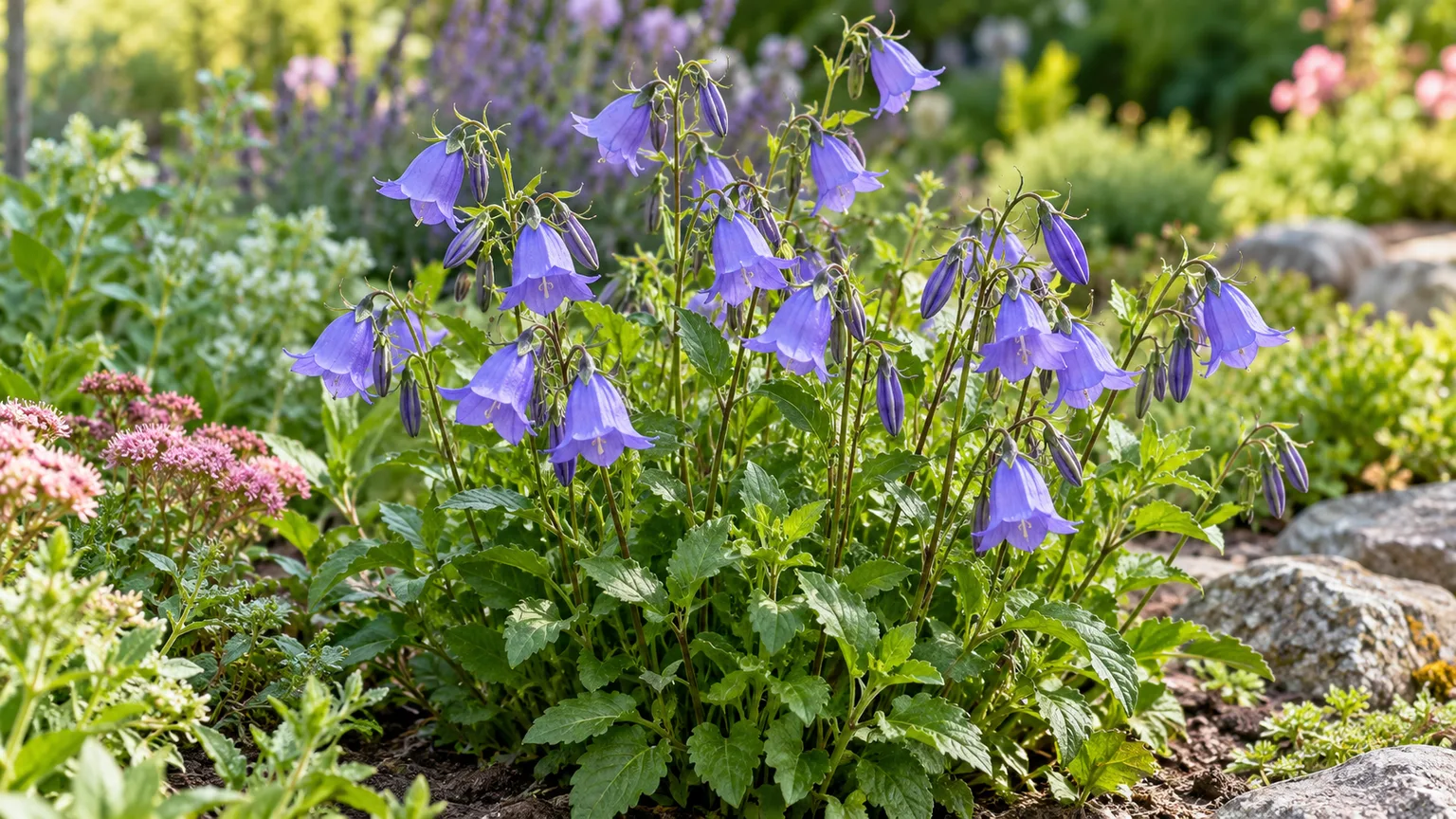
Bellflower is the common name for plants in the genus Campanula, a group that ranges from six-inch mats for stone walls to tall border plants, and includes annuals, biennials, and perennials. That variety is part of the appeal, but it also means a care label such as “full sun, moist soil, divide every few years” is only a starting point. Choose the species for the space first, then tune its care to your climate and soil.
Most garden bellflowers reward gardeners with blue, violet, pink, or white flowers and modest maintenance once established. The two conditions that cause the most trouble are a mismatch between the plant’s growth habit and the bed, and soil that stays wet around the crown through winter or after rain.
Why Species Choice Comes First
Campanula is a genus, not one uniform garden plant. The Royal Horticultural Society describes species ranging from mat-forming dwarf perennials to tall herbaceous types, with flowers that may be bell-shaped, star-shaped, or cup-and-saucer shaped. Bloom time, mature height, cold tolerance, and spread all depend on the species and cultivar, so read the botanical name on a nursery label rather than buying by the word “bellflower” alone.
Before planting, answer three questions: how tall may it grow, how far can it spread, and how wet is the site in winter? A small rock-garden Campanula behaves differently from a rhizomatous border species, while a biennial such as Canterbury bells will not return like a long-lived perennial. The RHS Campanula guide is useful for comparing the genus’s varied habits; for local hardiness and spread, use the cultivar label and a regional extension or botanical-garden profile.
Choose a Bellflower for Your Garden
The best Campanula is the one whose mature form fits the spot without constant trimming. Low growers can soften a wall or pot rim, while upright species are easier to keep in a mixed border; rapid spread is useful only where you want a colony.
Low, trailing, and mat-forming types
Carpathian bellflower (C. carpatica) is a compact clump-former suited to the front of a border, trough, or rock garden. Dalmatian bellflower (C. portenschlagiana) and Serbian bellflower (C. poscharskyana) make a lower, spreading carpet that can spill over a wall or container. Give mat-forming types a physical edge if a neat line matters, because stems can wander into paving joints or neighboring plants. Their ability to cover stone is useful on a retaining wall, but less useful beside a narrow path where stems can root or seed into cracks.
Upright border bellflowers
Peach-leaved bellflower (C. persicifolia) and giant bellflower (C. latifolia) send flowers above a basal clump, so they work behind shorter perennials. Their final height varies with species and cultivar: the RHS giant bellflower profile gives a mature height of roughly 1 to 1.5 meters, while the Missouri Botanical Garden lists clustered bellflower cultivar ‘Superba’ at about 1.5 to 2.5 feet. Clustered bellflower (C. glomerata) carries dense heads of flowers on sturdy stems and can naturalize by rhizomes; the Missouri Botanical Garden profile notes that it may spread aggressively in moist soil. Use it where gradual expansion is welcome, not in a narrow formal bed.
Biennials and seasonal Campanula
Canterbury bells (C. medium) are usually grown as biennials: they build a leafy rosette first and flower the next season. Sow or plant a new generation while the mature plants are growing if you want blooms every year. American bellflower (C. americana) is a taller, often short-lived choice; check its mature height and local growing information before placing it near a path or low border. The key planning difference is the calendar: a biennial patch needs seedlings or rosettes at different ages if you want flowers each year, while a perennial clump can return from its crown.
If a plant label gives no species or cultivar, ask before planting. A generic “bellflower” is not enough information to predict whether the plant will mound, trail, reseed, or send underground runners.
When and Where to Plant Campanula
Plant nursery-grown Campanula in spring or early fall, when moderate temperatures give roots time to settle before summer heat or a hard freeze. In warm-summer regions, favor early fall or spring over planting into hot, dry weather; in cold climates, give fall plantings several weeks to root before the ground freezes.
Choose the site by mature size, not the small pot at purchase. A mat-forming cultivar may need room to spread, while tall species need space behind shorter flowers and shelter from strong wind. Keep the crown at the same depth it grew in its nursery pot, firm soil gently, and water thoroughly to remove air pockets. If you are planting a cultivar with uncertain spread, start it in a container or a bounded bed where you can watch its growth for a season.
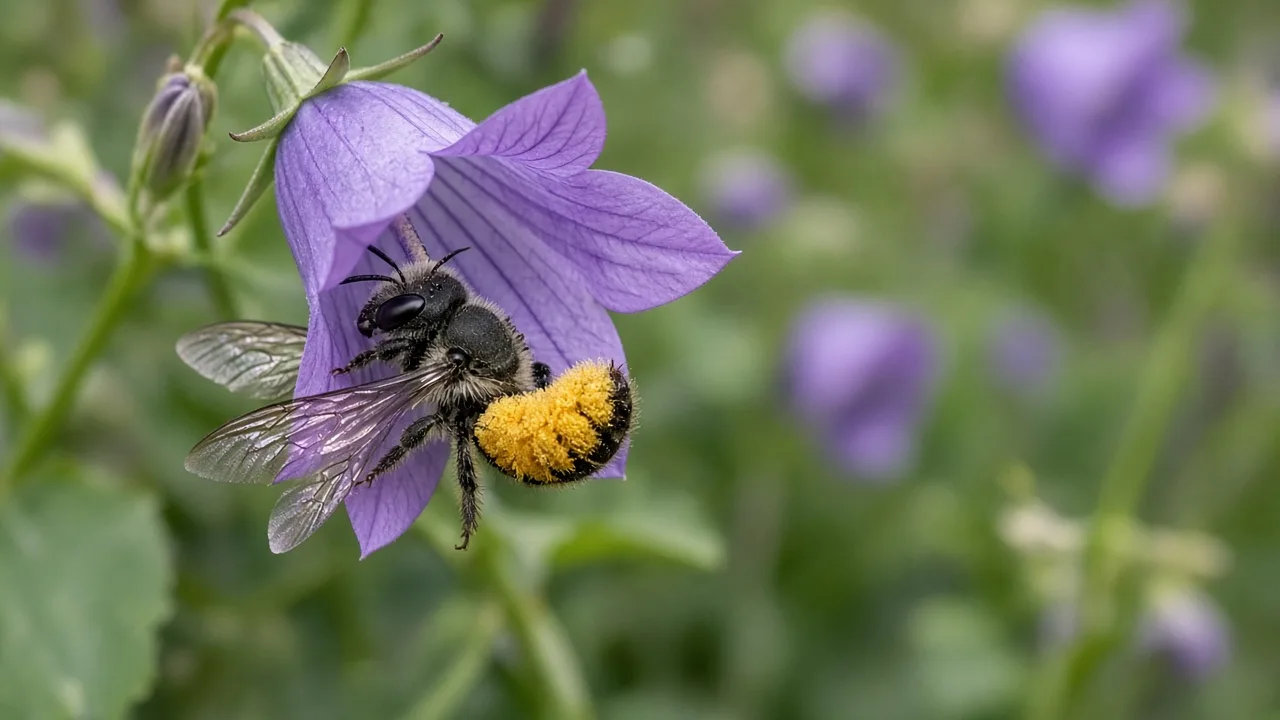
Campanula flowers can draw bees and other visitors, so a patch near other flowering plants creates a longer, more useful forage area than a single isolated specimen. Do not assume every species is a native wildflower: check regional plant lists before placing a naturalizing type near a meadow, woodland edge, or other habitat.
Light: Sun or Partial Shade?
Most garden Campanula flower well in full sun to partial shade, but summer heat changes the best placement. In cooler regions, morning-to-afternoon sun helps keep plants compact and encourages flowers; where summers are hot, morning sun and light afternoon shade can limit stress and extend bloom quality. Woodland species may prefer dappled light, so confirm the needs of the named plant.
If a bellflower produces leaves but few flowers, look first at light and crowding. A once-sunny bed may have become shaded as shrubs and trees matured, or nearby plants may have grown over a compact Campanula. Move or divide a healthy plant during mild weather rather than compensating with extra fertilizer, which can create more foliage without solving the light problem.
Soil: Prioritize Drainage
Bellflowers generally do best in soil that holds some moisture but drains freely. The RHS recommends moisture-retentive, free-draining conditions for Campanula as a group, and its giant bellflower profile lists several soil textures provided moisture does not remain stagnant. “Moist” should mean that roots can take up water between rains, not that the crown sits in a puddle.
Check drainage before planting by watching the bed after a soaking rain. If water remains around the planting hole for hours, raise the bed, choose a naturally better-drained position, or grow the Campanula in a pot with open drainage holes. In heavy clay, improve the broader bed with organic matter and avoid digging a small pocket of loose potting mix into dense soil; that pocket can collect water like a bowl.
Very fast-draining gravelly soil presents the opposite challenge. Work in compost to improve moisture retention, then mulch lightly around—but not over—the crown. Avoid a thick wet mulch against the stems, especially where winters are damp.
Watering Through the First Year
Water newly planted Campanula when the surrounding soil begins to dry, aiming to keep the root zone evenly moist while it establishes. Check the soil with a finger rather than following a rigid weekly schedule: rain, temperature, wind, soil texture, and container size can change how quickly it dries. Water deeply enough to reach the root ball, then let excess drain away.
Once established, many garden types tolerate short dry spells, but prolonged drought can reduce flowering and stress foliage. Water during extended dry weather, particularly for plants in their first season, shallow containers, or exposed sunny sites. In pots, check more often because the small volume of mix heats and dries faster than garden soil.
Yellowing leaves, soft stems at soil level, or a sour smell point more toward waterlogged roots than thirst. Pause watering, confirm that drainage holes are open, and improve airflow around crowded plants. Do not keep adding water because leaves look wilted until you have checked whether the root zone is actually dry.
Fertilizing Without Sacrificing Blooms
Campanula is not a heavy feeder when it grows in decent soil. A thin layer of compost around the plant in spring is usually enough for an established garden clump; use a soil test if plants repeatedly grow poorly or the bed has a known nutrient issue. If you choose a granular fertilizer, follow its label rate rather than applying a strong dose by habit.
Too much nitrogen can push soft leafy growth at the expense of flowers and make tall stems flop. Feed container-grown bellflowers more lightly and only during active growth, because regular watering washes nutrients from pots. If a plant has plenty of healthy leaves but sparse flowers, improve light, reduce crowding, and check the species’ flowering season before reaching for fertilizer.
Planting in Borders and Containers
In a mixed border, combine low Campanula with plants that will not smother its crown, and put taller species where their stems can rise behind shorter flowers. Follow the mature spread on the label; planting every bellflower at the same spacing can leave low cultivars crowded and tall ones unsupported. Where summer storms are common, stake only the species that need it rather than tying every stem into an unnatural bundle.
Containers suit compact Carpathian bellflowers and trailing types, provided the pot is wider than the root ball and drains freely. Use a quality container mix, not heavy garden soil, and avoid leaving a saucer full of water underneath. A trailing Campanula can spill over the rim attractively, but a pot is not guaranteed containment if stems root wherever they touch damp soil or seeds fall into nearby cracks.
Check container roots in spring. If a plant has become tightly packed, either divide it if the species is a manageable clumper or move it into a slightly larger pot; do not automatically jump to a much larger container that stays wet around a small root system. In cold regions, protect the pot from repeated freeze-thaw exposure or sink it temporarily into the ground, while following the cultivar’s hardiness guidance.
Deadheading and Cutting Back
Remove spent flowers when you want a tidier plant, a longer display, or fewer self-sown seedlings. Snip each faded flower stalk back to a healthy leaf joint or side bud; on a plant with multiple stems, work through the finished spikes rather than shearing off the whole clump. Some Campanula can produce another flush after deadheading, especially when weather is mild, but rebloom is not guaranteed for every species.
Leave a few flower stalks to mature if you want seed, and remove them before seed capsules open if you do not want volunteers. After the main bloom, cut back damaged or untidy stems while keeping healthy basal leaves that are still feeding the roots. In fall or early spring, remove dead material when it is clearly finished rather than cutting green foliage just to make the bed look bare.
Propagating Campanula
Choose propagation by growth habit. Seed works for many species and is the practical way to renew biennials; division is useful for a healthy clump-former, but it can spread a plant whose roots or rhizomes readily regenerate. Do not divide or pass on a Campanula whose spread you are trying to limit.
Growing from seed
Read the packet for the named species before sowing because Campanula seed treatments differ. Some seed is surface-sown or only lightly covered and needs light to germinate; some species benefit from fall sowing or a period of cold stratification. The practical guides from Epic Gardening and Gardening Know How both emphasize checking variety-specific needs rather than treating all bellflowers the same.
For indoor sowing, use a clean tray and fine seed-starting mix, moisten the mix before adding the tiny seeds, and press them gently onto the surface if the packet calls for light. Keep the tray evenly moist, not saturated, in bright light at the temperature recommended by the seed supplier. A surface that dries out can undo the work, so use a clear cover until germination but vent it if condensation stays heavy. Pot seedlings on once they are sturdy enough to handle, then harden them off gradually before transplanting outdoors. Expect the time to flower to depend on species: a biennial typically needs its first season to build a rosette before it blooms.
Dividing clumps or taking cuttings
Divide only a well-established, desirable clumping species. In spring or early fall, water the plant first if the soil is dry, loosen around the outside of the clump with a fork, and lift enough root mass to keep several healthy growing points on each division. Replant at the original depth, water in, and keep the soil from drying out while the roots recover. The RHS lists spring or early autumn division for giant bellflower, while the Missouri Botanical Garden recommends periodic fall division for clustered bellflower; use the named plant’s timing rather than a fixed three-year rule.
Some Campanula can also root from stem-tip cuttings taken from new growth. Take a short, non-flowering shoot with clean pruners, remove the lower leaves, and place the base in a free-draining propagation mix kept lightly moist and humid. This is slower and less predictable than dividing a clump, and it is not the right method for spreading a plant you are trying to contain.
Winter Care
Hardy garden Campanula usually need no special winter cover once established in a suitable climate. The bigger risk in many gardens is cold, wet soil around the crown rather than ordinary winter cold; correct the drainage and avoid mulch piled tightly against the plant. A light, airy mulch can help protect shallow roots in climates with freeze-thaw cycles, but keep it away from the stems.
Treat container plants differently because roots above ground experience colder swings than roots in a bed. Move a hardy pot to a sheltered spot, group pots together, or insulate the container when severe cold is expected, without blocking drainage. Tender or conservatory-grown types may need frost protection; the plant label is more reliable than assuming every Campanula is hardy because another species survives outdoors.
Pests, Disease, and Weak Growth
Slugs and snails are the most common visible pests on many bellflowers, especially on low, leafy plants in damp shade. Look for irregular holes and silvery trails, then check after dusk or early in the morning when the pests are active. Reduce hiding places immediately beside the plant and water earlier in the day so the surface is not wet overnight; use any additional control method only if it is suitable for the garden and label directions are followed.
Rust may show as orange or brown pustules, often on leaf undersides, while powdery mildew looks like a pale dusty coating. The RHS lists rust and powdery mildew among possible problems for Campanula. Remove badly affected leaves, avoid crowding, water the soil rather than repeatedly wetting foliage, and discard infected material rather than leaving it in the bed. If spots keep returning, improve airflow and drainage before assuming the plant needs a spray.
For a bellflower that will not bloom, check the likely causes in order: the species may be a first-year biennial rosette, the site may have too much shade, the soil may be too wet or too rich, or nearby plants may be crowding it. For yellow or limp foliage, feel the soil before watering; wet soil suggests drainage or root stress, while dry soil after a long hot spell points toward a need for a deep drink. Diagnose the growing condition first so the fix does not make the original problem worse.
Keep Creeping Bellflower From Spreading
Not every Campanula is invasive, and local rules and ecological status vary by place. The concern is the specific creeping bellflower, C. rapunculoides, which can be difficult to remove after it is established. Before buying an unfamiliar species or transplanting a volunteer, check your state or regional invasive-plant list and confirm the plant’s identity.
Montana State University Extension describes creeping bellflower’s rhizomes and taproots as capable of extending more than a foot into suitable soil; new plants may sprout from root fragments, so shallow hoeing or tilling can multiply the problem. Its creeping bellflower guide recommends persistent removal and careful disposal. If you already have it, stop seed production first, then loosen and remove roots carefully instead of chopping through the patch. Bag root material and follow local disposal advice; do not move loose soil or put viable roots into an ordinary compost pile.
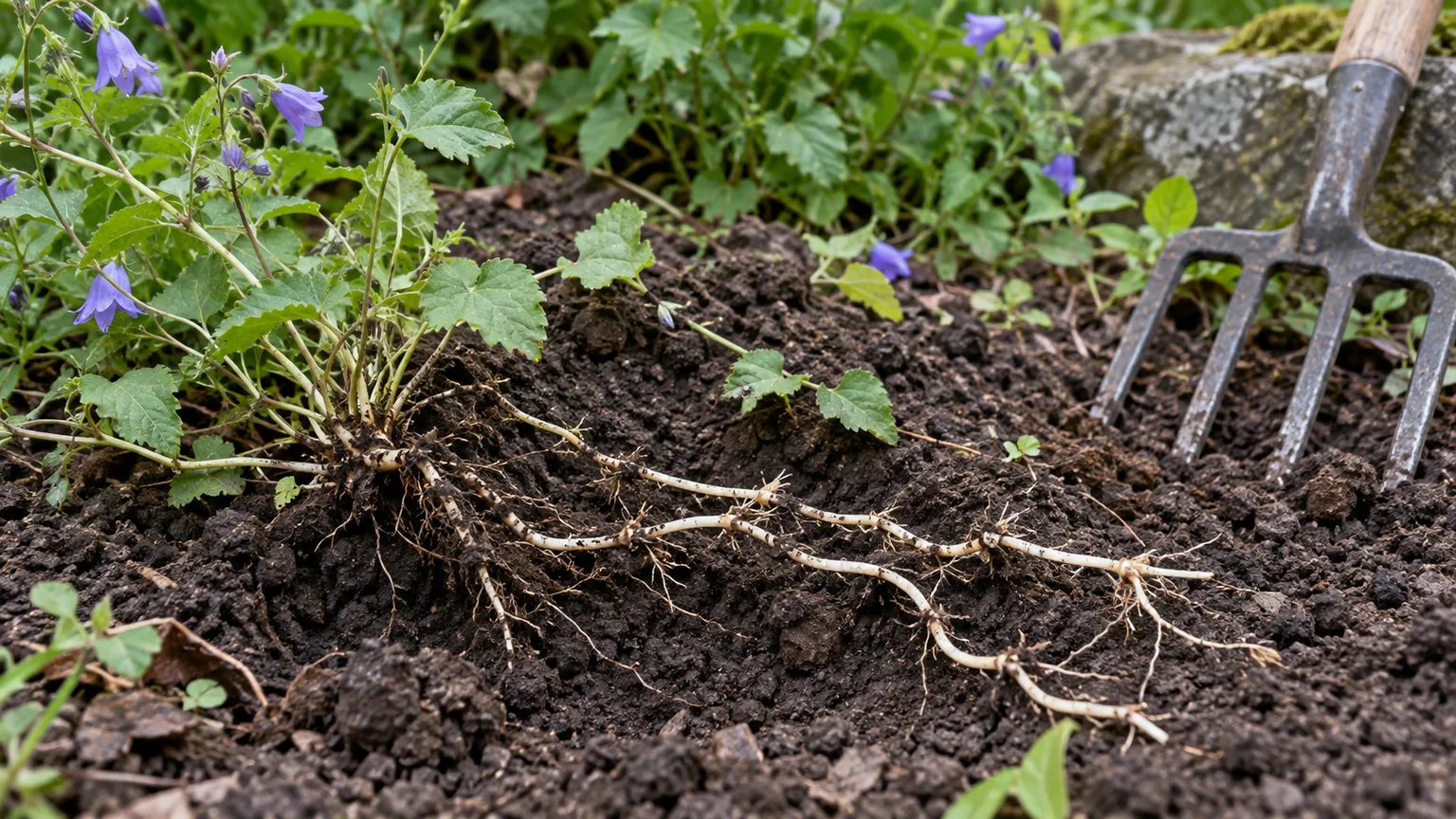
Expect repeat checks rather than a one-time cleanup. Remove new shoots promptly while they are small and keep watching the same area through later growing seasons. If a patch is extensive or tangled with valuable plants, ask a local extension office or invasive-plant coordinator for region-specific guidance before applying a control product. For any herbicide, local approval and the product label govern where and how it can be used.
Conclusion
Campanula is easiest to grow when you match the species to the job: compact clumps for containers and borders, taller forms for the back of a bed, and spreading types only where their reach is welcome. Give most varieties bright light suited to your climate, soil that stays lightly moist but drains well, and modest feeding rather than a heavy fertilizer schedule.
Check the botanical name before planting, particularly if a bellflower will grow near a natural area or a tightly managed border. With that one choice made carefully, routine watering during establishment, selective deadheading, and occasional cleanup are usually enough to keep the right bellflower thriving.



