20 Best Indoor Planters for Healthy Houseplants
Find the best indoor planters for your plants and home, from terracotta and ceramic to hanging and self-watering pots, with setup tips that prevent root rot.
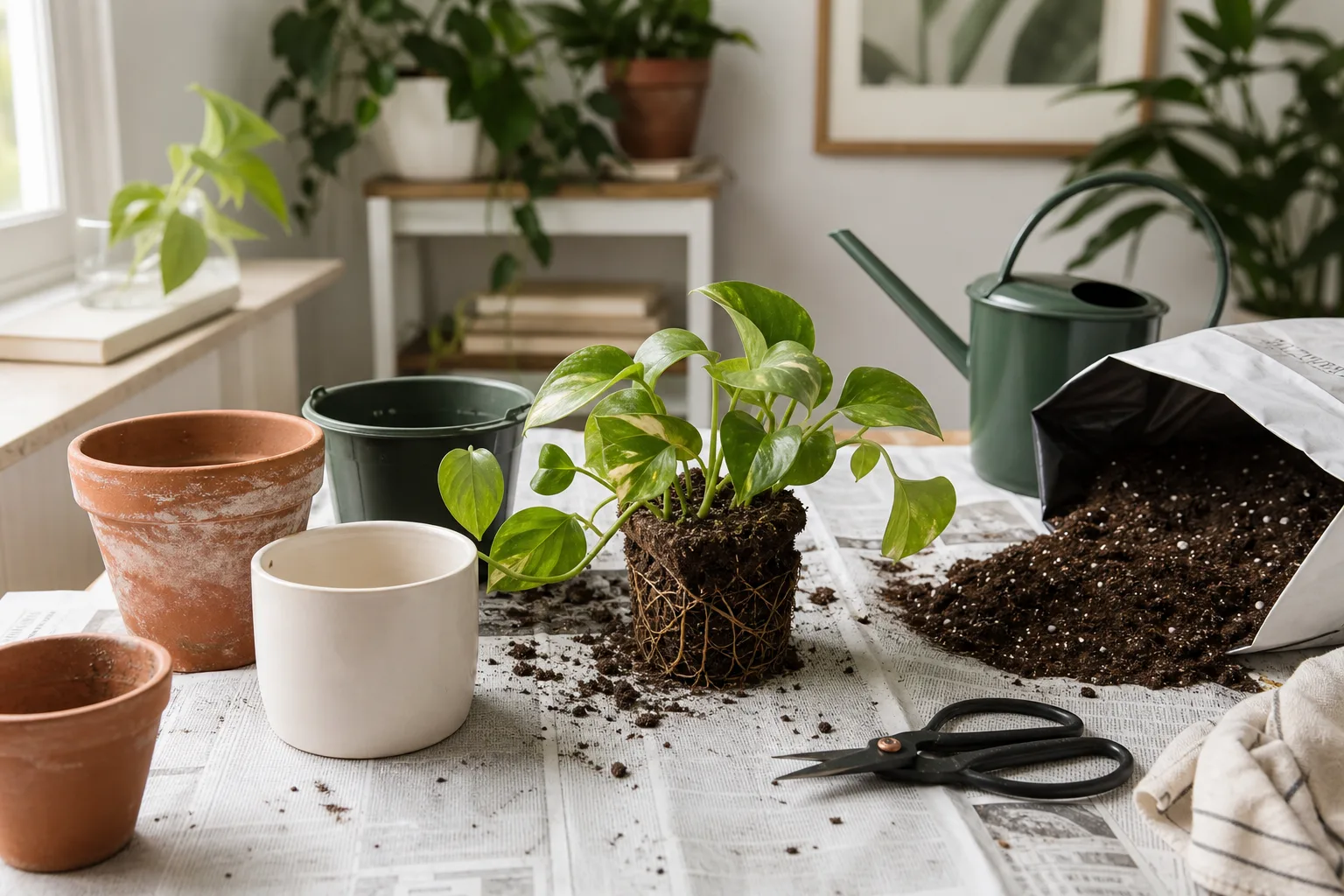
The prettiest planter is not automatically the best home for a plant. A container controls how quickly the potting mix dries, how much oxygen reaches the roots, how easy watering is, and whether a tall plant stays upright. Choose those functions first, then pick the color and finish you want to see every day.
Quick answer: start with a draining grow pot and a well-fitted outer planter
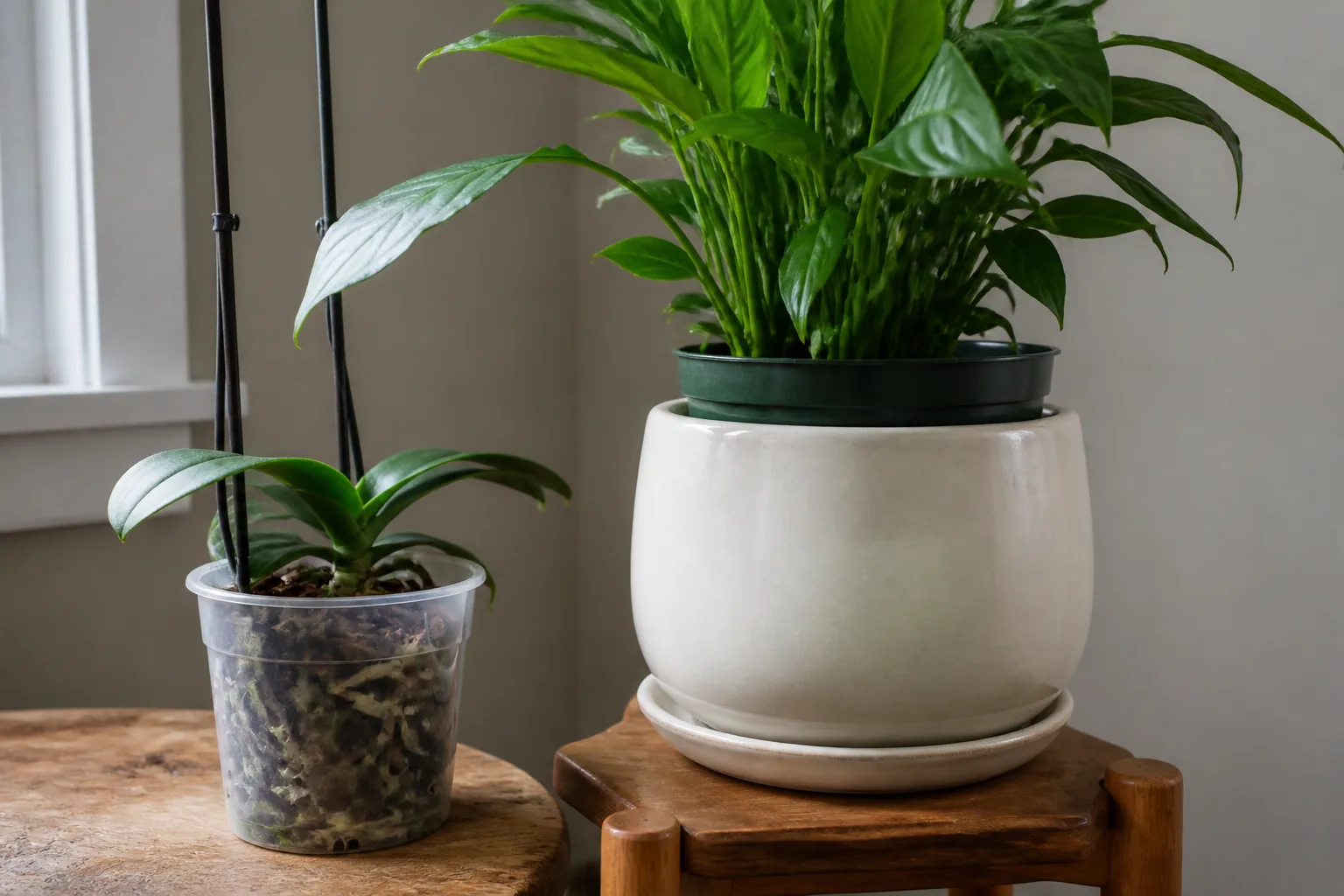
For most houseplants, the safest default is a plastic nursery pot with drainage holes set inside a decorative cachepot that is only slightly wider. The inner pot holds the root ball and lets excess water escape; the outer pot handles the visual job and catches drips while the plant is on a shelf, desk, or stand.
That two-pot system also makes care easier. You can lift the grow pot out, water it at a sink, let it drain, inspect the roots, and return it without wrestling a heavy ceramic container. Virginia Tech Extension explains that the container, potting mix, and watering method work together: good drainage helps, but the goal is a root zone that is moist enough for the plant and still has air space. (Virginia Tech Extension)
20 indoor planters matched to the job
The 20 choices below are not ranked from “prettiest” to “least pretty.” They are matched to the jobs indoor planters actually have: controlling moisture, supporting a root system, making watering manageable, fitting a small room, or displaying a plant without damaging the surface beneath it.
Best everyday grow pots: plastic, terracotta, ceramic, and fabric
1. Plastic nursery pot — the best default. Lightweight, inexpensive, and easy to lift, a nursery pot is the workhorse for pothos, philodendrons, monsteras, peace lilies, herbs, and most foliage plants. Look for several open holes at the base, a rim you can grip, and a diameter that fits the root ball rather than the current leaf spread.
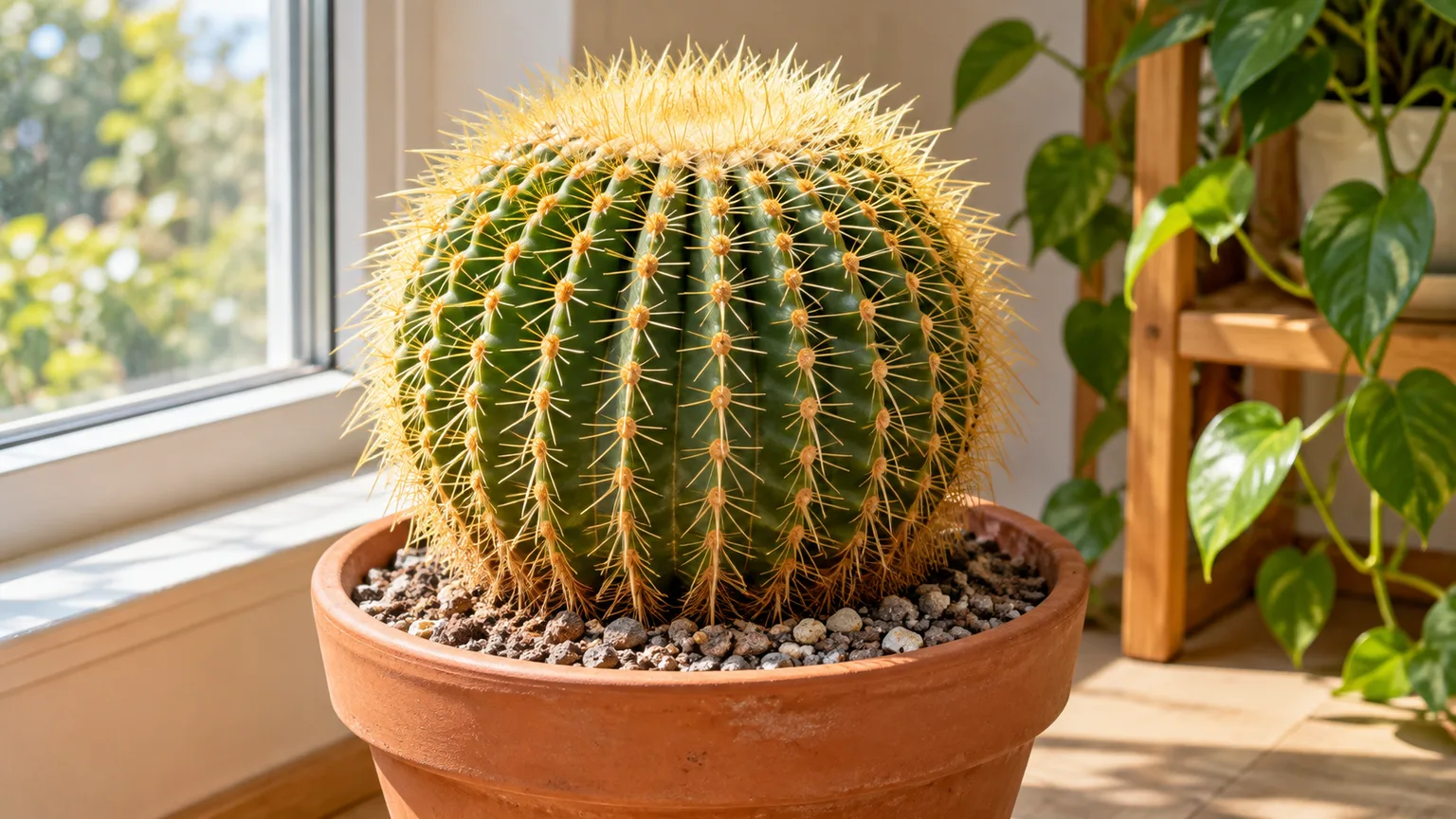
2. Unglazed terracotta pot — best for plants that dislike staying wet. Terracotta is porous, so moisture can leave through the pot walls as well as the drainage hole. That makes it a strong match for succulents, jade, aloe, haworthia, and some hoyas, but it also means a thirsty fern may need checking more often. University of Nevada, Reno Extension notes that plants in clay generally dry faster than those in plastic or ceramic containers. (University of Nevada, Reno Extension)
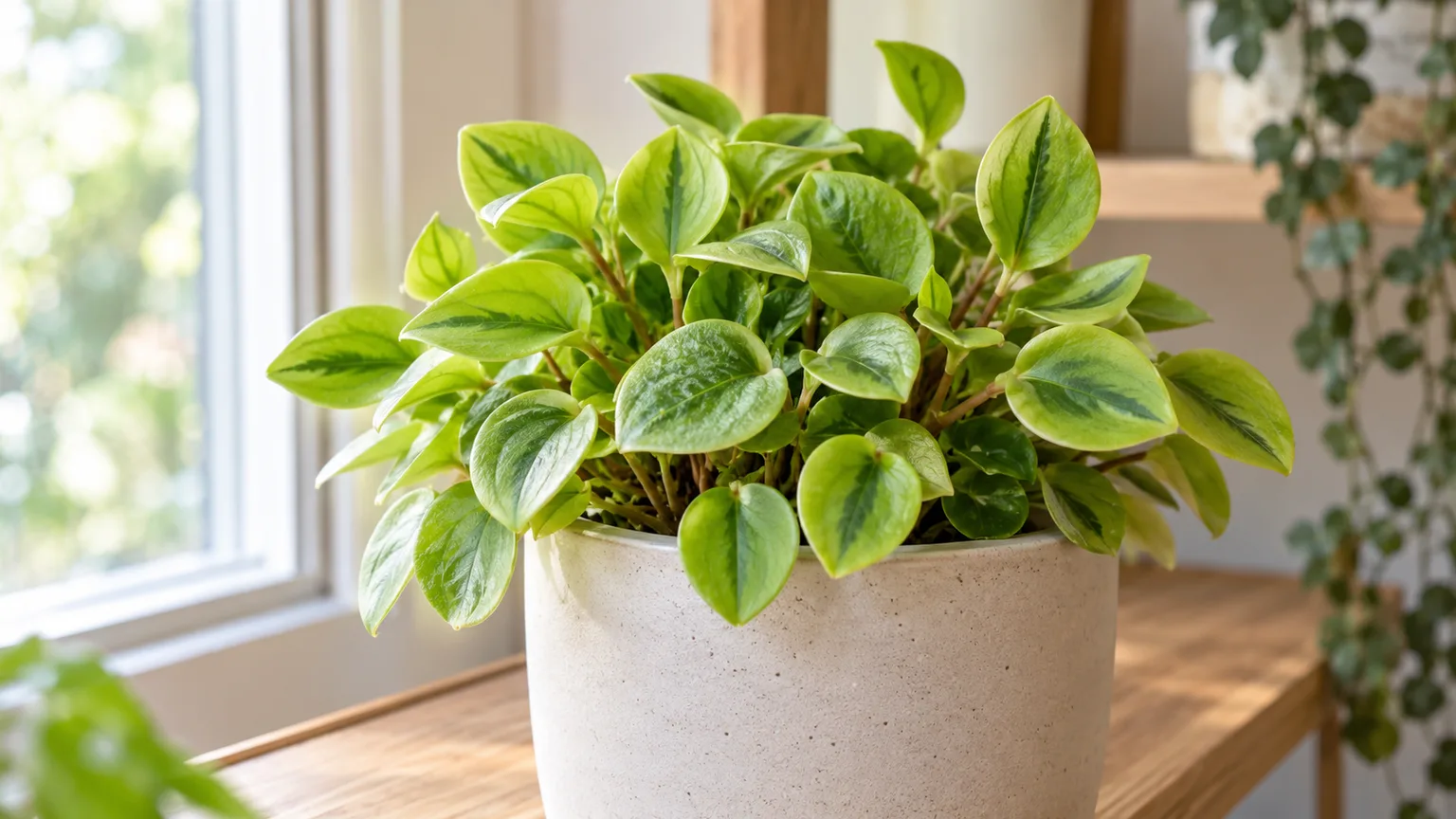
3. Glazed ceramic pot — best all-round decorative grow pot. A glazed ceramic planter gives you the visual weight and finish many people want without the rapid drying of unglazed clay. It suits moisture-loving tropicals and ordinary foliage plants well, provided it has a real drainage hole and a saucer or removable inner pot.
4. Fabric grow bag — best for temporary indoor growing or herbs. Fabric lets air reach the sides of the root zone and can prevent a small root ball from circling tightly. Indoors, use one only inside a waterproof tray or outer container because the sides can wick moisture onto wood, and expect it to dry faster than plastic. It is a practical tool, not the easiest “leave it on the bookshelf” planter.
Best moisture-control systems: self-watering, semi-hydro, and orchid pots
5. Wick-style self-watering planter — best for consistent moisture. A reservoir below the potting mix feeds a wick or capillary column, reducing the need for frequent small waterings. It can work well for peace lilies, fittonias, ferns, and some aroids, especially when you tend to forget a watering day. Do not keep the reservoir full for a succulent simply because the gauge says you can; plants that need a dry-down are a poor match.
6. Capillary or semi-hydro basket pot — best for controlled indoor collections. A slotted inner basket above a reservoir can make root inspection and water-level monitoring simple, particularly for plants grown in chunky mineral media. It is more of a system than a single pot: choose it when you are willing to learn the medium, flush salts, and check that roots are not sitting in stagnant water.
7. Slotted orchid pot — best for orchids and airy mixes. Large side slots increase air exchange and help an orchid mix dry more evenly. The pot is useful when the plant’s roots and bark mix need visibility, but it is not a universal upgrade for a standard houseplant; fine potting mix can spill out and dry too quickly.
8. Clear orchid pot — best for observing roots. Transparency lets you see root color, moisture pockets, and whether the mix has broken down. It is especially useful for orchids and for beginners learning how quickly a specific mix dries. Put it inside a decorative cachepot if clear plastic does not fit your room, and lift it out to water rather than leaving hidden runoff below.
Best display planters: cachepots, saucer pots, floor pots, and bowls
9. Decorative cachepot — best for style without repotting. A cachepot is an outer container, not necessarily the plant’s true growing pot. Choose one with enough internal clearance to lift the nursery pot out and enough empty space at the bottom that the grow pot never sits in drained water.
10. Saucer-attached planter — best for tables and shelves. A built-in saucer reduces the number of loose pieces you have to move during watering. Make sure the saucer can be emptied; a permanently full saucer turns a useful drip catcher into a standing-water reservoir.
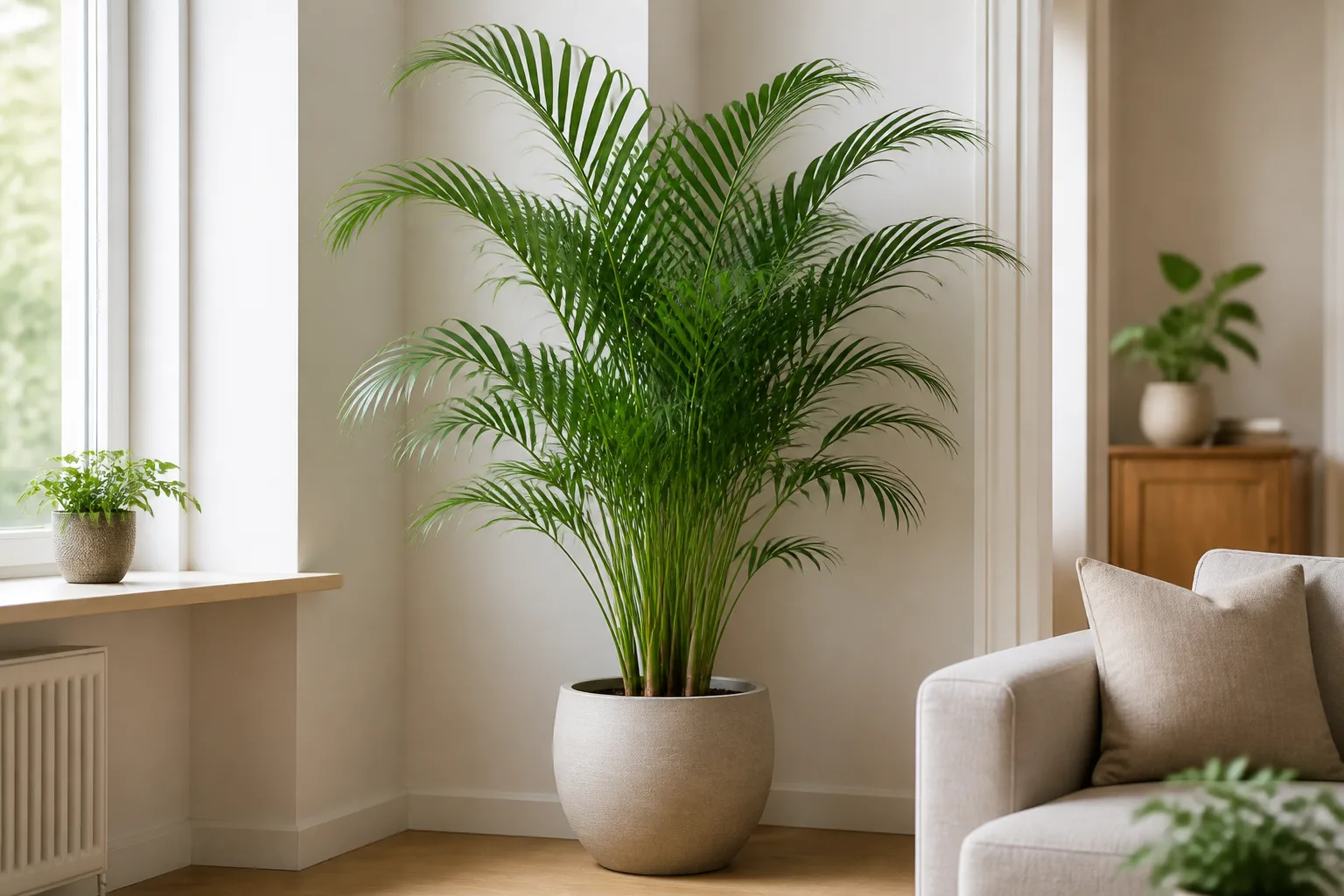
11. Tall floor planter — best for raising a compact plant to eye level. A tall planter makes a small plant feel architectural and can keep foliage away from a busy floor. Favor a broad, heavy base, a removable inner pot, and a stable opening; a narrow decorative tower becomes risky when a top-heavy monstera grows into it.
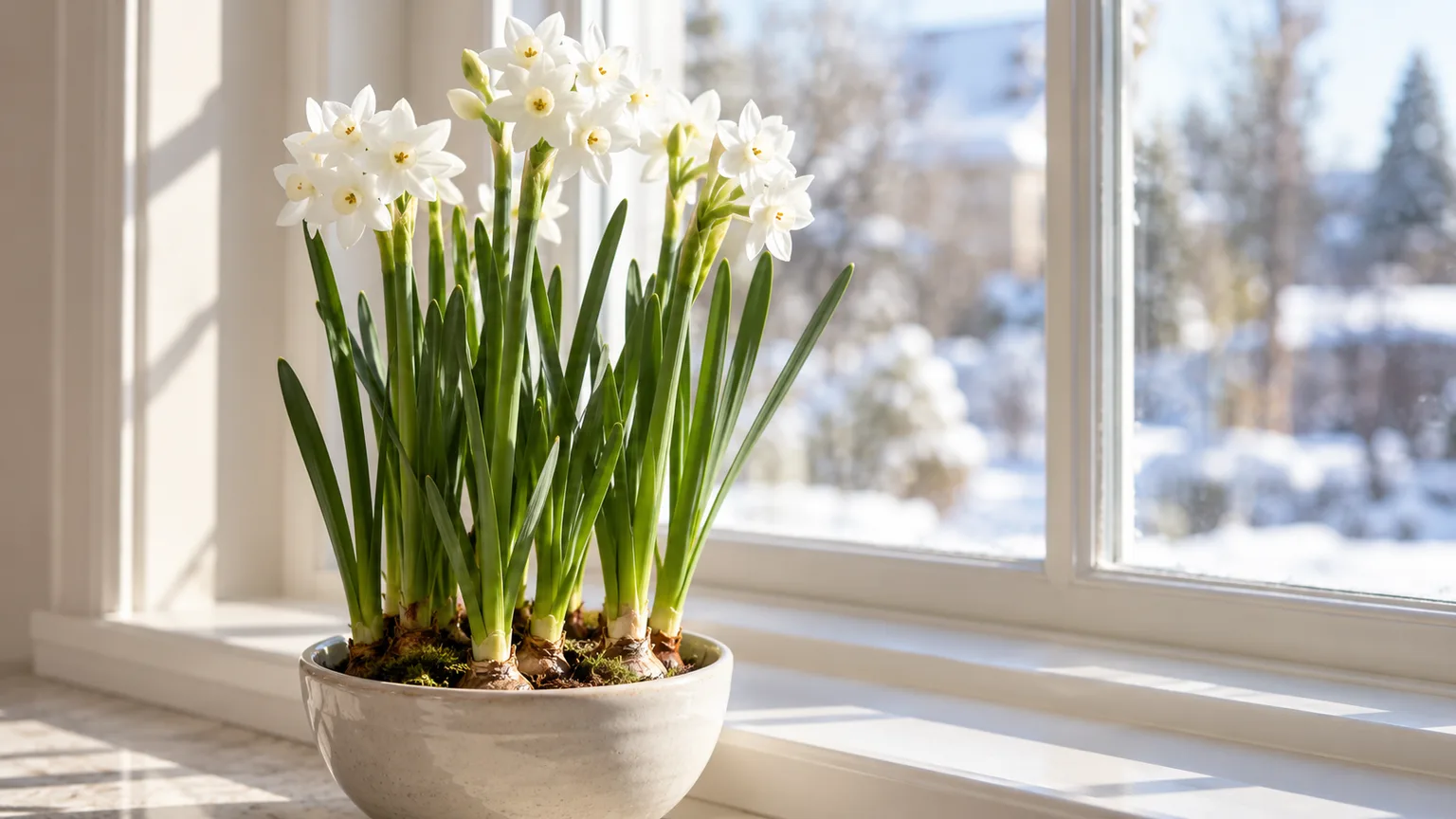
12. Low bowl planter — best for shallow-rooted arrangements. A bowl works for clustered succulents, small cacti, bonsai-style displays, and low rosette plants that look lost in a tall pot. Because shallow containers hold less mix and can dry unevenly, use a draining vessel and check the center of the arrangement rather than watering only the edge.
Best for vertical and small spaces: hanging, wall-mounted, and window-box planters
13. Hanging planter with a removable liner — best for trailing plants. Pothos, heartleaf philodendron, hoya, and spider plants can spill beautifully from a hanging basket. The safest version has a lift-out liner and a place to water it off the hook; a plugged or saucered basket may stop drips, but it does not remove the need to empty runoff.
14. Wall-mounted planter — best for unused wall space. A wall pocket can turn a blank wall into a plant display, but the mounting hardware is part of the planter. Use a light grow pot, confirm the anchor is rated for the wet load, and keep the plant where you can remove it for watering and pest checks.
15. Indoor window-box planter — best for a row of small plants or herbs. A long planter creates a cohesive windowsill display, but it also creates one shared moisture environment. Give each plant compatible needs, leave room between crowns for airflow, and use a liner or inner pots if the box is decorative rather than a true draining container.
Specialty and statement planters: lined wood, metal, concrete, bonsai, and terrarium vessels
16. Wood planter with a waterproof liner — best for warm, natural texture. Wood looks excellent against green foliage, but bare wood is a poor indoor reservoir. Use a removable plastic liner or grow pot, keep the liner from trapping water against the wood, and wipe spills promptly so the finish does not swell or stain.
17. Metal planter with an inner pot — best for a crisp modern look. Metal is nonporous and often lightweight, depending on the gauge and finish. Use it as a cachepot or line it with a draining grow pot; direct planting is risky when the vessel lacks a drainage hole, and metal can become hot beside strong glass-filtered sun.
18. Concrete or fiberstone planter — best for stability. A heavy planter can stop a tall plant from tipping and makes a strong floor-level statement. The trade-off is mobility: decide where it will live before filling it, protect floors with a saucer or feet, and use an inner pot if the vessel is sealed.
19. Bonsai-style shallow pot — best for plants with a compact, controlled root ball. The broad shape suits bonsai, miniature trees, and some succulents, but it is unforgiving of careless watering. Use a fast-draining mix, keep the root mass proportionate to the container, and do not mistake a shallow decorative bowl for a low-maintenance choice.
20. Open terrarium vessel — best for a contained humidity display. A glass bowl or cylinder can house a small arrangement when the plants and moisture needs match. Choose an open vessel for beginners, avoid treating a sealed jar as an ordinary pot, and keep the water volume deliberately small because there is no drainage hole to rescue an overwatering mistake.
Material showdown: how each planter changes the root zone
Material is not just a design preference. It changes evaporation, weight, temperature, cleaning, and how quickly you notice a watering mistake. The right choice depends on the plant’s preferred dry-down and on whether you can move the container to a sink.
| Material | What it does well | Main drawback | Good match |
|---|---|---|---|
| Plastic | Light, cheap, nonporous, easy to lift | Holds moisture longer; can be unstable when very light | Most foliage plants and inner grow pots |
| Unglazed terracotta | Breathable and quick to dry | Needs more frequent checks; can show mineral deposits and crack if mishandled | Succulents, jade, aloe, dry-loving plants |
| Glazed ceramic | Attractive, stable, slower drying than terracotta | Heavy; many decorative styles lack drainage | Tropical foliage in a draining pot |
| Fabric | Air-pruning effect and good airflow | Wicks onto surfaces and dries quickly | Herbs, temporary growing, airy mixes |
| Wood | Warm appearance and large custom shapes | Needs a liner and protection from standing water | Cachepots and lined boxes |
| Metal | Clean style and often slim profiles | Nonporous; can heat near a window and may corrode | Outer planters with inner pots |
| Concrete or fiberstone | Excellent stability and visual mass | Heavy and difficult to relocate | Large floor plants and tall specimens |
Virginia Tech Extension describes plastic as lightweight, durable, and nonporous, while unglazed terracotta allows moisture to evaporate through the walls. Glazed clay behaves more like a nonporous pot, so the mix generally stays wet longer than it would in unglazed terracotta. (Virginia Tech Extension)
Do not use material as a substitute for plant knowledge. A terracotta pot cannot compensate for a dense, water-repellent mix; a self-watering pot cannot compensate for weak light that slows water use; and a heavy concrete pot cannot compensate for a root ball that is already rotting.
Drainage and potting mix have to work together
The phrase “good drainage” is often reduced to “water comes out of a hole.” That is only the first check. Drainage also means the mix holds enough moisture for the roots while leaving air-filled spaces after excess water has moved away.
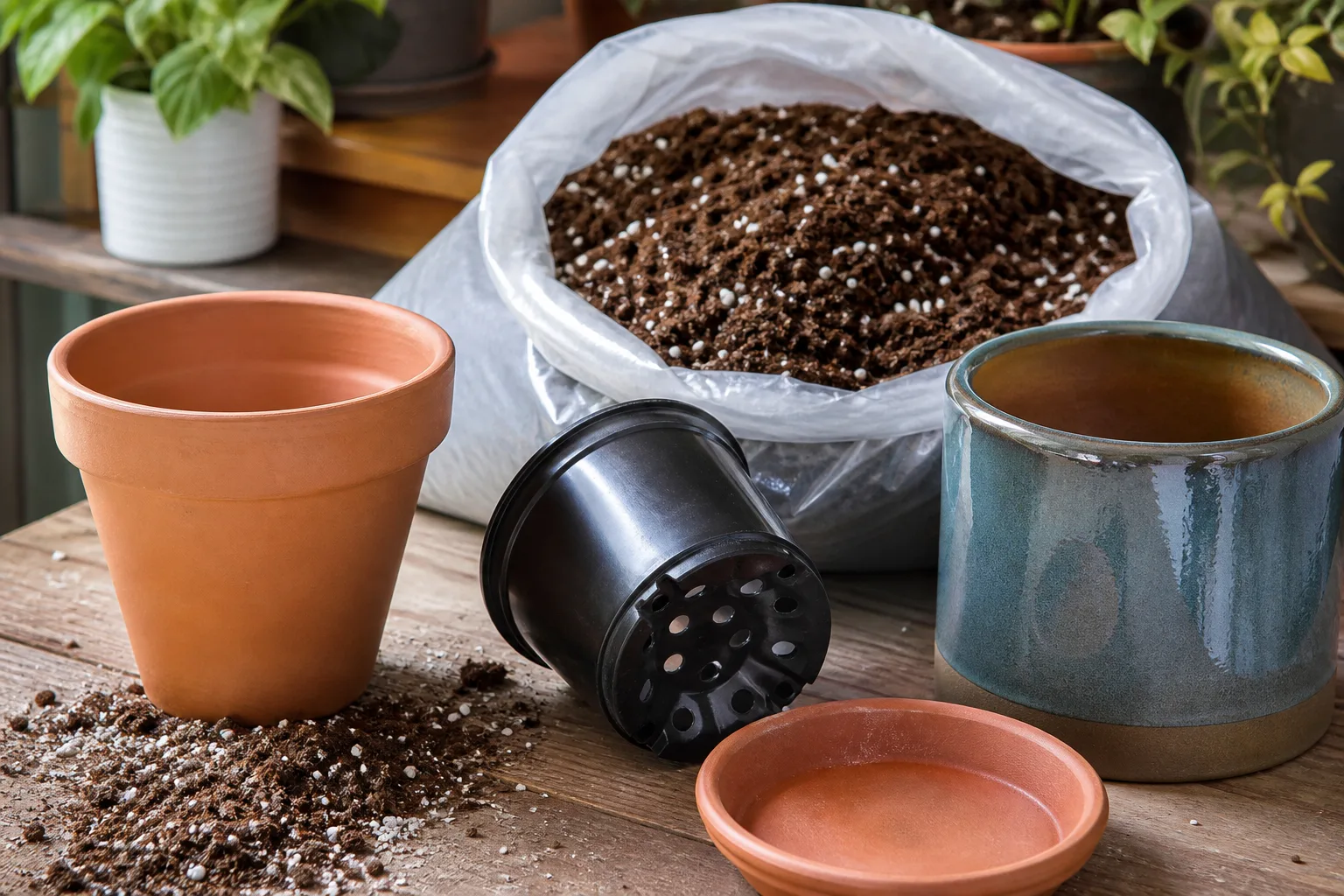
Use a commercial potting mix made for containers rather than soil dug from outdoors. University of Nevada, Reno Extension specifically advises using a soilless container medium, while Virginia Tech explains that fine, fibrous ingredients tend to hold more water and coarse bark or perlite create more air space and faster movement. (University of Nevada, Reno Extension) (Virginia Tech Extension)
When a pot drains instantly, do not celebrate automatically. Very dry peat- or bark-based mixes can become hydrophobic, so water runs down the sides while the center stays dry. Apply water slowly two or three times, or bottom-water the draining pot long enough for the mix to rehydrate, then let it drain completely.
Avoid using a thick layer of rocks, gravel, or broken pottery as a replacement for a drainage hole. It takes up root space and can leave the mix above it wetter, not drier. If a decorative planter has no hole, the dependable solution is a smaller draining grow pot inside it, with a gap below the inner pot so it never sits in collected water.
Choose the right size and shape without overpotting
Pot size should follow the root ball, not the height of the plant or the diameter of its leaf canopy. A plant can look enormous above the soil and still have a surprisingly small root system.
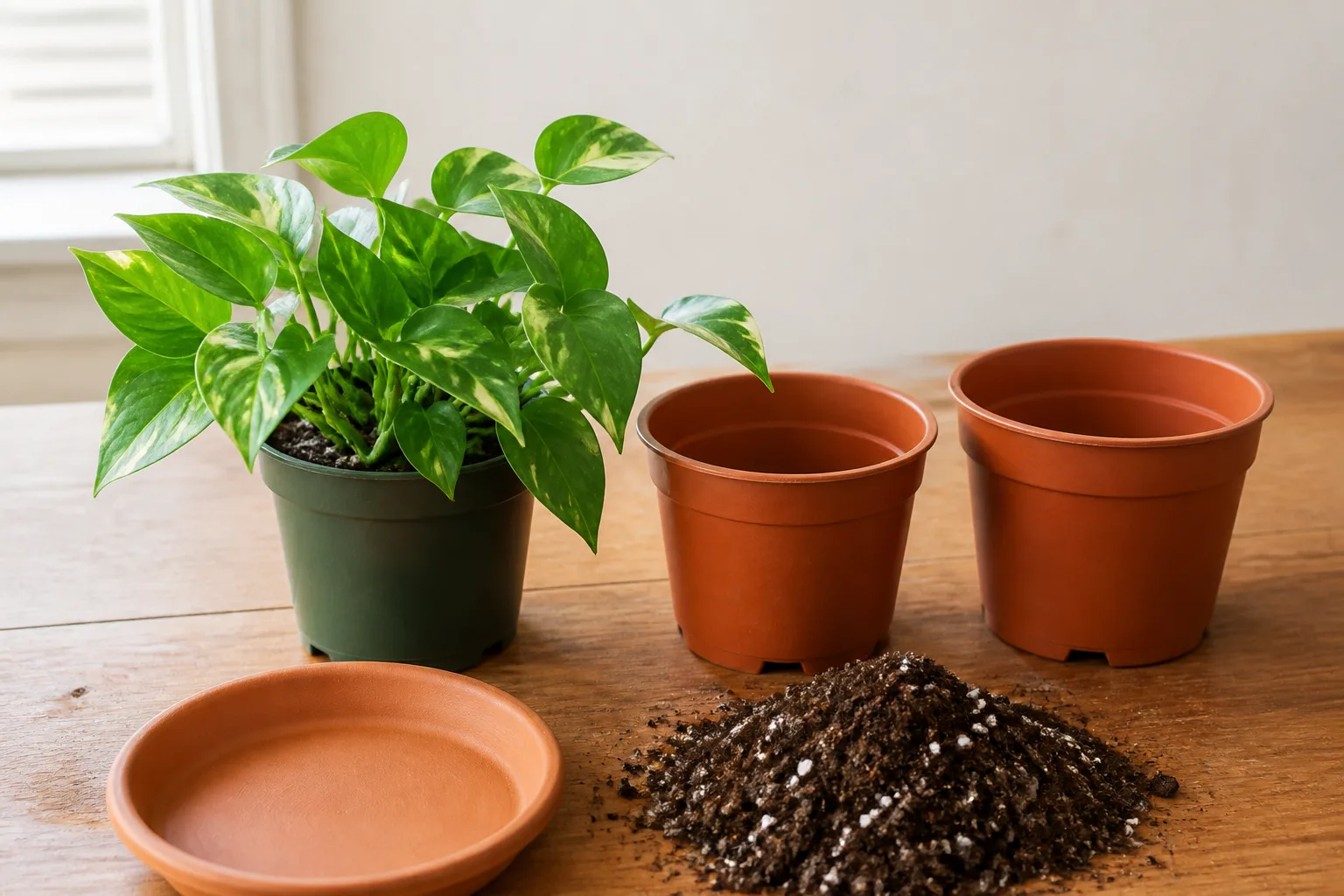
Use this three-check rule:
- The new grow pot is usually only one size larger, roughly 1–2 inches wider than the current pot for many houseplants.
- The root ball sits at the same depth, with room for fresh mix around the sides but no cavernous ring of wet soil.
- The opening is wider than the root mass so you can remove the plant later without breaking the container.
Coast of Maine’s practical houseplant-container guide makes the same gradual-sizing point: an oversized container can leave a small root system surrounded by wet mix, especially when indoor light is weak. It also warns against a pot that narrows at the mouth, because the plant may become impossible to remove without damaging the roots or the vessel. (Coast of Maine)
Shape matters after volume. Tall pots generally give water more vertical distance to move through, while short pots can retain more moisture near the root zone. Virginia Tech notes that container height influences drainage and that a large volume of mix stores more water, so a large pot is not a harmless way to avoid repotting. (Virginia Tech Extension)
Use a watering workflow that protects floors and roots
Make watering part of the planter choice. A 12-inch ceramic pot on a tall plant stand may be beautiful, but if you cannot lift it safely, you are likely to water timidly over the soil or leave runoff in the saucer. That produces inconsistent moisture and makes it harder to catch pests, salt buildup, and root problems.
For a draining grow pot, water slowly across the soil surface until the entire mix is wet and a little drains from the base. Let the pot finish dripping, empty the saucer or cachepot, and only return it to the display when the bottom is no longer sitting in water. Virginia Tech’s guidance recommends thoroughly hydrating the full volume of mix rather than applying a token splash, then allowing the container to drain.
Check moisture by the root zone, not by the calendar. A finger or wooden skewer can reveal whether the middle of a pot is still damp; lifting the same plastic pot before and after watering teaches you its weight signal. The University of Nevada, Reno Extension also advises checking larger containers weekly and smaller ones more often, because small volumes dry faster.
If a plant is too heavy to move, place it on a deep waterproof tray with enough clearance to catch runoff, use a long-spout can aimed below the leaves, and return later to empty the tray. A decorative planter that turns every watering into a furniture-protection project is not a good fit for that location.
Self-watering planters: useful tool, not automatic care
A self-watering planter usually separates a water reservoir from the potting mix and uses a wick or similar capillary path to move water upward. The system is valuable when your schedule is irregular or when a moisture-loving plant needs a more even supply than you can provide by remembering occasional deep watering. HGTV’s practical overview also frames self-watering planters as a convenience feature rather than a replacement for matching the plant and the container. (HGTV)
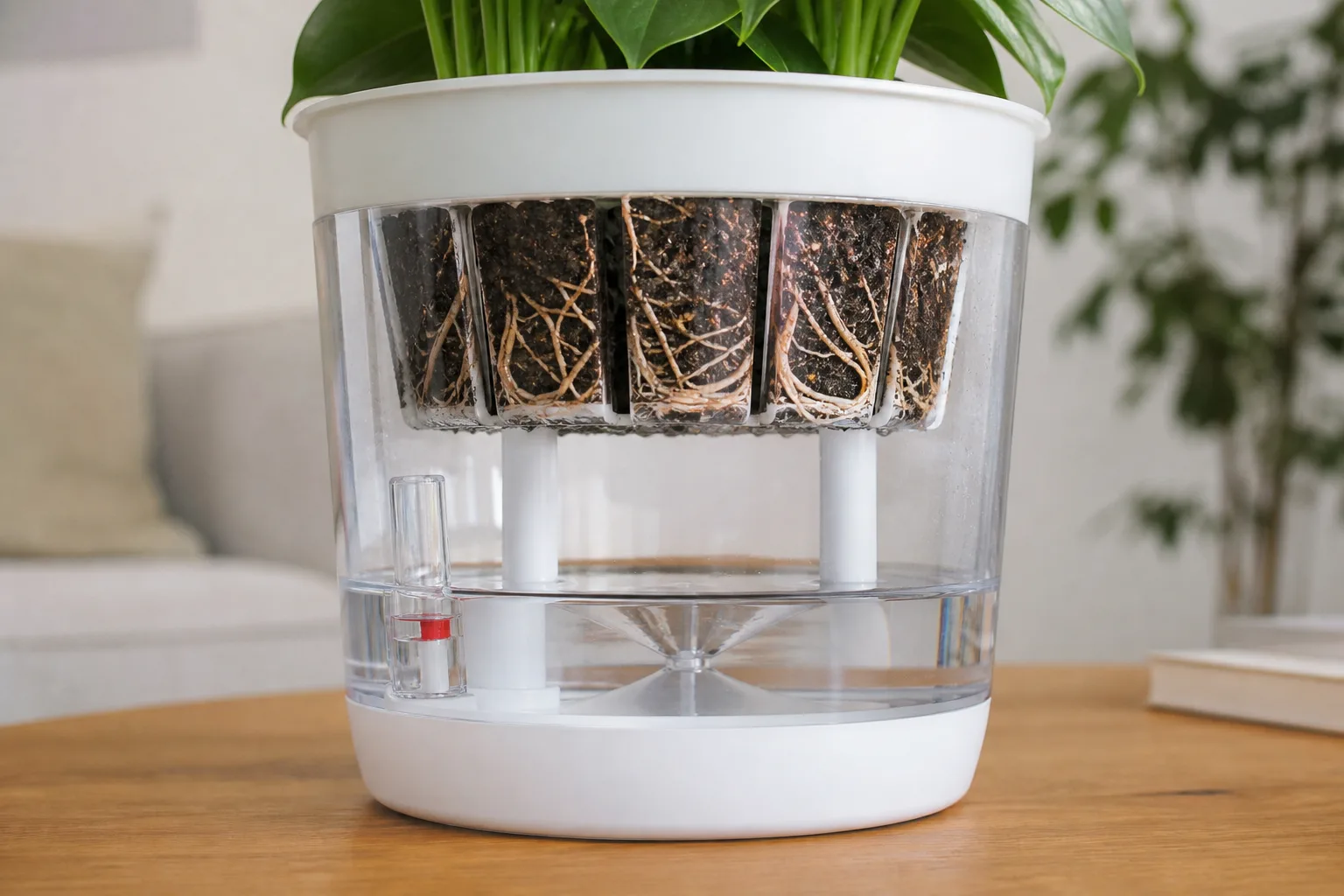
Treat the reservoir as a control you must learn. Fill it only after the plant is established, check whether the mix is actually drying between refills, and clean the reservoir when algae, mineral film, or stale water appears. If the plant is soft, yellowing, or staying wet for too long, stop filling the reservoir and inspect the roots instead of assuming the wick needs more water.
Self-watering is most useful for plants that prefer evenly moist but not saturated mix: peace lily, fern, fittonia, and some tropical foliage. It is a poor default for cacti, many succulents, and any plant whose care instructions require a pronounced dry-down. A reservoir helps only when the plant, light level, mix, and evaporation rate all agree with it.
How to use a decorative planter with no drainage hole
You do not have to discard a beautiful pot that lacks a hole. Use it as a cachepot: keep the plant in a draining nursery pot, set that pot inside the decorative vessel, and lift it out for every thorough watering. Let it drain in a sink or tub, then return it only after the base is no longer dripping.
Do not fill the bottom of the decorative container with water “for later,” and do not assume a layer of stones makes an ordinary houseplant safe. The outer pot is a catch basin, not an extra reservoir. If water collects below the grow pot, pour it out promptly; if the inner pot is too tight to lift, choose a larger cachepot before the plant becomes root-bound.
Direct planting into a no-drainage vessel is reserved for experienced growers who can measure water precisely and choose a plant and medium for that setup. Even then, you have less margin for error, and a small overestimate can stay hidden below the soil line. For a display plant, the inner-pot method gives nearly all the style with much better control.
Stability, weight, pets, and furniture protection
Indoor planter safety is part of plant care. Wet mix and a ceramic pot are much heavier than an empty container, while a tall plant catches movement from pets, children, doors, and ceiling fans. Put heavy pots on the lowest, widest surface; use a low center of gravity for floor plants; and anchor wall-mounted or tall displays to a suitable structural point.
Check the planter’s bottom before buying. A rough foot or unglazed ring can scratch wood, while a flat saucer can trap water against a finished surface. Felt pads may protect a table from abrasion, but they do not make a leakproof system; use a waterproof tray under any planter that can drip.
If pets or toddlers share the room, choose a stable outer pot and keep trailing stems and toxic plants out of reach. A lightweight plastic pot that tips easily is not safer simply because it is unbreakable. Stability, access for watering, and the ability to move the plant during a pest outbreak matter more than a fashionable finish.
When to repot, clean, or replace an indoor planter
Repot when roots form a dense circling mass, water races through without wetting the center, the plant dries unusually fast, or the root ball is clearly pressing against the pot. Do not repot on a schedule just because a calendar says it is time; a healthy plant in a proportionate container can often stay put while you refresh the surface mix.
When you do repot, wash reusable plastic, ceramic, and metal pots, scrub away mineral crust, and rinse off all cleaner before adding fresh mix. Inspect drainage holes for blocked roots or compacted debris. Discard cracked terracotta that is shedding sharp edges, warped plastic that no longer stands level, and wood whose liner leaks into the structure.
A plant that stays wet after the room, light, and watering routine have not changed may be signaling a broken-down mix or damaged roots—not a need for a larger pot. Unpot it, inspect the roots, remove only what is dead or mushy, and move it into a clean, correctly sized draining container. The right planter is a tool for recovery, not a substitute for inspecting the problem.
Conclusion: buy the root-zone setup first, then the style
If you want one dependable starting point, buy a draining nursery pot that fits the root ball and a cachepot with enough clearance to remove it. Choose unglazed terracotta when you need faster drying, glazed ceramic when you want weight and a slower dry-down, a self-watering system for plants that genuinely prefer steady moisture, and a heavy floor planter when stability is the main job.
The best indoor planter is the one you can water thoroughly, drain completely, lift when necessary, and keep stable in its final location. Once those conditions are right, the finish, shape, and grouping can turn a collection of houseplants into an indoor jungle without asking the roots to pay for the decoration.