The 25 Best Pergola Kits for Your Backyard
Compare 25 pergola kits by roof type, material, wind and snow ratings, and real assembly time—plus sizing math, anchoring rules, and permit checks before you buy.
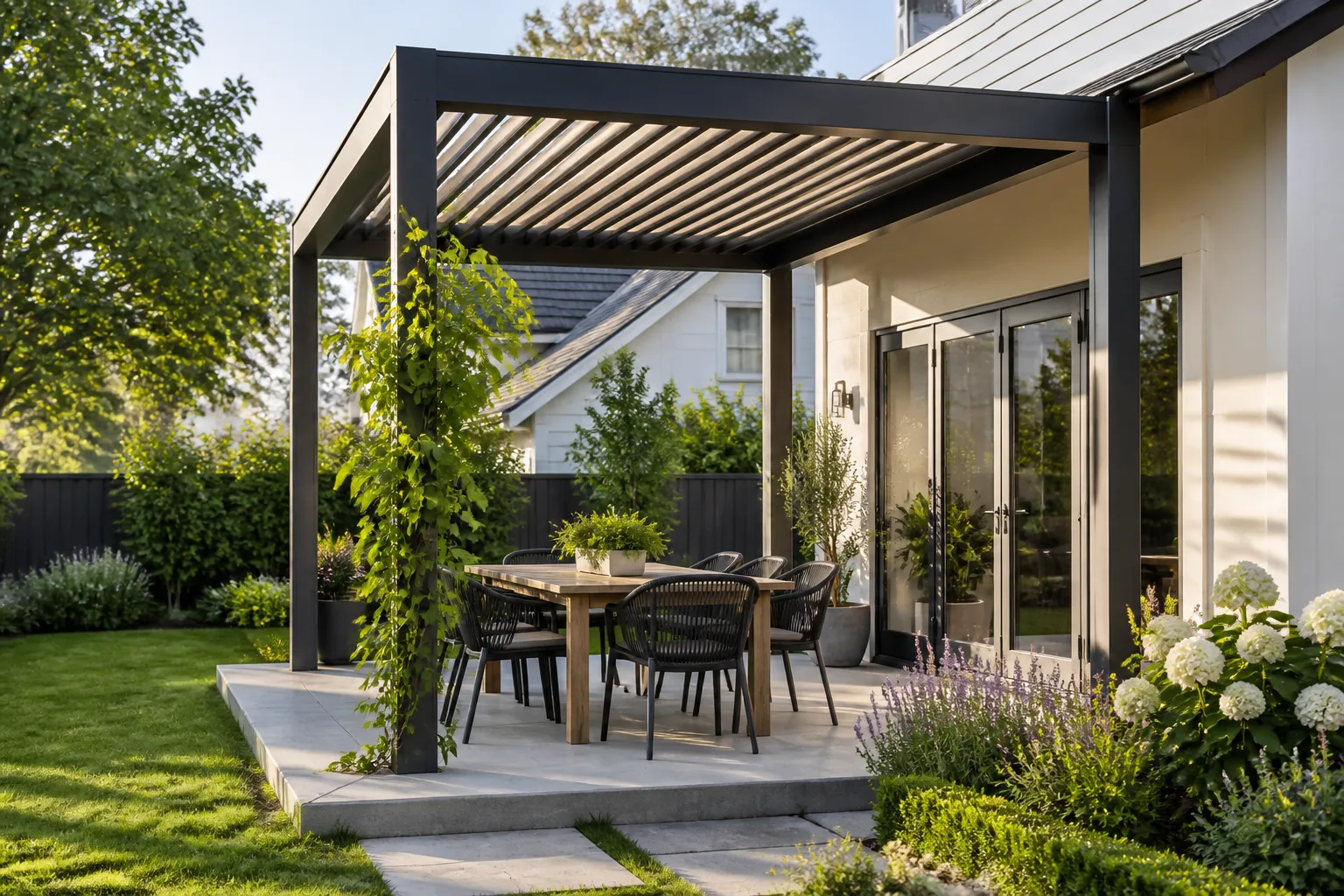
A pergola kit is the fastest way to turn a bare patio or lawn edge into a defined outdoor room—but only if you buy the right roof type for how you actually live outside. Most disappointment comes from shopping brand names first: you end up with dappled shade when you wanted rain cover, or a louvered frame you never adjust because assembly ate your entire weekend. These 25 pergola kits are grouped by job (budget shade, cedar character, all-weather louvered, premium metal) after the decision rules below, so you can match structure to space before you match price to cart.
Quick picks by backyard job
Use this table to narrow the field, then read the full reviews for your short list. Street prices shift with sales; ranges reflect typical 2025–2026 pricing.
| Best for | Pick | Why it wins | Main compromise |
|---|---|---|---|
| Balanced louvered value | Mirador 8088S | Adjustable louvers, steel/aluminum mix, multiple sizes | No privacy screens or outlets in base kit |
| Lowest usable hard-top budget | Erommy Double-Roof | Aluminum frame, polycarbonate roof, curtains/netting | Long assembly; verify anchor hardware |
| Natural wood + outlets | Backyard Discovery Beaumont | Rot-resistant cedar, PowerPort outlets, clear instructions | Open rafters—not rain-tight |
| Rain-ready louvered | Backyard Discovery Sarasota | Leak-resistant closed louvers, integrated drainage | May need extra permanent-mount hardware |
| Premium aluminum | Paragon Grand Tuscan | Powder-coated aluminum, gutters, louvered roof | Louvers may stay open in heavy snow |
If your patio is still bare soil and pots, pair any pick with our patio garden ideas for planting under and around the structure.
How we evaluated these pergola kits
We compared 25 widely sold pergola kits using manufacturer specifications, assembly manuals, warranty terms, and thousands of owner reviews gathered through independent research—not manufacturer samples or paid placements. Each finalist was scored on structural honesty (disclosed wind and snow ratings, material gauge, hardware grade), shade performance (open rafter percentage vs adjustable roof vs fabric UV block), assembly clarity (pre-drilled members, labeled bags, video support), and total cost of ownership (maintenance, stain cycles, fabric replacement, missing anchor kits).
We penalized listings that advertise total snow capacity in pounds without footprint context—2,500 pounds sounds impressive until you divide by square feet and compare with pounds per square foot (psf), the number engineers and building departments actually use. We also flagged kits that ship without concrete anchors when photos show installation on pavers.
Pick your roof type before you pick a brand
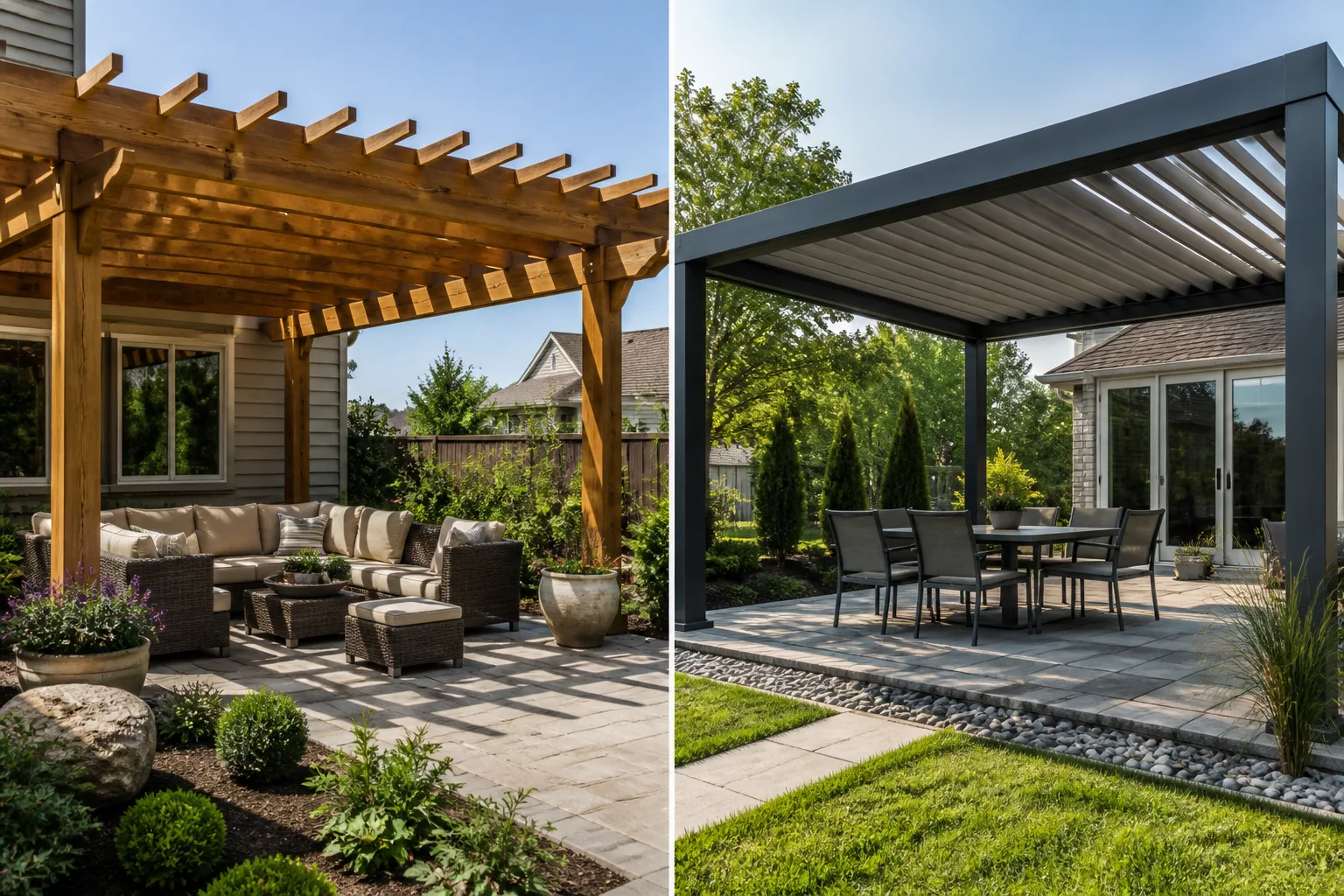
Open-rafter pergolas use fixed beams spaced across the top. They deliver 30–50% shade depending on slat spacing and sun angle—excellent for climbing roses, wisteria, or grapevines the RHS recommends training over arches and pergolas. They are not rain shelters; furniture stays exposed unless you add a retractable fabric or plant cover.
Louvered pergolas use adjustable aluminum or steel blades. Closed, many mid-tier kits claim leak resistance with integrated gutters; open, they behave like precise sun dimmers. Wind ratings are often quoted in closed position—read the fine print. These are the right choice when you want outdoor dining in light rain without building a full roof.
Fabric or polycarbonate canopy kits sit at the budget end. Fabric retracts for flexibility but fades and may pond water if not tensioned. Polycarbonate panels give hard-top rain protection at lower cost than louvered metal, with less adjustability. Epic Gardening notes that pergolas (open or slatted) differ from gazebos and pavilions with solid roofs—if you need full-time rain cover with minimal gaps, you may be shopping the wrong category.
Open rafters, louvered panels, and fabric canopies
Choose open cedar or pressure-treated kits when vines, string lights, and partial shade define the look and you accept weather on cushions. Choose louvered metal when the pergola must function as a seasonal room extension off the kitchen door. Choose canopy or polycarbonate when budget caps near $500 and you mainly block harsh midday sun on a small patio.
Material trade-offs: wood, aluminum, steel, and vinyl
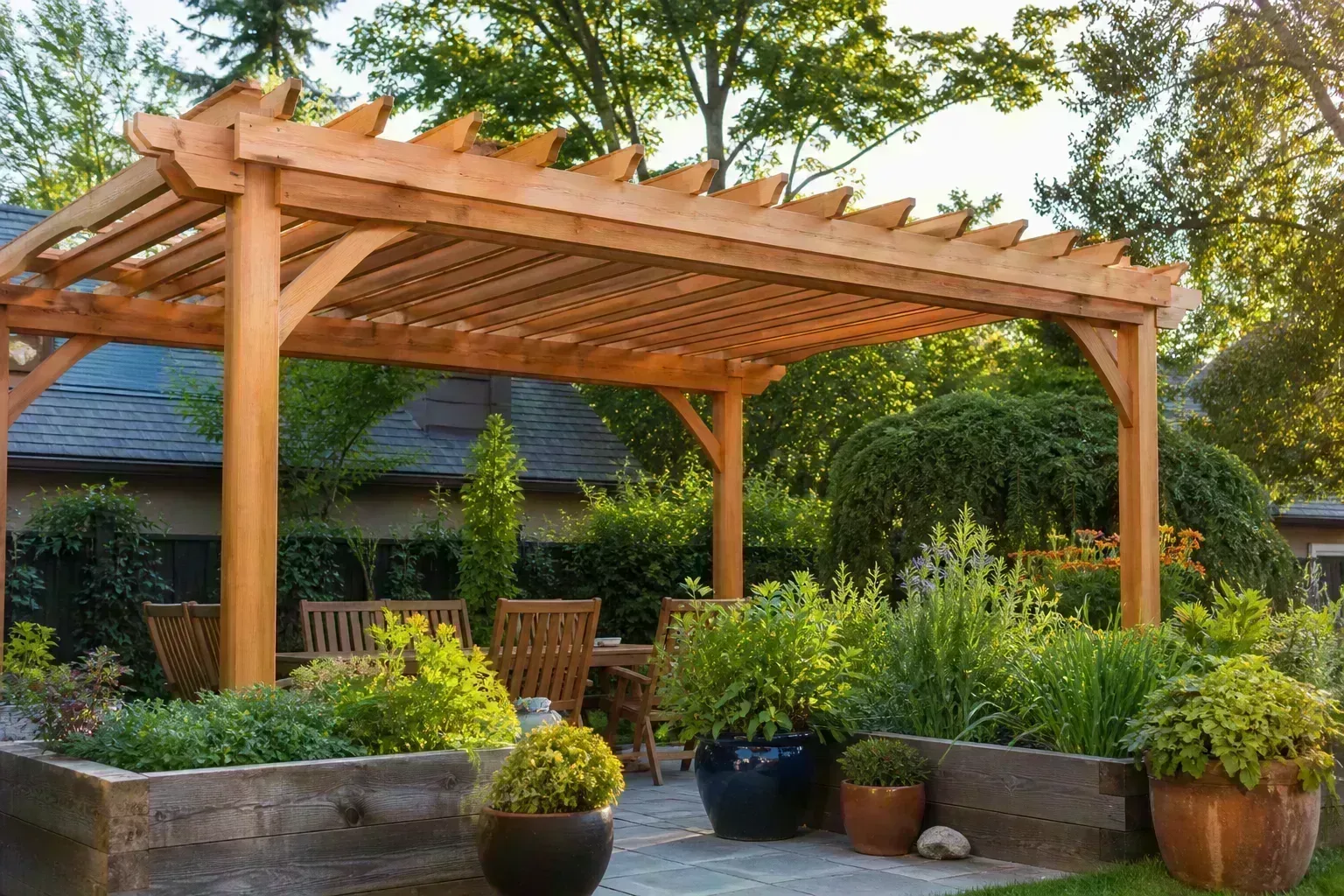
Cedar and redwood offer natural rot resistance from extractives and a warm aesthetic that blends with garden beds. Expect re-stain or seal every two to four years in full sun, and inspect galvanized connectors for corrosion where water sits. Thicker posts (true 4×4 or 6×6) matter more than marketing photos suggest—big-box cedar kits with thin timbers flex in wind.
Aluminum resists rust, weighs less than steel, and carries most louvered pergola kits. Powder coating quality separates a frame that chalks in five years from one that still matches your siding in fifteen. Aluminum conducts heat; touch bare metal on a July afternoon before you spec a grill directly against a post.
Steel (often powder-coated) appears in louvered and hard-top kits with high wind claims. Galvanized or stainless hardware is non-negotiable in coastal or snow-melt climates. Verify whether “steel frame” means structural posts or decorative cladding over aluminum.
Vinyl kits look maintenance-free but often flex in wind above 70–90 mph and limit span without extra posts. They suit sheltered courtyards, not open Great Plains exposure.
Size, clearance, and placement math
Measure your usable hardscape first—not the whole yard. For dining under a pergola, the footprint should cover the table plus chair pullback (add roughly 3 feet beyond the table edge on each side where chairs slide). A 10×12-foot kit fits many four- to six-person tables; 12×16-foot or larger suits sectionals and fire-pit conversation layouts.
Height matters as much as length. Plan at least 7 feet of clear headroom under the lowest beam for comfortable passage; louvered mechanisms and light fixtures eat additional inches. Add 6–12 inches beyond post centers for typical beam overhang, and keep posts at least 2 feet from fence lines where wind loads spike and neighbor rules apply.
Place the structure where daily life already happens—off the kitchen or patio door—not isolated at the lot line where you will not carry plates that far. If the site is poolside, confirm clearance from diving zones and chlorine splash on untreated steel hardware.
Anchoring, footings, permits, and HOA checks
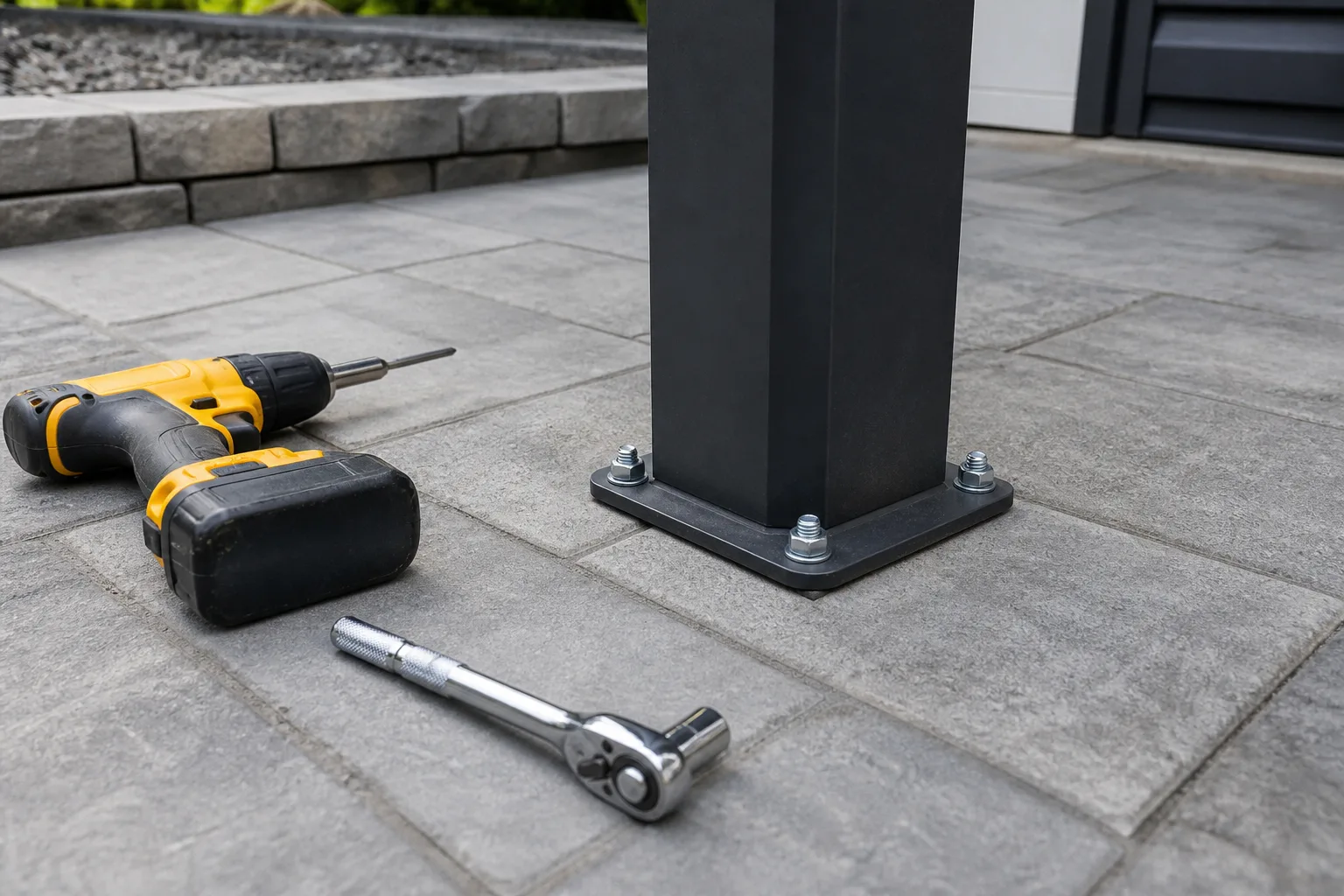
Freestanding kits need level, cured concrete pads or poured footings sized to the post base plates. Grass installs without footings are temporary at best—seasonal frost heave tilts posts within a year in cold climates. Most kits bolt through base plates; anchor bolts are often sold separately—budget $40–$120 and a hammer-drill rental.
Attached pergolas that tie into a house wall require a structural ledger into framing—not just siding—similar to deck attachment logic. If you cannot verify a header behind stucco or vinyl, hire a carpenter for the ledger before you bolt kit posts.
Call your local building department before ordering. Many jurisdictions exempt small open structures but require permits over 120–200 square feet, for attached structures, or when electrical (outlets, motors) is involved. HOAs may restrict height, color, and setback from property lines even when the city does not permit. Photograph your lot and bring a sketch to the counter—it saves a return trip.
Best overall: Mirador 8088S Louvered Pergola
The Mirador 8088S Metal Frame Pergola with Adjustable Louvered Roof hits the sweet spot between four-figure louvered performance and big-box flimsiness. Powder-coated steel and aluminum members, soft-close louvers, and size options from compact 10×7-foot layouts to 20×10-foot entertaining spans make it adaptable.
What we like: Tool-included assembly is straightforward for two fit adults on a calm Saturday; owners routinely report finishing faster than multi-day wood kits. Louvers adjust from full shade to filtered sun; closed, the roof handles rain better than open cedar beams. Marketing cites high snow load capacity—translate marketing pounds to psf for your region before trusting it in heavy lake-effect snow.
Trade-offs: No integrated outlets, curtains, or screens in the base package—plan accessories separately. Color choices are limited compared with custom powder coat shops.
Best for: Homeowners who want adjustable shade and rain flexibility on an existing concrete or paver patio without dealer-network pricing.
Best budget: Erommy Double-Roof Aluminum Pergola
The Erommy Double-Roof Aluminum Frame Pergola delivers hard-top polycarbonate protection, aluminum posts, and side curtains plus mosquito netting at a price many open-rafter cedar kits exceed. Double-layer roof panels improve rigidity versus single-sheet budget gazebos.
What we like: Rust-proof aluminum frame, hook-ready roof rails for string lights, and size run up to 12×20 feet for long patios. Fillable post columns (gravel or sand) add stability when you cannot bolt into concrete yet.
Trade-offs: Assembly is labor-heavy—recruit help and treat the manual as sequential, not skimmable. Polycarbonate yellows slowly in full UV; plan panel replacement on a 7–10-year horizon in desert sun. Confirm whether anchor kits ship with your seller listing.
Best for: Budget-conscious buyers who need enclosed-feeling shade with bug screening more than architectural cedar.
Best wood: Backyard Discovery Beaumont Cedar Pergola
Backyard Discovery’s Beaumont line (10×10 through 16×12-foot sizes) is the cedar kit we recommend most often for classic backyard character. Solid cedar timbers, galvanized steel connectors, and a PowerPort with outlets and USB ports solve the “where do I plug lights?” problem open-rafter kits ignore.
What we like: Written and video instructions earn consistently high marks; wind ratings up to 100 mph when properly anchored exceed thin big-box cedar. Partial roof slats give predictable shade while leaving room for vines and lights.
Trade-offs: Roof is not rain-tight—cushions need covers or you add a retractable fabric. Cedar still needs periodic seal in harsh climates despite rot resistance.
Best for: Entertainers who want natural wood beside planting beds and integrated power without custom carpentry.
Best adjustable shade: Backyard Discovery Sarasota Louvered Pergola
The Backyard Discovery Sarasota louvered steel pergola targets buyers who want near-waterproof coverage when louvers close. A hand wand adjusts blade angle; integrated gutters and downspouts route water instead of dumping at the post feet.
What we like: Powder-coated steel, wind tolerance up to 100 mph when anchored, and snow load claims around 2,700 pounds for northern buyers who verify psf math. Sleek black finish suits modern patios.
Trade-offs: Permanent installation hardware may not ship in the box—order anchors before assembly day. Louver mechanisms need occasional cleaning so debris does not block closure.
Best for: Patios that double as all-weather living rooms where closed-roof rain protection matters.
Best premium metal: Paragon Outdoor Grand Tuscan
Paragon Outdoor’s Grand Tuscan aluminum louvered pergola sits in the premium tier with integrated gutters, powder-coated finish, and adjustable roof blades. Sizes such as 12×14 and 12×20 feet suit large furnished decks.
What we like: True aluminum structure without rust anxiety; 15 psf snow load rating is stated clearly compared with vague total-weight claims elsewhere. UV-resistant coating keeps gray tones from washing out in two seasons.
Trade-offs: Premium price buys engineering, not magic—louvers may need to stay open during heavy snow per manufacturer guidance, unlike some closed-rated competitors. Fewer bundled accessories than budget Erommy-style kits.
Best for: Design-forward backyards where metal lines and louvered function justify spending above the Mirador tier.
20 more pergola kits worth a look
The five reviews above cover the most common shopping lanes. These 20 additional kits fill specific niches—compact balconies, wall-mounted patios, LED ambiance, or lowest entry price. Treat them as specialized picks, not automatic upgrades over the main winners.
Budget aluminum and canopy kits under $700
Sunjoy 10×12 Steel Pergola with Privacy Screen — Steel frame with adjustable white shade cloth and side screen; good for renters who bolt to concrete and want wind privacy without louvered cost.
Sunjoy Mesquiter 11×11 Retractable Canopy — Tan retractable fabric over a black steel frame; shade when you want it, open sky when you do not. Fabric is the wear item—budget replacement in high-UV zones.
AECOJOY Aluminum Pergola with Canopy — Entry aluminum with fixed or adjustable canopy options near $380; verify wind rating for your county before open-yard placement.
JolyDale Metal Pergola with Canopy — Similar class to AECOJOY; prioritize seller with clear replacement canopy SKU.
Joyside 11×11 Aluminum with Canopy — Compact footprint for townhome pads; pair with container plantings from our patio garden guide rather than in-ground beds under the frame.
Purple Leaf 10×13 Retractable Canopy — Budget retractable with aluminum frame; lock mechanism quality varies—test retraction monthly.
Aoodor Retractable Aluminum Pergola — Low-price retractable for occasional shade; not a storm-season permanent structure.
VEIKOUS 10×13 Gray Metal Freestanding — Big-box pricing with polycarbonate or canopy variants; read listing carefully for roof type shipped.
allen + roth 11×11 Steel with Curtains — Retail-branded steel with beige curtains and canopy; convenient if you already trust the store’s return policy.
Mid-range louvered and hard-top metal kits
Costco Mirador Louvered Aluminum — Same Mirador family as our overall pick in warehouse sizing; excellent if your local warehouse stocks your dimensions.
VIWAT 12×10 Louvered with Curtains and Nets — Mid-price louvered bundle with privacy panels; compare gutter quality against Backyard Discovery Sarasota before buying.
Domi Outdoor Living Metal Louvered Pergola — Direct-brand louvered option near $2,000; compare motor and warranty terms if you want motorized upgrades.
Purple Leaf Louvered with Integrated LED — Remote LED strip plus louvered roof for evening entertaining; plan electrical routing before assembly.
Causeway Bay Louvered with Solar LED — Solar-charged lighting and adjustable louvers; confirm battery performance in cloudy climates.
PERGOLUX Skydance — High-end louvered system with premium pricing; only worth it when dealer support and customization beat warehouse kits.
Erommy Louvered with Pull-Down Screen — Side screens plus louvered sections for bug-prone evenings; heavier assembly than double-roof Erommy.
Backyard Discovery Evanston Wall-Mounted Louvered — Saves yard footprint by anchoring to the house; requires verified wall structure and likely permit review.
Aoxun 10×12 Louvered with Curtains — Adjustable louvers with privacy curtains at sub-premium pricing; cross-check snow rating for northern installs.
Aoxun Aluminum Pavilion with Polycarbonate Roof — Hard-top pavilion styling; closer to gazebo coverage than open pergola—choose if rain tightness beats slatted aesthetics.
Cedar and hybrid wood pavilion kits
Yardistry Carolina 11×13 Cedar Pavilion — Cedar posts with metal roof panels; hybrid rain protection with wood warmth.
Backyard Discovery Delray Cedar Pergola — Club-store cedar sizing; compare lumber thickness to Beaumont before assuming identical durability.
Yardistry Madison 14×10 Wood with Canopy — Wood frame plus fabric canopy; re-stain wood even if canopy does most of the weather work.
Erommy 11×11 Cedar Frame Gazebo — Cedar aesthetic with hard top; square footprint suits hot tubs with clearance checks.
BlueWish 10×12 Cedar Pergola — Sub-$500 cedar for open-rafter shade; expect lighter timbers and shorter warranty than Beaumont.
What to look for when comparing pergola kits
Disclosed wind and snow ratings — Match ratings to your microclimate, not national averages. Coastal gusts and prairie thunderstorms punish under-anchored frames.
Hardware metal — Stainless or hot-dip galvanized brackets outlast zinc-plated bagged screws in wet snow zones.
Roof reality — Open rafters, louvered, fabric, and polycarbonate solve different problems; do not pay louvered prices if you only need vine shade.
Electrical plan — Kits with outlets (Beaumont PowerPort) need GFCI protection and often permit; battery LED strips avoid trenching but require charging discipline.
Warranty length — Frame warranties under five years signal disposable engineering; louver motors should carry separate coverage.
Return logistics — Missed-size orders ship on pallets; confirm you can accept freight delivery or pay return shipping before you click buy.
Assembly weekend checklist
Two weeks before delivery: Confirm pad dimensions, order anchors, call building office, photograph utility lines if digging footings.
Day before: Stage tools—drill, socket set, level, ladder, torque wrench if specified—and recruit a second adult for any roof work.
Assembly day: Lay parts by numbered bags; do not tighten structural bolts until the frame is square and plumb.
After build: Cycle louvers or fabric through full range; hose-test closed louvers for drainage path away from doors; apply cedar sealer if recommended before planting vines the RHS style guides suggest.
First season: Re-check anchor torque after freeze-thaw; clean gutters on louvered units; tighten fabric hardware after wind events.
Conclusion
The 25 best pergola kits above span open cedar, budget canopies, and engineered louvered metal—but the right one follows roof type, anchoring, and size math, not headline count alone. For most buyers on cured concrete who want adjustable shade without dealer pricing, the Mirador 8088S remains the balanced pick. Tight budgets that still need hard-top rain lean Erommy Double-Roof; design-led cedar lovers should default to Backyard Discovery Beaumont; all-weather louvered living rooms fit Backyard Discovery Sarasota; premium aluminum lines point to Paragon Grand Tuscan.
Buy anchors and permit answers before the pallet arrives, measure chair pullback—not just table length—and match material to your maintenance appetite. Do that prep once and your pergola becomes the backbone of the backyard instead of the project you avoid sitting under.



