8 Best Tomato Varieties for Home Gardens
Find the right tomato variety for fresh eating, sauce, containers, short seasons, or long harvests—with practical growing tips.
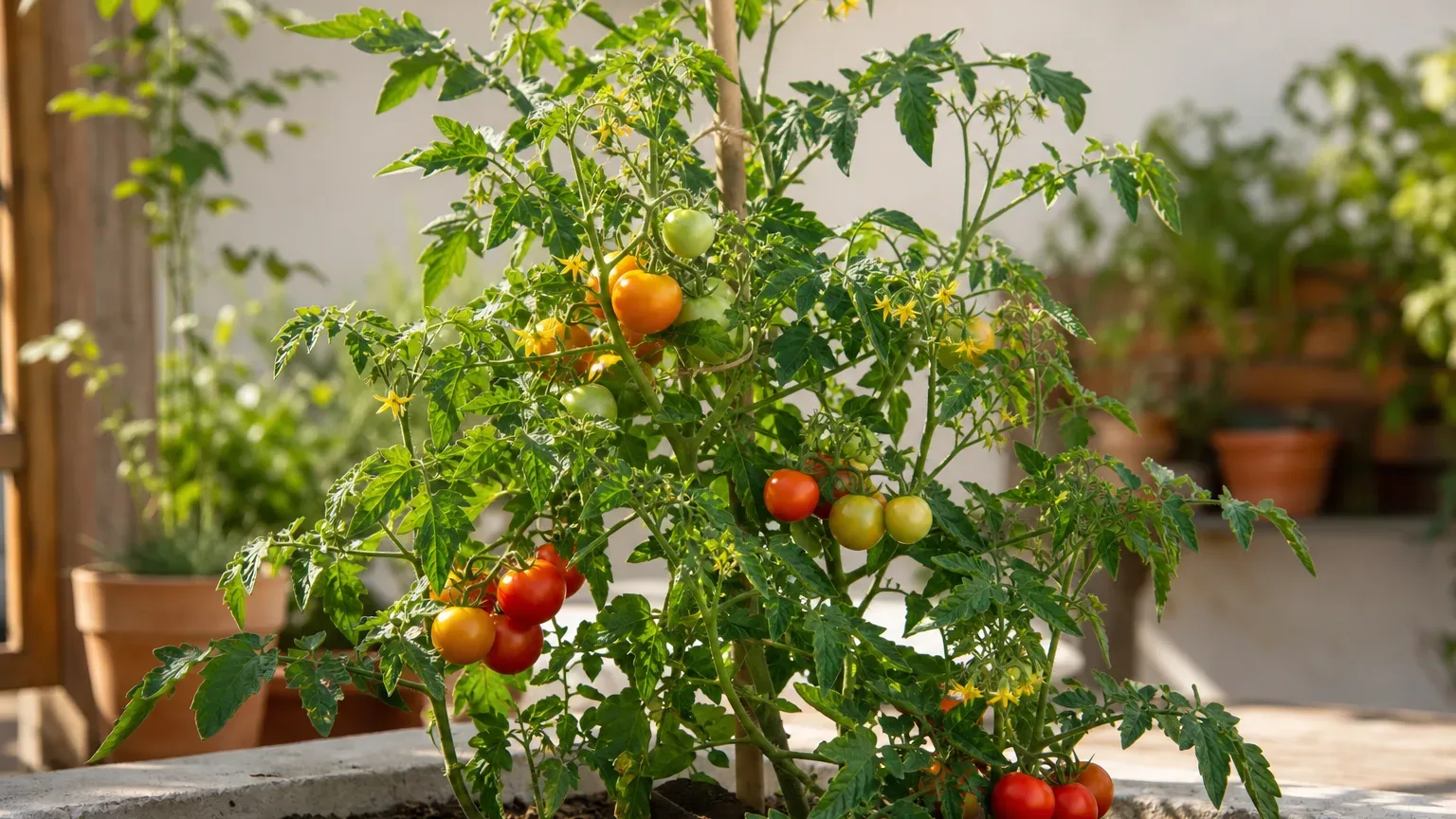
The best tomato is not automatically the biggest, sweetest, or most unusual one. It is the variety that fits your space, season, climate, and kitchen plans. A patio gardener may need a compact determinate plant; someone making sauce needs dense flesh; a gardener with a short summer may value early maturity more than heirloom status.
The eight types below are useful because they cover those different jobs. Some are broad categories rather than one exact cultivar—“cherry” and “beefsteak,” for example, include many varieties with different habits. Use the descriptions as a buying filter, then check the seed packet or nursery tag for the specific cultivar’s days to maturity, disease resistance, and mature size.
Start with the job you want the tomato to do
Before choosing a name, decide how the harvest will leave your garden. For fresh snacking, small fruit and high productivity matter more than uniform size. For sandwiches, you want broad slices and enough flesh to stay in place. For sauce, meaty fruit with relatively little juice saves cooking time. If you want to preserve a large batch, synchronized ripening can be more useful than a plant that trickles fruit for months.
The growing site matters just as much. Outdoor tomatoes need a warm, sheltered, sunny position; the Royal Horticultural Society recommends a sunny site and full sun for outdoor containers. In a marginal spot, a variety with a shorter maturity window may outperform a celebrated heirloom simply because it gets fruit ripe before cool weather, disease, or heat interrupts production.
Determinate and indeterminate: the decision that changes your setup
Determinate tomatoes grow to a more limited size, set much of their crop over a shorter period, and are often easier to manage in containers or small beds. They still benefit from support, especially when loaded with fruit, but a compact cage may be enough. They are convenient if you want tomatoes for one preserving weekend.
Indeterminate tomatoes keep producing new stems and flower clusters while conditions remain favorable. They can give you a longer harvest, but they need a tall cage, trellis, or sturdy stakes and more regular tying. A five-gallon pot is rarely a good long-term home for a vigorous indeterminate plant unless it is exceptionally large and watered consistently.
Do not assume one habit is better. A household that wants a steady salad supply might grow one indeterminate cherry tomato, while a gardener planning to can sauce might add two determinate paste plants. The most useful small planting often combines both.
1. Cherry tomatoes for reliable snacking
Cherry tomatoes are the broadest recommendation on this list because they are productive, easy to use, and forgiving when a gardener is still learning. Their small fruit ripens quickly compared with many large tomatoes, and a healthy plant can produce clusters for weeks. They are ideal for lunchboxes, salads, roasting, and eating straight from the garden.
The trade-off is volume. One vigorous cherry plant can produce more fruit than a small household can eat fresh, and indeterminate types can become a wall of foliage if you give them no support. Choose a determinate or patio cherry for a container, or give an indeterminate type a tall trellis and harvest every few days.
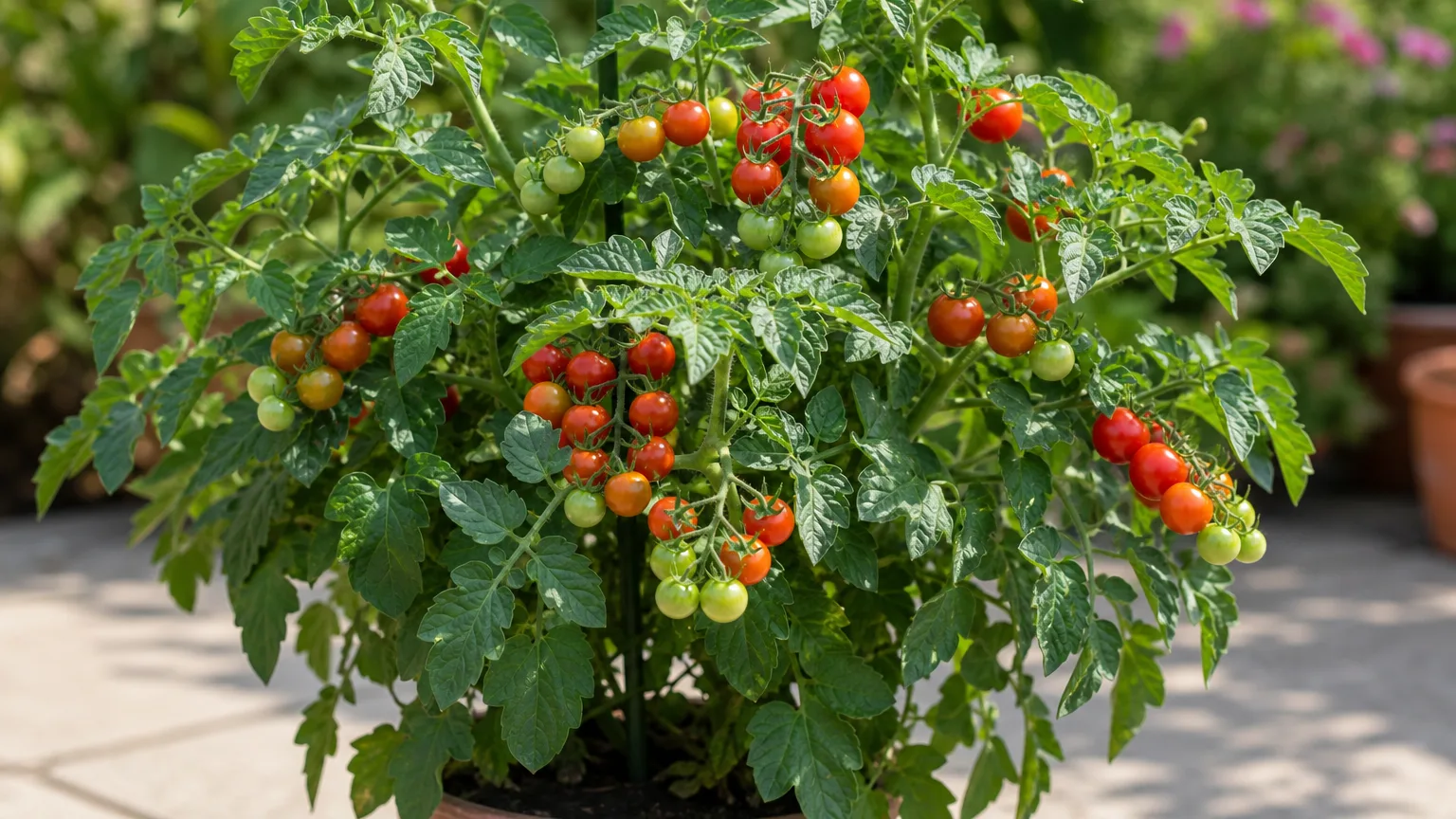
Keep the soil evenly moist rather than alternating between drought and saturation. Mulch after the soil warms, water at the base, and pick ripe fruit promptly. These habits reduce stress and help prevent the sudden moisture swings that contribute to cracking. If you want one safe first tomato, choose a cherry type with a clear disease-resistance code on the label and a maturity window suited to your area.
2. Sungold for candy-sweet harvests
Sungold is an indeterminate orange cherry tomato valued for intense sweetness and a long, generous harvest. It is the plant for gardeners who judge success by how often they can reach into the garden and find something worth eating immediately. The fruit is small enough for snacking but flavorful enough to anchor a salad.
Its enthusiasm is also the catch. Sungold needs a strong, tall support system and frequent picking; the vines can outgrow a flimsy cage. Give it the sunniest practical position, leave airflow between plants, and secure the main stems before they become heavy with clusters. A container can work, but use a large pot, a reliable trellis, and a watering plan that does not depend on a single missed day.
Sungold is not the right choice if you need uniform red fruit for a sauce batch or if your garden cannot accommodate a vigorous vine. It is a strong choice when flavor and repeated snacking outrank compactness.
3. Beefsteak for sandwiches and grilling
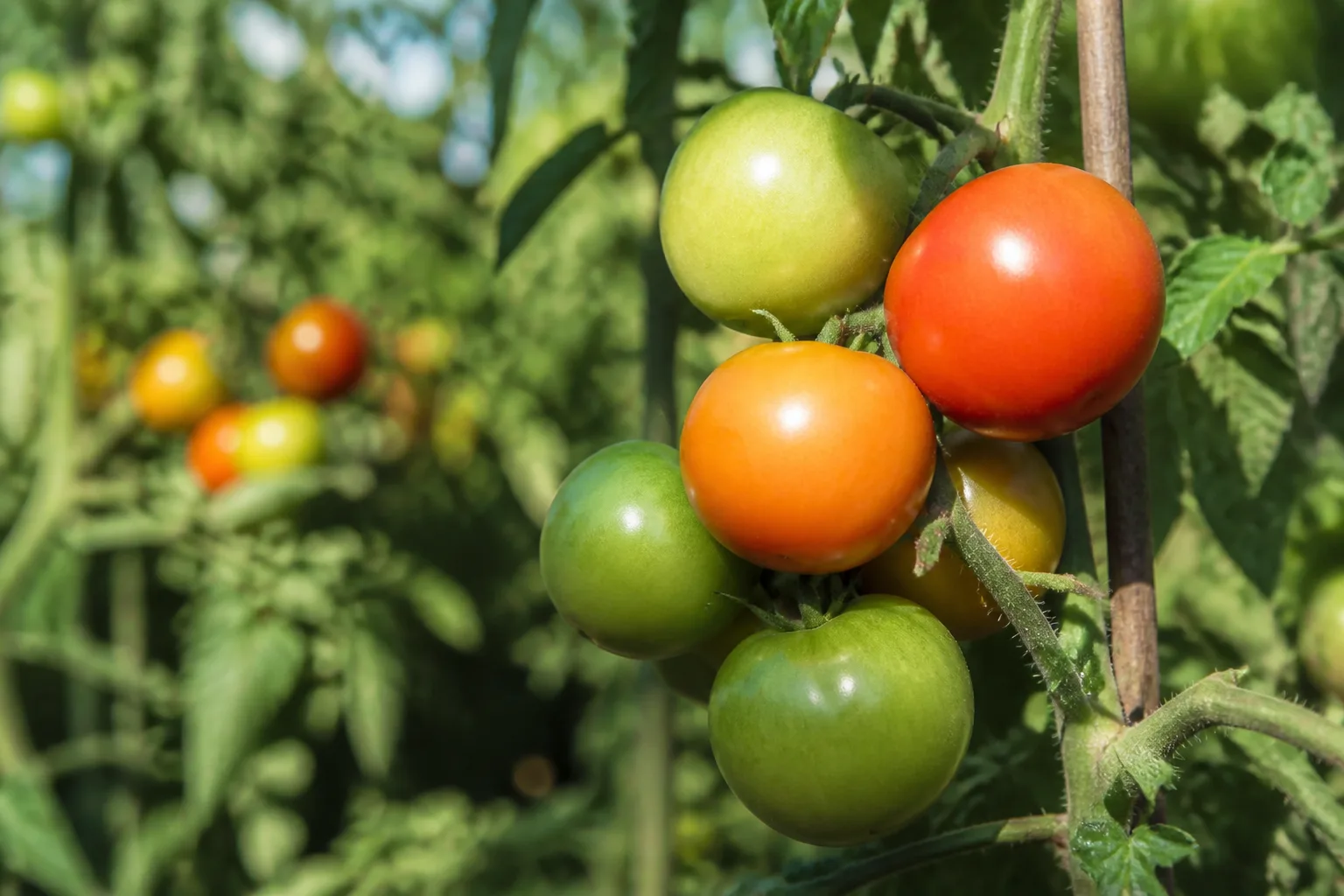
Beefsteak tomatoes earn their place through texture. Their large, meaty slices are made for sandwiches, burgers, caprese plates, and grilling. Many beefsteaks have a rich flavor, but the category is variable: some are heirlooms with irregular shapes, while others are hybrids selected for more predictable production or disease resistance.
Large fruit creates a mechanical problem that small-fruited plants can hide. A branch carrying several beefsteaks can bend or split, and fruit touching wet soil can spoil. Install a sturdy cage or trellis before the plant becomes large, tie branches with soft material, and remove fruit that rests on the ground. Do not wait until a storm is approaching to add support.
Beefsteaks also take longer to mature and may set fewer perfect fruits during extreme heat than smaller tomatoes. In a short season, choose an earlier large-fruited cultivar or grow it alongside a cherry type that supplies food while the beefsteaks develop. Consistent moisture is especially important as fruit enlarges, because rapid changes can lead to cracking.
4. Early Girl for an earlier crop
Early Girl is an indeterminate red slicer chosen when the first ripe tomato matters. It can begin producing before many large heirlooms, making it useful in regions with short summers or gardeners who want a reliable early bridge to the main harvest. Its fruit is a practical everyday size for salads and sandwiches.
“Early” is not a guarantee. Days to maturity vary with transplant size, temperature, light, and stress, and the label’s number generally assumes favorable conditions. Start with a healthy transplant, wait until cold soil has warmed, and protect the plant from chilling winds rather than putting it out on the first warm afternoon.
Because Early Girl is indeterminate, it still needs support and will keep growing after its first flush. It is a good partner for one slower, more flavorful heirloom: you get dependable early fruit without giving up variety later in the season.
5. Amish Paste for sauce and preserving
Amish Paste is a paste-type tomato with fleshy fruit suited to sauce, paste, roasting, and freezing. Paste tomatoes are not required for good sauce, but they usually have a better flesh-to-juice ratio than a watery slicer. That means less time standing over a pot reducing liquid.
The fruit may not be perfectly uniform, and the plant can be vigorous. Give it full sun, deep soil, and a support system that can carry a substantial crop. Pruning is not a magic requirement for every tomato, but removing damaged or crowded lower foliage and maintaining airflow can make harvest and disease scouting easier. Avoid stripping the plant bare; leaves are the factory that fuels fruit.
For a preserving garden, plant several paste tomatoes that mature within a similar window, then harvest when they are fully colored and slightly soft. If you only cook small batches, one paste plant plus a cherry or slicer may be more useful than a whole row of sauce fruit.
6. Heartbreaker for compact, heart-shaped fruit
Heartbreaker tomatoes are small, heart-shaped fruits that combine ornamental appeal with easy snacking. The shape makes them a conversation piece in a patio pot or mixed edible border, while their size keeps them practical for salads and lunchboxes.
Treat the name as a cue to confirm the actual plant habit. “Heart-shaped” does not automatically mean compact, and nursery labels can differ by seed source. Check whether the cultivar is determinate or indeterminate, how large the container should be, and whether it needs a cage. A beautiful heart-shaped tomato in a pot that dries out daily is still a poor match.
Pick by color and feel rather than by shape alone. Small fruit can move from underripe to overripe quickly in hot weather. Frequent harvest also keeps the plant from carrying old fruit while new flowers form.
7. Celebrity for dependable production
Celebrity is a hybrid tomato often selected for consistent, medium-to-large red fruit and a reputation for broad disease resistance. That combination makes it attractive to gardeners who want a dependable slicer instead of a plant that demands perfect conditions. Hybrid does not mean flavorless, and heirloom does not automatically mean superior; the useful question is whether the cultivar’s traits fit your garden.
Celebrity is commonly grown as a semi-determinate or determinate-type plant, but labels can describe habit differently by market. Read the packet for mature size and support instructions. Even a compact plant benefits from a cage once fruit weight pulls branches outward.
Its reliability makes it a good “insurance” tomato. Pair it with one adventurous heirloom or unusual color, and you can experiment without making the entire harvest depend on one disease-sensitive or late-maturing variety.
8. Green Zebra for tangy color and salads
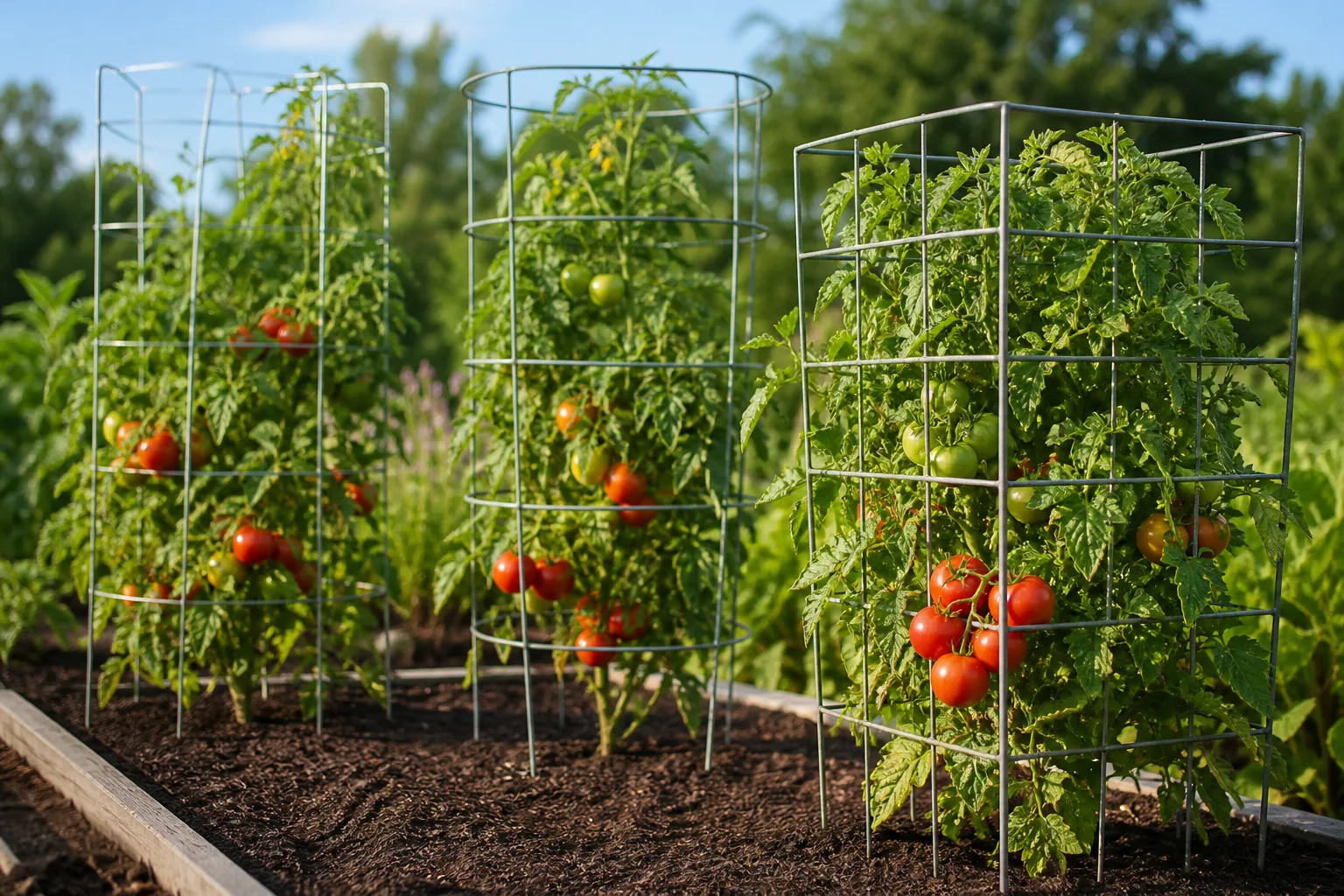
Green Zebra produces medium-sized green fruit marked with darker green striping. It is useful when you want a tomato that looks and tastes different from the usual red slicer: the flavor is bright and tangy, and the fruit adds contrast to salads, sandwiches, and tomato plates.
The hardest part is judging ripeness. Green does not mean unripe forever. As the fruit matures, the background green becomes more yellow-green, the stripes remain distinct, and the tomato should release from the stem with a gentle lift rather than a hard tug. A fruit that requires force is usually not ready.
Green Zebra can be especially helpful for a gardener who wants an earlier unusual tomato without committing to a giant heirloom. Still, use the same support, spacing, and watering discipline as for other indeterminate plants if your seed source lists it as a vine. Color is not a substitute for checking texture and stem release.
How to match a tomato to your climate and container
Use the following quick filter before buying:
| Your priority | Start with | Confirm on the label |
|---|---|---|
| Snacks and salads | Cherry or Sungold | Plant habit and support height |
| Earliest fresh fruit | Early Girl or an early cherry | Days to maturity and local transplant timing |
| Sandwiches | Beefsteak or Celebrity | Fruit size, disease resistance, and cage needs |
| Sauce | Amish Paste | Fleshiness, maturity window, and yield |
| Small patio space | Determinate cherry or compact Celebrity type | Container size and mature height |
| Unusual color and flavor | Green Zebra or another named specialty | Ripeness cues and harvest timing |
In hot climates, variety choice is only part of the answer. High daytime temperatures and warm nights can reduce flower set even when a plant has plenty of leaves. Alabama Extension notes that tomato blossom drop becomes more likely when days exceed about 85°F and nights remain above about 72°F. During a short heat wave, consistent root moisture and temporary afternoon protection may help, but no shade cloth can turn a chronically unsuitable site into a cool one.
In containers, choose a pot large enough for the plant’s root system, use a well-drained mix, and plan support at planting time. Containers warm and dry faster than beds, so check moisture below the surface instead of watering by calendar. A small determinate plant that receives regular care will usually beat a huge vine squeezed into a tiny pot.
The support, soil, and watering setup that pays off
Give tomatoes at least six hours of direct sun, with more often helpful in cooler or cloudier regions. Build or amend a bed that drains well, plant deeply enough that part of the stem can root, and keep the first leaves above soil level. A soil test is more useful than blindly adding fertilizer; excess nitrogen can produce impressive foliage with disappointing fruit.
Water the soil at the root zone, not the leaves, and aim for a steady moisture supply. Mulch after the soil has warmed to slow evaporation and reduce soil splashing onto foliage. UF/IFAS emphasizes full sun, even moisture, and good cultural care for productive tomatoes. If a plant wilts every afternoon despite wet soil, investigate root damage, poor drainage, heat, or a container that has become too small instead of simply adding more water.
Support is part of planting, not an emergency repair. A cage, trellis, or stake should be strong enough for the mature vine and fruit load. Inspect ties as stems thicken, keep fruit from resting on the ground, and remove only leaves that are damaged, diseased, or blocking access; severe pruning can expose fruit to sunscald and reduce the plant’s productive leaf area.
When to harvest each type
Harvest red tomatoes when they have reached full color and yield slightly to gentle pressure. Cherry tomatoes are best picked promptly because their thin skins can split after rain or overwatering. Large beefsteaks may be picked at first blush and finished indoors if animals, rain, or a sudden cold spell threatens the crop.
For Green Zebra, look for the change from hard, bright green fruit to a softer yellow-green background and easy stem release. For sauce tomatoes, color and texture matter more than leaving fruit on the plant until it becomes very soft. Purdue Extension explains that ripening slows outside roughly 68–77°F and can stall in sustained heat above 85°F, so a mature-green fruit may finish more successfully indoors in a cool room than on a heat-stressed vine.
Do not refrigerate fully ripe tomatoes unless you must; cold dulls texture and aroma. Keep them out of direct sun at room temperature, stem-side up or down according to what prevents bruising, and use the most delicate fruit first.
Common tomato-selection mistakes to avoid
The first mistake is choosing by a photo alone. A beautiful giant tomato can be a poor choice for a short season, a windy balcony, or a gardener who wants a daily handful rather than one large harvest. Read the habit, maturity, disease-resistance codes, and mature dimensions before buying.
The second is growing eight plants that all serve the same purpose. A better small garden might contain one cherry for snacks, one early slicer, one paste tomato, and one specialty variety. That mix spreads risk and gives you different harvest uses without turning the bed into a single large experiment.
The third is treating “disease resistant” as “disease proof.” Resistance can reduce risk or slow a problem, but crowded foliage, wet leaves, contaminated tools, and stressed roots can still create trouble. Rotate tomato-family crops when possible, remove badly diseased material, keep leaves dry, and use your local extension service when symptoms do not match a problem you recognize.
Finally, do not solve every tomato problem with more fertilizer or more pruning. Yellow lower leaves may be age, water stress, nutrient imbalance, or disease; curling may be heat or root stress; blossom-end rot is tied to calcium movement and inconsistent water uptake, not simply a shortage of powdered calcium. Diagnose the pattern first, then change one major variable at a time.
Conclusion: grow a small, useful mix
Longtime gardeners recommend these tomatoes for different reasons, not because one variety wins every garden. Choose cherry or Sungold for constant snacking, Early Girl for an earlier crop, beefsteak or Celebrity for slices, Amish Paste for cooking, Heartbreaker for compact charm, and Green Zebra for tangy color.
If you have room for only two plants, pick one dependable variety matched to your climate and one variety chosen for pleasure. Give both full sun, steady moisture, early support, and enough root space. The right tomato is the one you can keep healthy and actually enjoy harvesting.