22 Best Annuals for Full Sun and Summer Color
Choose from 22 annuals for full sun, with practical picks for heat, containers, pollinators, cutting gardens, and long-lasting summer bloom.
The best annuals for full sun do more than tolerate a bright location. They keep making flowers when the soil warms, recover from a missed watering, fit the space you actually have, and do not collapse when summer brings wind or humidity. Some are ideal for a dry border; others need consistently moist soil and belong in a large container with afternoon protection.
Use this list as a set of tools rather than a ranking. Count at least six hours of direct light, notice whether a wall or paving reflects extra heat, and check how quickly the soil drains. Then choose for the job: low edging, a tall backdrop, a spilling pot, a cutting patch, or a pollinator-rich pocket.
How to choose an annual for a hot, sunny site
Match water needs before matching colors. A drought-tolerant annual beside a thirsty annual creates a maintenance problem because one neighbor will be overwatered or the other stressed. Combine plants with similar root-zone moisture, mature height, and airflow needs.
For a small bed, repeat two or three shapes: a mound such as marigold or zinnia, an airy filler such as cosmos, and one vertical or trailing accent. Repetition looks intentional and makes watering and deadheading easier. In containers, select one upright plant, one rounded filler, and one spiller only when the pot is large enough to support all three.
Full sun is not the same as reflected heat
Six hours of open sky is a normal full-sun condition. A west-facing balcony above concrete is harsher: reflected heat raises leaf temperature, wind strips moisture, and a dark pot dries quickly. Use a bigger container, a moisture-retentive but free-draining mix, and temporary shade during the hottest afternoon hours.
22 annuals worth growing
Angelonia, amaranth, and celosia
Angelonia, or summer snapdragon, makes upright spikes of small white, pink, purple, or mauve flowers. It is a strong hot-border and container plant because sturdy stems keep it tidy through summer. Give it fertile, well-drained soil and water while it establishes; established plants dislike sitting wet more than a brief dry spell.
Amaranth brings dangling tassels or brilliant foliage, depending on type. Celosia offers feathery plumes or crested heads that hold color for weeks and dry well. Both appreciate warmth and drainage. Rich soil can make them top-heavy, so avoid excess nitrogen and stake tall plants in wind.
Cosmos, cypress vine, and four o’clock
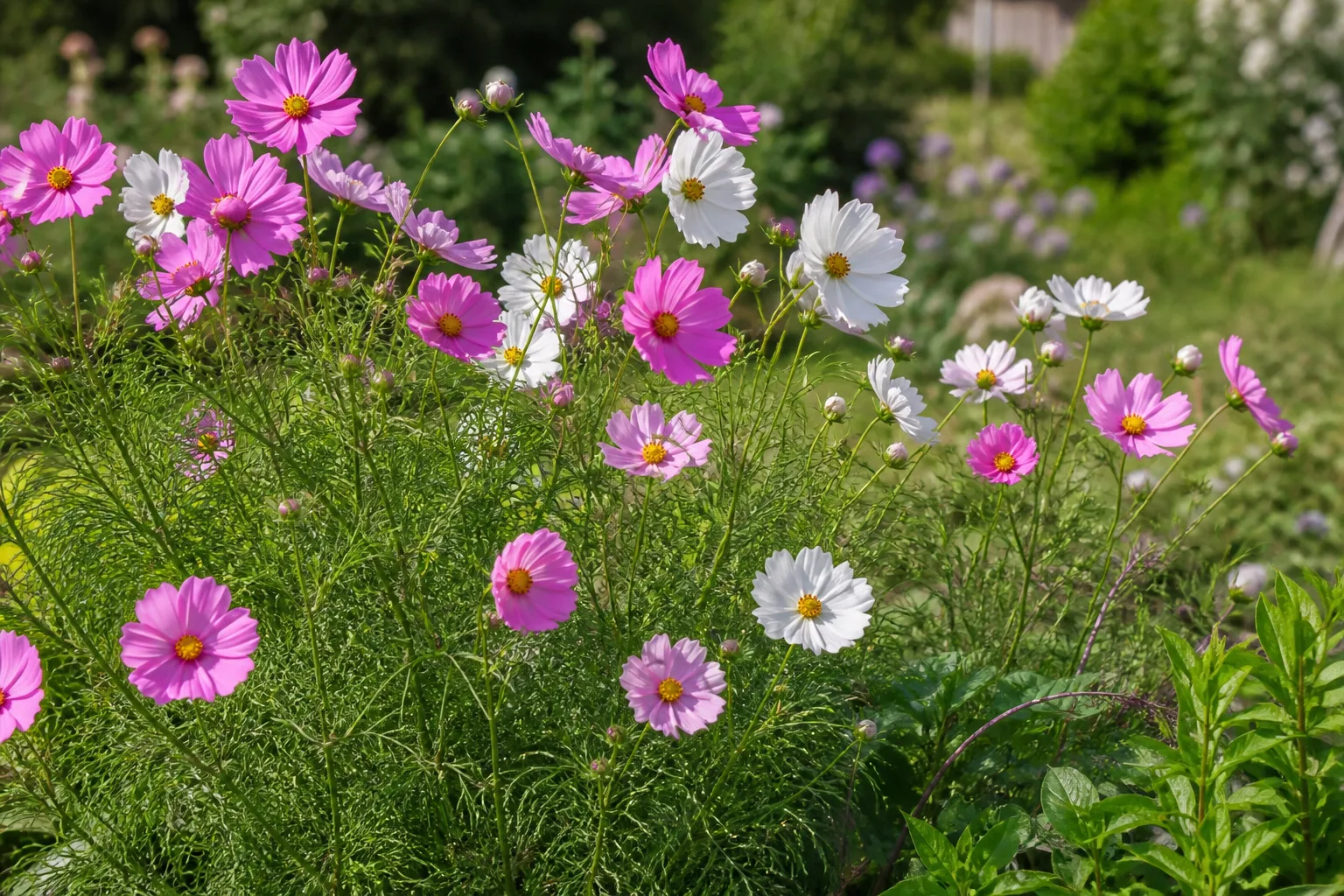
Cosmos is one of the easiest annuals from seed. Fine foliage and open pink, white, or crimson flowers soften dense plantings. Direct-sow after cold weather, thin early, and cut often. It can self-sow, which is useful in an informal garden and less welcome in a precise border.
Cypress vine is a quick climber with fine foliage and red, pink, or white starry flowers. Give it a trellis immediately and room to sprawl; it can reseed generously. Four o’clock opens trumpet flowers in late afternoon and makes a broad, fast-growing evening-garden plant. In warm regions it may act perennial. Its seeds are poisonous, so keep them away from children and pets.
New Guinea impatiens, gerbera, gomphrena, and lantana
New Guinea impatiens bridge sunny and partially shaded sites. They flower heavily in morning sun or bright light with afternoon protection, but struggle in a hot, dry bed. Keep soil evenly moist and avoid baking roots in a small dark pot.
Gerbera daisies provide large, bright blooms for pots and bouquets. They need drainage and regular moisture; high heat can shorten the display, so morning sun with afternoon shade may outperform unbroken western exposure.
Gomphrena, or globe amaranth, forms rounded papery flowers in purple, pink, white, red, or orange. It is forgiving in a dry sunny bed once established and dries beautifully. Lantana makes clustered flowers in two or three colors, handles heat, and attracts butterflies. In frost-free regions it can become a shrub. Some lantanas are toxic if eaten, so keep them away from pets.
Marigold, melampodium, and Mexican sunflower
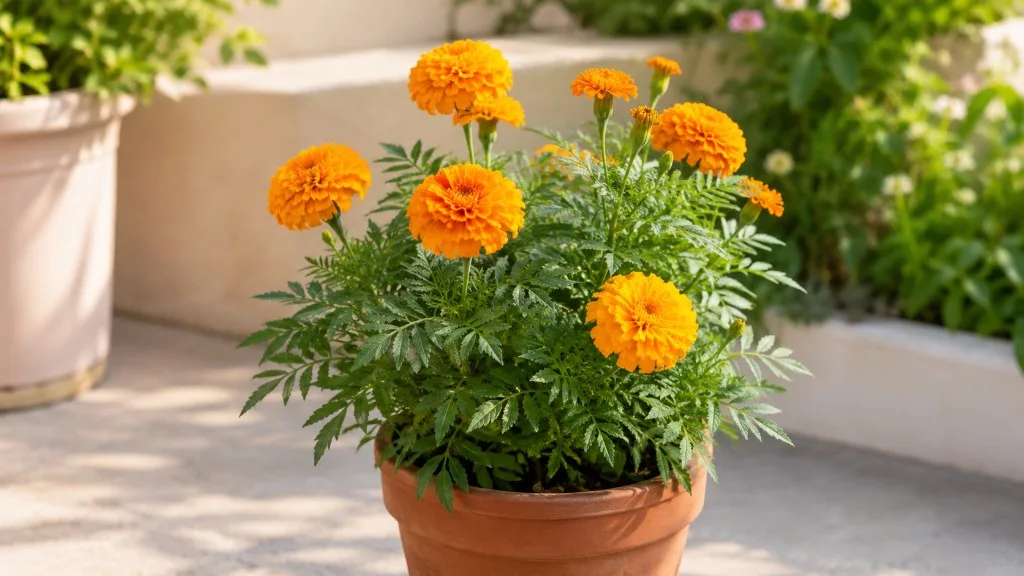
Marigolds are dependable, inexpensive, and available as compact edging plants or tall forms. They bloom in yellow, gold, orange, and red-orange. Deadheading tidies them, though many keep flowering without it. Avoid crowding in humid weather so leaves can dry.
Melampodium makes a steady carpet of yellow or white daisies and copes with heat and occasional dryness. Mexican sunflower is the height-maker, commonly reaching 1.5–2.5 m. Its orange flowers draw attention and pollinators, but it can shade neighbors and need support in wind. Plant it at the back after soil has warmed.
Nasturtium, ornamental pepper, petunia, gazania, and verbena
Nasturtiums come as bushy, trailing, and climbing forms. Leaves and flowers are edible when grown without pesticides, with a peppery flavor. They prefer ordinary soil; excess nitrogen makes leaves at the expense of blooms.
Ornamental peppers provide colorful fruit rather than showy flowers. Use them in pots or at the front of a border after many flowers fade. Treat fruit as ornamental unless the cultivar is specifically sold for eating, and never assume attractive fruit is safe for pets.
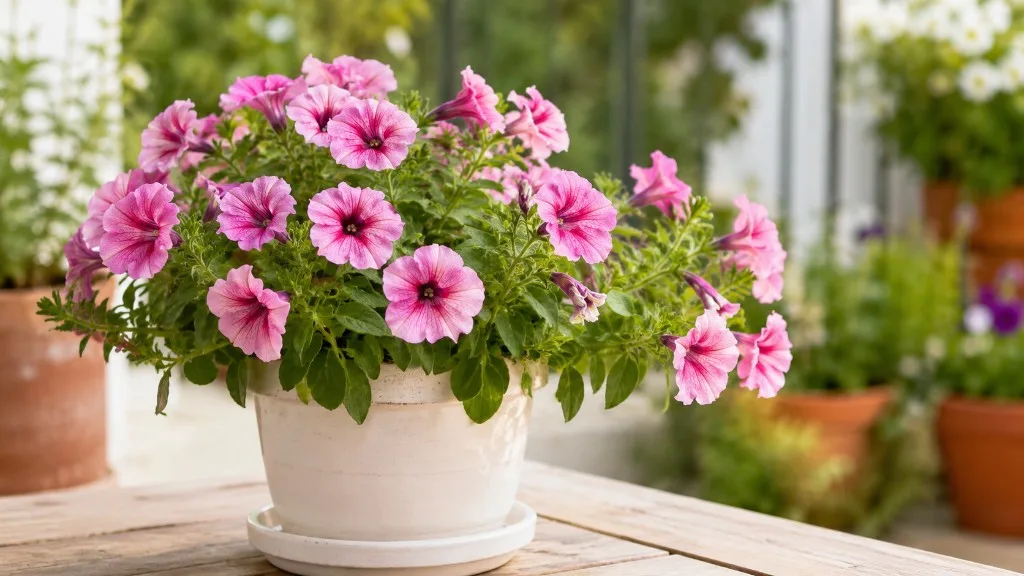
Petunias range from upright bedding plants to spillers. They flower from spring into autumn with consistent water and light feeding. A little afternoon shade can refresh them in extreme heat. Gazania is a low, tough choice for sandy or sharply drained soil; its daisies often close on cloudy days. Verbena includes spreading and tall airy forms, flowers for a long season in well-drained soil, and often handles short dry spells once established.
Cleome, stock, sunflower, and zinnia
Cleome adds height and an open silhouette, followed by long seed pods. It usually supports itself but can self-sow. Stock is fragrant and valuable for spring or autumn; hot summer heat ends its show, so do not choose it for peak-summer performance in a hot climate.
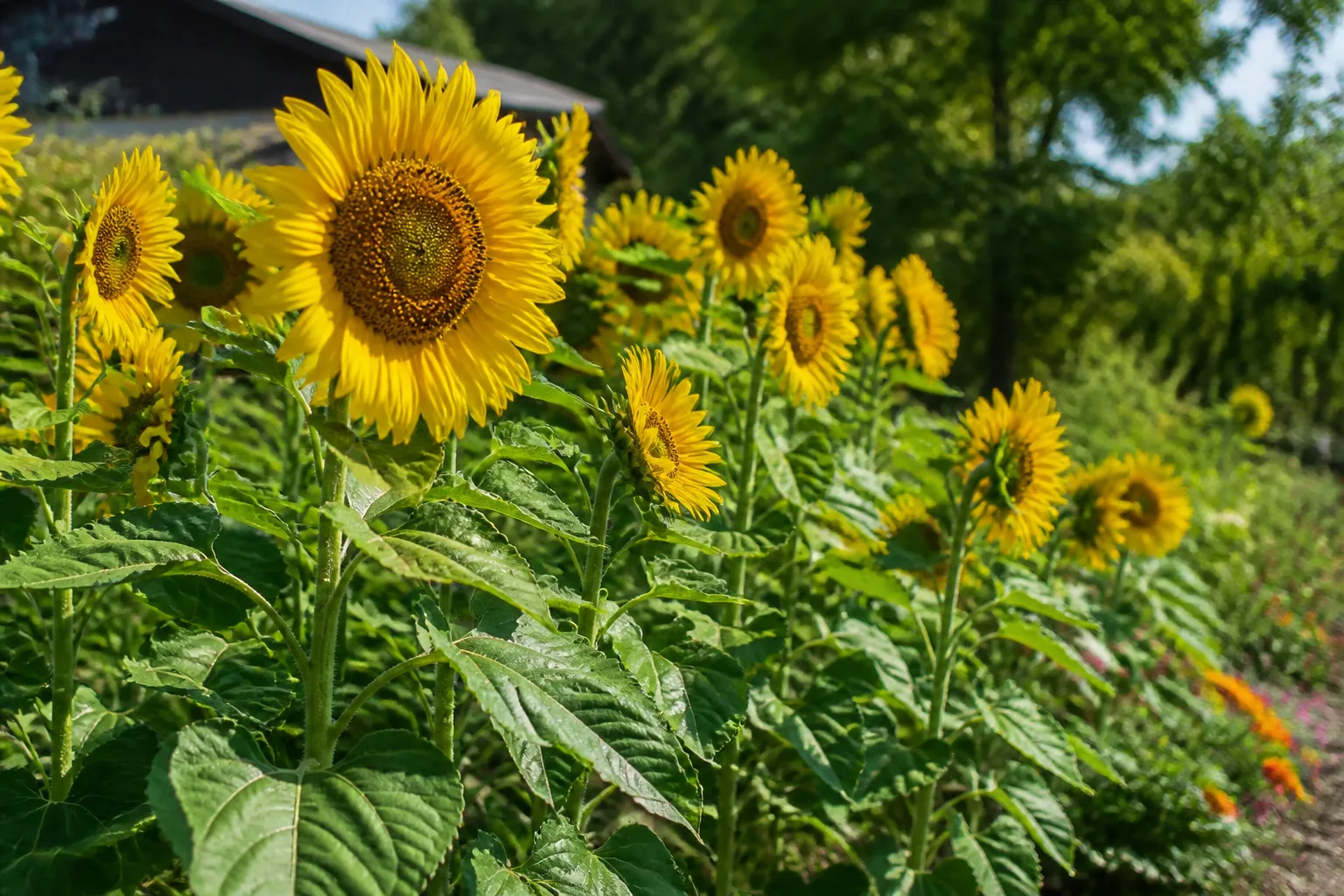
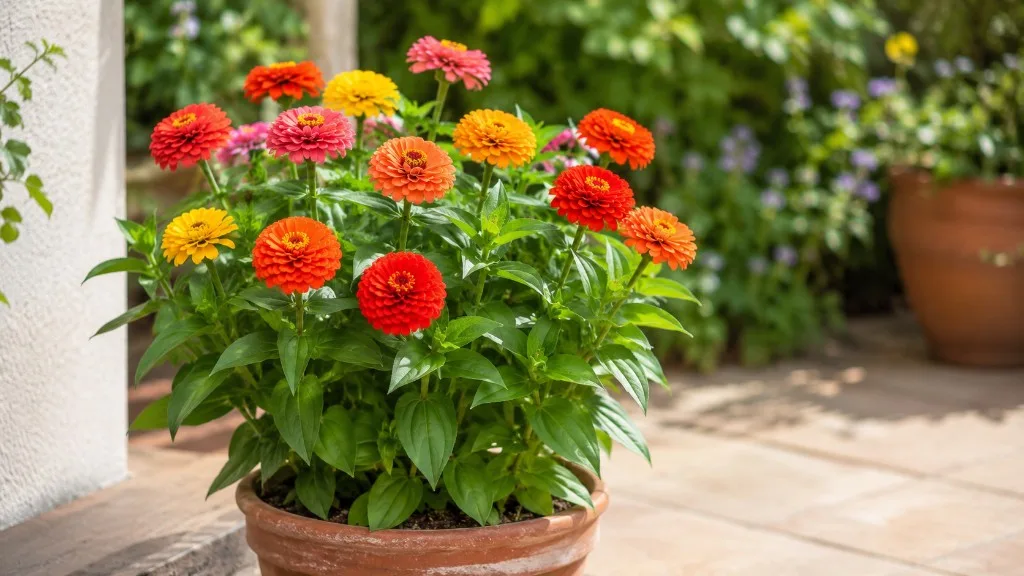
Sunflowers range from compact branching forms to tall single stems. Choose by mature height, shelter tall plants from wind, and sow at intervals for succession. Zinnias combine heat tolerance, quick growth, and excellent cutting value. They come in compact and tall forms and nearly every color. Give them air movement and water at soil level; crowded, wet foliage is more likely to develop powdery mildew.
Match annuals to containers, borders, and bouquets
For a sunny container, combine one petunia or nasturtium that spills, one angelonia or gomphrena for body, and one ornamental pepper for persistent color. Use a pot with drainage holes and enough volume that roots are not packed by midsummer. A small pot may need a daily check in hot wind; that does not mean every plant needs water every day.
For a border, place gazania, melampodium, or marigold at the front; zinnia, celosia, petunia, or angelonia in the middle; and sunflower, Mexican sunflower, or cleome behind. Repeat groups rather than planting one of everything. Repetition is easier to maintain and concentrates flowers for pollinators.
For cutting, choose zinnia, sunflower, cosmos, celosia, marigold, and gomphrena. Cut early when stems are hydrated, strip leaves below water, and harvest regularly. Many annuals branch and make more usable stems after flowers are removed.
Planting and care for reliable summer bloom
Harden transplants for about a week by gradually exposing them to outdoor light and wind. Plant on a calm, mild day, water the root ball in, and protect tender plants from an unexpected cold night. Set most annuals at the same soil level as in their pot.
Water the root zone, not a calendar
Check soil a few centimetres below the surface before watering. Soak the root zone slowly until surrounding soil is moist, allowing excess to drain from containers. Mulch beds after soil warms, keeping mulch from stems. During a heatwave, check more often, especially in pots, but do not add water to saturated soil.
Morning watering is forgiving because plants begin the hot part of the day hydrated and leaves have time to dry. If a plant wilts only in the hottest afternoon and recovers by morning, inspect soil before treating it as drought. Heat can temporarily outpace transpiration without the root zone being empty.
Feed, deadhead, and space for airflow
Annuals in containers usually need more feeding than plants in beds because watering leaches nutrients. Use a balanced, label-directed fertilizer and avoid excess nitrogen. Deadhead for a tidy display or more branching; leave a few seed heads when you want self-sowing or wildlife value.
Space plants according to mature width, not nursery size. Crowding causes weak stems, mildew, and flowers hidden inside foliage. If a plant outgrows its place, prune lightly in stages rather than removing half the canopy at once.
Common full-sun annual mistakes
The first mistake is treating every sunny site as equally hot. A deep south-facing bed differs from a rooftop pot beside a reflective wall. The second is planting a drought-tolerant species in heavy, waterlogged soil; drought tolerance requires roots that can breathe. The third is fertilizing a struggling plant before checking light, drainage, pests, or root temperature.
Also avoid planting tall annuals where they shade the bed, watering foliage late in humid weather, skipping acclimation, and choosing a cool-season flower for the hottest part of summer. When a plant fails, check root-zone moisture and the site’s afternoon conditions before replacing it with another plant with the same needs.
One useful test is to observe the planting at three times of day. Morning tells you whether the plant recovered overnight. Midday shows whether the leaves are coping with light and wind. Late afternoon reveals whether a container has run out of moisture or whether the plant is simply closing down temporarily to reduce water loss. This prevents two opposite errors: ignoring a genuinely dry root ball and repeatedly watering a plant whose soil is already wet.
Plan for the season you actually have. In a cool spring, sowing a heat-lover too early can produce stalled seedlings that never catch up. In humid weather, an airy plant such as cosmos or cleome may outperform a dense bedding plant because wet foliage dries faster. In a dry inland summer, the same bed may need mulch and larger root volumes even when rainfall is rare. Annuals are flexible because you can change the mix next season; treat this year as useful information about the site.
If you are planting for wildlife, avoid treating every insect as a pest. Zinnias, cosmos, lantana, gomphrena, sunflowers, and verbena can provide nectar, while seed heads may feed birds later. Inspect damage before spraying, remove only heavily affected leaves, and preserve flowering plants that support beneficial insects. If you are planting for a home with pets, label every unfamiliar plant before buying it and place questionable species where chewing is impossible.
Finally, make the first week after planting deliberately boring. Water the root ball thoroughly, check it daily, protect tender stems from hard wind, and do not add fertilizer until the plant has begun new growth. Once roots move into surrounding soil, the care rhythm can become less frequent and more responsive. The goal is not to keep every leaf upright at every hour; it is to establish a root system that can support flowers through ordinary summer variation.
Conclusion
For the easiest full-sun planting, start with marigold, zinnia, cosmos, gomphrena, or petunia. Add angelonia or verbena for structure, sunflower or Mexican sunflower for height, and nasturtium or lantana for pollinator interest. In dry, sharply drained places, consider gazania and melampodium; in containers, prioritize petunia, ornamental pepper, gerbera, or angelonia.
The winning combination is a group whose light, moisture, mature size, and heat tolerance match the site. Prepare the soil, give plants room, water deeply when the root zone calls for it, and remove spent flowers when you want fresh growth. Those decisions carry a sunny garden much farther than a rigid watering schedule or a promise that one tough annual can thrive anywhere.