What Is an Annual Plant? Annuals, Perennials & Biennials
Annual, biennial, or perennial? Compare how long each plant lives, when it flowers, and what survives winter to plan beds and containers with confidence.
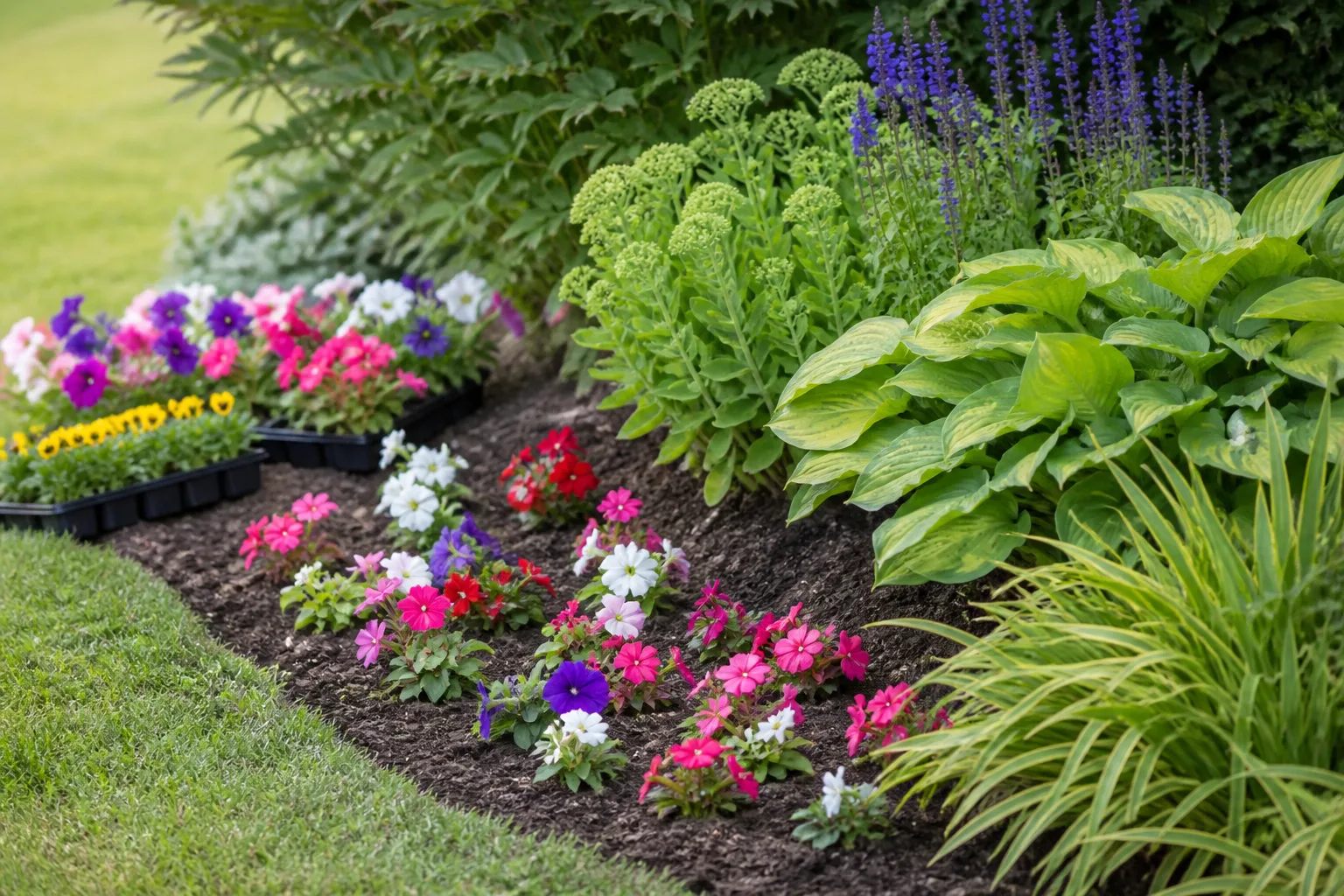
An annual plant completes its life cycle—from germination through growth, flowering, and seed production—in one growing season. A biennial usually needs two growing seasons to flower and set seed, while a perennial survives for more than two growing seasons. Those labels describe how long an individual plant lives, not how long it blooms or whether it stays green all winter.
That distinction explains a common garden puzzle: a plant can die after frost yet still be botanically perennial, and an annual can appear in the same bed year after year if its seeds sprout nearby. A nursery tag that says “grown as an annual” may also describe how a plant is used in your climate rather than its full lifespan in warmer conditions. Once you separate the plant’s life cycle from the garden’s weather and the way a crop is harvested, the labels become much easier to use.
The Three Plant Lifespans in One Minute
Think of the three categories as different schedules for completing a life cycle. Annuals finish the schedule in one season; biennials divide it across two; perennials keep a living plant structure through at least three growing seasons.
In each case, the original plant is the unit being described. A garden bed that looks similar every spring can contain a new generation of seedlings rather than the same annual plant returning.
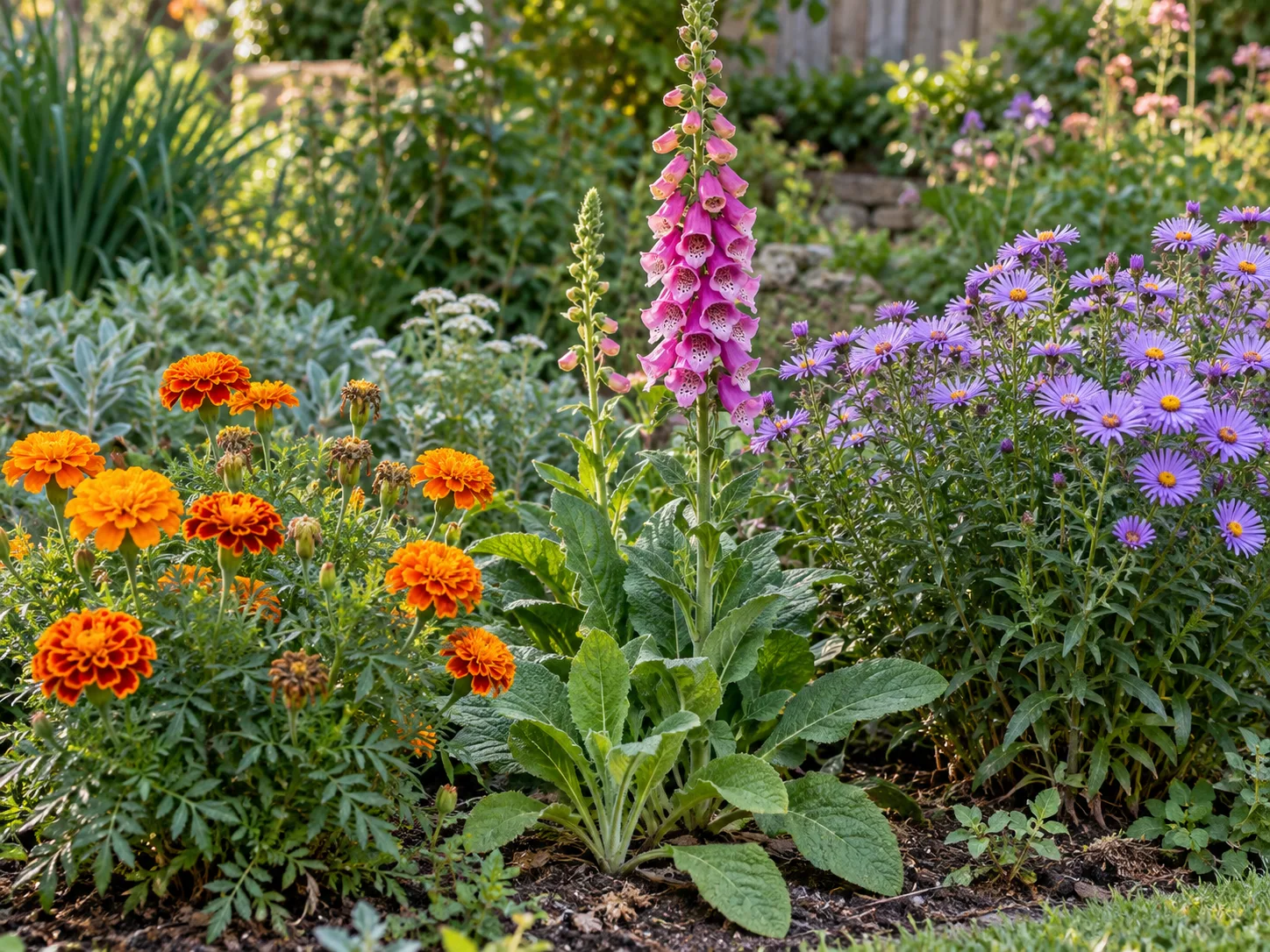
| Plant type | Usual life cycle | What survives or returns | Common examples |
|---|---|---|---|
| Annual | One growing season, from seed to seed | Usually only seed for the next generation | Zinnia, marigold, bean |
| Biennial | Two growing seasons, with flowering commonly in the second | The first-year plant overwinters before flowering, then usually dies after setting seed | Foxglove, hollyhock, parsley, carrot |
| Perennial | More than two growing seasons | A crown, roots, rhizomes, bulbs, woody stems, or other living structures | Aster, peony, hosta, asparagus |
These are useful gardening definitions, not guarantees that every species follows an identical calendar. Penn State Extension describes a true herbaceous perennial as a plant whose aboveground growth can die back while roots, buds, or stem clumps persist below or at ground level; some perennials last only a few years, while others persist much longer (Penn State Extension’s guide to perennial care).
What an Annual Plant Does in One Growing Season
A true annual begins as a seed, grows roots and leaves, flowers, makes seeds, and then the original plant dies. Penn State Extension defines the annual sequence from germination through growth, flowering, and seed production as a one-season life cycle (Penn State Extension’s explanation of annuals and flowering). The plant may be killed by frost before it produces seed in a particular garden, but that early death does not change its life-cycle category; it means the season ended before the plant could finish its usual sequence.
Zinnias, marigolds, cosmos, beans, and many garden tomatoes are familiar annuals. They are useful when you want a fast change in color, a seasonal container, or a crop that you will harvest and replace.
Annuals often devote a large share of their short growing period to leaves, flowers, and seed, so the display can be generous. The trade-off is that the planting usually needs to be repeated, unless seeds are intentionally saved or seedlings are welcome.
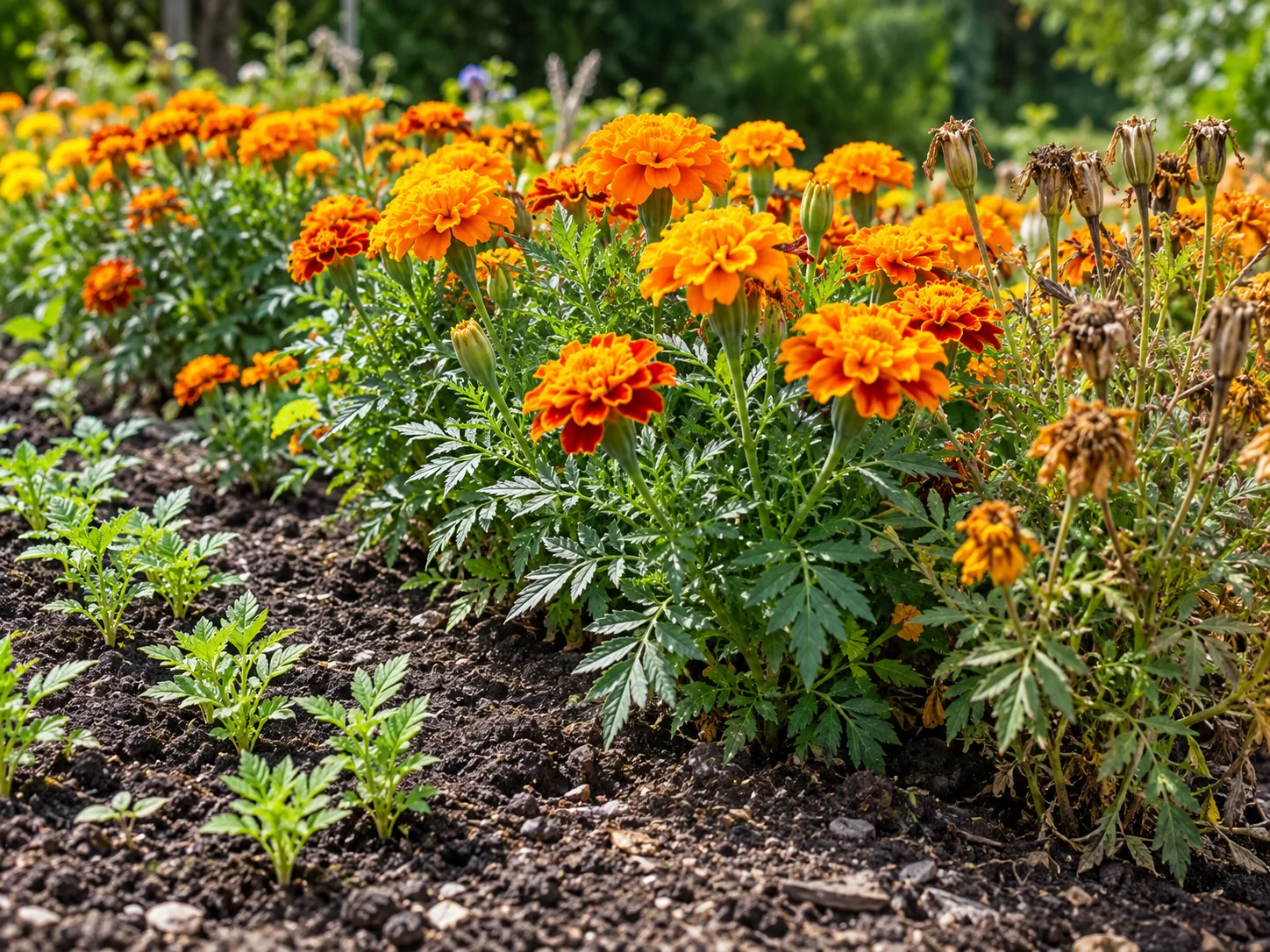
Some ornamental annuals are sterile, or have been selected to shed fading flowers, so they may leave few or no viable seeds to germinate. Penn State Extension notes that self-cleaning varieties such as wax begonia, coleus, and edging lobelia are sold among annuals; check the cultivar before counting on volunteer seedlings.
A growing season is not always a calendar year
“Annual” does not mean every plant lives exactly 365 days from the day it germinates. The growing season is the period when conditions allow active growth, and that period varies by climate.
A seed sown in late summer may germinate in autumn, sit through a mild winter as a young plant, then flower and set seed the following spring. A winter annual still completes its cycle in one favorable growth period even though that cycle crosses January.
In a cold-winter garden, a warm-season annual such as zinnia may be planted after frost danger has passed and removed after autumn frost. In a hot-summer region, cool-season annuals such as pansies may do their best growth in fall, winter, or early spring, then fade as heat arrives. The annual label remains the same in both places; the planting window changes with the temperature pattern.
How a Biennial Uses Two Seasons
A biennial usually follows a two-season sequence. It spends its first season building roots and leaves, pauses or grows slowly during a cool or otherwise unfavorable period, and then uses its stored resources to flower and set seed in the next season. Once the seeds mature, the original plant generally completes its life cycle and dies.
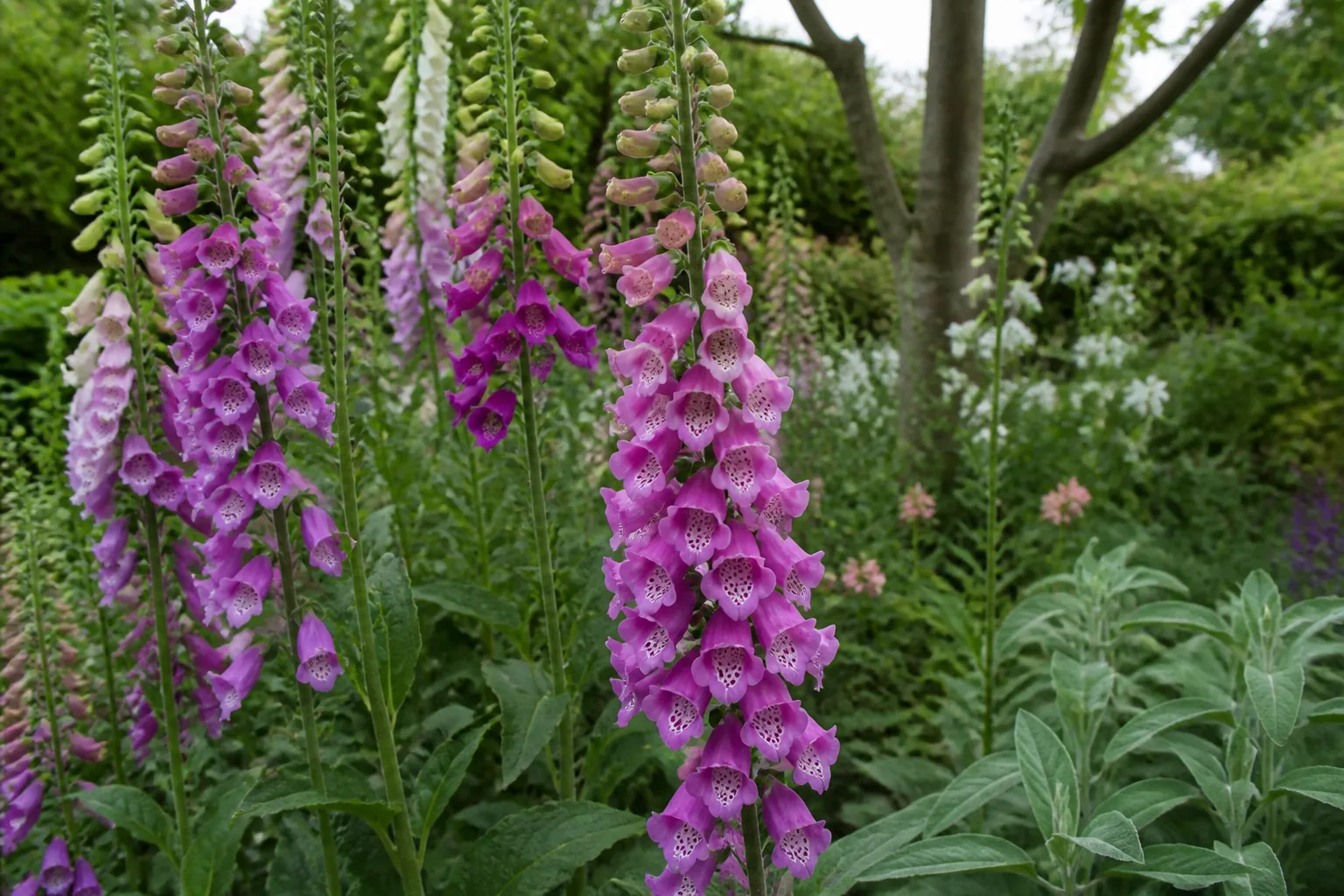
Foxglove and hollyhock are classic ornamental examples; parsley, carrots, beets, and onions are commonly treated as biennials in the garden. The first year’s leafy growth is not a sign that a biennial is failing.
It is the stage that prepares the plant for its later flowering stem. BBC Gardeners’ World notes that the commonly grown woodland forget-me-not is a short-lived perennial often cultivated as a biennial, a useful reminder that the way a plant is grown and its strict botanical lifespan do not always line up neatly (BBC Gardeners’ World’s forget-me-not guide).
Year one builds leaves and roots
During the first season, look for a low clump or rosette of leaves close to the soil, a stronger root system, or—in crops such as carrots—a storage root that is harvested before the plant flowers. The plant may remain compact because it is still in its vegetative phase: making roots, stems, and leaves rather than flowers. If you sow foxglove or hollyhock expecting a tall flower spike within weeks, you may mistake normal first-year development for a problem.
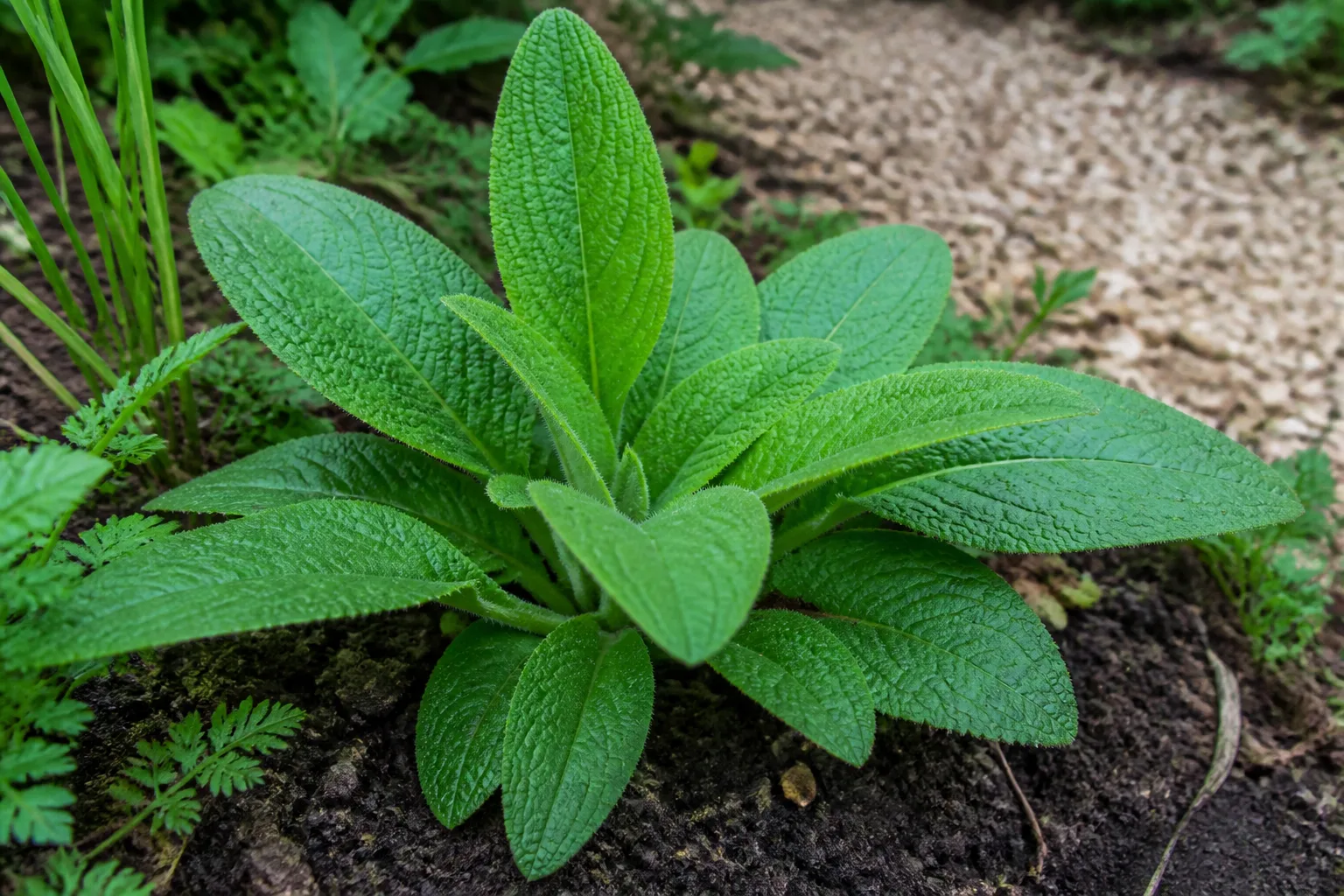
The useful action is to give the young plant enough time to establish and to learn whether it is expected to flower later. Keep its leaves healthy, provide the light and drainage it needs, and avoid removing the entire rosette simply because it has not bloomed. A biennial can still be lost to drought, poor drainage, browsing, or winter injury, so “biennial” is not a promise that every seedling will make it to year two.
Year two brings flowering and seed
After overwintering, many biennials send up a taller flowering stalk, a change often called bolting in edible crops. They flower, attract pollinators, and set seed; if you want new plants, allow some seed to mature and fall or collect it at the right time. If you want the bed clear after flowering, remove the spent plant once the seeds you want have been saved.
The schedule can shift with sowing date, cultivar, temperature, and local growing conditions. Some cultivars are selected to flower in the first season; in other biennials, a cold period can satisfy the plant’s flowering requirement early, so it sends up a seed stalk sooner than expected. Check the variety description before treating one early bloom as proof that every plant sold under the same common name is a true annual.
What a Perennial Keeps Alive
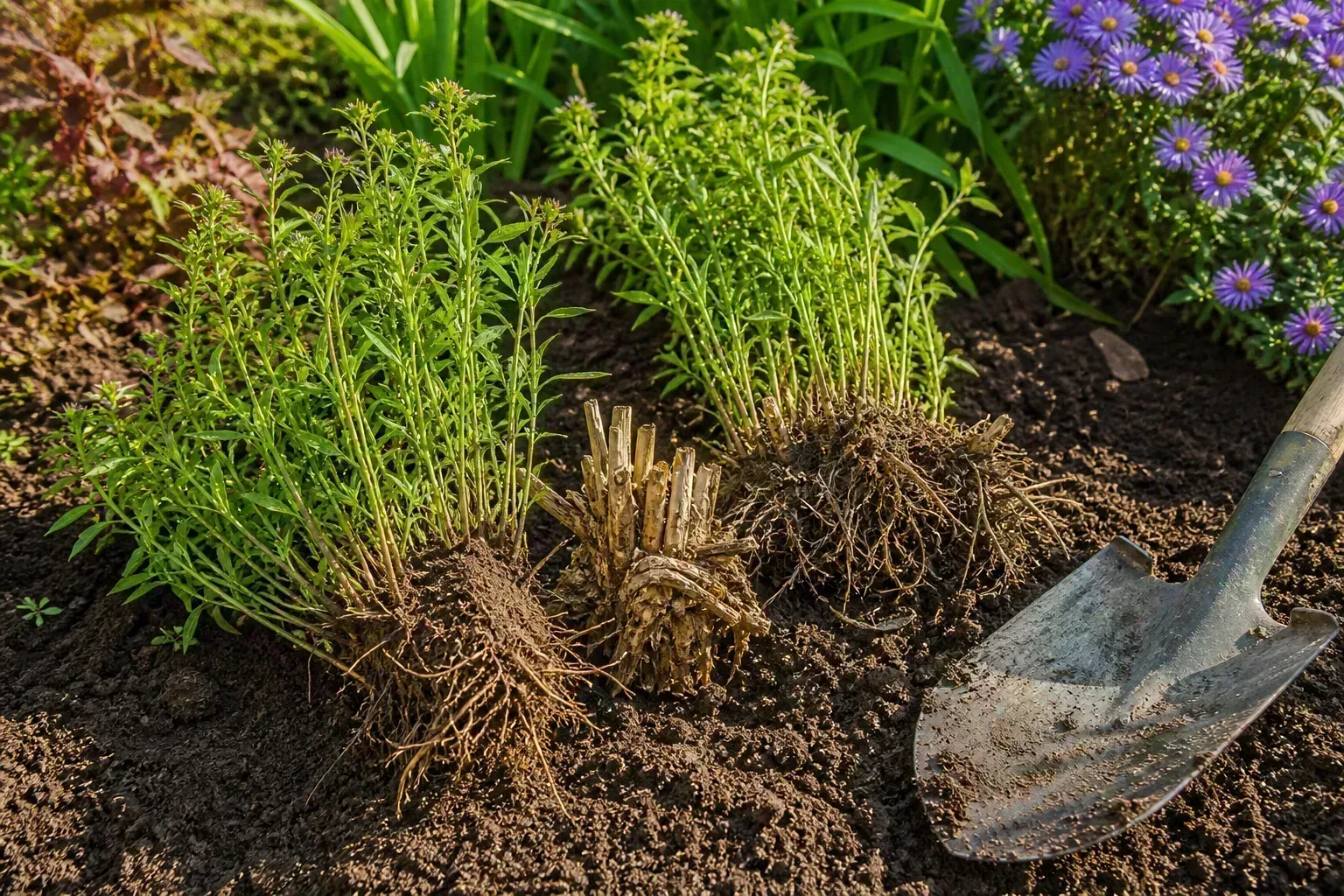
A perennial persists beyond two growing seasons because some part of the individual plant remains alive. That living part may be a crown at soil level, a root system, rhizomes, bulbs, tubers, woody stems, or buds protected near the ground. The top growth may disappear for months, but if the plant’s persistent structure survives and sends up new growth, the plant is still perennial.
Asters, peonies, hostas, and many ornamental grasses are herbaceous perennials. Asparagus and rhubarb are perennial vegetables.
Trees and shrubs are perennials too, although gardeners usually describe them by their more specific woody form instead of calling them perennial flowers. The label describes duration; it does not mean the plant is immortal, evergreen, or in bloom all year.
Herbaceous, woody, and evergreen perennials
Herbaceous perennials usually lose their aboveground stems in cold weather or another dormant season and regrow from below-ground or near-ground structures. Woody perennials keep trunks or woody branches from year to year; some drop their leaves while others remain evergreen. BBC Gardeners’ World distinguishes these forms in its perennial guide and also describes tender and half-hardy perennials that need protection in colder conditions (BBC Gardeners’ World’s guide to perennial plants).
The word “perennial” alone does not tell you whether a plant will survive your winter outdoors. A warm-climate perennial may be killed by a hard freeze, while a hardy perennial suited to your region may return reliably.
The University of Minnesota Extension’s plant directory, for example, separates a set of plants maintained as annuals in Minnesota gardens from plants treated as perennials, including pansies and zinnias in the annual list and asters, hostas, and peonies in the perennial list (University of Minnesota Extension’s annual and perennial plant directory). These are local gardening categories; a plant’s botanical lifespan may differ in a warmer climate.
Annual vs. Biennial vs. Perennial: Quick Comparison
Use the comparison below to connect the life-cycle label with what you are likely to see in a bed. Bloom duration is not the same as lifespan: an annual may flower for months and die, while a perennial may bloom for only a short part of the year but keep living below ground.
| Question | Annual | Biennial | Perennial |
|---|---|---|---|
| How long does the individual plant live? | Usually one growing season | Usually two growing seasons | More than two growing seasons |
| When does it flower? | Often in its first and only season | Commonly in its second season | At maturity, then according to the species’ yearly cycle |
| What may look alive in winter? | Seed may survive; the plant usually does not | A rosette, root, or crown may survive | Roots, crown, rhizome, bulb, or woody growth may survive |
| Does it have to be replanted? | Usually, unless seedlings or stored seed replace it | Usually if you want continuous succession | Not every year, though it may need division or replacement eventually |
| What is a common surprise? | Seedlings can make it seem to return | First-year foliage may not bloom | Top growth may die back even while the plant lives |
An exception may be a naming or cultivation convention rather than an error. Check the plant’s botanical name and cultivar, and then ask which part of the individual plant survives under your conditions. That question is more diagnostic than “Did it survive frost?”
Common Examples in Flower Beds and Vegetable Gardens
Examples help, but common names and garden-center labels can hide a species or climate difference. Gardening Know How’s comparison lists marigolds, cosmos, petunias, and zinnias as annuals; foxgloves, hollyhocks, parsley, and carrots as biennials; and asters, peonies, hostas, and daylilies as perennials (Gardening Know How’s annual, biennial, and perennial comparison). Treat that as a practical starting list and check the specific cultivar and local conditions before planning a permanent planting.
Flowers and herbs by life cycle
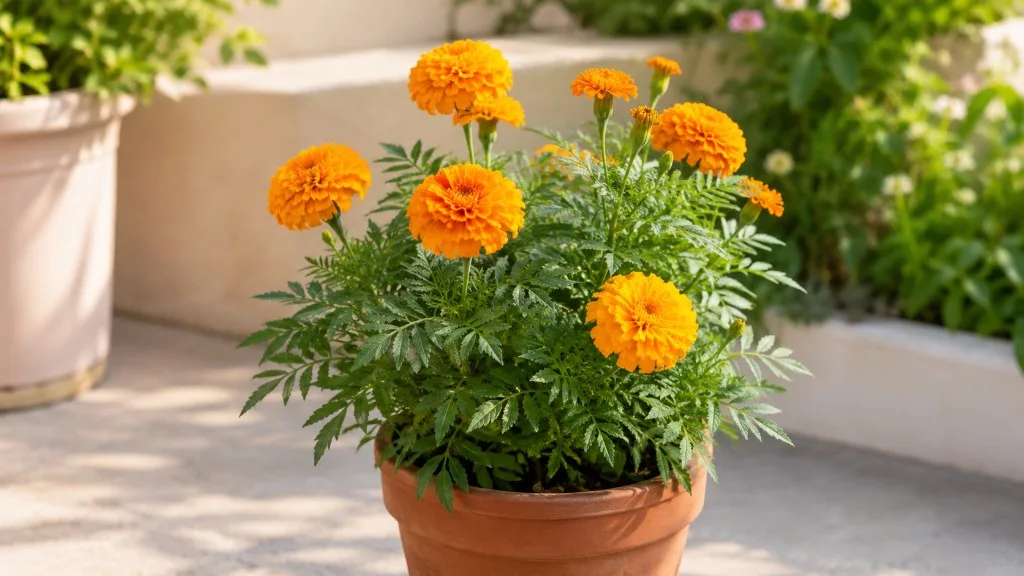
A marigold or zinnia gives a clear annual example: the plant grows, flowers, forms seed, and dies in the same warm season. A foxglove can give a clearer biennial example: first a leafy rosette, then a flower spike the next season.
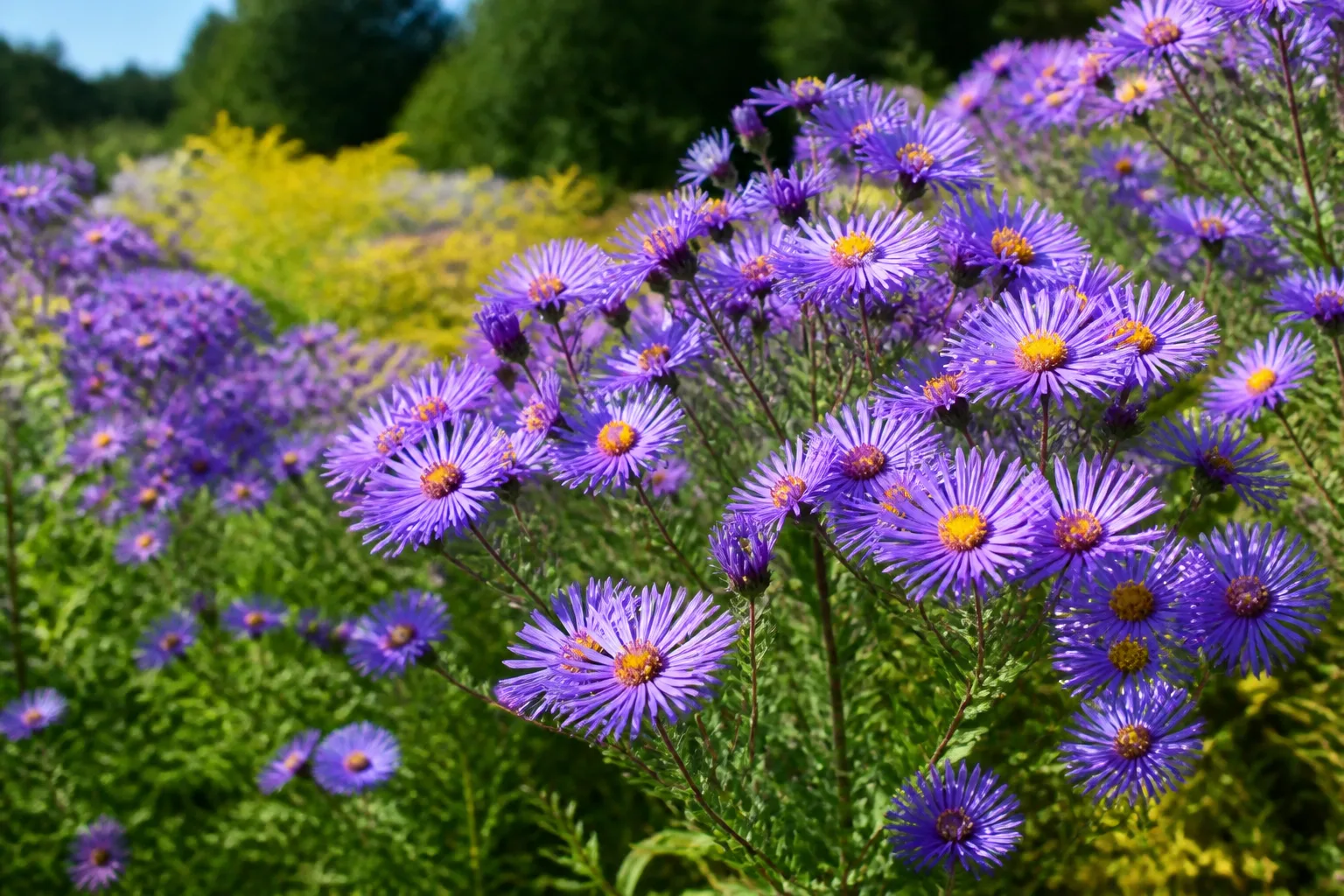
An aster illustrates a herbaceous perennial, returning from its crown or roots after its stems die back. Each one answers a different garden need—quick seasonal color, a delayed second-year display, or a longer-lived clump.
Herbs also show why labels should be checked. Basil is usually grown as an annual in frost-prone gardens, while parsley is generally a biennial and may flower in its second year.
Cilantro can be grown through a cool season as an annual herb, but its life in a hot garden may end quickly when heat encourages it to flower and set seed. These differences affect when to sow, whether leaves will remain tender, and whether you should save seed or sow again.
Crops harvested before their full cycle ends
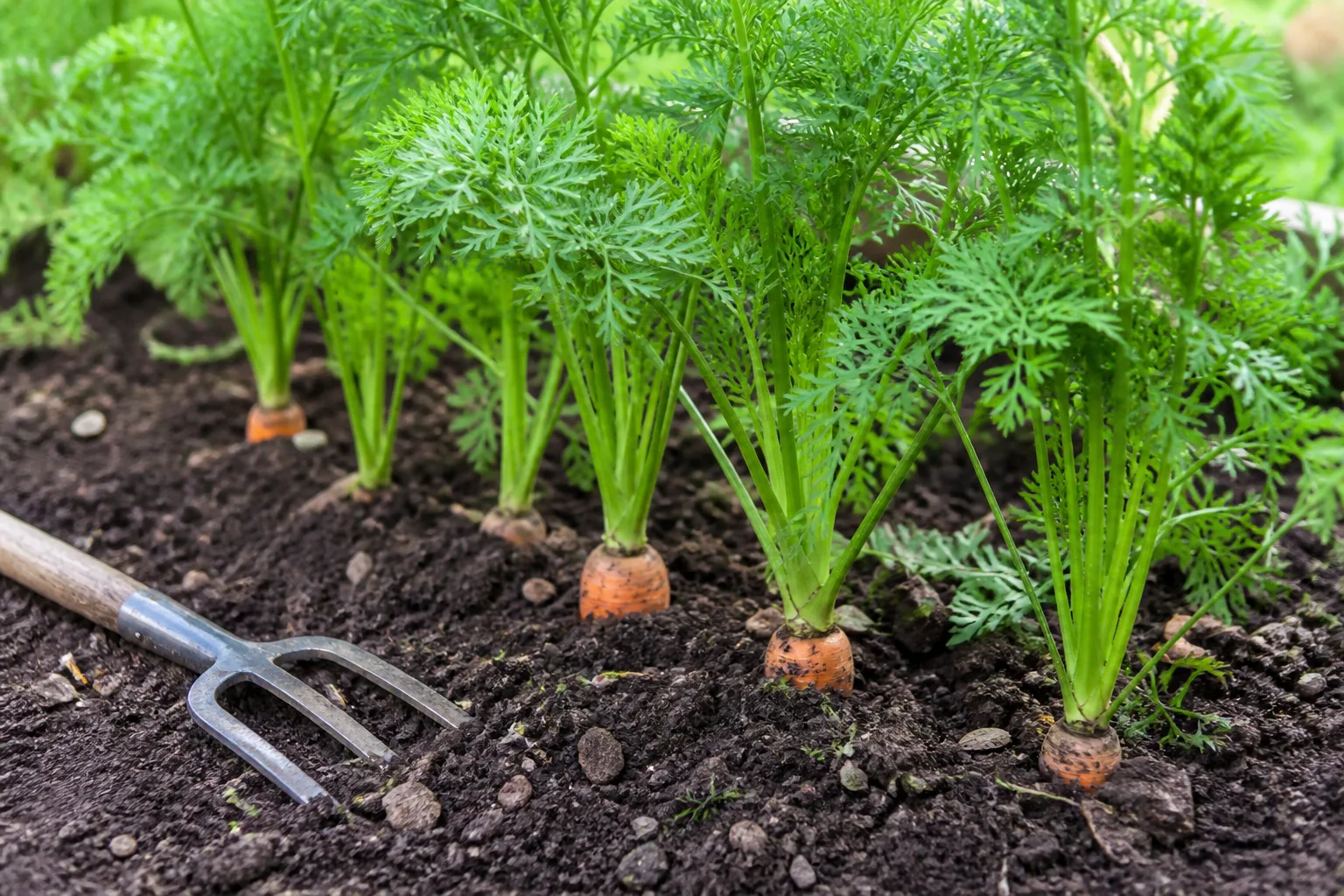
Many vegetables are harvested before they reach the flowering and seed stage that would complete their life cycle. Carrots are biennial plants, but gardeners usually pull the storage root during the first season instead of leaving the plant in place to flower the next year. Parsley is also often harvested as a leafy herb through its first season; when it survives long enough to flower, leaves can become tougher and less useful for the kitchen.
Tomatoes are botanically tender perennials in frost-free climates, yet most gardeners grow them as annuals because cold weather ends their outdoor season and because the crop is replanted for each harvest. Beans, cucumbers, and basil are also commonly managed as annual crops.
By contrast, asparagus and rhubarb can live for multiple seasons and produce harvests from established crowns. “Annual vegetable” may therefore mean the way a crop is managed, not always its botanical maximum lifespan.
Why Annuals Can Seem to Return Every Year
A self-sowing annual drops seeds before the parent plant dies. Some seeds germinate the next season, producing seedlings that look like a returning clump.
If the seedlings are numerous and appear in the same spot, the bed may seem perennial even though each plant is a new generation. Violas, poppies, calendula, and some annual grasses can reseed where conditions suit them, but germination depends on seed maturity, soil disturbance, moisture, light, and winter weather.
Self-sowing is useful when you like a loose, natural display and have space for volunteer seedlings. It can be a nuisance when seedlings crowd a border, spread into paths, or differ from the named hybrid parent.
Deadheading before seeds mature reduces the next generation; leaving some seedheads supports intentional reseeding. Either choice changes the planting’s appearance without changing the plant’s annual life cycle.
A simple way to tell return from reseeding is to look at the base before growth starts. A perennial usually has a surviving crown or shoots emerging from the same established root system.
An annual volunteer is a separate seedling, often with a small, newly formed root system. If you cannot tell, wait until leaves expand and compare how they attach to the crown; avoid pulling a promising seedling until you can identify it.
Frost Tolerance Does Not Define a Plant’s Life Span
Frost describes a temperature stress, not a life-cycle category. Some annuals tolerate light frost; some perennials are tender and may die in a cold winter; some biennials survive cold as young rosettes. A plant can also fail because of waterlogged soil, drought, wind exposure, or an unsuitable growing season even if the minimum temperature is within its listed range.
This is why a “tender perennial” can be sold or grown as an annual. Geraniums commonly grown in summer pots are often pelargoniums, which can persist as perennials in frost-free conditions but are discarded or overwintered indoors where winters are cold.
Lantana and some ornamental peppers are treated similarly. A tag may use “annual” to set an expectation for your climate or for the nursery’s production schedule, even when the species can persist in a warmer environment.
BBC Gardeners’ World groups perennials by cold tolerance as well as by lifespan, including hardy, half-hardy, and tender forms. Those categories answer the question “What protection does this plant need here?” rather than “How many growing seasons can this plant live?” When you buy, check both: the life-cycle label and the plant’s winter hardiness for your location.
Choose a Life Cycle That Fits Your Garden Goal
Choose annuals when you want a fast seasonal display, flexible color, or a container you plan to redesign each year. They are also practical when you want to trial a color or height before committing a permanent bed. Their main cost is recurring planting and the possibility of a gap if you forget to replace them; self-sowing may lower that effort but makes placement less predictable.
Choose perennials when you want a stable planting that can fill out over time. They may take a season or more to reach the size you pictured, and they still need the right light, soil, and moisture.
A perennial also may need dividing, pruning, or replacement if it is short-lived or poorly suited to its site. It is a longer-term structure, not a no-maintenance promise.
Use biennials when you can wait for the second-year display or want a natural sequence of seedlings and flowers. Sow foxglove or hollyhock early enough for a robust first-year rosette, then allow some plants to flower and reseed if you want a recurring stand. If continuous bloom matters, stagger sowing or combine biennials with other plants rather than expecting every rosette to flower immediately.
A mixed bed can combine the strengths of all three. Use perennials for the lasting framework, annuals to fill fresh gaps or provide uninterrupted seasonal color, and biennials as a planned second-season layer. When choosing a new plant, follow this short check:
- Read the botanical name and cultivar, not only the common name.
- Find out whether the plant flowers in the first year or needs an earlier sowing and an overwintering period.
- Check whether your climate lets its roots, crown, or stems survive the off-season.
- Decide whether you want seed to fall, whether the crop will be harvested before flowering, and how often you are willing to replant.
Plant-Label Mistakes That Lead to Surprises
The most common mistake is treating “annual” as a synonym for “dies at the first frost.” A true annual completes its cycle in one season, but an annual can die before frost if drought, disease, or another stress cuts that season short. Conversely, a perennial may not return if its crown rots, it is outside its hardiness range, or its planting site does not meet its needs.
Another mistake is assuming a plant that returns must be the same plant. Self-sown annuals can provide a new cohort every year, while a perennial returns from a living structure. A biennial can also reappear each year when one generation seeds itself as the previous generation flowers; the garden’s pattern is then continuous even though each individual plant lasts two seasons.
Finally, “biennial” is often used as a garden shorthand for plants that are short-lived or commonly replaced after flowering. Some forget-me-nots, for example, are described as short-lived perennials but grown as biennials, and particular cultivars can differ.
When the label seems inconsistent, check the specific species, local climate, and nursery use. That combination will tell you whether to expect a first-year rosette, a second-year bloom, or a plant that can persist beyond that schedule.
Conclusion
An annual completes its life cycle in one growing season, a biennial usually takes two, and a perennial lives through more than two. Those definitions describe the lifespan of an individual plant; frost tolerance, bloom length, and the way a gardener manages a crop are separate questions.
For a practical choice, look up the plant’s botanical name, identify what survives the off-season in your climate, and match the cycle to the job you want done. Use annuals for flexible seasonal color, biennials for a delayed second-year show, and perennials for structure that can return—then allow for self-sown seedlings and climate exceptions when planning how the bed will look next year.



