21 Affordable DIY Backyard Shade Ideas
Make a small backyard cooler and easier to use with low-cost shade ideas, anchoring tips, plant choices, and weather-smart DIY guidance.
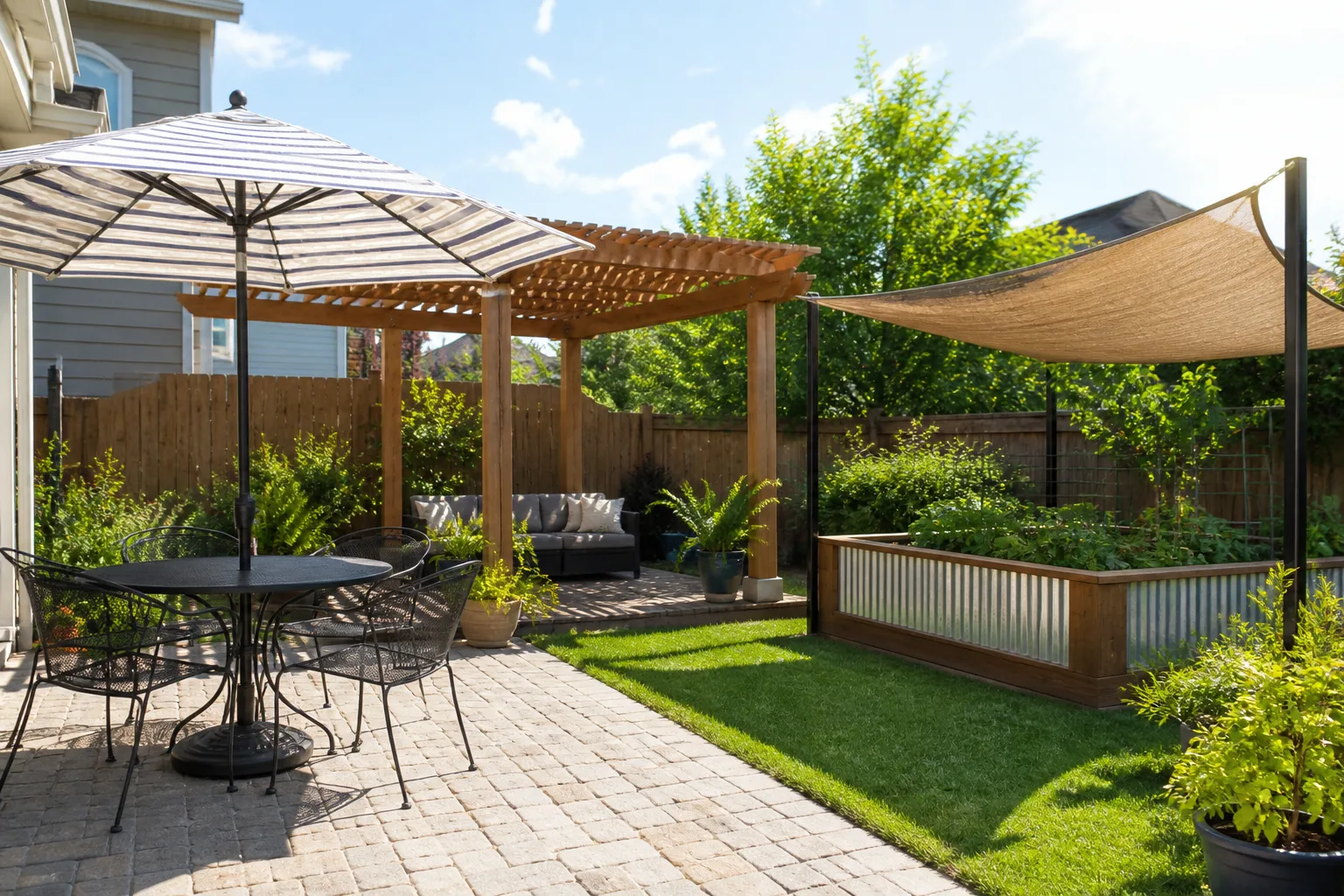
The most useful backyard shade is not the biggest roof you can build. It is the patch of relief that lands on the chair, table, play area, or garden bed during the hours you actually use it. Start with that target, then choose a solution you can move, anchor, prune, or remove as conditions change.
Shade also has a surface effect. The EPA reports that shaded surfaces can be 20–45°F cooler than peak temperatures of comparable unshaded materials, while the result varies with surface, climate, and time of day. That does not mean a fabric panel will lower every backyard by 45°F; it does mean shading a hot patio, wall, or chair can make a small outdoor zone feel materially better. EPA heat-island guidance and the newer U.S. Forest Service review of urban-tree cooling research both point to the same practical lesson: placement and local conditions matter.
Start With a 10-Minute Shade Audit
Before buying fabric or digging a post hole, sketch the backyard from above. Mark the seating, dining, grill, play, and garden areas; then note where shade falls at 9 a.m., noon, 3 p.m., and 6 p.m. for one clear day. If you cannot watch it, use a stick or pole to observe the shadow at those times and take quick photos from the spot you want to cool.
Match the project to the sun and wind
Late-day sun from the west often arrives low and sideways, so an overhead roof alone may leave your face and shoulders in full sun. A narrow side screen, curtain, tilted umbrella, or sail with one low corner can solve that problem with less material than a full roof. A south-facing space may need overhead shade at midday, while a north-facing corner may need openness so it does not become dim and damp.
Wind changes the project more than most inspiration photos suggest. A loose cloth panel can flap, fray, and pull on its attachment points; a patio umbrella can tip; a broad solid roof can act like a sail. Record the direction of prevailing wind, look for nearby walls that create gusts, and plan where fabric or umbrellas will go during storms.
Choose temporary, anchored, or living shade
Temporary shade is best when you rent, rearrange furniture often, or need relief for one season. Umbrellas, market canopies, roll-up screens, and removable cloth panels are forgiving because you can test them before committing. Anchored shade makes sense when the same table or bench will stay in one location for years, but it brings structural, drainage, and sometimes permit questions.
Living shade takes the longest to mature but can combine cooling, privacy, flowers, food, and habitat. The U.S. Forest Service review notes that tree cooling depends on species, canopy arrangement, climate, and water availability, so a young tree is a future investment rather than a reason to skip a temporary shade fix this summer. For any option, the EPA WaterSense landscaping guidance is a useful reminder to plan around site exposure, climate, soil, and the way you intend to use the landscape.
21 Affordable DIY Shade Ideas
The ideas below are deliberately mixed: some cost almost nothing if you already have a table or fence, while others need proper posts and hardware. Treat “DIY” as a description of the assembly, not permission to improvise a structural connection that could injure someone or damage a house.
Fast, movable shade
-
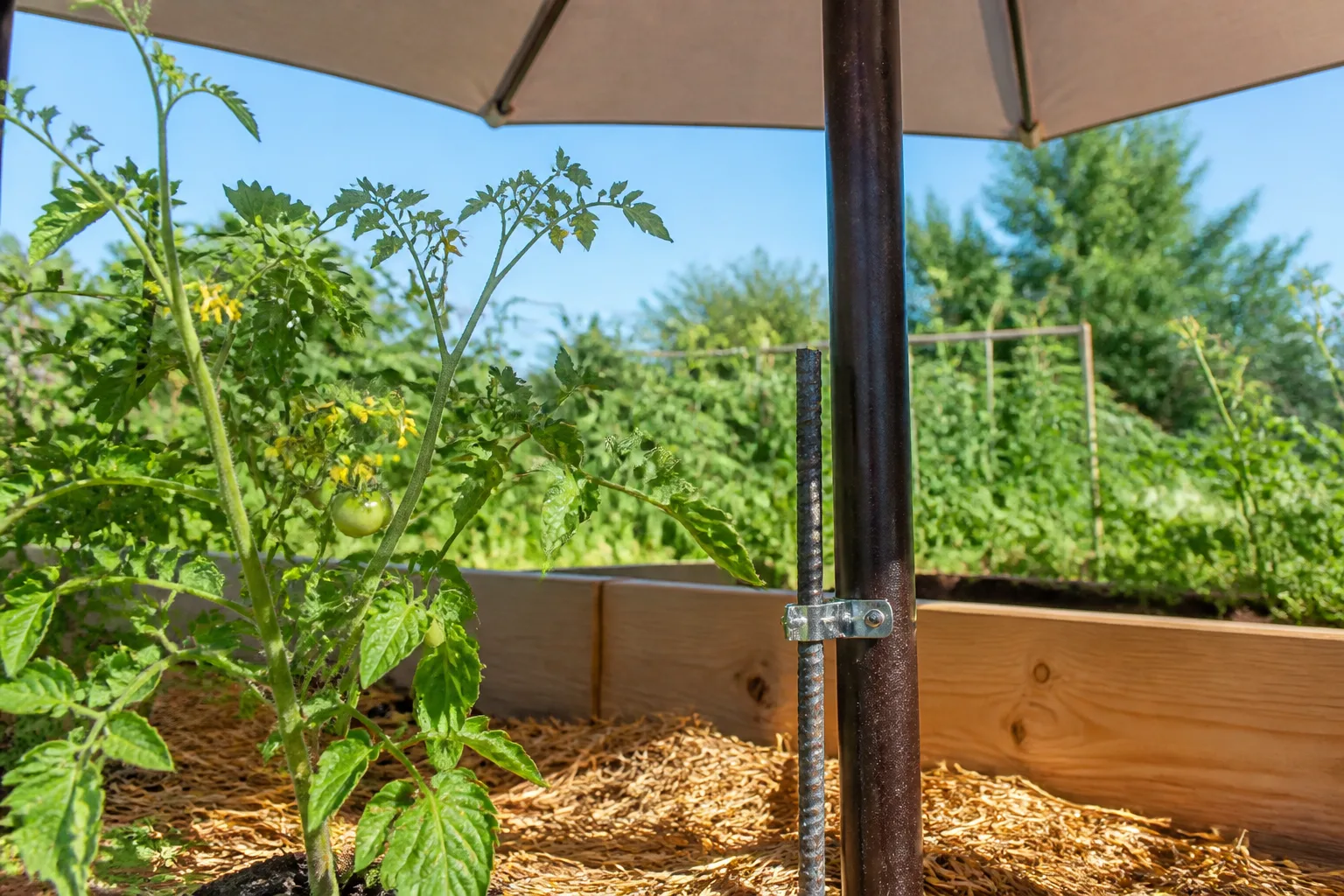
Anchor a patio umbrella in a large planter. Place a patio umbrella sleeve through a heavy planter and fill around it with gravel, then use the planter for a heat-tolerant plant. This makes a small seating or potting station more flexible than a fixed roof, but the base must be genuinely heavy and the umbrella should be closed and stored when gusts are expected.
-
Use a tilting umbrella for low afternoon sun. A tilt mechanism lets you aim shade at a chair or child’s play mat as the sun moves, and a round canopy uses little ground space. Choose a base that matches the canopy size, keep the umbrella clear of walkways, and do not treat a standard patio umbrella as a permanent storm structure.
-
Build a removable canvas drop-cloth canopy. Hemmed outdoor canvas or a tightly woven drop cloth can be fitted with grommets and clipped to eye bolts on two posts and a fence. Leave a gentle slope so rain cannot pond, keep the panel taut without over-tensioning it, and remove it before severe weather if the fabric or anchors are not rated for wind.
-
Stretch shade cloth over a simple post frame. Four slim, well-anchored posts and breathable shade cloth can protect a raised bed, bench, or compact dining zone. The cloth’s percentage is a gardening decision rather than a magic comfort number: choose it according to the plants or activity below, and do not cover a sun-loving crop so heavily that it becomes weak and leggy.
-
Hang an exterior roll-up blind at the back door. A bamboo, reed, or outdoor fabric blind mounted above a door or window can block the low western glare that overhead shade misses. It is especially useful for a narrow patio because it occupies wall space instead of floor space; roll it up for airflow and secure it so it cannot become a swinging wind load.
-
Make a folding shade screen from two or three lattice panels. Join panels with exterior-rated hinges, add feet wide enough to resist tipping, and position the screen beside—not directly in front of—the seating. It filters sun and adds privacy, yet it can fold flat for storage. A screen is a windbreak, so place it where it will not funnel gusts toward a table, grill, or doorway.
-
Repurpose a market canopy for occasional events. A pop-up canopy can cover a birthday table or one afternoon of gardening without occupying the yard all summer. Secure every leg with the manufacturer’s weights or approved anchors, keep the canopy away from a fire source, and take it down when the event ends; a temporary canopy left up in changing weather is not a permanent pergola.
Small structures with staying power
-
Build a narrow lean-to pergola over a table. A wall-mounted ledger and two or more front posts can cover a dining spot without taking over the whole yard. This is the point where “cheap” hardware becomes a false economy: use structural fasteners, sound posts, proper post bases, and a level, sloped layout, and check local rules before attaching anything to the house.
-
Fit a corner pergola into unused space. An L-shaped or compact square frame turns the meeting point of a fence and wall into a destination for a bench or bistro table. Keep circulation clear on the open side, and size the roof to the furniture rather than to the entire corner. A smaller frame also needs less fabric and is easier to shade evenly.
-
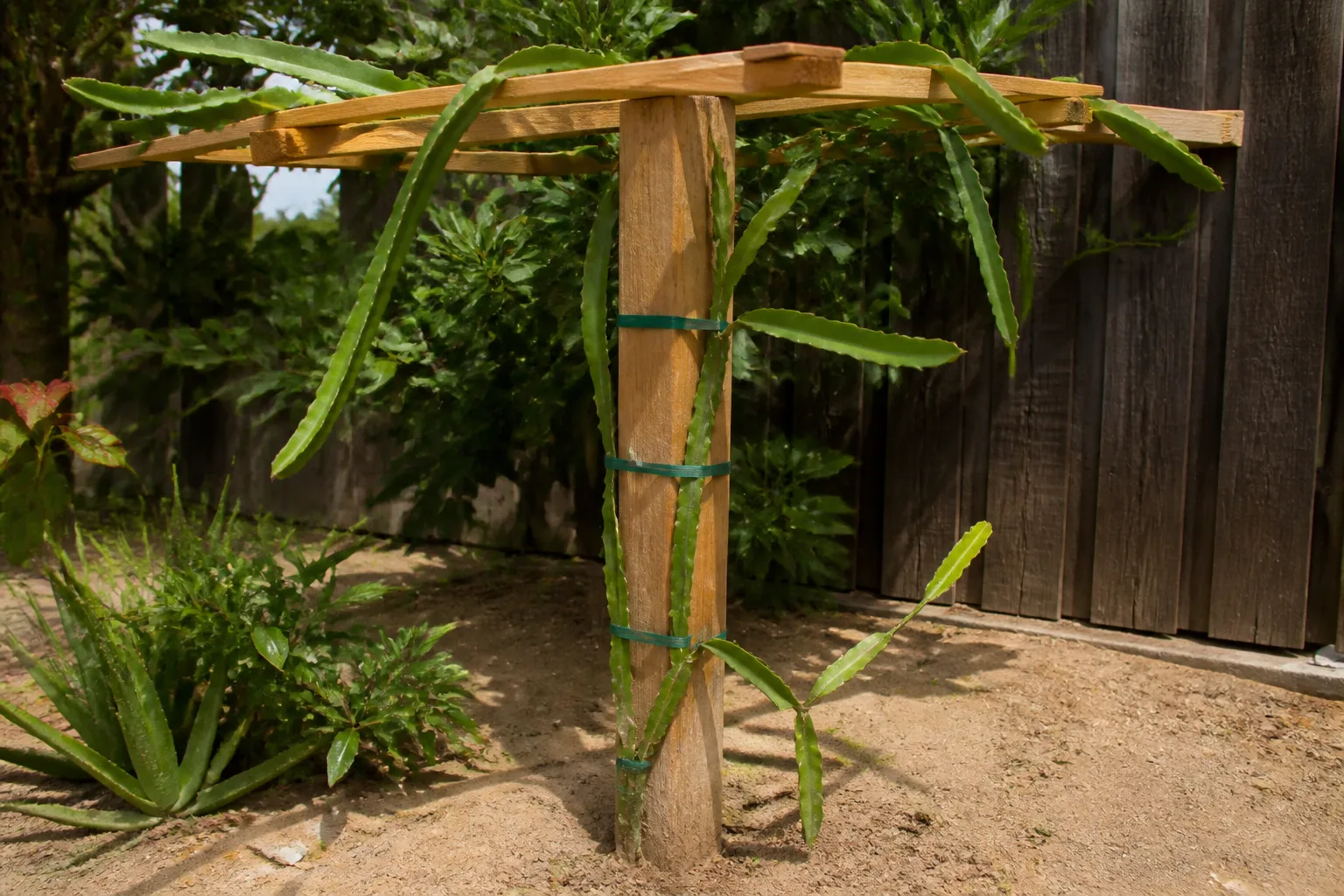
Add scrap-wood slats above a seating nook. Evenly spaced slats create dappled shade and allow rain and air to pass through. Light-colored stain or paint can keep the structure visually open, while a tighter slat spacing gives more shade but also increases wind load. Use straight, sound, outdoor-suitable lumber and leave enough headroom to avoid bumping.
-
Turn a pergola into an outdoor room with curtains. Outdoor curtains on rings or a track can shade one side in the afternoon and open completely in the morning. Choose quick-drying, outdoor-rated fabric, add tiebacks, and keep the bottom edge above wet soil or splash. Curtains are a privacy and glare tool; they are not a substitute for bracing the pergola.
-
Assemble a simple freestanding cabana frame. A square frame made from treated lumber or exterior-rated metal conduit can support a light canopy over two chairs. Use diagonal bracing, wide feet or properly anchored posts, and a roof fabric that can be removed. A freestanding frame is a good choice for a rental only when it remains genuinely removable and does not depend on a fence that was never designed to carry a roof.
-
Install a triangular shade sail between proven anchors. A triangle covers a small patio efficiently and leaves more open sky than a rectangular roof. The corners need strong attachment points—structural posts or verified masonry—not a decorative fence picket or gutter. Use turnbuckles for controlled tension, slope the corners at different heights so water sheds, and remove the sail if the manufacturer’s wind guidance calls for it.
-
Use a carport canopy as a movable dining roof. A lightweight carport-style frame can cover a table or create a temporary outdoor work area when you need a larger footprint. Choose a model intended for outdoor loads, anchor it to the ground, and keep it away from branches and flame. Its main advantage is speed; its main limitation is that a large uninterrupted fabric roof catches wind quickly.
-
Make a simple awning over a narrow patio. A sloped fabric awning above a back door shades the wall and the first few feet of paving without using posts in the walking area. Do not fasten a heavy awning into siding alone; locate framing or use a properly engineered mounting method, maintain drainage away from the house, and hire out the connection if you cannot verify the wall structure.
-
Reuse old shutters as adjustable shade louvers. Hinged exterior shutters mounted inside a strong frame can be opened for light and closed against low sun. Check every shutter for rot, lead paint, loose hardware, and excessive weight before reuse. This idea works best as a short, braced side screen rather than an improvised roof, and it should never block an emergency exit.
Living shade and vertical screens
-
Train a cattle-panel arch over a raised bed. A galvanized livestock panel bent into an arch can support beans, cucumbers, squash, or flowering vines while creating a tunnel-like patch of shade. Set the panel firmly and consider how its mature foliage will shade nearby crops; morning sun and afternoon shade may be helpful, but a dense canopy over tomatoes or peppers can reduce production.
-
Create a cable-and-wire vine canopy. Run sturdy wire or cable between posts and train a suitable climber across it, leaving access for pruning. Choose a plant that matches your climate and the support’s eventual load. The RHS guide to climbers and wall shrubs recommends putting support systems in place before planting and checking mature height and spread; that is exactly the step that prevents a “quick” vine project from becoming a tangled repair.
-
Grow an annual vine on a seasonal trellis. Runner beans, sweet peas, hyacinth bean, black-eyed Susan vine, and other annual climbers can provide a summer screen without committing the yard to a woody plant. Start with a frame that can support the mature foliage, check the seed label for local suitability, and remove spent vines before they smother neighboring plants. A seasonal vine is quick, but it will not shade a patio on day one.
-
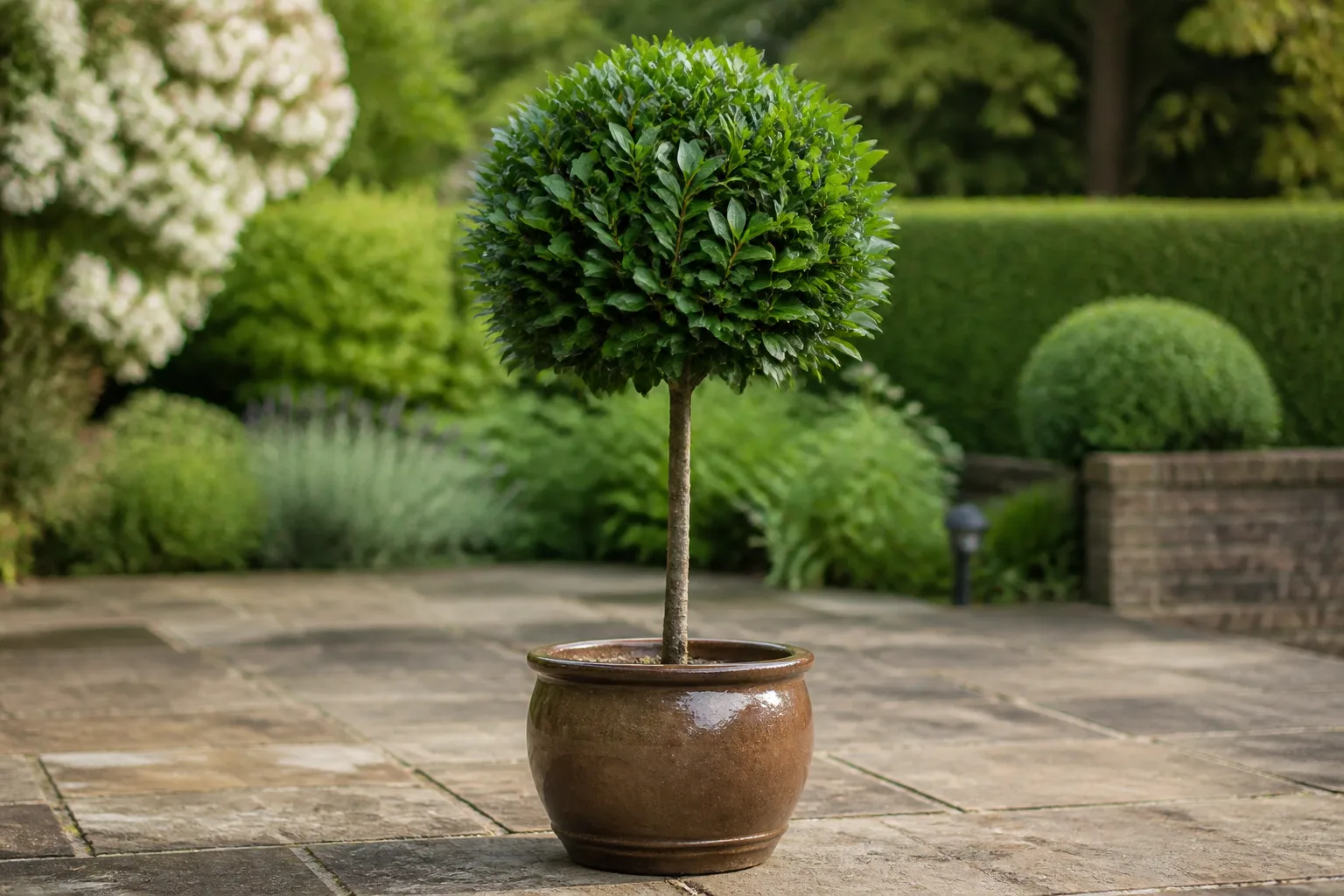
Put a small tree in a stable patio container. A potted tree adds height, filtered shade, and privacy while keeping roots and placement more controllable than a tree planted in the ground. Use a wide, heavy container with drainage, secure it where children and wind cannot tip it, and pick a species suited to your climate and mature size. The canopy will be limited by the pot, so use this to shade one chair or frame a corner—not to replace a roof.
-
Build a slatted privacy screen with a narrow planting bed. Vertical slats on a properly supported frame can block the most uncomfortable angle of sun and soften the boundary at the same time. Add a shallow bed or long planter only after you know the screen will not trap water against a wall, then use climbers or shade-tolerant plants selected for the light that remains. The screen can do the immediate work while the plants fill in at their own pace.
How to Build the Idea You Choose Safely
Shade projects are deceptively good at collecting force. A small sail can pull hard at its corners, a wet canvas roof becomes heavier, and a tall screen can tip when a gust hits its broad face. If a structure is attached to a house, spans a walkway, supports people, or could fall onto a neighbor’s property, treat the connection as a construction task rather than a craft project.
Anchor every load-bearing point
Use sound posts, rated post bases, structural screws or bolts, and a foundation appropriate to your soil and local frost conditions. A fence board, gutter, fascia, thin siding, or decorative trellis is not automatically a structural anchor. Before digging, check for buried utilities through the appropriate local service; before attaching to a wall, confirm what is behind the finish.
Measure the furniture footprint first. Leave room to walk around it, open a door, pull out a chair, and move a wheelbarrow. For shade sails and canopies, allow for the attachment hardware and for the fabric to slope. A two-inch change in corner height can make the difference between water running off and a heavy puddle stretching the cloth.
Plan for rain, wind, and airflow
Breathable cloth often feels better than a fully waterproof sheet because air can move through it, but it will not keep every chair dry. Waterproof fabric may protect furniture while increasing runoff and wind load. Whichever material you choose, give rain a route away from foundations, electrical equipment, doors, and slippery paving.
Open at least one side of a seating zone. Shade and still air can feel more oppressive than sun and a breeze, especially near masonry or dark paving. The RHS guidance on ventilation and shading is written for greenhouses, not patios, but its principle transfers: shading works best when paired with enough airflow to prevent heat buildup.
For planted shade, do not assume the area below a canopy has the same water needs as the rest of the yard. The EPA notes that site exposure, soil, and plant choice affect water requirements, and its guidance warns that rock mulch in sunny areas can radiate heat and increase water loss. Use mulch and plant groupings deliberately, keep irrigation away from the structure’s footings, and check containers more often because they dry quickly in hot weather.
Keep shade separate from heat and flame
Never place a fabric canopy, curtain, umbrella, or vine roof over an active fire pit, grill flame, chiminea, or outdoor heater unless the appliance and structure are specifically designed and approved for that arrangement. Sparks, radiant heat, smoke, and melting fabric are a poor trade for a few extra minutes outside. Put cooking and fire features in their own zone with clear overhead space, and follow local fire rules and the appliance manufacturer’s clearances.
Which Idea Fits Your Budget and Timeline?
If you need shade today, start with a tilting umbrella, folding screen, roll-up blind, or properly weighted temporary canopy. These let you test the shadow at the actual hour you sit outside. The next step up is shade cloth, a sail, curtains, or a simple frame; these use more hardware but can cover a defined zone without the excavation of a full structure.
If you want a lasting outdoor room, choose a pergola or cabana only after measuring and checking local requirements. Use a living canopy when you are comfortable waiting through a growing season or more. Gardening Know How’s practical patio shade overview makes the same useful distinction between movable parasols, shade sails, pergola frameworks, plant canopies, and decorative screens; the best choice depends on whether your priority is mobility, coverage, privacy, or appearance.
Budget for the boring parts. A low-cost roof fabric still needs safe anchors, turnbuckles or clips, post bases, bracing, drainage, storage, and eventual replacement. A small, well-placed project usually beats a large one that requires expensive reinforcement or makes the yard too dark to enjoy.
Make a Small Yard Feel Cooler Without Blocking Everything
Use shade like a set of overlapping layers. Put overhead cover over the seat or table, a movable screen on the uncomfortable western side, and plants or a light trellis at the boundary. This creates a cooler-feeling destination while preserving sun for the garden and open sky for airflow.
Select furniture that does more than one job: a bench with storage, a narrow table that can move under an umbrella, or a planter that also helps hold an umbrella sleeve. In small yards, the best shade project is often the one that protects the activity area and disappears when you need the floor space back. Gardeningetc’s small-garden design guidance similarly emphasizes planning around the activity, using multifunctional pieces, and studying where the sun rises and sets before committing to a layout. Read its small-garden design guidance as a planning prompt, not a shopping list.
For a planted solution, put the right plant in the right light. A tree, vine, or screen that blocks every afternoon ray may cool one seat while starving the vegetables beside it. The RHS notes that climbers can be valuable in small gardens because they use vertical space, but it also stresses mature size, suitable support, and regular tying or pruning. Think of the wall, arch, or pergola as the permanent investment; the plant is a changing layer that must remain manageable.
Common Mistakes That Waste Money
Building for the photograph instead of the shadow. A beautiful overhead canopy is wasted if the sun hits from the side at the time you need it. Observe the site first and add a vertical panel if the problem is glare rather than overhead heat.
Using an unbraced fence as a roof anchor. Fence posts and panels are often designed for privacy, not for a tensioned sail or wet canopy. Add independent posts or have the connection evaluated before the fabric goes up.
Leaving temporary structures out in bad weather. Umbrellas, pop-up canopies, curtains, and sails need a removal plan. Store them dry, inspect seams and hardware, and do not wait until the first gust is already pulling at the frame.
Making the roof watertight without a drainage plan. A sheet that keeps one chair dry can dump water onto a doorway, neighbor’s property, or slippery path. Slope it, collect or redirect runoff when needed, and keep it away from foundations.
Planting a vigorous vine without checking its adult size. The RHS recommends checking eventual height and spread and installing support before planting. A vine that outgrows the frame can pull on it, invade gutters, or shade plants that need sun.
Assuming a young tree is a fast shade solution. Trees are excellent long-term shade, but establishment, pruning, root space, and local hardiness determine whether they thrive. Combine a young tree with temporary shade rather than crowding the tree with a heavy structure.
Over-shading the garden. Shade cloth and dense vines can protect heat-sensitive plants but reduce light for crops that need full sun. Watch plant growth and move or thin the cover if stems stretch, flowering drops, or the soil stays wet.
Skipping permits and clearance checks. Rules vary by location and may depend on height, area, attachment to the home, setbacks, and whether the structure is temporary. Check the local building department and utility-locating service before a permanent project, and hire help for structural, electrical, or gas work.
Conclusion
Pick the smallest shade project that solves the real problem. A tilting umbrella can rescue one chair, a side screen can tame west sun, a breathable cloth can protect a bed, and a well-anchored pergola can create a durable outdoor room. Start with a one-day shadow test, use weather-aware hardware, and leave space for air, rain, people, and plants to keep moving through the backyard.