Can You Spray Weeds After It Rains? Timing Guide
Can you spray weeds after it rains? Learn when leaves are dry enough, why labels differ, what rainfast means, and when pulling is the better move.
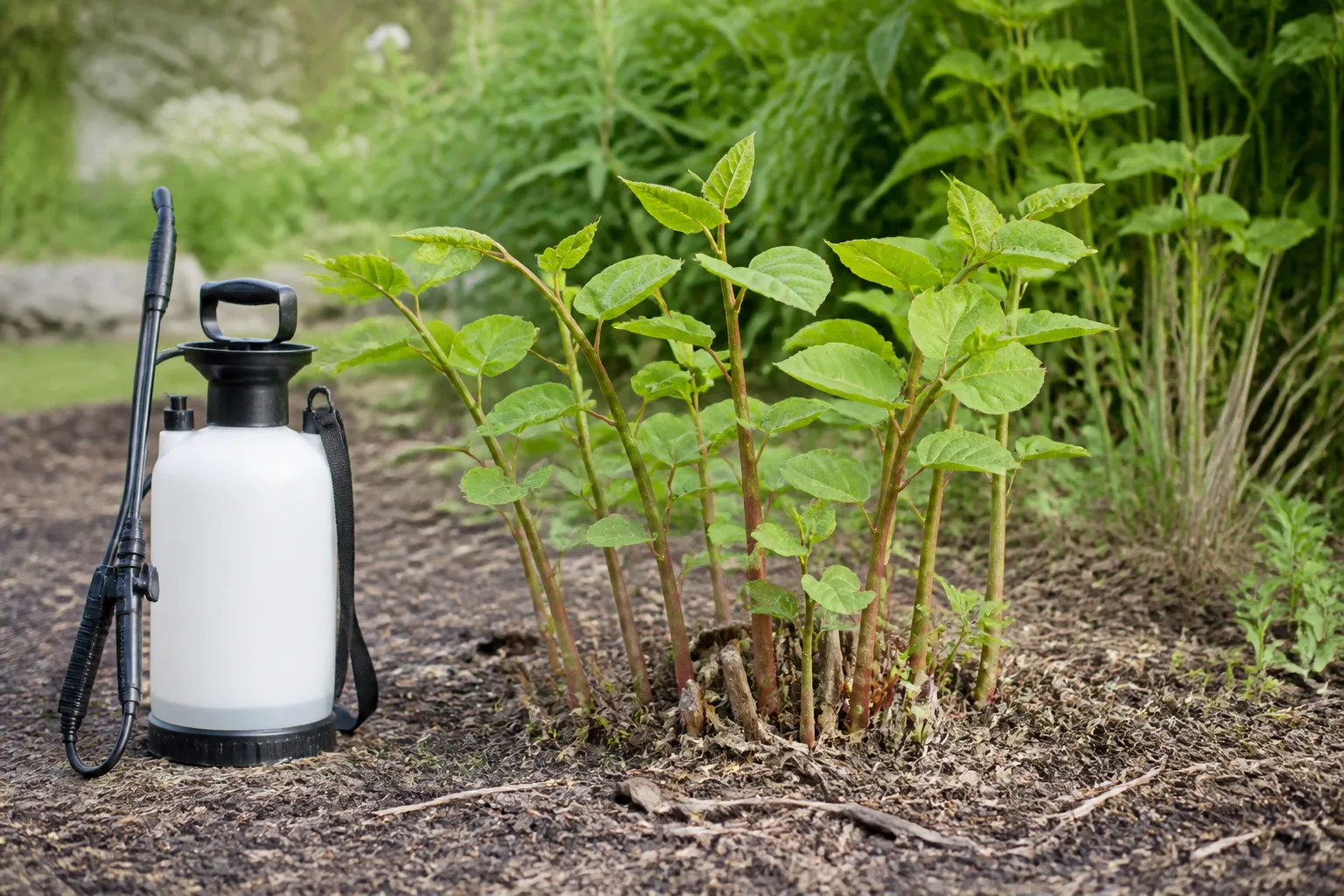
The short answer is usually not while the weeds are still wet. Wait until the target leaves have dried, then follow the product label’s rainfast interval and forecast. That advice is more useful than a blanket “wait 24 hours,” because a fast contact spray, a systemic lawn herbicide, a pre-emergent granule, and a homemade vinegar mixture do not respond to rain in the same way.
Rain does create one excellent weed-control opportunity: soft soil makes many weeds easier to pull out with their roots. If the weeds are close to flowers or vegetables, or if the soil is too saturated to support a safe spray application, pulling may be the more effective choice for the day.
The short answer: wait until the leaves are dry
Spraying immediately after a shower can put a layer of water between the herbicide and the leaf surface. That water can dilute a ready-to-use mixture, make droplets run off, or prevent an even deposit from staying where it needs to work. If the spray is intended to be absorbed through foliage, wet leaves are a poor target until they have dried.
The practical test is simple: touch or inspect the target, not just the surrounding soil. If droplets are still beading on the leaves, if the foliage shines with a wet film, or if rain is still dripping from an overhang, wait. When the leaves are dry, the wind is appropriate, the weeds are actively growing, and the label allows the conditions, spraying can make sense even if the soil beneath them remains damp.
That distinction matters because “the garden is wet” describes several different conditions. A light shower may leave dry foliage over moist soil within an hour, while a long storm can leave a dense canopy saturated, the ground waterlogged, and the weeds temporarily stressed. Those situations should not be treated as interchangeable.
What rain changes in a weed-control plan
Rain affects three parts of the treatment: what remains on the leaf, how actively the weed is growing, and where the liquid can move after it leaves the nozzle. It can also change the best nonchemical option by loosening roots and reducing the effort needed to remove a weed completely.
Wet leaves and wet soil create different problems
For a post-emergence foliar spray, the main question is whether the leaf surface is dry enough for a droplet to stay and be absorbed. A damp root zone is not automatically a problem for a product that works through the foliage, but standing water, muddy footing, and runoff can make the application unsafe or careless.
Wet soil can be an advantage when you are pulling annual weeds or digging a dandelion crown. BBC Gardeners’ World Magazine recommends hand-weeding after rain because softened soil helps gardeners remove more of the root system. That benefit belongs to pulling, not to the idea that rain somehow “activates” every liquid weed killer.
Rain also moves loose soil and dissolved material downhill. Do not spray a slope when the next shower could carry the product toward a storm drain, pond, vegetable bed, or neighboring planting. If the weather has left puddles or visible flow paths, wait for the surface to drain and choose a method that does not add a runoff problem.
Why 24 hours is a rule of thumb, not a universal law
A 24-hour dry window is a conservative planning target that is easy for a homeowner to remember, but it is not the rainfast interval for every product. The University of Missouri’s Integrated Pest Management guidance notes that herbicide rainfastness varies considerably: some products may need about an hour, while others require six to eight hours. Older and newer formulations of the same active ingredient can also have different requirements.
Rainfast means the amount of rain-free time a product needs after application to remain effective. It does not mean the weed will be dead by that time. A systemic herbicide can be rainfast after absorption while still taking days to show yellowing or wilting, and a contact herbicide may show a quick burn yet leave a perennial root alive.
Use 24 hours as a useful “do I have a clean weather window?” question, not as permission to ignore the label. If the label says two hours, two hours is the minimum label direction; if it says six hours, plan for six. A forecast with a dry afternoon and uncertain evening storms may be a poor match even when the leaves are dry at lunchtime.
Product type matters more than the calendar
Before deciding when to spray, identify what the product is designed to do. The active ingredients, formulation, target weed, application site, and rainfast language on the label matter more than a generic gardening rule.
Systemic and contact herbicides behave differently
Systemic herbicides move inside the weed after being absorbed, usually through leaves or stems. They are useful when the target has a crown, taproot, rhizome, or other underground reserve, but they need a living, actively growing weed and enough time for uptake and movement. The University of Minnesota Extension’s post-emergence guidance describes systemic products as slower to show visible symptoms but better suited to weeds where below-ground regrowth is part of the problem.
Contact herbicides damage the tissue they touch. They can act quickly on young annual weeds when coverage is thorough, but a protected growing point or surviving root can produce regrowth. A wet leaf can defeat the coverage you thought you applied, while a dense mature weed can hide untreated tissue even on a dry day.
The choice changes the weather strategy. A systemic treatment needs dry leaves and a sufficient absorption window, followed by patience; do not mow or cut the weed immediately if the product relies on movement through the plant. A contact treatment needs dry, fully exposed foliage and even coverage, but it may still require follow-up work on a perennial.
| Situation | What rain changes | Practical response |
|---|---|---|
| Systemic post-emergence spray | Rain too soon can remove the dose before uptake and movement | Wait for dry leaves and the label’s rainfast window; inspect for regrowth before repeating |
| Contact spray | Water can dilute or wash off the coating; missed tissue can recover | Wait for dry foliage; spray young weeds thoroughly without creating runoff |
| Pre-emergent product | Rain may help move the product into the soil, but excess water can move it away | Follow the label for activation, site, irrigation, and weather limits |
| Hand-pulling | Moist soil often loosens roots | Pull after the surface is workable, then remove the plant before it sets seed |
Pre-emergent products need a different rain strategy
Pre-emergent herbicides are meant to prevent germinating weed seeds rather than kill a weed’s visible leaves. The University of Minnesota Extension explains that some pre-emergence treatments need rain or irrigation after application to move into the soil and activate. That is the opposite of the usual post-emergence concern, where rain too soon can reduce foliar uptake.
Do not apply a pre-emergent product to a bed simply because it rained and the soil looks ready. Check whether the product is labeled for the crop or ornamentals already growing there, whether it must be watered in, and whether the site is likely to drain toward a sensitive area. A product can be “activated” by the right amount of water without being made safer by a saturated bed.
A morning-after decision rule
Use this five-check sequence after rain instead of guessing from the clock:
- Identify the target. Confirm the weed and decide whether it is an annual seedling, a mature perennial, a grass, a sedge, or a plant you may want to keep. Spraying an unidentified plant near an edible or ornamental crop is an avoidable risk.
- Check the leaves. Wait until the target foliage is visibly dry. Moist soil is not the same as wet leaves.
- Check the plant’s condition. Delay if the weed is flattened, flooded, drought-stressed, frost-injured, or otherwise not actively growing. A vulnerable-looking weed is not necessarily a responsive weed.
- Read the exact label. Find the rainfast interval, permitted site, target weed, temperature limits, wind instructions, protective equipment, and reapplication directions for that product.
- Check the whole weather window. Look beyond the next hour. Make sure wind and rain will not carry the spray away or wash it off before the required interval ends.
If all five checks pass, a post-emergence spray may be reasonable. If the leaves are wet but the soil is workable, pull. If the area is saturated, windy, near a drain, or full of desirable foliage, postpone the spray and use a physical method.
Best conditions for a post-emergence spray
Good timing is a combination of dry target foliage, active weed growth, moderate weather, and a clean rain-free window. The best day is not necessarily the hottest or sunniest day; excessive heat can stress plants, increase evaporation, or create drift problems depending on the product.
Weed size matters. The University of Minnesota Extension recommends targeting post-emergence weeds while they are small, roughly three to four inches tall in its crop guidance, because larger plants have more growing points and are harder to cover and control. In a home garden, treat that as a useful early-intervention principle rather than a universal height limit: always use the product label and the actual weed species.
Avoid spraying when wind can carry droplets onto turf, flowers, food crops, ponds, or a neighbor’s property. NC State Extension’s landscape weed-control guidance separates selective products from non-selective products and emphasizes that non-selective sprays can damage most green plants. A directed stream or wick applicator may reduce contact with nearby plants, but it does not make an off-label use safe.
Do not mow immediately before or after a systemic treatment unless the label says you can. Freshly cut weeds have less leaf area to absorb the product, and cutting soon afterward can interfere with movement through the plant. For a small patch, it is often better to wait for new foliage than to spray a shaved-down crown.
Product labels outrank generic advice. The label is where the manufacturer states the permitted site, dose, water volume, protective equipment, rainfast time, wind restrictions, and reapplication interval. Never increase the concentration because a previous application was washed off, and never combine products or household ingredients unless the label allows the mixture.
What to do if rain falls after spraying
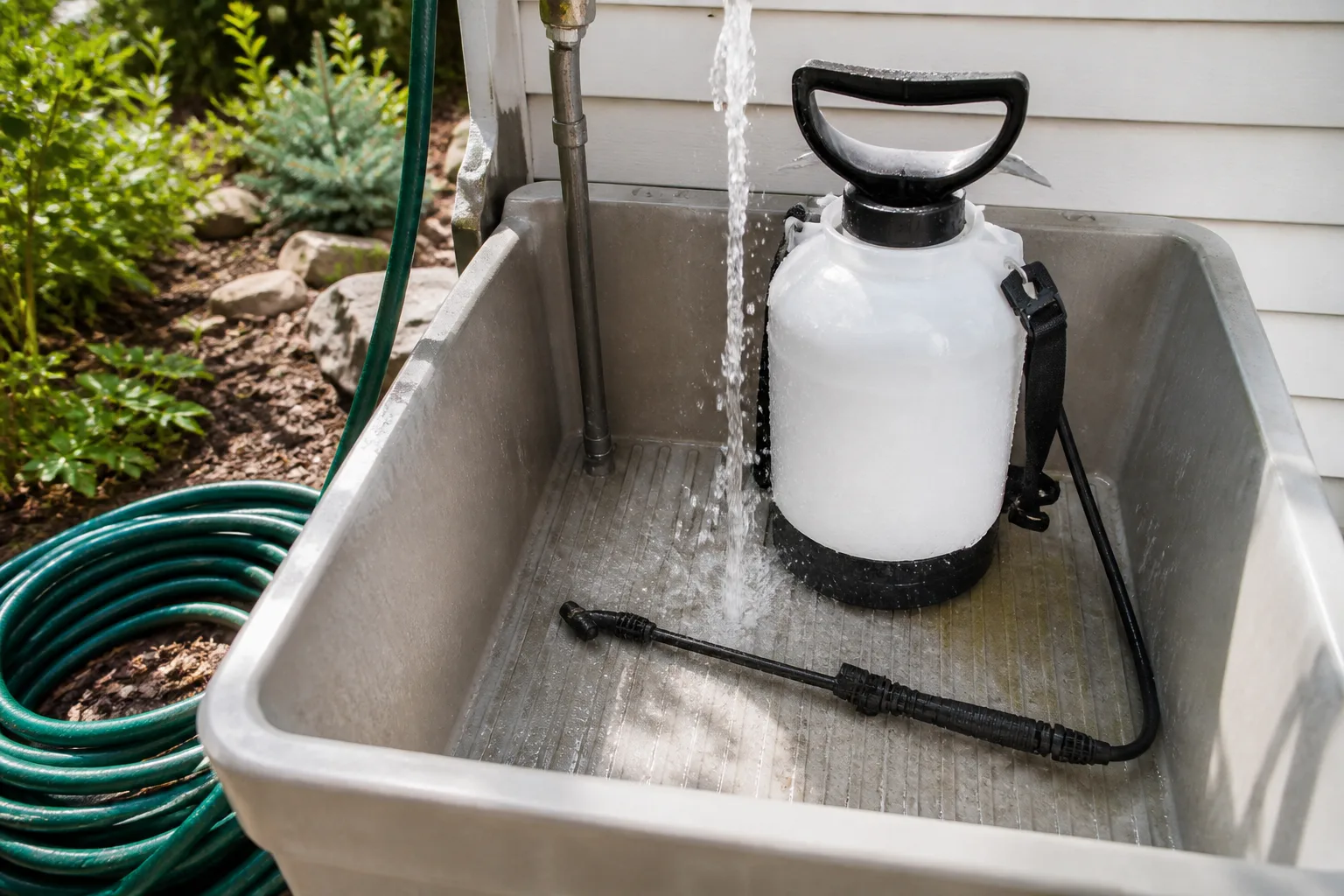
Do not automatically respray as soon as the clouds clear. First note when you finished, when rain began, how heavy it was, and what the label says. Rain immediately after application is a different event from a light shower that arrives after the product has dried and passed its rainfast interval.
A light shower after the rainfast window
If the product had already met its labeled rainfast period, a light shower usually is not a reason to apply another dose. The spray may have dried on the foliage or been absorbed, and adding more product can increase exposure, plant injury, runoff, and the chance of exceeding the label’s seasonal maximum.
Wait and watch the target on the product’s expected symptom timeline. Systemic products may need several days, while contact products can show injury sooner. Brown tips alone do not prove that a perennial weed is dead; look for new green growth from the crown or soil line over the following week or two.
A downpour before the rainfast window
If heavy rain began before the labeled rainfast period ended, assume performance may be reduced, not that the entire application definitely failed. University of Missouri guidance explains that rain amount, intensity, duration, formulation, and chemistry all affect how much material remains or is absorbed.
Do not rinse, scrape, or “neutralize” the sprayed area. Keep people and pets away for the label’s re-entry period, prevent further runoff, and wait until the product’s reapplication interval permits another treatment. If the label gives no clear respray instruction, contact the manufacturer or a local extension service rather than guessing.
When you do reassess, inspect the weed instead of treating the calendar. If the plants are still growing strongly, the target has dry foliage, the site is labeled, and a complete weather window is available, a follow-up may be justified. If the weeds are near desirable plants or the patch is small, remove them by hand and avoid stacking applications.
When pulling weeds beats spraying them
Rain is often a reason to put the sprayer down and pick up a weeder. Soft soil reduces the force needed to pull shallow-rooted annuals and can help you remove a dandelion crown or taproot more cleanly. It also avoids drift and leaves no need to interpret a rainfast interval.
Pull when weeds are isolated, close to wanted plants, growing in a vegetable bed, or small enough to remove before flowering. Grip the weed low at the soil line, loosen stubborn crowns with a trowel, and check the hole for remaining roots or underground stems. Do not compost weeds with mature seed heads or aggressive rhizomes unless your composting system reliably destroys them.
For broad bare areas, a sharp hoe used shallowly can sever seedlings without turning over the whole bed. BBC Gardeners’ World Magazine recommends hoeing on a dry day so exposed weeds dehydrate, while Epic Gardening’s weed-removal guidance favors young-weed control, mulch, and reduced soil disturbance over repeated deep tilling.
After pulling, cover the exposed soil with an appropriate mulch layer and keep pathways clear. A quick weekly pass prevents small flushes from reaching the size where a chemical treatment seems tempting. You can also see LeafyPixels’ guide to using mulch to prevent weeds for a more complete prevention plan.
Lawn, flower bed, and hardscape rules are not the same
In a lawn, the weed is surrounded by a plant you want to preserve. Household vinegar and most non-selective herbicides can injure turf as easily as they injure dandelions. Use hand removal for a few weeds or a selective product labeled for the specific turfgrass and target weed; follow its temperature, mowing, rain, and re-entry directions.
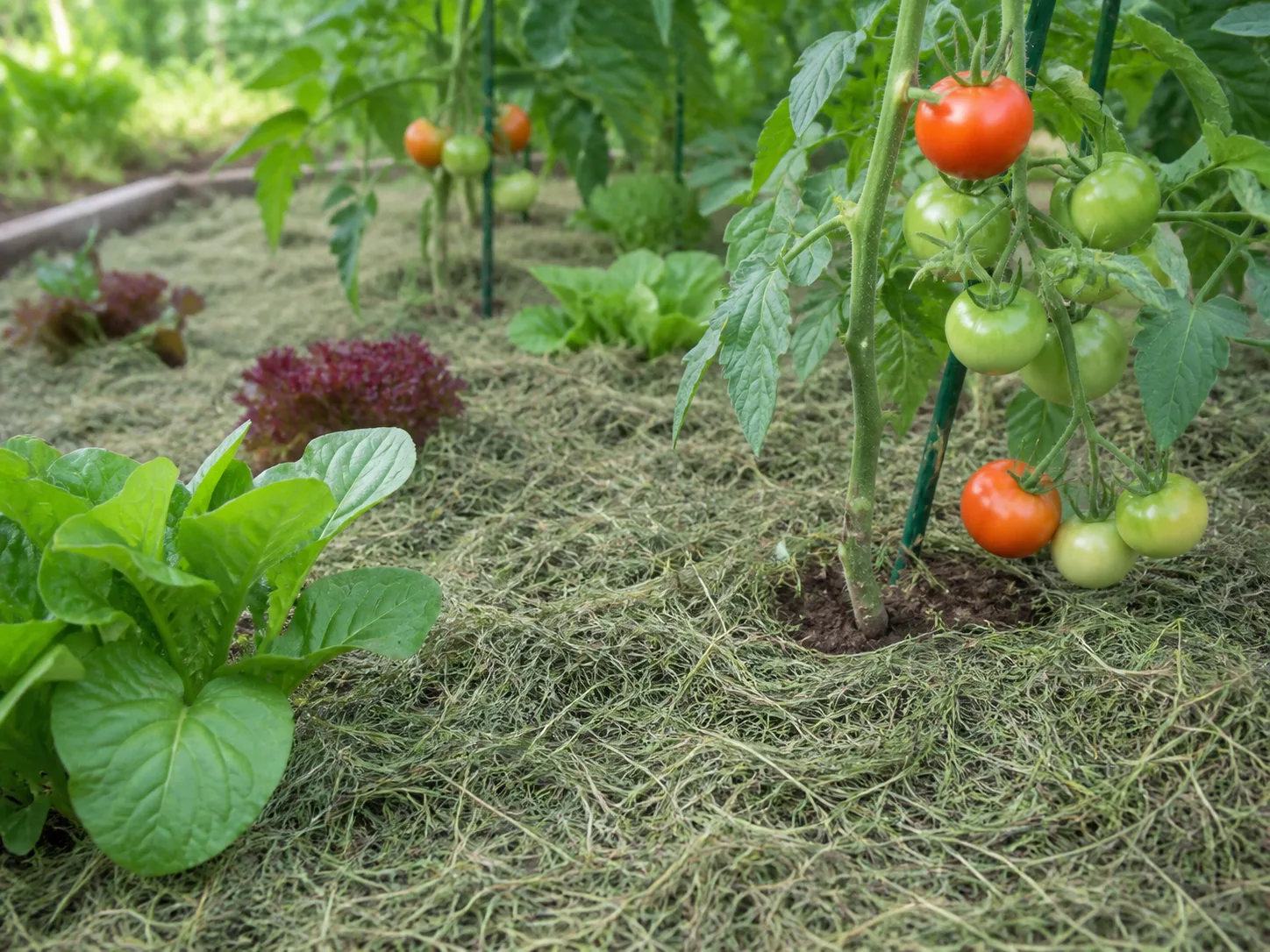
In a flower bed or vegetable garden, drift and splash are the main hazards. Shield nearby foliage, keep the nozzle close to the target, avoid windy conditions, and never spray a product unless the label permits that site and crop. If the bed is crowded, pulling and mulching are usually more controllable than a broadcast spray.
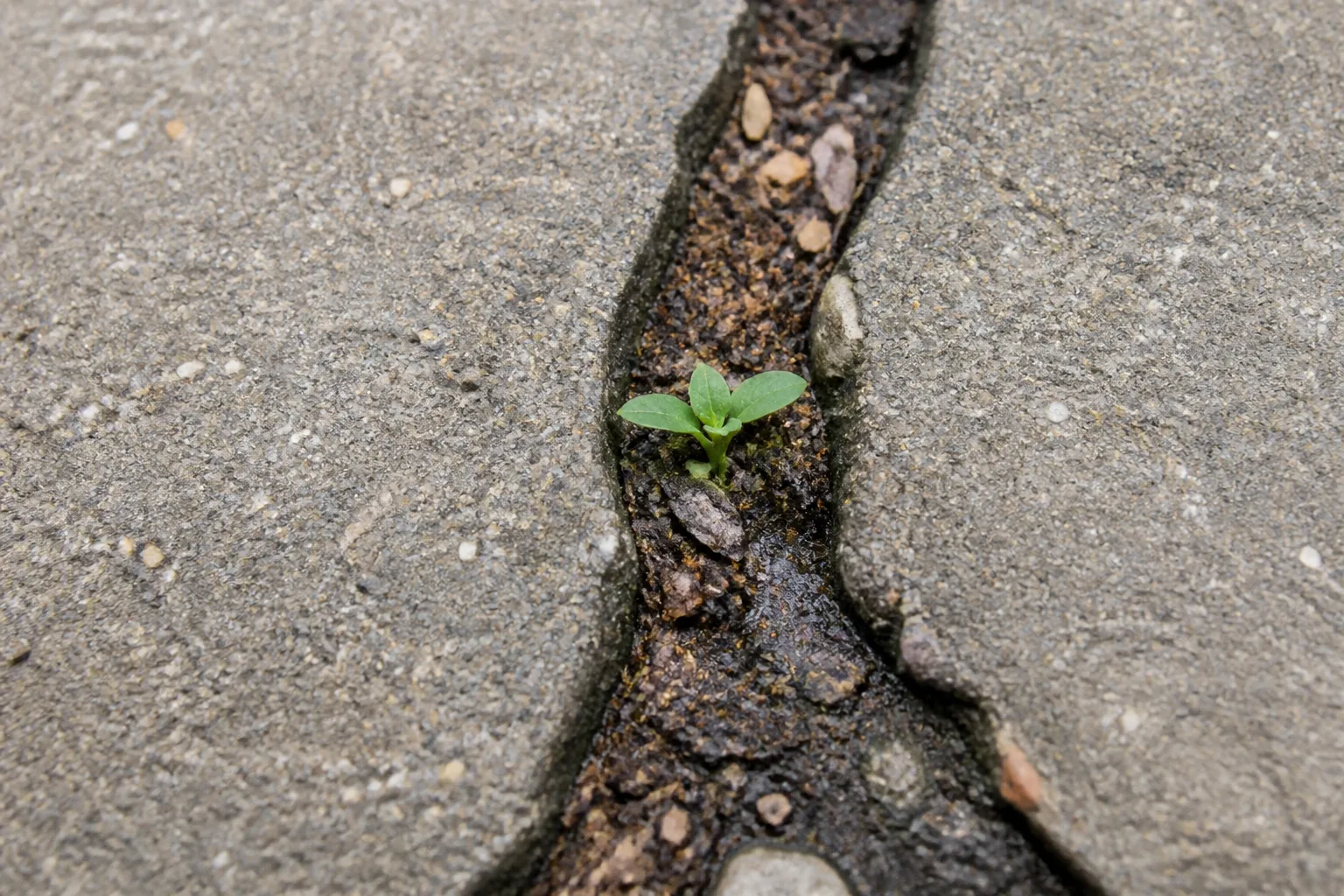
Hardscape cracks and gravel paths give you more room for a targeted treatment because there may be no desirable foliage directly beside the weed. Even there, rain can carry product off a slope, acidic sprays can affect some surfaces, and a crack filled with sediment can produce new weeds after the original top growth dies.
For a lawn-specific plan, start with how to get rid of weeds in your lawn. For isolated paver weeds, compare physical removal with the methods in natural solutions for patio weeds.
Natural sprays after rain: vinegar, citrus, and salt
Vinegar and citrus-based sprays are contact treatments, not magic root killers. They can damage exposed leaf tissue, especially on young weeds in bright, dry conditions, but they are non-selective and can burn grass, flowers, herbs, or vegetable foliage that receives the same droplets.
That makes wet foliage an especially poor target for a homemade spray. Wait until leaves are dry, use a narrow application on a suitable hardscape target, avoid runoff, and expect that a mature perennial may regrow. A sunny afternoon can improve the visible burn, but sunlight does not turn an acid spray into a systemic herbicide.
Salt deserves extra caution. It may desiccate the top growth, but it can also make soil less suitable for plants you want later. Do not put salt-based mixes in lawns, vegetable beds, perennial borders, or anywhere runoff can enter planting soil. For a fuller explanation of the contact-versus-root trade-off, see what actually works with vinegar weed killers.
Natural does not mean harmless. Concentrated acetic-acid products can injure skin and eyes, and any pesticide or herbicide product still requires label-compliant handling. Wear the protection listed for the product, keep children and pets away as directed, and never transfer a concentrated liquid to an unmarked household bottle.
A low-chemical workflow for persistent weeds
Persistent weeds are easier to manage when you combine several small interventions rather than expecting one perfect spray. Start after rain by pulling what comes out cleanly, then leave a mature perennial’s remaining foliage intact until you have a dry, labeled window for a treatment that can reach the root system.
For a patch in an empty future bed, mowing low, covering the surface, and using cardboard or organic mulch can block light without exposing nearby ornamentals to drift. Epic Gardening’s practical guide describes tarping and sheet mulching as useful for unplanted areas, while warning that aggressive tilling can spread perennial roots and rhizomes.
For a planted border, use a three-part rhythm: remove existing weeds, cover open soil, and scout once or twice a week. If a few weeds return, pull the young regrowth before it flowers. If the same perennial returns from the same crown, dig or use a location-appropriate, label-compliant systemic strategy instead of repeatedly burning only the leaves.
The goal is not to win a single afternoon. It is to stop seed production, exhaust regrowth, protect the plants you want, and reduce the number of times a spray is needed. That approach also helps you tell whether new weeds are coming from surviving roots or from fresh seed after the soil was disturbed.
Common timing mistakes that waste a treatment
- Spraying by the clock instead of the label: A 24-hour rule can be too long for one product and too short for another. Find the exact rainfast direction first.
- Treating shiny, wet leaves: Moisture can dilute or carry away the dose. Wait for the target foliage to dry.
- Confusing moist soil with active uptake: A damp bed may help a pulled weed come out, but it does not guarantee that a foliar herbicide will enter the plant.
- Spraying a stressed weed: Flooding, drought, cold, heat, or mowing can slow uptake and make results unreliable. Let the plant return to active growth when the label permits.
- Using a non-selective product in a lawn or crowded bed: The spray cannot distinguish a weed from a wanted plant it touches.
- Mowing immediately around a systemic application: Removing leaf area can reduce absorption and movement.
- Respraying before symptoms have had time to develop: A slower systemic product may be working even when the weed still looks green.
- Ignoring wind and slope: Drift and runoff can injure plants beyond the target, even when the weed itself is perfectly dry.
- Adding salt to solve regrowth: Salt can create a longer-lasting soil problem without removing a perennial root.
- Tillering or rototilling a perennial patch: Chopping rhizomes and roots can multiply the pieces capable of regrowing.
Conclusion
So, can you spray weeds after it rains? Yes, but wait until the target leaves are dry, confirm that the weed is actively growing, and follow the product label’s rainfast and site directions. The right wait may be an hour for one product, several hours for another, or longer if the weather remains unsettled; “24 hours” is a planning cushion, not a universal law.
Use the wet-soil advantage for hand-pulling, especially around vegetables, flowers, and young plantings. Reserve sprays for a clearly identified target, a suitable site, a calm weather window, and a product that is actually labeled for the job. Then judge success by regrowth over time—not by how quickly the leaves turn brown.