Can Coffee Grounds Go Down the Sink? What to Do Instead
Can coffee grounds go down the sink? Learn why they settle in drains, what to do after a spill, and the cleanest ways to bin or compost them.
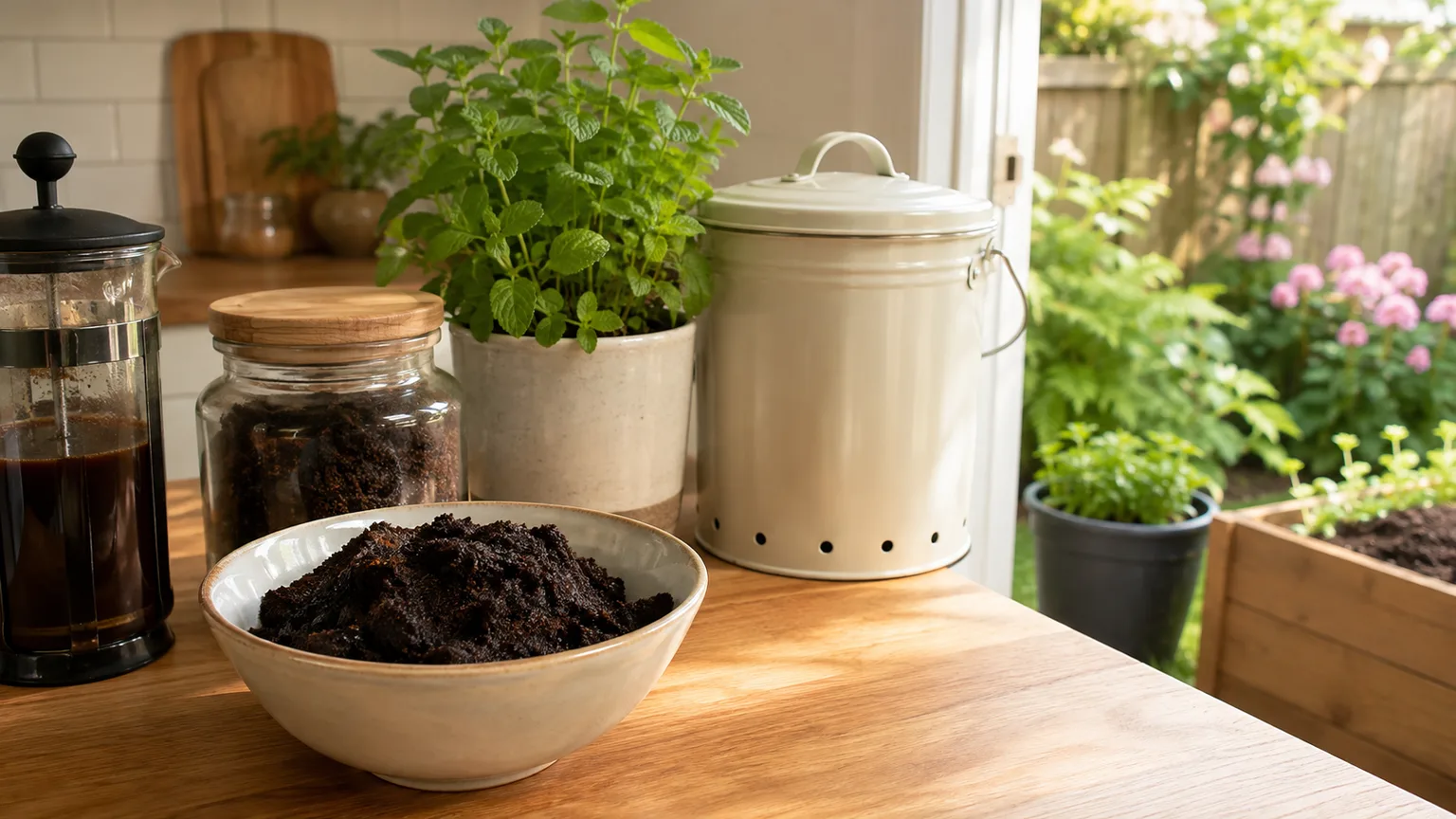
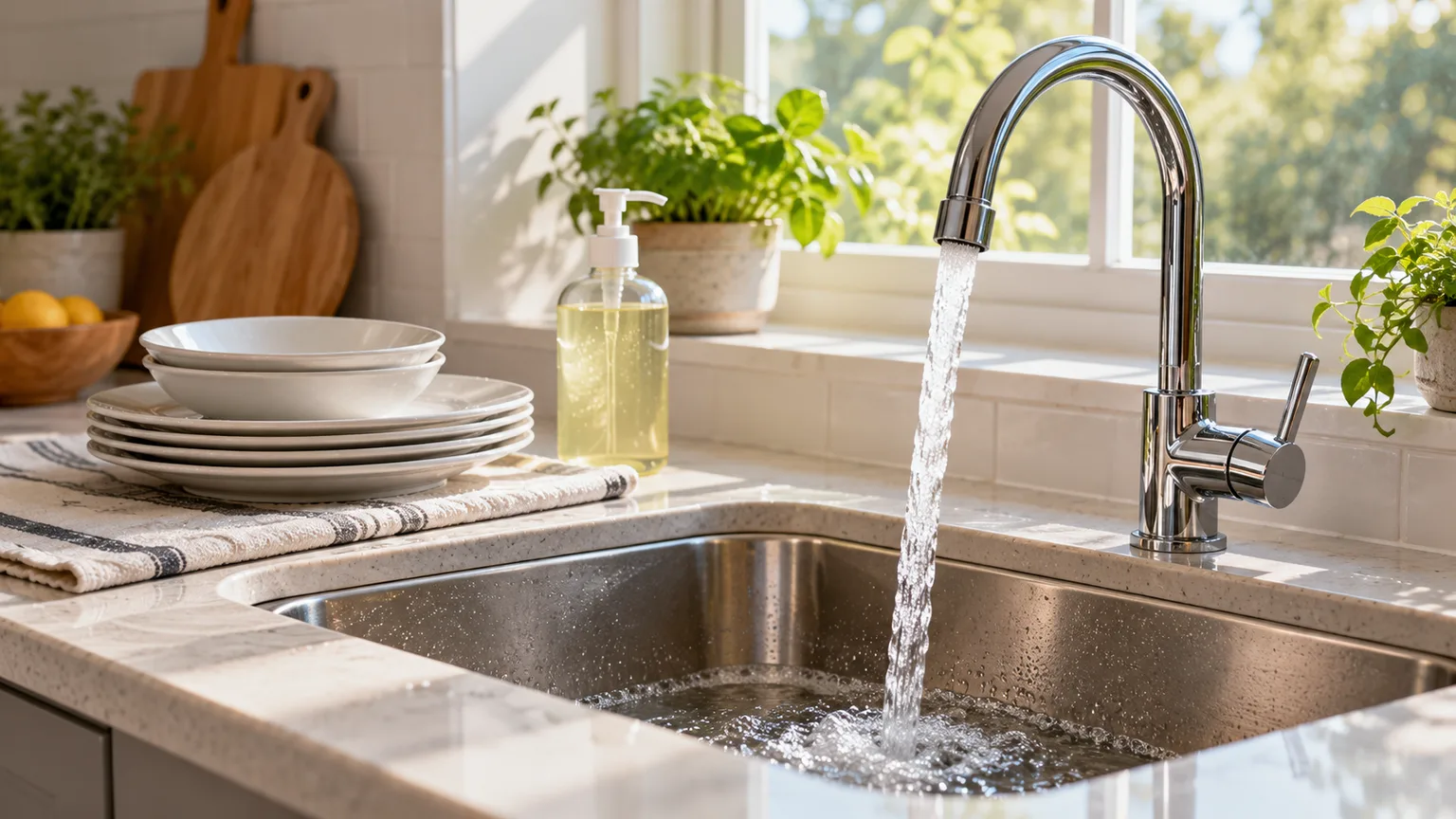
No—do not intentionally rinse coffee grounds down a kitchen sink, even if the faucet is running hot and even if the sink has a garbage disposal. A one-time spoonful is not proof that your plumbing is about to fail, but making the sink your daily coffee-ground bin gives small solids repeated chances to settle, collect other residue, and restrict the drain.
The better habit is simple: scrape the grounds into the trash, a countertop compost container, or a compost pile. If some already went down and the sink is still draining normally, stop the habit and monitor it. If the sink is slow, gurgling, or backing up, treat it as a developing blockage—not as a reason to pour in more water and hope.
The Short Answer: Keep Coffee Grounds Out of the Drain
Coffee grounds are a solid food waste, not a liquid that disappears when diluted. Water can carry some particles through a wide, clean section of pipe, but it cannot dissolve the grounds. When flow slows in the sink’s P-trap, a joint, a disposal outlet, or a flat section of drain line, the particles can collect instead of traveling onward.
That is why several wastewater utilities give the same practical rule. The City of Fargo’s drain guidance specifically says not to put coffee grounds in a garbage disposal, sink drain, or toilet, and recommends using strainers to catch food scraps and scraping residue into the garbage. The City of Escondido’s wastewater guidance gives the same warning for coffee grounds, grease, and eggshells.
The important nuance is risk versus certainty. Sending a teaspoon down the sink once does not guarantee a clog; existing grease, pipe slope, pipe diameter, the amount of water used, and the location of the material all matter. But there is no useful reason to choose the drain when a strainer and a few seconds with a spoon can keep the solids out.
What Happens to Coffee Grounds Inside a Sink Drain
Picture the inside of a drain as a route with slower pockets, turns, seams, and places where a little residue already clings. A single ground may move along with water. A repeated dose can behave more like fine grit in a gutter: it gathers wherever the flow loses speed, then gives the next material something to catch on.
The first trouble spot is often close to the sink, especially the P-trap, the curved section that holds water to block sewer gas. A plumbing-service explanation from Bill Howe notes that coffee-ground clogs commonly form in the U-shaped trap, although a restriction can occur farther along the line. That location is useful because a trap can be cleaned mechanically; it is also easy to overlook while the water is still draining slowly.
Why Fine Grounds Settle Instead of Rinsing Away
Used grounds arrive wet, soft, and densely packed. They do not turn into a clear solution. Agitation may spread them into a thin slurry, but once that slurry reaches a section where water moves slowly, the particles can settle back out and form a layer.
Grind size changes the feel of the material, not the basic rule. Espresso pucks, finely ground drip coffee, coarse French press grounds, and single-serve brewer grounds are all solids. Coarser particles may be easier to catch in a basket, while fine particles may travel farther before settling; neither is a good candidate for routine drain disposal.
The USDA Agricultural Research Service’s drain-disposal guidance is written for a controlled facility rather than a household kitchen, so it is not a coffee-ground recipe. Its broader principle is still useful: solid or viscous substances capable of obstructing sewer flow do not belong in a drain, and drain disposal should be limited to materials specifically approved for that setting.
How Grease, Soap, and Food Residue Turn Settling Into a Clog
Grounds do not need to be oily enough to create a clog by themselves. The more realistic problem is that a settled patch becomes a rough, absorbent-looking surface where grease, fats, food particles, and soap residue can collect. Those materials arrive from normal dishwashing, even in a kitchen that looks clean.
Over time, the mass can grow from a nuisance into a restriction. Water drains more slowly, food odors linger, and the next load of particles has less open space to pass through. The exact mixture in your pipes is impossible to know from the sink surface, which is why a slow drain is a signal to investigate rather than a diagnosis that can be solved with one guaranteed pantry formula.
Does a Garbage Disposal Make Coffee Grounds Safe?
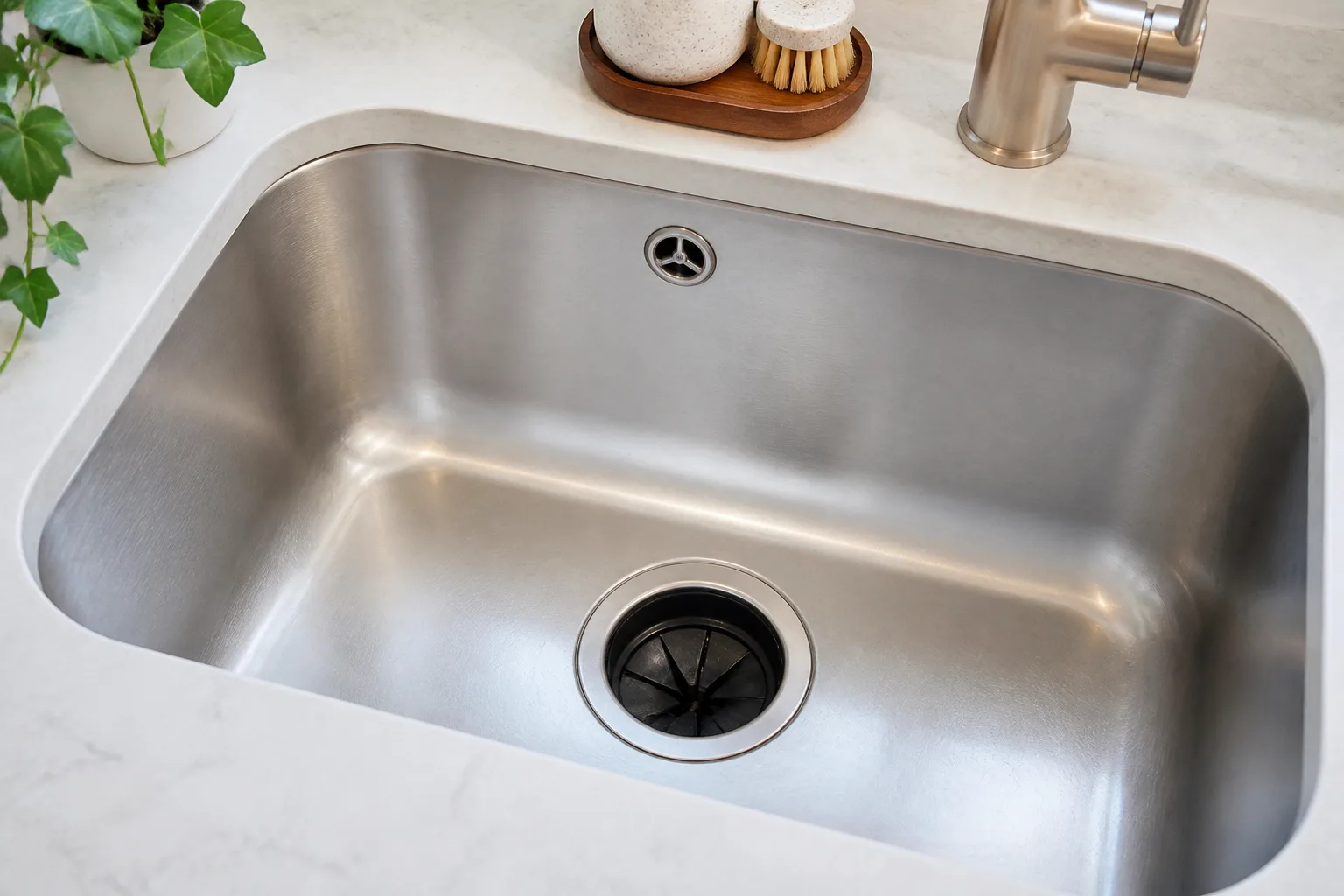
No. A garbage disposal changes the size of the grounds; it does not turn them into drain-safe liquid. The rotating parts break food into smaller pieces, and water carries those pieces toward the drain. Fine coffee particles can still settle downstream, especially when they meet grease or an already narrowed pipe.
This is a different question from whether a disposal can physically process a small amount. Some machines may tolerate occasional grounds, and manufacturers’ instructions and local wastewater rules differ. The household decision is simpler: if the product is a dry or wet solid that can be scraped into a bin, do not feed it into the disposal as a routine.
A disposal can also create false confidence. You may hear the motor run and see the sink empty, then assume the grounds are gone. They may only have moved past the grinding chamber. Escondido’s wastewater page explicitly asks residents to keep coffee grounds out of garbage disposals, while Fargo notes that disposals use significant water and electricity and encourages reducing or eliminating their use.
The same caution applies to a coffee filter. A paper filter full of grounds is a single, cohesive packet that is even easier to catch and remove. Lift it out, let excess water drip into the sink briefly if needed, then put the filter and grounds in the trash or a compost stream that accepts that type of paper.
How Much Coffee Grounds Is a Plumbing Problem?
There is no dependable “safe amount” to use as a daily target. One stray pinch is unlikely to clog a healthy drain instantly, while several weeks of rinsing a full filter can create a problem without any dramatic warning. The risk rises when a home already has a slow drain, narrow or poorly sloped piping, a disposal, a septic tank, or a habit of washing grease and food scraps through the same fixture.
Use this decision table as a calm response rather than a prediction of exactly what is inside your pipes:
| What happened | What it means | Best next move |
|---|---|---|
| A few grounds slipped through once | Not an emergency by itself | Stop the habit, run normal water briefly, and watch for slow drainage over the next few uses |
| A full filter or French press was rinsed | A larger solid load may be sitting near the trap or disposal outlet | Stop adding solids; inspect the basket and monitor flow before using the sink heavily |
| Grounds went down repeatedly for days or weeks | Accumulation is more plausible, especially with grease | Clean the trap or arrange a drain inspection if flow has changed |
| Water is standing or backing into another basin | There is an active blockage somewhere in the branch line | Stop using the fixture and troubleshoot cautiously; call a plumber if basic steps fail |
| A septic home receives regular grounds | Solids are being added to a system designed for wastewater treatment | Make the no-grounds rule permanent and follow local septic guidance |
The goal is not to scare you into a repair call after one mistake. It is to notice the change that matters: draining slower than usual, gurgling, odors, or water appearing in the wrong basin.
What to Do If Coffee Grounds Already Went Down the Sink
Start with the sink’s current behavior. If the water drains at its normal speed and there is no odor or backup, remove any visible grounds from the strainer, stop sending more down, and return to normal use. Do not try to “flush the clog away” with repeated buckets of hot water; if solids have collected, more water can simply move the problem farther down the line.
If the sink is slow, use the least aggressive reasonable step first. The aim is to remove or dislodge the material without pushing it into a harder-to-reach section or exposing yourself to a chemical reaction.
First Check Whether You Have an Active Clog
Look at the symptoms before taking anything apart. A sink that drains slowly but steadily may have a local restriction. Water that does not move, rises in the second basin, backs up when the dishwasher runs, or appears in another fixture points to a larger or farther-downstream problem.
If you have a double-basin sink, note whether both bowls are affected. If only the disposal side is slow, the restriction may be around the disposal outlet or its connected pipe. If both sides back up together, the branch drain after the two bowls join is a stronger suspect.
If you have a garbage disposal, turn it off at the switch and disconnect power at the plug or breaker before looking near the opening. Never put your hand into a disposal to retrieve grounds. Use a tool designed for the appliance or have a professional handle anything lodged inside.
Clear a Minor Slow Drain Without Making It Worse
For a minor, local slowdown, this order is reasonable:
- Stop using the sink. Remove dishes and wipe up any grounds around the opening so you do not add another load.
- Remove the drain basket or visible splash guard only if it is designed to come out. Scoop solids into the trash instead of rinsing them back through.
- Try a sink plunger. Add enough water to cover the plunger’s cup, seal the other basin and overflow opening, and use several firm strokes. Keep your face away from the opening because dirty water can splash.
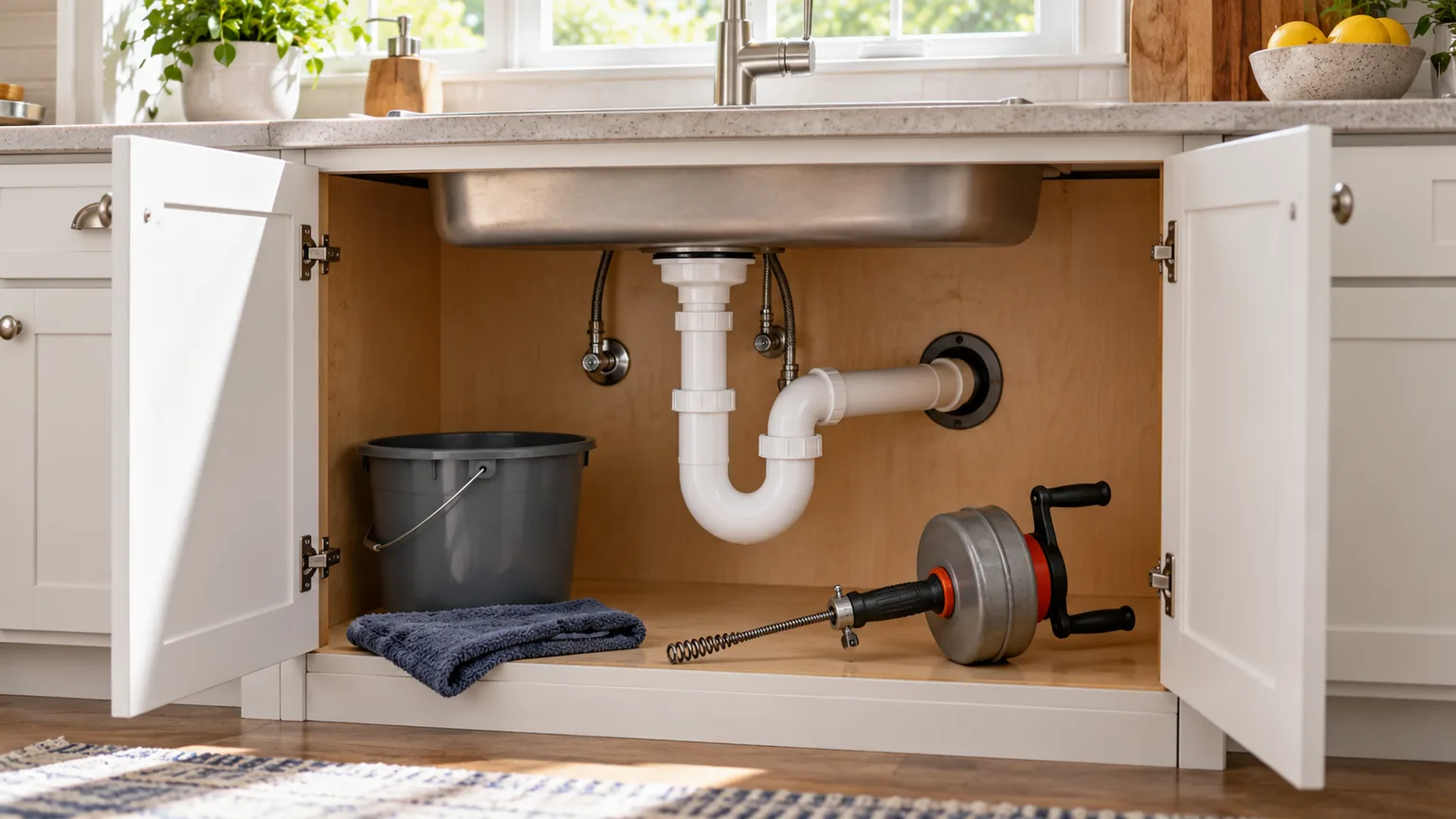
- Check the P-trap if you are comfortable doing basic plumbing. Put a bucket under the trap, loosen the slip nuts, lower the curved section carefully, and clear the grounds into the trash. Reassemble the washers in their original positions and check for leaks with a small flow of water.
- Use a hand drain snake only when the line and tool are familiar to you. Follow the tool instructions and stop if the cable catches, the fitting leaks, or the blockage does not respond.
Hot tap water with a little dish soap may help move greasy residue after the solids are removed, but it will not dissolve a packed layer of coffee grounds. A baking-soda-and-vinegar reaction can fizz and deodorize a surface; it is not a reliable substitute for removing a physical mass from a trap or line. Do not pour one cleaner after another into a drain, and never plunge or open a trap if chemical drain cleaner is sitting in the pipe.
When to Stop DIY Drain Troubleshooting
Stop and get help when the sink is fully backed up, when several fixtures are affected, or when water returns after you have cleared the local trap. Also stop if you rent, cannot safely shut off a disposal, see a leak at a connection, or are unsure whether a chemical cleaner was used before you arrived.
A professional can distinguish a local trap blockage from a branch-line or main-line issue using tools that are difficult to use safely under a kitchen sink. Persistent grounds-related symptoms may not be caused by grounds alone; old pipe corrosion, a sagging line, grease buildup, or an unrelated obstruction can produce the same slow-drain pattern. Guessing matters less than preventing contaminated water from spreading into cabinets and floors.
If you have a septic system, be especially conservative. The EPA’s septic FAQ specifically lists coffee grounds among items not to pour down the drain and advises limiting garbage-disposal use because food waste adds unnecessary solids to the tank. A septic tank is a treatment system, not a convenient destination for routine kitchen waste.
The Best Ways to Dispose of Used Coffee Grounds
The right option depends on what your household can actually maintain. Trash is better than a clogged drain. Compost is useful when you have a working collection system and can balance wet grounds with other material. Garden use can be worthwhile, but grounds are not a magic fertilizer and should not be spread as a thick, solid blanket.
Trash Them Without a Mess
For the simplest routine, tap the filter or brewer basket into a lined bin. If the grounds are very wet, let the filter drain over the trash for a moment, or wrap the grounds in a paper towel or a piece of newspaper before tying the bag. Avoid leaving an uncovered bowl of damp grounds on the counter for days; it can grow mold and make the kitchen smell stale.
If local trash or organics rules provide a food-scrap stream, follow those instructions. Some programs accept coffee grounds and paper filters; others accept grounds but not every filter material. When no composting option is available, a sealed trash bin is still a more predictable plumbing choice than trying to wash organic waste away.
Compost Them in Modest Amounts
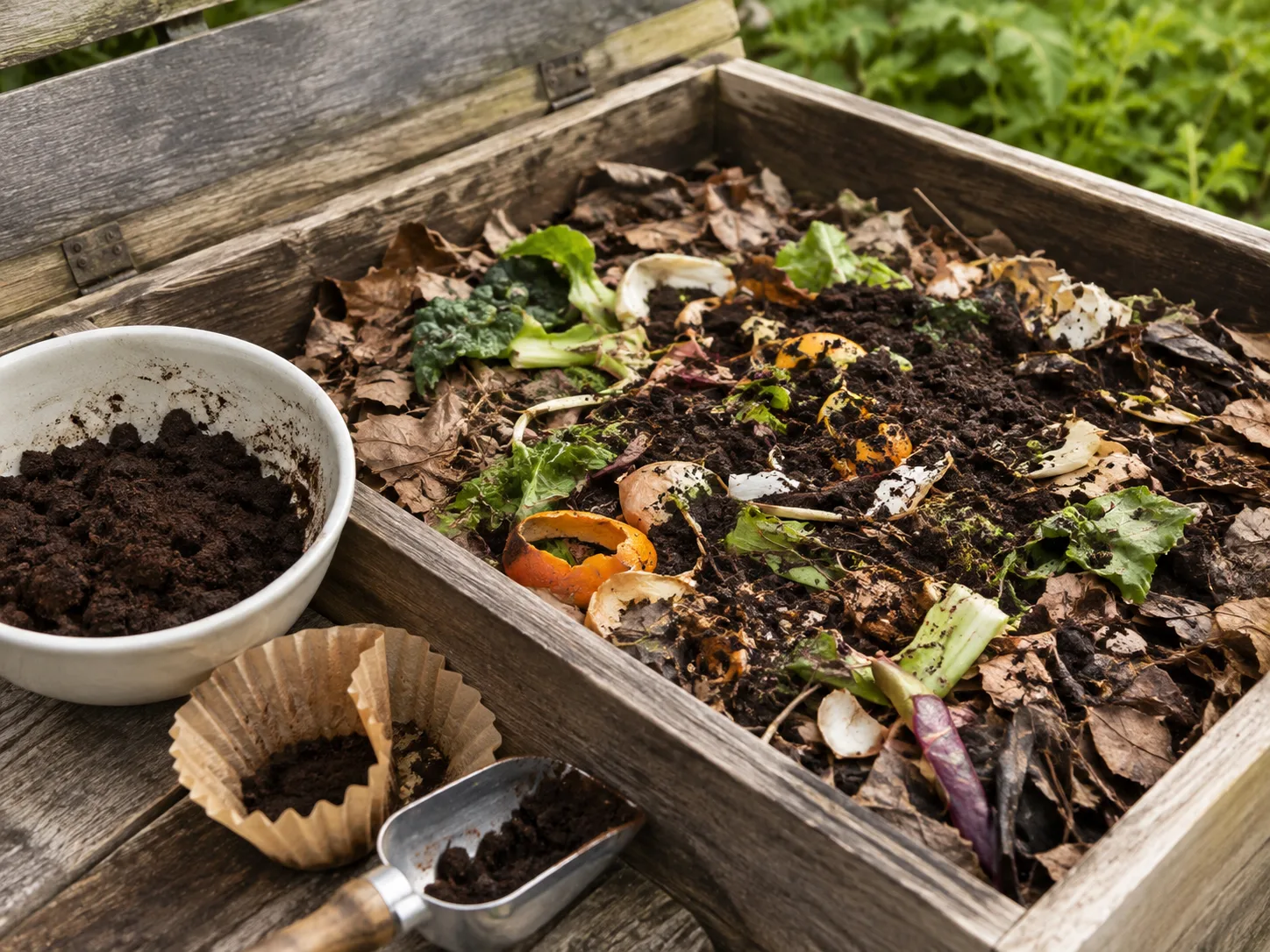
Coffee grounds are a nitrogen-rich compost ingredient, but they are also fine-textured and wet. Dumping a thick layer into a pile can create a compacted mat with poor air movement. Mix them through leaves, shredded paper, dried plant material, or another carbon-rich “brown” ingredient so the pile stays open rather than forming a coffee puck.
The practical guidance from Planet Natural’s coffee-ground composting guide draws on horticulturist Linda Chalker-Scott’s research review and recommends keeping grounds to roughly 20% or less of the total compost volume. The exact percentage is not a household measuring requirement, but it is a useful guardrail: coffee grounds should be one ingredient, not the pile’s entire identity.
Paper coffee filters may be compostable, but check the material and your local program. Remove plastic mesh, foil, pods, and any non-paper parts first. If you use a worm bin, add a modest amount and mix it with bedding; never dump a week’s worth of wet grounds into one dense pocket.
For a small kitchen, a lidded countertop compost bin can make the right behavior easier, especially when the outdoor pile is far from the coffee maker. The best container is the one you will empty before it becomes a damp, smelly second problem.
Use Them in the Garden With Realistic Expectations
Spent grounds can add organic material and nitrogen to a compost system, but they are not a dependable replacement for fertilizer. Their pH varies and does not make them a reliable way to acidify soil. Directly piling large amounts around a plant can create a dense surface that sheds water or limits air movement instead of helping roots.
If you want to use them outside, the safest beginner move is to compost them first. You can also mix a small amount into the top layer of soil rather than leaving a thick crust on the surface. If using grounds as a surface amendment, the guidance summarized by Planet Natural favors a thin layer—about half an inch or less—covered with a much thicker, coarse organic mulch so the grounds do not seal the surface.
Do not use coffee grounds as a reason to skip a soil test, balanced fertilizer, or proper watering. The guide to using coffee grounds in the garden covers those limits in more detail. The useful takeaway for this sink question is that the grounds have several better destinations than a drain, but each destination still needs the right amount and method.
Why Septic-System Homes Should Be Extra Strict
Septic owners have less margin for treating a sink as a food-waste chute. Wastewater enters the tank, solids settle, and the system depends on biological treatment and scheduled maintenance. Coffee grounds add a persistent solid fraction without offering a household benefit that justifies the extra load.
That does not mean one accidental rinse will ruin a septic tank. It means repeated disposal is a poor trade, especially when combined with grease, wipes, paper products beyond toilet paper, or frequent garbage-disposal use. Keep grounds, filters, and food scraps out of the drain, and follow the tank manufacturer’s or local health department’s maintenance guidance.
Homes connected to municipal sewers should keep the same kitchen habit. Municipal treatment plants are built to handle wastewater, but that does not make every solid suitable for the collection system. The City of Fargo’s guidance also notes that grease can build up in sewers and restrict flow, which is one reason preventing solids and grease at the sink is easier than responding to a backup later.
Other Kitchen Solids That Do Not Belong in the Sink
Coffee grounds are part of a larger rule: a kitchen drain is for wastewater, not for sweeping the plate clean. Use a scraper, compost caddy, or trash bin before washing the dish.
Keep these common materials out of the sink and garbage disposal unless your appliance manual and local program specifically say otherwise:
- Fats, oils, and grease
- Rice, pasta, and flour-heavy mixtures that swell or turn pasty
- Eggshells and shell fragments
- Potato peels and fibrous vegetable scraps
- Bones, fruit pits, and large food pieces
- Paper towels, wipes, and non-food packaging
- Coffee filters, pods, and tea bags with plastic or metal parts
The reason is not identical for every item. Grease can coat sewer lines; fibrous scraps can wrap or catch; starchy foods can become paste-like; hard materials can damage equipment; and paper or plastic can remain intact. A strainer catches many of these before they become a plumbing decision.
A Simple Coffee Routine That Prevents Drain Clogs
The most effective prevention plan takes less time than troubleshooting a slow sink:
- Set a grounds destination before brewing. Keep a small lidded bin, compost pail, or lined trash can within reach of the brewer.
- Lift the filter or puck out as one piece. Do not rinse the basket over the sink. Tap it over the bin and wipe any stubborn residue with a paper towel.
- Use a drain basket. A fine-mesh sink strainer catches stray grounds during dishwashing and can be emptied into the trash.
- Scrape plates and pans. Wipe grease and food scraps into the bin before washing, even if a disposal is installed.
- Keep the disposal’s role narrow. Follow the appliance instructions and local wastewater rules, but do not treat grinding as permission to send every solid down the pipe.
- Watch the first sign of slowdown. A drain that takes longer, gurgles, or smells different deserves attention before it becomes a standing-water problem.
If you enjoy reusing grounds for household projects, the leftover coffee grounds guide has ideas that keep the material above the drain. For odor or insect issues near a sink, first identify whether the problem is actually a drain fly or food residue; the drain-fly guide can help you avoid treating the wrong problem.
Conclusion
Can coffee grounds go down the sink? They should not. Grounds are solid particles that can settle in a P-trap or drain line, and a garbage disposal only grinds them smaller; it does not guarantee that they will stay suspended until treatment.
Do not panic over one accidental spoonful. Stop the habit, use a strainer, and watch for slow drainage. If a clog is starting, remove solids where you can, try a careful plunger or trap cleanout only when safe, and stop for professional help when water backs up, several fixtures are affected, or chemical cleaner is involved.
Your everyday answer is easier: tap the filter or coffee puck into the trash, compost modestly with plenty of other material, or use grounds outdoors in a restrained, compost-first way. The sink gets wastewater; the grounds get a bin.