Can Coneflowers Survive Frost? Winter Care Guide
Can coneflowers survive frost? Learn what mature plants need, when to cover young clumps, how to mulch, and how to protect coneflowers in pots.
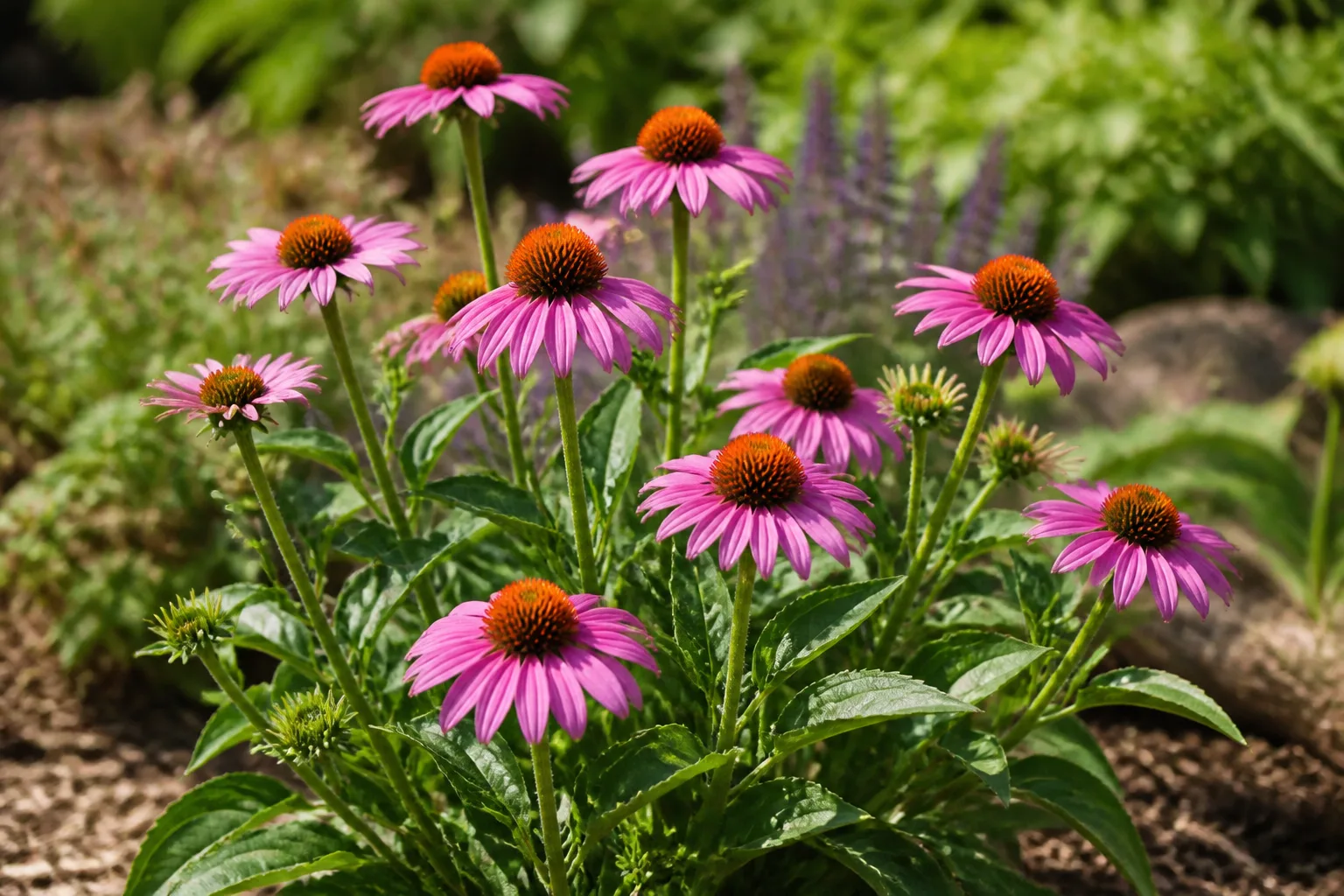
Yes—most established coneflowers survive ordinary fall frost without a cover. Their flowers and leaves may turn limp, brown, or black, but that above-ground damage is not the same as a dead plant. A healthy in-ground clump goes dormant and keeps its crown and roots protected below the soil surface.
The exceptions are just as important as the reassuring answer. A seedling, a coneflower planted only weeks ago, a marginal cultivar in a colder zone, an exposed container, or a plant sitting in waterlogged soil can need help. The right response depends less on the word “frost” than on plant age, expected temperature, wind, drainage, and whether the roots are in the ground or in a pot.
The short answer: established coneflowers usually survive
Coneflowers are herbaceous perennials in the genus Echinacea. They finish the season by sacrificing tender top growth while the crown settles into dormancy. Missouri Botanical Garden lists Echinacea cultivars such as ‘Cheyenne Spirit’ as hardy in zones 4 through 9 and describes them as low-maintenance plants for dry to medium, well-drained soil; that is a useful example of hardiness, not a guarantee for every cultivar or microclimate. (Missouri Botanical Garden)
That means a mature plant in a suitable site usually does not need to be wrapped every time the forecast touches 32°F. Covering can preserve late flowers for a little longer, but it is rarely necessary to keep the perennial alive. If the plant has been in the bed for several seasons, drains well, and is rated for your climate, leaving it uncovered is normally the least disruptive choice.
Frost forms when surfaces cool enough for moisture to freeze. The exposed parts of a coneflower—petals, leaves, soft stems, and any new basal growth—lose first. The result may look dramatic the next morning: petals collapse, leaves become translucent or dark, and stems bend under a thin crust of ice. Those tissues were already approaching seasonal shutdown, so their loss is expected.
The crown is the part that matters for next year. It sits at the base of the stems, close to the soil line, and sends up new shoots after winter. A single light frost can finish the foliage while leaving the crown untouched. Digging, fertilizing, or cutting into the crown because the tops look dead can create more trouble than the frost itself.
The RHS describes Echinacea as a deciduous, clump-forming, rhizomatous perennial that prefers full sun and well-drained soil. (RHS plant profile) That structure explains why winter success is mostly a root-zone and drainage question after the season’s foliage has gone.
Frost, hard freeze, and freeze-thaw are different problems
Gardeners often use “frost” to describe every cold event, but the terms point to different risks. A light frost is a brief dip around the freezing point that commonly damages tender foliage. A hard freeze stays colder for longer and can freeze soil, containers, and the upper crown. A freeze-thaw cycle repeatedly expands and contracts water in the soil, which can heave new plants, expose roots, or leave a crown saturated when snow and rain melt.
NC State Extension explains that cold injury depends on both the actual temperature and how long the plant experiences it. (NC State Extension) For an established coneflower, one clear, calm night near freezing is a very different event from a week of subfreezing weather followed by rain and refreezing.
Why a one-night frost is not a winter forecast
If your forecast shows 31–34°F for a few hours and the plant is mature and in the ground, you usually need to do nothing. The same temperature deserves more attention when the plant is a new fall purchase with a small root ball, sits in a raised container, or stands in an open frost pocket where cold air collects.
Cold fronts also behave differently. CSU Extension distinguishes radiation frost, which develops on calm, clear nights as heat escapes from the ground, from advective frost, which arrives with a moving cold air mass and may bring stronger wind and much lower temperatures. (CSU Extension) A cover can trap some ground heat during a radiation frost; it cannot turn a severe, windy arctic outbreak into a mild night.
Do not read the first frost date as a deadline to cut every plant or apply a thick blanket. It is a weather marker, not a complete winter-care instruction. Watch the pattern, then match the intervention to the risk.
Your plant’s age and site determine the risk
Two coneflowers can be the same cultivar and experience the same forecast yet need different treatment. One may have a broad, established crown anchored in native soil; the other may be a small nursery plant whose roots have barely moved into the surrounding bed. The second plant has less stored energy and less root mass to buffer temperature and moisture swings.
Site quality matters just as much. A sunny bed with free drainage is usually safer than a shaded low spot that stays wet, even if both gardens are in the same USDA zone. RHS notes that autumn plantings are more prone to rotting in winter, particularly in wet or heavy soils. (RHS Echinacea guide)
First-year plants deserve the most attention
Treat a first-year coneflower as establishing, not as a miniature version of a mature clump. It may survive a light frost easily, but it is more vulnerable to an abrupt hard freeze before roots settle, especially if planted late in fall. A first-year plant is also more likely to heave when the soil freezes and thaws because the root ball has not yet knit into the bed.
Before a cold night, check that the crown is at soil level rather than perched above it or buried under a mound. Water if the root zone is genuinely dry, then add a modest insulating layer around—not on top of—the crown. If the forecast calls for a brief frost, a breathable cloth cover gives the foliage extra protection; if a prolonged freeze is coming, the priority shifts to site shelter, drainage, and the cultivar’s hardiness rating.
Pots are colder than garden beds
In-ground roots are surrounded by a large volume of soil that changes temperature slowly. A container has much less soil and exposes its sides to cold air, so the root ball can freeze from several directions. The plant may be winter-hardy in a bed but less hardy in a pot on an elevated deck.
Potted coneflowers also face a second problem: winter watering is easy to misjudge. Cold, wet mix drains and dries slowly, while a small pot exposed to wind can dry faster than a sheltered bed. The goal is not to keep the pot constantly damp; it is to prevent the root ball from becoming bone-dry without leaving it saturated.
Use this quick decision rule before the temperature drops
Ask four questions: Is the plant established? Is it in the ground? Is the soil draining? Is the forecast a brief frost or a prolonged hard freeze? Your answers point to the next move.
| Situation | Best first move | What to avoid |
|---|---|---|
| Mature clump in the ground, well-drained bed, brief frost | Leave it uncovered; let dormancy proceed | Cutting healthy stems solely because frost is forecast |
| First-year plant in the ground, brief frost | Water only if dry and cover overnight with breathable fabric | Letting fabric rest on wet foliage or leaving it sealed in sun |
| New fall planting before a hard freeze | Mulch lightly around the crown and shelter the site from wind; cover the top if needed | Deep digging or transplanting immediately before the cold |
| Potted coneflower in an exposed location | Move it beside a building or group pots in a sheltered place; check moisture | Bringing a dormant outdoor perennial into a warm room for routine care |
| Any plant in heavy, waterlogged soil | Improve drainage when conditions allow; keep surface mulch open | Adding more water or piling wet leaves against the crown |
This rule is intentionally conservative. If the plant is mature and the risk is low, protection adds work without much benefit. If the plant is young and the site is exposed, a simple overnight cover is cheap insurance.
Water the root zone, but do not create a swamp
Moist soil holds and releases heat more slowly than very dry soil, so a coneflower should not enter a predicted freeze severely dehydrated. NC State’s frost guidance recommends watering plants before freezing temperatures, along with covering foliage and mulching roots. (NC State frost guidance) For a new plant, water the root zone earlier in the day if the soil has dried several inches down.
That advice does not mean watering every coneflower on the night of the forecast. If the bed is already damp, rain is expected, or the plant sits in clay that drains slowly, adding water can increase the risk of crown rot. Water the soil, not the flowers, and stop when the root zone is evenly moist rather than puddled.
Established coneflowers usually need little winter irrigation because they are dormant and seasonal precipitation often supplies enough moisture. Check during an unusually dry winter when the ground is workable, but do not force water into frozen soil. For containers, lift the pot or use a finger test before watering; a pot that is still cold and damp does not need another drink simply because two weeks have passed.
Mulch for temperature stability and drainage
Winter mulch is most useful as a temperature moderator, not as a thick blanket meant to keep a coneflower warm at all costs. A light layer of shredded leaves, clean straw, pine needles, or fine bark can reduce rapid swings around the crown and buffer a new planting while the ground freezes. It also slows moisture loss during dry, windy weather.
Spread mulch over the root zone and leave a visible gap around the crown. Mulch touching the crown stays damp, blocks air movement, and can encourage decay during a mild spell. Do not use a dense pile of wet leaves that mats into a shell; shred them or mix them with a looser material so water can move through.
The correct depth depends on the material and climate. Think in terms of a few loose inches, increasing protection for a new planting or a colder, exposed site while using less in a mild, wet garden. The RHS preference for well-drained soil is a useful constraint: mulch cannot compensate for a bed that holds standing water.
When to apply winter mulch
Apply the main winter layer after the top growth has slowed or died back and the soil has become consistently cold, not while the bed is still hot and actively growing. In cold climates, waiting until several hard frosts or the first lasting freeze helps avoid creating a damp shelter for slugs and rodents. In a mild climate, a thin layer can go on earlier if a new planting needs protection from drying wind.
If a sudden cold snap arrives before you have mulched, do not dig into frozen soil to make the bed perfect. Lay a loose protective layer on the surface, keep it off the crown, and correct the drainage or final depth when the ground is workable. Remove or thin the excess in spring as basal shoots emerge so the young growth is not trapped under wet debris.

Cover young coneflowers for a brief frost
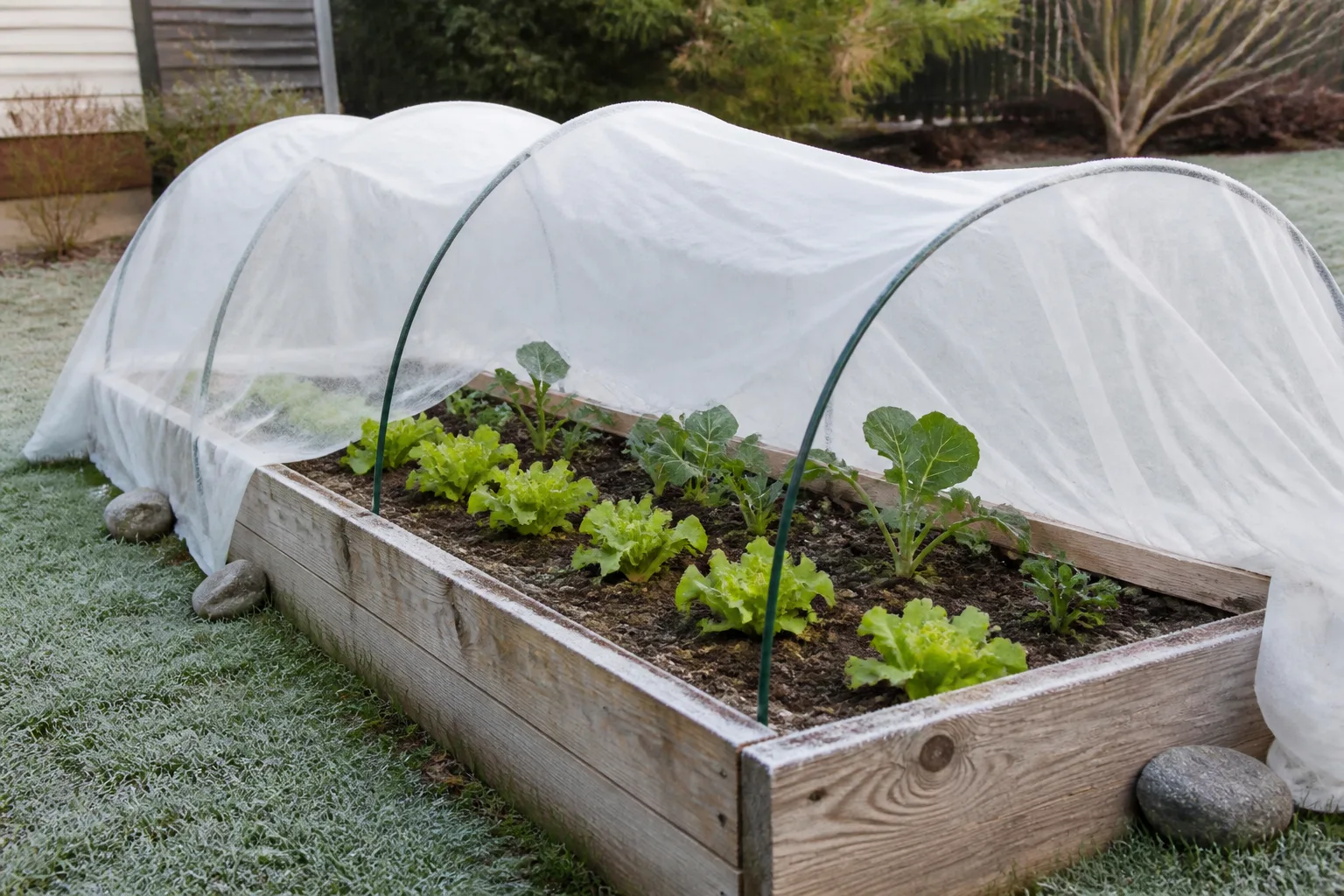
For a one-night frost, use frost cloth, a lightweight row cover, or a clean sheet supported so it does not crush the plant. The cover works by slowing radiant heat loss and holding a small pocket of warmer air near the ground. It protects the living foliage that remains; it does not replace winter hardiness or repair a poorly drained crown.
Choose breathable fabric whenever possible. Avoid plastic directly against leaves because it can transfer cold to contact points overnight and heat the plant too quickly when morning sun arrives. If plastic is the only available emergency material, support it off the foliage and remove or ventilate it promptly as temperatures rise.
How to install frost cloth correctly
Place the cover before sunset while the soil still holds some daytime heat. Drape it over stakes, hoops, or a simple frame, then extend the edges all the way to the ground and anchor them with boards, stones, or landscape pins. A cover that stops at the top of the plant leaves a gap where cold air can flow underneath.
The fabric should touch the ground around the plant, not necessarily the leaves. NC State specifically advises draping from the widest point straight down to the ground, while CSU notes that dry sheets and blankets work better than fabric that absorbs water. (CSU frost protection) If wet fabric is forecast to freeze into a heavy layer, switch to a proper frost cloth or use a frame that keeps weight off the stems.
Remove a sheet in the morning once temperatures rise above freezing and sunlight reaches the bed. Leaving a dark or tightly sealed cover on all day can cause heat buildup, trap condensation, and block pollinators when the plant is still flowering. A breathable row cover can stay longer in some situations, but inspect the plant instead of treating any cover as set-and-forget equipment.
Protect potted coneflowers without bringing them indoors
A dormant coneflower is an outdoor perennial, not a houseplant that needs a heated windowsill for winter. Moving a large pot into a warm interior can interrupt dormancy, create a light shortage, and make watering more difficult. A better first step is to move the container to an unheated but sheltered location such as beside a wall, under a covered porch, or in a protected garage that does not stay warm enough to trigger soft new growth.
Group outdoor pots together so their exposed sides lose less heat, and place them on the ground rather than on a metal stand or windy deck. Wrap the container—not the plant—with insulating material if a severe cold event is expected, leaving the drainage holes open. Never seal the bottom of a pot in a waterproof bag where meltwater can collect.
Check the soil every week or two during a dry spell, adjusting for rain and temperature. Water lightly when the mix is dry well below the surface and the pot can drain freely; wait when it remains wet. A potted coneflower that enters winter waterlogged may decline from root damage even if the foliage looks fine after the frost passes.
Should you cut coneflowers back before winter?
No single cleanup date is correct for every garden. Cutting back after the tops are fully dormant is safe for many coneflowers, but leaving stems through winter can provide seed for birds, shelter for insects, and a small amount of protection around the crown. The choice is about wildlife value, disease cleanup, appearance, and weather exposure, not about rescuing a mature plant from a normal frost.
If you want a tidy bed, wait until stems and leaves are brown and dry, then cut them to a few inches above the crown with clean pruners. Do not make an early fall cut while the foliage is still green and actively photosynthesizing. If a plant has diseased foliage, remove that material promptly and discard it rather than leaving it to rot in the bed.
Leave seed heads when birds and winter structure matter
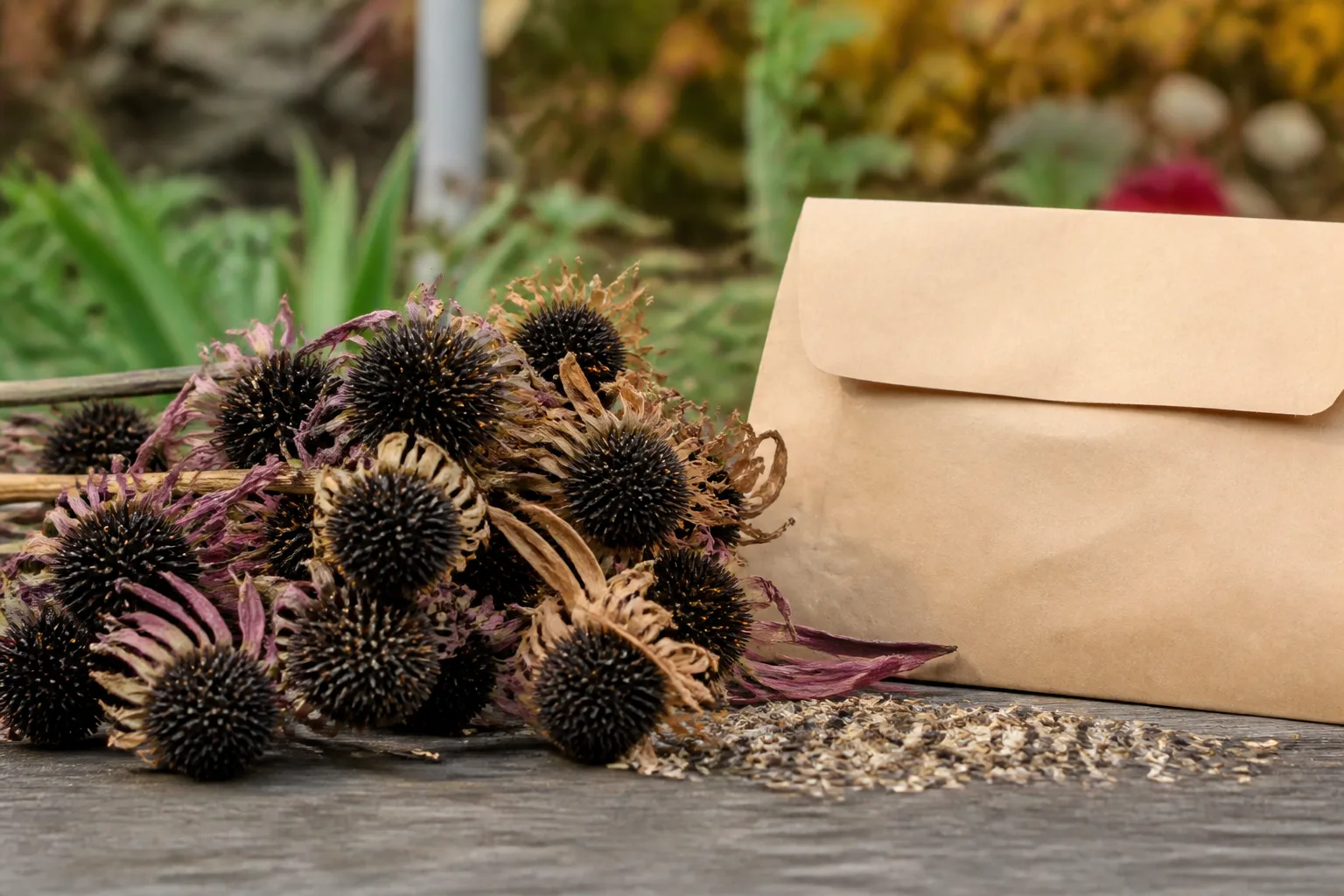
The dried cones are not merely spent flowers. Missouri Botanical Garden notes that standing stems can remain upright into winter and that blackened cones may be visited by goldfinches feeding on seed. (Missouri Botanical Garden coneflower profile) Gardening Know How also describes leaving seedheads as a way to support birds and preserve winter interest, while recognizing that fall or spring cutback can both work for a hardy plant. (Gardening Know How)
Leave at least some heads if the stems are healthy and upright. Cut only the sections that are diseased, broken over a walkway, or trapping wet debris against the crown. In late winter or early spring, remove the remaining dead growth before new shoots lengthen; if you want to protect stem-nesting insects, delay cleanup until temperatures are reliably mild and leave short stubs rather than scalping every hollow stem.
What to do after frost damage
Do not prune at dawn just because the leaves look black. Frozen tissue is fragile, and handling it while still icy can tear stems and spread damage farther down the plant. Let the weather moderate, then inspect the plant after a day or two of thawing.
Start at the top and work down. Remove collapsed flowers or stems only if they are slimy, broken, or lying against the crown. If the base remains firm and the soil drains, leave the rest alone; the plant may still be entering normal dormancy. If you cut anything, use clean, sharp pruners and make the cut above the crown rather than digging around the roots.
When blackened foliage is normal and when it signals rot
Normal frost damage is usually dry or limp tissue after a cold night, followed by gradual dieback across the exposed tops. The crown stays firm, the soil does not smell sour, and there is no spreading mush at the base. That plant can be left to rest and assessed again when spring growth begins.
A drainage problem is more concerning when stems turn black at the soil line, the crown feels soft, or the plant sits in saturated soil after snowmelt and rain. Waterlogged roots can rot during dormancy, and piling more mulch over them makes the problem harder to see. Improve runoff, lift future plantings slightly, or move a container to a free-draining mix when conditions permit; do not fertilize a declining dormant plant.
In spring, be patient. Coneflowers often emerge later than cool-season weeds, and a dead-looking winter crown may still send up shoots when soil temperatures rise. Scratch a tiny section of the crown only if you need a last-resort check: living tissue is firm and light inside, while dead or rotted tissue is brown, hollow, or soft. Do not use one slow week as proof of winterkill.
A simple coneflower winter checklist
Use this sequence before the first serious cold event:
- Identify the plant. Confirm the cultivar’s hardiness rating and whether it is a seedling, first-year plant, or established clump.
- Check the site. Look for standing water, a low frost pocket, strong wind, exposed roots, or a container elevated above the ground.
- Check moisture. Water the root zone only if it is dry and the soil can drain; do not water frozen or saturated ground.
- Mulch lightly. Use a loose layer around the crown, leaving air space at the base and keeping the material from matting.
- Cover selectively. Use supported, breathable fabric for a brief frost when the plant is young, newly planted, flowering, or unusually exposed.
- Secure containers. Set pots on the ground in a sheltered group, protect the container sides, and keep drainage holes clear.
- Choose your cleanup goal. Leave healthy seedheads for birds and winter structure, or cut back after dormancy for a tidy bed.
- Wait after frost. Let frozen tissue thaw before pruning and check the crown, soil moisture, and drainage rather than judging the plant by its leaves.
This checklist prevents the most common overreaction: treating a hardy dormant perennial as if every cold night were an emergency. It also catches the situations where doing nothing is not enough—particularly a new plant in a wet bed or a pot exposed to wind.
Conclusion
Coneflowers can usually survive frost because their long-term life is held in the crown and roots, not in the petals and leaves that collapse at season’s end. An established, well-drained in-ground plant generally needs no cover for a routine frost; a first-year plant, exposed container, marginal cultivar, or waterlogged site deserves a more deliberate plan.
Water only when the root zone is dry, mulch loosely around—not over—the crown, cover young plants to the ground for a brief frost, and shelter pots without turning them into warm indoor plants. Leave healthy seedheads when you want bird food and winter structure, cut back after dormancy when tidiness is the priority, and wait for spring growth before declaring a dormant coneflower dead.



