Lemon Juice for Rust Stains: When It Works and When to Skip
Wondering if lemon juice removes rust? Pros explain citric acid chemistry, surface limits, bleach risks, and better options for set-in stains.
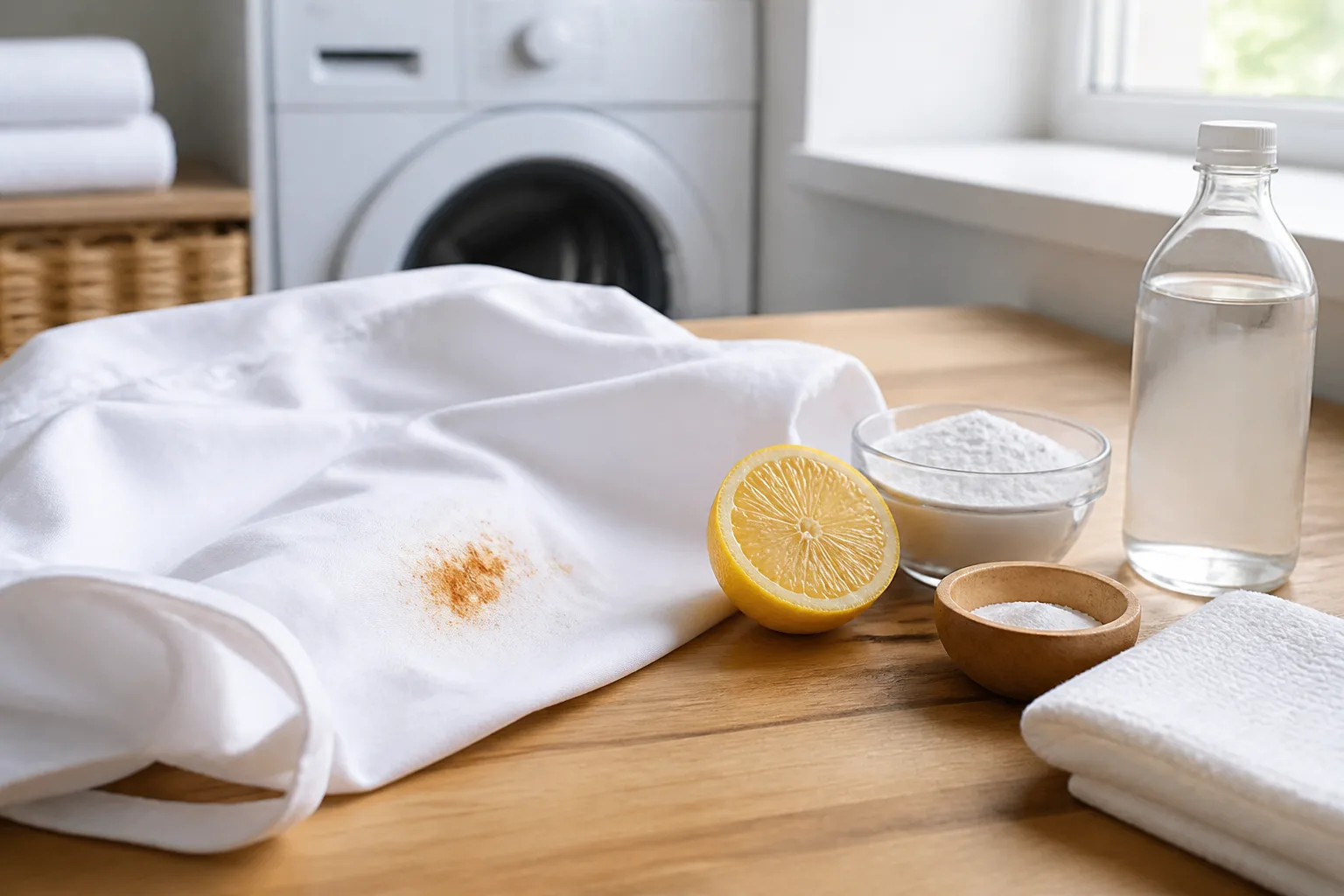
That orange ring under a forgotten screwdriver, the reddish streak on a white shirt from a rusty nail in the pocket, and the tan mark where a metal plant saucer sat on the patio—all look like jobs for whatever cleaner is already under the sink. Lemon juice is a reasonable first try on some of those marks because it delivers citric acid, the same active chemistry many commercial rust removers use in stronger form. It is not a universal rust eraser. Fresh, surface-level iron oxide on smooth, acid-tolerant materials often lifts with lemon. Old stains baked into porous grout, etched natural stone, or fabric already hit with chlorine bleach usually need a different tool.
If you need full removal workflows for clothes, carpet, and upholstery, our guide to how to remove rust stains from fabric and soft surfaces goes deeper on blotting, commercial oxalic products, and dry-clean-only limits. This page answers a narrower question: when is the lemon in your fridge the right rust remover—and when should you skip it?
The Short Answer
Lemon juice can remove light, fresh rust stains on non-porous surfaces such as porcelain enamel, glazed tile, stainless steel, and colorfast white cotton—especially when the mark is hours or days old, not years. The citric acid chelates iron and loosens the oxide so it rinses away. Skip lemon juice on marble, travertine, limestone, chrome-plated fixtures, raw aluminum, colored fabrics you have not patch-tested, and any stain you already treated with bleach. Escalate past lemon when the rust has penetrated porous grout, worn tub finish, or concrete that has absorbed iron for seasons; those cases respond faster to oxalic-acid powders or dedicated rust removers.
Treat lemon juice as a mild acid, not a magic wipe. Patch-test, rinse thoroughly, and never mix it with bleach.
Why Lemon Juice Can Dissolve Rust Stains
Rust stains are not dirt. They are iron oxide—iron that arrived as metal flakes, dissolved minerals in water, or corroding hardware, then oxidized and bonded where moisture sat and evaporated. Standard alkaline detergents and surfactants do not break that bond. Acids do, by converting insoluble iron compounds into forms that water can carry away.
Citric Acid and Iron Oxide
A fresh lemon delivers roughly 5–8% citric acid by juice weight, plus water, sugars, and oils. Citric acid is a chelating agent: it binds iron ions and helps pull them out of the stain matrix. On a smooth porcelain sink or a recent tool mark on glazed tile, that is often enough chemistry for a visible fade after one or two short treatments.
The limitation is concentration and contact time. A cut lemon is dilute compared with food-grade citric acid powder dissolved in warm water. Cleaning pros who reach for pantry lemons on light bathroom marks often switch to measured citric acid—or oxalic acid products such as Bar Keepers Friend—for heavier iron deposits because the stronger, more consistent dose cuts scrubbing time. UGA Extension’s textile care reference lists oxalic acid (sold as wood bleach) specifically for rust and metallic stains on fabric, which tells you how the stain-removal world classifies rust: an acid job, not a soap job.
Fresh Lemon vs Powdered Citric Acid
Whole lemon is convenient, mildly abrasive when paired with salt, and fine for a single spot on a tub ledge or a white shirt. Downsides: uneven acid strength, sticky residue if you do not rinse well, and the risk of lightening colored fabrics if juice sits too long in sun.
Powdered citric acid (sold for canning and descaling) gives you a repeatable soak: roughly two tablespoons in a bowl of warm water for small metal parts or fixture stains, with a few minutes’ dwell and a thorough rinse. You get more acid per drop without pulp. For garden hand pruners or a shower rod clip with fresh orange specks, the powder soak is usually more efficient than squeezing half a bag of lemons.
Neither replaces oxalic acid on set-in tub rings or iron that has soaked into concrete pores—but both are sensible first steps before you open a stronger remover.
Where Lemon Juice Works Best
Match the method to surface hardness, stain age, and whether the iron keeps coming back.
Fresh Marks on Smooth, Non-Porous Surfaces
Lemon juice earns its keep on recent rust—think a steel can ring on a tub ledge, a drip line from a shaving-cream cap, or specks on a glazed bathroom tile. The oxide has not had months to creep into microscopic pits. Clean the area with plain water first so you are treating rust, not soap scum.
Dwell time: 10–30 minutes for hard surfaces, then scrub gently with a soft cloth or nylon brush and rinse. If the mark lightens but does not disappear, repeat once before switching products. On concrete patios or basement floors, lemon juice can lighten minor surface rust when applied to a dry patch and scrubbed after a short sit—similar chemistry to commercial acid removers, just weaker. Deep orange stains that survived a winter usually need a dedicated concrete rust product, not another lemon.
Colorfast White Cotton and Linen
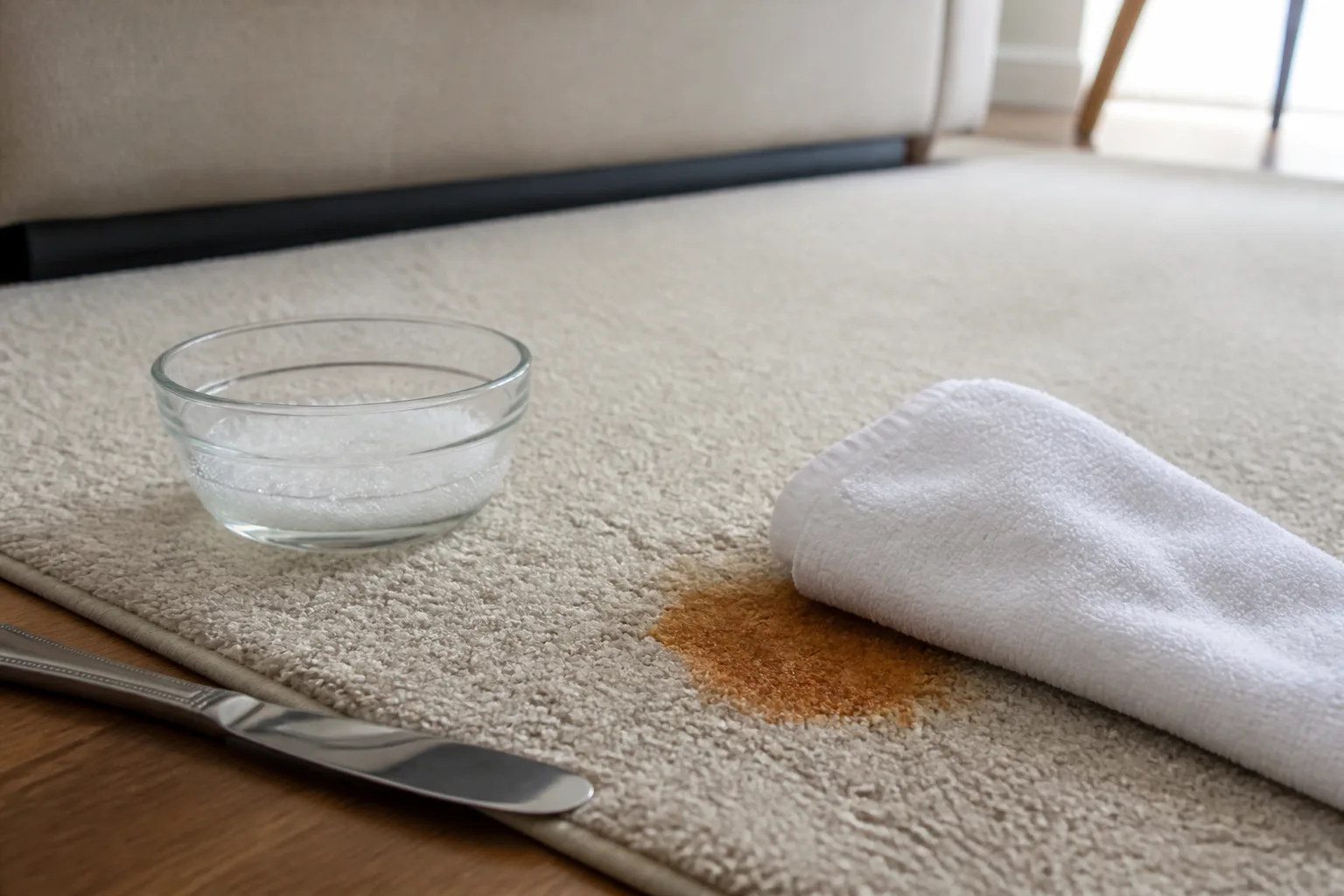
On washable white cotton with a fresh rust spot, lemon plus salt is a classic fabric treatment. Whitegoods Help, an appliance repair reference site, recommends covering mild rust with salt, saturating with lemon juice, leaving overnight, then rinsing and washing normally. The salt adds gentle abrasion; the citric acid dissolves the iron oxide.
Rules: patch-test an inside seam first; avoid colored fabrics unless you accept possible lightening; rinse completely before machine washing; and do not dry with heat until the orange is gone. For a full fabric workflow including carpet and upholstery, see how to remove rust stains.
Stainless Steel and Porcelain Fixtures
Stainless steel develops rust spots when non-stainless particles embed in the surface or when ordinary steel tools scratch the passive chromium layer. A lemon juice soak or paste on the spot—never on the whole sink for long periods—can dissolve light rust without the harshness of hydrofluoric products. Rinse and dry immediately to avoid new spots.
Porcelain enamel tubs and sinks tolerate acid better than plastic composites. Liquid lemon or a citric soak on a ring around the drain often works when the stain is iron deposited from water, not bare metal rusting through the finish. If acid only partially lifts the color, the remaining shadow may be worn or porous enamel—a finish problem, not a cleaner problem.
Two Pro-Tested Ways to Use Lemon Juice on Rust
Pick paste for hard surfaces and salt soak for fabric. Ventilate bathrooms; wear gloves if you have cuts; work one product at a time.
Lemon Juice and Baking Soda Paste (Hard Surfaces)
This is the method many residential cleaners use on tub ledges and sink rims:
- Blot or rinse the rusted area so it is clean and slightly damp—not dripping.
- Sprinkle a thin layer of baking soda directly on the stain. The soda adds mild abrasion and helps hold juice on vertical spots.
- Squeeze fresh lemon juice over the soda until it foams lightly. Let it work 10–15 minutes without letting the paste dry rock-hard.
- Scrub with a soft sponge or cloth, moving in small circles.
- Rinse thoroughly and dry. Sticky lemon sugar residue attracts dust if you skip the rinse.
On fiberglass or acrylic tubs, skip abrasive scrubbing—use lemon or citric liquid only, soft cloth, and longer dwell instead of heavy paste scrubbing that can dull the gelcoat.
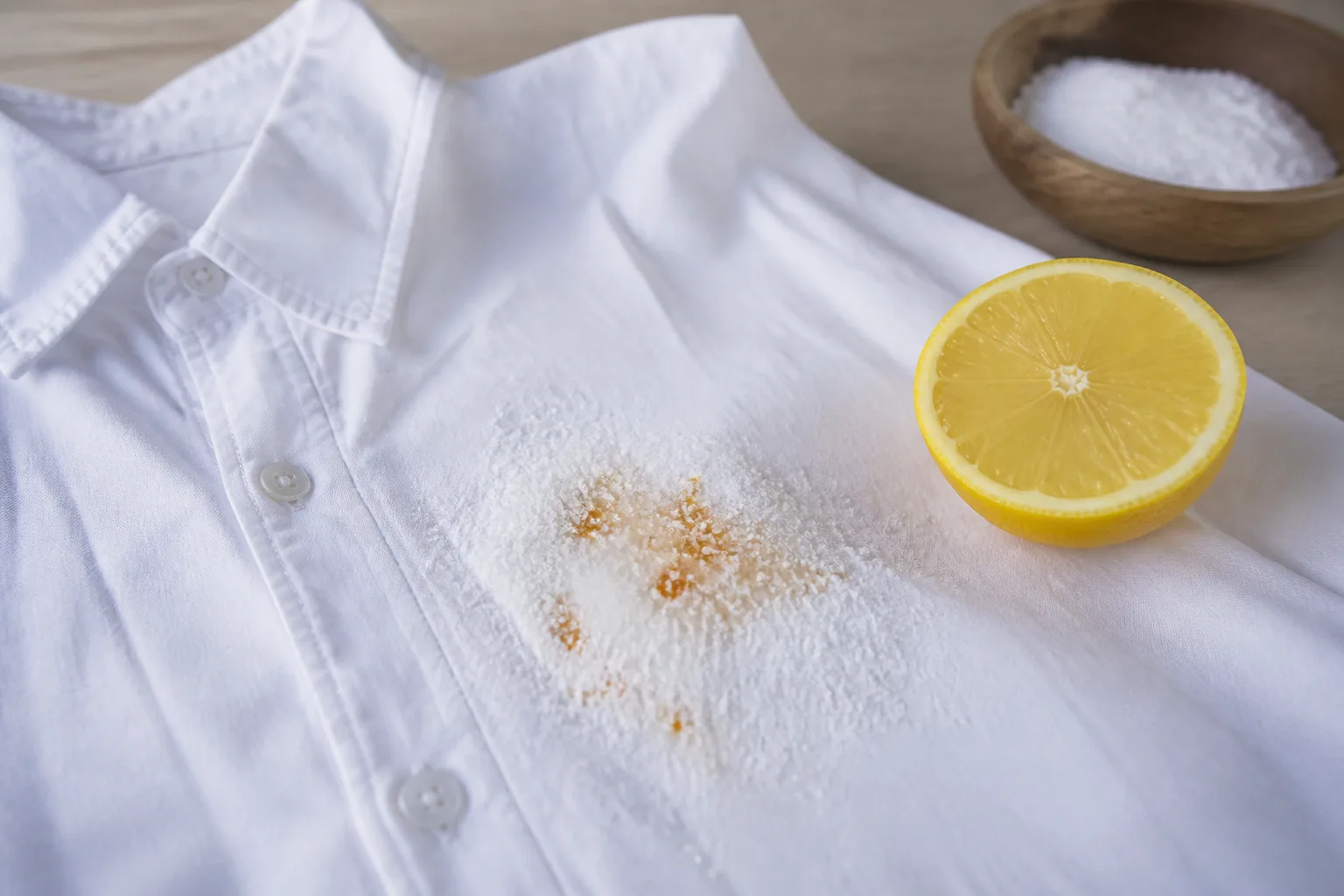
Lemon Juice and Salt (Fabric and Light Marks)
For a fresh spot on white colorfast cotton:
- Lay the fabric flat on a towel, stain side up.
- Cover the mark with table salt—enough to hide the orange.
- Saturate with lemon juice until the salt is wet through.
- Wait 2–8 hours (overnight for stubborn light marks), keeping the area damp under plastic wrap if needed.
- Rinse cold, check the stain, then wash per the care label without heat until the rust is gone.
Sunlight can boost bleaching on white cotton but will fade colors—another reason to reserve this method for whites you have tested.
Surfaces That Should Never See Lemon Juice
Acid that dissolves rust also attacks vulnerable finishes. Patch-test any questionable material in a hidden corner and walk away if the gloss dulls in five minutes.
Natural Stone, Chrome, and Aluminum
Never apply lemon juice to marble, travertine, limestone, or unsealed granite. Citric acid etches calcium-based stone, leaving dull spots worse than the rust. If rust rings a stone vanity, use a stone-safe rust product labeled for natural stone, or protect the stone and treat only the metal source.
Chrome-plated faucets and drains can lose plating or pit under acid contact. Clean rust on chrome with a cloth dampened in mild soap water on the stain only after confirming it is rust, not failed plating—and if the metal itself is rusting through, replace the part.
Aluminum reacts with acids; lemon can darken or pit it. On aluminum patio furniture, use a product formulated for aluminum or mechanical removal per our rust removal guide for metal objects.
Colored grout may lighten unevenly. Worn cast iron with active rust needs oiling and steel wool, not lemon on the whole pan. When in doubt, treat the stain only, not the surrounding field.
When Lemon Juice Is Not Strong Enough
If two careful lemon treatments barely change the color, you are past pantry strength. Porous grout, decades-old tub rings, iron-saturated concrete, and rust in laundry from well water usually need:
- Oxalic-acid powder pastes (Bar Keepers Friend, Zud) on porcelain—not on fiberglass with heavy scrubbing
- Commercial fabric rust removers (RoVer, Iron Out) after colorfast testing—listed in UGA Extension’s stain product guide
- Source fixes: iron filters for well water, new tub drains, or replacing corroded washers that keep re-depositing iron
Our roundup of best rust removers compares when each chemistry type is worth buying.
Why Bleach Makes Rust Worse—Not Better
Do not use chlorine bleach on rust. Rust is already iron oxide, and bleach is an oxidizer. Cleaning references including Clorox’s laundry guidance state plainly that rust stains cannot be removed with chlorine bleach; you need a rust remover—typically a strong acid—instead. On fixtures, bleach can darken iron stains and set them more firmly. Never mix bleach with lemon juice or any acid rust treatment; the combination can release hazardous chlorine gas.
If someone already bleached a rust spot and it turned worse, switch to acid methods immediately and accept that complete reversal may not be possible.
Lemon Juice for Garden Tools and Outdoor Rust Marks
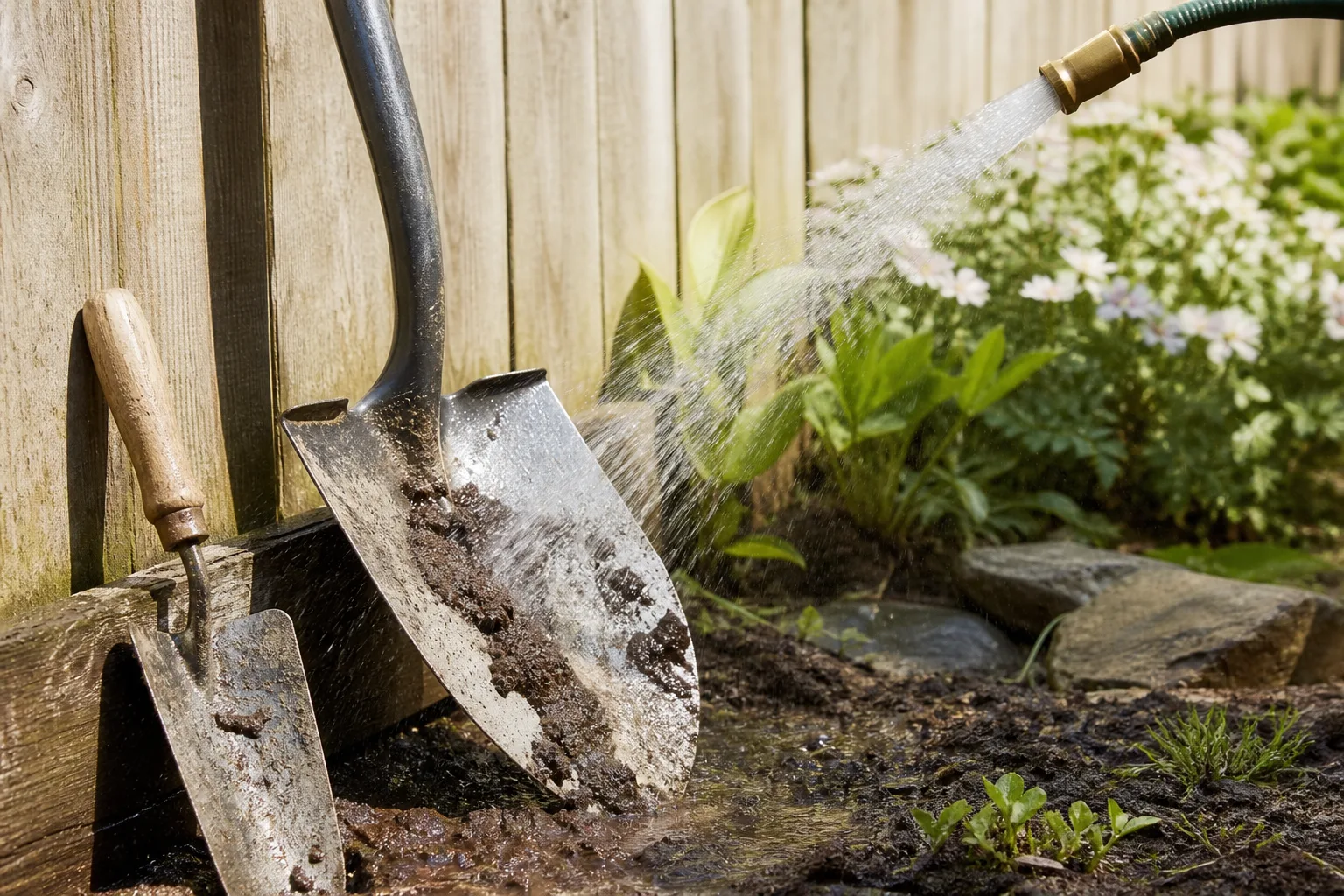
Gardeners see rust where metal meets moisture: pruner blades, trowel edges, hose fittings, and orange streaks on concrete from a steel bench leg. Lemon or citric soak is a reasonable first pass on small, fresh tool specks and light patio marks when you want to avoid harsh shop chemicals near planting beds.
Hand tools: Disassemble if safe, brush off loose flakes, soak only the rusted metal in warm citric solution a few minutes, scrub with a nylon pad, rinse and dry completely, then oil carbon steel to prevent flash rust. Do not soak wooden handles or leave acid on painted surfaces. For full disinfection and storage habits, pair this with how to clean garden tools so rust does not return the next rainy week.
Outdoor furniture and pots: Test lemon on a hidden spot. Light rust on stainless grill grates or hardware may respond; cast aluminum and powder-coated frames often need manufacturer-approved cleaners instead.
Recurring patio rust under the same pot or downspout is a water and metal problem. Move the metal, seal the foot, or fix iron-rich irrigation water—no amount of lemon outruns a dripping galvanized bracket.
Conclusion
Lemon juice is a real rust stain remover—not folklore—when the mark is fresh, the surface is smooth and acid-safe, and you follow with a full rinse. It works through citric acid, the same family of chemistry stronger removers scale up. Reach for lemon plus baking soda on porcelain and tub ledges, lemon plus salt on tested white cotton, and powdered citric acid when you want more punch without pulp.
Skip the lemon on stone, chrome, aluminum, questionable colors, and anything already bleached. Escalate to oxalic-acid or labeled rust removers when porosity, age, or iron in your water keeps winning. Fix the metal or moisture source so you are not re-treating the same ring every month. Used with that judgment, the lemon in your fridge is a legitimate tool—not a substitute for every rust stain, but often the right first one.