7 Vegetables to Plant in September for Fall
Plant a productive fall garden in September with lettuce, spinach, kale, radishes, carrots, beets, and turnips, plus timing and frost-cover tips.
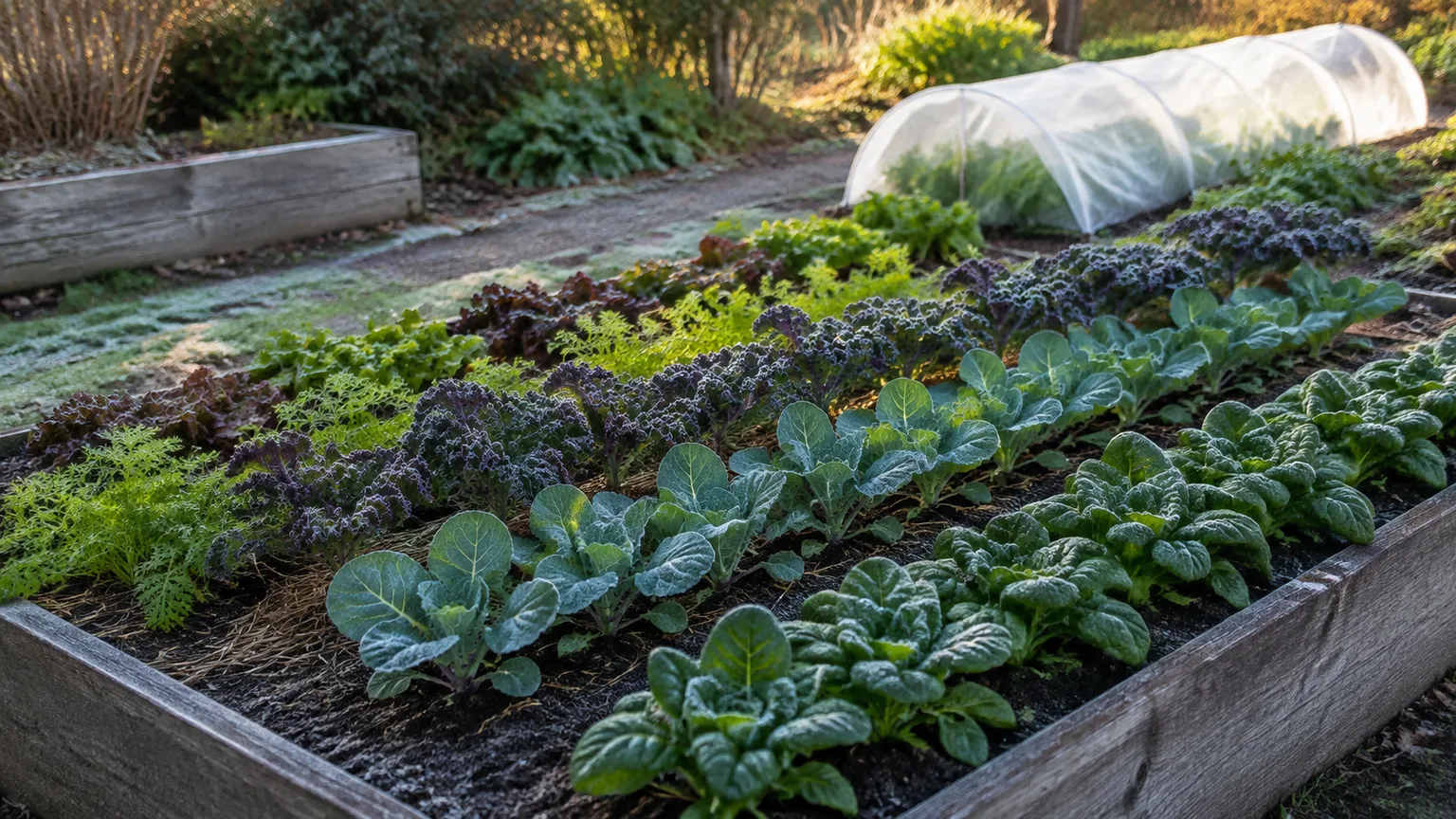
September is not automatically the end of vegetable gardening. In much of the United States, it is a useful handoff between heat-loving summer crops and cool-season vegetables—but the right answer depends on how many growing days remain where you live, not on the calendar alone.
The safest September choices are lettuce, spinach, kale, radishes, carrots, beets, and turnips. The first three give you baby leaves quickly, radishes can mature before a short fall closes in, and the root crops offer more flexibility if you harvest them young. If your area has a long, mild autumn, you can aim for full-size crops; if frost is close, plant for baby harvests and use protection.
One timing correction matters: garlic is often planted in fall, but it is normally harvested the following summer. It belongs in a September planting plan for overwintering, not in a list promising vegetables you will pick this fall.
If you are starting with an empty plot, sketch the bed before buying seed. Our guide to planning a vegetable garden layout covers sun, paths, spacing, and crop-family rotation; for a last-minute shortlist beyond September, see fast-growing crops to plant in August.
The quick answer: yes, but the frost clock matters
September works because many vegetables that struggle in summer grow better as temperatures ease. Cool-season crops tolerate chilly nights, and several—especially kale—can handle a light frost better than tender summer vegetables. Penn State Extension classifies lettuce, spinach, kale, beets, carrots, radishes, and turnips as cool-season vegetables, while beans, cucumbers, squash, peppers, and tomatoes are warm-season crops that generally lose quality or stop growing as nights cool.
The catch is that a seed packet’s “days to maturity” is not a guaranteed countdown from September 1 to a full harvest. It usually assumes a favorable growing period, and fall brings shorter days, cooler soil, and less intense light. You can still get a worthwhile harvest, but the realistic target may be baby leaves or small roots rather than a giant head of lettuce or a storage-size carrot.
Your first decision is therefore not “Which vegetable is popular in fall?” It is “How much usable time do I have, and what size harvest can that time support?” The answer changes between a coastal garden with a November frost, a high-elevation bed with an early freeze, and a warm Southern garden where September is still summer.
How to decide if September planting will work
Count backward from your first frost date
Find your location’s average first fall frost date through your local extension office, a reliable climate tool, or your own garden records. Then read the seed packet for days to maturity and count backward from that frost date. N.C. Cooperative Extension describes this same method for fall gardens and notes that August and September are major planting months in its region, with faster crops extending later than slower ones.
For example, suppose your first frost usually arrives around October 20 and you want baby radishes that take about 25 days. September 25 leaves roughly 25 frost-free days, but it leaves almost no margin for a week of cloudy weather, delayed germination, or an early frost. A September 10 sowing gives the crop breathing room. If you want a 60-day carrot crop in the same garden, September is probably too late for full-size roots unless your frost arrives much later or you are growing in a protected microclimate.
Treat the average frost date as a planning reference, not a promise. A garden next to a south-facing wall may stay usable longer than an exposed low spot, while a raised bed can cool more quickly overnight than deep in-ground soil. If you are within three or four weeks of the likely first frost, emphasize fast crops, transplants, and harvest-as-you-go greens.
Add a buffer for shorter fall days
Add roughly one week to the packet estimate when planning a fall harvest, then add more if your site is shaded or your first seedlings will spend days in hot, dry soil before they emerge. Savvy Gardening makes the useful point that waning light can slow fall growth even when daytime temperatures seem pleasant.
This buffer is not a scientific constant for every crop. It is a practical hedge against the most common mistake in September: counting every remaining calendar day as if the garden were still receiving midsummer light. A 30-day baby-leaf crop may be a good bet; a 75-day full-size root crop is a calculation that deserves more caution.
Use the packet’s estimate as a range rather than a finish line. Look for varieties labeled early, baby leaf, quick, or fall where available. Small harvests are not consolation prizes: young kale, beet leaves, baby carrots, and small turnips are often tender and flavorful, and harvesting them frees space for another succession.
Choose seeds, starts, or baby harvests
Direct sowing is usually the simplest route for radishes, carrots, beets, turnips, spinach, and many leaf lettuces. Seeds avoid transplant shock and let you place roots exactly where they will grow. The trade-off is that germination may be poor if soil is still hot, the surface dries between waterings, or a heavy rain crusts the bed.
Buy or raise transplants for kale and other brassicas when the season is already moving quickly. A healthy start has already completed the vulnerable germination stage, so it gives you more leaf area before frost. Lettuce is flexible: direct sow it when soil is moderate and moisture is reliable, or use starts when you need an immediate head start.
If your calculated harvest date is uncomfortably close to frost, change the harvest goal before abandoning the bed. Sow spinach for baby leaves, thin beets and use the greens while roots swell, or plant radishes in short rows rather than betting the whole bed on a single late crop.
7 vegetables to plant in September for a fall harvest
The table below is a planning shortcut, not a universal planting calendar. Use the early end of each range only when your soil is workable, water is dependable, and your local frost window supports it.
| Crop | First useful harvest from September planting | Best method late in the month | Main watch-out |
|---|---|---|---|
| Lettuce | Baby leaves in about 25–35 days | Transplants or direct sowing | Hot soil and drying seed surface |
| Spinach | Baby leaves in about 25–40 days | Direct sowing or small starts | Poor emergence in heat; slow growth in shade |
| Kale | Baby leaves in about 25–35 days | Transplants for a late start | Caterpillars and crowding |
| Radishes | Many varieties in about 21–35 days | Direct sowing in short successions | Woody roots when plants are stressed or left too long |
| Carrots | Baby roots in about 50–65 days | Direct sowing in loose soil | Full-size roots may miss the frost window |
| Beets | Baby roots and greens in about 45–55 days | Direct sowing; thin early | Seed clusters create crowding |
| Turnips | Tender roots in about 30–45 days | Direct sowing | Large roots become less tender if delayed |
Lettuce
Lettuce is one of the best September bets when you want something to eat before winter rather than a long-term storage crop. Leaf and romaine types can provide baby leaves in about a month, while heading types need more time and may be a poor gamble if your first frost is early. N.C. Cooperative Extension lists early September as a suitable lettuce window in its local fall planting guidance, but the dates are regional rather than universal.
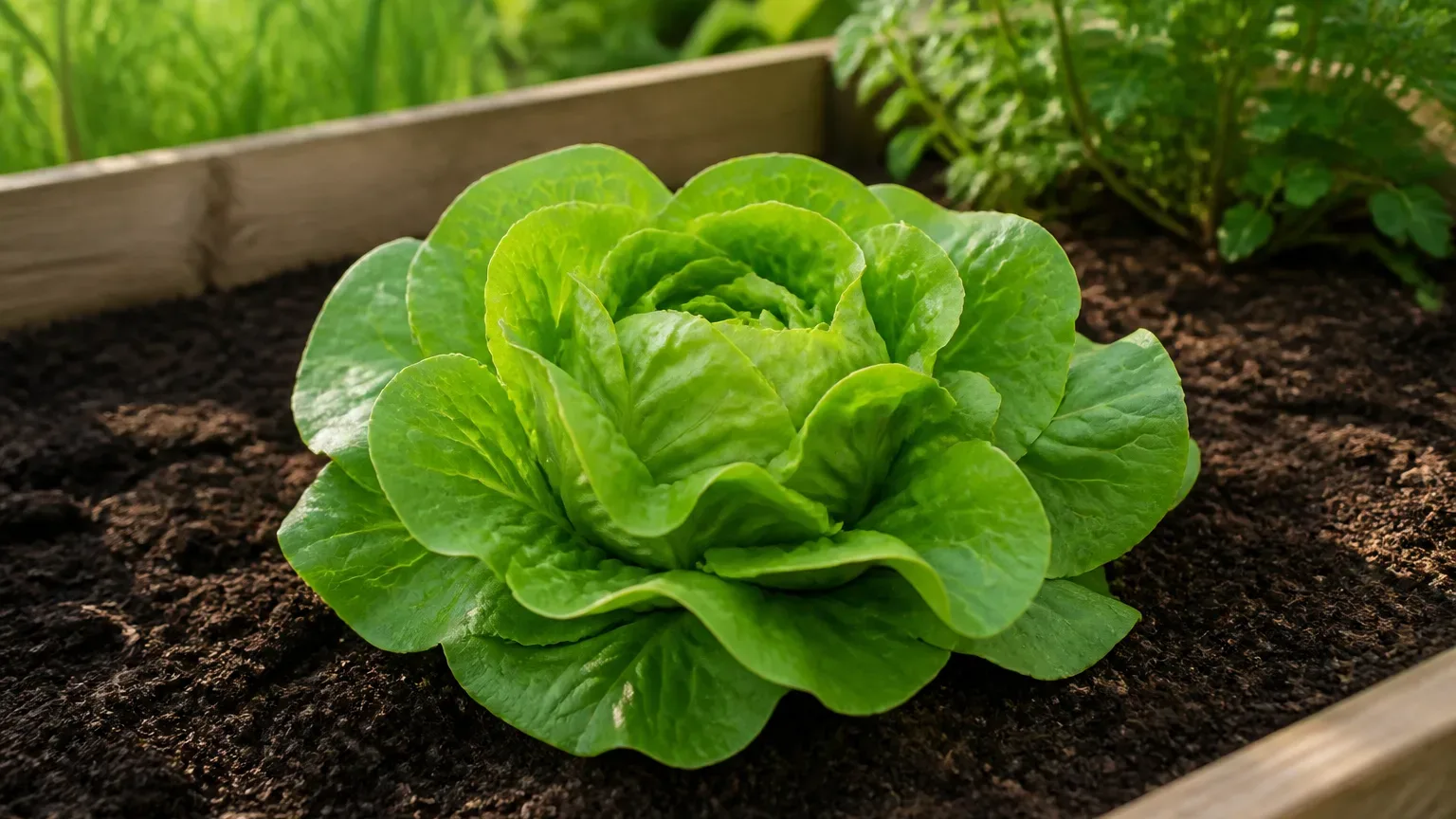
Sow a short row every 10 to 14 days instead of filling the entire bed at once. Cover seeds with only the depth stated on the packet, press the soil gently for contact, and keep the surface evenly moist until emergence. Once seedlings are established, harvest outer leaves rather than pulling every plant; that turns a single sowing into several salads.
If September soil is still hot, start lettuce in a shallow tray in a bright, cool location or buy small starts. Moving seedlings into a prepared bed during the cooler part of the day is more reliable than waiting for a seedbed that repeatedly dries before germination.
Spinach
Spinach likes cool weather and often produces a more relaxed fall crop than a spring crop because shorter days reduce the pressure to bolt. Sow it directly in fertile, moisture-holding soil, and plan to pick outer leaves once plants are large enough rather than waiting for every plant to reach a full rosette.
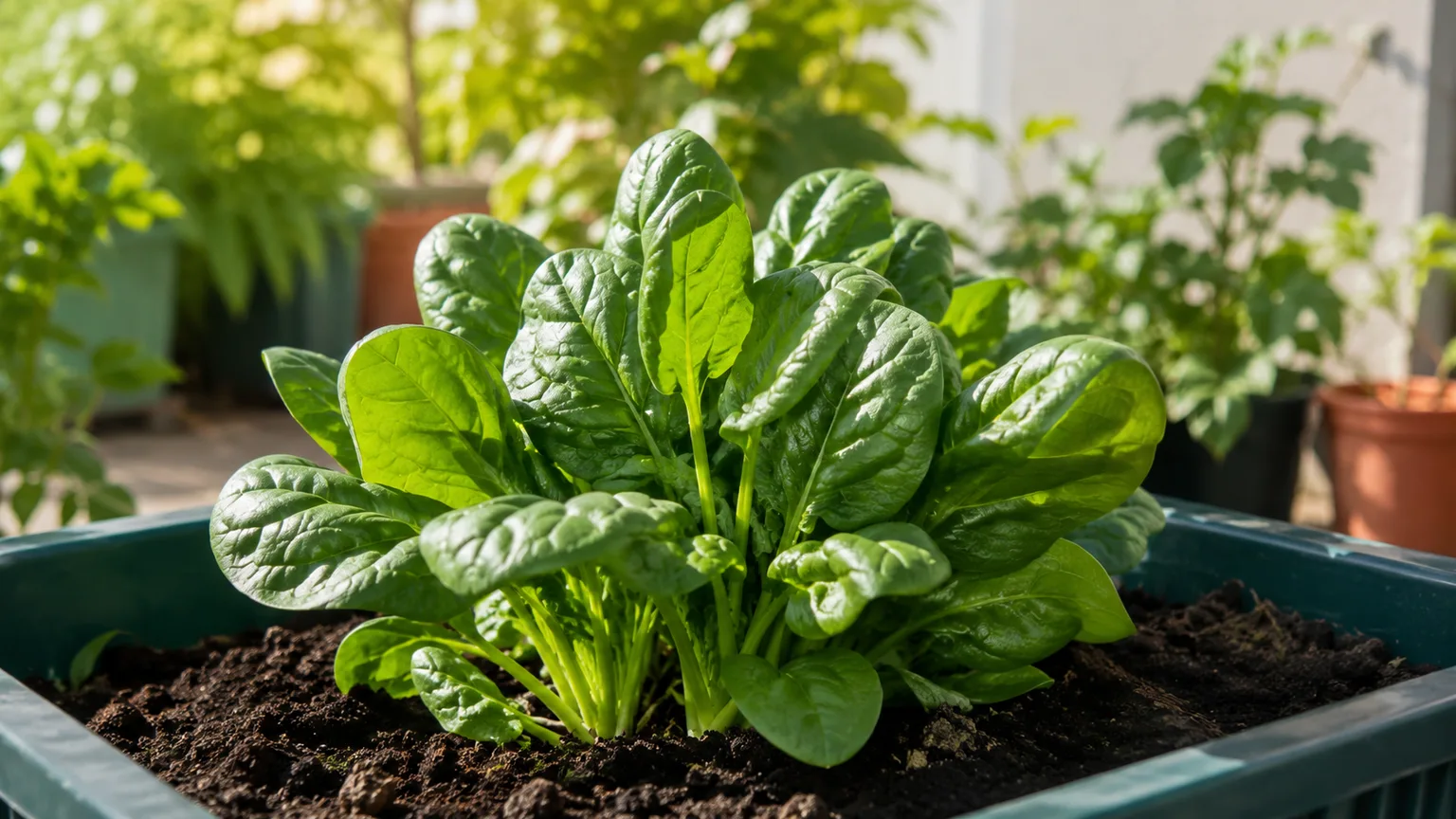
Spinach seed can be frustrating in late summer. N.C. Cooperative Extension warns that lettuce and spinach may fail to germinate when soil temperatures rise above about 85°F; Savvy Gardening gives a similar practical warning around 80°F. The exact threshold varies with seed quality and moisture, but the message is consistent: cool the seed zone and do not let it dry.
Use a light shade cloth, a thin layer of fine mulch, or a board laid over the row until seedlings appear—remove the board as soon as you see sprouts. You can also sow in a container that receives morning sun and afternoon shade, then move it into brighter light as the weather cools.
Kale
Kale is the most forgiving of these leafy crops if you want harvests that continue after a light frost. Start with transplants when September arrives late, or sow seed for baby greens when you have a longer autumn. Curly, flat-leaf, and red types all work, but choose a quick variety when the packet offers a days-to-maturity comparison.
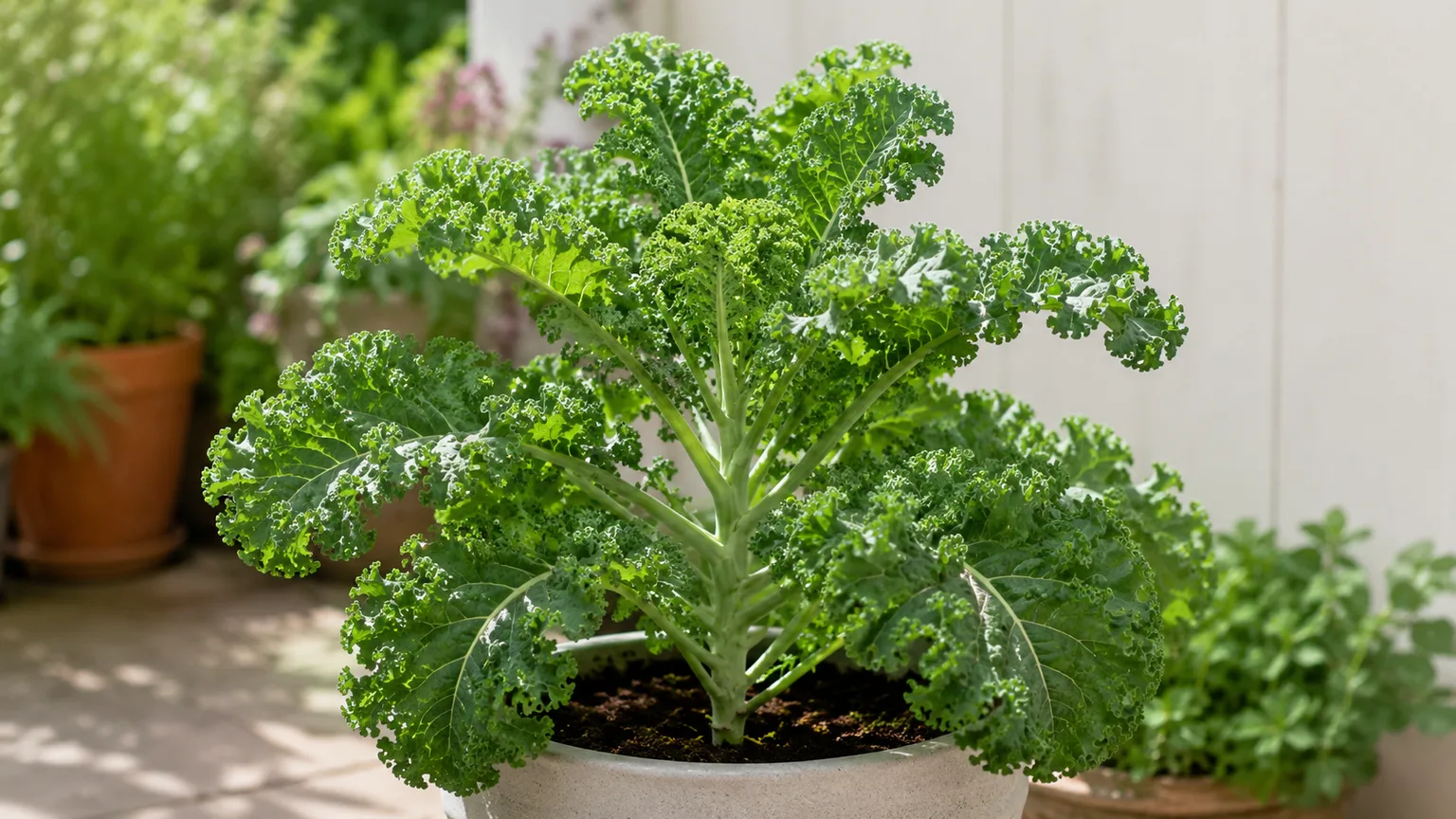
Give each plant enough space for airflow and future growth. Crowding can look efficient in September, but dense foliage stays damp after dew and makes it harder to spot caterpillars. Pick the lowest outer leaves first and leave the central growing point intact so the plant can keep producing.
A floating row cover can do double duty over young kale: it softens a cold night and limits access for some moths and butterflies. It is not a substitute for inspecting leaves, however. Look under leaves for eggs and small caterpillars, and remove damaged foliage rather than allowing a pest population to build unnoticed.
Radishes
Radishes are the emergency crop for a shrinking fall window. Many spring types mature in three to five weeks, making them the best choice when you want a harvest before an early frost. Direct sow them every 10 to 14 days in short rows, then thin seedlings so roots can swell instead of competing underground.
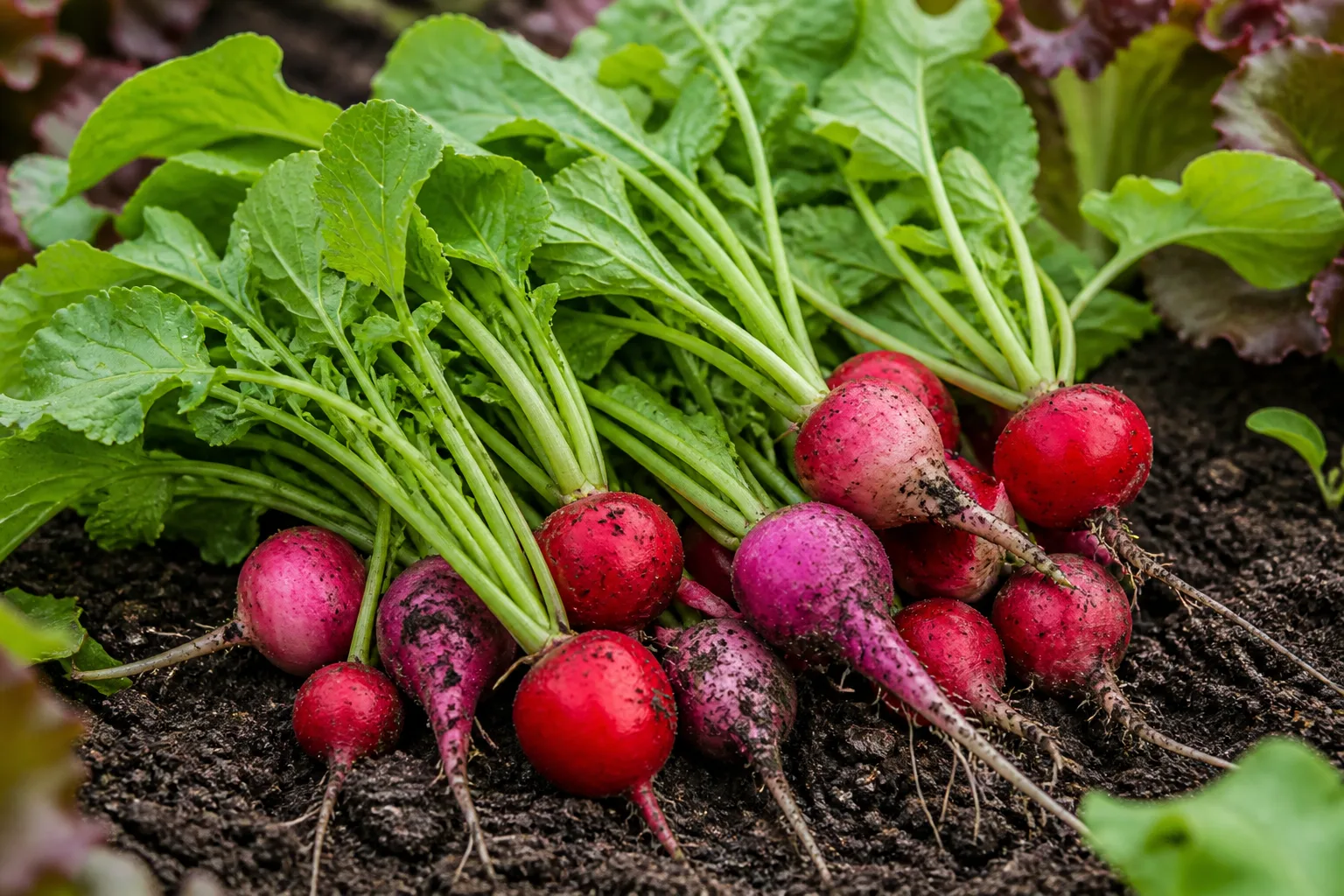
Keep the seedbed consistently moist. Uneven water and hot soil can produce hollow, split, overly pungent, or woody roots, while leaving mature radishes in the ground too long can reduce their tenderness. Pull one test radish when the shoulders begin to show and use it to decide whether the rest of the row is ready.
September is also a good time to try a second type, such as a quick round radish beside a longer daikon or winter radish. The long type needs more time, so treat it as a stretch crop for mild climates and do not give it the same harvest deadline as a small spring radish.
Baby carrots
Carrots can be planted in September, but they need the most honest timing assessment of the seven. Their foliage may look healthy while the root is still too small to harvest, and compact or rocky soil slows development further. If your first frost is close, choose a short, early variety and plan to pull baby roots rather than waiting for a full storage carrot.
Direct sow carrots in a fine, stone-free bed. Keep the top layer damp until the seedlings emerge, which may take longer than you expect. A light cover of fine compost or vermiculite can reduce crusting, but avoid burying the tiny seed under a thick blanket of coarse mulch.
Once seedlings are up, thin them to the spacing on the packet. Thinning feels wasteful, but crowded carrots produce slender, tangled roots. In a cold-prone area, mulch around—not over—the foliage after plants are established and harvest before the ground freezes solid if you do not have a plan for winter digging.
Baby beets
Beets give you two harvests from one plant: tender greens early and a small root later. They are a smart September choice because you can change the harvest target as the season develops. If frost approaches, pick the greens and pull baby beets rather than waiting for a full-size root that may never arrive.
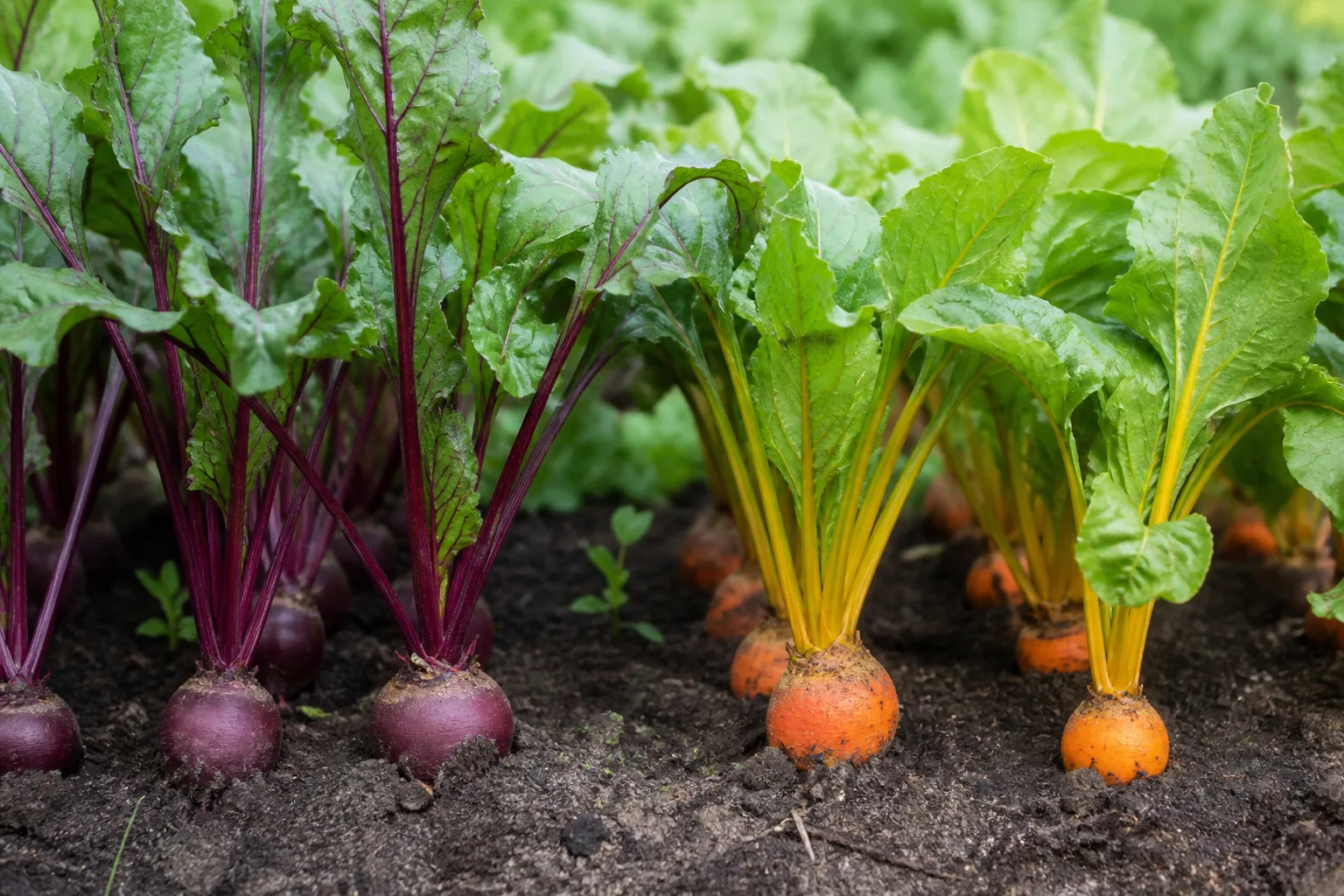
Beet “seeds” are usually clusters containing more than one seed, so one planting spot can produce several seedlings. Thin them promptly, or snip extras at soil level to avoid disturbing the remaining root. The young leaves are edible, but do not strip every leaf from a plant you want to size up.
Choose a sunny bed with loose soil and steady moisture. Beets tolerate some partial shade, but every hour of lost light matters late in the year. A thin mulch after emergence helps even out moisture and soil temperature without burying the crown.
Turnips
Turnips are an underrated late-season crop because they mature faster than many carrots and can be harvested as both roots and greens. Small salad turnips are especially useful for September planting; they do not require the long, cool window that large storage types need.
Direct sow in a weed-free row and thin seedlings early. Keep the soil evenly moist while roots enlarge, then harvest when they reach the size and texture you prefer. If a hard freeze is forecast, pull tender roots or cover the row rather than leaving the crop exposed to repeated freeze-thaw cycles.
You can also harvest turnip greens while the root continues growing, but take only a few leaves from each plant at a time. Removing the entire leafy canopy slows the root you are trying to develop.
The garlic exception: Garlic is worth ordering in September in many colder climates, but it is a different kind of fall project. You plant cloves in autumn, allow roots to establish, mulch the bed, and harvest bulbs the following summer. Penn State Extension notes that fall planting is biologically appropriate for some plants, while Fine Gardening describes planting garlic several weeks before the ground freezes in its zone. If your goal is food this fall, choose one of the seven crops above; if your goal is next summer’s garlic, reserve a separate bed.
Once those bulbs are ready next year, our guide to harvesting garlic explains when to lift them and how to avoid bruising the wrappers.
Prepare the bed before you sow
Start by removing spent summer plants that have stopped producing, pulling weeds, and clearing diseased leaves. Do not leave a collapsing cucumber or tomato plant beside new fall seedlings simply because the old plant still has a few fruit; decaying foliage can shelter pests and disease while competing for water.
Loosen only the soil you need to plant. Digging deeply through a living root zone can damage soil structure and bring up weed seed. Instead, clear a narrow strip, add a modest layer of finished compost if the bed needs organic matter, and rake the surface smooth for small seeds. If the soil is waterlogged, wait until it crumbles rather than smears; seed in wet clay can compact into a hard crust.
Check the bed’s sun before committing to a crop. The low autumn sun casts longer shadows, so a spot that received six hours in June may receive much less by October. Put lettuce and spinach in the brightest workable area, and reserve the most protected bed edge for crops you plan to cover.
Water the bed deeply before sowing if the soil is dusty. Moisture below the surface is more useful than a daily sprinkle that wets only the top millimeter. After sowing, use a gentle spray or drip line so the seeds stay in place.
Get fall seeds through hot, dry soil
Germination is the bottleneck in many September gardens. The air may feel cooler while the soil remains hot, and a seedbed in full sun can dry out within hours. The answer is not to water constantly until the bed is saturated; it is to reduce evaporation, improve seed-to-soil contact, and monitor the actual surface.
Use a light layer of fine compost or sifted potting mix over the row, then cover it with a thin, loose mulch that will not block seedlings. Keep large wood chips away from tiny seed rows. N.C. Cooperative Extension recommends mulch to cool soil and hold moisture but cautions that coarse pieces can interfere with emerging seedlings.
Check the row twice a day during a hot spell. Water when the surface begins to lighten, and water slowly enough that the seedbed does not wash downhill. Once seedlings appear, move mulch back slightly from their stems and thin according to the packet. Overwatering after emergence can be as damaging as drought if drainage is poor.
If germination still fails, do not keep repeating the same sowing in the same conditions. Shift the next row to afternoon shade, sow in a tray, choose transplants, or wait for a cooler forecast. Fine Gardening likewise emphasizes transplanting brassicas late in the season and using cover to extend the harvest; a healthy start can save a late planting that seed cannot.
Protect the crop when nights turn cold
Frost protection works best when you install it before the cold snap, not while plants are already wilting in icy air. A floating row cover over hoops keeps fabric off leaves, reduces wind exposure, and gives you a few more harvestable nights. A low tunnel covered with a suitable material offers more protection, but it also needs ventilation on sunny days.
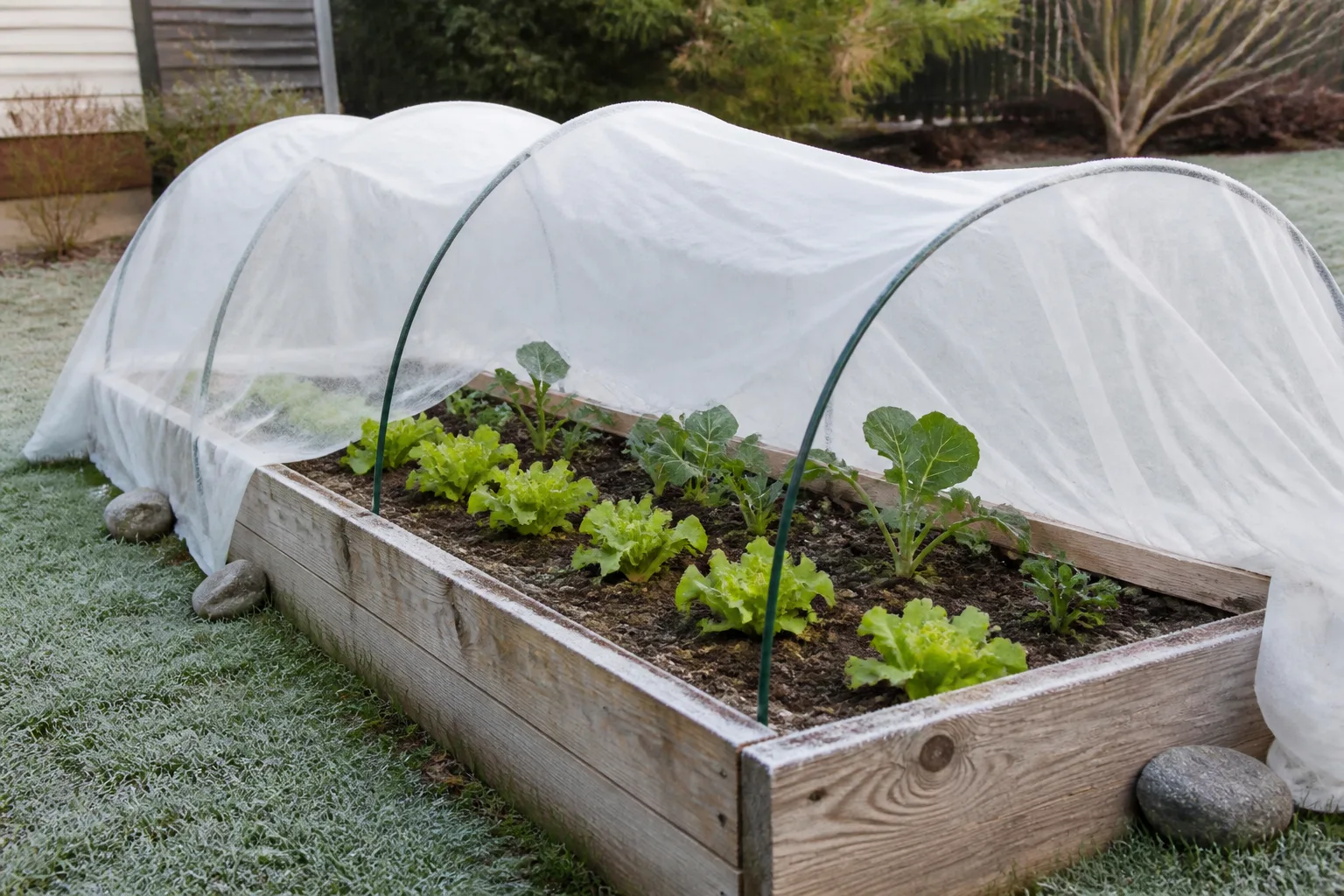
Match the cover to the weather. Lightweight fabric is useful for mild frosts and insect exclusion; heavier fabric or a low tunnel is more protective during colder nights. Anchor the edges so wind cannot lift the cover, and leave enough slack for plants to grow. Never drape plastic directly on foliage: cold plastic can transfer damage, and bright sun can overheat the crop when temperatures rebound.
What to do on a frost night
Use this sequence when a frost is forecast:
- Water the soil earlier in the day if it is dry. Moist soil changes temperature more slowly than bone-dry soil, but do not create standing water.
- Harvest tender greens that are already large enough to use. Do not risk a perfect salad for a crop that is ready now.
- Cover young lettuce, spinach, beets, carrots, and turnips with hoops and row cover. Stake or weigh down the edges.
- Cover kale as well if the freeze is unusually hard or plants are newly transplanted; established kale is more cold-tolerant but not invincible.
- Remove or vent the cover after the morning temperature rises. Trapped heat and condensation can stress plants and encourage disease.
The goal is not to make autumn behave like summer. It is to protect a crop through occasional cold nights while letting it experience the cool conditions that improve quality. Fine Gardening reports harvesting greens and herbs into December with floating row cover in its garden, but that result depends on climate, crop maturity, and the quality of the cover setup.
Late-season mistakes that waste the planting window
The first mistake is planting by month instead of by frost date. “September” covers very different conditions, so copy-pasting a date from another state can turn a promising crop into a missed harvest. Use local frost information and the variety’s days to maturity, then build in a buffer.
The second is choosing the full-size harvest when a baby harvest would succeed. A late carrot or beet is not automatically a failure; it is a crop whose useful size may be smaller than the photo on the seed packet. Plant a mix of fast crops and stretch crops so one early freeze does not erase the entire plan.
The third is ignoring water during establishment. Fall rain is not guaranteed, and a new seedbed has shallow roots even when the weather feels mild. Check moisture at the seed depth, especially beside walls, under eaves, and in raised beds that drain quickly.
The fourth is covering too early and never venting. Row cover is a tool, not a permanent lid. Heat buildup, trapped moisture, and poor airflow can undo the benefit of frost protection. Use hoops, keep fabric off foliage, and uncover when weather allows.
The fifth is crowding seedlings because the season feels short. Spacing still controls airflow, root size, and harvest quality. Thin radishes, carrots, beets, and turnips ruthlessly enough for their roots to develop; in a fall garden, one healthy row is more productive than two congested rows.
Finally, do not assume that a crop that survived one frost will survive every later freeze. Cold tolerance increases with maturity for some vegetables, but a sudden deep freeze, wind, saturated soil, or an unprotected container can still cause damage. Keep harvesting, watching the forecast, and adjusting the plan as the season changes.
Conclusion
Yes, you can plant vegetables in September—but choose by remaining growing time, not by optimism or a generic calendar. Start with lettuce, spinach, kale, radishes, carrots, beets, and turnips; favor baby harvests when frost is close; and use transplants when hot soil or a late start makes direct sowing risky.
Count backward from your local first frost, add a buffer for shorter days, prepare a moist and finely textured seedbed, and protect young plants with a properly supported row cover when nights turn cold. Save garlic for a separate fall-to-summer plan. That small amount of planning turns September from a deadline into one more productive chapter of the vegetable garden.