Which Salvia Fits Your Garden? 33 Types to Know
Explore 33 popular salvias, from hardy border perennials to tender red bloomers and culinary sage, with clear notes on siting, drainage, and winter care.
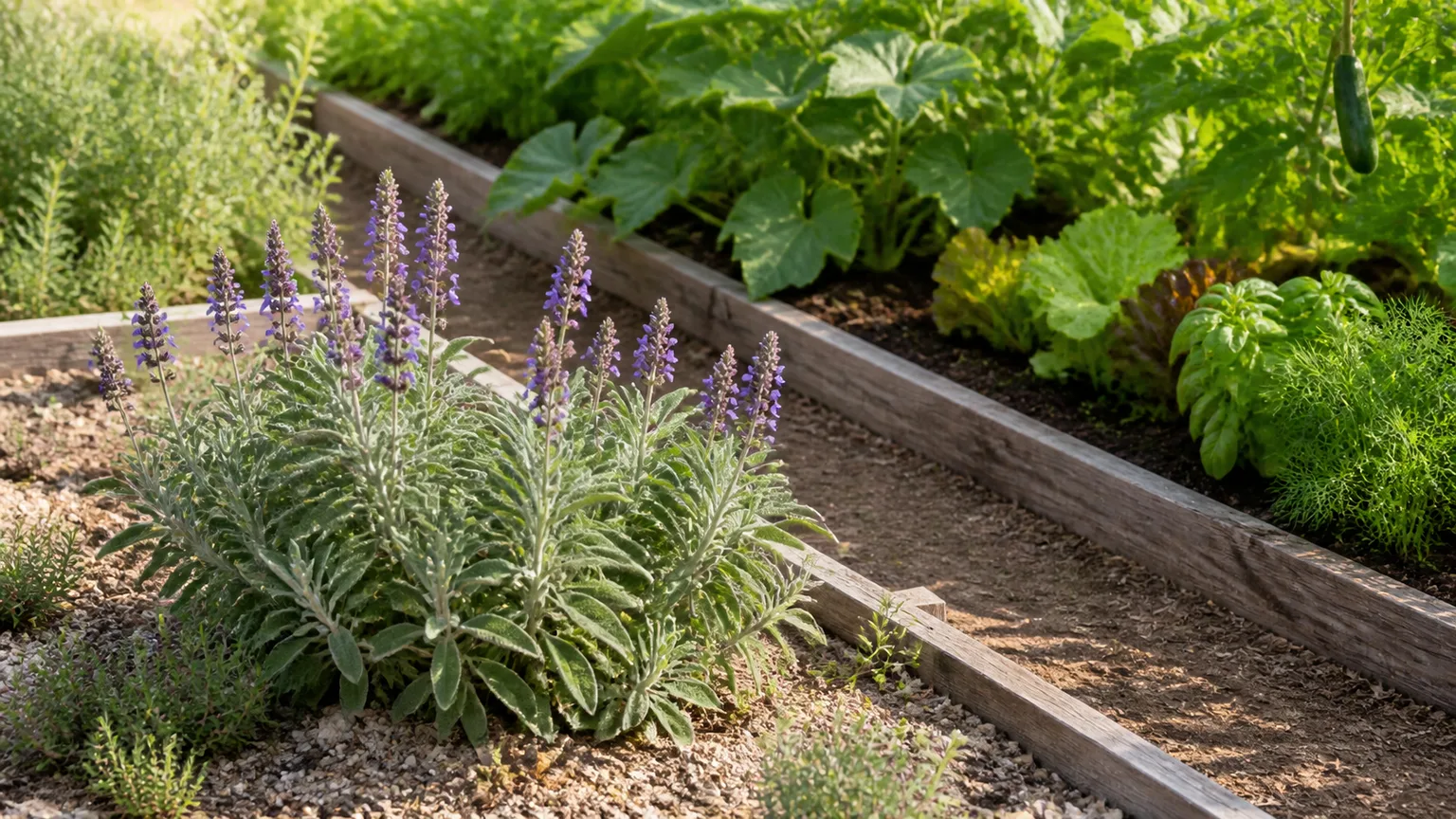
The right salvia depends less on its flower color than on what happens in your garden after you plant it. Some types are reliable bedding plants for one summer; others form cold-hardy clumps, woody shrubs, or edible herb patches. A few are tender enough that “perennial” only means they may return in a mild winter.
Salvia is a large genus in the mint family, Lamiaceae. Culinary sage, or Salvia officinalis, is one member of it—not a separate plant group from ornamental salvias. The Royal Horticultural Society’s salvia guide sorts the genus into bedding, annual and biennial, border, tender, and culinary types, a more useful distinction for choosing a plant than color alone.
A quick rule: choose a hardy border salvia when you want a plant to return outdoors; a bedding salvia when you want immediate seasonal color; and a tender species when you are willing to overwinter it or replace it. Then check the botanical name, mature width, and drainage needs on the nursery tag. Common names such as “blue sage,” “Texas sage,” and “wood sage” are applied inconsistently.
Start with the job you want salvia to do
For a cool-winter border, start with Salvia nemorosa, S. × sylvestris, or a regionally hardy S. greggii cultivar. For a pot that needs bold color from planting time to frost, consider red salvia or mealycup sage. For late-season flowers in a warm region, look at Mexican bush sage, pineapple sage, or ‘Black and Blue’—but first decide how you will protect them from cold.
The same genus also includes gray-leaved culinary shrubs, silver rosettes grown mainly for foliage, and specialist plants that are not the best choice for an ordinary flower bed. Treat the following 33 entries as distinct garden choices; several are cultivars or closely related selections of the same species, not 33 unrelated species.
33 types of salvia for gardens
Annuals and bedding salvias for summer color
Bedding salvias earn their place by flowering through warm weather and filling gaps in beds and containers. The RHS guide to annual and biennial salvias describes these as useful plants for summer borders and containers; many are treated as annuals outside warm regions even when a species can persist in frost-free climates. They are useful when color this year matters more than guaranteed return next spring.
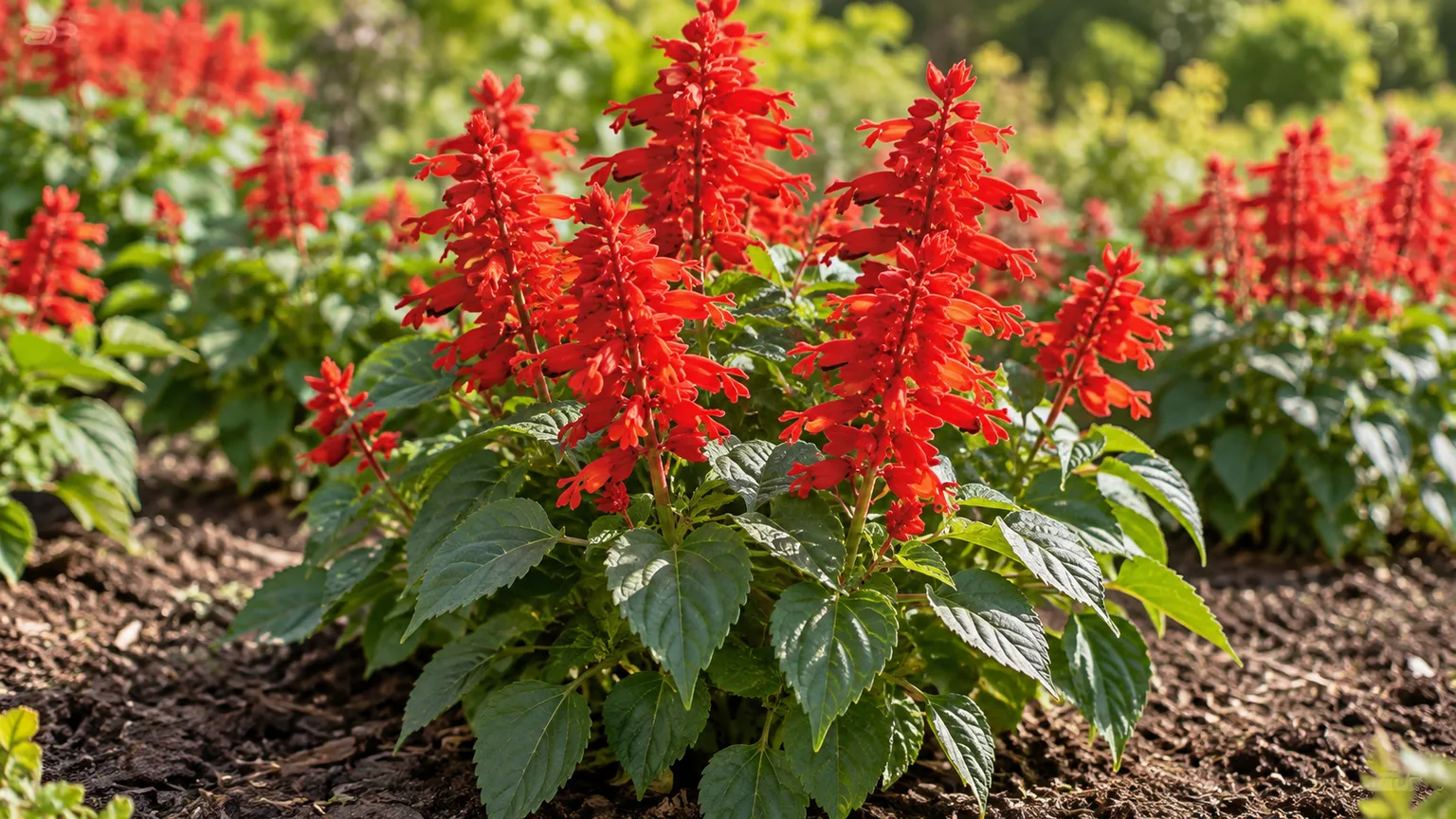
- Red salvia (Salvia splendens). The familiar scarlet spikes are hard to miss in a formal bed or large pot, and modern cultivars can also be pink, white, or burgundy. It is a tropical perennial grown as a warm-season annual in colder climates; buy it for long summer color, not dependable winter survival.
-
Mealycup sage (S. farinacea). Choose this for upright blue, purple, or lavender spikes that read cooler and more naturalistic than red bedding salvia. Cultivars vary in height and hardiness, so use the named cultivar on the label rather than assuming every mealycup sage is a perennial.
-
Scarlet sage (S. coccinea). Also sold as tropical sage, this airy, branching plant has red tubular flowers, with pink and coral forms available. Its open habit lets it weave through a mixed border instead of forming a solid block; it may self-seed where summers are long.
-
Coral Nymph (S. coccinea ‘Coral Nymph’). This is a compact, soft-colored selection for gardeners who like the light, airy habit of scarlet sage but want coral-and-white flowers. It works toward the middle of a sunny bed or in a roomy container, where the branching stems have space.
-
Mystic Spires Blue (S. longispicata × S. farinacea ‘Mystic Spires Blue’). This hybrid is valued for a long succession of deep-blue flower spikes. It can be treated as a perennial in mild climates and as a seasonal plant where winter cold is too severe; check local performance before designing a permanent border around it.
Hardy salvias for borders and pollinators
These plants are the strongest starting point when you want a salvia to return outdoors. Even among hardy types, moisture is a major variable: roots that survive cold in freely draining soil may fail in cold, saturated soil. The Missouri Botanical Garden’s profile of S. nemorosa ‘Wesuwe’ notes both repeat flowering after deadheading and susceptibility to some foliar diseases, useful reminders that “low maintenance” is not the same as “no conditions.”
- Woodland sage (S. nemorosa). This clump-forming perennial produces dense upright spikes, usually violet-blue or purple, above a compact mound. It suits sunny borders and pollinator plantings, and the spent stems can be trimmed after flowering if you want a tidier plant or another flush.
-
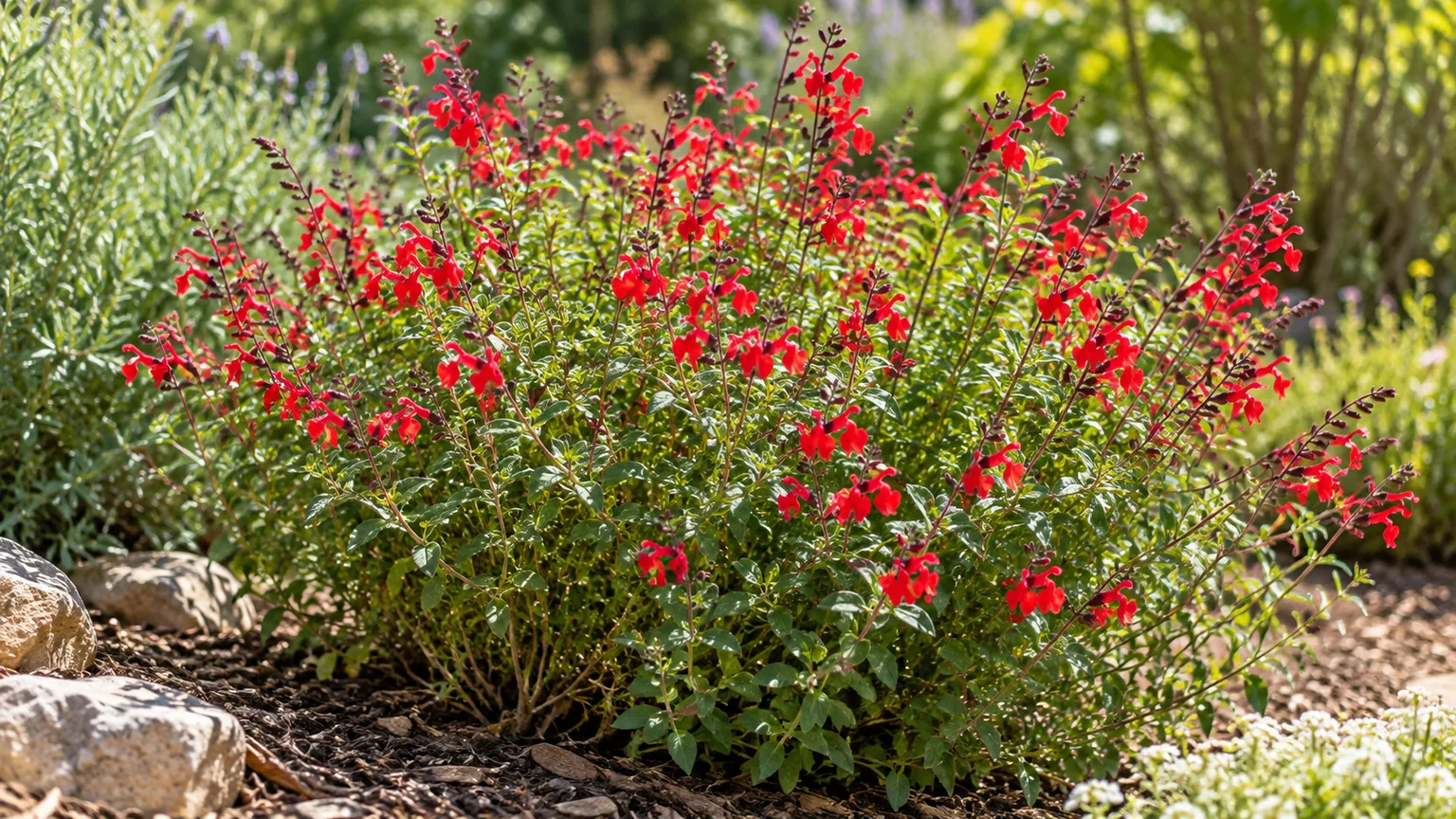
Autumn sage (S. greggii). This small woody shrub offers a longer range of flower colors than many hardy border salvias, including red, pink, peach, and white. It is especially useful in hot, sunny gardens; in very warm climates, afternoon shade can help it avoid stress, while cold and winter wet make survival less predictable. Gardening Know How’s salvia-variety overview likewise treats autumn sage as a perennial option while noting its climate-dependent hardiness.
-
Wood sage (S. × sylvestris). This group of hybrids between woodland sage and meadow sage combines upright spikes with a perennial border habit. Individual cultivars differ, so choose one by the actual height and flower color on its label rather than assuming “wood sage” describes a single uniform plant.
-
May Night (S. × sylvestris ‘Mainacht’). Sold as May Night, Mainacht, or sometimes under S. nemorosa, this cultivar is known for dark blue-violet spikes and a strong early-summer display. High Country Gardens’ cultivar notes likewise describe May Night as a reblooming plant that can be sheared after its first flush; leave enough foliage for it to recover.
-
East Friesland (S. nemorosa ‘Ostfriesland’). A compact woodland-sage cultivar with dense purple flower spikes, this is a useful option for the front or middle of a sunny perennial bed. It is a named selection of the same species as woodland sage, not a separate type with entirely different care.
-
Purple Rain (S. verticillata ‘Purple Rain’). The purple flowers appear in whorls around branching stems, giving the plant a different texture from the familiar solid spikes. It fits a sunny border with well-drained soil and is often a good choice when you want a hardy perennial with movement rather than a rigid column.
-
Blue sage, or prairie sage (S. azurea). Tall, narrow stems carry clear blue flowers late in the season, making this native North American perennial especially useful at the back of a naturalistic border. Give it enough space and neighboring plants for support if the stems lean; it is a looser, taller form than compact bedding salvias.
-
Gentian sage (S. patens). Grow this for large, intensely blue, two-lipped flowers rather than a fine-textured mass of small blooms. It is less reliable through cold winters than the hardiest border salvias, so many gardeners in colder regions grow it in a container or as a seasonal plant.
-
Yugoslavian cutleaf sage (S. jurisicii). Fine, divided foliage gives this low-growing sage a soft, fernlike look even when it is not in flower. Its smaller scale suits gravel gardens, rock gardens, and the front of a dry sunny border where taller, broad-leaved species would crowd it.
-
Hummingbird sage (S. spathacea). This western North American species has pink to magenta flowers and is more tolerant of shade than many garden salvias. Use it where a woodland-edge or dry-shade planting calls for a spreading groundcover; allow room for its runners instead of placing it where a tight clump is essential.
-
Lanceleaf sage (S. reflexa). This annual wild sage is more useful to know by its botanical name than to buy as a showy bedding plant. If it appears in a meadow or disturbed patch, identify it before removing or using it, and do not assume that a familiar-sounding “sage” name makes a plant culinary.
Warm-climate, late-season, and foliage salvias
Many showy salvias native to Mexico and the American Southwest flower late and look dramatic in heat, but a warm-season perennial may not be hardy in a cold-winter garden. If you want one of these outside its reliable climate, treat it as a container plant you can move, take cuttings from, or replace—not as a guaranteed perennial.
- Pineapple sage (S. elegans). Crush the leaves to release their fruity fragrance; the red tubular flowers arrive late in summer or fall. It is a tender, vigorous plant that may outgrow a small pot, so grow it where a tall, leafy shrub fits or plan to overwinter a cutting.
-
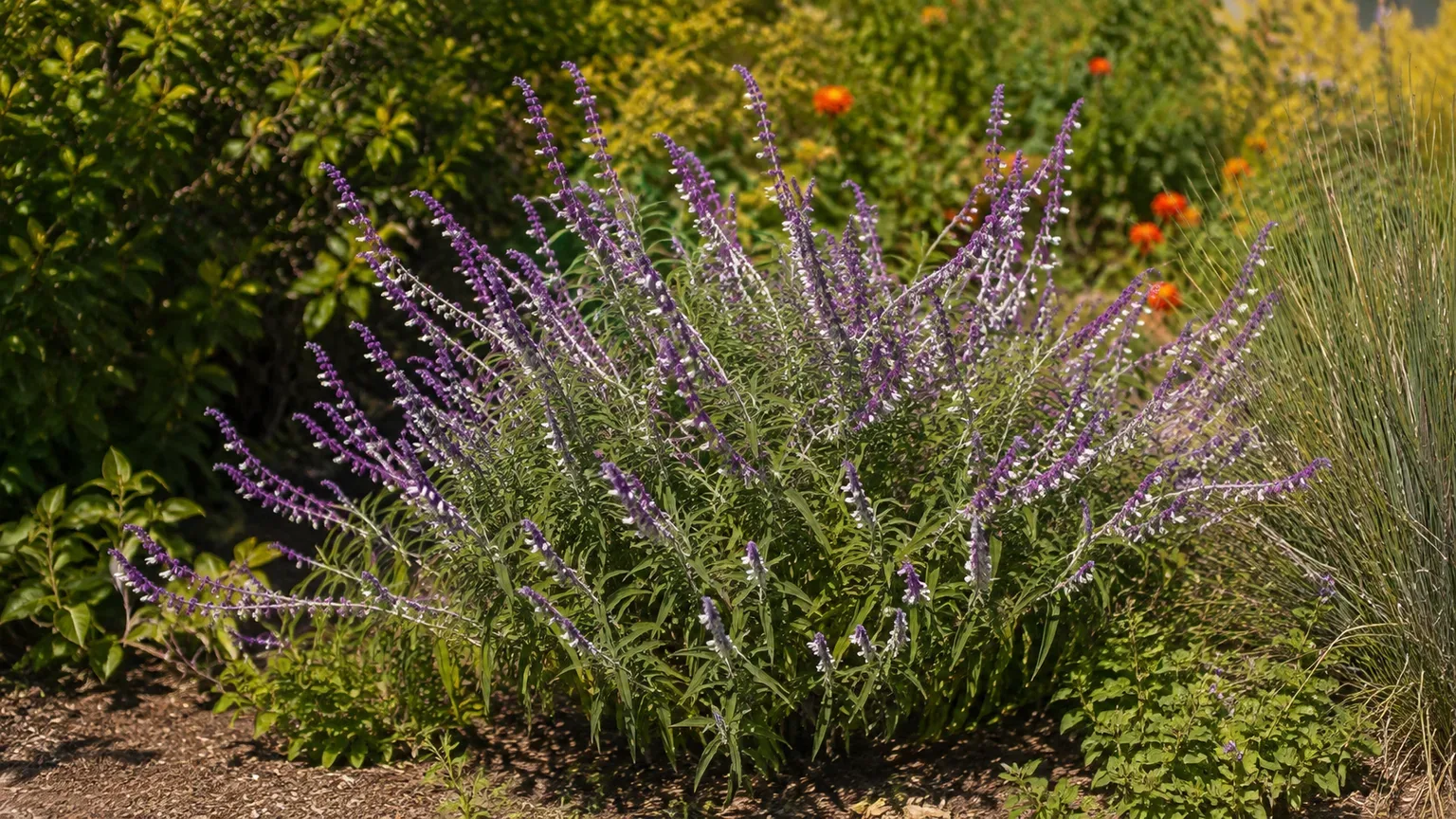
Mexican bush sage (S. leucantha). Velvety purple-and-white flower spikes stand above gray-green foliage, often when the main perennial border is winding down. It is a strong late-season accent in mild climates; in frost-prone regions, expect to protect it, grow it in a large movable container, or treat it as an annual.
-
‘Black and Blue’ sage (S. guaranitica ‘Black and Blue’). The contrast between vivid blue flowers and dark calyces makes this a standout for a warm, sunny border. It attracts hummingbirds where they occur, but the plant is tender in many climates and can form a large clump, so leave space and check overwintering needs.
-
Limelight (S. mexicana ‘Limelight’). The flowers are blue to violet, while the bright chartreuse calyces keep the plant colorful before and after each bloom opens. This is a tall, late-season salvia for a protected spot with room; its size and tender habit make it a poor fit for a small cold-climate bed.
-
Giant purple desert sage (S. pachyphylla). Silvery foliage and bold purple-pink bracts suit a dry, sunny, sharply drained garden. It is a better match for a western or Mediterranean-style border than for a damp, heavily amended bed; winter moisture can be a bigger challenge than summer drought.
-
Purple sage (S. leucophylla). This aromatic California shrub brings gray-green leaves and a haze of purple flowers to a hot, dry landscape. Give it room to mature and avoid rich, wet ground; it is a large-scale shrub, not a compact perennial for narrow edging.
-
White sage (S. apiana). White sage’s pale, aromatic foliage looks most at home in a hot, dry, well-drained planting. It struggles where cold-season water sits around the roots, so match it to its climate rather than assuming every drought-tolerant sage will adapt to a wet winter.
-
Golden Delicious sage (S. rutilans, also sold under the pineapple-sage name S. elegans). This foliage-first selection is grown for bright chartreuse leaves and red flowers, giving it a stronger color contrast than ordinary green-leaved pineapple sage. Nursery naming varies, so confirm the botanical name and cold tolerance on the actual plant tag.
-
Baby sage (S. microphylla). Small leaves and a shrubby, branching habit make this species a useful base for many garden cultivars. It can flower over a long season in mild conditions and is easier to manage when lightly shaped rather than cut back hard into old, leafless wood.
-
‘Hot Lips’ (often labeled S. microphylla or S. × jamensis ‘Hot Lips’). The flowers often combine white and red, though their color can shift with temperature and growing conditions. The RHS includes it among shrubby border salvias; its cold tolerance still depends on local winters, so do not treat it as universally hardy.
Culinary and specialist sages
Culinary value is not automatic just because a plant belongs to Salvia. For food, choose a named culinary sage sold for that purpose, and keep ornamental species with uncertain identities out of the kitchen. The RHS guide to growing sage describes common sage as a hardy, aromatic shrub that also works in ornamental borders.
-
Common sage (S. officinalis). This is the familiar kitchen sage, with gray-green aromatic leaves and soft blue-purple flowers. Plant it in full sun and draining soil, then harvest modestly after it establishes; persistent wet soil and deep shade tend to produce a loose, less useful shrub.
-
Tricolor sage (S. officinalis ‘Tricolor’). This culinary-sage cultivar has gray-green leaves with creamy margins and pink-purple tones, so it earns space in a decorative herb pot or sunny border. Use the same drainage-first approach as common sage; its variegation does not make it a moisture-loving plant.
-
Greek sage (S. fruticosa). The narrow, silvery foliage is aromatic, and the shrub is traditionally grown as a culinary herb as well as for its flowers. It suits a sunny, Mediterranean-style bed with quick drainage; a cold, rain-soaked winter is a more serious test than ordinary summer dryness.
-
Clary sage (S. sclarea). Often biennial or short-lived, clary sage makes a broad first-year rosette before sending up tall stems with conspicuous pale bracts. It is a space-making plant for a cottage or pollinator garden, not a small container specimen; allow it to self-seed only where seedlings are welcome.
-
Silver sage (S. argentea). This plant is grown as much for its broad, fuzzy silver rosette as for its summer flower stalk. It is usually short-lived and may set seed before dying, so place it where the foliage can be appreciated and leave a few seedlings if you want it to return.
-
Chinese sage (S. miltiorrhiza). Also called red sage or danshen, it is a specialist perennial grown primarily for its roots in traditional herbal contexts, not a substitute for kitchen sage. If you grow it, identify it correctly and use it as an ornamental or collection plant rather than assuming “sage” means a culinary ingredient.
-
Diviner’s sage (S. divinorum). This is not a standard border or bedding salvia: it is a specialist plant with specific growing needs and little reason to choose it for ordinary garden color. If your goal is ornamental flowers, the other salvias here are more practical and suitable choices.
Match a salvia to your climate, soil, and space
Annual, biennial, hardy perennial, or tender perennial?
A nursery tag’s word “perennial” describes the plant’s potential life cycle, not a promise that it will survive outdoors in your climate. S. splendens is perennial in the tropics but usually grown as an annual in colder regions. Hardy S. nemorosa can return for years, while tender sages such as pineapple sage and Mexican bush sage may need protection or replacement after a hard frost.
Biennials such as clary sage and silver sage follow a different schedule: they often build foliage first, then flower and set seed in a later season. The RHS distinguishes bedding, annual and biennial, border, tender, and culinary salvias for precisely this reason. Before buying, ask whether the plant should overwinter outdoors, be moved under cover, or be replanted each spring.
Sun and drainage come before a hardiness label
Most garden salvias flower best in a sunny position and well-drained soil. The RHS growing guide notes that many dislike heavy, wet ground, while naming exceptions such as S. uliginosa, which prefers wetter conditions. High Country Gardens’ regional salvia selection advice recommends lean, fast-draining conditions for many North American native salvias, while Old World border sages tolerate a wider range of soils.
This is why one generic “salvia care” recipe fails. In clay or a rainy winter climate, choose a locally proven border cultivar, plant on a slight rise, or use a container rather than burying a drought-adapted shrub in soggy ground. In hot regions, afternoon shade may help some shrubby sages, but too much shade can reduce flowers and make stems stretch.
Size matters as much as climate. A compact S. nemorosa can fit the front of a border; S. mexicana ‘Limelight’ can become tall and wide; pineapple sage may need a substantial pot. Read the mature height and spread, then leave air around the plant. Crowding makes it harder to see the shape, dries foliage slowly after rain, and turns routine trimming into repeated cutting.
Make a salvia planting work across the season
For a long display, combine plants by flowering window rather than planting 10 cultivars that peak together. Use spring-to-early-summer woodland sage or May Night as the backbone; add red salvia, mealycup sage, or autumn sage for midsummer; then place Mexican bush sage, pineapple sage, or ‘Black and Blue’ where late flowers can carry the bed toward frost.
Pair salvias with plants that enjoy the same sun and soil. In a dry border, ornamental grasses, lavender, yarrow, and blanket flower can share the drainage conditions; in a richer, regularly watered annual bed, red salvia can sit with zinnias or other warm-season bloomers. A pollinator planting benefits from different flower shapes and successive bloom, not simply a solid block of the same cultivar. The RHS and High Country Gardens both describe salvias as pollinator plants, but visits depend on local insects, season, weather, and nearby habitat; Epic Gardening’s perennial-salvia guide also emphasizes matching a plant’s preferred dry or moist conditions to the site.
For a small space, start with one repeat-blooming cultivar and one contrasting plant rather than a dozen species. A blue-spiked S. nemorosa with a lower silver-leaved sage can look intentional without crowding. Put fragrant culinary sage near a path or kitchen door where brushing past it releases its aroma, but keep it in the sunniest, driest part of the bed.
Care that fits the kind of salvia you bought
Water during establishment, then reassess
Water newly planted salvias deeply enough to moisten the root zone, then let the surface begin to dry before watering again. During the first growing season, check more often in containers, heat, and sandy soil. After a plant is established, many types need less frequent irrigation—but “drought tolerant” does not mean a new transplant can be left to dry out.
Container salvias need a pot with unobstructed drainage holes and a mix that drains without becoming hydrophobic. A large woody species in a small pot may dry out quickly and become root-bound; a compact bedding plant in a huge, water-retentive pot can stay wet too long. Match pot size to the root ball and mature plant, and empty standing water from saucers.
Deadhead selectively
For repeat-flowering border types, remove a spent stem down to a fresh side shoot or leafy node rather than stripping the whole plant. The Missouri Botanical Garden’s S. nemorosa profile describes repeat bloom after deadheading and also notes that some plants may open up or flop in humid summers; a midseason cutback can tidy an unattractive clump when the plant still has time to regrow.
Deadheading is optional if you like the seed heads or want to leave structure for wildlife. For annual types, trimming a few spent stems can encourage a tidier display, but it will not turn a frost-tender plant into a perennial. Use clean pruners and avoid cutting woody stems back into bare old wood unless you know that cultivar resprouts reliably there.
Protect tender plants before frost
If you are growing tender salvias in a cold-winter climate, decide in summer whether to take cuttings, move a container to a bright frost-free space, or replace the plant next year. Do not wait until the first freeze to figure out where a large, tangled shrub will fit indoors. The RHS guide to tender salvias notes that these species commonly need winter protection; mild winters and sheltered positions may help, but they are not a dependable plan in every region.
For hardy border salvias, wait until spring growth shows before removing winter-damaged stems. Their old tops can look rough while still protecting the crown from cold and wet. A mulch layer can help moderate soil temperature, but keep it from piling over the crown, especially in a wet climate where trapped moisture can invite rot.
Mistakes that make the wrong salvia seem difficult
The first mistake is choosing by color alone. A bright-blue tender sage may be less useful than a smaller hardy purple one if your winter is cold and you do not have indoor space. The second is reading a zone number as a guarantee; winter wet, wind exposure, snow cover, and how quickly the soil drains all affect survival.
Another common error is giving every salvia the same amount of water. Red bedding salvia and a newly planted mealycup sage need steady moisture while growing, whereas a drought-adapted shrub can decline in persistently soggy ground. If leaves yellow and the base stays wet, fix drainage before adding fertilizer; feeding a stressed, waterlogged plant will not solve the underlying problem.
Finally, do not assume all sages are edible or all salvias behave like common sage. Keep S. officinalis cultivars clearly labeled for culinary harvesting, check the plant tag for a botanical name, and treat unfamiliar species as ornamentals unless a reliable source confirms their use. The Latin name helps distinguish plants when regional common names overlap.
Conclusion
Salvia is not one uniform class of low-maintenance flower. Choose by lifespan, mature size, drainage, and winter plan first, then use flower color to refine the choice. For reliable cold-climate borders, start with woodland sage or May Night; for summer bedding, use red salvia or mealycup sage; for late color in mild climates, consider Mexican bush or pineapple sage; and for cooking, stick to a labeled culinary sage such as S. officinalis. The best type is the one that fits your actual garden conditions.



