13 Fast-Growing Plants for Impatient Gardeners
Thirteen fast-growing flowers, shrubs, vines, and trees—with realistic timelines, zone notes, and invasive-plant warnings so impatient gardeners get results without future regret.
A bare fence line, a new build with scraped topsoil, or a border that still looks like a construction site—these are the moments when “slow and steady” feels like a lecture, not a plan. You want something green, flowering, or at least visibly taller before the season ends. That is a reasonable goal. It is also where gardeners get burned: they buy a plant marketed as fast-growing, discover it will not bloom for three years, or worse, watch a vigorous species seed into the neighbor’s hedgerow.
The thirteen plants below earn their place because they deliver measurable progress on a human timeline—sometimes in weeks, sometimes in one growing season, sometimes at two feet of woody growth per year once roots settle. None of them are magic. Trees still take years to look like trees. But each fills a specific impatient-gardener job: quick annual color, first-year shrub bulk, a vine that covers a trellis while you are still paying off the patio, or a tree that visibly stretches every summer in a cool climate.
Before the plant list, two filters will save you more time than any fertilizer: understand what fast means for that plant type, and check whether fast in your yard means invasive somewhere else’s.
What “Fast-Growing” Actually Means in a Real Garden
Fast is not one speed. It is three different clocks running at once.
Seed-to-flower annuals can show color in 60–100 days if you sow on time and give full sun. That is the fastest gratification in horticulture—and also the shortest commitment, since frost or heat ends the show.
Herbaceous perennials and ornamental grasses often reach full leafy size in one growing season (roughly 90–120 days from spring emergence), but may need a second year to hit peak bloom or clump width. Purple fountain grass and yarrow fall here.
Woody shrubs and trees measure speed in inches or feet per year after establishment, not days to first flower. A hydrangea adding 24 inches annually feels fast for a shrub; a silver birch putting on height for fifteen years feels fast for a tree—even though neither will look like a magazine photo in month one.
Sprinkle those categories across your plan instead of expecting one plant to do all three jobs. A new garden that needs instant color this summer plus privacy in three years should get cornflower or agastache now and a viburnum hedge in the ground this spring—not a single crepe myrtle and hope.
How to Pick Plants by Speed, Zone, and Job
Walk the site at 10 a.m. and 3 p.m. Note where sun lasts six hours or more, where soil stays wet two days after rain, and whether you are filling a border, slope, fence, or open lawn edge. Match the plant’s spread mechanism to your tolerance for maintenance: some fast growers stay put with edging; others seed downwind.
Match Growth Rate to What You Are Trying to Fix
| Your impatient goal | Best speed tier | Strong picks from this list | Watch for |
|---|---|---|---|
| Color within 90 days | Annual / first-year perennial | Cornflower, agastache, lavatera | Sow or plant on time; do not shade seedlings |
| Fill a blank shrub border in 1–2 seasons | Fast woody shrub | Hydrangea, forsythia, viburnum | Mature width—do not space for year-one size |
| Cover a trellis or arch quickly | Vigorous vine | Star jasmine | Prune off siding; check hardiness in zone 7 margins |
| Summer tree shade in the South | Fast juvenile tree growth | Crepe myrtle | Choose disease-resistant cultivar for your area |
| Vertical interest in cool climates | Fast juvenile tree growth | Silver birch | Invasive risk in some regions; shallow roots |
| Pollinator magnets | Long-bloom perennial | Agastache, hydrangea (lacecap/mophead) | Butterfly bush: see invasive note below |
If you garden with dogs or cats that graze foliage, read the yarrow toxicity note before planting it along a path. If you live in the Pacific Northwest or Mid-Atlantic Piedmont, treat butterfly bush as a check-your-county-list plant, not a default pollinator choice.
Annuals and First-Season Showstoppers
These are the plants that answer “I planted something—when will it look like something?” within a single calendar year. Most impatient gardeners should start here while slower woody plants establish in the background.
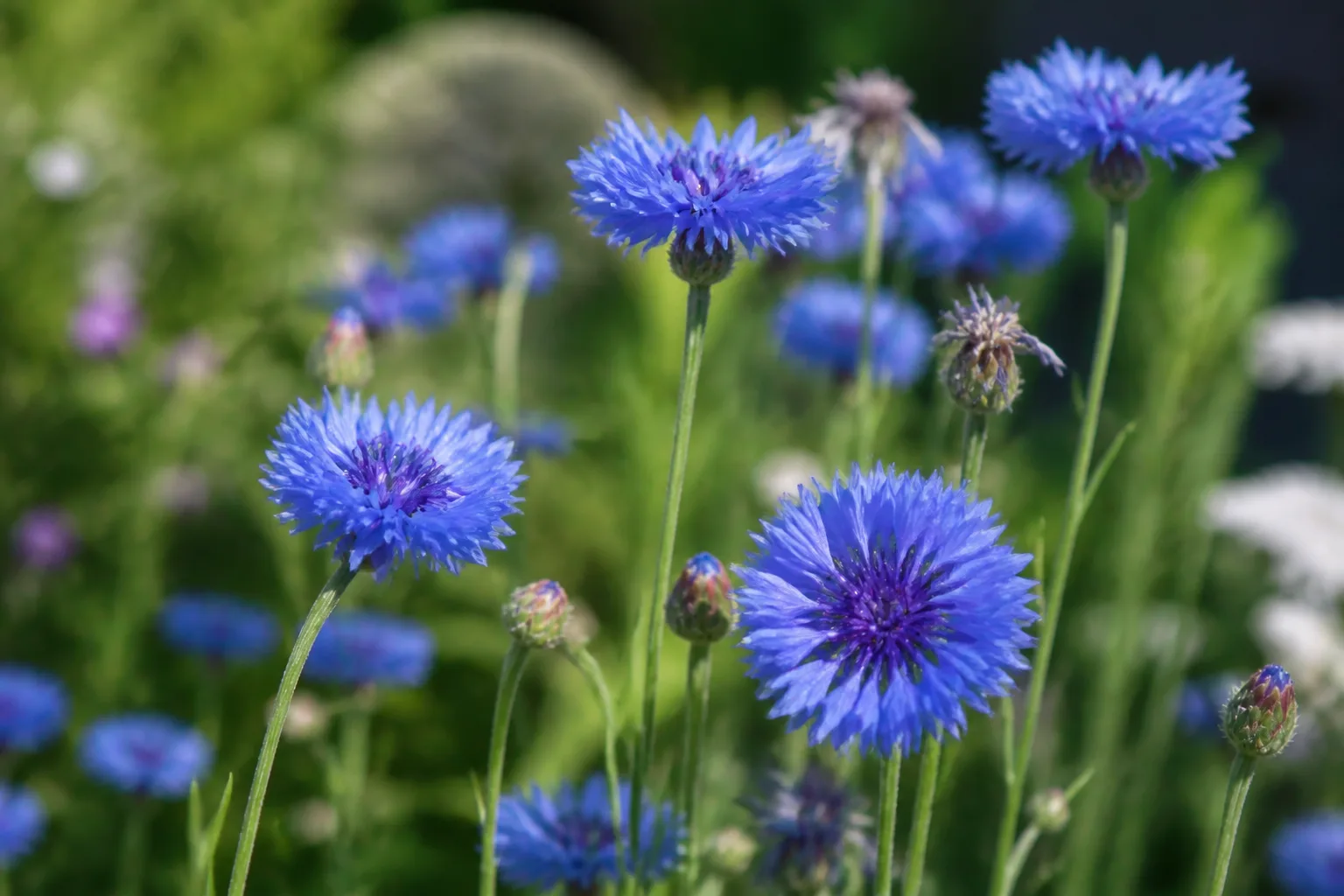
Cornflower (Bachelor’s Button)
Centaurea cyanus is the honest answer when someone asks for the fastest legitimate flower from seed. NC State Extension lists it as an easy annual wildflower with blue, pink, purple, or white blooms and a preference for full sun. Under good conditions, many gardeners see first flowers roughly 80–100 days after sowing—faster if you start indoors four to six weeks before last frost and transplant after hardening off.
Cornflower tolerates poor soil better than hungry hybrids, which makes it useful on newly graded yards where organic matter is still thin. Sow directly where plants will bloom; they resent root disturbance. Deadhead spent flowers to extend the season, but let a few go to seed if you want a casual reappearance next year—cornflower self-sows lightly, unlike truly weedy spreaders.
Zones: treated as an annual everywhere it is grown; hardy as a reseeding annual in zones 2–11. Water: about 1 inch per week. Best for: meadow edges, cottage rows, cutting gardens, and filling gaps while shrubs size up behind them.
Yarrow
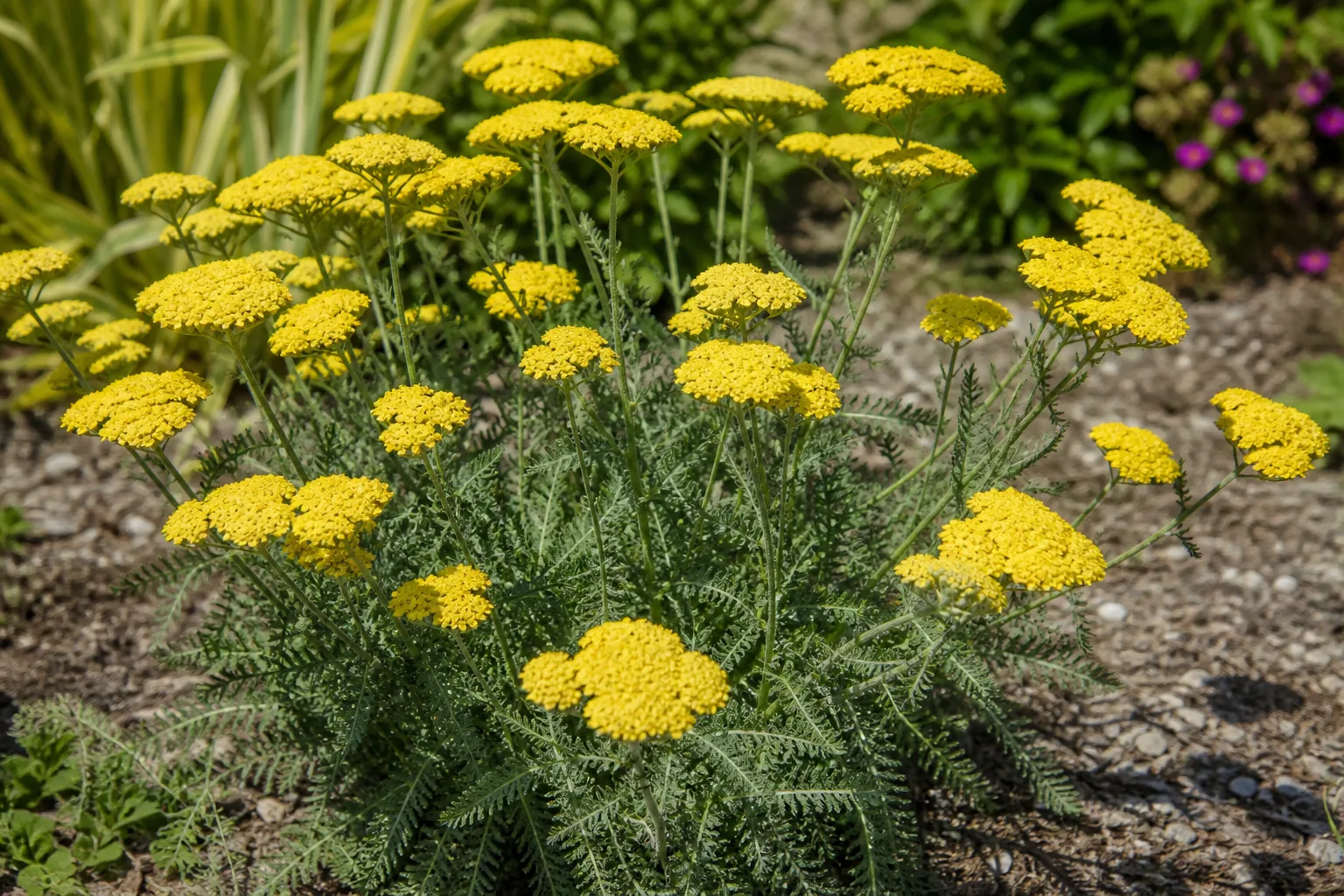
Common yarrow (Achillea millefolium) builds a feathery mound and flat flower clusters in one growing season—often around 120 days from spring growth to peak bloom. It thrives in full sun, tolerates drought and poor soil, and attracts beneficial insects. That toughness is exactly why you should pause before mass-planting it.
The Invasive Plant Atlas documents Achillea millefolium escaping cultivation in parts of North America, and the plant spreads by rhizomes and seed in favorable sites. In arid western meadows or disturbed roadsides, it can outcompete natives. In a contained border with yearly division and deadheading, many gardeners manage it fine—but it is not a set-and-forget ground cover on open acreage.
Pet owners: ASPCA lists yarrow as toxic to dogs, cats, and horses, with vomiting and dermatitis among possible signs if ingested. Keep it out of pet runs and high-traffic chew zones.
Zones: 3–9. Water: light and frequent for germination, then roughly ½ inch weekly once established. Best for: dry sunny banks, pollinator strips, and rock-garden edges where you will edit spread every spring.
Purple Fountain Grass
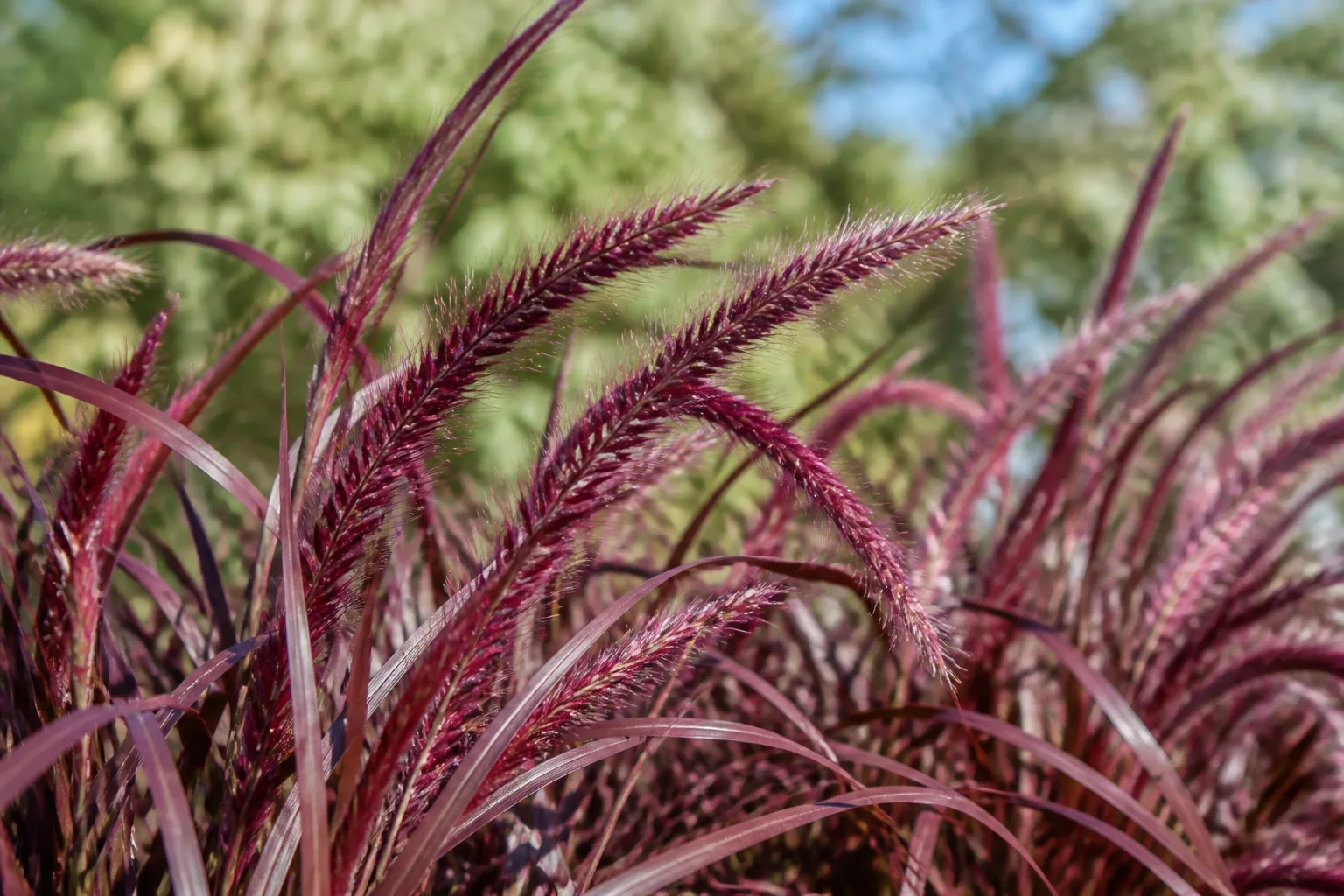
Pennisetum setaceum is the instant architecture plant: burgundy foliage and fuzzy plumes that read as “designed border” by late summer when planted in spring. In USDA zones 9–10, it is a perennial grass returning from the crown. Everywhere cooler, treat it as a fast annual—which is still valuable for impatient gardeners who want height and movement in year one.
Plant after soil warms; cold, wet soil rots the crown. Give full sun and sharp drainage. Water deeply after planting, then about twice weekly until roots knit. By autumn the plumes backlit at dusk justify the entire impatient-gardener experiment—just plan to replace or overwinter pots in zone 8 and below.
Best for: containers, Mediterranean-style beds, and temporary filler while permanent grasses establish.
Agastache
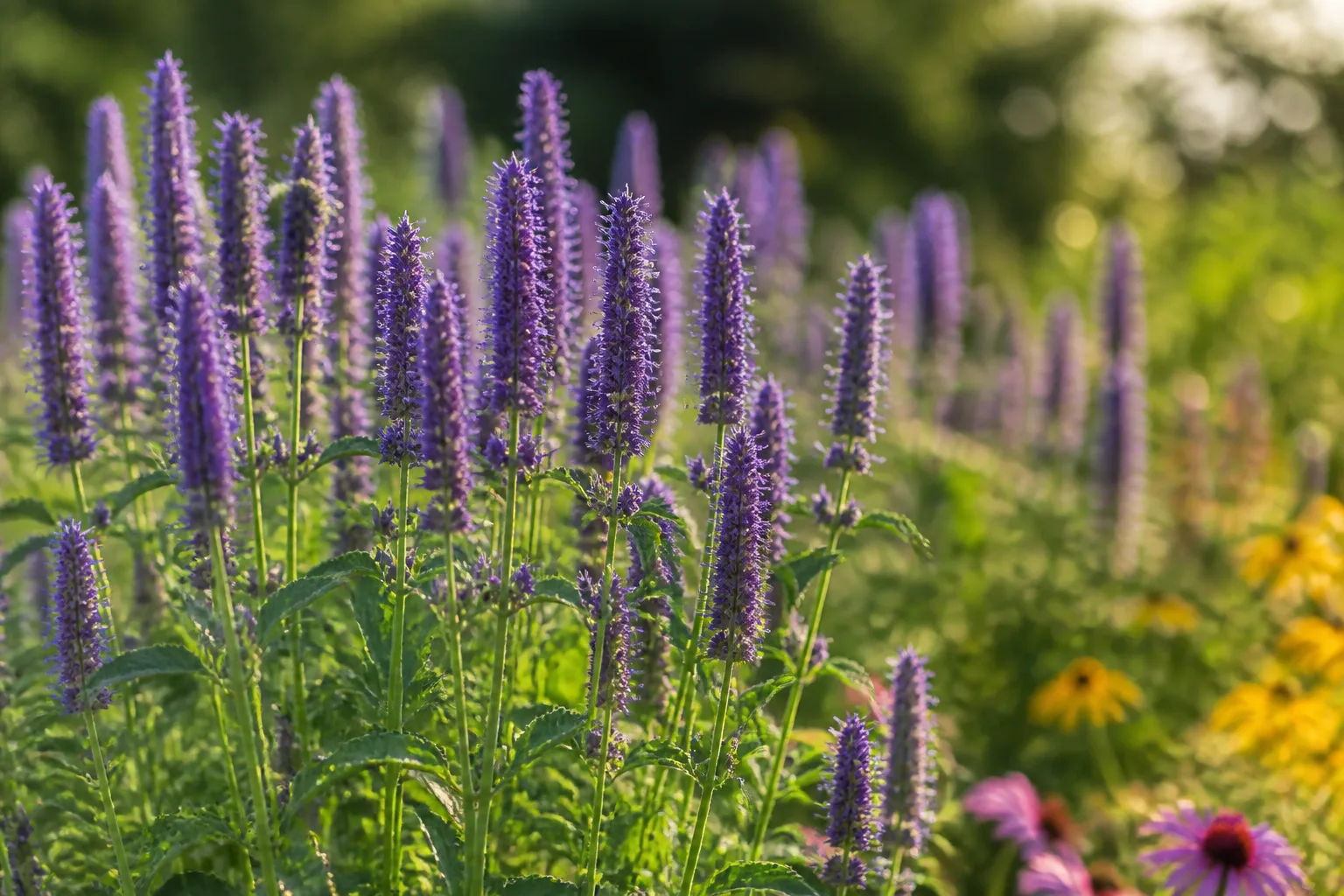
Anise hyssop and related agastaches are the pollinator annuals of the perennial world: spikes of tubular flowers on plants that often reach blooming size the same season you install them. Full sun, well-drained soil, and occasional deep watering during heat waves are the main requirements. Leaves smell of licorice or mint depending on species—a nice bonus for sensory gardens.
Agastache pairs well with yarrow and cornflower in a sun border because it shares drought tolerance without matching yarrow’s rhizome aggression. Cut spent spikes to encourage rebloom; leave a few late flowers for bees.
Zones: roughly 3–10 depending on species. Best for: hummingbird and bee borders, herb-adjacent plantings, and fast color between young shrubs.
Lavatera
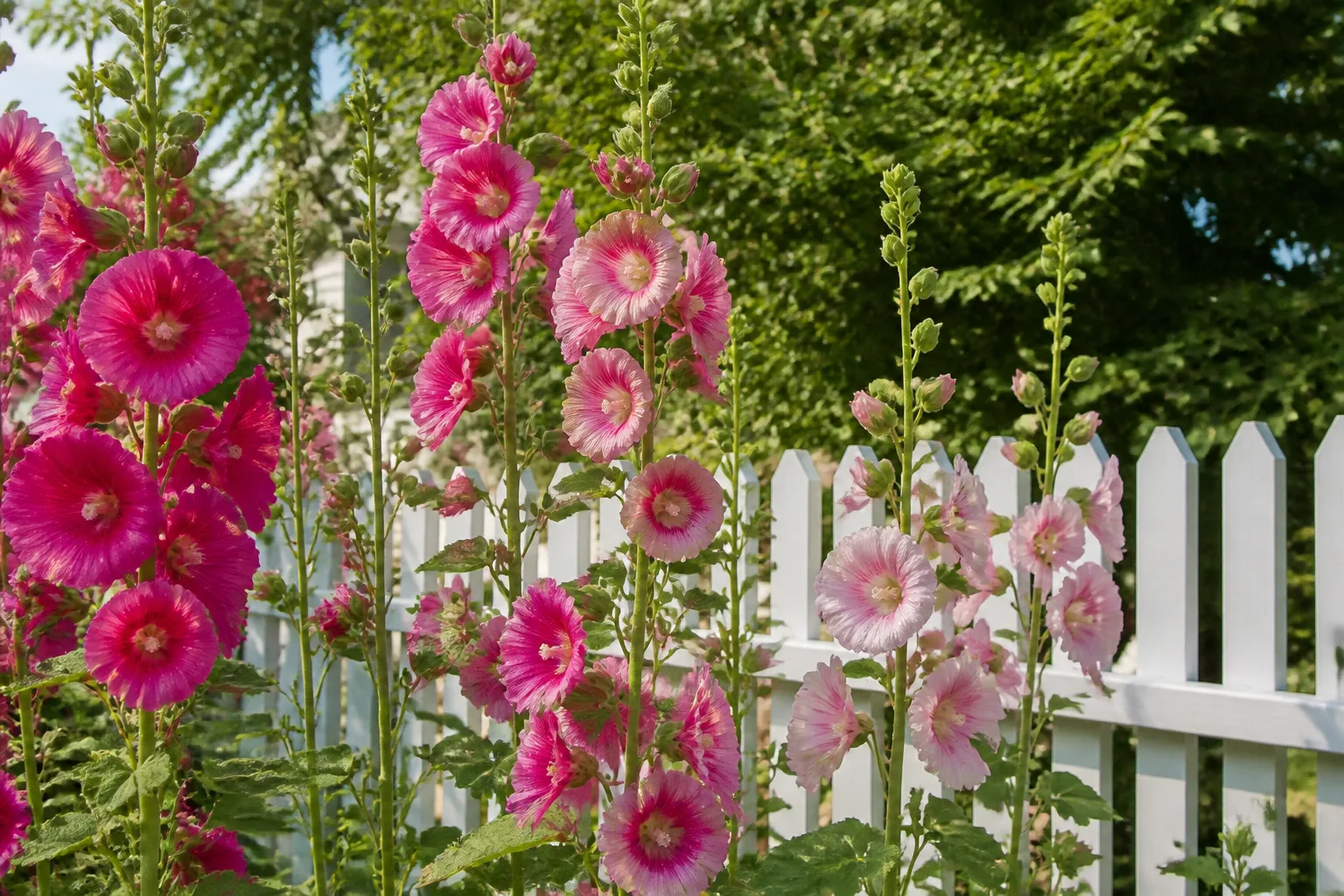
Tree mallow (Lavatera spp.) behaves like a shrub on fast-forward: soft wood, large hollyhock-like blooms, and meaningful height within the first year when planted in spring. It wants full sun, regular water during establishment, then tolerates short dry spells. Use it to soften a new fence line or fill a corner while slower hydrangeas find their feet.
Lavatera is not long-lived—many plants peak over one to two seasons of heavy bloom, then look tired. Prune lightly after flowering, replace when stems go woody and sparse, or treat it as a sacrificial speed plant in a rotating border. That is a feature for impatient gardeners, not a flaw: you needed mass now.
Zones: 6–8 for most species. Best for: temporary privacy, annual-style shrub slots, and coastal-influenced gardens with mild winters.
Shrubs That Look Established Sooner
Woody plants will not bloom next Tuesday. They will change the scale of a yard within two to three growing seasons if you choose species with documented annual increment and give them water during the first summer drought.
Hydrangea
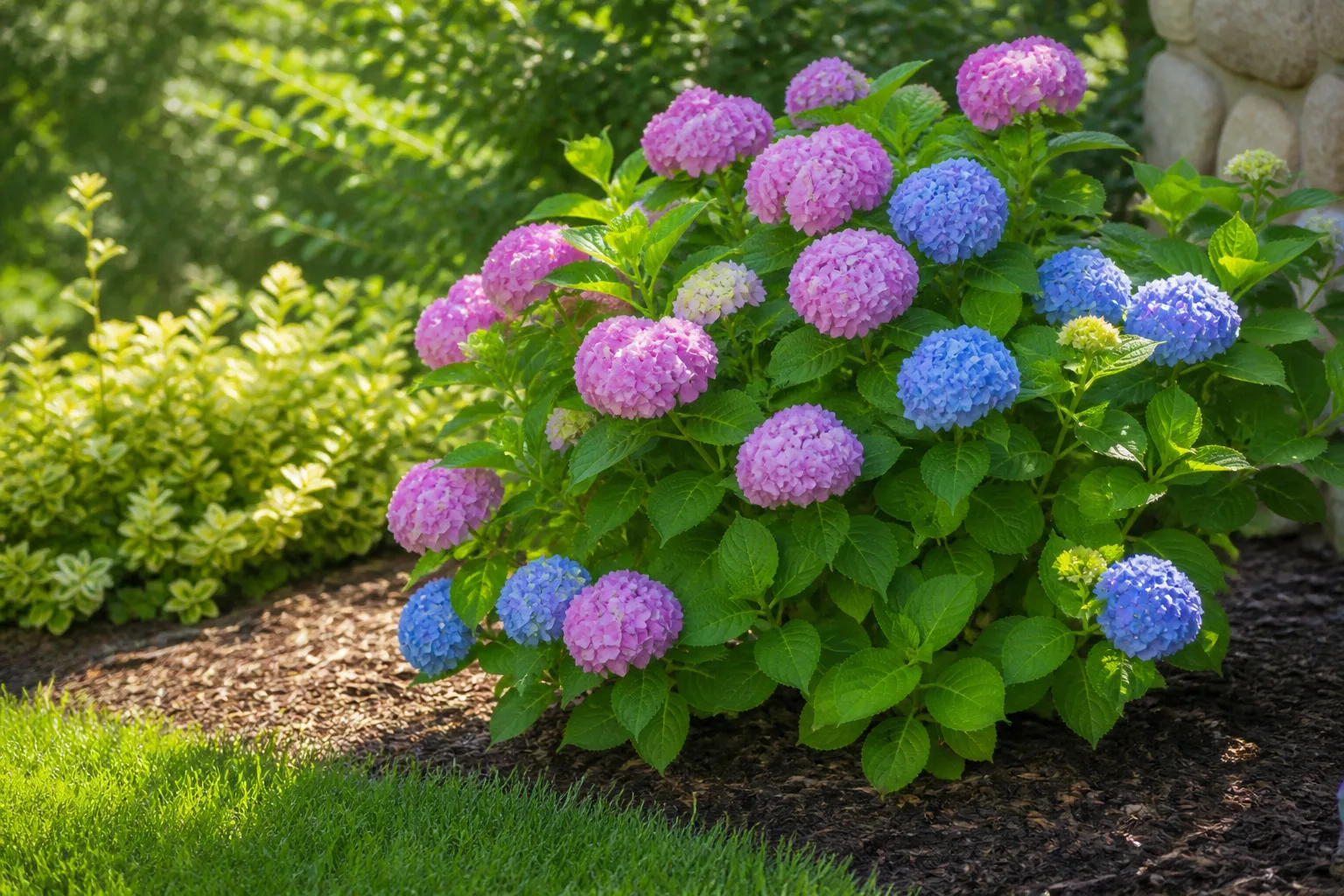
Bigleaf hydrangea (Hydrangea macrophylla) is the classic “instant shrub” choice in zones 5–9: rounded habit, large mophead or lacecap flowers, and growth rates commonly quoted around 24 inches per year once established. NC State Extension notes bloom on old wood for many cultivars, with reblooming types also flowering on new growth—a useful detail when a late frost nips buds.
Plant in morning sun with afternoon protection in hot climates; keep soil consistently moist but not soggy. Mulch 2–3 inches. For blue flowers, acidify soil; for pink, lean alkaline. Hydrangeas reward impatient gardeners because year two already looks like a real shrub, not a stick with leaves.
Best for: foundation plantings, dappled-shade borders, and gardeners who want visible bulk before crepe myrtles or birches dominate the skyline.
Butterfly Bush
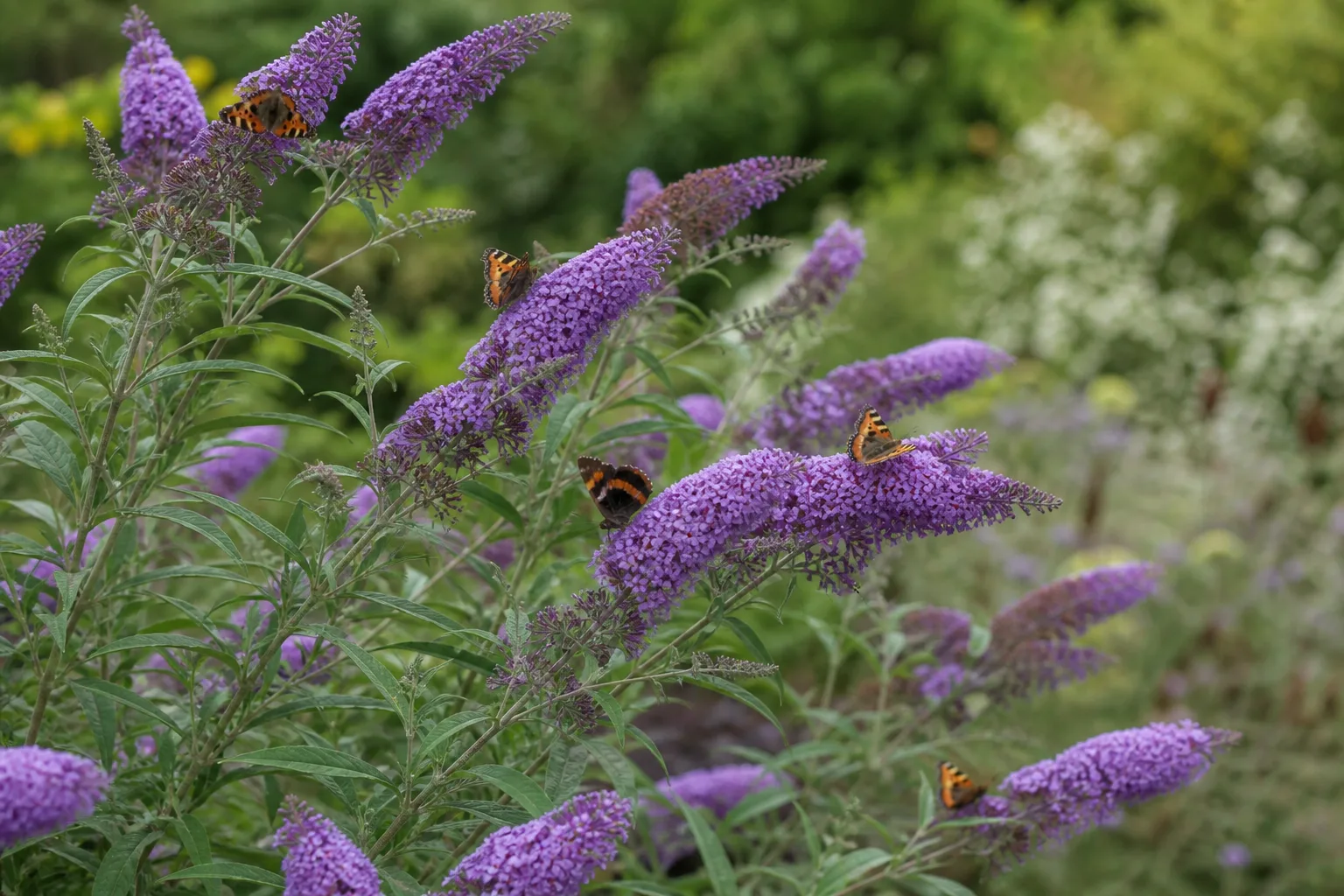
Here is the plant that belongs on every fast-grower list—and every invasive-plant checklist. Buddleja davidii shoots up quickly, blooms heavily on new wood, and draws adult butterflies to nectar. NC State Extension reports it self-seeds and naturalizes easily, is invasive in North Carolina’s Mountain and Piedmont regions, and is listed as a noxious weed in Oregon and Washington. Penn State Extension explains the ecological problem plainly: wind-blown seeds colonize roadsides and rail trails, and no native caterpillar feeds on the leaves, so mass planting displaces host plants like milkweed and asters that butterfly larvae require.
If you still want the look, choose sterile or low-seed cultivars such as the Lo & Behold® series developed through breeding programs cited by NC State—never assume “dwarf” means non-invasive. In many regions, better fast-fill pollinator shrubs include native viburnums, buttonbush, or spicebush. Impatience is not a reason to skip the county invasive list.
Zones: 5–9 (dies to ground in cold zones, resprouts vigorously). Water: about ½ inch weekly from rain or irrigation. Best for: only where legal and non-invasive—and where you have verified sterile cultivars; otherwise skip.
Forsythia
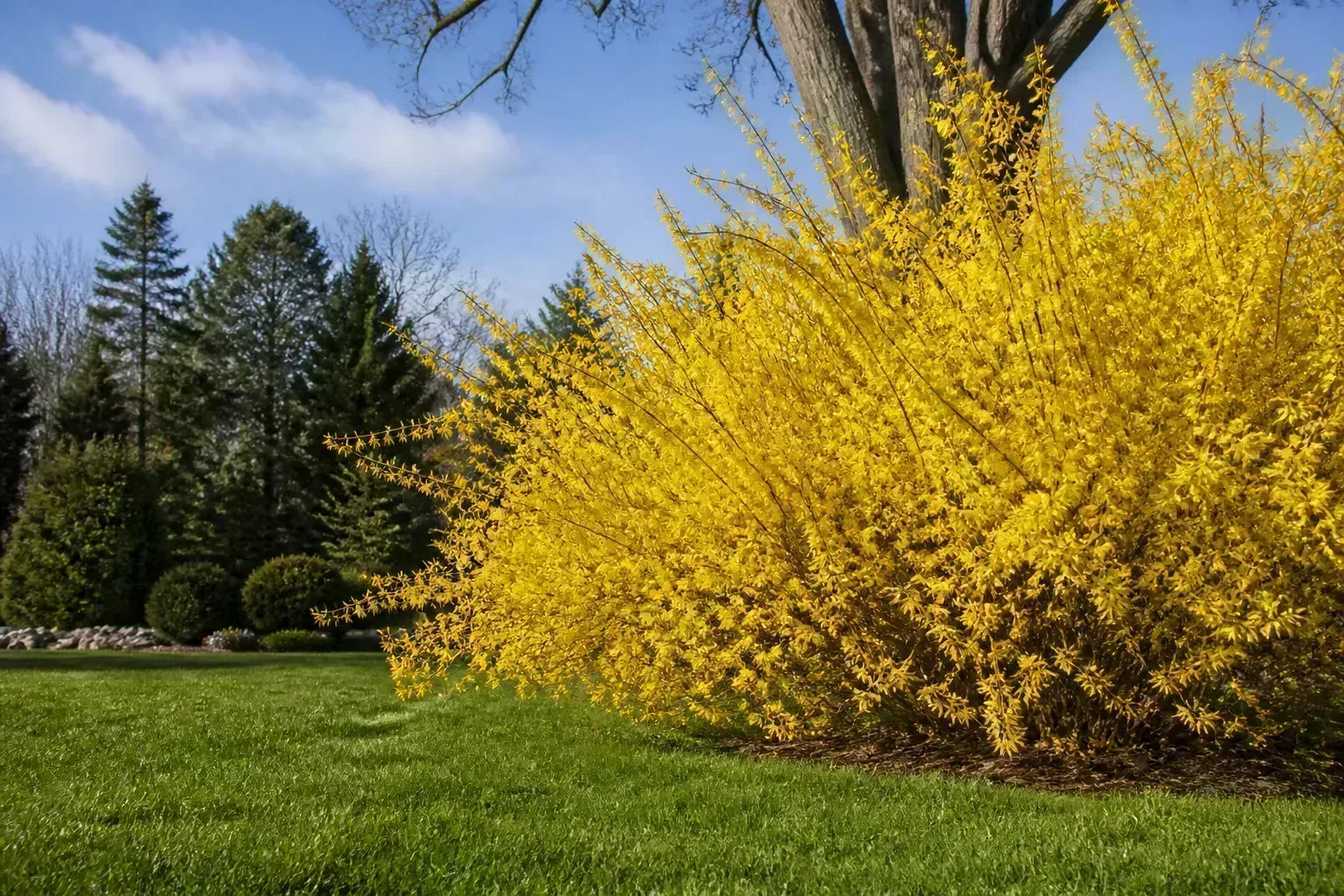
Forsythia (Forsythia × intermedia and hybrids) is the spring alarm clock shrub: yellow flowers on bare wood before most perennials wake. NC State describes upright, arching growth commonly 16–24 inches per year once established, with full maturity over several years. Plant in full sun to light shade; prune immediately after flowering because next year’s blooms form on old wood.
Forsythia solves the impatient gardener’s “nothing is happening in March” problem. It does not solve summer color—that is what crepe myrtle or hydrangea partners are for. Space plants for mature width (often 8–10 feet) even if the first-year twigs look lost.
Zones: 5–8. Best for: early-spring hedges, corner anchors, and pairing with later-blooming shrubs in a layered border.
Perennial Viburnum
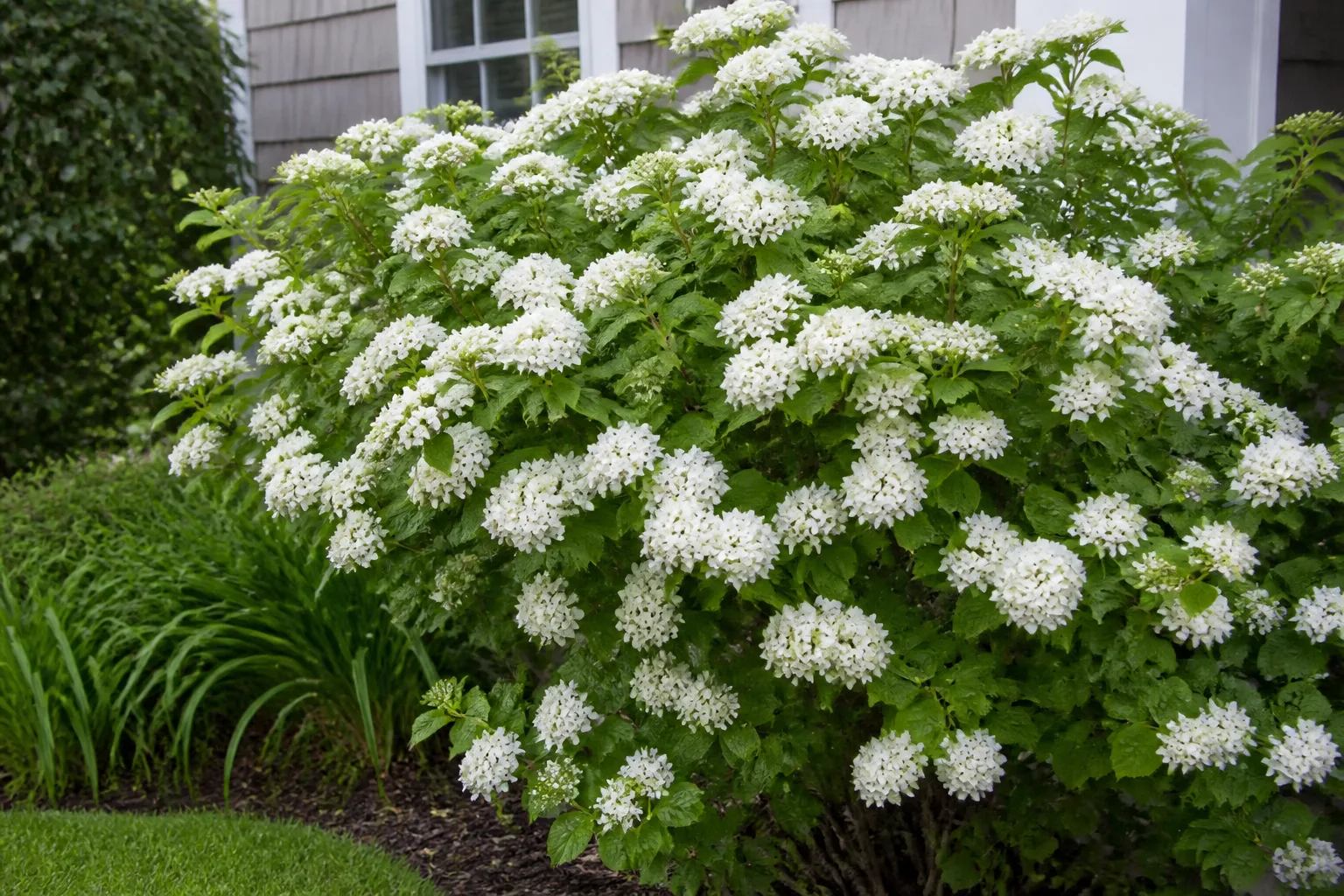
When hydrangea fatigue sets in, viburnums offer similar shrub presence with faster horizontal growth in many species. Some viburnums add up to two feet per year once established and work as hedges, specimen shrubs, or woodland edge plants depending on species. Spring flower clusters, summer berries, and fall foliage give you three seasons of change—useful when you are staring at a new yard wondering if anything is alive.
Match species to your site: arrowwood for wetter clay, Koreanspice types for fragrance, doublefile for layered horizontal branching. Viburnums are not zero-maintenance; aphids and viburnum leaf beetle appear in some regions—but they are generally more ecologically integrated than butterfly bush in eastern North America.
Zones: 2–9 by species. Best for: privacy hedges, native-leaning borders, and gardeners who want shrub mass without waiting five years.
Vines and Trees for Bigger Projects
Climbers and trees ask for more patience than cornflower, but the right species still outrun lumbering oaks and maples—if you measure progress in seasons, not weekends.
Star Jasmine
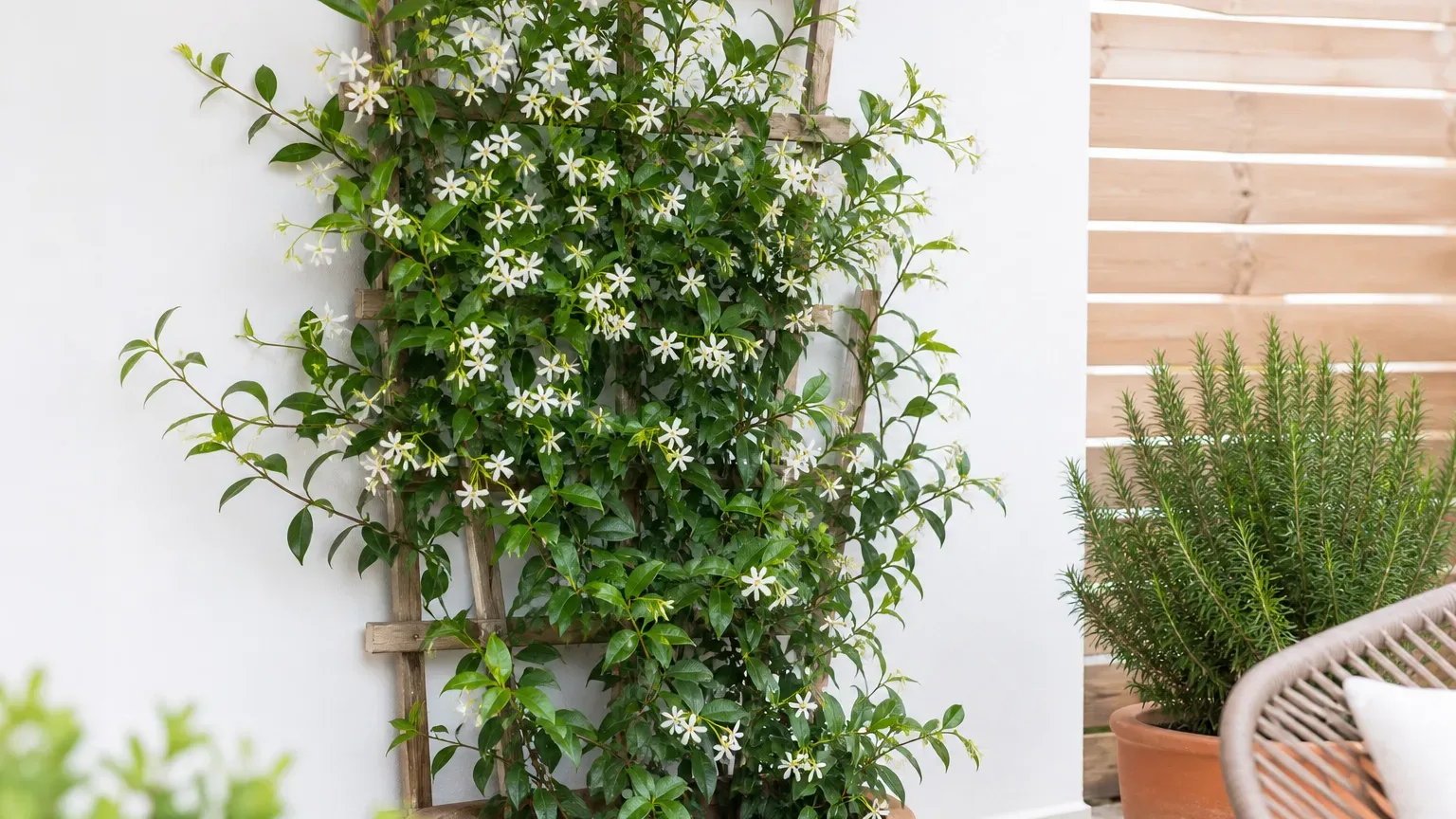
Star jasmine (Trachelospermum jasminoides) is the fragrant workhorse vine for zones 7–10 (colder with protected microclimates). NC State Extension notes evergreen foliage, spring fragrance, and twining growth that can cover a trellis or espalier quickly when sited in full sun to partial shade. Expect several feet of extension in the first year from a healthy container plant, with increasing density in year two.
Water when the top inch of soil dries; avoid waterlogged roots. Prune after spring bloom to keep it off paint and rooflines. It is vigorous, not usually classified as invasive in most U.S. regions, but it will swallow a small mailbox if you ignore it for two summers.
Best for: fences, entry arches, and patio screening where fragrance matters.
Crepe Myrtle
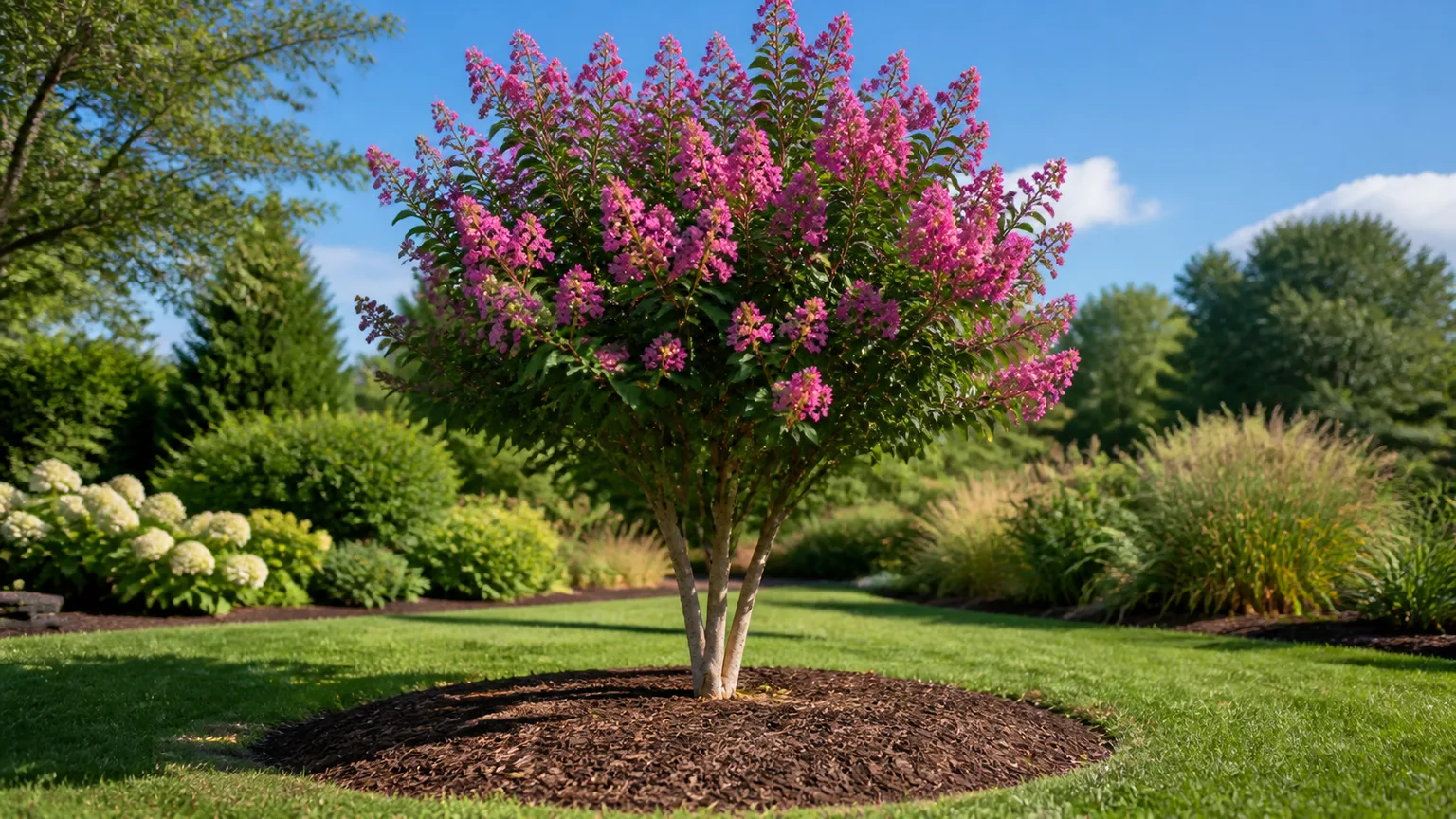
Crape myrtle (Lagerstroemia spp.) is the southern impatient gardener’s tree-shrub hybrid: exfoliating bark, summer-long panicles, and roughly 24 inches or more of annual growth in favorable climates. Full sun and good air circulation prevent powdery mildew on susceptible older cultivars; modern series offer improved disease resistance—choose named cultivars for your USDA zone and mature height, not “whatever was on sale.”
Establish with deep watering the first year; thereafter it tolerates heat and drought better than most woody newcomers. You will wait three to five years for true tree presence, but each summer brings obvious new height—enough to satisfy most impatience if you underplanted with agastache or fountain grass for interim color.
Zones: 6–9 (root-hardy with dieback in cold margins). Best for: street trees, lawn specimens, and hot-summer color where hydrangeas struggle.
Silver Birch
European white birch (Betula pendula) grows quickly during its first 10–15 juvenile years, producing the luminous bark and dappled shade cool-climate gardeners crave. It prefers consistently moist, acidic soil and zones 2–7; heat and drought stress it in the South. Research invasiveness in your region before planting—birch species have escaped in parts of the West and can behave aggressively outside their native range.
Site away from paved areas: shallow roots heave sidewalks. Plant in groups for woodland effect, not as a lone lawn dot, unless you enjoy mowing around surface roots. Silver birch answers impatience in northern and high-elevation yards where crepe myrtle will not thrive.
Best for: naturalistic plantings, woodland edges, and cool climates needing vertical structure fast.
Euphorbia
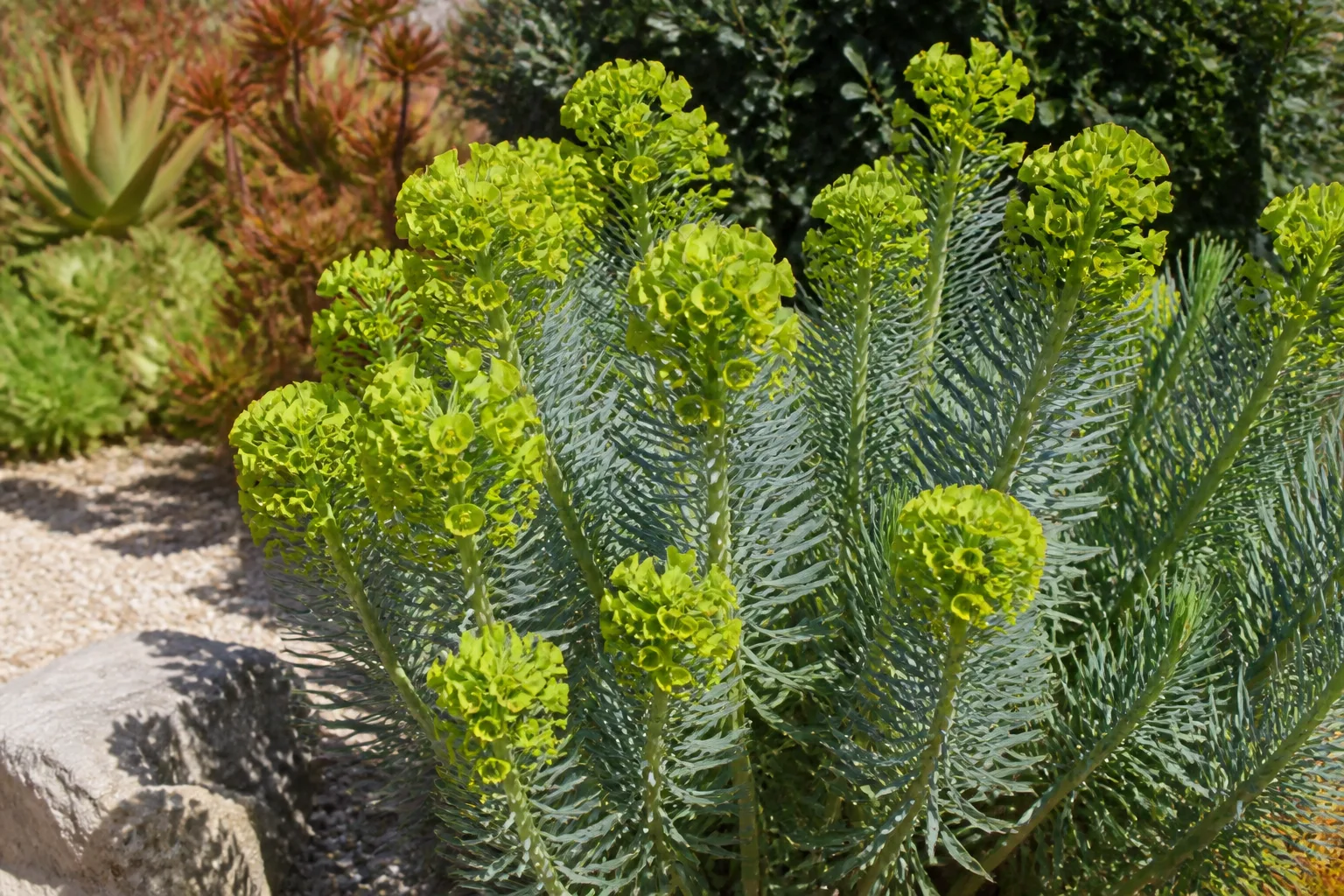
“Euphorbia” is a genus of more than 2,000 species—some creeping, some tree-like. For impatient gardeners, Mediterranean and succulent spurges such as Euphorbia characias subsp. wulfenii or shrubby E. rigida add sculptural bulk within one to two seasons in dry, sunny sites. They are not universal: milky sap irritates skin and eyes, and toxicity varies by species.
Use euphorbias where you want architectural filler without heavy watering—gravel gardens, sunny slopes, and contemporary borders. They complement agastache and yarrow culturally (sun, drainage) but replace them visually with evergreen structure. Confirm hardiness for your chosen species; do not assume the label “spurge” means one care profile.
Zones: 5–11 depending on species. Best for: drought-forward designs, succulent borders, and gardeners bored with predictable hydrangea circles.
Conclusion
Impatient gardening is not lazy gardening—it is honest gardening. You have a blank canvas now, and you want proof that your effort matters before next spring’s catalog arrives. The thirteen plants above split that problem into solvable pieces: cornflower and agastache for color you can measure in weeks, lavatera and fountain grass for bulk in one summer, hydrangea, forsythia, and viburnum for shrub presence that compounds every year, and star jasmine, crepe myrtle, silver birch, and selected euphorbias for vertical scale on a multi-year clock that still outruns slow forest trees.
Pick two plants from two different speed tiers, verify neither is invasive or toxic for your household, and plant this season while you still have the weather to support establishment. Fast growth without a plan becomes fast regret; fast growth with the right plant on the right site becomes the garden that finally looks like yours.



