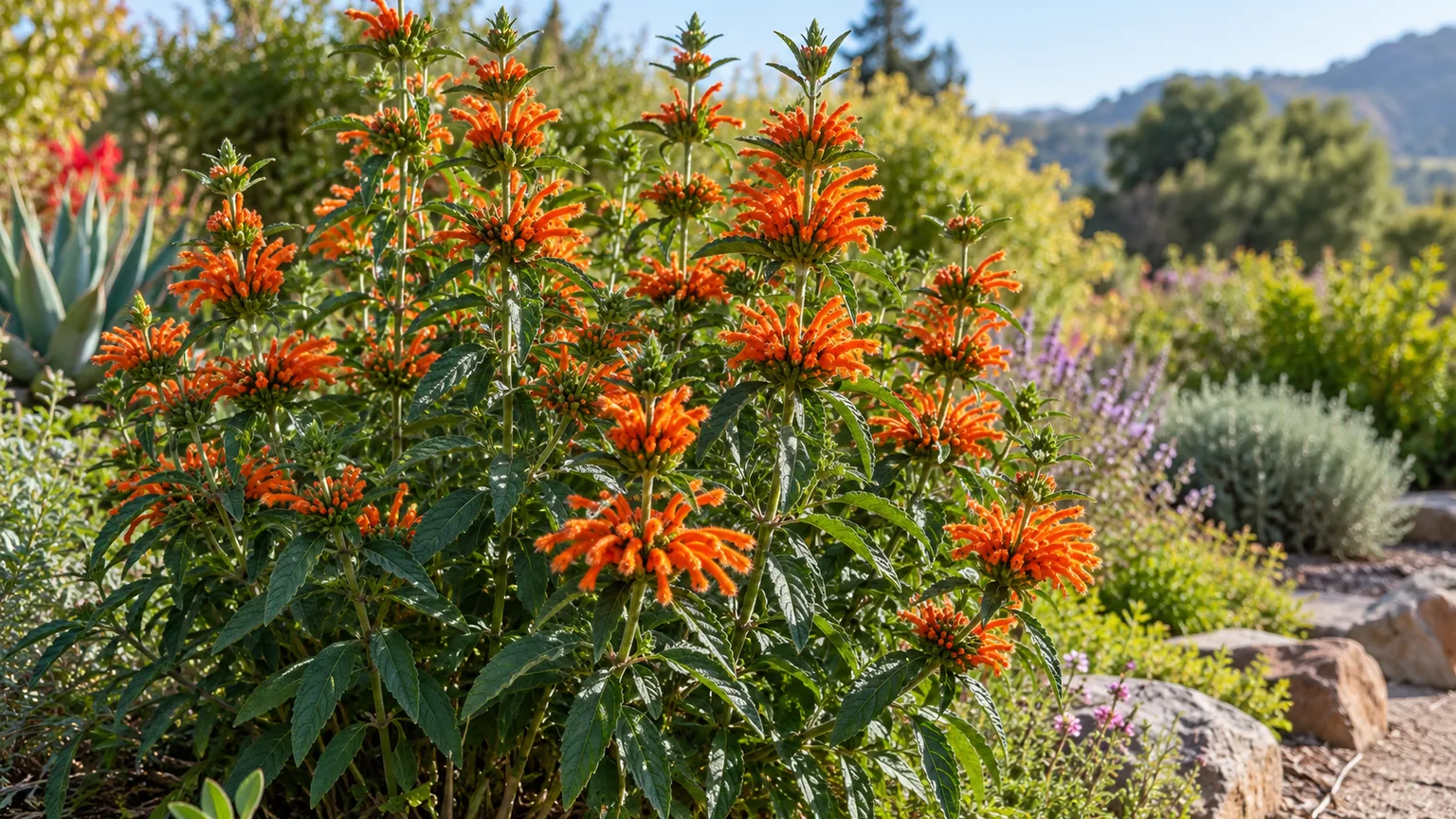
4 Heat-Tolerant Flowers for a Late-Summer Garden
Looking for flowers that handle summer heat? Compare four tall, dramatic choices by sun, soil, bloom time, watering needs, and winter hardiness.
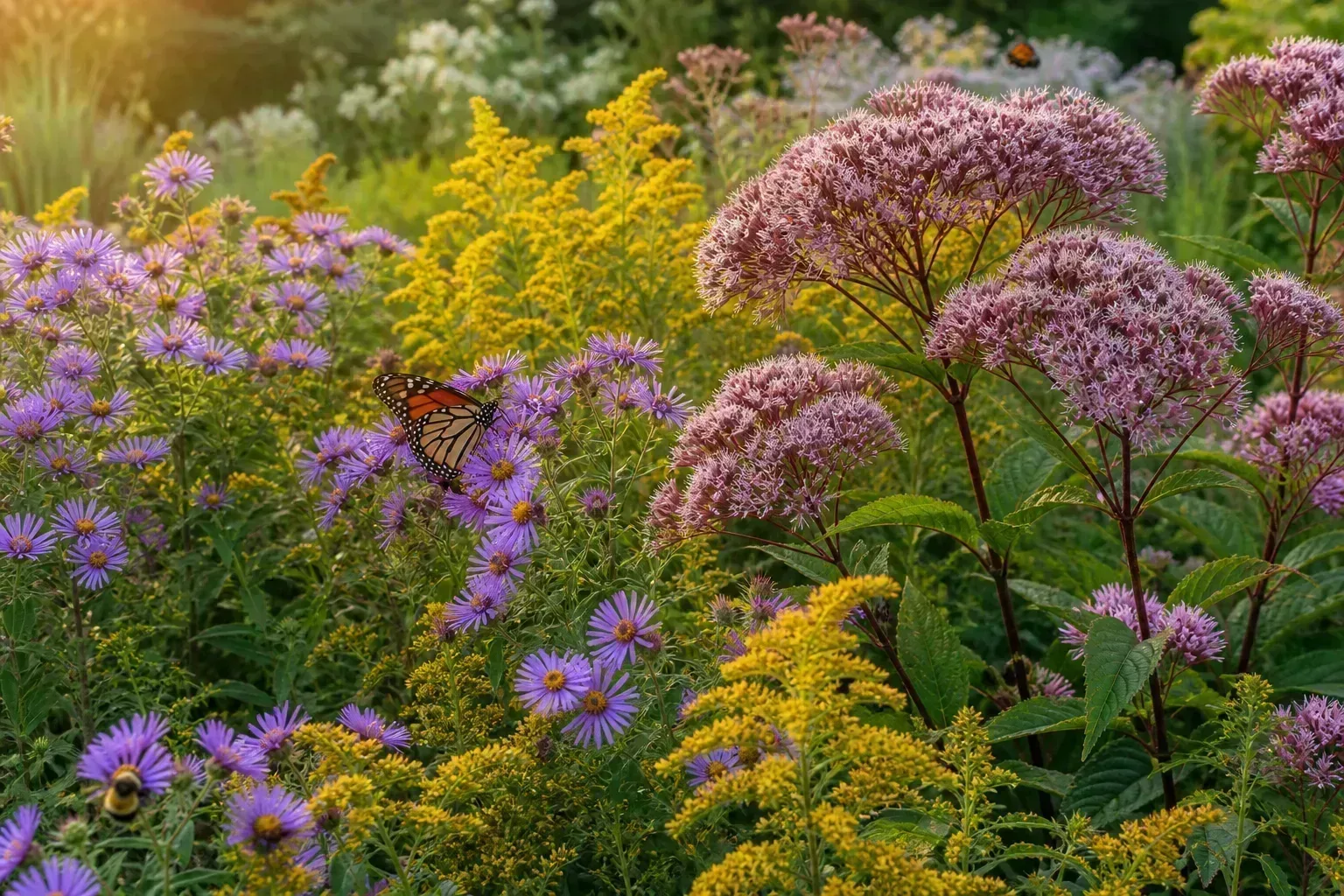
When July turns to August, a garden can lose its structure quickly. Petals scorch, tall stems sag, and the plants that looked effortless in June suddenly need daily attention. The best response is not to search for a “never-wilt” flower—no plant can stay upright with dry roots forever—but to choose flowers whose natural growth habit, roots, and bloom season are suited to your site.
The four choices below cover different kinds of summer toughness. Blanket flower is the best fit for a dry, sunny bed. Liatris provides the cleanest vertical accent in well-drained soil. Aster carries color into fall when many summer perennials are fading. Lantana is the heat specialist for warm climates and containers, but it is a seasonal annual in colder areas and deserves a local invasive-plant check before you plant it in the ground.
What Heat-Tolerant Really Means in a Garden
Heat tolerance is not drought proofing
Heat tolerance describes how well a plant continues growing and flowering when temperatures are high. Drought tolerance describes how well it manages limited water after its roots are established. Those traits overlap, but they are not interchangeable. A blanket flower in its second summer may handle a dry spell, while a blanket flower planted last week can wilt in one hot afternoon because its roots have not reached beyond the original nursery root ball.
Even a tough perennial can wilt when the soil is genuinely dry, the air is unusually hot and windy, or the root zone has been damaged. Treat “heat tolerant” as a lower-maintenance starting point, not a permission slip to stop checking the soil. The most resilient planting is one that combines the right plant with deep watering during establishment, a mulch layer that does not touch the crown, and soil that drains at the pace the plant requires.
Match the plant to sun, soil, and winter climate
Start with the site rather than the flower color. Count the hours of direct sun, dig a small hole to see whether water drains within a day, and note whether the area is a hot reflective strip beside pavement or a breezy open bed. Then check the plant’s hardiness range using the USDA Plant Hardiness Zone Map, remembering that a zone is mainly a winter-survival guide. It does not account for humidity, summer rainfall, wind, reflected heat, or a garden’s irrigation pattern.
The most useful buying question is: What will this plant experience in August? Aster is a better choice than lantana for a cold-winter garden that needs autumn flowers. Blanket flower is a better choice than a moisture-loving plant in sandy soil. Liatris is a better choice than a floppy shrub for a narrow border, but only if the ground does not stay wet. Lantana is a better choice than any of the three when you have long, hot summers and want months of color in a container or warm-climate bed.
Quick Comparison: Which Flower Fits Your Site?
| Flower | Best site | Approximate height | Bloom window | Water after establishment | Main limitation |
|---|---|---|---|---|---|
| Aster (Symphyotrichum and related types) | Full sun to light shade, well-drained soil with regular moisture | 2–5 feet, depending on type | Late summer into fall | Moderate; do not let it stay bone-dry during bud formation | Can flop or develop mildew if crowded, overfertilized, or grown too wet |
| Blanket flower (Gaillardia) | Full sun, lean or sandy, sharply drained soil | 1–3 feet, depending on species and cultivar | Early summer to frost | Low once rooted | Crown and root rot in soggy soil; many perennial types are shorter than the title’s “height” suggests |
| Lantana (Lantana camara and hybrids) | Full sun, hot summers, containers or warm-climate beds | 1–6 feet, depending on type | Summer into fall | Moderate while flowering; high heat tolerance | Often annual in cold climates; check local invasive-plant guidance |
| Liatris (Liatris spicata and related species) | Full sun, well-drained soil, lean to average fertility | 2–5 feet | Mid- to late summer | Low to moderate once rooted | Corms rot in wet soil; rich, damp beds can make stems lean |
For dry soil, start with blanket flower or liatris. Both resent winter wet more than they resent summer sun, so drainage matters as much as the water bill. For a bed that is dry but not desert-like, aster can work if you can provide a deep soak during prolonged drought and choose a site with some afternoon relief.
For consistently moist but well-drained soil, choose aster and select the right liatris species for the site. Do not translate “moist” into “waterlogged”: water should move through the root zone rather than sit around the crown. Lantana is usually a poor fit for a low, soggy pocket even though it thrives in hot weather.
For a long, hot growing season, lantana earns its place, especially in a container that can be moved or replaced. In a cold-winter region, buy it as a seasonal annual rather than assuming the plant will return. In warmer regions, confirm local restrictions and invasiveness before planting species that can produce viable seed.
Aster Gives You Late-Season Height and Color
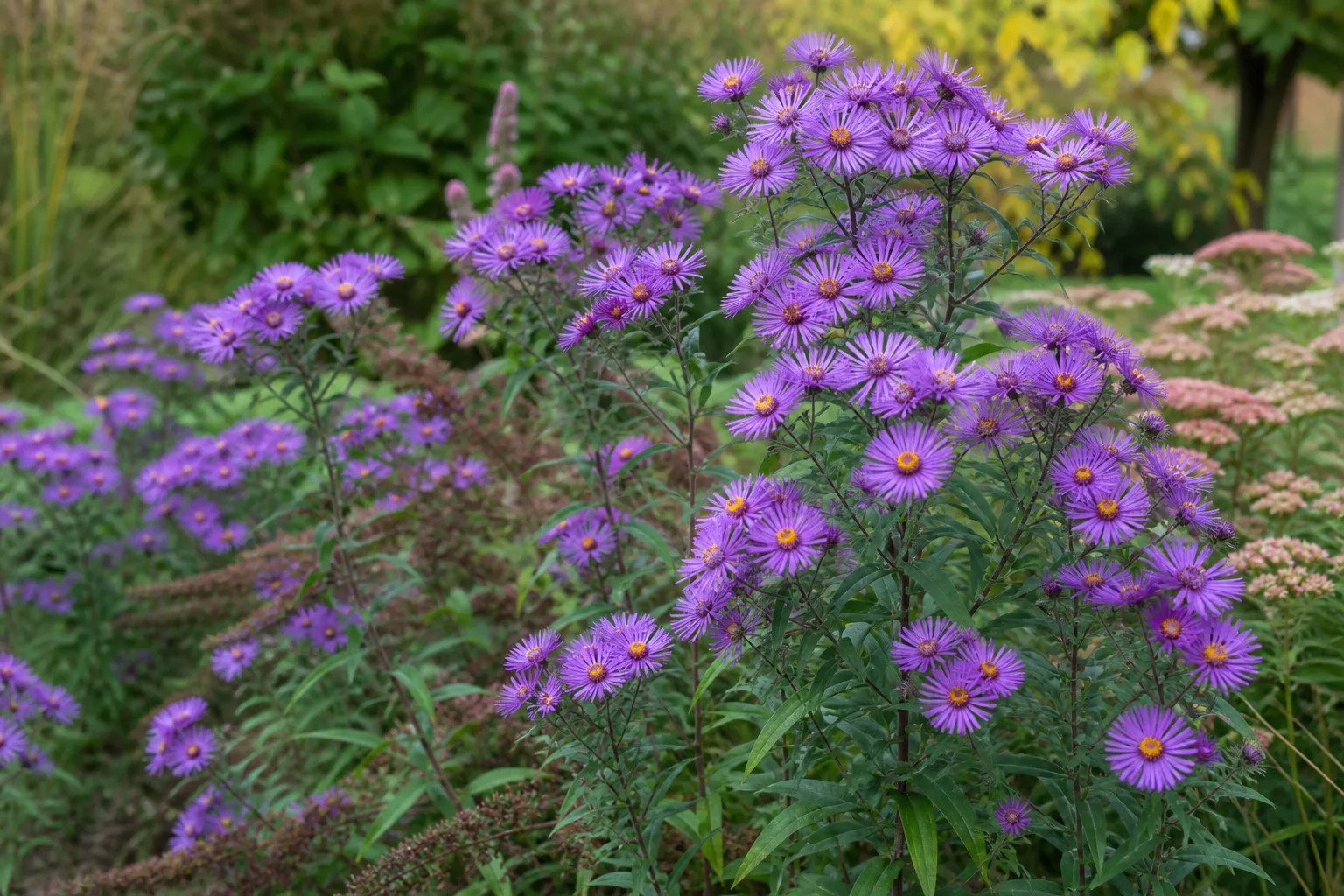
Asters are valuable because they arrive late. Many garden centers sell them as fall color, but the plants need to build stems and buds through summer before opening their daisy-like flowers. The Texas Tech Plant Database lists hardy aster as upright, high in heat tolerance, and suited to well-drained soil, while the University of Missouri Integrated Pest Management program explains that shorter days trigger flowering in garden asters.
That short-day response is useful to understand: pinching a plant in early summer can produce a fuller mound, but pinching too late can remove the stems that are already preparing to flower. Asters can range from compact cultivars under two feet to species that reach five feet or more. Read the nursery tag for the cultivar’s mature size instead of choosing a plant based only on the word “aster.”
Aster care that prevents floppy growth
Give asters sun, air movement, and soil that drains after rain. Missouri IPM notes that excess fertility can produce tall, floppy plants, so avoid pushing them with repeated high-nitrogen feedings. A plant with dark green leaves and weak stems is not necessarily hungry; it may simply be overfed or planted in soil that stays too rich and wet.
For a bushier plant, pinch growing tips every two to three weeks after spring growth begins and stop around the time your local cultivar begins forming buds. A compact cultivar may not need this treatment. If the plant is already in bud in late summer, leave it alone and support it with a discreet ring only if wind makes the stems lean.
Water at the soil line during extended heat, especially while buds are swelling. If lower leaves yellow, the center stays damp, or powdery mildew spreads through a crowded clump, more water is not the answer. Thin weak stems, improve spacing, and check drainage before you reach for fertilizer or a spray.
Blanket Flower Brings the Most Reliable Dry-Site Color
Blanket flower, or Gaillardia, is the most convincing choice here for a bright, dry border. Its red, orange, and yellow flowers look fiery rather than delicate, and the plant keeps producing new blooms when many moisture-hungry perennials slow down. The Missouri Botanical Garden Plant Finder describes Gaillardia pulchella as a full-sun plant for dry to medium, well-drained soil that tolerates drought and dry summer heat.
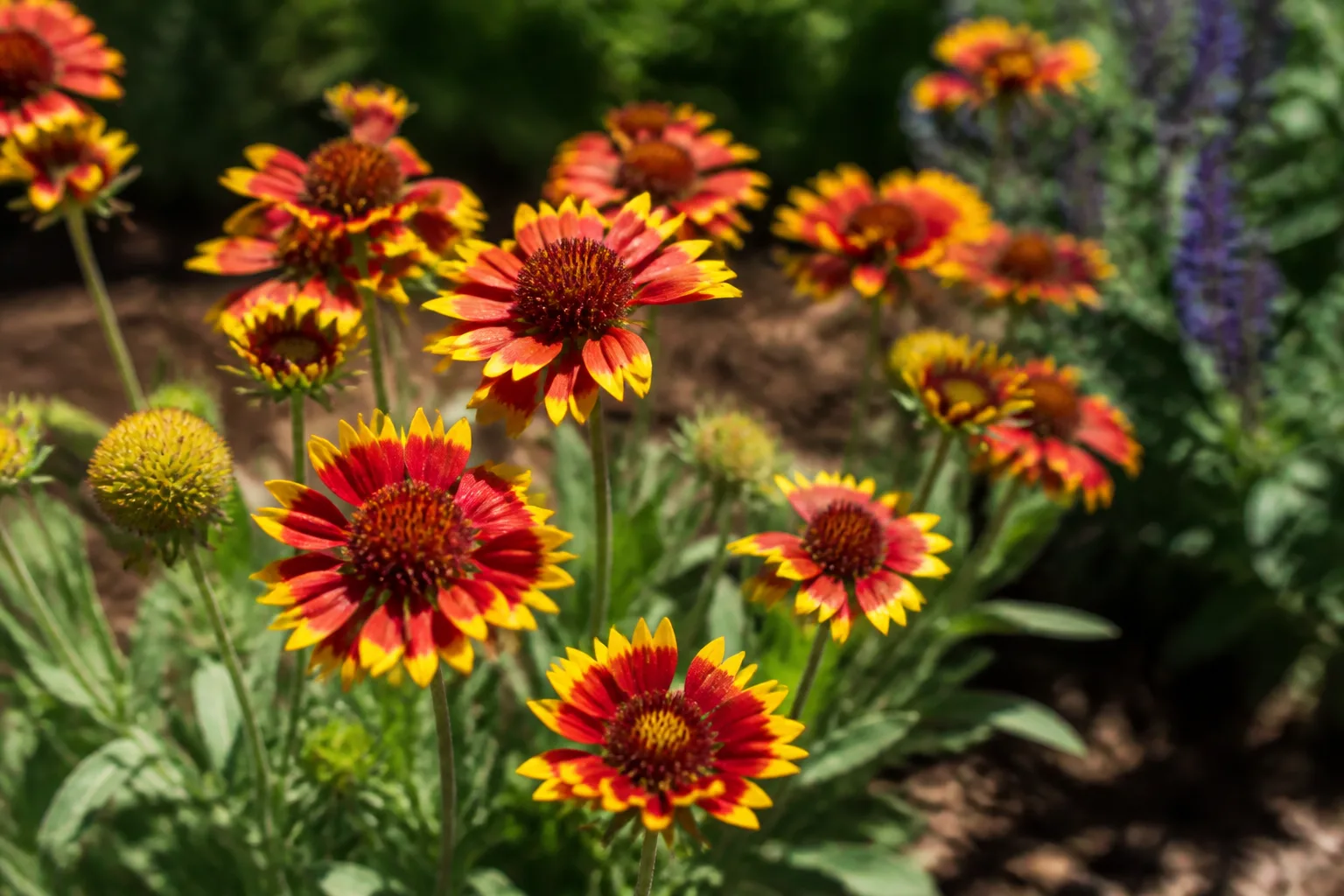
There is an important naming detail. Annual Indian blanket, G. pulchella, is often shorter, while perennial blanket-flower hybrids can form broader clumps and return in suitable climates. The label may say “blanket flower” for both, so check whether you are buying an annual, a perennial hybrid, or a cultivar selected for a particular height. This prevents the common disappointment of expecting a 3-foot screen from a 12-inch mound.
How to keep blanket flower blooming
Plant blanket flower where the soil is lean to average and drains quickly. Do not improve a sandy, dry-site plant by creating a heavy, moisture-retentive bowl around its roots. In clay, use a raised or slightly mounded planting area, and do not bury the crown under mulch.
Deadhead when you want a tidier planting and more flowers. Cut a spent flower stem back to a leaf node rather than stripping petals and leaving a long bare stalk. The Missouri Botanical Garden notes that deadheading is not essential for the plant’s survival, but it can encourage additional bloom and reduce unwanted reseeding. Leave a few seed heads if birds visit or you want a self-sown patch.
Blanket flower is also a good lesson in the limits of drought tolerance. It may wilt after a hot transplanting day, and that does not mean it is the wrong plant. Water the root ball slowly, let excess drain, and check again the next morning. If soil remains wet for days, the greater threat is root rot rather than thirst.
Lantana Is the Heat Lover—but Not a Universal Perennial
Lantana is the showiest warm-climate option in this group. Clusters of small flowers can open in several colors at once, and the plant often keeps flowering through heat that makes cool-season or shallow-rooted plants pause. Trusted horticulture coverage from Gardening Know How describes lantana as a strong choice for hot sunshine and notes that it returns year after year only in warmer USDA zones.
The word “perennial” needs a climate qualifier. In frost-prone regions, lantana is usually grown as an annual, even if it grows vigorously all summer. In warm climates it may overwinter as a perennial shrub, but a plant’s ability to survive winter does not automatically mean it is safe to plant everywhere. The University of Minnesota Extension lantana page is a useful reminder to consult regional growing guidance rather than treating a warm-climate plant tag as universal advice.
Choose lantana responsibly by climate and region
Use lantana in full sun with good drainage and enough room for the selected cultivar. It is especially useful in containers, where you can control the soil and move the plant before frost. Allow the surface to dry slightly between waterings, then water deeply enough to wet the whole root ball; a daily splash encourages shallow roots and can leave the center of a large container dry.
Before planting it in the ground, search your state or province’s invasive-plant database and ask a local extension office whether the species or cultivar is appropriate. Do not assume that a “sterile” or named hybrid has the same behavior everywhere unless the claim is documented for that exact plant. Removing spent flower clusters can also reduce self-seeding and keeps the plant looking cleaner.
Lantana’s height varies dramatically. Trailing forms may stay under two feet, while upright forms can become a substantial shrub in frost-free areas. If height is the goal, choose an upright cultivar and place it where it will not shade shorter plants. If you are gardening in a short season, choose a large, healthy container plant rather than a small starter that spends the entire summer rebuilding roots.
Liatris Adds Vertical Drama Without Usually Needing a Stake
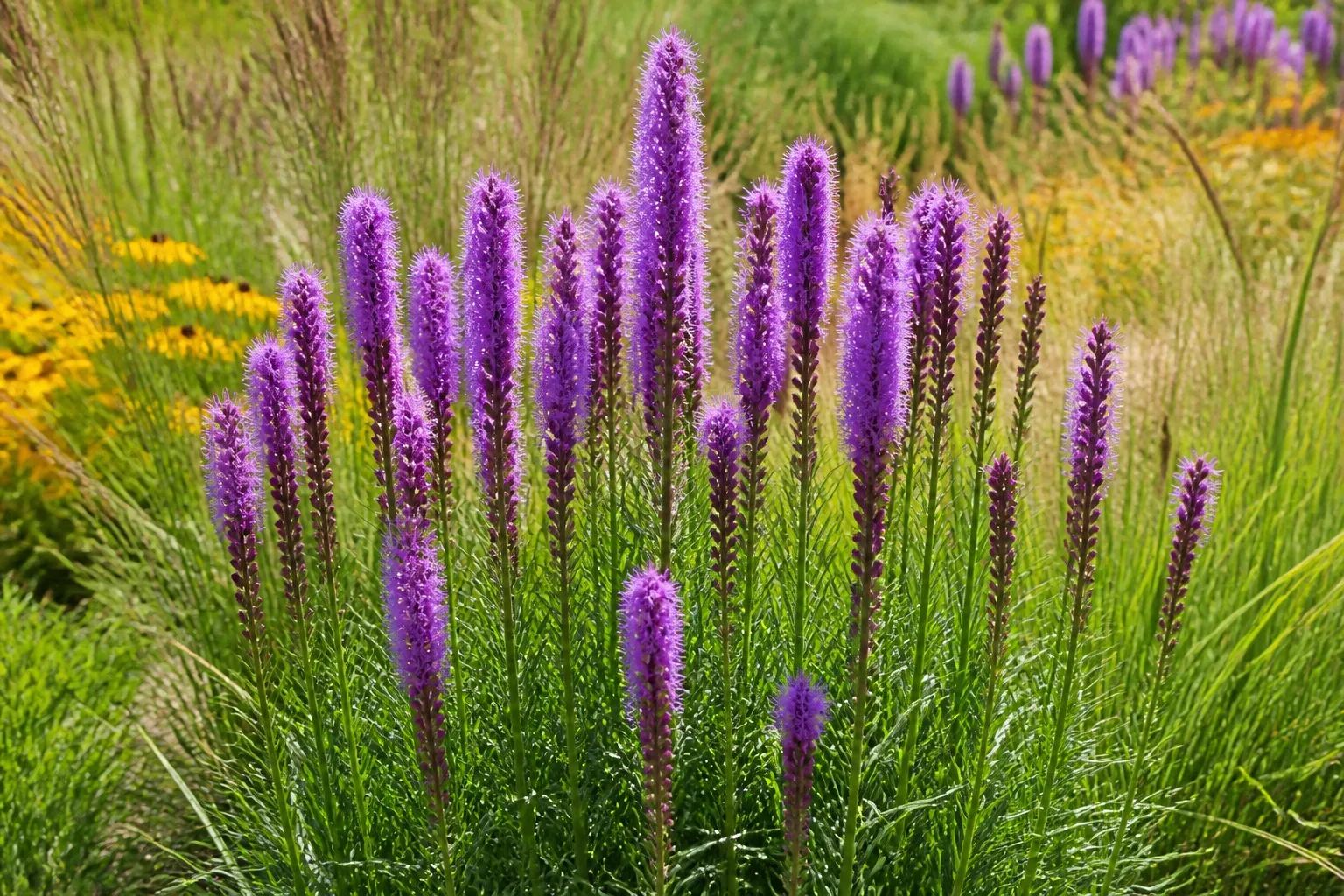
Liatris, commonly called blazing star or gayfeather, earns its height through narrow purple flower spikes rather than a broad leafy mass. It brings strong vertical punctuation to the front or middle of a sunny border, and its flower structure contrasts with rounded blanket flowers and mound-forming asters.
The University of Wisconsin–Madison Extension liatris guide describes liatris as a native perennial with species and cultivars ranging from about one to five feet. It also notes that the spikes generally stay upright without staking, although very rich, moist soil can make some types flop. The same guide recommends full sun, well-drained soil, regular water during the first growing season, and less water once plants are established.
Keep liatris upright with drainage and lean soil
Liatris is often sold as a drought-tolerant plant, but its underground corms need oxygen. Planting it in a low spot that stays saturated after summer storms is a reliable way to cause decline. If your only available site is heavy clay, use a raised position or improve the planting area so water can move away from the corms; do not bury the plant in a pocket of compost that holds water.
Water a new liatris plant consistently while roots establish, especially if you plant in summer. Once the plant is rooted, let the top layer dry between deep waterings rather than scheduling shallow daily irrigation. A few stems leaning after heavy rain is not a crisis. Persistent flopping, pale growth, or a rotten crown points to shade, excess fertility, or poor drainage.
Liatris also gives you a maintenance choice. Cut spent spikes for a tidier border, or leave them for texture and seed-eating birds. The vertical stems are attractive in a naturalistic planting even after the purple flowers fade, so there is no need to clear them immediately after bloom.
How to Plant These Flowers During Summer Heat
Summer planting is possible, but it changes the job. The plant must establish roots while leaves are losing water quickly, so the first two weeks matter more than the label’s mature drought-tolerance claim.
The first two weeks decide establishment
Use this sequence for a container-grown plant:
- Choose the evening or a cloudy day. Avoid planting into the hottest part of the afternoon.
- Pre-water the nursery container. A dry root ball can repel water, leaving the center dry even when the surrounding soil is damp.
- Dig a wide, shallow hole. Set the crown at the same level it was growing in the container; burying the crown is especially risky for blanket flower and liatris.
- Backfill with the native soil. A small amount of finished compost is fine, but do not create a rich, soft pocket that holds more water than the surrounding bed.
- Water slowly until the root zone is wet. Let the water soak in, then repeat once if the soil was very dry.
- Add a thin mulch layer. Keep mulch several inches away from stems and crowns so the base stays dry and visible.
- Check the soil, not the calendar. Water again when the root ball is beginning to dry, before the plant reaches the point of repeated severe wilt.
Temporary afternoon shade can protect a newly planted flower during a heat wave, but it is not a substitute for water or a permanent solution for a full-sun plant. Remove the cover as temperatures moderate so the plant does not stretch toward weak light.
Watering and Mulching for a Wilt-Resistant Border
Deep, occasional watering is usually more useful than a quick daily sprinkle. Apply water near the root zone, pause so it can soak in, and then check a few inches down with your finger or a hand trowel. Sandy soil may need more frequent irrigation than clay, while compacted clay may stay wet at the surface but dry beneath a crust.
An organic mulch layer reduces evaporation and moderates soil temperature, but it cannot rescue roots sitting in saturated ground. Use a modest layer, pull it back from stems, and replenish it as it decomposes or blows away. Too much mulch keeps crowns damp, hides stem damage, and can create the same conditions that cause a supposedly drought-tolerant plant to decline.
When a wilted plant needs water—and when it does not
Check a wilted flower in this order:
- Soil dry several inches down: Water slowly at the base and reassess in the evening or the next morning.
- Soil wet and leaves limp: Stop watering temporarily and inspect drainage, roots, and the crown.
- Leaves droop only in the hottest afternoon: Compare the plant at dusk. Temporary midday movement can be a water-conservation response rather than a crisis.
- New plant wilts repeatedly despite wet soil: Look for a constricted root ball, buried crown, transplant shock, wind exposure, or root damage.
- Leaves are scorched on the exposed side: Water may not fix sunscald. Reduce reflected heat and remove only tissue that is fully dead.
If a plant does not recover after a deep watering and a cooler night, do not keep adding water blindly. Persistent wilt is often the visible symptom of roots that cannot take up water, not proof that the plant needs a larger dose.
Deadheading, Pinching, and Fertilizing Without Reducing Late Blooms
Deadheading removes a fading flower and the developing seed behind it. It can extend flowering for plants that respond by producing more buds, but it is not a universal command. Blanket flower usually benefits aesthetically and may rebloom; lantana often looks better when old clusters are removed; liatris can be left for texture; and aster should not be heavily cut once it is close to its natural bloom trigger.
The practical rule is to cut just below the spent flower or above the first healthy leaf, not to shear a heat-stressed plant into a new shape. Proven Winners’ deadheading guide distinguishes deadheading from pruning and explains that removing only petals while leaving the seed-forming base does not achieve the same result.
Pinching is different from deadheading. It removes a growing tip before flowering to encourage branching, which is useful for tall asters when done early enough. Do not pinch lantana or aster in late summer because you want a fuller plant; you may simply remove the buds you waited for.
Skip routine high-nitrogen fertilizer during a heat wave. Excess leafy growth demands more water and can produce soft, floppy stems. If soil testing or a plant-specific recommendation shows a nutrient need, feed during active growth when the plant is hydrated and temperatures are moderate.
Common Mistakes That Make Heat-Tolerant Flowers Fail
Buying by the word “drought tolerant.” This often describes an established plant in a suitable site. It does not describe a freshly planted root ball, a container in full afternoon sun, or a bed with compacted soil.
Using one watering schedule for all four plants. Lantana in a pot, aster in average soil, liatris in sandy ground, and blanket flower in a raised bed will dry at different rates. Check each root zone.
Planting a dry-site plant in a wet pocket. Blanket flower and liatris can look perfect during a heat wave and still fail after repeated storms if the crown stays wet. Drainage is a year-round requirement.
Overfertilizing for more flowers. Rich, lush growth is not the same as a durable late-summer display. Aster and liatris especially can become tall and weak in overfed, moist soil.
Treating lantana as a universal perennial. In cold climates it is an annual. In warm climates it may spread or be restricted. Verify the plant’s identity and local status before putting it in a permanent bed.
Removing every faded stem immediately. A tidy garden is a valid goal, but seed heads can add winter texture and food for birds. Cut diseased material, deadhead where it improves rebloom, and leave healthy stems when they provide useful structure.
Expecting a plant to look perfect at noon. Heat-resistant plants can conserve water by temporarily reducing leaf surface or flower display. Judge recovery after the hottest part of the day, then decide whether the soil, roots, or placement needs attention.
Conclusion
The best flowers for a late-summer garden are not the ones that make an absolute promise never to wilt. They are the ones that stay useful when matched to the right site. Choose blanket flower for a hot, dry, sharply drained bed; liatris for upright purple spikes and lean soil; aster for a late-season display with enough moisture and airflow; and lantana for the longest, most heat-loving performance in warm climates or containers.
Plant in the evening, water the root ball deeply while it establishes, keep mulch away from the crown, and check the soil before assuming a wilted plant is thirsty. That combination gives your garden height and drama through the hardest weeks of summer without pretending that any flower can ignore its roots.