22 Gorgeous Green Flowers to Grow in Your Garden
From Bells of Ireland to green hydrangeas, compare 22 flowers by season, light, and garden use, with practical notes for borders, containers, and cutting.
Green flowers can cool down a bright border, make white blooms look sharper, or turn a cutting garden into something more unusual than the usual mix of pinks and purples. The useful question is not simply which flower is green; it is whether the plant suits your climate, light, soil, and the way you want to use the bloom.
The 22 choices below range from hardy perennials to annuals and tender plants that belong in pots. Some have green petals, while others make their display with green bracts, calyces, or a green center. That distinction matters: a cultivar may be green when it opens and then age toward cream or pink, while another keeps its green color through the season.
What “green flower” means in a garden
Gardeners use “green flower” for several different structures. A green coneflower has green ray florets and a central cone; Bells of Ireland have green, cup-shaped calyces around tiny white flowers; and many euphorbias show green bracts around much smaller true flowers. Hydrangeas produce clusters of small flowers, with showy sepals creating much of the visible color. The term is practical, not a promise that every green-looking part is a petal.
That variety can work in your favor. A large head of lime-green hydrangea reads as a soft mass, while the upright bells of Moluccella add height and the chartreuse bracts of a spurge bring a sharper, almost architectural shape. For an easy buying decision, check the plant label or a mature-flower photo for the exact cultivar and ask whether the green is the opening color, the mature color, or both. Epic Gardening’s guide to green flowers describes several of these different flower forms and color patterns. Gardener’s Path’s green-flower cultivar guide is also useful for checking named selections such as green tulips, coneflowers, and lisianthus.
Choose by garden job before color
Start with the job you need the plant to do. A green hydrangea can anchor a border for years; green tulips give a brief spring accent; and a pot of Cymbidium orchids offers a green bloom without asking you to risk an expensive tender plant in winter soil.
| If you want… | Start with… | Check before you buy |
|---|---|---|
| A long-lived shrub or perennial | Green hydrangea, hellebore, euphorbia, lady’s mantle | Mature size, drainage, and whether your summers are hot or humid |
| A spring shade feature | Green hellebore or Jack-in-the-pulpit | Moisture without standing water, and the plant’s toxicity around pets |
| Tall flowers for cutting | Bells of Ireland, gladiolus, lisianthus, green zinnia | Support needs, frost dates, and whether the plant can be lifted or must be replanted |
| A late-summer or fall accent | Green spider mum, dahlia, Green Jewel coneflower | The actual cultivar, bloom timing, and winter storage in cold regions |
| A container or patio specimen | Green calla lily, Cymbidium orchid, ranunculus | Whether it must move indoors or be lifted before frost |
Want a perennial backbone?
Choose plants that return reliably in your climate, not just plants that are sold as perennials somewhere. Hydrangeas, hellebores, lady’s mantle, and some euphorbias can give a stable framework, but they have different needs: shade suits many hellebores, while a green-flowered hydrangea may need enough sun to flower well. In a small bed, one shrub and a few repeat-blooming companions usually create a clearer design than six different green cultivars scattered in singles.
Need a seasonal cut-flower accent?
Annuals and tender bulbs let you experiment without committing the whole bed. Bells of Ireland make vertical stems; zinnias and carnations offer fuller heads; and gladiolus or lisianthus can contribute long, elegant stems. Grow a small row behind the main border if you plan to cut often, then leave some flowers standing so the bed still looks finished.
Planting in woodland shade?
Green hellebores and Jack-in-the-pulpit are more convincing than sun-loving flowers forced into a dim corner. Both give a spring woodland effect, but they are not ground covers that tolerate dry tree roots: prepare organic, moisture-retentive soil and water during establishment. Green hydrangea can take some shade depending on the species and cultivar, but heavy shade can reduce flowering.
22 green flowers to consider
Use the list as a starting point, then check the cultivar name and local hardiness guidance before planting. “Green” can mean chartreuse, apple green, pale jade, or cream with a green stripe; it can also describe a flower head that shifts color as it ages.
Shrubs and herbaceous perennials
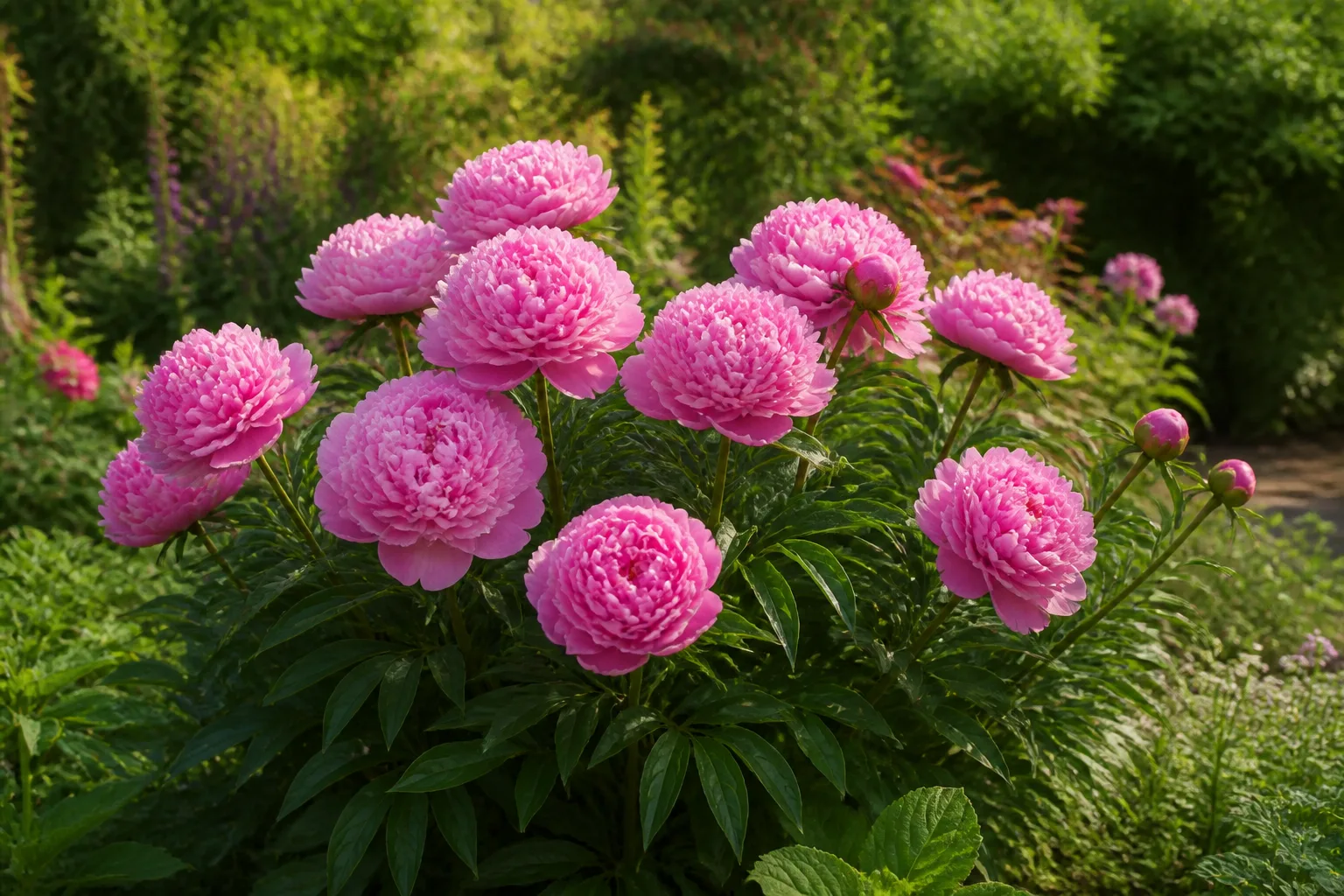
1. Hydrangea (Hydrangea spp.)
Look for green-flowered smooth hydrangeas (Hydrangea arborescens) or panicle hydrangeas (H. paniculata), rather than assuming every hydrangea will stay green. UConn lists green-flowered cultivars in both groups, including plants suited to different sizes and light conditions. Many blooms open lime or green and mature toward cream, white, or pink, depending on the cultivar. Give the shrub enough room and moist but well-drained soil; in hot summers, afternoon shade can reduce stress. UConn’s hydrangea guidance notes both green-flowering species and the limits of shade.
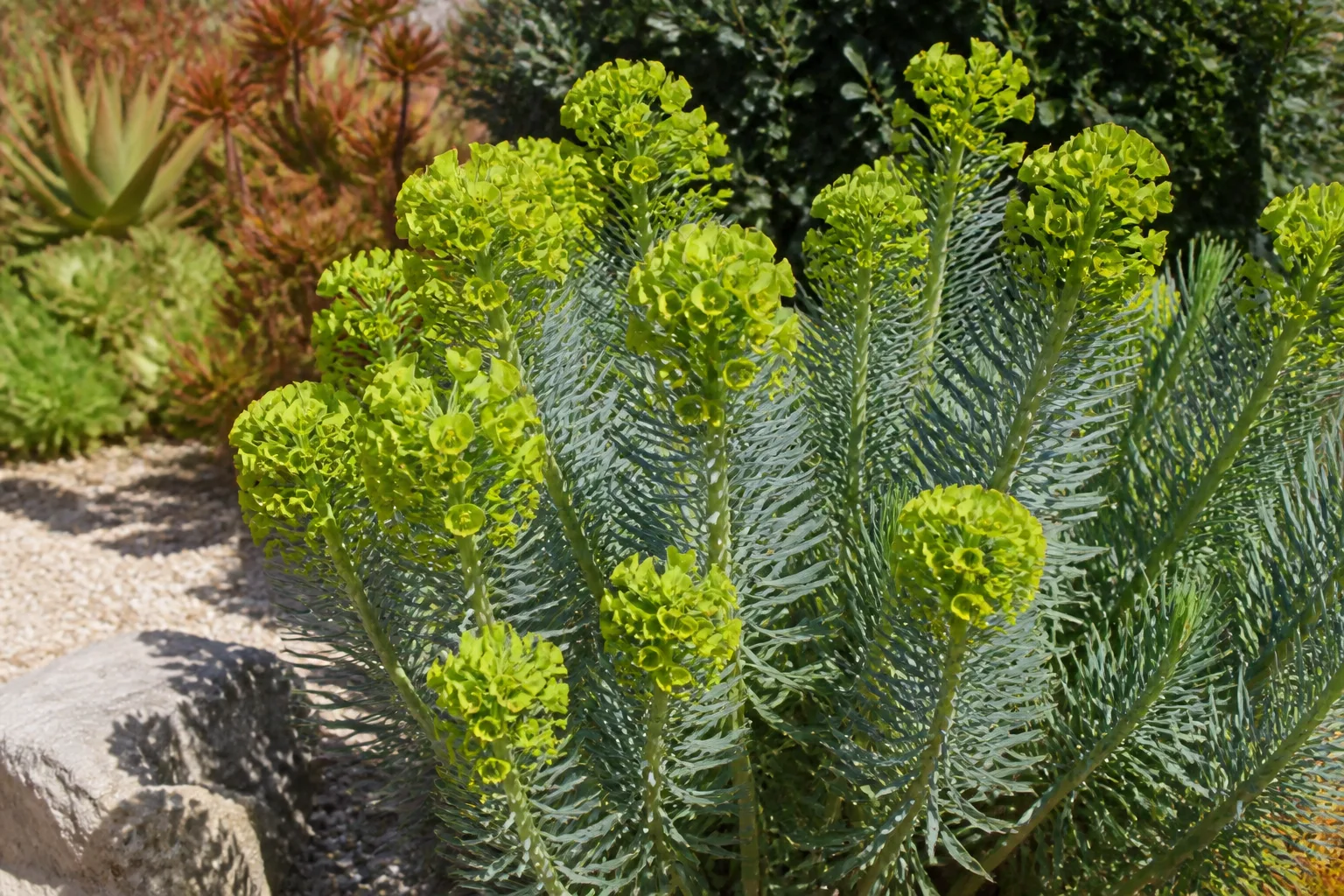
2. Euphorbia or spurge (Euphorbia × martinii ‘Ascot Rainbow’)
This hybrid is grown for small chartreuse flower structures held above narrow foliage, and it often keeps its shape after the spring bloom peak. Treat it as a front- or middle-border accent where drainage is sharp; persistently wet clay is a poor match. The milky sap of spurges can irritate skin and eyes; the National Capital Poison Center recommends avoiding contact, so wear gloves when pruning and keep cut stems away from children and pets.
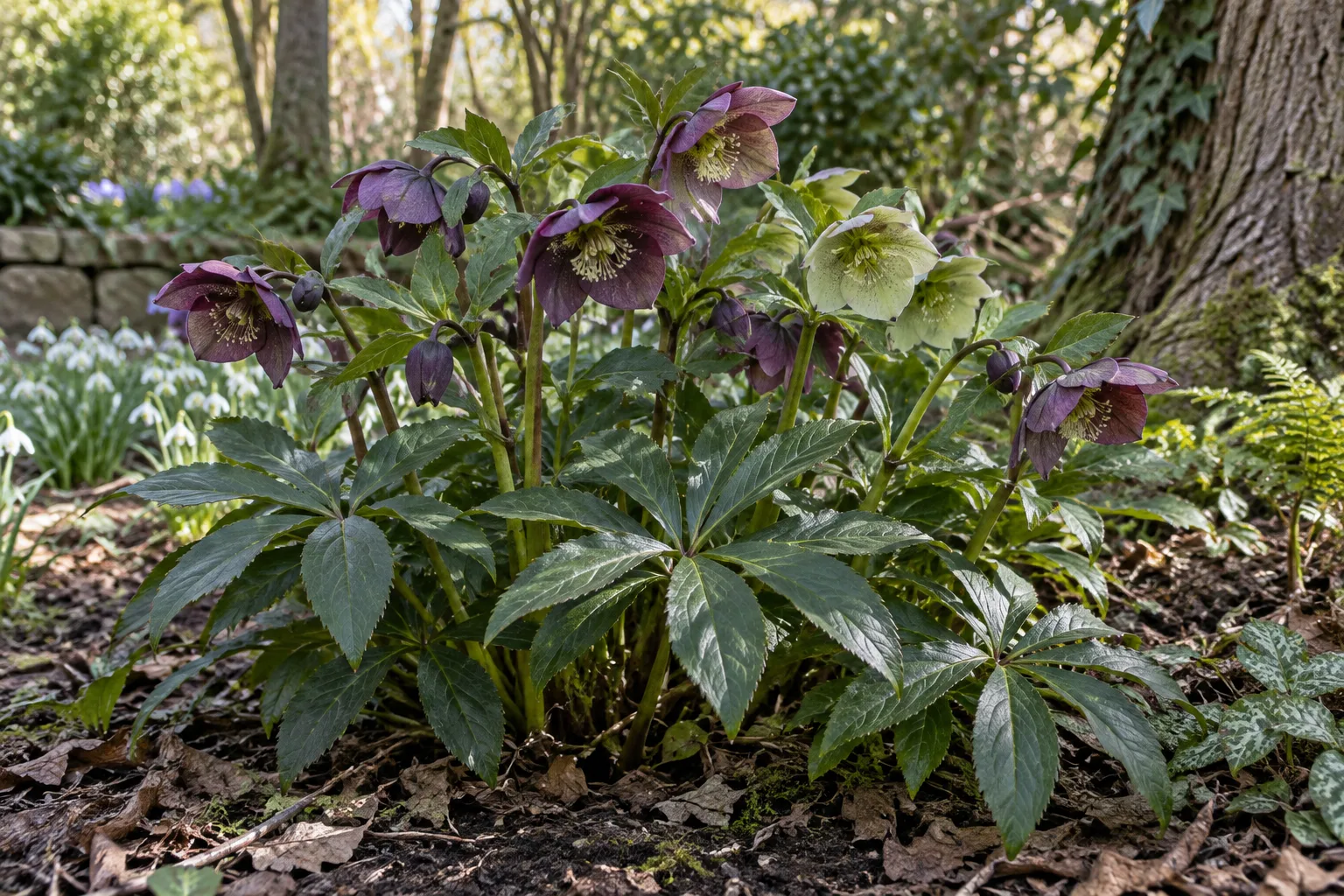
3. Green hellebore (Helleborus viridis)
The nodding, green blooms make sense in a woodland edge where most flowers are still asleep. Plant it in partial to full shade in soil that holds moisture but drains; a spot under deciduous trees can provide spring light before the canopy fills in. Hellebores are long-lived when settled, but the flowers face down, so they show best along a path or in a raised bed where you can see them.
4. Lady’s mantle (Alchemilla mollis)
Lady’s mantle is as useful for texture as for its sprays of tiny chartreuse flowers. Its round, pleated leaves form a soft mound, and droplets collect along their edges after rain. Use it at the front of a border or as a low transition between taller flowers and a path. It tolerates a range of soils if they drain and stay evenly moist; shear the flower stems after their first show if you want fresh foliage and fewer seedlings.
5. Green-throated daylilies (Hemerocallis hybrids)
Most daylilies sold as green are not solid green from petal to petal. Their petals may be cream, pale yellow, or greenish, with a green throat that gives the bloom a cool cast. That makes them a sensible choice if you want an easy perennial with a green accent, not a monochrome flower. Choose a named cultivar after checking a photo of its open flower, and give it sun to light shade and well-drained soil.
6. Green Jewel coneflower (Echinacea ‘Green Jewel’)
This cultivar carries lime-green rays around a rounded green center, so it reads more clearly as a green flower than varieties with only a green eye. It suits a sunny perennial bed with open, draining soil and pairs well with purple or white coneflowers if you want variation without changing the overall shape. Leave some seed heads after flowering for winter structure, and confirm the cultivar when ordering because many coneflowers have ordinary pink or purple petals.
7. Green Ball or Green Trick dianthus (Dianthus barbatus)
These cultivars make tight, spherical green heads on upright stems, a look that works particularly well in borders and bouquets. They are a better choice when you want a clearly green focal point than a traditional pink or white dianthus. Give them sun and well-drained soil; in hot climates, afternoon shade helps protect the blooms. Green Ball types may be sold as annuals or short-lived perennials, so follow the grower’s label rather than assuming they will return.
Bulbs, corms, and tubers
8. Green gladiolus (Gladiolus hybrids)
Green or green-and-white gladiolus add a tall vertical line to summer beds and cutting rows. They grow from corms, need sun and well-drained soil, and can become top-heavy when the flower spikes open, so plant them where wind is moderated or add support before the stems lean. In cold-winter regions, many gardeners lift and store corms after frost rather than expecting the same planting to return.
9. Green Goddess calla lily (Zantedeschia)
Calla lilies are not true lilies; the elegant green-and-white “trumpet” is a spathe surrounding a central spadix. They like warmth and consistent moisture but still need a draining medium, which makes them useful in large patio pots as well as suitable garden beds. In climates with hard freezes, grow them in containers and bring them in or lift the rhizomes before winter. Avoid leaving the pot waterlogged after flowering.
10. Boat orchid (Cymbidium)
Cymbidium orchids produce long sprays of waxy flowers in green, chartreuse, and green-and-white combinations. They are best treated as outdoor container plants in mild weather, not planted into ordinary garden soil; use an orchid mix and give them bright, filtered light. In warm regions they can spend more time outside, but gardeners with frost should move the pot to shelter before cold weather. Buy a mature plant if you want flowers soon—seed-grown orchids are a long project.
11. Green ranunculus (Ranunculus asiaticus)
Look for cultivars such as ‘Super Green White’ if you want layered, rose-like flowers with cream petals and green centers. Ranunculus are cool-season corms: they perform best with a cool growing period and can struggle when hot, humid weather arrives. Plant in a sunny spot with loose, sharply drained soil, and use them as a spring or early-summer feature in climates that suit their season. In colder areas, treat them as a seasonal crop or protect and store the corms as local conditions allow.
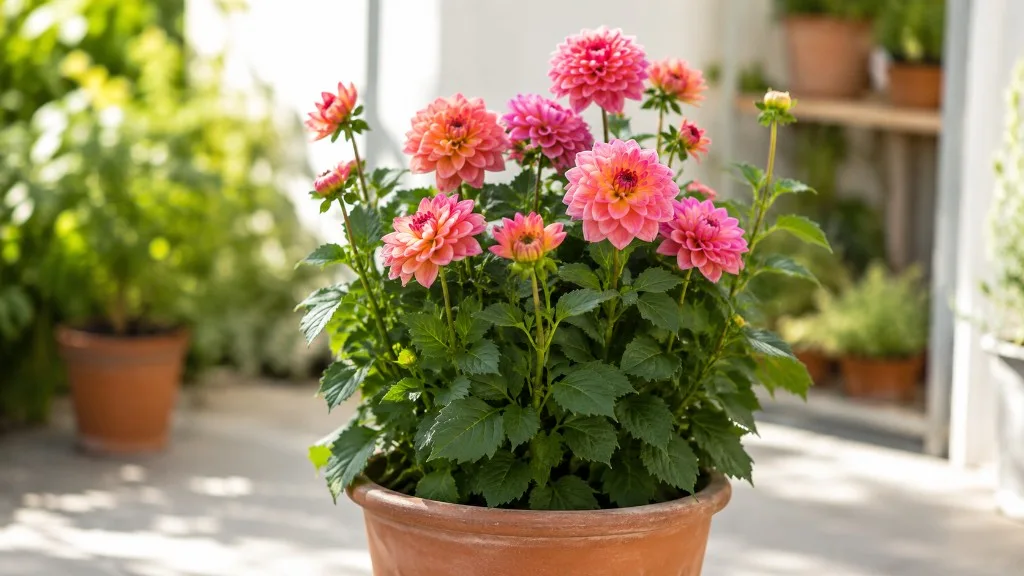
12. Green dahlia (Dahlia hybrids)
Green dahlias are a cultivar choice, not a color you can count on from a packet labeled only “dahlia.” The plants offer large summer-to-fall heads and make strong cut flowers, but tall varieties need space and often staking. Wait until frost risk has passed and the soil has warmed before planting tubers. Where winters freeze the ground, lift and store the tubers once frost blackens the foliage; in mild climates they can often remain in the ground.
13. ‘Spring Green’ tulip (Tulipa ‘Spring Green’)
This viridiflora tulip has ivory petals with a green stripe through the center, so it is a green-accent flower rather than a solid green one. Plant bulbs in fall in a sunny, well-drained bed and let the foliage yellow naturally after bloom so the bulb can recharge. Tulips often return less reliably in warm-winter regions; treat them as a seasonal display there, or plant them in a container where you can control drainage and replace bulbs when needed.
Annuals and cut-flower favorites
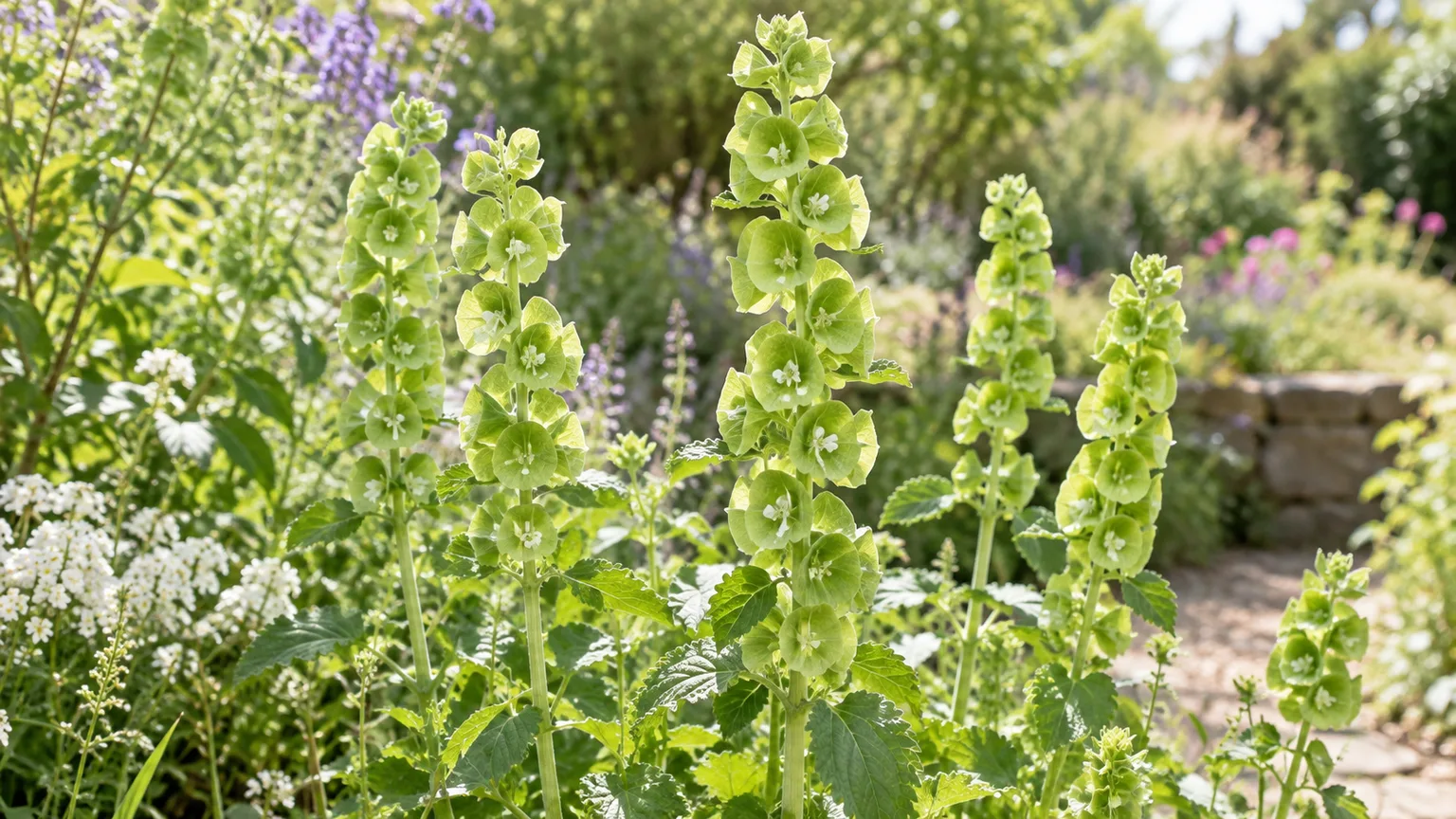
14. Bells of Ireland (Moluccella laevis)
The tall green “bells” are papery calyces, with tiny white flowers inside. That structure gives this annual an unusually clean vertical line in a cutting bed, and the stems dry well after their green color fades toward beige. Sow in a sunny site with good drainage; it appreciates cooler summer conditions and may self-seed. Give plants room to branch, and cut stems before the calyces become too papery if you want the freshest green for arrangements.
15. ‘Green Envy’ zinnia (Zinnia elegans ‘Green Envy’)
Green Envy is a chartreuse zinnia with broad, daisy-like flower heads that can brighten a summer cutting row. Plant it after frost in full sun and soil that drains well; regular air movement helps keep dense growth from staying damp. Zinnias are annuals, so sow a second small batch later in spring if you want fresh plants and flowers through a long summer. Harvest stems when the flowers are fully open and the stem feels firm.
16. Green spider chrysanthemum (Chrysanthemum ‘Anastasia Green’)
The long, narrow petals create the spiky outline that gives spider mums their name, and ‘Anastasia Green’ is grown for its pale lime color and use as a cut flower. It is a useful late-season bridge after summer annuals fade. Mums need sun and a site with good air circulation; their winter survival depends on cultivar and climate, so check whether your plant is a hardy garden mum or a florist type before planting it as a permanent perennial.
17. Green carnation (Dianthus caryophyllus)
Green carnations bring familiar ruffled petals in a less expected color and are especially practical for bouquets. Select a named green cultivar from a nursery or florist grower; color names are not uniform across seed sellers. Give carnations full sun and sharply drained, moderately fertile soil. They prefer a cooler growing climate and can rot in heavy, wet ground, so raise the bed or improve drainage before planting rather than adding frequent fertilizer to compensate.
18. ‘Green Thumb’ amaranth (Amaranthus)
This compact amaranth produces upright, apple-green flower spikes that fill gaps and add a strong vertical accent. It is a warm-season annual, so sow or plant it after frost in a sunny spot; it is a good choice for borders that need height without a shrub’s permanent footprint. The spikes also work as cut or dried material. Leave enough space around each plant for air and for the bright green form to read against darker foliage.
19. ‘Lime Green’ flowering tobacco (Nicotiana alata)
The narrow trumpet flowers on branching stems add fragrance and a softer shape than the bold heads of zinnias or dahlias. Nicotiana prefers moist, well-drained soil and sun or light shade, and the flowers are most noticeable when planted in a loose group near a seating area or path. In cold climates, grow it as a warm-season annual; in frost-free regions, the exact cultivar may persist longer. It is an ornamental tobacco, not a plant for smoking or eating.
20. Green lisianthus (Eustoma grandiflorum)
A named green cultivar such as ‘Voyage Green’ offers layered petals and long stems for florist-style bouquets. Lisianthus is usually easier to grow from nursery plugs than from tiny seed because it develops slowly before flowering; buy young plants early enough to establish before summer heat. Give it full sun or light afternoon shade in a hot climate and evenly moist, well-drained soil. It is a strong cut flower but a more demanding garden annual than zinnia or Bells of Ireland.
Architectural and unusual choices
21. Jack-in-the-pulpit (Arisaema triphyllum)
This woodland native is grown for its hooded spathe and central spadix, not for a conventional petal display. Depending on the plant, the hood may be green or show maroon striping; both forms have a sculptural, hidden-in-the-leaves look. Grow it in deep or partial shade in humus-rich soil that stays evenly moist, and let the foliage die back naturally after its spring display. It is a better fit for a quiet woodland bed than a dry, sunny border.
22. Viridiflora rose (Rosa chinensis ‘Viridiflora’)
This unusual rose is a conversation piece because its blooms are made of green, leaf-like structures instead of familiar rose petals, often with muted bronze or pink tones as they age. It does not give the classic rose silhouette or the same color impact as a conventional cut-flower rose. Treat it like a rose for sun, spacing, and pruning, and buy from a specialist nursery that identifies the cultivar clearly; common-name listings can be inconsistent.
Design green blooms so they read clearly
Green flowers can disappear into green foliage when everything sits at the same height and shade. Place a lime bloom in front of a darker leaf, or use it beside white, plum, burgundy, blue, or deep violet flowers. The contrast can be subtle rather than loud: a few green heads among purple coneflowers look intentional, while a large block of pale green beside other pale green may lose its outline from a distance.
Green also works as a transition color. Pair a chartreuse flower with cream, soft pink, or white for a restrained palette; choose a darker backdrop when you want the bloom to look brighter. In a cutting garden, use green stems as punctuation among more colorful flowers rather than asking every plant to make a focal point. UF/IFAS Gardening Solutions recommends thinking in repeated shades and textures; that same approach helps green blooms look designed instead of accidental.
Use contrast for definition
Match flower form as well as color. Hydrangeas and ranunculus create rounded masses; Bells of Ireland and gladiolus make tall lines; dianthus and spider mums contribute tight or spiky shapes. Combining one large form, one vertical form, and one fine-textured filler gives a small border more depth without crowding it. For example, a green hydrangea can sit behind lady’s mantle, with a few green zinnias planted where their color will be visible from the path.
Repeat shapes, not every species
A green flower is easiest to recognize when it appears more than once. Repeat one cultivar in a short drift of three or five plants, then echo its height or form elsewhere in the bed. In a tiny garden, use one green shrub and one seasonal accent rather than buying a different green species for every gap. Repetition also makes a planting simpler to maintain: you can group plants with similar water and light needs instead of treating each isolated specimen as a separate problem.
Make the color last through the season
Match the plant to your site
Green does not mean one care routine. Start by measuring the light at planting height, then compare the plant’s moisture needs with the soil you actually have. A sunny, well-drained border suits many zinnias, gladiolus, dahlias, and euphorbias; a woodland bed is better for hellebores and Jack-in-the-pulpit; and pots make it easier to protect calla lilies or Cymbidium orchids from winter cold. If drainage is poor, fix the site or choose a container before planting corms and tubers.
Read the hardiness information as winter-survival guidance, not a promise of bloom dates or the exact color shown in a catalog. Local heat, humidity, frost timing, and day length all affect performance. In a short season, buy established starts of lisianthus or ranunculus rather than relying on a slow seedling to flower before frost. In a warm-winter area, treat spring tulips as a seasonal feature and choose shrubs or perennials that do not need a cold rest.
Buy for the color you want
For green flowers, the cultivar name is often more important than the species. Buy a hydrangea sold for green or lime flowers, not an unnamed hydrangea and a bag of coffee grounds. UConn explains that soil acidity and aluminum availability can shift blue and pink color in some bigleaf hydrangeas; that is not a reliable shortcut for turning an ordinary hydrangea green. Green blooms are better chosen through the plant’s identity and the expected color at each stage of opening. UConn’s hydrangea guidance also recommends a soil test before making pH changes.
Before putting a plant near a play area or a pet run, check the exact species and cultivar for toxicity. The ASPCA lists Christmas rose (Helleborus niger) as toxic to dogs, cats, and horses; the green hellebore in a catalog may be a different species, so do not assume the risk is identical or absent. Keep unknown ornamental plants out of reach until you verify them, and do not taste flowers or serve them as edible garnishes without confirming the plant identity and safe growing conditions. The ASPCA’s hellebore entry provides the specific pet-safety information for H. niger.
Conclusion
A green flower can be a soft hydrangea head, a spike of Bells of Ireland, or a surprising woodland hood. Start with the conditions you can provide, then choose a cultivar whose green color and mature size match the effect you want. If you are unsure, try one perennial for structure and one annual for a low-commitment test; next season, repeat the one that looked right in your garden.