How to Grow and Care for Cornflower (Bachelor’s Button)
Grow bachelor’s buttons with practical timing, spacing, watering, deadheading, support, container, cutting, and troubleshooting advice.
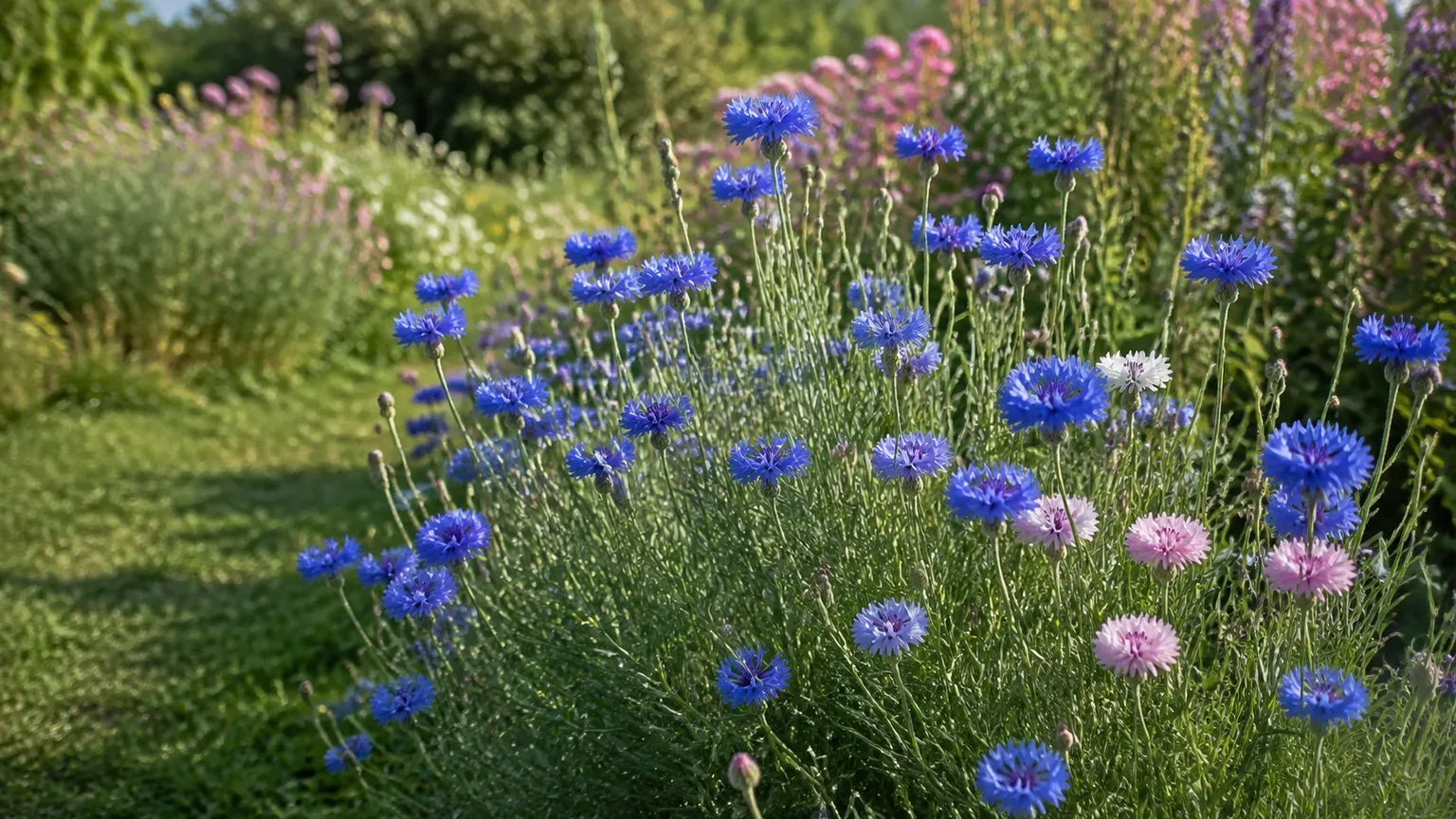
Cornflower (Centaurea cyanus), also called bachelor’s button, is a cool-season annual that earns its place by doing several jobs at once: it fills a sunny gap quickly, feeds pollinators, supplies long stems for bouquets, and can return from seed when you let it. The familiar flowers are usually an intense blue, but cultivated strains also bloom pink, purple, white, red, or in mixed colors.
The easiest way to grow cornflower is to direct-sow seed into well-drained soil in full sun, keep the seedbed evenly moist until germination, and thin early seedlings before they compete. The plant is forgiving about soil fertility, but it is much less forgiving of waterlogged ground, deep shade, and a crowded stand of tall stems. Those three conditions explain most disappointing results.
Before planting, check your local invasive-plant guidance. The species is native to Europe and has naturalized in parts of the United States and southern Canada; Missouri Botanical Garden documents that escape, while Gardener’s Path advises checking state restrictions before cultivating it. If your area lists it as invasive or prohibits it, choose a locally appropriate blue annual instead and do not sow a wildflower mix containing it.
This is a short-lived plant with a surprisingly long garden footprint. One plant finishes in a season, but a few seed heads can establish volunteers the following year. Missouri Botanical Garden lists cornflower as a low-maintenance annual for zones 2 through 11, about 1 to 3 feet tall, blooming from May through July in its reference climate. Your dates will shift with latitude, heat, and sowing time. For layout ideas that keep tall annuals looking intentional, see our cottage garden design guide.
| Factor | What cornflower prefers | Practical decision |
|---|---|---|
| Botanical name | Centaurea cyanus | Look for the species name when buying seed. |
| Life cycle | Annual, often self-sowing | Plan to reseed deliberately, not accidentally. |
| Light | Full sun; light shade is tolerated | Give tall types the brightest part of the bed. |
| Soil | Average to moderately rich, well drained | Avoid standing water; a soil test is more useful than guessing at lime. |
| Water | Even moisture while young; moderate to low once established | Soak during prolonged dry spells, not on a rigid calendar. |
| Spacing | About 9 to 12 inches for many garden forms | Wider spacing improves airflow and stem strength. |
| Height | Roughly 1 to 3 feet, depending on cultivar | Use dwarf strains at the front or in pots. |
| Bloom | Late spring through summer | Succession sowing gives a longer run of flowers. |
| Uses | Beds, borders, meadows, cut flowers, containers | Keep containers away from fertile ground if spread is a concern. |
The Royal Horticultural Society describes the plant as an annual to about 75 cm tall with narrow, slightly lobed leaves and solitary blue flowerheads. Its profile also confirms that cornflower suits full sun, well-drained loam or sand, containers, cottage gardens, wildlife gardens, and cutting gardens. (Royal Horticultural Society)
Choose the Right Spot Before You Sow
Cornflower does not need a pampered flower bed. It does need a site where rain can move through the root zone and where neighboring plants will not shade it from morning to evening. If the ground stays wet after a normal storm, fix the bed’s drainage or select another location; adding fertilizer will not compensate for roots sitting in saturated soil.
Light: Six or More Hours Beats Extra Fertilizer
Aim for at least six hours of direct sun, with more sun preferred for tall varieties and heavy flowering. Light shade can work in a hot climate or during a punishing afternoon, but all-day shade produces thin stems, fewer flowers, and a plant that leans toward the brightest edge.
The useful rule is to solve light before feeding. If your cornflowers are leafy and floppy with buds that never open, moving the next sowing to a sunnier spot is more effective than applying a bloom booster. In very hot regions, morning sun with some afternoon protection can prevent rapid moisture loss, but do not place the plants in a dark corner and expect the same bloom display.
Soil: Drainage Matters More Than Perfect pH
Cornflower grows in average soil, including poor or sandy ground, as long as excess water drains away. A slightly acidic through slightly alkaline range is acceptable; do not add crushed limestone simply because one care chart calls the plant “alkaline-loving.” Test your soil first, then amend only if the result and the needs of your entire bed justify it.
Prepare a new bed by loosening the top 6 to 10 inches and removing perennial weeds. Mix in a modest amount of finished compost if the soil is thin or depleted. Heavy additions of rich compost or nitrogen can make tall stems softer and more vegetative, while dense clay can trap water around the roots. The target is crumbly soil that holds enough moisture for young roots but does not form a puddle.
When to Plant Cornflower
Planting time is determined by the plant’s tolerance for cool weather and your goal for the season. You can sow in spring for summer color, make repeated sowings for a longer display, or sow in fall where winters are mild and the seed can overwinter safely. Direct sowing usually gives the most resilient plants because the young root is not disturbed.
Direct Sow in Spring
In cold-winter climates, sow as soon as the soil is workable in late winter or early spring, around the last frost window. Cornflower seedlings tolerate light frost, so you do not need to wait for warm, settled weather. Avoid sowing into mud; wait until you can rake a fine surface without compacting it underfoot.
For a first crop, sow two to three weeks before the last expected spring frost if the soil can be prepared, or sow at the last frost date when conditions are colder and wetter. The RHS gives March through May as a spring sowing window for its climate, with flowering from June through September. (RHS cornflower growing guide)
Fall Sowing in Mild Climates
In mild-winter areas, fall sowing can produce an earlier spring display. The seed rests through cool weather and germinates when conditions become favorable. Choose a site that will not be waterlogged over winter and mark the row so you do not disturb it during winter cleanup.
Do not assume every “zone 9” garden has the same fall-sowing window. Coastal, dry, high-elevation, and humid regions can have very different winter soil behavior. If the bed is wet for weeks, spring sowing is safer. If cornflower is restricted locally, skip fall sowing entirely because it increases the chance of uncontrolled spread.
How to Plant Cornflower Seed Step by Step
Direct sowing is simple, but shallow seed placement and early thinning make the difference between a tidy stand and a tangle.
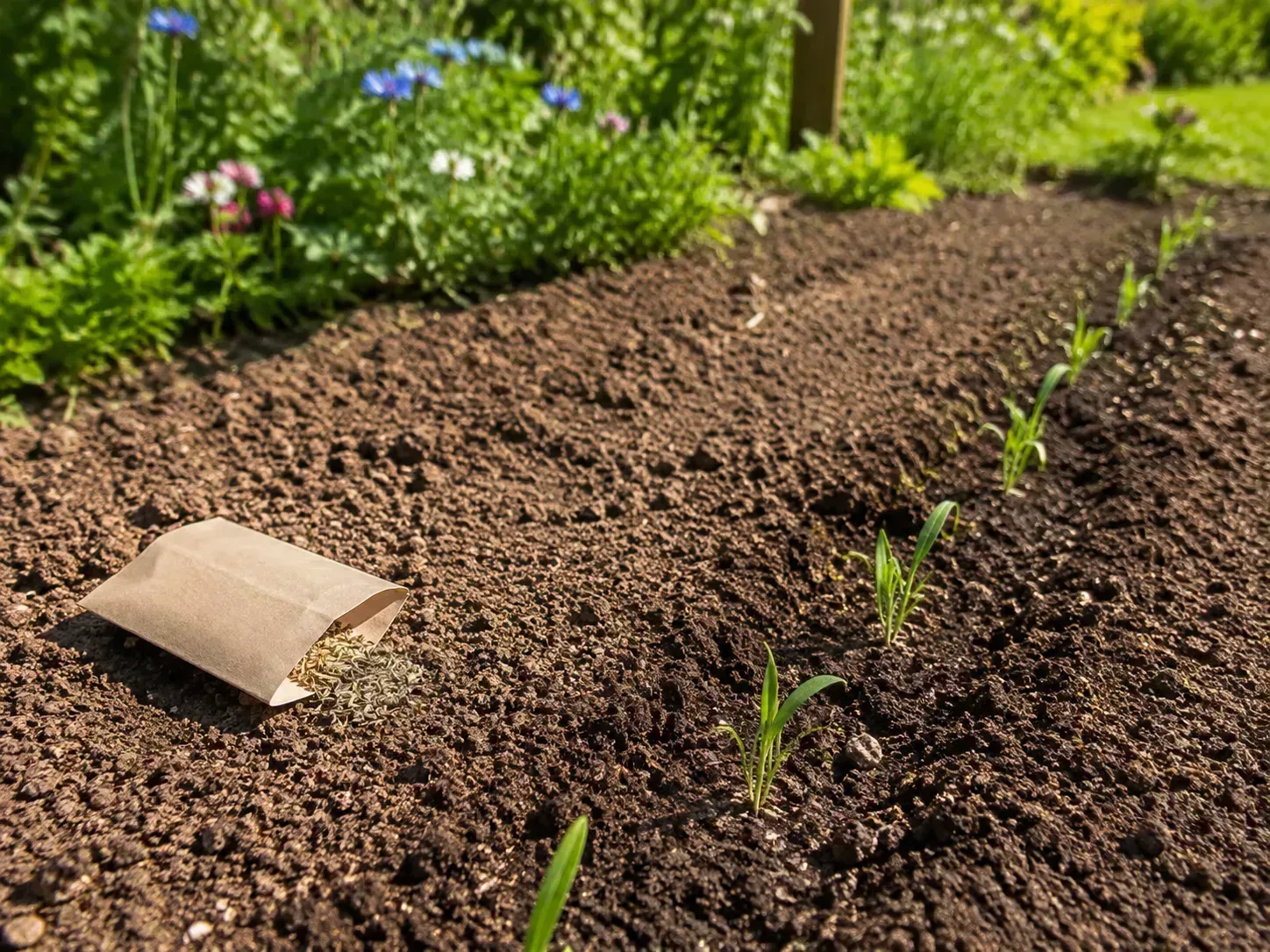
- Clear the strip. Remove weeds and old mulch from the exact area where seed will go. Tiny cornflower seedlings are easy to lose in a weedy bed.
- Rake a fine surface. Break up large clods in the top inch or two, but do not powder the soil or compact it into a hard crust.
- Pre-water if the soil is dry. Let surface water drain before sowing so the seed is not washed into a low spot.
- Sow shallowly. Place seeds about 1/4 inch deep. Covering them gives darkness for germination, but burying them deeply slows or prevents emergence.
- Space the initial seed thinly. Leave several inches between seeds, or sow a narrow row and plan to thin. Scattering a whole packet in one dense handful is the fastest route to weak stems.
- Water gently. Use a fine rose or soft spray until the top layer is evenly moist. Keep it from crusting or drying completely while seedlings emerge.
- Mark the row. A simple label prevents accidental hoeing and lets you distinguish the seedlings from volunteers later.
Germination often takes about a week in favorable conditions and can take longer in cold soil. Keep moisture steady during this stage; once plants have several sets of true leaves, shift from frequent light watering to deeper watering only when the soil begins to dry. Harvest to Table likewise recommends direct sowing, shallow coverage, and final spacing around 10 to 12 inches for a dependable stand.
Thin Seedlings for Stronger Stems
Thin when seedlings are a few inches tall, not after they have formed a solid mat of roots. Keep the strongest plants and remove extras at soil level, or transplant a few only while they are very young and the soil is moist. Cornflower can survive a move, but direct-sown plants generally establish with less setback.
For most tall garden forms, finish with roughly 9 to 12 inches between plants. Give particularly vigorous strains more room, especially in humid climates. The spacing is not only about mature width; it creates a pocket of moving air around leaves and lowers the risk that foliage stays wet after rain.
If you want a meadow-like effect, sow in a broad drift but still thin the interior enough that individual stems are not pressed shoulder to shoulder. A natural look does not require a diseased, tangled stand. Save the thickest sowing for a controlled patch you are prepared to cut down before seed matures.
Watering, Feeding, and Mulching
Water the seedbed whenever the surface begins to dry during germination. After establishment, cornflower is more drought-tolerant than its delicate flowers suggest, but “drought-tolerant” does not mean “never water.” A long hot spell can cause wilting, premature flower drop, and stems that cannot support their own height.
Check the soil with a finger or trowel several inches down. If it is dry through the root zone and rain is absent, water slowly at the base until moisture reaches deeper soil. If the soil is cool and damp, hold off. A weekly inch is a planning estimate, not a rule that overrides rain, soil type, container size, or heat.
Fertilizer is optional in average soil. If a soil test or the plants’ overall vigor shows a genuine nutrient shortage, use a light, balanced feed according to the product label. Avoid repeated high-nitrogen feeding: it can produce soft, tall foliage with no improvement in the light or drainage problems that actually limit flowering.
A thin layer of weed-free organic mulch helps conserve water and reduces competition, but keep it off the crown and do not bury young seedlings. In wet climates, a heavy mulch layer can hold humidity against the lower leaves. Pull it back if the base stays damp long after rain.
Keep Tall Plants Upright
Flopping is usually a design problem, not a request for more fertilizer. The common causes are insufficient light, crowded seedlings, drought followed by rapid growth, and tall cultivars planted in an exposed position. Correct the earliest cause you can: thin the stand, give the next sowing more sun, stabilize watering, and use a support before stems lean across neighboring plants.
Install a low grid, discreet twig support, or single stake while plants are still growing, rather than tying a mature tangle upright in one bundle. Place supports inside or just behind the planting so stems can grow through them. A support is especially helpful in a cutting garden, where repeated harvesting leaves fewer side stems to brace the plant.
Deadhead for Flowers or Leave Seed
Deadhead by cutting a spent flower stem back to a strong side shoot or the main foliage. This keeps the patch tidy and redirects the plant toward new buds. Regular cutting can also make a small planting productive for bouquets instead of allowing every flower to mature into seed.
The trade-off is important: every head you remove is a head that cannot feed seed-eating birds or provide next year’s volunteers. In a contained bed, deadhead the front and sides while leaving a few back-of-border heads to ripen. If you do not want reseeding, remove spent heads before they turn dry and brown, and bag or discard the cut material rather than shaking it across the garden.
Get More Blooms Through Succession Sowing
One packet sown on one day gives one main wave of bloom. To extend the season, sow small amounts every two to three weeks through the favorable spring window, stopping when your region’s heat makes new seedlings struggle. Later sowings can replace plants that have passed their best, while earlier plants supply the first cut stems.
Successive sowings work best when each patch has a clear purpose. Use the first row for early flowers, the second for the main border display, and the last for late-season bouquets or seed. This rotation also makes it easier to remove a finished patch before it sheds seed, which is useful where cornflower is not native or where a tidy garden matters.
Containers, Cutting Gardens, and Companion Planting
Cornflower can grow in a container, but the container should be a deliberate choice rather than a cramped substitute for a bed. Choose a pot at least about 12 inches deep, with drainage holes, and use a free-draining potting mix. A wide container around 24 inches across can support a small group; dwarf strains are more stable in ordinary window boxes and patio pots.
Containers dry faster than garden soil, so check them more often during hot, windy weather. Water thoroughly when the mix is drying, then let excess drain. Do not leave the pot standing in a saucer of water. Keep a container away from open soil if you are trying to prevent volunteers from establishing beyond the pot.
For a cutting garden, grow tall forms in a block rather than hiding one plant among short companions. Harvesting several stems at once makes the patch look intentional and encourages you to cut flowers before they age. In mixed borders, position tall plants behind sturdy neighbors such as coneflowers or black-eyed Susans, but do not use companion plants as an excuse to ignore spacing.
Blue cornflower is striking beside orange marigolds, yellow flowers, or warm-toned annuals. It also works in a pollinator bed with plants that share the same sunny, well-drained conditions. The RHS lists cornflower for wildlife gardens, flower borders, containers, and cut flowers, and flags it as generally pest-free while noting a susceptibility to powdery mildew. For a broader planting plan, see our pollinator garden guide. (RHS plant profile)
Pests, Diseases, and Flopping: Fix the Cause
Cornflower usually has few serious pest problems. Aphids, mealybugs, or leafhoppers may gather on tender growth, while wet, crowded conditions increase the chance of wilt, root or stem rot, rust, or powdery mildew. Missouri Botanical Garden describes the plant as generally trouble-free but specifically lists wilt, rots, rusts, aphids, and mealybugs among possible problems. (Missouri Botanical Garden Plant Finder)
Start with observation rather than a spray. Look under leaves for clusters of insects, check whether the soil is saturated, inspect the base for dark soft tissue, and compare the light and spacing with the plants that are thriving. Rinse a small aphid population with a firm stream of water when the plant is established, and avoid broad-spectrum insecticides during bloom because flowers are visited by bees and butterflies.
Use a Symptom-First Troubleshooting Sequence
Wilting in dry soil: Soak the root zone slowly, then protect the soil with a thin mulch layer. If the plant recovers overnight but repeatedly collapses each afternoon, improve the root-zone moisture or provide afternoon shade in hot regions; do not simply water shallowly several times a day.
Wilting in wet soil: Stop watering and check drainage. Persistent wetness can damage roots so that the plant wilts even though the soil looks full of water. Move future sowings to a raised or better-drained section instead of trying to rescue every plant with fertilizer.
Long, weak stems: Check sun first, then spacing. Thin crowded seedlings and stake tall plants before the next storm. A midseason cutback may encourage branching on some plants, but it also delays or reduces the tallest cut stems, so choose based on whether your goal is bouquets or a compact border.
White coating on leaves: Powdery mildew is favored by crowded foliage, poor airflow, and late-season stress. Remove badly affected leaves, water at the base, and clear fallen debris. Because cornflower is an annual, severe late-season infection may not justify an aggressive treatment; preventing the same conditions in the next sowing is often the better investment.
Plants disappear or spread too far: In a permitted area, pull unwanted volunteers while young and deadhead before seed ripens. If the species is invasive or restricted where you live, remove the entire patch before seed set and replace it with a non-invasive annual recommended by your local extension service.
Harvest Cornflowers for Vases, Drying, or the Kitchen
For the longest vase life, cut stems when buds are showing color or flowers are only partly open. Strip foliage that would sit below the waterline, place stems in clean water immediately, and recut them when arranging. Regular harvesting doubles as maintenance because it removes flowers before they form seed. Harvest to Table’s garden chronicle also treats bachelor’s button as a dual-purpose annual: useful in the bed and productive as a fresh or dried cut flower.
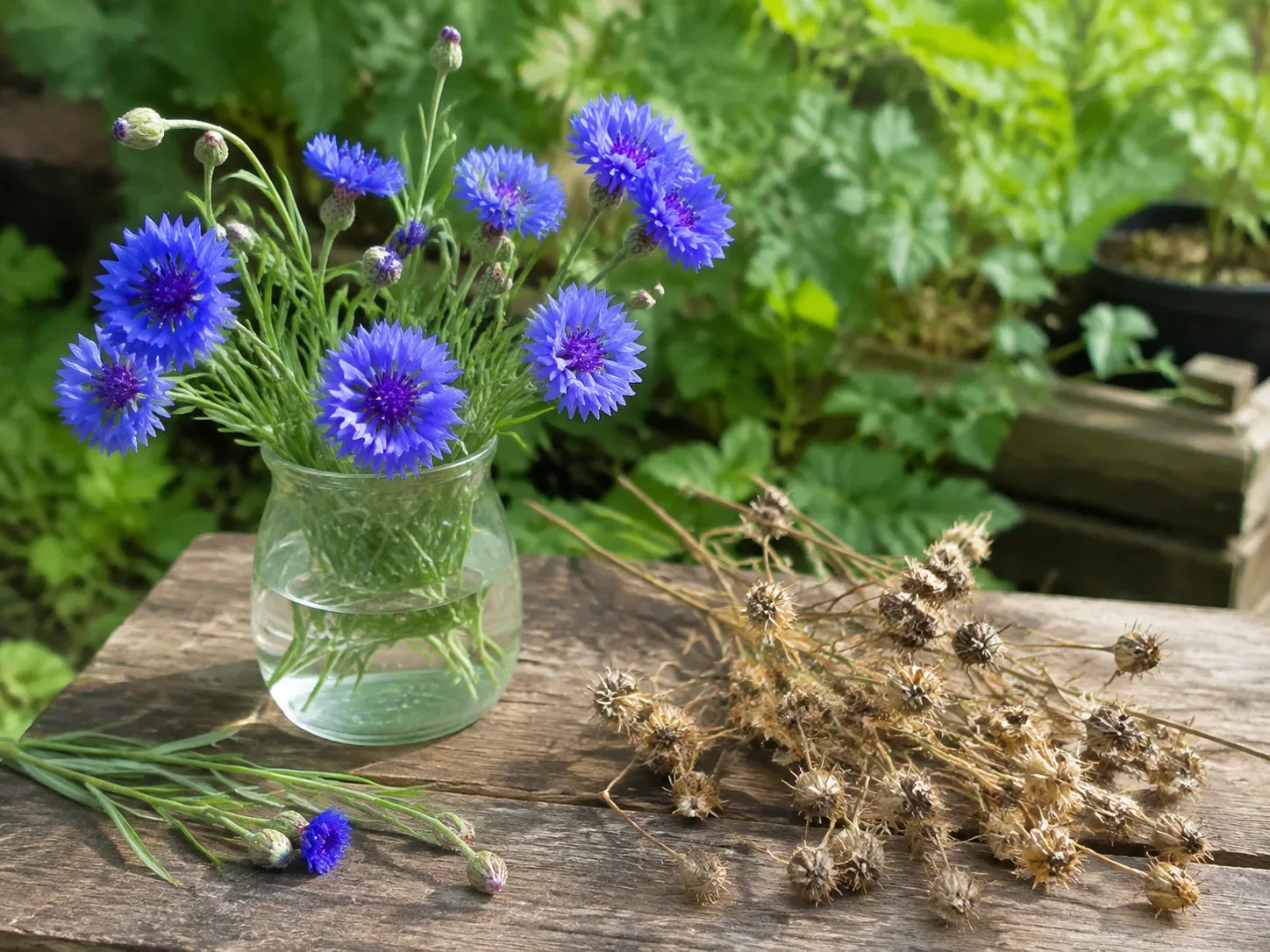
To dry cornflowers, choose blooms that are mostly open but still firm. Bundle a small number of stems and hang them upside down in a dark, dry, well-ventilated place until the flowers feel crisp. Keep the dried material away from humidity; blue petals can fade with bright light even when the structure remains attractive.
Some sources describe cornflower petals as edible and use them as a garnish, but edible does not mean risk-free or medicinal. Only use flowers that were grown without pesticides not labeled for edible crops, identify the plant correctly, wash it, remove the bitter base, and try a small amount. Skip flowers from roadside stands, florist bouquets, treated garden centers, or areas visited by pets, and stop if you notice a reaction. Growing a dedicated, chemical-free culinary patch is the cleanest option.
For seed saving, leave a few heads on the plant until they become dry and brittle. Cut them into a paper bag on a dry day, finish drying them indoors, then rub the heads gently to release the seed. Label the envelope with the year and flower color. If you are managing spread, do not let seed heads mature outdoors simply because you may want seed later; collect them deliberately and keep the next sowing contained.
Choose a Cultivar That Fits the Space
The straight species is a good choice for a naturalistic patch, but cultivar height and flower form matter in a small garden. ‘Blue Boy’ is a classic tall blue selection for cutting. ‘Dwarf Blue Midget’ is better suited to borders and containers because it stays much shorter. ‘Black Ball’ offers dark red-crimson flowers, while mixed strains combine blue, pink, white, and burgundy tones.
Use a tall cultivar when you have room for support and want long stems. Choose a dwarf type when wind, a low border, or a patio pot makes top-heavy growth inconvenient. If a seed packet gives a mature height but no spacing recommendation, use the plant’s mature width and your local humidity as the guide: wetter air and less wind call for more space.
Cornflower vs. Perennial Cornflower
Annual cornflower (Centaurea cyanus) and perennial cornflower, often Centaurea montana, are different plants with different expectations. Annual cornflower is generally taller and more prolific from seed, with narrow leaves and flowers that arrive from late spring into summer. Perennial cornflower forms a returning clump and commonly has broader, fuller foliage with a different flower presentation.
Check the botanical name before buying. If you want a one-season blue filler for a cutting garden, choose C. cyanus. If you want a permanent perennial border plant, look for the perennial species and follow its separate spacing and division requirements. A common name on its own is not precise enough to predict how a plant will behave.
Conclusion
Cornflower succeeds when you treat it as a cool-season annual that wants sun, drainage, and room to develop. Direct-sow shallowly, keep seedlings evenly moist, thin them before they compete, and water established plants only when the soil and weather call for it. Add support to tall types, deadhead according to your seed-saving goals, and use succession sowing when you want flowers beyond the first flush.
The final decision is ecological as much as horticultural: let a few plants reseed only where the species is permitted and easy to control. In the right site, bachelor’s buttons are low-maintenance blue sparks for borders, pollinator gardens, containers, and bouquets; in the wrong site, poor drainage, shade, or unwanted spread will outweigh their charm.