How to Grow and Care for Coral Bells (Heuchera)
Learn how to grow and care for coral bells with practical guidance on light, watering, soil, planting, division, containers, winter care, and common problems.
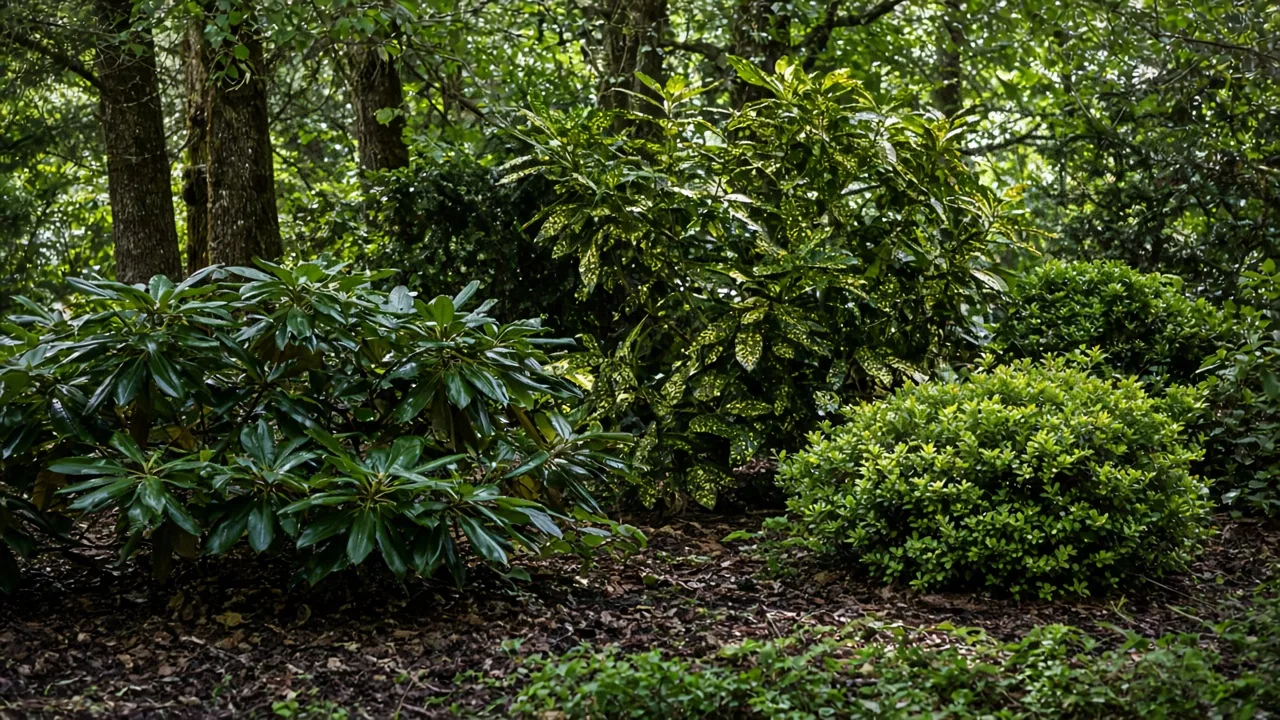
Coral bells (Heuchera spp.) are mound-forming perennials grown as much for their leaves as for their airy flower stalks. Depending on the cultivar, foliage can be green, silver, copper, burgundy, near-black, chartreuse, or marked with contrasting veins. Small bell-shaped flowers appear on wiry stems in late spring or summer and can attract hummingbirds and other pollinators.
The reliable way to grow coral bells is to balance four things: enough light to hold the leaf color, enough water for shallow roots, soil that drains before the crown stays wet, and a crown planted high enough to avoid rot. Most failures come from getting one of those relationships wrong—not from a lack of fertilizer or pruning.
Start with the right coral bells for your site
Coral bells is a trade name for many species and hybrids, not one uniform plant. Heuchera sanguinea is valued for colorful flowers and is often relatively cold hardy. Heuchera villosa contributes heat and humidity tolerance to many modern hybrids. H. americana and other species contribute different leaf forms, colors, and performance traits. A cultivar label is more useful than a generic “coral bells” tag because it may tell you how large the plant gets, which zones it tolerates, and whether it prefers sun or shade.
Read the label for three clues before buying. First, check the listed hardiness range rather than assuming every Heuchera survives the same winter. Second, look for the plant’s mature width; crowded crowns dry unevenly and are harder to inspect. Third, note sun guidance. A bronze or green cultivar may take more morning sun than a pale gold cultivar in a hot climate, while a plant bred with H. villosa may handle heat better than a delicate woodland hybrid.
The Connecticut Agricultural Experiment Station and university extension references describe coral bells as North American perennials with shallow crowns and substantial variation among species. That variation is useful: choose the cultivar for the site you have instead of trying to force a shade-loving plant into afternoon heat.
Species, hybrids, and hardiness are not interchangeable
USDA zone information is a starting point, not a guarantee. Winter wet, exposed wind, repeated freeze-thaw cycles, and the exact parentage of a hybrid can matter as much as the number on the map. A plant sold as hardy in your zone may still heave out of the soil or rot in a poorly drained bed. In hot regions, a cold-hardy cultivar may survive winter but struggle through summer if it receives intense afternoon sun.
If the nursery label is vague, choose a location with bright shade or gentle morning sun, excellent drainage, and protection from reflected heat. That conservative site gives more cultivars a chance to perform well.
Give coral bells the light they can actually use
Most coral bells perform best in partial shade, especially where summers are hot. Bright morning light with afternoon protection is a dependable arrangement. In cooler climates, some cultivars can grow in more sun, but they still need sufficient moisture and protection from reflected heat off walls or pavement.
Use the leaves to refine the decision. Dark purple, bronze, and green leaves often hold their color with more light, while yellow, lime, and heavily silvered leaves can scorch or bleach in strong afternoon sun. “More sun” is not automatically better: additional light can improve color only when roots can replace water lost through the leaves.
If leaf edges turn tan and crisp on the side facing the sun, suspect heat or light stress before adding fertilizer. Move a container to morning sun or provide afternoon shade. For an in-ground plant, use a temporary shade cloth during an extreme heat event and improve the soil’s moisture-holding capacity without making it waterlogged.
Dense, damp shade creates a different problem. Poor air movement and wet foliage can encourage fungal or bacterial leaf problems. Coral bells need shade from heat, not a stagnant pocket that stays wet all day.
Plant for a dry crown and evenly moist roots
Choose soil that is rich in organic matter but drains freely. A slightly acidic to neutral soil—roughly pH 6.0 to 7.0—is suitable for many Heuchera, but drainage is more important than chasing a precise number. In heavy clay, build a raised planting area or amend the bed broadly with compost; do not bury one small pocket of loose material in a bowl of compacted soil, because water can collect around the roots.
Soil and planting depth
Dig a hole about as wide as the root ball and no deeper than the container soil. Set the crown—the woody, central point where stems meet roots—at the soil surface or just slightly above it. Do not cover the crown with a thick layer of compost or mulch. Planting too deeply is one of the fastest ways to turn a healthy Heuchera into a crown-rot problem.
Backfill around the roots, firm gently, and water slowly so the soil settles. Keep mulch a few inches away from the crown. A thin organic mulch can reduce evaporation, but a wet mulch collar pressed against the plant holds moisture where the crown needs air.
Space plants so mature leaves can dry after rain. A small cultivar may need only about a foot of room, while larger hybrids can spread two feet or more. Check the label rather than planting every coral bell at the same interval.
Watering coral bells through the season
Newly planted coral bells need regular moisture while roots extend into surrounding soil. Water deeply when the upper soil begins to dry, then check again rather than following a rigid calendar. The goal is moist—not constantly saturated—soil.
Established plants tolerate short dry periods, but their shallow roots can wilt quickly during heat, wind, or competition from tree roots. Water at the soil line and soak the root zone slowly. A light sprinkle that wets only the leaves may leave the roots dry and keep foliage damp overnight.
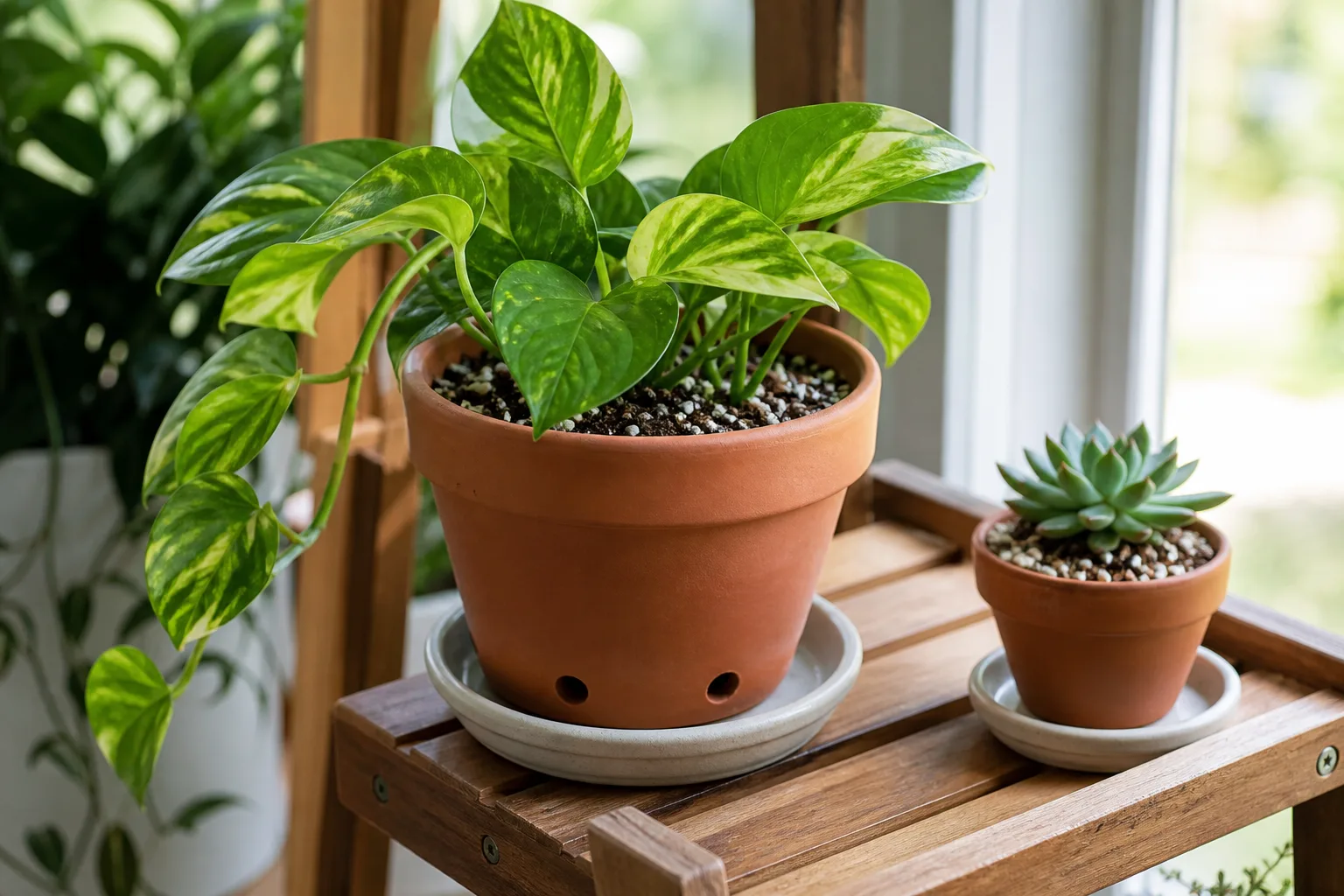
In full or bright sun, inspect soil more often than you would in shade. In a cool, rainy spell, inspect less often. If a plant wilts in wet soil, do not automatically add water: lift the mulch, feel the soil, and inspect the crown. Wilt plus saturated soil points toward root or crown damage, not thirst.
Fertilizing without sacrificing flowers
Coral bells are light feeders. In spring, top-dress with a thin layer of finished compost or use a restrained slow-release fertilizer according to the label. Container plants may need more regular feeding because nutrients wash out of potting mix, but dilute and label-directed applications are safer than repeated heavy doses.
Too much nitrogen can produce soft, leafy growth and fewer flowers. Fertilizer cannot compensate for poor light, a wet crown, or drought-stressed roots. Correct the site first, then feed only if growth is weak and the soil is otherwise suitable.
A simple seasonal care routine
In spring, remove winter-damaged leaves after new growth begins, check that the crown has not lifted, and top-dress lightly with compost. Replant any exposed roots and keep new divisions evenly watered.
In summer, monitor the soil during heat, remove damaged leaves, and cut flower stalks when they finish if you prefer a tidier mound. In a dry climate, mulch the surrounding soil while keeping the crown clear.
In fall, remove diseased foliage and spent stems, but do not strip every healthy leaf merely for appearance. Clean debris from the crown, divide overcrowded plants if your climate gives new roots time to establish, and add a light protective mulch after the ground begins to freeze in cold regions.
Pruning, deadheading, and cleanup
Coral bells do not need a hard haircut. Use clean pruners to remove broken, dead, or badly diseased leaves at their base. Cut flower stalks down to the foliage after bloom if you want to redirect the plant’s energy toward the mound or encourage a tidier second flush. Leaving a few stalks is harmless and provides a delicate vertical accent.
Do not cut into the central crown while trying to shape the plant. The foliage naturally forms a mound; thinning the perimeter is usually more useful than reducing the whole plant to soil level. If spring leaves look ragged after winter, wait until live growth is visible, then remove only the damaged material.
How to grow coral bells in containers
Containers are an excellent way to give coral bells the drainage, shade, and close observation they need. Select a pot with a drainage hole and use a quality potting mix that holds some moisture while releasing excess water. Do not use garden soil by itself in a container; it compacts and drains poorly.
Choose a pot only modestly larger than the root ball, and keep the crown at or slightly above the mix surface. Place the container where it receives bright light without baking against a south- or west-facing wall. Check moisture more frequently than you would in the ground, but empty any saucer so the roots do not sit in water.
Container plants are more exposed to winter cold because the root ball is above ground. In cold regions, move pots to a sheltered, unheated location, group them against a protected wall, or plant the root ball in the ground temporarily. Keep the mix barely moist while dormant; never keep a dormant container saturated.
Divide mature clumps before they decline
Coral bells can become woody in the center and may decline after several years. Division is both propagation and renewal. Plan to divide a vigorous clump every three to four years, or earlier if the center is bare, the crown has risen, or outer rosettes are separating from an aging core.
When and how to divide Heuchera
Divide in early spring as growth resumes or in early fall while the soil is workable. Avoid the hottest, driest part of summer. Water the plant the day before if the soil is dry, then lift the clump with a spade wide enough to preserve roots.
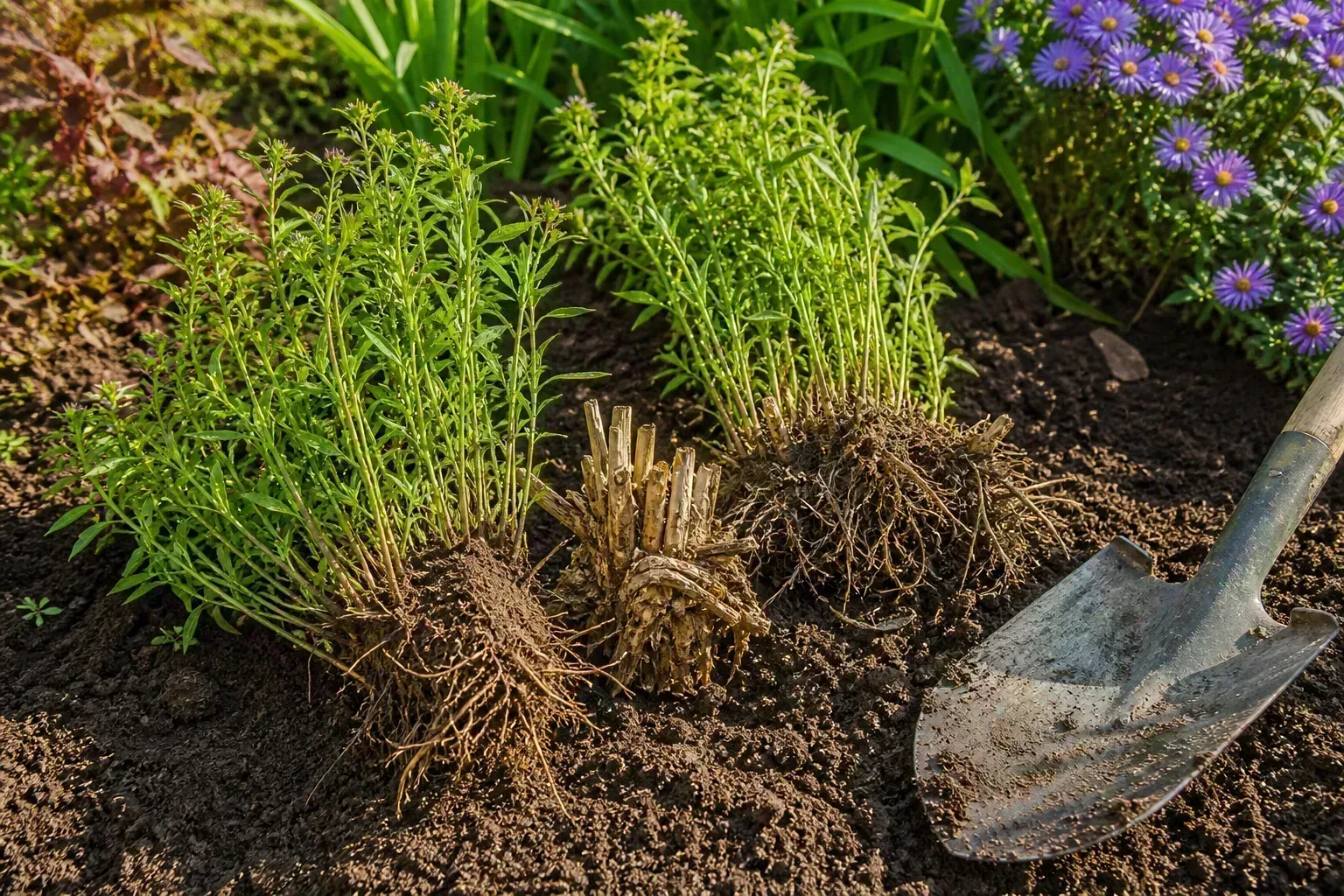
Shake or wash away enough soil to see the crown. Separate offsets by hand or use a clean knife to cut the clump into sections, making sure each division has roots and several growing points. The oldest woody center may be less productive than the younger outer pieces. Replant divisions immediately at the original depth, with the crown barely covered or slightly proud of the soil.
Water thoroughly, then keep the new plants evenly moist while they re-establish. Division is not a guarantee against every decline: a plant in chronically wet soil, extreme heat, or deep shade will repeat the same problem in every new piece.
Growing coral bells from seed
Seed is worthwhile when you want to experiment with species plants, but seedlings from named hybrids may not resemble the parent. Leaf color, size, and flower traits can vary. For predictable foliage, buy a named plant or divide it.
Many Heuchera seeds are small and need light to germinate, so press them onto the surface of a fine, moist seed-starting mix rather than burying them deeply. Keep the tray bright, humid, and evenly moist. Germination can take several weeks. Pot seedlings on carefully, harden them off, and transplant after freezing weather has passed.
Seed-grown plants need careful watering during their first season. They are slower and more vulnerable than established divisions, so protect them from drying out and from competition by larger perennials.
Winter care and frost heaving
The shallow crown is both the plant’s character and its winter weakness. Repeated freezing and thawing can push the crown upward until roots are exposed. Inspect plants after a thaw; if the crown has lifted, press soil around the roots and reset the plant at the correct height as soon as conditions allow.
In cold climates, apply a light, loose mulch after the ground has begun to freeze. The purpose is to moderate temperature swings, not to bury the crown under a wet blanket. Remove or pull back excess mulch in spring so new growth receives air and light.
In mild climates, coral bells may stay evergreen or semi-evergreen. Leave healthy foliage in place until spring unless it is diseased. In wet winters, good drainage and debris removal matter more than heavy protection.
Coral bells that are not blooming
Foliage is the main feature, so light flowering is not automatically a problem. Still, sparse blooms can result from deep shade, excessive nitrogen, drought, or a cultivar selected primarily for leaves. Move a container to brighter light, reduce high-nitrogen feeding, and provide steady moisture. Deadhead spent stems if the plant is otherwise vigorous.
Do not move a stressed plant into intense afternoon sun just to force flowers. A little more morning light is safer than a sudden exposure that scorches the leaves.
Diagnose brown leaves, wilt, and crown rot
Brown, crisp margins on the sun-facing side usually indicate scorch, heat, wind, or insufficient water. Check the soil and light pattern before treating the plant. Remove badly damaged leaves and adjust exposure gradually.
Soft, dark, collapsing leaves at the center, a foul crown, and wet soil suggest crown or root rot. Stop watering, remove mulch from the crown, and improve drainage. If healthy outer sections remain, take divisions from firm tissue and replant them in fresh, well-drained soil. A plant with a completely rotted crown is unlikely to recover through pruning alone.
Sudden wilt despite reasonable moisture can also signal root injury. Inspect for blackened roots, stem damage, or larvae. Do not fertilize a wilted plant until you know whether the roots are functioning.
Pests and diseases to watch for
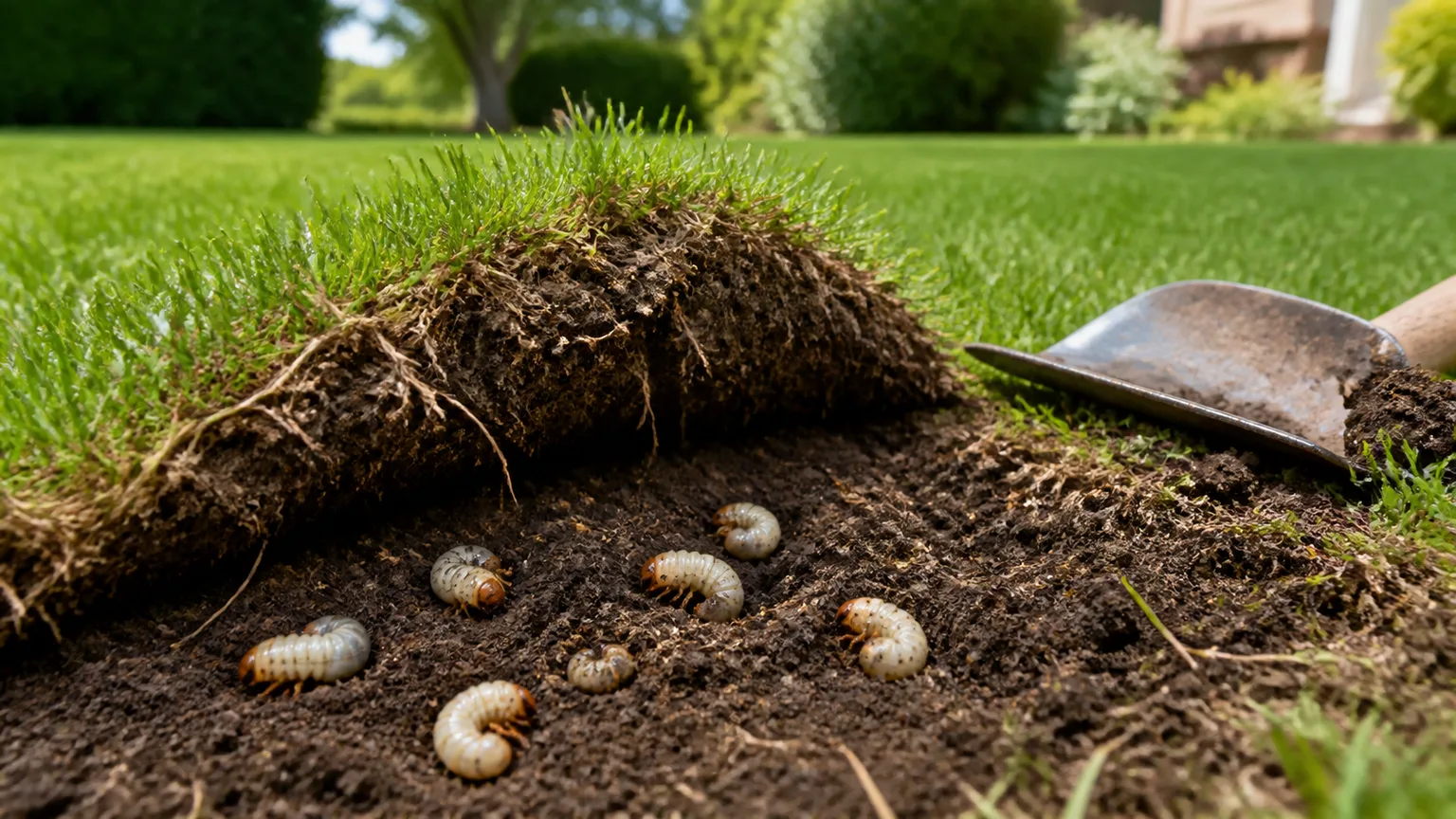
Coral bells are generally low-maintenance, but black vine weevil larvae can feed on roots and crowns, while adults notch leaf edges. Foliar nematodes and fungal or bacterial leaf diseases can also occur, especially where foliage stays wet and air movement is poor. Remove badly affected leaves, water at the base, space plants for airflow, and avoid moving visibly diseased debris into compost.
If damage repeats, inspect at night for adult weevils and examine the crown and roots for larvae. Choose controls according to the product label and local rules; “natural” does not mean risk-free for people, pets, pollinators, or beneficial insects. A stressed plant in saturated soil will not be rescued by spraying alone.
Sources and further reading
- Connecticut Agricultural Experiment Station: Coral Bells (Heuchera)
- University of Vermont Extension: Heuchera, a versatile landscape plant
- NC State Extension Plant Toolbox: Heuchera villosa
- Clemson Cooperative Extension: Heuchera (Coral Bells)
- University of Minnesota Extension: Dividing perennials
- Missouri Botanical Garden Plant Finder: Heuchera ‘Amber Waves’
Conclusion: make the crown your care checkpoint
The best coral bells routine is simple: choose a cultivar suited to your climate, provide bright shade or appropriate morning sun, keep roots evenly moist, and keep the crown high and dry. Divide aging plants before the center collapses, protect shallow roots from freeze-thaw cycles, and diagnose symptoms by checking soil and crown condition before reaching for fertilizer or pesticide. When those basics are right, Heuchera rewards you with a long season of foliage color and light, pollinator-friendly flowers.