How to Grow and Care for Lupine (Bluebonnet)
Learn how to grow lupine from seed or transplants, choose well-drained soil, water wisely, support tall spikes, overwinter plants, and solve common problems.
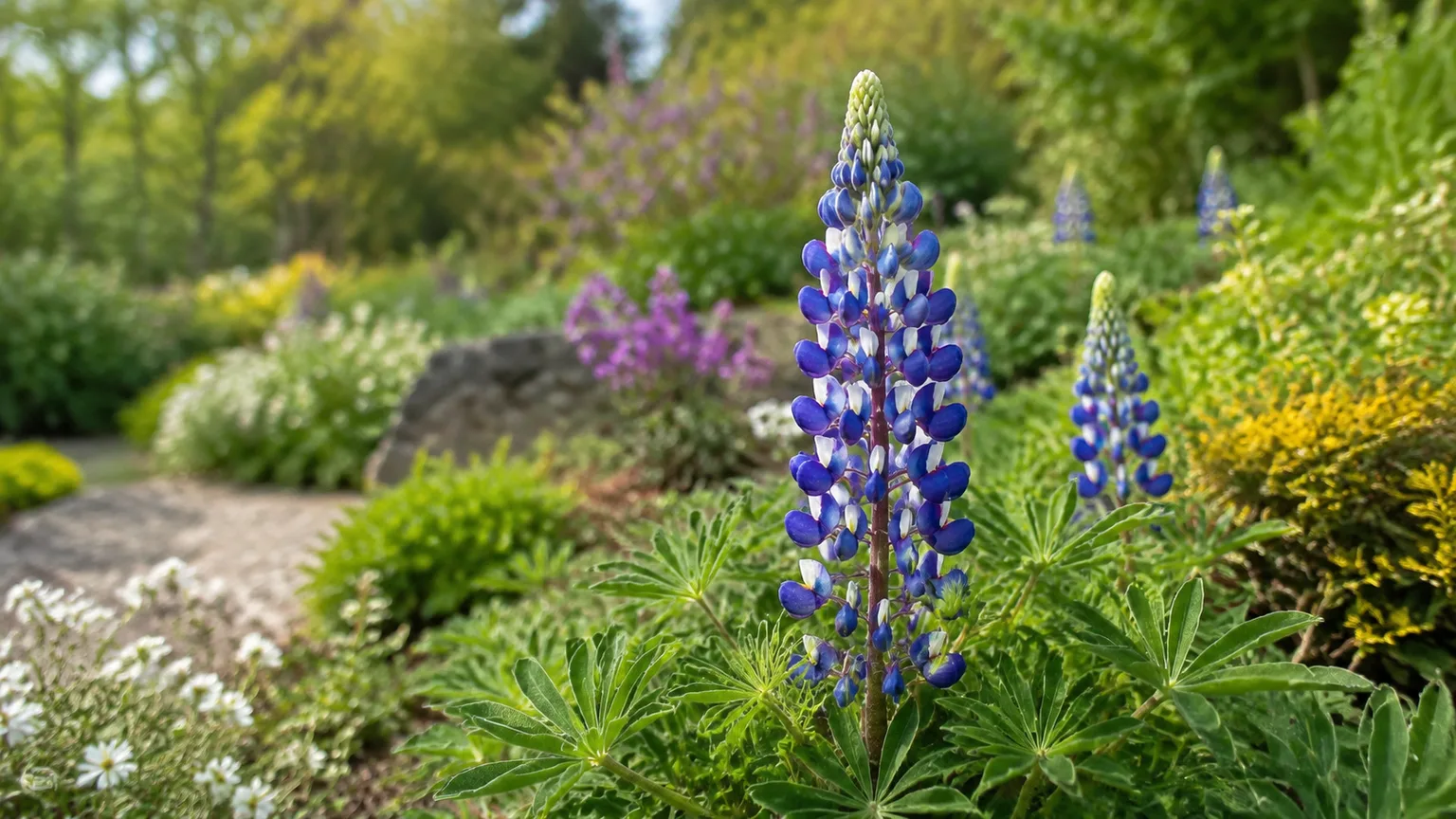
Lupines earn their place in a garden with flower spikes that look architectural without feeling stiff. Depending on the species or cultivar, the blooms may be blue, purple, pink, red, yellow, white, or bicolored, and the rounded, palmate leaves stay attractive before and after flowering. The plants are members of the pea family, so they also bring the quiet interest of a legume that can partner with soil bacteria to obtain nitrogen.
They are not carefree in every garden, though. Lupines have a long taproot, dislike being moved, and grow best where spring is cool and the soil drains quickly. The most reliable approach is to choose the right type for your climate, plant it once in a permanent place, and keep moisture consistent while the root system establishes. This guide covers garden lupines broadly, including the plants sold as bluebonnets; check the seed packet or plant label for the exact species.
Decide Which Lupine Fits Your Garden
“Lupine” describes a large genus rather than one uniform plant. Garden centers often sell border lupines, including Russell hybrids and compact series, while wildflower packets may contain species such as wild lupine or a regional bluebonnet. Mature size, bloom timing, heat tolerance, lifespan, and whether a plant reliably returns can differ considerably.
The RHS lupin growing guide separates border lupins from tree lupins, the latter being evergreen shrubs in mild climates. Most home gardeners asking about bluebonnet care mean an herbaceous border or wildflower lupine, not a tree lupin, so this article focuses on those plants. Treat the label’s species and hardiness information as more useful than a generic promise that every lupine is perennial.
Border Lupines vs Regional Bluebonnets
Border lupines are bred for tall, densely packed flower spikes and a wide color range. Many are short-lived perennials: they can return for several seasons, but a hot summer, wet winter, crown damage, or a naturally brief lifespan may reduce that expectation. Compact cultivars are often easier to keep upright and can work in a deep container.
Regional bluebonnets are lupine species adapted to particular landscapes. Texas bluebonnet, for example, is associated with spring displays in Texas and behaves differently from a cool-climate border hybrid. Wild lupine is a valuable native host plant in parts of the eastern and central United States, but native status is regional—not a reason to plant an unfamiliar species outside its natural range without checking local guidance.
Choose by site before choosing by color. If your garden has cool summers and fast drainage, a perennial border type may be worth the space. If summers are hot and humid, plan for a seasonal display, select a locally adapted species, or grow a compact plant where afternoon shade can reduce heat stress. In any region, avoid collecting wild plants; purchase seed or nursery stock identified for ornamental or restoration use.
Choose a Site That Matches Lupine Roots
Give lupines an open position with at least six hours of direct sun for strong stems and flowering. In regions with intense heat, a spot with morning sun and light afternoon shade can be a better compromise than an exposed bed that turns hot and dry by midafternoon. Deep shade produces leaves and weak stems but few flower spikes.
Air movement matters as much as sun. Leave enough room around each plant for foliage to dry after rain and for you to inspect the crown. A site beneath dense shrubs, against a damp wall, or in a low pocket where water lingers is a poor match even if it receives plenty of light.
Lupines prefer cool growing conditions and generally perform best where spring is bright and summers are not relentlessly hot. In warm climates, the plant may bloom beautifully in its first cool season and then decline when heat and humidity arrive. That is a climate limitation, not automatically a watering failure, so move your expectations toward an annual display or choose a better-adapted species.
Build or Test the Soil Before Planting
The ideal lupine bed is loose, well drained, and slightly acidic to neutral, with enough organic matter to hold some moisture without becoming sticky. Sandy or gravelly soil often suits the plant naturally. Heavy clay is risky because a long taproot cannot escape a saturated planting hole; water may remain around the crown long after the surface looks dry.
Do a simple drainage test before buying plants. Dig a hole about a foot deep, fill it with water, let it drain, then fill it again and watch how quickly the level falls. If water remains for many hours, choose a raised bed, improve the whole planting area with mineral structure and organic matter, or place lupines elsewhere. Adding a little compost only to one deep hole can create a bowl that collects water, so improve a broad area rather than making a rich pocket.
A soil test is more useful than guessing at pH or fertilizer. Lupines are legumes and usually need little nitrogen; excessive nitrogen can produce soft foliage at the expense of flowers. The RHS advises that established lupins generally need no feeding unless flowering is poor. Correct a documented soil problem, but do not routinely pour fertilizer into a plant that is already growing in lean, well-drained soil.
Plant Lupine Without Losing the Taproot
Plant nursery lupines in spring when the soil is workable and the weather is mild, or plant in early fall where the plant has time to root before freezing. Handle the root ball gently, slide it from the container without teasing the roots apart, and set it at the same depth it was growing. Water the planting hole once to settle soil around the roots, then keep the crown from being buried under a thick wet mulch layer.
The smaller the transplant, the safer the move tends to be. A young plant that has filled a deep plug but has not formed a tight spiral is easier to establish than an overgrown specimen pulled from a shallow tray. This is why direct sowing is so dependable: the taproot never has to negotiate a series of pots and planting holes.
Spacing and Support
Read the mature height and width on the label instead of spacing every lupine identically. Compact forms may be comfortable about 12 inches apart, while large border hybrids often need 18 to 24 inches or more. Crowding makes tall stems compete for light and reduces airflow, which raises the risk of foliar disease.
Place taller varieties toward the back of a border or where a fence can provide visual support, but do not press them into a windless corner. Install a discreet grow-through support early in the season, before the spikes become heavy. Staking a flopped plant after a storm rarely restores a straight stem; early support keeps the plant upright without tying it into an obvious bundle.
Grow Lupine From Seed
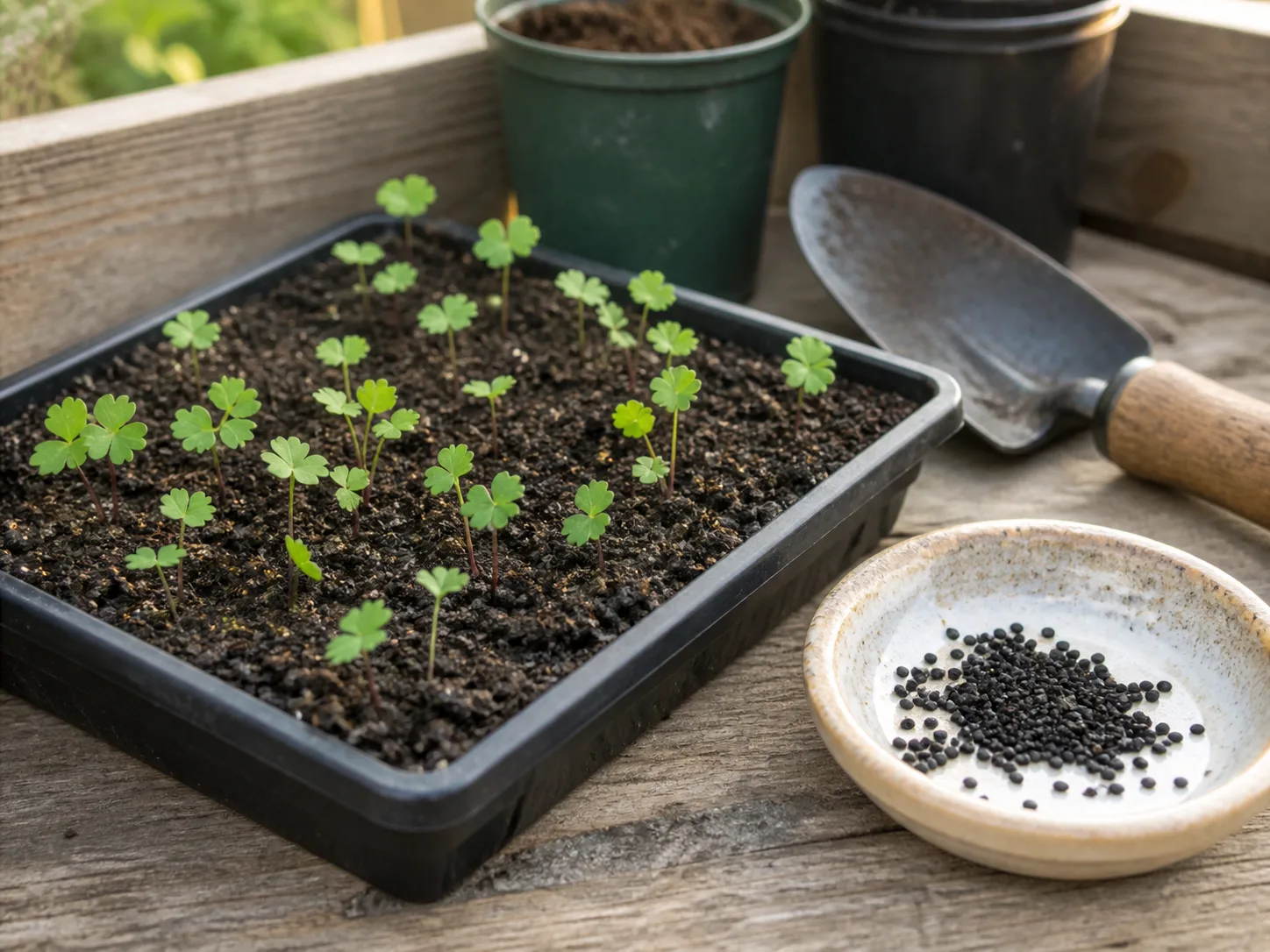
Growing lupines from seed is economical and gives you access to colors and species that may not appear at local nurseries. The tradeoff is time: a seed-grown plant may produce leaves in its first season and wait until the following year to bloom, especially if it spends its first months building a taproot. Seedlings also vary in vigor and color unless you are using stable, open-pollinated seed.
Direct sowing is usually the best option when the final site is ready. In cold climates, sow in early spring as soon as soil can be worked, or follow a packet’s recommendation for late-fall sowing. In mild climates, fall sowing can provide the cool, moist period many lupine seeds experience naturally. The Botanical Interests planting information for sundial lupine recommends direct sowing and gives a germination window of roughly two to four weeks for that particular seed lot. Epic Gardening’s lupine growing guide likewise emphasizes planting early enough that the taproot is not cramped before transplanting.
Scarify, Sow, and Protect Seedlings
Lupine seed has a hard coat. Scarification means lightly nicking or abrading that coat so water can enter; it does not mean cutting into the embryo. A safer sequence is:
- Rub one spot on each seed with fine sandpaper, or nick the coat very lightly with a clean blade.
- Soak the prepared seed in room-temperature water for about 12 to 24 hours.
- Sow about one-eighth to one-quarter inch deep in a free-draining mix or prepared bed.
- Keep the seed zone evenly damp, never saturated, until seedlings emerge.
- Thin seedlings while they are small, leaving the final spacing before roots become tangled.
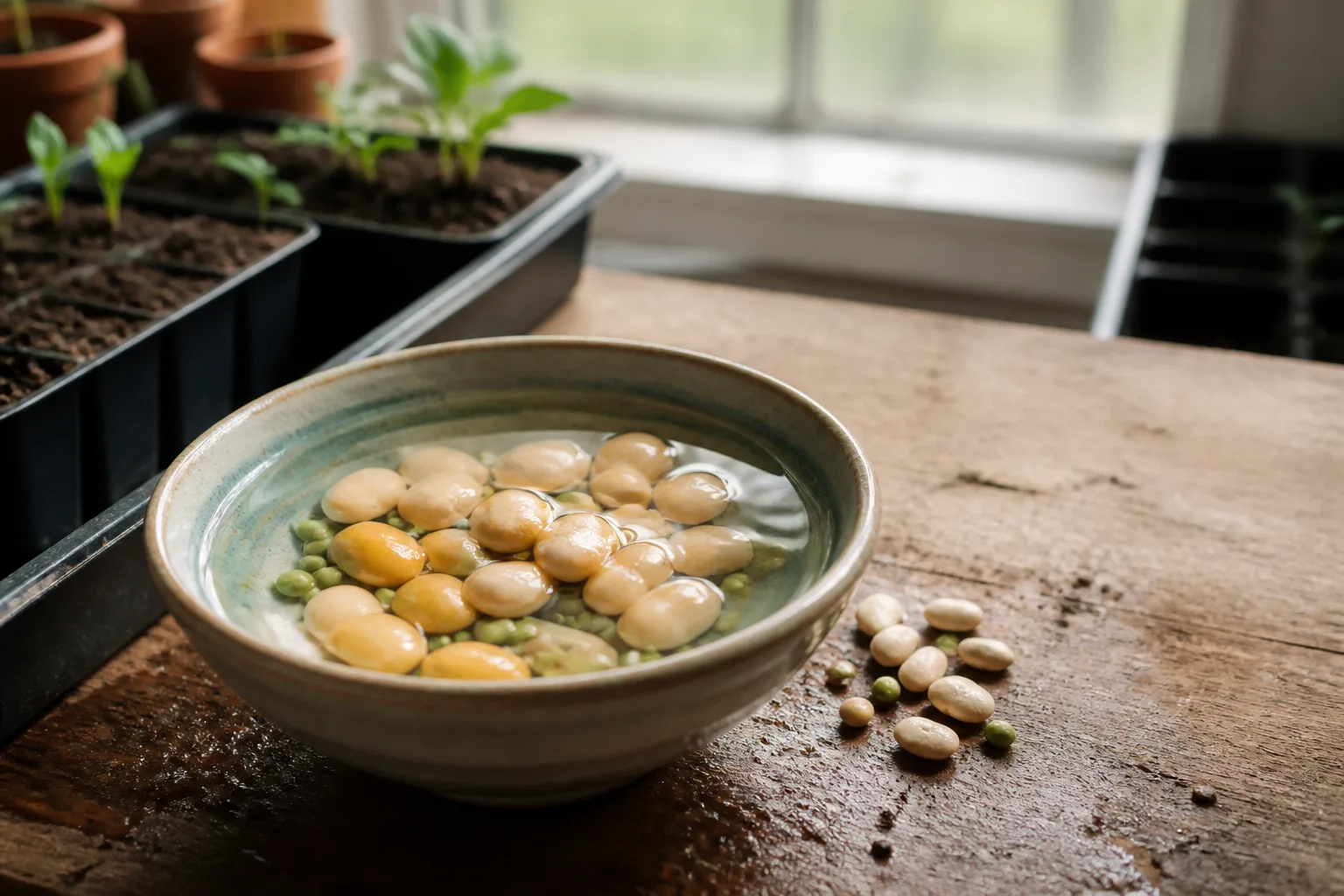
Not every seed needs the same treatment. Some packets are pretreated, and some species respond well to a period of cold, moist stratification. Follow the packet for your exact species, and do not combine a long cold treatment with prolonged warm, wet storage unless the instructions call for it. Too much moisture is a common cause of rotting seed and damping-off.
If you start indoors, use individual deep, biodegradable pots and transplant while the root is still contained. Give seedlings strong light so they stay compact, and harden them off over a week before planting outdoors. A seedling that has become root-bound in a small cell can survive, but it is a poor candidate for a perfect first-year display.
Water for Establishment, Not Constant Dampness
Newly planted lupines need regular water while roots move into surrounding soil. Check the soil a few inches down; if it is drying at root depth, water slowly and deeply at the base. A thorough drink followed by partial drying is more useful than a daily splash that wets the surface while the lower planting hole stays cold and saturated.
Once established in the ground, lupines are more drought tolerant than their soft spring foliage suggests. Water during extended dry weather, while forming buds, and after a severe heat event, but let the upper soil dry somewhat between irrigations. Container plants dry faster and need closer monitoring because a sunny, windy pot can go from moist to wilted in a day.
Avoid overhead watering when possible, especially late in the day. Wet foliage does not cause every disease, but it can prolong the conditions that favor leaf spots and mildew. Drip irrigation, a low stream at the soil line, or morning hand watering keeps the leaves drier and lets you notice runoff or poor drainage early.
Feed Lightly and Mulch Carefully
Do not begin with a high-nitrogen lawn fertilizer. Lupine roots form nodules that house nitrogen-fixing bacteria, and the plant commonly performs well in soil that is not heavily enriched. If a soil test shows a deficiency or a mature plant flowers poorly despite good light and drainage, use a low-rate, balanced or bloom-oriented fertilizer according to its label rather than guessing at a concentrated phosphorus dose.
Mulch helps keep shallow feeder roots cool, but placement matters. Spread a thin layer of composted organic mulch around the plant, leaving an open ring around the crown. Thick mulch against the crown traps moisture and can make winter losses more likely, particularly in heavy soil or wet climates.
Deadhead, Stake, and Cut Back
Remove a faded flower spike at its base if you want to redirect energy toward another flush and reduce self-seeding. Cut just above healthy foliage rather than shearing the whole plant while leaves are still green. A second bloom may be smaller and is not guaranteed, especially in a hot summer, but timely deadheading keeps the plant looking intentional.
Leave seed pods if you want a self-sown drift and have enough space for volunteers. Collect them when the pods turn dry and the seeds rattle, then store them in a cool, dry place labeled with the species and year. Remove pods before they split if you do not want seedlings appearing several feet away.
After flowering, keep healthy green leaves until they naturally yellow. Those leaves are still making and storing energy for the crown. Cut herbaceous lupines close to the ground after frost or once the foliage has died back, then clear diseased debris rather than composting it. Tall plants are easier to manage when support is installed before bloom.
Grow Lupine in Containers
A container is a smart solution for wet clay, a small garden, or a warm climate where you want to move a compact plant into afternoon shade. Choose a deep, heavy pot with drainage holes and use a free-draining container mix. A shallow bowl encourages the taproot to circle and dries unevenly; a huge pot holds too much wet mix around a small root system.
Set one compact lupine in a pot rather than filling a container with several large varieties. Water when the mix is beginning to dry, then let excess drain completely. Never leave the container standing in a saucer of water, and do not add a layer of gravel to the bottom as a substitute for drainage holes.
Container roots are more exposed to winter cold and repeated freeze-thaw cycles than roots in the ground. Move the pot to a sheltered location, protect it from excessive winter rain, and avoid bringing a dormant outdoor lupine into a warm living room where it may break dormancy too early. The RHS recommends a slightly larger pot when repotting rather than a dramatic size jump; that keeps watering more predictable.
Overwinter Lupine and Plan for Short Lifespan
Most herbaceous lupines die back or become dormant above ground in winter. In a suitable climate and free-draining soil, the crown can resprout in spring. Leave an inch or two of stem until the foliage has fully died back, then remove it so you can see the crown and keep winter debris from matting over it.
“Perennial” should not be read as “permanent.” Border lupines are often short-lived, with the strongest display lasting a few seasons. Heat, wet winter soil, root disturbance, and disease shorten that window. Plan a replacement by sowing a few seeds while your original plant is still thriving, rather than waiting for the old crown to disappear and starting from zero.
In hot, humid regions, the most honest plan may be to treat lupine as a cool-season annual or a biennial-style experiment. Give it the coolest season, excellent drainage, and light afternoon shade, then collect seed if the plant performs. This is more successful than forcing a struggling plant through a summer it cannot tolerate.
Propagate Established Plants
Seed is the simplest propagation method, but basal cuttings can preserve a desirable plant and may flower sooner. Take a cutting from a healthy new shoot at the base in spring, use a clean sharp knife, and root it in a sterile, airy medium such as perlite. Keep the medium lightly moist with good airflow; saturated cuttings rot quickly.
Division is the least forgiving option because the taproot can be damaged. Only divide a mature plant that has clearly formed multiple crowns, and do it in early spring while growth is beginning. Lift a generous root section, separate crowns with clean tools, replant immediately at the original depth, and accept that some divisions may fail.
Wear gloves when handling lupine, wash tools after cutting, and label each propagated plant. The RHS recommends individual pots for seed-grown plants to reduce root disturbance and notes that division is not always successful. That combination of advice is useful: propagate more plants than you need, and do not risk the only specimen for a technique that is optional.
Diagnose Pests and Diseases Early
Start diagnosis with location and timing. A plant that wilts only in afternoon heat may need shade or deeper watering, while a plant that stays wilted in wet soil may have damaged roots. Check the underside of leaves, the crown at soil level, and the newest growth before applying any treatment.
Aphids and Slugs
Aphids cluster on tender stems, buds, and leaf undersides. They may cause puckered growth, yellowing, sticky honeydew, and a general loss of vigor. Knock a light infestation off with a firm stream of water and repeat inspections every few days; if beneficial insects are present, avoid broad-spectrum sprays that remove the helpers along with the pest.
Slugs and snails often target emerging shoots in spring, leaving ragged holes or removing a seedling overnight. Clear hiding places, water in the morning, and protect small plants with a barrier appropriate for your garden. If a plant is repeatedly eaten to the crown, move the next sowing to a raised or container setting rather than expecting a weak seedling to outgrow constant damage.
Anthracnose and Powdery Mildew
Lupine anthracnose can show as dark or brown lesions, distorted stems, leaf blight, and wilting. Young plants can be especially vulnerable in cool, wet conditions. The UMass Amherst Extension disease reference documents the disease on lupine; remove badly affected plants, dispose of them rather than composting them, clean tools, and avoid planting lupines in the same contaminated spot for the next few seasons.
Powdery mildew looks like a white, floury coating on leaves and stems. It is favored by humid air around crowded plants, especially when foliage stays relatively dry, so increase spacing, improve airflow, and water at the base. The Pacific Northwest Plant Disease Management Handbooks explain that lupine powdery mildew is a specialized fungal disease; use only a product labeled for the crop and disease in your location, and follow that label exactly.
Do not confuse a few naturally pale or hairy lupine leaf surfaces with mildew. Look for a spreading, powder-like film that can be rubbed or lifted from the surface, and compare new growth with older leaves. When disease is uncertain, remove one badly affected leaf for diagnosis through a local extension service rather than repeatedly treating a healthy plant with products it does not need.
Make Lupine Bloom Better
When lupine does not flower, check the simplest constraints first: light, plant age, root stress, and soil moisture. A seed-grown plant may simply be too young, while a mature plant in shade is spending its energy reaching for light. Move or thin nearby growth before reaching for fertilizer.
Next inspect the roots and container. A waterlogged crown, a badly root-bound pot, or repeated transplanting can stop flowering even when the leaves look green. Correct drainage, repot only one size larger if the plant is pot-bound, and give the plant a full growing season to recover.
Flowering also declines when spring drought is followed by heat, when tall stems flop and are damaged, or when aphids colonize developing buds. Water deeply during a dry bud-forming period, install support early, and remove pests promptly. If the plant has completed several strong seasons and then fades despite good care, replace it from seed rather than assuming one more dose of fertilizer will restore an aging crown.
Lupines make the strongest statement when grouped in a location that suits them instead of scattered into incompatible beds. Give them sun, drainage, cool-season timing, and enough room for air to move. Their short-lived nature becomes manageable when you let a few healthy plants set seed or start replacements before the original display ends.
Conclusion
The reliable formula for lupine care is simple but specific: choose a species or cultivar that fits your climate, plant it in full sun and fast-draining soil, protect its taproot, and keep water available while it establishes without leaving the crown soggy. Feed sparingly, support tall spikes before they flop, deadhead when you want another flush, and leave healthy foliage in place until it finishes storing energy.
Expect some variation. A lupine may be a durable perennial in a cool garden, a short-lived border plant, or a one-season bluebonnet display in a hot, humid climate. Treat that lifespan as part of the plant’s biology, keep pets and livestock from eating it, and sow a replacement before the old crown declines. With those expectations in place, the tall flower spikes become a dependable spring focal point rather than a yearly mystery.