How to Get Free Rocks for Your Garden: 11 Ways
Need rocks for edging, paths, or dry creek beds? Eleven free sources, legal rules, coverage math, and prep steps so you haul the right stone once.

Bagged river rock at a big-box store can cost $50 to $130 per ton retail, and pea gravel often runs $10 to $50 per ton before delivery fees (HomeAdvisor pea gravel pricing; HomeAdvisor river rock pricing). That adds up fast on a border, walkway, or dry creek bed. The good news: stone is heavy, hard to dispose of, and constantly being dug up—so people give it away if you are willing to haul it and ask politely.
This guide covers 11 reliable free sources, the legal rules that keep you out of trouble on public land, and the prep steps that turn a random pile into usable hardscape. Start with the rock type your project needs, then work the list in order of what is easiest in your area.
Match the Rock to Your Project Before You Hunt
Free stone is rarely uniform. A pile of fieldstone may be perfect for a low garden border and useless for a compacted gravel path. Decide the job first so you do not spend a Saturday moving 800 pounds of the wrong material.
Common landscaping rock types and what they are good for
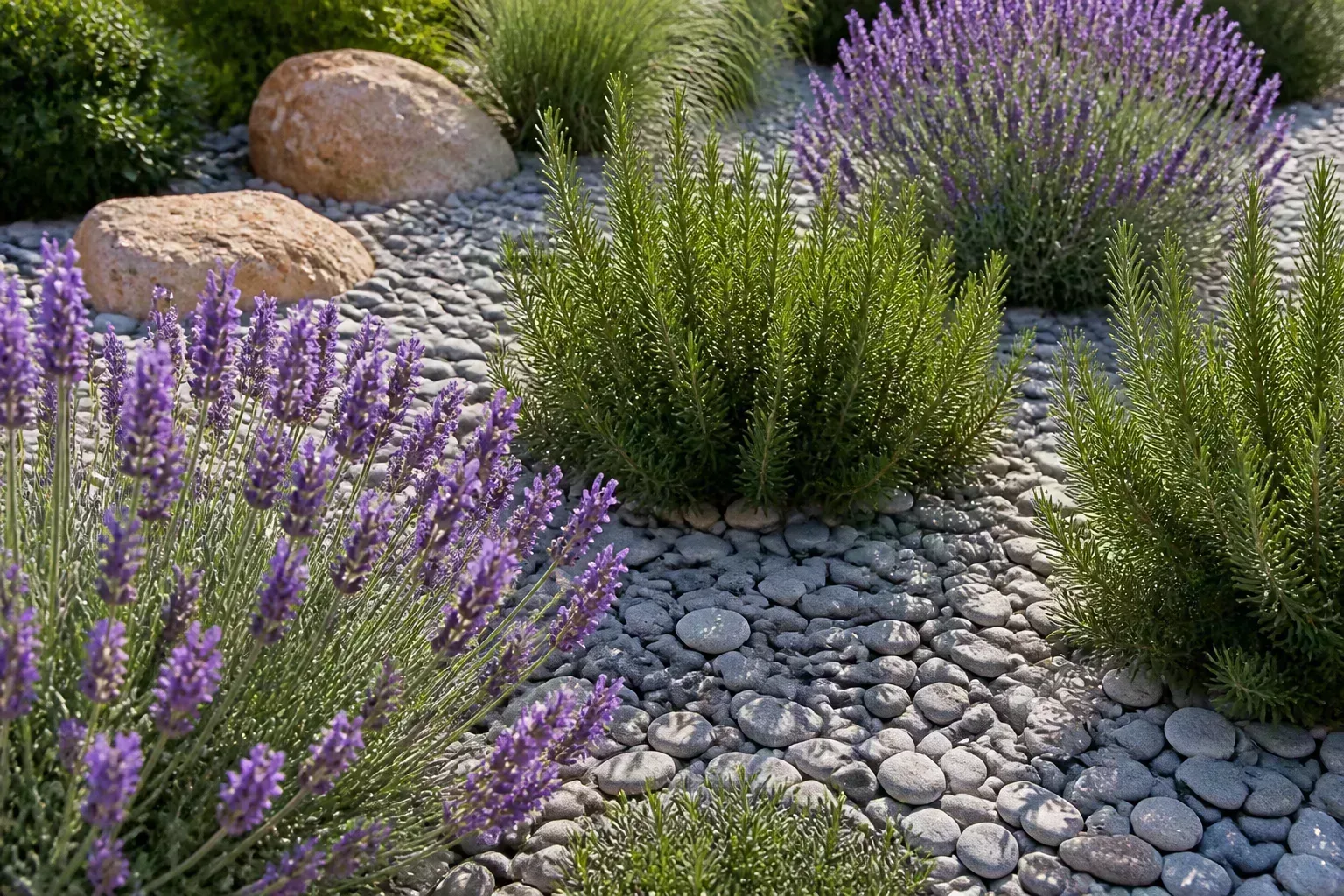
Pea gravel and crushed angular stone work for paths, patio bases, and French drains where you need drainage and a surface that packs slightly after compaction. River rock is rounded and decorative—great for dry creek beds, mulch replacement in fire-wise zones, and around downspouts, but it rolls on slopes steeper than about 5%. Fieldstone and flagstone flats suit edging, stepping-stone paths, and low retaining accents. Boulders make focal points; plan equipment or help before you commit. Broken concrete (urbanite) can edge beds cheaply but looks industrial and may leach lime near acid-loving plants—rinse and test placement away from blueberries and azaleas.
Rock mulch holds and reflects heat. That helps in dry landscapes but can stress shallow-rooted ornamentals in hot climates. Keep stone pulled back from trunks and stems so moisture does not sit against bark. For path layout and base prep, see our affordable DIY garden path ideas and landscape design for beginners guides.
Coverage math: how much stone you actually need
Landscaping stone is sold by weight, but you plan by area and depth. A rough rule: one ton of gravel covers about 80–100 square feet at 2 inches deep, depending on stone size and how tightly it packs. River rock spreads thinner because of air gaps between rounded stones—budget 10–15% extra for decorative installs.
| Project | Typical depth | Coverage per ton (approx.) |
|---|---|---|
| Path or patio base | 2–3 in | 70–100 sq ft |
| Decorative mulch / dry creek | 2–4 in | 60–90 sq ft |
| Stepping stones only | N/A | Count stones, not tons |
Weigh your vehicle capacity before you load. A full-size pickup bed holds roughly 1/2 to 3/4 ton safely without overloading suspension. Five-gallon buckets of gravel weigh 60–80 pounds each when full—leave headroom.
Source 1: Craigslist, Facebook Marketplace, and Online Classifieds
Online classifieds remain one of the fastest ways to find free landscaping rocks because homeowners and contractors post when they want material gone yesterday. Search terms: “free rocks,” “free gravel,” “river rock,” “landscape stone,” “fill rock,” “boulders,” and “concrete chunks.”
How to win the listing: respond within an hour, confirm you can haul the full amount, bring tarps and straps, and show up when you say you will. Listings disappear in minutes in suburban markets. Filter for “free” only, but also watch low-price posts—some sellers drop price to zero if you take everything.
Red flags: posts with no photos, vague “come take rocks” at an address you cannot verify, or material mixed with trash, asphalt, or treated lumber. Ask whether stone sat near a driveway sealant or old fuel tank before you load decorative rock near edible beds.
Source 2: Buy Nothing, Freecycle, and Nextdoor
Hyperlocal gift-economy groups excel at small hardscape lots: leftover patio stone, edging bricks, a few bags of pea gravel, or rocks from a single bed redesign. Buy Nothing and Freecycle are built for free exchange; Nextdoor lets you post a “ISO free landscape rock” request that neighbors answer when they start spring cleanup.
Strategy: post a specific ask (“seeking 1–2 tons river rock for dry creek; can haul this weekend”) rather than a generic want ad. Offer to help load. Many retirees and busy parents will say yes if you remove the whole pile, not half of it.
Source 3: Curbside Pickups During Yard Cleanouts
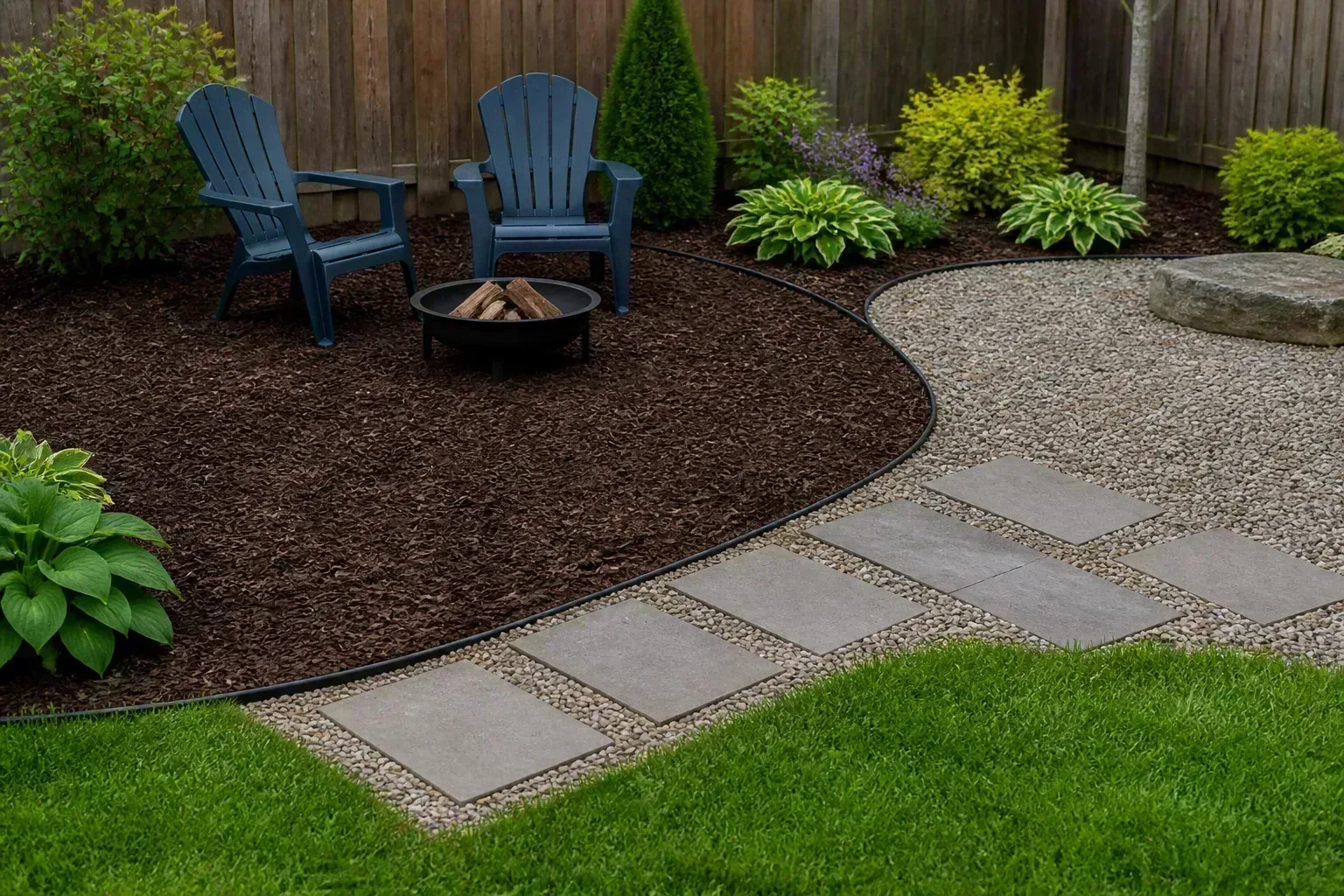
Spring and fall are curbside gold seasons. Homeowners set out stone, pavers, and brick during renovations, often labeled “free” on a cardboard sign. Drive neighborhood loops on Saturday mornings in April–May and September–October when cleanup peaks.
Etiquette: always knock or ask if someone is outside. If material sits on the curb without a sign, assume it is not free. Take the full offered lot when possible—partial pickups leave the owner with a mess. Leave the curb cleaner than you found it. For broader budget yard upgrades that pair well with free stone, see landscaping on a budget and budget front yard landscaping ideas.
Source 4: Local Landscaping and Hardscape Companies
Landscape installers regularly have leftover stone from over-ordered jobs, demo piles, and samples they cannot return. A five-minute phone call to three local companies often yields a pickup appointment at their yard or a job-site tailgate load.
What to say: “Do you ever have clean leftover rock or gravel you need hauled away? I can bring a truck Saturday and take the full pile.” They save dump fees; you get graded material. Ask whether stone is mixed with soil or roots—bed-edging scrap is fine for borders but needs screening for path base.
Source 5: Municipal Recycling and Public Works Yards
Some towns operate recycling centers or public works yards where residents can take free or low-cost crushed concrete, gravel, or fill from road maintenance and demolition projects. Policies vary wildly: one county offers free 5-gallon buckets of gravel; the next prohibits removal entirely.
Call your city or county solid-waste department and ask specifically about landscape rock, concrete rubble, or road grindings. Ask hours, ID requirements, whether equipment loading is available, and if material is screened. Never assume the “free pile” at a dump is open for taking—get written or verbal permission from staff on site.
Source 6: Construction, Excavation, and Pool Sites
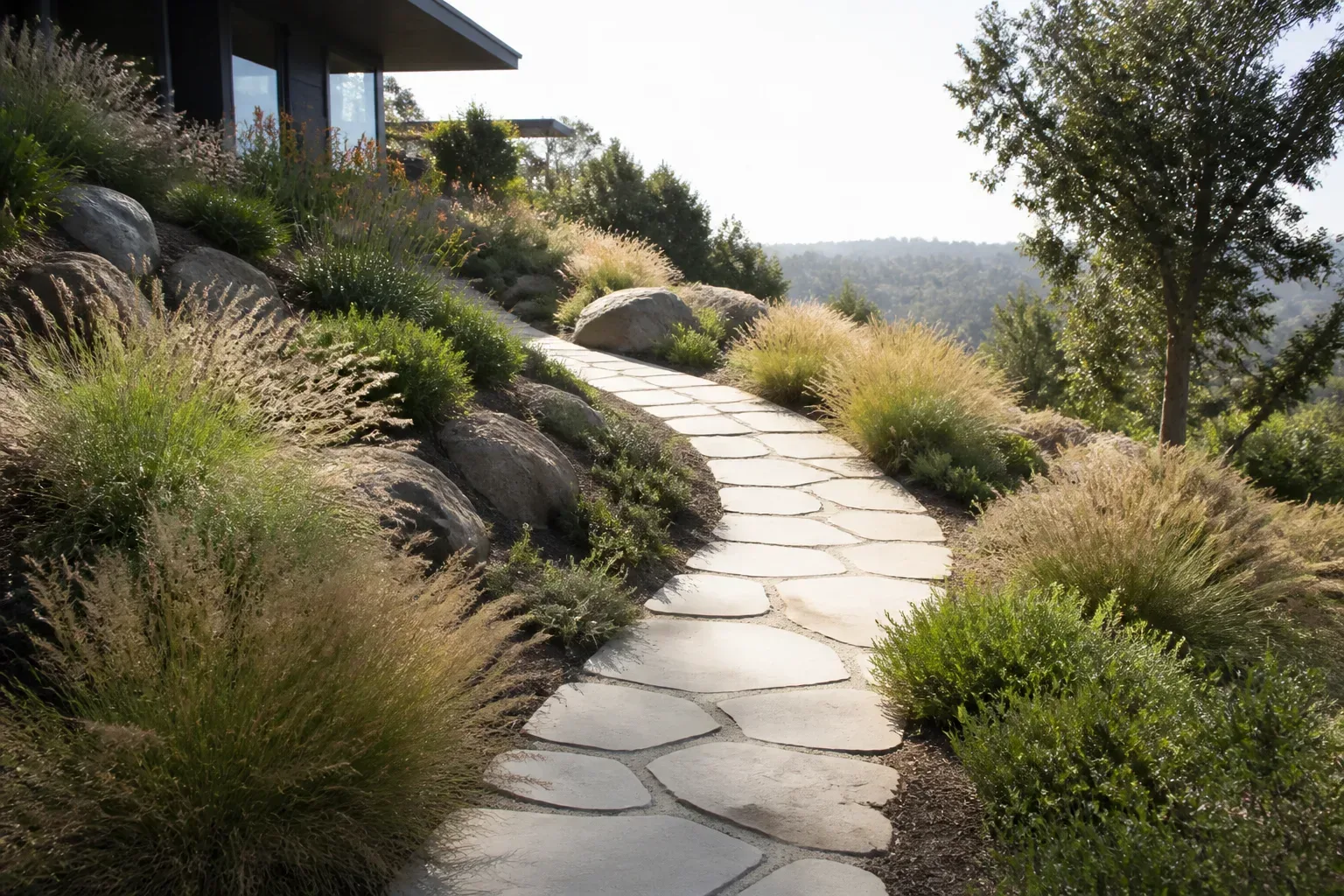
Commercial excavation produces more subsoil stone than any other source. Basement digs, parking lots, and pool installs often generate piles of clean fill rock the contractor pays to truck away.
Critical safety rule: never walk onto an active job site uninvited. Call the general contractor, site superintendent, or pool company office. Ask whether rock is available, whether it is separated from trash, and where safe pickup is allowed. Hard hats and steel-toe boots may be required even for quick loads. Violating site security is both dangerous and a fast way to get trespassing charges.
Clean separated piles of blasted limestone or fieldstone can be excellent. Mixed demolition debris belongs in a landfill, not your perennial bed.
Source 7: Road Work and Utility Trenching Projects
Highway widening, water-main replacement, and fiber trenching sometimes leave surplus gravel or riprap in staging areas. Crews cannot always leave piles on ROW indefinitely—if you haul, you solve a logistics problem.
Contact the project foreman or utility company community line, not workers operating machinery. Never stop on an active lane or approach crews during blasting. Broken concrete from road rubble is sometimes offered as free fill; treat it like urbanite, not decorative river rock.
Source 8: Farms and Rural Fieldstone Piles
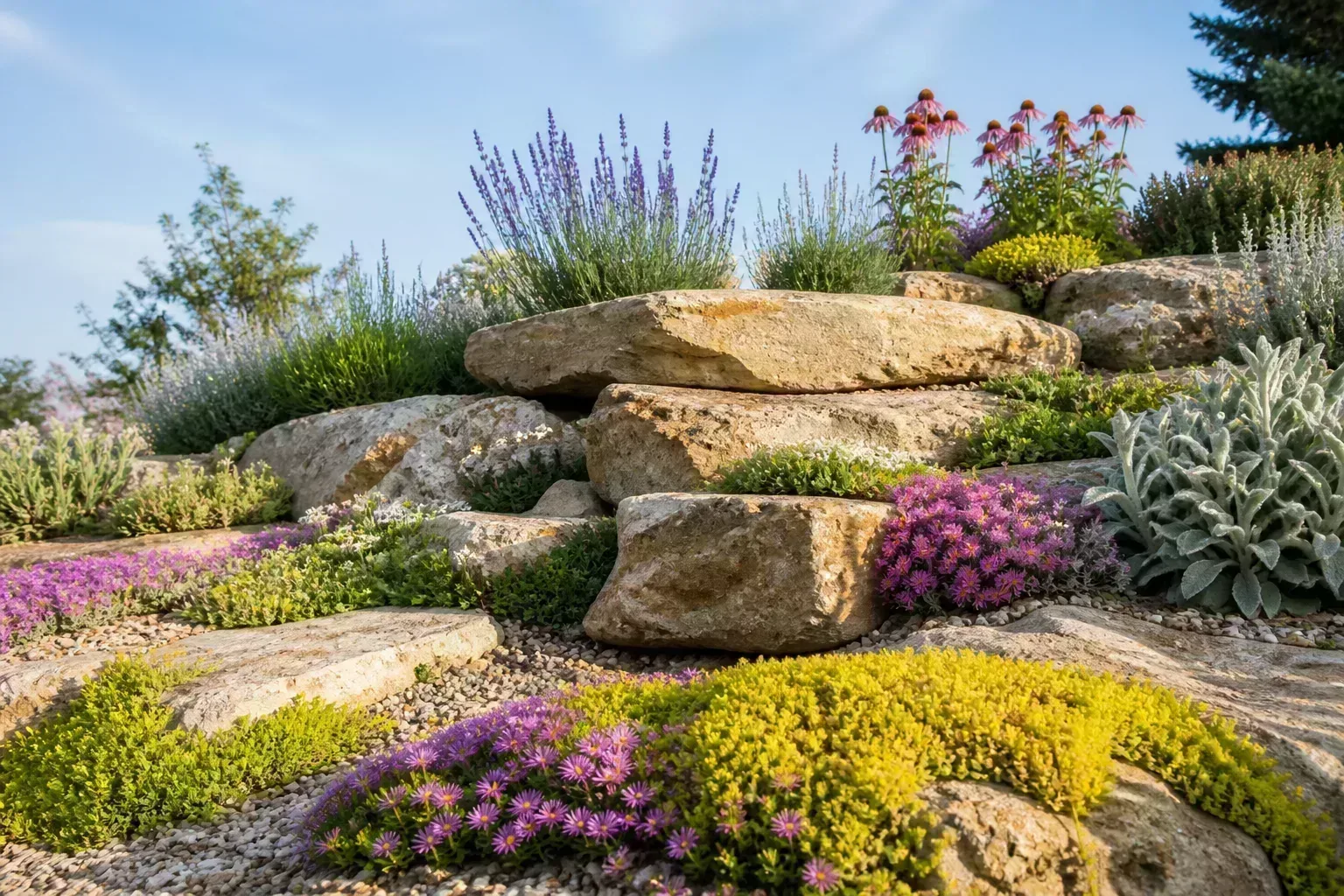
Farmers pull fieldstone from plowed ground every season and stack it along fence lines or woodland edges. With permission, you can haul decades of accumulated stone in one afternoon.
Introduce yourself at the farmhouse, not from the middle of a planted field. Offer to take an entire pile, close gates, stay out of livestock areas, and avoid driving on wet pasture. A farmer who trusts you may call back after the next frost heave pushes new stone up—relationship beats one-time scavenging.
Source 9: Residential Landscape Renovation Sites
When neighbors swap lawn for gravel or rip out old rock mulch, the old material has to go somewhere. Watch for roll-off dumpsters, skid steers, and landscape trailers on residential streets—those jobs produce the cleanest decorative stone because it was already selected for yards.
Stop when a crew is on break or knock on the door. Offer to haul away specific materials the homeowner already plans to discard. You save them dumpster weight fees; they save you retail pricing. Confirm the stone is not contaminated with landscape fabric shards you do not want woven through a new path.
Source 10: Quarries and Aggregate Suppliers
Quarries rarely advertise free stone, but many sell reject piles, tailings, and odd lots at steep discount—or give away small quantities when you haul from their waste berm. Dimension-stone quarries (granite, slate) produce broken pieces unsuitable for countertops but beautiful in gardens.
Search “aggregate supplier near me” and call about overburden, crusher run tailings, or customer return piles. Bring a hard-sided truck; they may load with a front-end loader for a nominal fee. Even when not free, quarry seconds often beat bagged retail by 60–70% on large projects.
Source 11: Rockhounding on Public Lands (With Permits)
Rockhounding—collecting rocks for personal, noncommercial use—is sometimes allowed on national forests, BLM land, and certain state lands, but rules change by district, material, and quantity. Collection is prohibited in national parks and many state parks, monuments, and archaeological sites.
The USDA Forest Service rockhounding guide stresses checking with the local ranger district before you collect. The Bureau of Land Management rock collection FAQs allow reasonable personal collecting of petrified wood, gemstones, and common invertebrate fossils on most BLM lands for noncommercial use, with district-specific limits. Utah allows up to 25 pounds per day and 250 pounds per year of common rock without a permit on many state-managed lands (Utah Geological Survey collecting rules).
Before you fill a bucket: call the land manager, read posted signs, and ask about permits, forbidden tools, and whether river cobbles are protected for habitat. Removing stone from streambeds can be illegal even when upland collection is allowed—ecosystem protection trumps garden aesthetics.
Inspect, Clean, and Prep Free Rocks Before Use
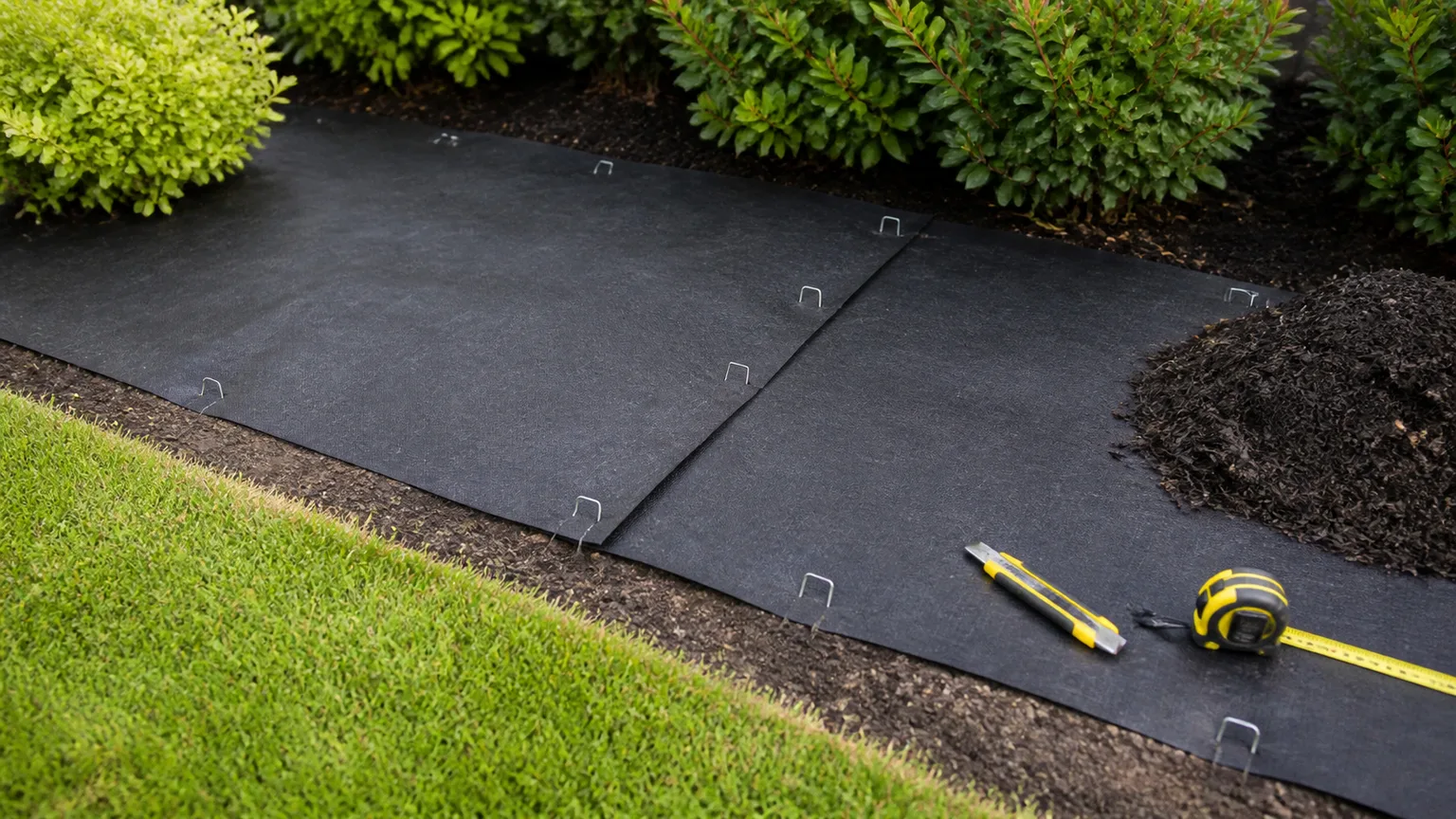
Free does not mean ready. Run this checklist before stone touches soil:
Visual scan: reject oil stains, paint chips, asphalt, rebar-studded concrete, and trash. Pest check: fire ants and snake habitat love undisturbed piles—flip stones with a shovel before hand-stacking. Wash: hose off clay and road dust; a stiff brush removes algae on slick path stone. Alkalinity: limestone and fresh concrete raise soil pH over time—fine for lavender and clematis, risky near rhododendrons. Weed seed: fieldstone from pasture may carry weed soil—brush off roots and soil clumps.
For path installs, lay landscape fabric and rigid edging before spreading gravel so your free stone does not migrate into lawn within a season. Our best landscape fabric guide compares woven vs. non-woven options.
Tools, Safety, and Hauling Limits
Minimum kit: leather gloves, closed-toe boots, safety glasses, shovel, garden fork, five-gallon buckets, wheelbarrow, tarp, and ratchet straps for truck loads. Helpful upgrades: hand truck/dolly for flagstone, pry bar for wedged boulders, dust mask when handling dry crushed concrete.
Lift with your legs, keep loads close to your body, and team-lift anything above 50 pounds you cannot comfortably carry alone. Fill truck beds evenly side-to-side. Call 811 before digging any stone into soil near utilities if you are building a French drain or dry creek tied to downspouts.
Common Mistakes When Collecting Free Rocks
Taking without permission is mistake number one—on private land, curbs without signs, construction sites, and “empty” farm piles. Underestimating weight ruins weekends and suspensions; measure coverage first. Wrong rock for the job means round river rock on a steep path or sharp crushed stone where kids walk barefoot.
Ignoring legal limits on public land can bring fines that erase years of savings. Skipping prep invites weeds, ants, and pH problems into beds you spent years improving. Partial pickups burn bridges with neighbors and contractors who wanted the full pile gone.
Free rock rewards patience and manners more than aggressive scavenging. The best haulers become known as the person who shows up on time, takes everything, and leaves sites clean.
Conclusion
How to get free rocks for your garden comes down to matching stone type to project, then working eleven sources in order of local availability: online classifieds, neighborhood gift groups, curbside cleanouts, landscapers, municipal yards, construction and road projects, farms, renovation sites, quarry tailings, and legal public-land collecting. Ask first, verify land rules, inspect material, and haul safely.
Retail stone buys consistency; free stone buys character and saves real money on large areas. Combine free rock with solid base prep and edging from our affordable DIY garden path ideas guide, and a budget hardscape can look intentional—not improvised. Start with one bed or short path, learn what sizes and shapes work in your yard, then scale up once you know how fast you can source and place stone without hurting your back or your soil.