How to Get Rid of Mosquitoes in the House Safely
Get rid of mosquitoes in the house tonight, then stop them returning with a room-by-room water check, screen repairs, airflow, and safer repellents.

If a mosquito is buzzing in your bedroom, the quickest relief is a fan aimed across the bed or chair, a focused hunt in dark resting places, and a check for nearby standing water. That handles the adult you can see. To stop the next one, you also need to empty indoor containers, repair the route it used to enter, and inspect the yard for the water source that keeps replenishing the problem.
The order matters. Killing one mosquito while leaving a full plant saucer, torn screen, or open garage door untouched is a short pause, not control. The CDC’s mosquito-control guidance separates the job into keeping mosquitoes out, controlling adults already inside, and removing water where eggs and larvae develop; that is the same practical framework to use at home.
The fastest way to get rid of mosquitoes tonight
Start at the room where you are being bitten, then work outward. Turn on a fan so the airflow crosses your sleeping or sitting zone, close the room’s exterior door and windows, and dim unnecessary lights so you can hear and spot the insect against a lighter wall or ceiling. Check the underside of furniture, curtains, closets, laundry areas, under sinks, and shower corners rather than searching only at eye level.
Use a vacuum with a narrow nozzle to capture a mosquito resting on a wall, curtain, ceiling edge, or floor. If you use a swatter, keep a tissue or vacuum nearby so the insect is actually removed. A small indoor trap can reduce flying insects in a room, but it is a supporting tool; it cannot seal a gap, empty a saucer, or remove eggs.
Once the adult is gone, do a ten-minute water sweep. Empty and scrub plant saucers, flower vases, propagation jars, humidifier reservoirs, mop buckets, pet bowls, and anything else that can hold water. Wipe the outside of containers dry, because a forgotten film of water can be enough for some mosquitoes. If bites continue tomorrow, repeat the sweep in every room rather than treating only the bedroom.
Why mosquitoes get inside and keep returning
Indoor mosquitoes usually arrive by one of three routes: they fly through an open or poorly screened opening, they are carried in unnoticed on a person or pet, or they develop in water that has been left inside. A fourth possibility is a nearby outdoor population resting in cool vegetation, a garage, a crawl-space opening, or under patio furniture and entering whenever a door opens.
Mosquitoes are drawn to the cues people create—breath, body heat, moisture, and odor—but they do not need to travel across a whole house in a straight line. A mosquito already resting under a sink may emerge when the room is quiet. Another may be waiting in a garage and follow a car or person through the connecting door. Warm weather can make the pattern more obvious, but indoor activity can continue during mild winters in regions where adults find shelter.
A lone adult versus an indoor breeding problem
A single mosquito after an open-door evening does not prove that it is breeding indoors. One or two insects that disappear after a screen repair and outdoor water cleanup are different from mosquitoes appearing every day, larvae seen in water, or activity concentrated around a bathroom, plant shelf, laundry room, or enclosed porch.
Treat repeated sightings as a source problem until you prove otherwise. Look for water that is not part of normal daily use: a vase that is refreshed only when it looks cloudy, a tray under a plant, a propagation bottle, a clogged condensate pan, a forgotten bucket, or rainwater brought indoors in a container. Mosquito eggs and larvae are easy to miss, so “I did not see anything moving” is not a reliable inspection result.
Do not confuse fungus gnats with mosquitoes. Fungus gnats are tiny, weak-flying insects associated with persistently moist potting mix and they do not bite people. If the insects rise from a plant when you water it, improve the plant’s watering and drainage routine while still checking the saucer; if the insects bite and rest like mosquitoes, investigate the room and exterior entry points instead.
Find and remove every indoor water source
Water removal is the highest-return indoor step because it can interrupt the life cycle rather than merely chase adults. The San Diego County indoor prevention checklist specifically calls out vases, plant-propagation containers, houseplant saucers, pet bowls, drains, toilets, aquariums, and dirty dishes as places to inspect.
Empty a container completely, scrub its inner surface, and let it dry before refilling it. Pouring out water without cleaning is less dependable when eggs may be attached near the waterline. For items that must stay wet, establish a repeatable refresh schedule and keep the container covered or screened when the product or setup allows it.
Houseplant saucers, vases, and propagation jars
Houseplants deserve special attention because they combine water, shade, and quiet air. Empty saucers after watering rather than letting a pot stand in runoff. If a plant needs a humidity tray, the pot should sit above the water on a stable layer of pebbles, and the water must remain below the pot base; do not trade mosquito prevention for root rot.
Change water-grown plants such as lucky bamboo on a regular weekly schedule, rinse the container, and remove slimy debris. Wash propagation jars before refilling them. Do not add oil, bleach, insecticide, or essential oil to a vase or plant reservoir: those substances can injure roots, create fumes, or expose children and pets, and they are not a substitute for emptying the water.
If you keep a humidifier, empty its reservoir when it is not in use and follow the appliance’s cleaning instructions. Check the drip tray beneath a refrigerator, air conditioner, dehumidifier, or washing machine if the design allows access. Never dismantle an appliance or reach into electrical parts just to look for water; use the manufacturer’s instructions or ask for service.
Bathrooms, drains, pet bowls, and appliances
Bathrooms have the combination mosquitoes prefer: moisture, dark gaps, and low disturbance. Dry puddles around the toilet base, shower edge, floor drain, and under-sink plumbing. Keep shower curtains spread so surfaces dry, and investigate a slow leak rather than repeatedly wiping it.
Most frequently used drains and pet bowls are not automatic mosquito nurseries, but a bowl, drain, or toilet that sits undisturbed for a week can become relevant. Refresh pet water daily, clean the bowl, and do not leave a mop bucket or cleaning pail filled overnight. For floor drains or seldom-used fixtures, follow local plumbing guidance for maintaining the trap; do not pour pesticides or random chemicals into drains.
An unfiltered aquarium, decorative fountain, or indoor water feature needs its own maintenance plan. Keep water moving when the device is designed to run, or empty and dry it when it is off. A covered, filtered setup is easier to manage than an open bowl that is forgotten in a dark corner.
Block entry points and use moving air strategically
The best indoor mosquito control is exclusion. Inspect every window screen by running a bright light behind it or looking along the frame for tears, loose edges, and gaps. Check the screen door, sliding-door overlap, garage-to-house door, and the bottom seal on exterior doors. Even a small opening at a corner can matter when a lighted room and human breath are on the other side.
Screens, doors, garages, and air conditioning
Patch a small hole with a screen-repair kit that matches the mesh, or replace a badly stretched panel. Make sure the screen fits tightly into its frame and that a door closes on its own rather than being propped open. Add or repair a door sweep where daylight or outdoor air is visible under the door, but do not block required ventilation or combustion-air openings.
Keep garage doors closed except when moving through them, and close the interior door behind you. Check vents, utility penetrations, pet doors, and damaged weather stripping. A pet door that does not seal may be the real entry route; a second screen or a properly fitted flap can help without restricting the animal.
Air conditioning helps because closed windows remove entry opportunities and conditioned air is generally cooler and drier than an open, humid room. It is not a cure for a mosquito already inside. A fan is useful in a sleeping or seating zone because moving air can disrupt a mosquito’s flight and make landing harder, but it is a comfort and bite-reduction measure, not a sealed barrier. Aim it across—not directly into—the person’s face, keep cords clear, and use a guard around children or pets.
Remove adult mosquitoes without spreading the problem
Mosquitoes rest in dark, humid, sheltered places. The CDC identifies areas such as under sinks, in showers, closets, under furniture, and laundry rooms as indoor resting locations. Search those areas methodically, especially after the room has been quiet for several minutes.
Vacuuming, targeted capture, and traps
Vacuuming is a clean option for a visible mosquito on a wall, curtain, or ceiling corner. Use the crevice tool around baseboards and behind furniture, then empty the canister or seal the bag outdoors so the insect cannot escape. Do not spray an entire room because you are unwilling to look for one adult; broad application increases exposure without fixing entry or breeding sites.
Indoor mosquito traps can be useful when a room has repeated adult activity and you need a passive monitor. Place one near—not inside—the sleeping zone, away from children’s reach and according to the device directions. Understand what it catches: some traps attract flying insects using light, heat, carbon dioxide, or airflow, while others are designed for different pests.
Bug zappers are often oversold for mosquito control. A light that kills many flying insects is not automatically effective against the mosquitoes biting you, and indiscriminate killing can remove non-target insects. A fan trap or species-targeted device may be more sensible as a supplement, but a trap that catches insects is evidence-gathering, not proof that the breeding source is gone.
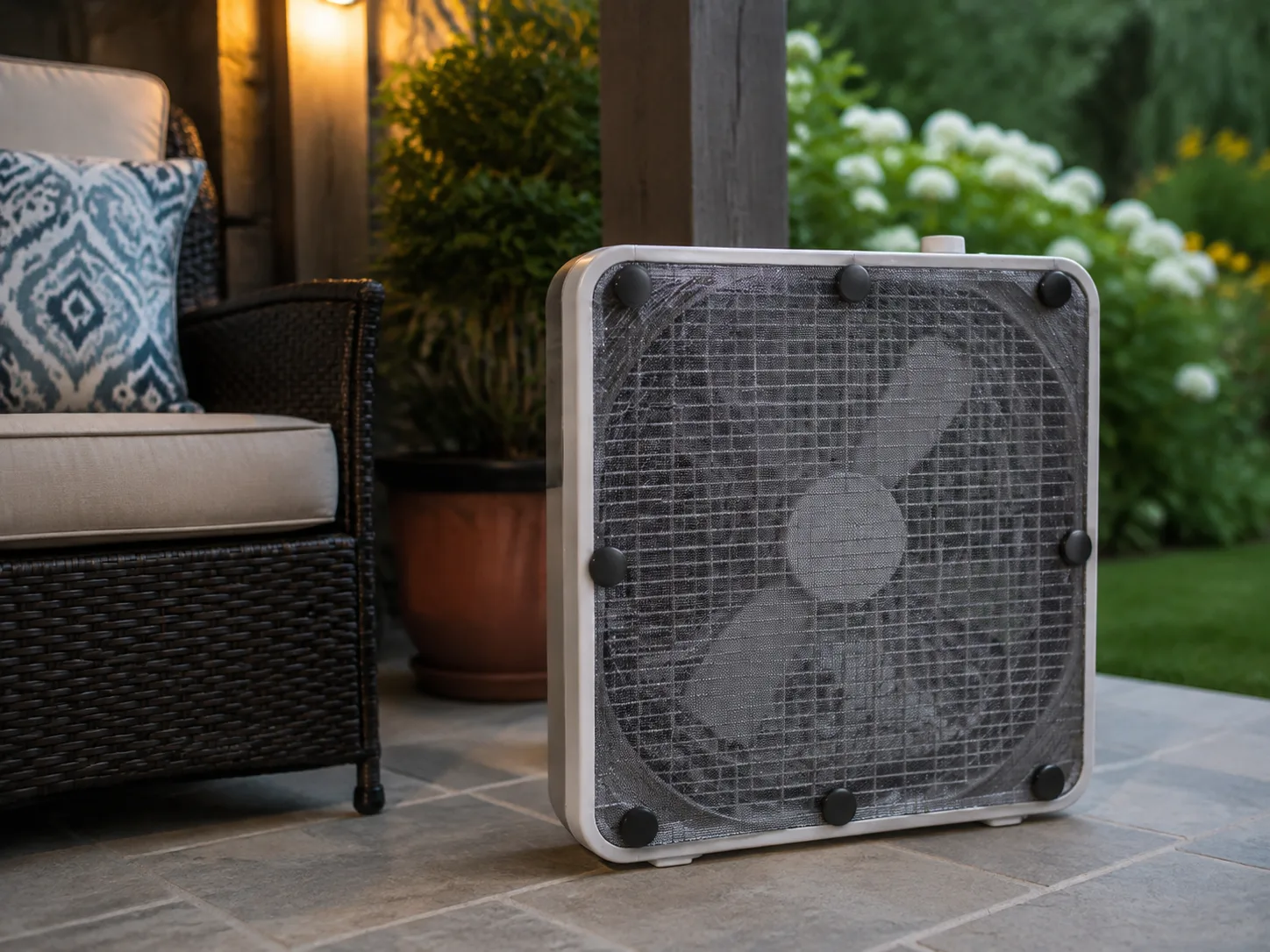
If the same room produces mosquitoes after several days of water removal and screen repair, document where and when you see them. A pattern around one room, drain, ceiling, or wall can help a pest professional find a hidden source faster than a general “we keep getting mosquitoes” report.
Use personal repellents and scented methods wisely
Repelling a mosquito from your skin is different from removing mosquitoes from your home. Use a personal repellent when you must spend time in a mosquito-prone yard or when an indoor adult cannot be found immediately, but treat it as protection for a person—not as a whole-house treatment.
Choose an EPA-registered skin or clothing repellent
For dependable bite protection, choose a product with an EPA registration and read its label for the active ingredient, application site, age limits, protection time, and reapplication instructions. Common effective active ingredients include DEET, picaridin, IR3535, and oil of lemon eucalyptus or PMD in formulated products. The CDC’s bite-prevention guidance explains that plant-derived does not mean untested, and it warns against using oil of lemon eucalyptus or PMD products on children under 3.
Apply topical repellent only to exposed skin and only as directed. Do not put it under clothing, on cuts, irritated skin, or a child’s hands, eyes, or mouth. If sunscreen is needed, apply sunscreen first and repellent second. Wash treated skin when the label says to do so, and store the container where children and pets cannot reach it.
Permethrin-treated clothing is a separate category. Never apply a clothing-treatment product directly to skin, and never assume a spray labeled for a yard, room, pet, or plant is appropriate for people. Pregnancy, breastfeeding, allergies, respiratory conditions, young children, and household pets are good reasons to read the label carefully and ask a clinician or veterinarian when the product choice is uncertain.
Set realistic limits for oils, candles, and plants
Citronella candles, essential-oil diffusers, and aromatic plants may change the smell around a patio or seating area, but they do not create a reliable indoor shield. A plant releases an uncontrolled amount of scent, and a candle’s coverage changes with wind, placement, and the number of people nearby. Gardening Know How’s mosquito-control overview appropriately treats citronella and “mosquito plants” as limited aids rather than total control.
If you enjoy lavender, basil, rosemary, mint, lemongrass, marigolds, or citronella-type plants, grow them for fragrance, pollinators, cooking, or patio design first. Do not rub crushed leaves or essential oils on your skin unless the specific product is labeled for that use and you know it will not irritate you. The Epic Gardening discussion of mosquito-repellent plants also notes the important difference between a living plant and a concentrated, formulated oil.

Never diffuse essential oils in a small closed room as a substitute for ventilation or protection, and do not put them in pet water, plant water, humidifiers, or floor drains. Cats, birds, dogs, children, and people with asthma can have different sensitivities. A pleasant smell is not a safety test.
Fix the outdoor conditions feeding the indoor problem
If mosquitoes keep returning after you close the house, the source may be outside the room. Outdoor adults rest in shaded, humid areas and move toward people at doors, porches, garages, and windows. Treat the area immediately outside the entry as part of the house’s mosquito-control zone.

The weekly standing-water patrol
Walk the property after rain and once a week during mosquito season. Empty and scrub anything that holds water: flowerpot saucers, toys, buckets, wheelbarrows, tarps, recycling bins, children’s pools, birdbaths, pet dishes, clogged drains, and low spots. The CDC recommends emptying, scrubbing, turning over, covering, or throwing out water-holding items once a week.
Cover rain barrels and cisterns tightly. If a container cannot be dumped or covered, use only a larvicide labeled for that exact water feature and follow the label. Bti products can be useful for some standing water that cannot be removed, but a product intended for ponds, birdbaths, or ornamental water is not automatically appropriate for drinking water, aquariums, livestock, or every wildlife setting.
Keep swimming pools treated and circulating, turn over small inflatable pools, and remove water from pool covers. Clear leaves from gutters and downspouts so water drains rather than sits. Check air-conditioner condensate, outdoor faucets, irrigation overspray, and the saucers beneath patio plants. If a neighbor’s property, construction site, storm drain, or shared courtyard is producing mosquitoes, report it to the property manager or local vector-control department rather than trespassing or applying chemicals to someone else’s water.
Trim dense groundcover only enough to restore airflow and access for inspection. You do not need to strip the garden bare: the goal is to remove wet containers and sheltered pockets near doors while keeping healthy habitat elsewhere. A fan across the porch seating zone, a repaired screen door, and a clear path from the garden edge to the entry can provide more reliable comfort than buying several scented products.
A seven-day reset plan that makes the fix stick
Tonight: Remove the adult mosquito with a vacuum or targeted capture, run a fan across the seating or sleeping area, close the room, and empty nearby water-holding containers. Make a note of the room, time, and weather.
Tomorrow: Inspect every window and door screen, the garage connection, pet door, vents, and weather stripping. Patch the smallest gaps first and keep doors closed while you work. If a screen is loose or badly damaged, schedule a replacement instead of relying on a temporary towel or tape.
Day three: Check the indoor plant shelf, vases, propagation jars, humidifier, dehumidifier, appliance trays, bathroom, laundry room, and seldom-used drains. Look behind furniture and under sinks for moisture or leaks. Refresh pet water and clean the bowls.
Day four: Walk outside after a rain or watering cycle. Empty containers, correct sprinkler puddling, clean gutters, cover water storage, and turn over unused pots and toys. Inspect the foundation, porch, garage, and shaded vegetation near the entry.
Day five: Review what you caught and where. If traps catch insects but sightings continue, the trap is not the fix; use the pattern to find the route or source. If bites happen only outdoors, shift effort toward clothing, labeled repellent, a fan, and yard source control rather than indoor spraying.
Day six: Repeat the water sweep. Mosquito control is a routine, not a one-time decluttering project. Ask neighbors or building management about shared courtyards, roof drains, planters, rain barrels, and stormwater if your own property is dry but activity remains high.
Day seven: Decide whether the problem is improving. Fewer sightings after exclusion and water removal means maintain the weekly patrol. Continued daily activity, larvae in inaccessible water, or mosquitoes emerging from a wall, ceiling, crawl space, or HVAC area is a reason to seek an inspection.
Common mistakes that waste time
The first mistake is treating the visible adult as the whole problem. A swatter is fine for immediate relief, but it does nothing to the water, screen, or shaded resting place that supplied the next mosquito.
The second is leaving “clean” water alone. Clear water in a saucer, vase, or bucket can still matter. Mosquito prevention is about how long water sits and whether eggs can be attached near the container wall, not whether the water looks dirty.
The third is confusing a fragrance with a repellent. Candles and plants can make a patio more pleasant, but they are not a substitute for an EPA-registered product on exposed skin, and they do not protect an entire house. Do not make claims about an oil based on smell alone.
The fourth is spraying before reading the label. Indoor aerosols and foggers can work quickly against adults in the places they reach, but they may need reapplication, require people and pets to leave, and can create fire or exposure hazards if misused. The CDC notes that indoor insecticide alone will not keep a home free of mosquitoes. Never use an outdoor pesticide indoors, increase the dose, mix products, or spray plant water, pet bowls, food surfaces, or air-conditioning equipment unless the label explicitly permits it.
The fifth is using a bug zapper or ultrasonic device as proof of control. A device can be noisy, bright, or busy while the biting mosquitoes continue to enter through the screen door. Measure success by fewer sightings and bites after source reduction and exclusion, not by how dramatic the device looks.
When to call a pest-control professional
Call for help when the source is inaccessible, the problem is recurring, or household risk makes experimentation a poor choice. Useful triggers include mosquitoes appearing daily for more than a week, larvae in a drain or structural void, water under flooring or inside walls, a suspected crawl-space or attic source, heavy activity around an HVAC system, or a property-wide problem that you cannot control alone.
Professional help is also sensible when someone in the household is especially vulnerable to mosquito-borne illness, when bites are severe or reactions are concerning, or when you need treatment around a shared building. Ask what the inspection will cover, whether the company is licensed where you live, which products will be used, what must be removed or vacated, and how follow-up will be handled. A good service should discuss screens, water, habitat, and entry routes—not simply promise that one spray will end the problem.
If anyone develops fever, severe headache, confusion, breathing trouble, rapidly spreading swelling, or other concerning symptoms after mosquito exposure, seek medical advice promptly. Mosquito control reduces exposure, but it cannot diagnose or prevent every illness.
Conclusion
To get rid of mosquitoes in the house, combine immediate removal with source control: run a fan across the room, capture adults in dark resting places, empty and scrub indoor water containers, repair screens and door gaps, and inspect the outdoor perimeter every week. Use traps, candles, plants, and indoor insecticides as limited, label-directed layers—not as replacements for exclusion and drainage.
The most useful test is simple: after seven days, are there fewer mosquitoes and fewer bites? If yes, keep the weekly patrol and screen maintenance. If no, stop adding random remedies and look for hidden water, a shared outdoor source, or an inaccessible entry route that deserves a qualified inspection.



