How to Grow Raspberry Bushes in Your Own Home Garden
Grow raspberry bushes at home with a variety suited to your climate, a manageable planting row, the right pruning plan, and dependable berry harvests.
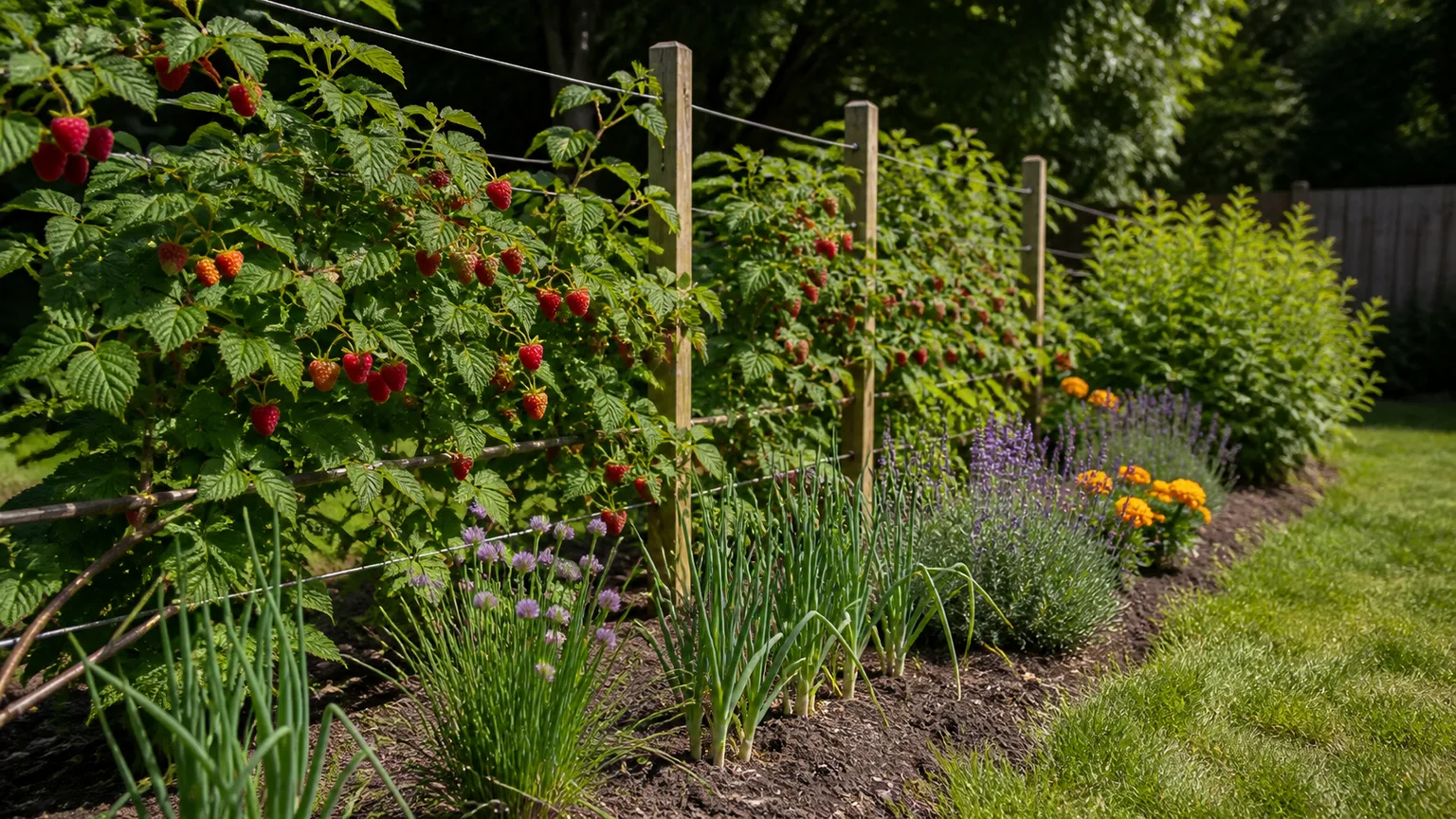
To grow raspberry bushes well, start with a cultivar that suits your winter and summer, plant it in a sunny site where water drains freely, and decide whether you want a summer crop on second-year canes or a fall crop on first-year canes. Raspberries are perennial at the crown and roots, but individual canes have a two-year life cycle. Once you understand that cycle, planting, pruning, and harvesting become much easier to manage.
The most common failure is an avoidable mismatch: a fall-bearing cultivar may not ripen before frost, a heat-sensitive plant can struggle in an inland summer, and cutting summer-bearing canes to the ground can remove the next crop. Match the plant’s fruiting season to your local climate before you buy.
The short answer: match the raspberry to your climate and pruning time
Choose a raspberry cultivar recommended for your region, then give it full sun, well-drained soil, an open row, steady moisture, and support. Plant dormant bare-root canes as soon as the soil is workable in spring, or set potted plants out after severe frost risk has passed. Keep the crown near the soil surface, water the root zone, and mulch without burying the base.
Before pruning, identify whether the variety bears in summer on overwintered floricanes or in late summer and fall on current-year primocanes. Remove spent canes after they fruit, but leave healthy first-year canes when they are carrying next year’s crop. Summer-bearing cultivars generally do not produce a meaningful crop in their planting year; a primocane-fruiting variety can fruit in its first fall if it is established early and the season is long enough.
Understand the raspberry cane cycle before you cut
Think of a raspberry as a small colony of short-lived stems attached to a long-lived root system. The crown and roots persist while each cane grows, fruits according to its type, and then dies. New canes arise from the crown or, in red and yellow raspberries, from spreading roots that send up suckers beyond the original plant.
Primocanes and floricanes have different jobs
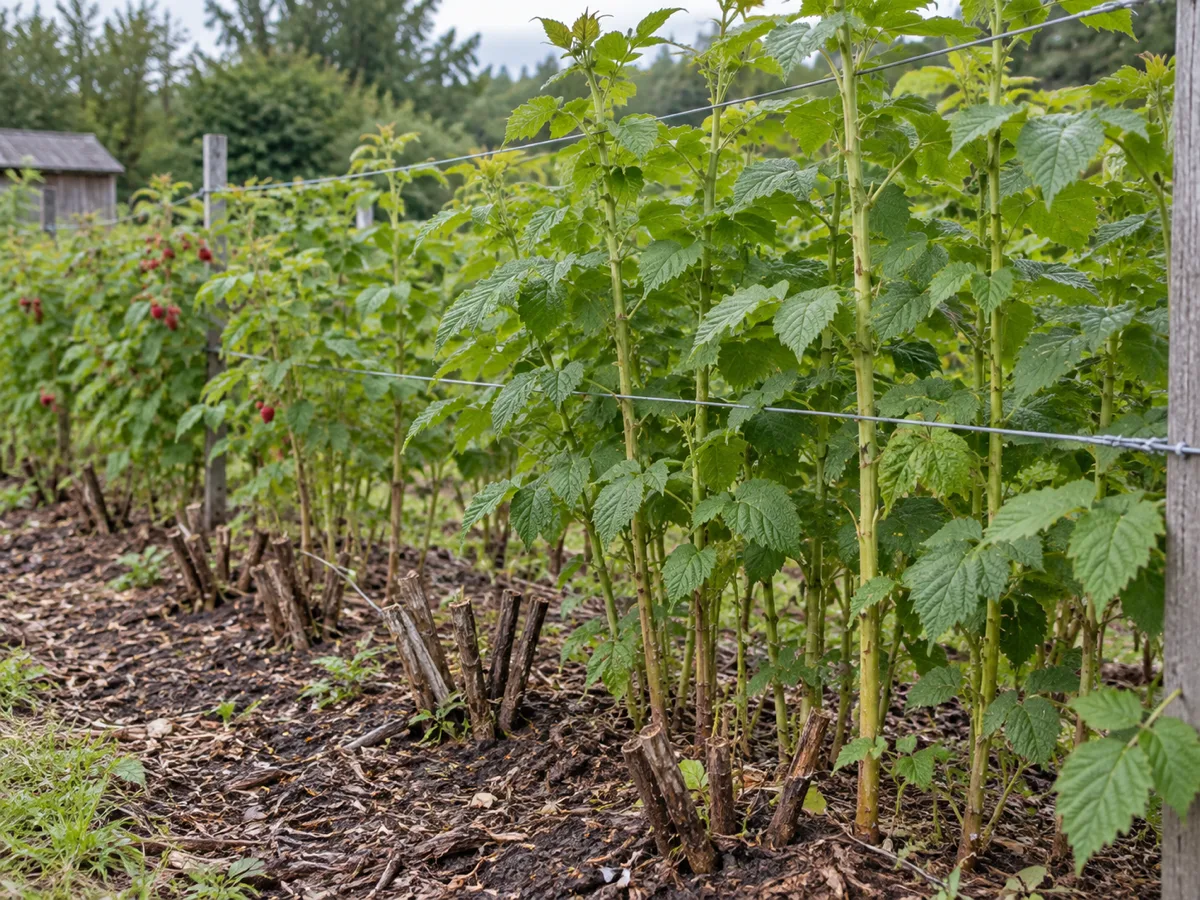
A primocane is a first-year cane. It is usually green, flexible, and leafy; on summer-bearing cultivars it grows this season and normally carries fruit next summer after it overwinters. A floricane is a second-year cane: it becomes woody, flowers and fruits, then dies back. University of Minnesota Extension explains this cane sequence and notes that primocane-fruiting varieties are the exception that can carry a crop on the tips of new canes in their first year.
Use the stem’s history, not just its color, when pruning. After a summer crop, the cane that carried fruit will not fruit again; remove it at ground level, taking care not to nick nearby young canes. Fall-bearing plants can be treated as a single fall crop by removing all canes in late winter, or managed for two crops by keeping selected canes after the fall harvest and trimming off only their fruited tips.
Choose a fruiting type and a locally proven cultivar
There are two useful categories for home gardeners. Summer-bearing (floricane-fruiting) raspberries produce one concentrated crop, usually in early or midsummer, on canes that grew the previous year. Fall-bearing (primocane-fruiting) raspberries produce a crop near the tips of new canes in late summer or fall; if you keep those canes over winter, some varieties can also give a smaller early-summer crop the following year.
The best type depends on your harvest preferences as much as the calendar. Pick summer-bearing plants when you want a substantial crop for freezing or preserves and can wait until the second growing season. Choose fall-bearing plants for a later harvest, simpler annual pruning, or a first-year crop, but check whether fall fruit can ripen before frost where you live. Do not mix the two types in one indistinguishable row: their pruning schedules diverge, and labels are easy to lose once canes overlap. Gardener’s Path’s home raspberry guide makes the same practical point about keeping varieties separated so their different pruning routines stay clear.
| Garden priority | What to look for | Tradeoff to expect |
|---|---|---|
| Early summer harvest in a cold region | A locally tested, cold-hardy summer bearer such as ‘Nova’ or ‘Boyne’ where recommended | The canes that carry fruit must survive winter; crop generally begins the second year |
| One large late-season harvest | An early or mid-season primocane cultivar suited to the local frost date | Cutting canes down simplifies pruning but gives up the smaller possible summer crop |
| A long picking season | One summer-bearing and one fall-bearing variety, grown in separate rows | More harvest weeks, but also two pruning calendars and more frequent picking |
| Limited space | A compact or less vigorous cultivar specifically rated for containers | Pots dry quickly, need winter protection, and still require support and cane thinning |
Cultivar descriptions are regional, not universal. For example, Minnesota Extension’s variety trials distinguish cold hardiness, harvest timing, disease tolerance, and heat response among named selections; ‘Nova’ is noted there for cold tolerance and heat tolerance in that region, while ‘Caroline’ is not recommended for heat or drought. Those traits do not automatically make either one the best choice elsewhere. Ask a nearby extension service or reputable fruit nursery for varieties that have actually fruited reliably in your climate.
Account for winter, summer heat, and season length
A USDA hardiness zone tells you about average winter minimums, but it does not say how hot your summers run, whether winter temperatures swing sharply, how much chilling a cultivar needs, or whether a fall crop will ripen before frost. Colorado State Extension’s regional recommendations illustrate the difference: in Colorado trials, some fall-bearing types are hardier than summer-bearing types, while winter-to-spring temperature swings can injure overwintered floricanes. In hot-summer locations, heat reflected from pavement or south-facing walls can stress fruit and leaves; shade in the hottest afternoon and reliable irrigation can help, but cannot make a poorly adapted variety thrive.
The constraint is especially clear in the South and Southwest. Texas A&M AgriLife’s 2025 raspberry guidance treats variety selection and shade strategies as central to production in southern heat. Before buying, ask which named cultivar has fruited locally and whether its crop matures in your season. If recommendations are scarce, start with one or two plants rather than a long row.
Pick a sunny site with drainage, airflow, and the right soil
Choose a site that receives at least six hours of direct sun, has good air movement, and is sheltered from desiccating wind. Raspberries tolerate light shade, but fruit yield and quality usually fall as light decreases. Avoid low spots where water stands after rain or cold air settles, and leave a path wide enough to pick without pushing through thorny canes.
Drainage is critical because raspberries are vulnerable to root and crown problems in waterlogged soil. If the bed stays saturated after rain, plant on a raised row or in a raised bed before setting canes; adding compost alone will not correct a persistently wet site. Avoid planting into an old raspberry patch or an area recently affected by a soilborne root disease, since pathogens can persist and reinfect new stock.
Test pH before adding lime or fertilizer
Raspberries usually prefer mildly acidic soil, but published target ranges vary by region and soil conditions. Oregon State’s home-garden guide gives a preferred range around pH 5.6 to 6.5, while Minnesota guidance identifies a broader workable range; a soil test is the safest way to see what your garden needs. Do not add lime because a neighbor uses it or sulfur because raspberries are “acid-loving.” Both amendments can create new nutrient problems if applied without measurement.
A soil test also prevents a common mistake: trying to cure weak plants with a high-nitrogen fertilizer when the actual issue is drainage, pH, or root damage. Before planting a permanent row, clear perennial weeds and work in mature compost if the soil is low in organic matter or structure. Keep fresh manure away from ripening fruit and follow local food-safety guidance for any amendment used on an edible crop.
Plant bare-root or potted raspberries at the right depth
Plant bare-root raspberries in early spring as soon as the ground can be worked, while the canes are dormant. Keep roots cool and moist until planting; if the soil is not ready, temporarily heel the roots into moist soil rather than leaving them exposed to air. Container-grown plants can be planted when the soil is workable and heat is not extreme, with local timing adjusted for frost and summer conditions.
Set the plant so its upper roots or crown sit at the soil surface, generally no more than an inch or two below grade, and spread bare roots outward in a shallow hole. Set a potted plant at the level it was growing in its container; loosen tightly circling roots before backfilling. Water slowly to settle the soil, then cut back a newly planted bare-root cane according to the nursery’s instructions. This is different from buying a “long cane” with a crop already on it, which may need to stay intact to preserve that season’s fruit.
Space plants roughly 2 to 3 feet apart in a home hedgerow, then keep the row narrow rather than allowing suckers to fill the entire bed. Oregon State Extension’s guide notes that recommended spacing and row width vary by fruiting type and system; many home gardeners can start with a 12- to 18-inch row and remove shoots outside it. Leave enough room between rows for access and airflow, adjusting for the variety’s vigor and your local instructions.
Set up support before the canes become a thicket
A simple trellis makes raspberries easier to prune and pick and keeps fruiting canes from leaning into paths or onto the soil. For a short row, use two sturdy end posts with one or two horizontal wires; for a longer row, add intermediate posts so wires do not sag under a wet crop. Install the posts before planting or while the row is young, when you can work without damaging the root zone.
For summer-bearing plants, keep this year’s fruiting canes apart from next year’s green canes. This makes postharvest pruning straightforward: remove the side holding spent floricanes and retain the young canes. Support fall-bearing canes between parallel wires or tie them loosely to a central line.
Use soft ties that will not cut into thickening bark, and leave access to both sides of the row. If the structure is hard to reach, spent canes and overgrowth are more likely to remain tangled and foliage will dry more slowly after rain.
Keep roots moist with mulch, irrigation, and weed control
Raspberry roots are shallow, so aim for consistent moisture through flowering and fruit development rather than alternating drought with a heavy soak. Oregon State Extension gives about 1 to 1.5 inches of water per week during the growing season for established plants, with more frequent watering needed in sandy soil and less in heavier soil or rainy weather. Use that as a starting point, not a fixed timer: check the root zone, rainfall, temperature, and plant stage before watering.
Drip irrigation or a soaker hose keeps water near the soil and reduces the time leaves and fruit stay wet. If you water by hand, soak the root zone instead of sprinkling the tops every day. Newly planted canes need closer attention because their roots have not spread; established plants may need extra water during a dry spell, especially while berries are sizing up.
Apply an organic mulch such as composted bark or shredded leaves to reduce weeds and slow moisture loss, keeping it a few inches away from the crowns. Replenish the layer as it decomposes, and avoid piling thick wet mulch directly against cane bases. Weed while growth is small and remove unwanted raspberry suckers from the paths: a narrow, accessible row is easier to harvest and dries faster after rain than a dense patch.
Feed raspberries only when the soil and growth call for it
Raspberries need nutrients, but more fertilizer does not mean more berries. Excess nitrogen often produces long, leafy canes with wide spacing between fruiting laterals and a crowded canopy that is harder to manage. University of Minnesota Extension recommends basing raspberry nutrition on soil testing and notes that fertilizer needs vary with soil, cultivar, planting age, and production system.
Before planting, follow the soil laboratory’s lime, phosphorus, and potassium recommendations. For an established home planting, use the same test results and observe growth before applying a balanced or nitrogen fertilizer in spring. If canes are vigorous and dark green, skip extra nitrogen; if growth is weak, first rule out shade, waterlogging, drought, crowded roots, and disease before feeding.
Apply granular fertilizer evenly over the root zone and water it in, keeping concentrated product away from the crown. Do not copy a commercial per-acre schedule onto a few backyard plants; products differ in nutrient strength, and the right dose depends on row length and the test recommendation. Container raspberries need regular feeding because nutrients wash out with frequent watering, but use the label’s container rate and watch for salt buildup or leaf-edge burn.
Prune summer-bearing raspberries after they fruit
For a summer-bearing variety, the annual rule is simple once you know which canes fruited: remove every spent floricane at ground level after harvest, and keep healthy primocanes for next year. The crop forms on the second-year wood, so cutting the whole row down in fall or winter removes the next summer’s fruiting canes. If the variety is still unidentified, wait to make major cuts until you have observed its fruiting pattern or checked the original label.
After harvest, use clean, sharp pruners to remove the woody canes that carried fruit, then pull them out of the row. In late winter or early spring, remove winter-killed tips and thin the remaining canes so the strongest stems have light and space. Exact cane counts vary by cultivar, row width, and trellis system; a practical home-garden test is whether you can see through the row and reach the berries without forcing canes apart.
Red and yellow raspberries commonly send suckers beyond the row; cut or dig those that emerge into paths. Black and purple raspberries tend to form more discrete hills and have their own tipping and lateral-pruning needs, so use a regional guide for the specific type rather than applying red-raspberry cane counts. RHS’s pruning directions likewise separate summer-fruiting canes, which are removed after cropping, from the young stems retained for the next year.
Prune fall-bearing raspberries for one crop or two
Fall-bearing raspberries offer a choice, and the easiest system is often the best one for a small garden. To get one concentrated fall crop, cut all canes close to ground level in late winter before new growth starts. New primocanes emerge in spring and fruit near their tips late in the season; this annual cut also removes old cane material and reduces the chance that winter injury complicates pruning.
For two crops, leave selected fall-fruited canes over winter. In late winter, remove only the dead fruiting tips; the lower, unfruited portion of each cane can bear a smaller summer crop, while new primocanes produce the main fall crop. Once the retained cane finishes its summer harvest, cut it out at ground level so it does not remain as dead clutter.
Choose one concentrated fall crop or a longer two-crop season
The single-crop method reduces decisions and can produce a more concentrated fall harvest, but it gives up early summer berries. The double-crop method stretches the season but needs stronger plants, more careful cane selection, and winter survival of the retained stems. Oregon State Extension advises that double cropping is a distinct pruning system; the RHS notes it is best reserved for established, vigorously growing plants.
Short growing seasons change the calculation. If a fall crop usually reaches the first frost while still green, it may be more useful to preserve overwintered canes for a summer crop or choose an earlier-ripening cultivar. Keep a simple label and a seasonal note of when flowers and ripe berries appear; that record will tell you more about your patch than a generic calendar date.
Harvest fully ripe berries often and handle them gently
Raspberries are ripe when they have full cultivar color, feel plump, and release from the central receptacle with a gentle touch. If a berry resists, leave it for another day; raspberries do not sweeten appreciably after picking. Check the undersides of leaves because fruit can ripen unevenly within a cluster, and pick every two or three days during warm weather or a flush of ripe fruit.
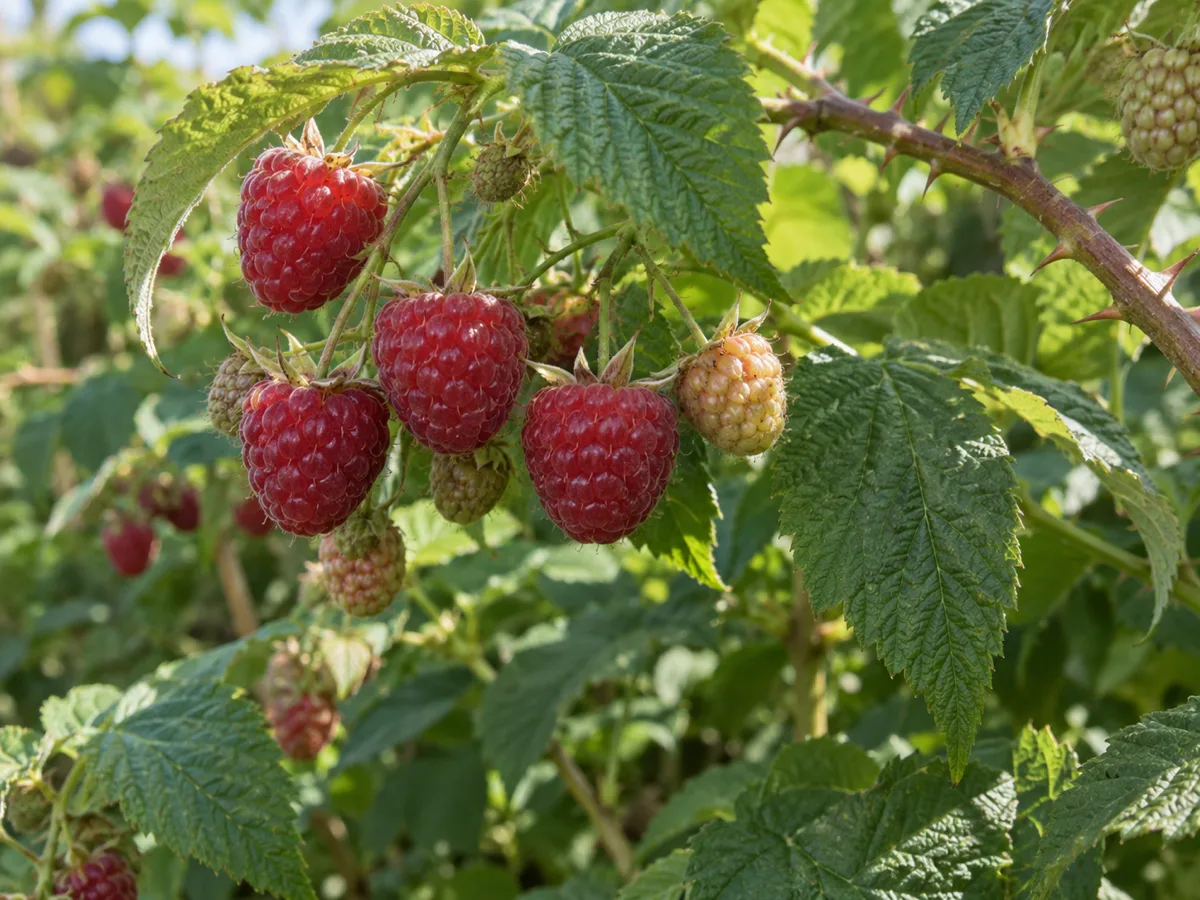
Pick into a shallow, clean container so the lower berries do not get crushed. If possible, harvest after dew has dried and before afternoon heat; wet fruit molds faster and warm fruit loses quality quickly. Refrigerate berries soon after picking, keep them dry, and rinse only shortly before eating or cooking. Freeze extra berries in a single layer, then transfer them to a sealed container once firm.
Regular picking is also part of pest management. Remove overripe, moldy, or fallen berries rather than leaving them in the row, where they can attract sap beetles and help fruit rot spread. If berries suddenly become soft or collapse while still on the plant, do not assume the cause is only overwatering; inspect for insect damage and disease before deciding how to respond.
Grow compact raspberries in containers with extra care
Raspberries can grow in a large container, but choose a compact cultivar sold for small spaces rather than forcing a vigorous row type into a pot. Recommendations vary: the RHS gives 40 centimeters wide by 30 centimeters deep as a minimum for one compact cane, while Oregon State Extension recommends a container about 2 feet deep, often 20 to 30 gallons, for a longer-term plant. If space allows, favor the deeper container; use free-draining mix, drainage holes, and support before the canes grow tall.
Pots dry faster than garden soil because they heat from the sides as well as the surface. Check root-zone moisture during hot weather, water when the mix begins to dry, and do not leave the container standing in water. Feed according to the label and remove extra canes.
Container roots are more exposed to winter cold than roots in the ground. In severe winter climates, move the pot to an unheated sheltered spot or insulate it while preserving drainage; do not bring a temperate raspberry into a warm living room for the winter. A raspberry needs an outdoor seasonal cycle, and indoor conditions rarely provide the light, space, and pollination needed for reliable fruit.
Diagnose weak growth, poor fruit, pests, and disease
Start by matching the symptom to the plant’s stage and growing conditions. A cane that has just fruited and is dying is normal; a cane that wilts while its neighbors are vigorous is not. Check soil moisture, drainage, light, and cane age first, then inspect stems, leaves, and berries for a pattern before applying any treatment.
Small or sparse harvests often come from a mismatch between pruning and fruiting type, not a fertilizer shortage. Summer-bearing plants may simply be in their first year, while an early season cut may have removed the floricanes that would have carried fruit. Shaded canes, severe drought during fruit development, poor pollination weather, dense rows, or a cultivar unsuited to the local climate can also reduce yield.
Gray fuzzy growth on fruit after wet weather suggests Botrytis gray mold; remove affected berries and improve airflow. Crumbly or misshapen fruit can follow poor pollination, stress during berry development, or raspberry bushy dwarf virus, so seek a local diagnosis if it repeats. Oregon State’s disease guide describes Phytophthora root rot as a risk in wet, heavy soil, where primocanes may wilt or die; correcting drainage matters more than spraying foliage.
Spotted-wing drosophila can infest ripening fruit before it looks spoiled, while Japanese beetles chew foliage and spider mites may cause stippling and fine webbing in hot, dry conditions. UMN Extension’s insect guide identifies spotted-wing drosophila and Japanese beetles as primary raspberry pests and lists mites and sap beetles as occasional problems. Harvest frequently, discard damaged fruit, keep the row open, and ask local extension for a confirmed diagnosis and region-approved controls before using any pesticide; follow its label and preharvest interval exactly.
Protect canes through winter and propagate healthy suckers
After fall cleanup, leave the canes needed for next year’s crop standing until the pruning schedule for their type. In colder or windy locations, exposed floricanes may suffer winter injury; a locally recommended practice may include loosening canes from wires and laying them down or covering the root zone with mulch. Do not use deep wet mulch against crowns, and do not assume winter protection is needed in every climate.
Gardeners sometimes dig a healthy-looking sucker during dormancy to fill out an existing row, as the RHS propagation guidance describes. That shortcut carries uncertainty: a cane can look healthy while the plant carries a virus. Oregon State Extension recommends certified disease-free stock for a new planting, so buy clean plants when starting a separate patch; if you do transplant within a known healthy row, keep the root moist and water the sucker as it establishes.
Do not replant into a bed where diseased raspberries recently grew. Colorado State Extension recommends certified stock and avoiding sites with recent bramble and susceptible-crop history. Label the cultivar and record harvest dates so future pruning stays tied to the plant rather than guesswork.
Conclusion: make cane age your guide
Choose a locally recommended cultivar, keep its root zone drained and evenly moist, and prune only after identifying which canes fruited. Leave unfruited summer-bearing canes for next year; for a fall-bearing cultivar, choose one crop or two. A small labeled planting is an easier place to start than a large, unidentified thicket.



