How to Control Gnats Outside Your Home and Yard
Learn how to control gnats outside by finding wet soil, standing water, decay, and leaks, then use traps or biological controls safely.
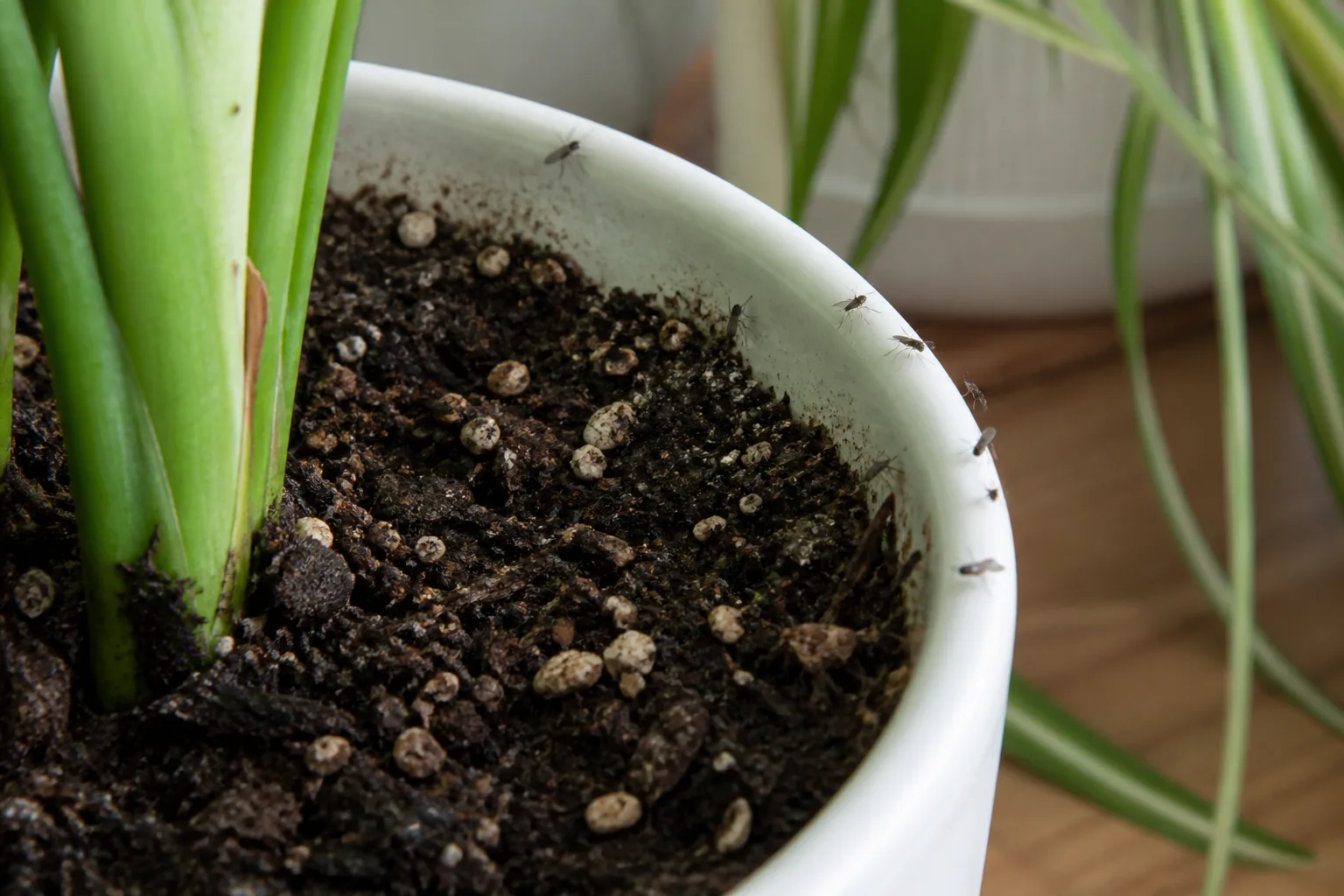
If gnats suddenly cloud the air around your patio, the instinct is to kill the flying adults. That is usually the least useful place to start. Find the wet, organic, or decaying place where they are completing their life cycle, correct that condition, and use traps or a targeted larval treatment only where the evidence points.
“Gnat” is a loose common name, not one pest. A slow, dark fly lifting from damp potting soil is probably a fungus gnat; a fuzzy fly resting on a drain is a drain fly; tiny flies around ripe fruit or a bin may be fruit flies. Eye gnats and other small flies can also gather outdoors, and biting flies require a different response. The plan below is designed to reduce nuisance populations without turning a healthy garden into a pesticide zone.
Start With the Breeding Site, Not the Swarm
What people call “gnats” outdoors
Fungus gnats are the main concern when small dark flies walk across soil, hover weakly around containers, or rise from a seed tray when you water. Their larvae live in the upper layer of moist organic media, feeding mostly on fungi and decaying material, although root-feeding can injure seedlings and young plants. UC Integrated Pest Management describes a complete generation at about 75°F as potentially as short as 17 days, so a few adults can become a visible wave when soil stays continuously wet. (UC IPM)
Many outdoor fungus gnats are harmless decomposers and part of the food web. The RHS notes that they occur outdoors without generally damaging garden plants; the situation deserves active control when larvae are harming seedlings, containers remain chronically wet, or the adult cloud is interfering with outdoor living. (RHS)
A quick identification table
| What you notice | More likely source | First action |
|---|---|---|
| Slender dark flies on or above wet potting soil | Fungus gnats | Let the surface dry as the plant allows; place a small yellow card; inspect larvae |
| Tiny moth-like flies clustered on a drain, grate, or sludge | Drain flies | Clean the organic film in the drain and correct the moisture source |
| Tan flies around fruit, drink spills, trash, or fermenting material | Fruit flies | Remove the food source and clean the container or spill |
| Flies repeatedly targeting eyes or wounds | Eye gnats or another nuisance fly | Reduce exposed moist soil and seek local identification if persistent |
| Bites, especially at dusk or near dense vegetation | Not necessarily fungus gnats | Identify the biting insect before using any product |
This distinction matters because a soil drench cannot clean a drain, and a vinegar cup cannot solve a soggy raised bed. If the flies do not match the soil pattern, do not keep escalating a fungus-gnat treatment just because the common name sounds right.
The 30-Minute Yard Inspection
Walk the property after irrigation or rain, when moisture sources are easiest to see. Start at the place with the greatest number of adults, then move outward in a widening circle rather than treating the entire yard at once.
Check water, soil, decay, and containers
Look beneath saucers, around hose connections, under leaky emitters, and in low spots that stay shiny after the rest of the bed dries. Inspect clogged gutters, drain openings, buckets, children’s toys, watering cans, wheelbarrows, and rain-barrel lids. Standing water is important for several nuisance flies, but it is not proof that every gnat you see breeds there.
Next, disturb the surface of container soil and compost—not the roots. Note whether the top inch remains dark and wet between waterings, whether algae is growing on the media, and whether fallen leaves or spent flowers are pressed against the stem. UC IPM specifically identifies excess moisture, standing water, algae, weeds, and decomposing organic material as conditions that favor fungus gnats. (UC IPM nursery guidance)
For a pot or seed tray, place a cut piece of raw potato with the cut side down on the soil for two to four days. Fungus gnat larvae are attracted to it, making it a rough monitoring tool; remove it promptly and discard it rather than leaving rotting food in the pot. Use this test in a container, not as a reason to scatter food around the yard.
Decide whether treatment is justified
Treat when you find a repeating source plus a meaningful impact: seedlings wilting despite adequate water, adults emerging from several containers, people unable to use a patio, or plants at risk from prolonged saturation. A few flies over an outdoor compost pile do not automatically justify treatment. Outdoor ecosystems contain predators and decomposers, and removing every small fly is neither realistic nor desirable.
Remove the Conditions That Keep Gnats Reproducing
Correct irrigation and drainage
Change the watering decision, not just the amount. Water the root zone when the plant needs it, apply enough to wet the root area evenly, and let excess drain; do not add short daily sprinkles that keep the surface damp without reaching roots. For containers, lift the pot or use a moisture check, then empty the saucer after watering. A drainage hole does not help if the pot sits in a full tray or the mix has collapsed into a dense, airless mass.
If a bed stays wet, solve the physical problem before applying a control product. Redirect a downspout, repair an irrigation leak, clear a blocked drain, loosen compacted soil where appropriate, or move a container to a raised stand. Do not mix large amounts of sand into clay soil as a quick fix; it can create a dense concrete-like texture. For a container that dries too slowly, repot during suitable weather into a structurally open mix and choose a pot only modestly larger than the root ball.
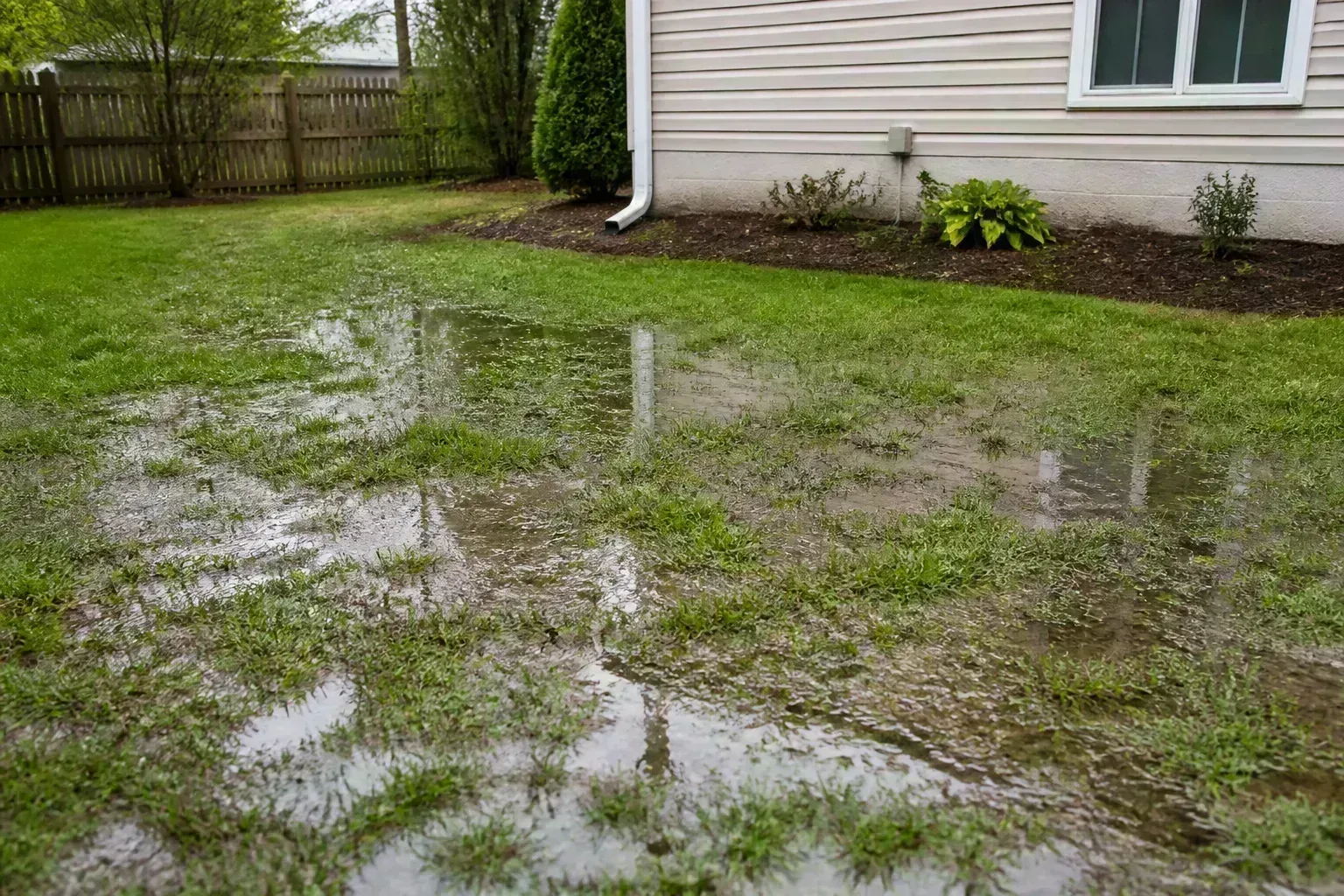
The exception is a plant that genuinely requires evenly moist soil, such as a seedling or moisture-loving perennial. Do not force that plant through a drought cycle merely to suppress gnats. Instead, improve airflow, remove decaying surface material, use a finer mesh cover over vulnerable seedlings, and target larvae with a labeled biological control when appropriate.
Manage compost, mulch, and plant debris
Remove dead leaves, fallen fruit, grass clippings, and spent flowers from around containers and doors. Keep compost covered and balanced rather than adding a thick layer of fresh, wet material against a pot or foundation. A healthy compost pile needs moisture, but it should not be a leaking, anaerobic heap that stays saturated and attracts flies.
Mulch is not automatically the enemy. Its value for soil temperature, weeds, and moisture can outweigh its pest risk. The practical adjustment is to keep mulch from touching stems, avoid piling wet organic material in a saucer or under a bench, and replace material that has become slimy or repeatedly waterlogged. If a patio container is the hotspot, a thin inorganic top dressing can reduce exposed damp media, but it will not compensate for overwatering below the surface.
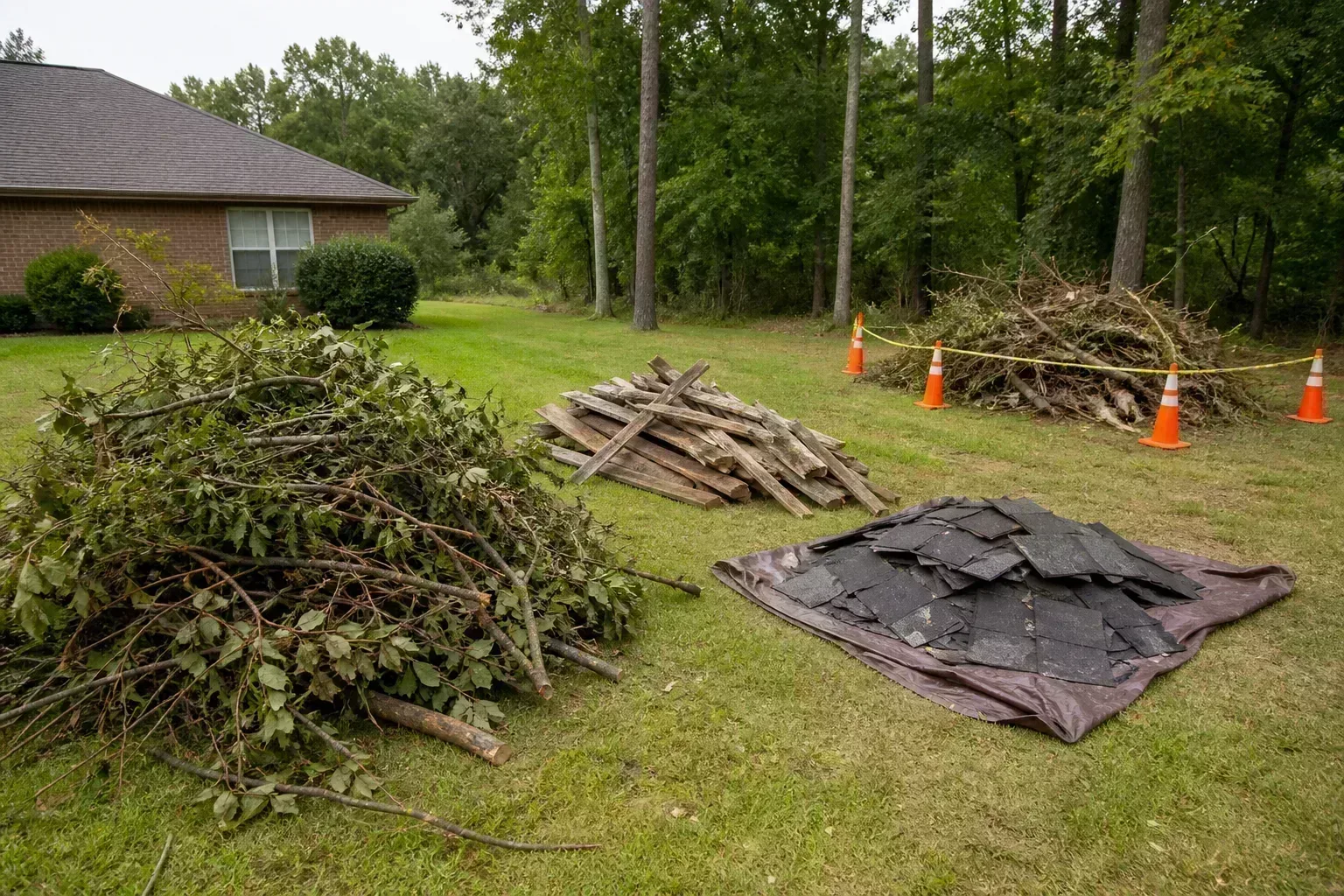
Do not overapply manure, blood meal, fish-based fertilizer, or unfinished compost during a wet spell. These inputs can be useful when matched to a soil need, but extra organic material is not a pest-control strategy. Fresh material also increases odor and moisture around the very places where adults may lay eggs.
Treat Fungus Gnats in Pots, Seedlings, and Beds
Monitor adults and larvae
Place yellow sticky cards just above the soil line in affected containers. They reduce adult numbers in a confined area and show whether your source correction is working, but they do not reach eggs, larvae, or pupae. Keep cards away from flowers when possible because sticky traps can catch non-target insects, including beneficial predators. The goal is information and modest adult suppression, not a yellow-card landscape.
In beds, inspect several spots instead of assuming the whole garden is infested. Focus on propagation areas, recently amended pockets, shaded wet corners, and containers that dry at a different rate from the ground. If adult counts drop after a watering correction and debris cleanup, stop there and let natural enemies do their work.
Use Bti or beneficial nematodes carefully
Bacillus thuringiensis subspecies israelensis, usually called Bti, is a biological insecticide for certain fly larvae. It is not the same Bt formulation used against caterpillars. In container media, a labeled Bti product can be applied as a soil drench according to its label; because it does not persist indefinitely in a home pot, repeat applications may be needed. Always confirm that the product is labeled for the site, crop, and pest you intend to treat. (UC IPM home guidance)
Beneficial nematodes, especially Steinernema feltiae, can seek out fungus gnat larvae in moist media. They are living organisms, so storage, temperature, timing, and application water matter. UC IPM gives an effective range of roughly 60–90°F and notes that the media must remain moist enough for them to move; follow the supplier’s directions rather than improvising a concentration. (UC IPM Pest Note)
These controls make most sense for valuable containers, propagation benches, and recurring larval problems—not for broadcasting over an entire ornamental yard because adults are visible. Predatory mites and rove beetles are used in some protected growing systems, but outdoor release is not a universal home-garden fix. Preserve naturally occurring predators by avoiding broad-spectrum sprays.
Reduce Gnats Around Patios and Doors
Use traps as monitors, not a yard-wide cure
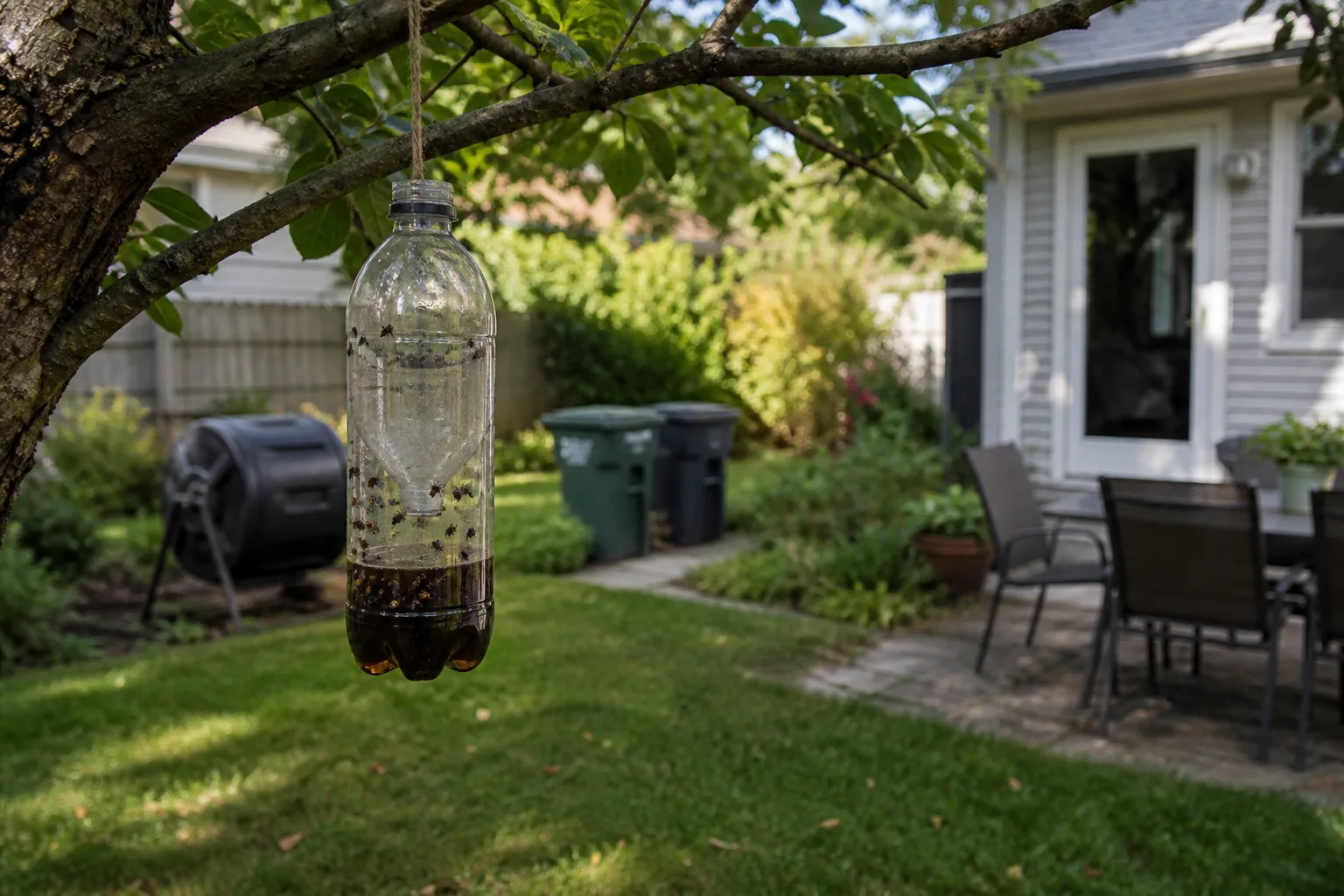
A small trap can tell you whether the patio problem is tied to fruit, drink residue, trash, or a nearby drain. Place it beside—not inside—a seating area, keep it out of reach of pets and children, and remove it once the source has been corrected. Vinegar or soapy-water traps may catch some fruit flies in a confined spot, but they are weak tools for fungus gnats and can attract more flies to an outdoor table if left out.
For a concentrated nuisance near a doorway, clean the threshold, empty plant saucers, and move infested pots away from the entrance. An outdoor fly-trap scene can be useful for a patio hotspot, but trapping adults without removing their breeding material is like bailing a boat without closing the leak. (LeafyPixels guide to outdoor fly traps)
Block the route into the house
Before bringing patio plants indoors, inspect the pot rim, saucer, drainage holes, and surface media. Quarantine returning plants in a bright, separate area for a week or two when practical, place a sticky card at soil level, and water only when the plant’s care needs require it. Penn State Extension notes that fungus gnats commonly become a houseplant nuisance when plants have spent the summer outdoors. (Penn State Extension)
Repair torn screens and caulk obvious gaps around doors, but do not seal vents or create unsafe ventilation changes. Keep compost bins and trash closed, rinse sticky drink spills, and store bags of potting mix covered and off the ground. If flies continue indoors after outdoor sources are corrected, inspect sink drains, produce, recycling, and every houseplant; the indoor source may be unrelated to the yard.
What Not to Spray or Scatter
Do not fog a patio or spray adult gnats in flight as a first move. Flying adults are mobile and short-lived, while the larvae remain in the wet source; broad applications also expose pollinators, predatory insects, aquatic life, and pets to a treatment that may not solve the problem.
Do not rely on dryer sheets, essential oils, mothballs, bleach poured into soil, or concentrated vinegar around plants. A laboratory observation or anecdotal repellent claim is not the same as a safe, tested outdoor use. Never use a pesticide off-label, never apply a product to a drain or water body unless its label specifically permits that site, and never assume “natural” means harmless.
If a pesticide becomes necessary after source correction and identification, select the least disruptive product labeled for that exact location and pest, read the full label, protect blooming plants and water, and observe re-entry and harvest intervals. For a widespread biting-fly issue, a drainage or sewage problem, or a population that persists despite sanitation, local extension diagnostics or a licensed pest professional is more valuable than repeated blind treatments.
A Seven-Day Control Plan
Day 1: Map the hotspot. Photograph the insects, check wet containers and low spots, inspect drains and gutters, and place one or two monitoring cards near the suspected source. Avoid treating before you know whether the issue is soil, decay, or a drain.
Day 2: Remove obvious attractants. Empty standing water that should not be present, repair a leak, clear debris, cover compost, rinse bins, and remove fallen fruit. Do not strip beneficial mulch from every bed; correct only the wet, decaying pockets connected to the swarm.
Days 3–4: Reset watering. Let the soil surface dry as the plant permits, increase the interval between irrigation events, and confirm that containers drain freely. For seedlings or moisture-loving plants, use airflow, clean media, and a protective mesh rather than allowing roots to dry dangerously.
Days 4–5: Target confirmed larvae. If fungus gnat larvae are present in valuable containers or propagation media, use a labeled Bti product or Steinernema feltiae according to directions. Keep records of what you applied and where; do not combine products casually.
Days 6–7: Recount and decide. Check the cards and repeat the same inspection points. Fewer adults plus drier, healthier media means the plan is working. No change means the source was missed, the insect was misidentified, or the condition is being replenished by irrigation, drainage, decay, or a neighboring property.
When Gnats Signal a Different Pest Problem
Fungus gnats rarely cause dramatic injury to established outdoor plants. If leaves are collapsing, stems are girdled, roots are tunneling, or plants are wilting in properly watered soil, inspect for other pests and root diseases rather than blaming every symptom on gnats. Larval root feeding is most consequential in seedlings and soft cuttings, where a small amount of damage can matter much more.
Likewise, persistent bites are a diagnostic clue. Fungus gnats are nuisance fliers, not a catch-all explanation for every itchy evening outdoors. Eye-seeking flies, mosquitoes, biting midges, and other insects have different breeding sites and control limits; local extension offices can often identify a clear photograph or specimen.
Conclusion: Make the Yard Less Hospitable, Not Lifeless
The durable way to control gnats outside is to interrupt reproduction. Find the wet soil, leak, drain film, compost pocket, fallen fruit, or saturated debris that keeps the population going; correct that source; then use a card, trap, Bti, or beneficial nematodes only where the insect and setting justify it.
You do not need a sterile yard. You need containers that can dry at the right rate, compost that is managed rather than waterlogged, drainage that moves water away, and enough monitoring to catch a localized problem early. That source-first habit protects your plants and the beneficial insects that make a garden work.



