How to Keep Squirrels Out of Your Garden With Barriers
How to keep squirrels out of your garden starts with the crop, not the whole yard. Compare mesh, row covers, harvest timing, and short-term deterrents.
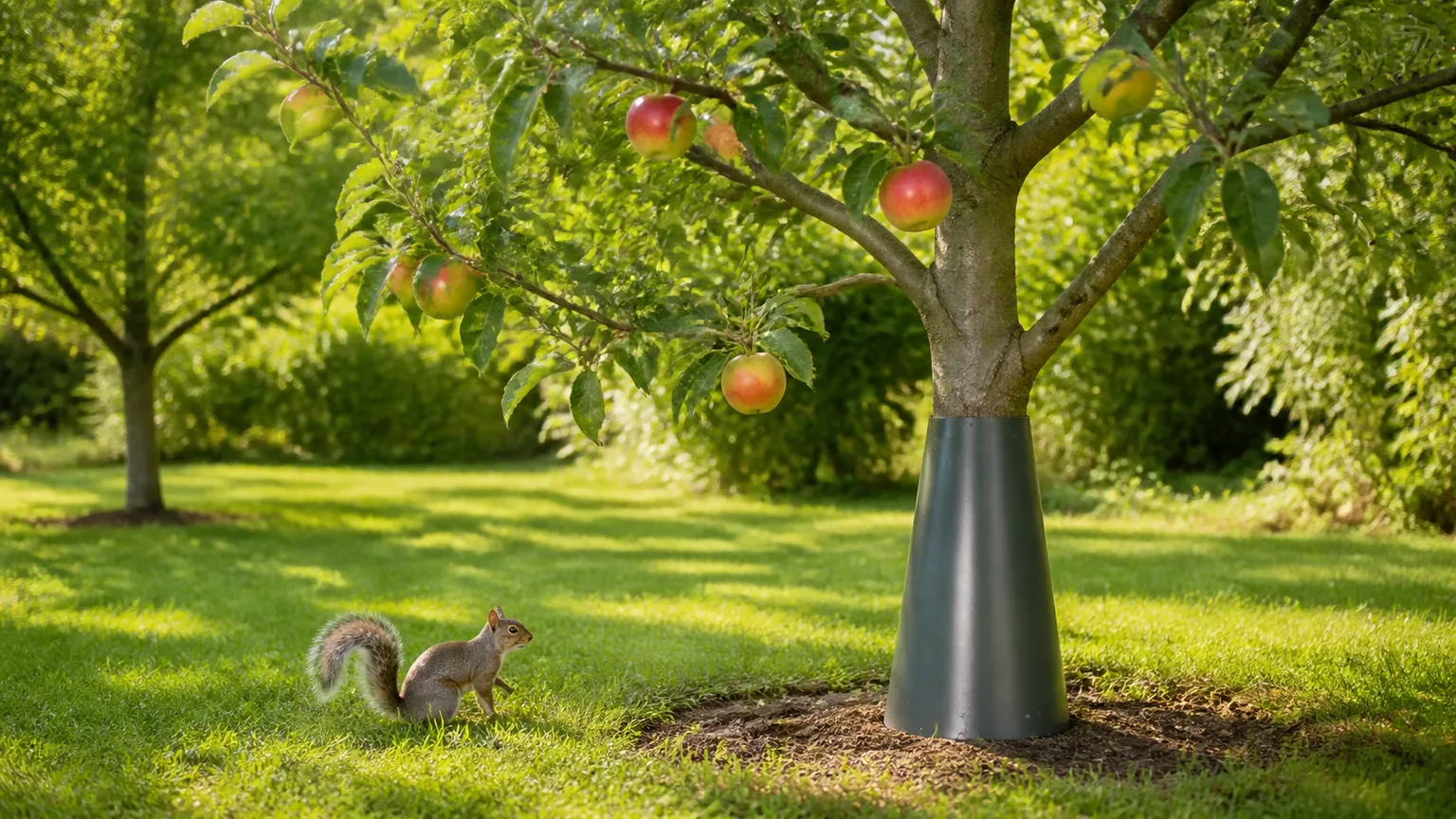
A squirrel can dig up a freshly planted bed, take one bite from a tomato, or bury an acorn beside a seedling. The right fix depends on which of those is happening: a secured cover protects a crop; cleanup removes easy rewards; repellents and decoys may interrupt a route but rarely protect a whole garden by themselves.
Start by watching the damaged area for a few mornings and checking what is still within reach. Then protect the small, valuable area the squirrel keeps visiting instead of trying to make an entire yard unusable to wildlife. You can reduce garden damage without promising a squirrel-free yard.
Find out what the squirrel is targeting
Before buying mesh or spraying a plant, note where damage appears, what time you see activity, and what changed just before it began. A neat, shallow hole in a newly worked bed can come from food caching; a missing seedling points to a different problem than a tomato with a bite or fruit carried away. A short photo log helps separate fresh damage from old marks and shows whether the animal is entering from a branch, fence, or open bed edge.
This distinction matters because squirrel activity is seasonal. Penn State Extension describes tree squirrels eating nuts and other tree fruits in fall, buds in late winter and early spring, and fruits and succulent plant material in summer; squirrels also cache food. That pattern makes newly disturbed soil and newly ripening crops especially vulnerable, but it does not mean every damaged plant is being eaten.
Digging often means caching or disturbed soil
Shallow scrapes, pushed-aside mulch, and an occasional nut tucked into loose ground often signal caching rather than a meal. Squirrels may dig in a lawn or bed while storing food, then leave without disturbing the plant roots. If a seedling remains upright, no crop has been lost, and holes are scattered rather than repeatedly clustered around one valuable planting, it may be reasonable to tolerate the activity and let the bed settle.
Freshly turned soil can draw attention because it is easy to excavate, especially around bulbs and direct-sown seeds. Firm the surface after planting, remove loose bulb skins and discarded produce, and cover the spot before moving on to the next task. If the same rows are repeatedly excavated or seedlings disappear, move from observation to a physical barrier rather than escalating to a stronger scent.
Nibbled produce needs a different response
Partly eaten tomatoes, berries, corn, and tender shoots point toward feeding, though birds, rabbits, and other wildlife can create similar damage. Look for a squirrel actually visiting the plant, compare bite marks across several fruits, and check for droppings or disturbed stems before attributing the loss. If you are not sure which animal is responsible, a camera or a few quiet observations can prevent you from building the wrong barrier.
Also distinguish tree squirrels from animals that burrow. A climber that reaches fruit from a branch may bypass a low fence; an animal entering through a tunnel under a bed needs a different boundary. If the damage pattern is unclear, take photographs to a local extension office or wildlife agency for help identifying the species before you invest in a large enclosure.
Protect the crop, not every inch of the yard
The most practical goal is usually to protect one raised bed, row, bulb patch, or fruiting plant. A whole-yard squirrel barrier is expensive and difficult to seal because squirrels can climb trees, fences, trellises, and nearby structures. The Michigan Department of Natural Resources recommends sturdy fencing with openings no larger than 1.5 inches as one way to help protect gardens; for small seedlings or high-value crops, a close-fitting frame with finer mesh provides a more direct barrier.
Choose the defense by the damage and the time you need it. A surface guard can stop digging in a seed row; a framed cover protects growing foliage; an enclosure around a berry bush can cover the harvest window; and a trunk baffle may help where squirrels climb to reach a tree. Match materials to the crop so you can still water, weed, inspect, and harvest without leaving a gap open for the next visit.
Choose a barrier by crop and season
For bulbs and newly sown seeds, use a low mesh cover that lies close to the soil and stays anchored at the edges. For leafy vegetables, a raised frame gives foliage room to grow and keeps wire from scraping leaves. For fruit, use a cage, netted frame, or individual fruit bags that can be removed quickly when you harvest.
An open fence alone is often a poor fit for tree squirrels because a climber can go over it or use a nearby object as a bridge. Think in terms of a closed box: sides, top, and a bottom edge that meets the ground or bed frame. If you cannot close every side, protect the plant itself with a cage or individual cover, then watch whether squirrels simply switch to a nearby crop.
Cover beds with a secure mesh frame
A rigid frame covered with hardware cloth is more dependable than loose netting when squirrels dig, reach through, or push against the edge of a bed. Michigan DNR lists sturdy fencing with small openings as a garden-protection option, while Garden Design recommends shielding ground crops with row covers or chicken-wire enclosures. The common principle is physical exclusion: the mesh must interrupt access, not merely make the route inconvenient.
Use galvanized hardware cloth or another durable mesh sized for the animal and crop. Small openings around one-half inch can make it harder for a squirrel to reach through to seedlings or bulbs, while lighter mesh may work for a temporary top cover if the frame is solid and the edges are secured. Avoid sharp wire ends where people, pets, or wildlife may brush past; fold or cap cut edges and keep the cover from resting on tender growth.
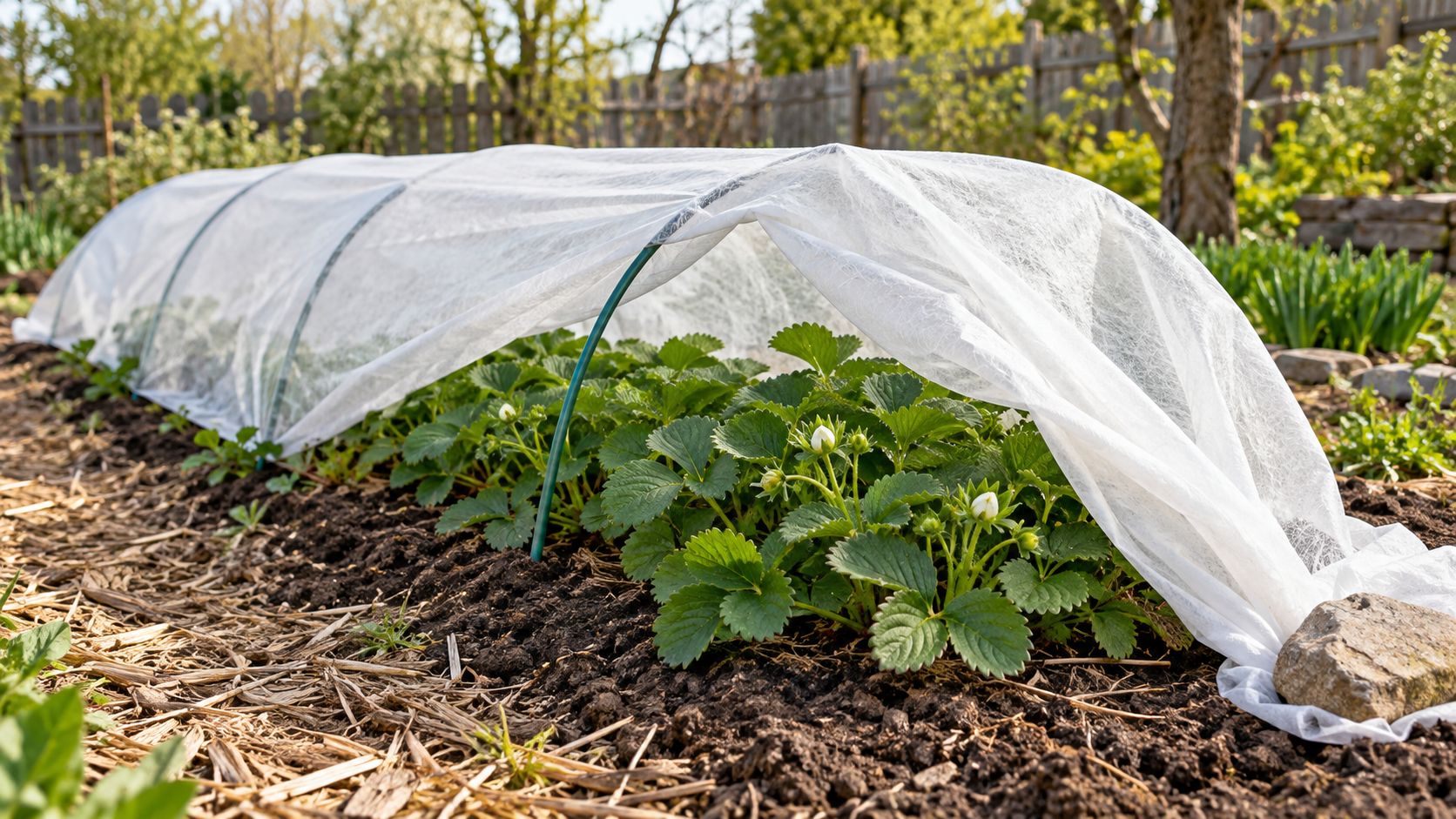
Fit the frame so squirrels cannot lift it
Measure the bed and build the cover so it sits squarely on the frame. Attach mesh to a sturdy hoop, wood frame, or rigid lid, then fasten that assembly to the bed with clips, screws, or latches that you can open intentionally. A heavy object on one corner is not enough if a squirrel can lift the opposite edge or squeeze underneath a bowed section.
Check the cover after wind, rain, and each harvest. Look for sagging mesh, bent hoops, lifted corners, new chew marks, and gaps where the frame meets the soil. Repair the weak point you find instead of adding a second deterrent somewhere else; squirrels will keep testing a route that still gives them access.
Make routine use easy. Add a hinged access panel or removable top, leave room to water without unfastening every side, and keep the door closed after weeding. A cumbersome cover is more likely to be left open during a quick harvest, so the best design is one you can close securely every time.
Protect bulbs and freshly sown seeds
Fall bulb planting often creates the exact combination that attracts digging: fresh, loose soil and food below the surface. Plant bulbs at their recommended depth, firm the soil, clear away papery tunics and scraps, then lay hardware cloth across the planting area and pin it down before adding mulch. A wire bulb basket can protect a smaller group; covering the entire patch works better when bulbs are spread across a bed.
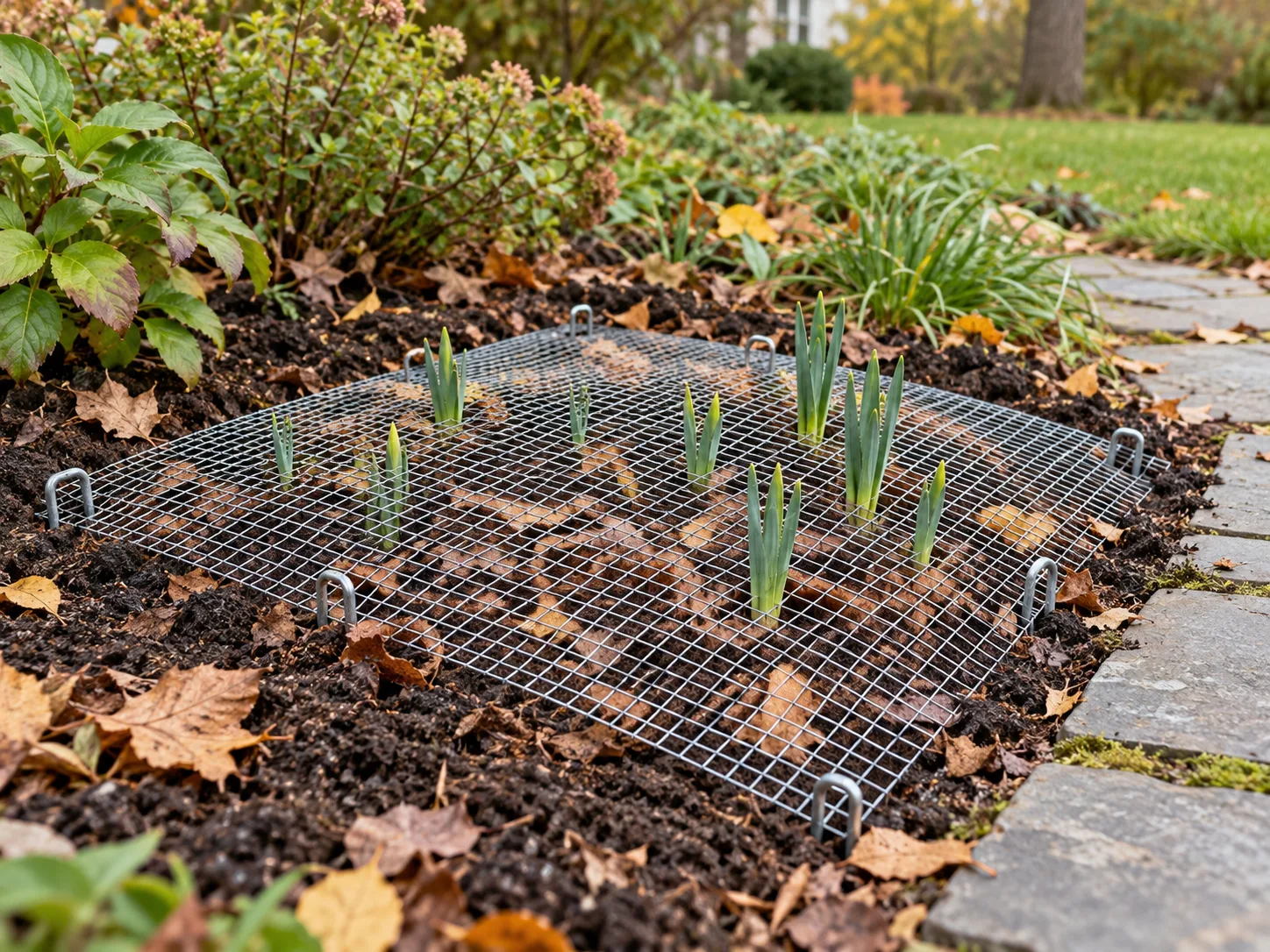
Choose the mesh opening and removal date for the bulbs you planted. Shoots can emerge through a mesh with suitably sized openings, but the cover should not bind or distort new growth; inspect it as the weather warms and remove or adjust it when shoots need room. Colorado State University Extension also describes a seasonal method of covering newly planted bulbs with leaves and secured burlap, then uncovering as growth approaches. Treat that as a practical option for the right climate and planting schedule, not a guarantee for every site.
Make planting day less of a signal
Work in small sections and cover each section as soon as it is planted. Leaving bulbs or seeds exposed while you finish a long bed gives wildlife time to find them, and leaving the soil loose makes later caching easy. Finish by watering gently, firming loose edges, and checking that the cover is anchored before the next rain or windy day.
For direct-sown vegetables, use a frame tall enough that seedlings can develop without touching the mesh. Once the crop is established, remove or raise the cover only if the plant can tolerate exposure; otherwise, shift to a more spacious cage. If pollinating insects need access to flowers, check the crop’s pollination needs before keeping a cover closed through bloom. A physical barrier that protects leaves but prevents fruit set is not a useful trade.
When bulbs are the only repeat target, do not fill the entire garden with supposedly squirrel-proof plants. Daffodils and some strongly scented bulbs are less attractive to many squirrels than tulips and crocuses, but preferences vary and a hungry animal may still dig. Treat plant choice as risk reduction, then use mesh for the bulbs you would be disappointed to lose.
Guard berries, tomatoes, and fruit on vines
As fruit colors and softens, protect the few plants that carry the harvest rather than covering every bed. A cage with mesh on all sides and a top can keep squirrels from reaching berries or tomatoes, but build it so fruit does not rest against the wire where an animal can bite through an opening. Individual fruit bags can work for a small number of apples, pears, or tomatoes when a full cover would be unwieldy.
Harvest on the crop’s normal schedule and avoid leaving ripe or damaged fruit hanging longer than necessary. Pick up dropped berries and split tomatoes so the ground does not become an easier second food source. If squirrels use an adjacent tree to jump into a cover, remove or reposition that access route where it is safe to prune; for a tree-specific plan, use the fruit-tree squirrel guide.
Use netting with wildlife in mind
Netting can keep animals away from fruit, but loose mesh may snag birds and other wildlife. Choose visible, durable netting, stretch it taut over a frame rather than draping it onto branches, secure the lower edge, and inspect it frequently. Repair holes promptly and remove the net when the crop no longer needs protection. A Southern Living guide to fruit-tree protection likewise stresses tight netting and regular checks so wildlife does not become trapped.
Avoid any cover that forms a loose pocket around branches, stems, or a corner of the bed. If an animal becomes caught, do not yank the net against it; keep people and pets back and contact a local wildlife rehabilitator or animal-control agency for instructions. A rigid frame with a secure door is often easier to inspect and reuse than a loose sheet of netting.
For mature fruit trees, a trunk baffle can block one climbing route only when branches and nearby structures do not provide another. Use a smooth metal barrier designed for the tree, install it loosely enough to allow growth, and inspect it frequently for rubbing or constriction. Michigan DNR recommends metal shielding or fencing as an option for climbing animals, but the exact height and setup depend on the tree and its access points.
Reduce the easy food around the garden
Food cleanup cannot stop a squirrel from passing through, but it can make a protected crop less rewarding to revisit. Pick up fallen fruit, remove spoiled vegetables, secure compost lids, and sweep spilled bird seed near the garden. Michigan DNR includes fallen fruits, nuts, vegetables, outdoor pet food, bird food, and accessible compost among the sources that can attract squirrels.
Keep the cleanup proportional. You do not need to remove every nut or eliminate all habitat from the property; focus on reliable food sources right beside the vulnerable bed. If a feeder is scattering seed near the garden, adjust the feeder or clean beneath it instead of sprinkling additional food elsewhere to distract squirrels. Garden Design notes that deliberate feeding is disputed because it can draw more squirrels into the area, so treat it as a choice with a real trade-off, not a proven way to redirect wildlife.
You can also reduce the time fruit stays exposed without harvesting it prematurely. Pick produce when it reaches the crop’s normal stage, refrigerate or process it promptly where appropriate, and clear up damaged fruit. This routine will not prevent every bite, but it removes the easy rewards that keep a squirrel returning to the same location.
Use plants, repellents, and scare devices realistically
Planting less-preferred species can help you design around predictable damage, particularly when a bed has a mix of bulbs and ornamentals. Garden Design lists mint, marigolds, nasturtiums, mustard, and crown imperial among plants that some gardeners use around vulnerable areas. Those plants may add texture or seasonal interest, but they are not a force field; do not depend on a scented border to protect expensive seed, edible fruit, or a new bulb planting.
Repellents and motion devices are supporting layers. Michigan DNR cautions that commercial deterrents can have brief effectiveness, while Garden Design describes motion-activated water as a surprise tactic. If you try a sprinkler, aim it at the approach route, check that it will not soak paths or neighboring property, and observe whether squirrels avoid the area or simply take another path.
Decoys, reflective tape, wind chimes, and ultrasonic devices are even less dependable as stand-alone protection. Squirrels can become used to a stationary object or recurring sound, and wind or rain can change how a device behaves. If you use a low-cost scare device, move it occasionally and keep a physical cover on the crop that matters most.
Follow pesticide labels and protect people and pets
If you choose a commercial repellent, use a product whose current label specifically permits the target site and intended use. A product labeled for ornamental shrubs may not be approved for edible crops, plants close to harvest, or surfaces that contact food; the label may also require protective equipment, application limits, or a waiting period. Check local rules before using a pesticide outdoors, especially if the label or state guidance is unclear.
Do not scatter loose cayenne or make a homemade spray and assume it is harmless because it came from a pantry. Pepper can irritate eyes and skin, may reach children or pets, and can land on edible leaves. Skip mothballs, toxicants, glue products, and mixtures that have no clear label for the intended use. A mesh cover is a more controllable first choice for food crops.
Avoid fixes that trade one problem for another
Do not use a dog or cat as a squirrel-control device. Chasing can injure wildlife and pets, and Michigan DNR advises keeping dogs leashed or fenced when they are likely to pursue squirrels. Pets can enjoy the yard without being asked to police a garden bed.
Avoid trapping and moving a squirrel as a do-it-yourself garden solution. Wildlife rules differ by location, and capture may leave young behind or create a difficult release problem; the Virginia Department of Wildlife Resources directs residents to check local and state legal requirements before attempting removal. If the animal is trapped, injured, unusually aggressive, or tied to damage inside a building, call the appropriate local wildlife agency or licensed professional for guidance rather than improvising.
Finally, do not close off a route into an attic, wall, or shed until you are sure no animal is inside. That is a building-exclusion job, not a garden-deterrent job, and the safest approach can depend on the season and whether young are present. Keep garden mesh away from utility lines, avoid sharp edges, and inspect any barrier that could catch a bird or small animal.
When to ask for local wildlife help
Ask for help when you cannot identify the animal, damage continues despite a properly closed cover, a squirrel has entered a structure, or the solution would involve trapping, exclusion from a building, or pesticide use you do not understand. A county extension office can help distinguish squirrel digging from damage caused by other animals and recommend crop-appropriate barriers. Your state wildlife agency can explain local rules and connect you with licensed nuisance-wildlife professionals when needed.
For a garden-only problem, ask a focused question: “This mesh cover has a gap at the frame,” “these tomatoes are bitten but left on the vine,” or “something is digging beneath this raised bed.” A photo of the crop, damage, and barrier is more useful than a general report that squirrels are in the yard. The diagnosis helps you repair the weak point without escalating to a harsher or more expensive method.
Conclusion
The most dependable way to keep squirrels out of a garden bed is to cover the specific crop with a secure, inspectable barrier. Identify whether the squirrel is caching, stealing seed, or feeding on fruit; anchor mesh at the soil and frame edges; protect bulbs as soon as you plant them; and harvest ripe produce before it becomes an easy repeat reward.
Clean up nearby spills and dropped produce, and treat repellents, plants, and scare devices as temporary support rather than a promise of eradication. If damage continues, look for the open seam, reachable branch, unprotected crop, or remaining food source, then ask a local extension or wildlife professional when the animal or local rules are uncertain.



