When and How to Prune Cilantro Like a Garden Pro
Learn when and how to prune cilantro, how much to cut, how to harvest without stunting regrowth, and how to slow bolting in warm weather.
Pruning cilantro is really a harvest decision. You are removing usable stems and leaves while the plant is still in its leafy phase, then making small corrective cuts when flower stalks or damaged growth appear. The goal is not to force an annual herb to live forever; it is to get the best leaves from a short-lived, cool-season plant and to have the next sowing ready before the current patch runs out of energy.
The dependable method is simple: start when the plant has several sturdy stems, take no more than about one-third at a time, cut cleanly above live growth or at the base of a mature outer stem, and return about once a week. Keep the root zone evenly supplied with moisture without leaving it soggy, give hot-weather plants some afternoon relief, and sow again in succession. Those steps work together because pruning cannot overcome a cilantro plant that is growing in heat, drought, or a waterlogged pot.
What pruning does—and does not do
Cilantro (Coriandrum sativum) is a cool-season annual that produces leafy stems first and then shifts toward flowers and seed as conditions become stressful or the season advances. Pruning or harvesting keeps the plant compact, removes some of the tissues that are beginning to age, and gives you a steady supply for the kitchen. It can delay the change to flowering, but it cannot erase the plant’s built-in life cycle.
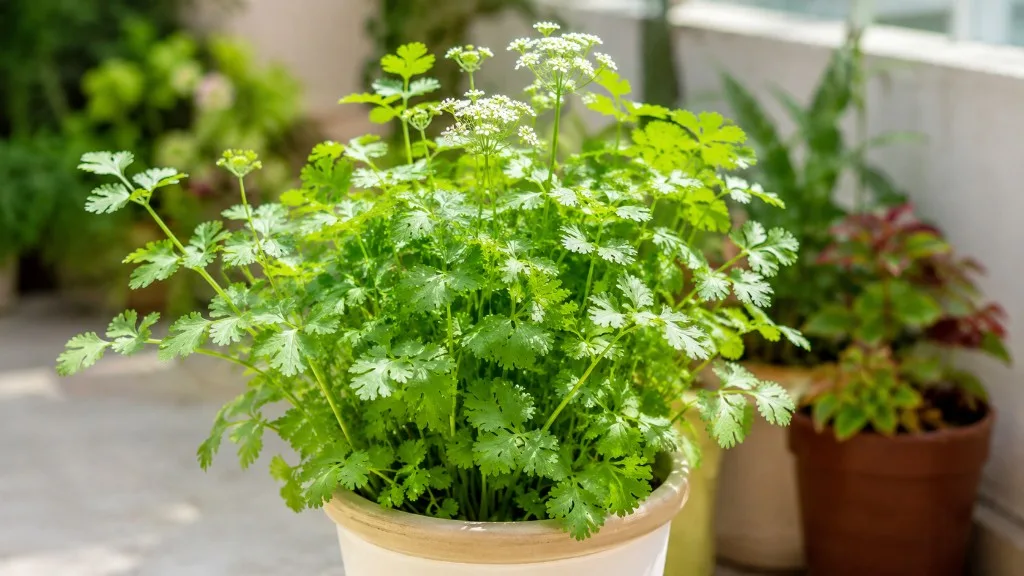
Think of a cilantro plant as a small reservoir rather than a hedge. Every cut takes away leaves that power regrowth, so the best harvest removes enough to use while leaving a working crown and plenty of green surface. Penn State Extension notes that fresh leaves and tender stems are the parts most often used as cilantro, while the plant’s seeds are the spice coriander; that distinction matters because the right pruning choice depends on what you want next.
The strongest plants respond well to regular cutting because harvest keeps the outside from becoming a tangle and opens space for younger inner growth. A weak, recently transplanted, heat-stressed, or disease-marked plant needs a lighter touch. If the plant is already making a tall central stalk and the remaining leaves are sparse, a new sowing may produce more usable cilantro than an increasingly severe haircut.
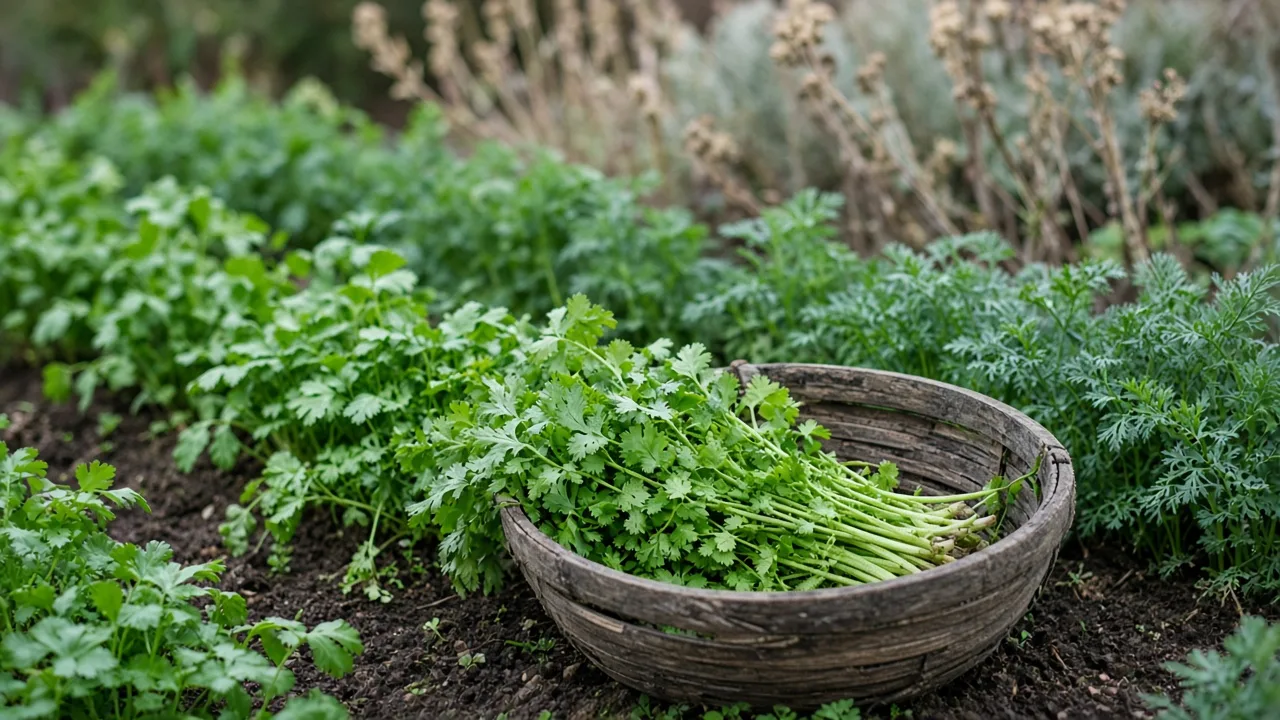
Caption: A full, leafy cilantro plant is ready for selective harvesting before the stems become tall and flower-focused.
When to prune cilantro
Use the plant’s size and condition as your calendar. Begin when several stems are roughly 4 to 6 inches tall and the plant has enough foliage that removing a few stems will not expose the soil or leave the crown bare. If you are growing a dense patch from direct-sown seed, wait until the seedlings are well established rather than clipping tiny sprouts simply to make the row look tidy.
For the first harvest, choose a cool, dry part of the day after the foliage has dried. Morning dew and wet leaves make handling messier and can spread contamination between plants on your scissors. Late morning or early afternoon is usually a practical window, provided the plant is not wilted from heat; never use a harvest cut as a substitute for watering a badly stressed plant.
The first signs that timing is becoming urgent are a fast vertical push, a thicker central stem, smaller upper leaves, and tiny flower buds. Do not wait for a full spray of white flowers if your priority is leaves. Remove the developing stalk below its first cluster of buds, then reassess the plant’s vigor. If multiple stalks are rising at once, the plant is telling you that temperature, day length, or age is winning the argument.
Read the plant before you cut
Start at the crown, where the stems emerge from the soil, and trace each candidate stem upward. Leafy, flexible green growth is the safest place to shorten. A visible leaf junction or node below the cut gives the stem a place to continue from. A long, pale, brittle stem with no leaves below your intended cut is not a good candidate for a hard reduction.
Separate the plant into three zones. The outer zone usually contains the longest, most harvestable stems; the middle zone supports the plant and may be sending up new growth; and the center often reveals the first flowering stem. Take the oldest usable stems from the outside first, leaving the smallest inner leaves to keep photosynthesizing and to fill the space you just opened.
Also inspect the leaves you plan to keep. Yellowing from an occasional old leaf can be removed, but water-soaked spots, rapidly spreading dark lesions, or a foul-smelling, collapsing stem deserve more than pruning. Penn State Extension identifies bacterial leaf spot as a recurring cilantro problem and recommends removing infected plants rather than composting them. When the plant looks diseased, isolate the diagnosis from the harvest decision and avoid carrying dirty shears from one plant to the next.
Tools and prep for clean cuts
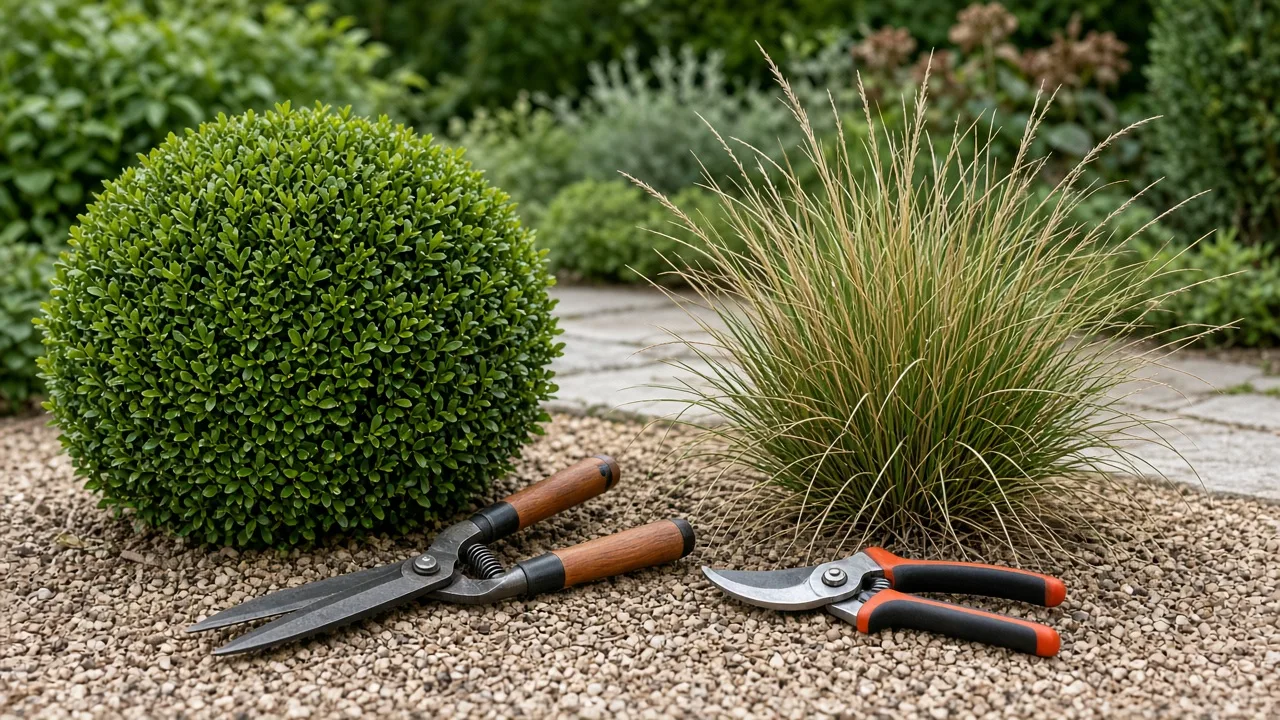
For a few stems, use sharp herb scissors or small bypass snips. The blades should slice rather than crush, because bruised stems lose quality quickly and leave ragged wounds. A clean kitchen pair reserved for herbs can work, but keep it separate from scissors used on visibly diseased plants and wash it before it returns to food preparation.
Before cutting, remove soil and plant debris from the blades. If you are moving between containers or removing suspicious tissue, disinfect the blades according to the product label and let them dry before touching the next plant. You do not need an elaborate tool kit: one sharp pair, a clean bowl, and a cool place for the harvest are enough.
Work with a clear purpose. If you are harvesting dinner, select the stems you will use. If you are shaping an overcrowded plant, remove a few complete outer stems. If you are delaying flowers, target the developing central stalks. Mixing all three jobs into one aggressive cut is how a manageable cilantro patch becomes a bare crown.
Caption: Sharp, clean snips make a precise cilantro harvest easier and reduce the bruising caused by dull blades.
The repeatable cutting method
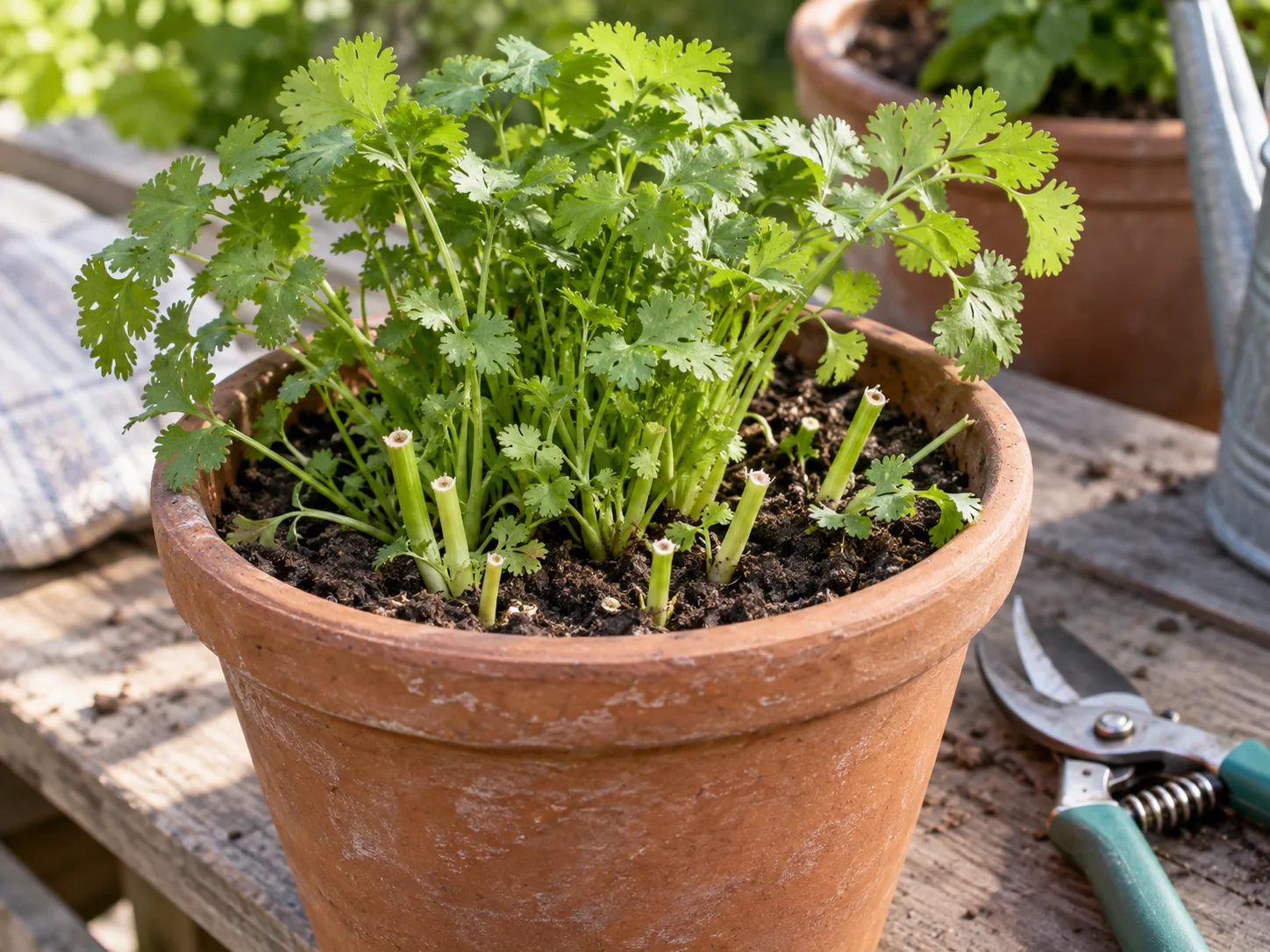
First, steady the plant without squeezing the crown. Pick the largest outer stem that still has healthy green leaves, follow it down, and decide whether you want a partial cut or a complete stem harvest. For a partial cut, snip just above a healthy leaf junction, leaving a short piece of stem rather than cutting flush against the node.
For a complete harvest stem, cut near the base, about an inch above the soil, while keeping the smaller inner stems undisturbed. This is a useful cut for a vigorous plant with several stems, not a rule to apply to every seedling. Removing individual stems lets the remaining crown keep feeding itself and prevents the whole plant from collapsing at once.
Take a few stems, then stop and look at the plant from a step away. The target is an open, rounded clump with leaves still covering the crown. If the soil suddenly shows through the center, you have taken enough for this visit. Remove yellow or badly damaged leaves separately, but do not strip healthy lower leaves just because they are not as attractive as the newest growth.
When flower buds appear, cut the flower stalk below the buds and above a leafy junction when one is available. The cut may buy time, especially in cool weather, but it is not a reset button. If the plant immediately sends up several more stalks, shift from fighting the season to choosing whether you want one final leaf harvest, pollinator flowers, or coriander seed.
How much cilantro to remove
The useful one-third rule means harvest about the top third of the plant’s usable growth, not that you should cut every stem to one-third of its original height. The lower two-thirds should still contain enough leaves and stems to keep the crown productive. Gardening Know How recommends harvesting about one-third of the plant and returning about once a week; that is a practical ceiling for a healthy, actively growing plant, not a quota you must meet.
On a young plant, take less: a few outer stems or the tips of the tallest shoots. On a dense, vigorous plant, you may gather a larger bowl, but spread the cuts around the clump rather than removing all the tallest stems from one side. On a plant that has wilted, been recently moved, or is growing in a small pot, cut only what you need and wait for fresh growth before taking more.
Use the amount of regrowth as your feedback. If new leaves are appearing within a week or two and the crown stays full, your pace is reasonable. If the center looks exposed, stems stop extending, or the plant begins to flower immediately after every cut, reduce the harvest size and correct the growing conditions—or sow a replacement crop.
Build a weekly harvest rhythm
A weekly check is better than a dramatic monthly rescue. Walk the patch, remove the stems that have reached kitchen size, pinch off early flower stalks, and take out damaged leaves. The harvest becomes your pruning pass, so there is no reason to cut first and then throw away the same leaves.
Regular harvesting also keeps you from letting a few oversized stems dominate the plant. Cut the tallest outer stems first, then leave the compact inner growth to develop. If the plant is growing quickly in cool weather, a second light harvest in the same week may be appropriate; let the plant’s refill speed guide you instead of following a rigid seven-day alarm.
Does cilantro grow back after cutting? Often, yes, when the plant is well rooted, still vegetative, and has enough foliage left. It is not a perennial, and a plant near the end of its season may only produce a small flush before flowering. A cut-and-come-again routine extends the useful window; it does not guarantee unlimited regrowth from one plant.
Prevent bolting with growing conditions
Pruning works best when it is paired with cooling strategies. Cilantro prefers a cool growing window, and extension guidance consistently points to spring and fall as the easiest seasons for leafy harvest. Gardening Know How describes soil temperatures around 75°F as a bolting trigger, while Epic Gardening places the preferred range lower and warns that temperatures above the mid-80s can push the plant toward flowers. Treat those numbers as useful signals, not a universal switch, because sun exposure, cultivar, soil moisture, and plant age all change the response.
Give cilantro bright light, but in a hot climate protect it from the strongest afternoon sun. Morning sun with afternoon shade can preserve leaf quality longer than all-day exposure in a heat-trapping bed. A container is easier to move, but it also warms and dries faster, so check it more often than an in-ground patch.
Keep the soil evenly supplied with moisture while seedlings establish, then water when the root zone begins to dry rather than keeping it permanently wet. Mulch around—not over—the crown to moderate soil temperature and reduce evaporation. Avoid frequent overhead wetting of the foliage; wet leaves, poor air movement, and crowded growth create a friendlier setting for leaf disease.
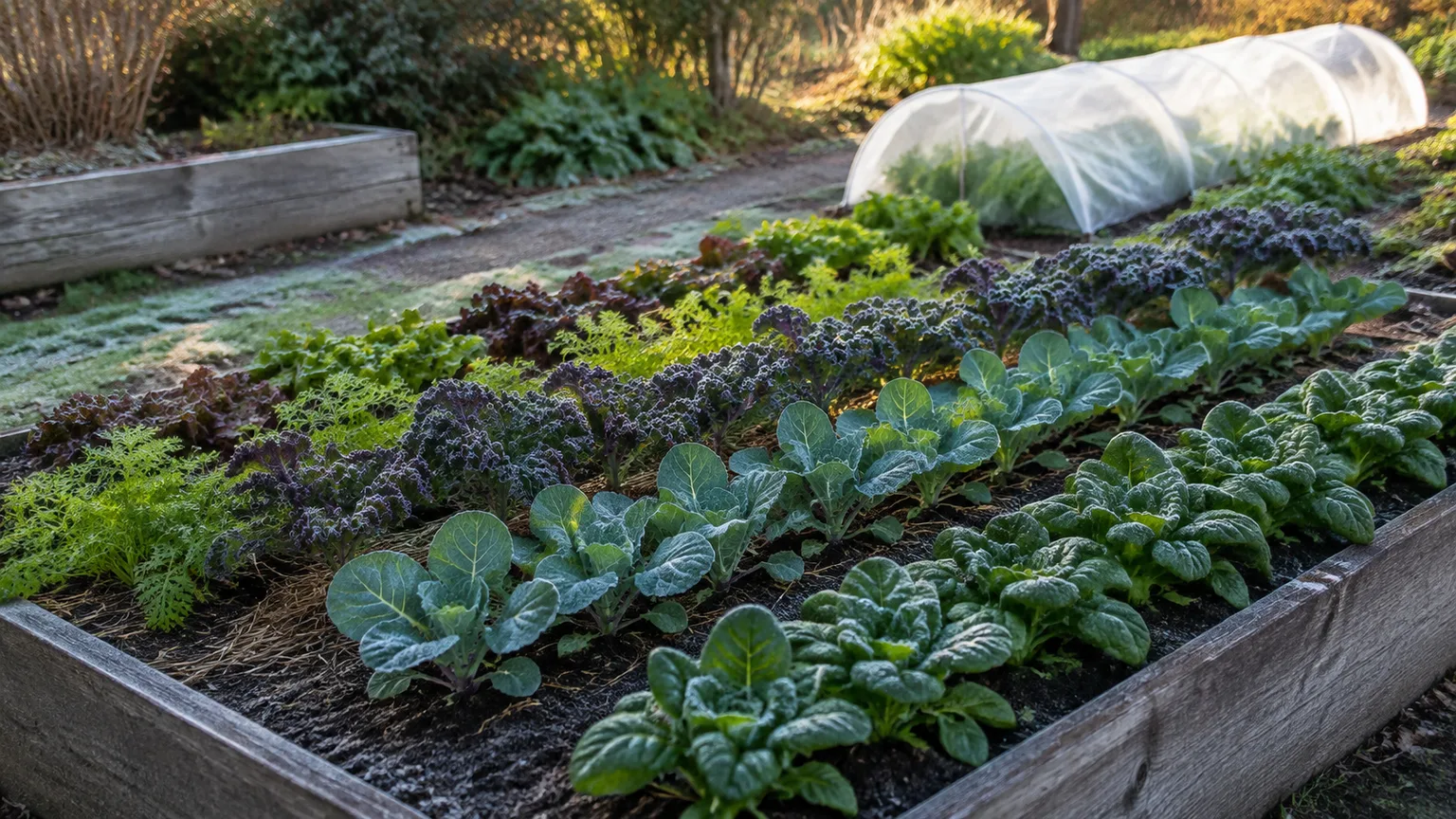
Caption: Herb beds change quickly as the season advances; timing the next sowing is often more effective than forcing an old cilantro plant to stay leafy.
Adjust cuts for young, mature, and container plants
Young cilantro needs a formative harvest, not a severe haircut. Once the plant has several true leaves and is growing strongly, pinch or snip the tallest tips just above a leaf junction, or remove one or two mature outer stems. If it is still settling after transplanting, give the roots time to recover before you take a large harvest. Cilantro has a taproot and generally handles direct sowing better than rough root disturbance, so a recently transplanted plant deserves extra caution.
An established garden plant can handle the one-third rhythm if the weather is cool and the crown is full. Remove a few stems at the base, then shorten an occasional tall stem above a node to keep the clump balanced. Do not shear the entire patch to a uniform height; that removes the plant’s leaf-making surface and can leave every stem at the same vulnerable stage.
Container cilantro needs a more frequent but lighter inspection. Choose a pot deep enough for the root system, keep drainage holes open, and move the container to morning light or afternoon shade when the potting mix heats rapidly. If the pot dries between checks, a small harvest is safer than a hard cut followed by a heavy drench; stressed roots cannot support a large flush of new leaves.
What to do when cilantro is already flowering
Look at the stage before deciding that the crop is lost. A single emerging stalk with a few buds is worth cutting below the bud if you still want leaves. A tall, thick central stalk with several branches and many small flowers means the plant has made a firm transition toward reproduction. You can remove the stalks for appearance, but repeated cuts will not turn a mature seed crop back into the same compact leafy plant it was earlier.
If you need one last leaf harvest, take the tender leaves and stems that still look fresh, without stripping every branch. If the leaves have become sparse, lacy, or bitter, stop spending effort on cosmetic pruning. Letting some flowers open can support pollinators and can make the patch more useful than treating every blossom as an emergency.
Choose between leaves, flowers, and coriander
Make the end goal explicit:
- For leaves: harvest while stems are tender and leafy, remove flower stalks early, and keep the plant cool and evenly watered.
- For flowers: stop heavy pruning once the plant has begun to branch, and leave enough stems for the flower clusters to open. Cilantro flowers are edible, though they are milder and more delicate than the leaves.
- For coriander seed: let the flowers finish and wait for the seed heads to turn mostly brown and dry. Cut the heads with a few inches of stem, place them in a paper bag, and let them finish drying before separating and storing the seeds.
The seed route is not a consolation prize. Coriander gives you a spice for the kitchen and a possible source of next season’s plants. Utah State University Extension recommends waiting until the plant has flowered and the seed heads turn brown, then drying the heads in a paper bag so the seeds fall free. Mark the bag with the variety and date; a forgotten bag of dry seed is much harder to evaluate later.
Replant before the patch fades
Succession sowing is the professional workaround for cilantro’s short season. Penn State Extension recommends sowing every two to four weeks through the season, while other extension guidance describes repeated sowings until late summer when local conditions allow. The exact interval depends on your climate and how fast you use the herb, but the principle is consistent: start the next group before the current group looks finished.
Choose a cool, bright place for the next sowing and direct-seed when possible. If heat is arriving, use afternoon shade, sow a heat-tolerant or slow-bolting cultivar, and stagger several smaller plantings instead of betting everything on one large row. ‘Slow Bolt,’ ‘Leisure,’ ‘Santo,’ and ‘Calypso’ are common cultivar names to look for, but “slow” means later under suitable conditions, not immune to bolting.
This approach changes how you prune. You no longer need to rescue every aging plant. Harvest the current patch well, let a few plants flower if you want coriander or pollinator value, and move your attention to the next flush while it is young and leafy.
Aftercare and storage
After pruning, return the plant to normal care. Do not flood the crown, apply a heavy dose of fertilizer, or place a newly cut container in the hottest sun. Check that the soil drains, the leaves have room to dry, and mulch is not touching the stems. A light watering is useful when the soil is dry, but extra water cannot compensate for a pot without drainage.
For the best kitchen quality, harvest close to when you will use the cilantro. If you need to hold it, remove damaged leaves, rinse only when necessary, pat it dry, and refrigerate it in a loose, breathable wrap or container. Penn State Extension notes that clean, dried cilantro can be wrapped loosely and refrigerated for up to about a week. Freezing is a better choice for a surplus that will go into cooked dishes, sauces, or blended mixtures rather than a fresh garnish.
Use the trimmings intelligently. Healthy tender stems can go into salsa, chutney, curry paste, soup, or a freezer bag. Diseased leaves should not be added to compost if the diagnosis suggests a plant pathogen; discard them according to local guidance and clean the tools before the next harvest.
Common pruning mistakes
Cutting the whole plant at once is the most common error. It gives you a large bowl today but removes the leaf area the crown needs for tomorrow. Harvest in sections and keep small central stems intact.
Cutting by height alone causes a second problem. A stem may be 6 inches tall but still be too small to lose half its length, while a taller outer stem may be ready for a base cut. Follow leaf junctions, stem thickness, and plant fullness rather than using a ruler as the only decision-maker.
Pruning a wilted plant in direct heat adds another stress event. Shade it temporarily, correct the moisture problem, and harvest lightly once the foliage has recovered. The same caution applies to a plant that has just been transplanted or has roots sitting in saturated soil.
Trying to prune away a season wastes time. Flower-stalk removal can delay bolting, but it cannot make a heat-stressed annual behave like a cool-season perennial. Sow again, choose a better site, or let the plant produce coriander.
Keeping damaged leaves in the harvest bowl is also a mistake. Yellow old leaves are a quality issue; water-soaked or spreading dark spots may signal disease. When symptoms are unclear, remove the affected material and monitor the remaining plants rather than mixing questionable leaves with food.
Troubleshoot leggy or damaged cilantro
Leggy cilantro usually needs a light and timing check before it needs a harder cut. If stems are long and pale, give the plant more usable light, thin extreme crowding if airflow is poor, and harvest the tallest stems above live nodes. Do not keep cutting the tops of a plant that is stretching toward a window; it will continue to elongate unless the light problem changes.
If leaves are yellowing from the bottom, check soil moisture and drainage first. Established cilantro needs less water than a seedling, and a constantly damp root zone can weaken flavor and vigor. Remove a few old leaves, allow excess water to drain, and avoid a fertilizer surge until the cause is clearer.
If leaves are scorched or curling during a hot spell, move container plants out of harsh afternoon sun and water the root zone deeply enough to moisten it without leaving standing water. Garden plants may benefit from mulch and temporary shade. Once the plant is severely flower-focused, switch from corrective pruning to a final harvest and a new sowing.
Quick field checklist
Before you make the next cut, ask:
- Is the plant established, leafy, and hydrated rather than wilted?
- Do I want leaves, flowers, or coriander seed from this plant?
- Can I cut above a healthy leaf junction or remove one mature outer stem cleanly?
- Will at least two-thirds of the useful foliage remain after this harvest?
- Are buds or a thick central stalk showing that bolting has started?
- Is the growing site cool enough, bright enough, and well drained for regrowth?
- Is the next succession sowing already underway?
If the answers point toward a healthy vegetative plant, harvest it. If they point toward heat stress, disease, or a nearly finished seed crop, change the plan instead of increasing the force of the cut.
Conclusion
Prune cilantro by harvesting thoughtfully, not by shearing it into submission. Start when the plant has several strong stems, use sharp clean snips, take a small outer-stem harvest or about one-third of the usable growth, and leave a full crown with plenty of green leaves. Return weekly while the plant is actively growing, remove early flower stalks when leaf production is still the goal, and accept that heat will eventually move cilantro toward flowers and coriander.
The most reliable long harvest comes from a system: cool-season timing, even moisture, afternoon shade in hot weather, a slow-bolting variety when useful, and succession sowings before the current patch fades. Once you see pruning as one part of that system, every cut has a clear purpose—and you stop asking one aging plant to do the work of the next three.