20 Types of Lilies for Your Garden: A Grower's Guide
Compare 20 garden lily types by division, bloom time, fragrance, hardiness, and skill level—plus how to tell true lilies from daylilies.
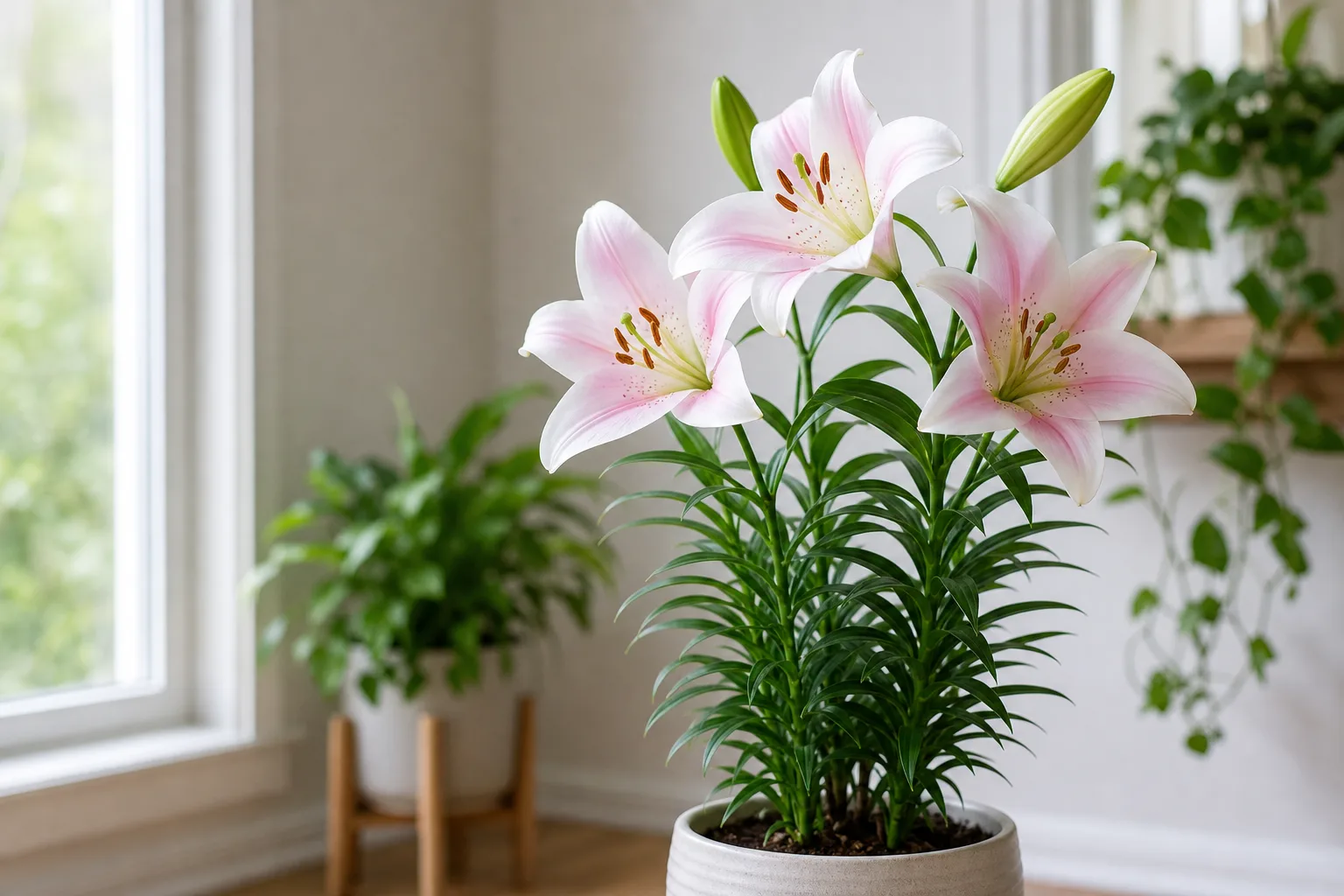
Walk into a bulb catalog and you will see orange tiger lilies, pink Stargazers, white Easter stems, and dozens of names that all claim to be lilies. Most of them really are true lilies in the genus Lilium—but peace lilies, daylilies, and calla lilies are not, and that distinction changes how you plant, when you cut, and whether the flowers are safe around a cat. The North American Lily Society groups garden lilies into nine horticultural divisions based on parentage and flower form (North American Lily Society). Once you understand those divisions, choosing from the 20 types below becomes far less overwhelming.
What Counts as a True Lily (and What Does Not)
A true lily grows from a scaly bulb, sends up an unbranched stem with leaves attached directly to the stalk, and carries flowers at the top or along the upper stem. The genus Lilium includes more than 80 wild species and thousands of named hybrids. NC State Extension describes Lilium as a bulbous perennial that flowers in summer, prefers full sun to part shade, and needs evenly moist, well-drained soil (NC State Extension).
Daylilies (Hemerocallis) are not true lilies. Each daylily flower lasts one day, the plants form grassy clumps rather than scaly bulbs, and they belong to a completely different family. They are excellent perennials, but they follow different planting and division rules. Peace lilies (Spathiphyllum) and calla lilies (Zantedeschia) are also unrelated despite the common name.
Why the Lilium name matters for planting and pet safety
Every true lily in this article—Asiatic, Oriental, trumpet, native, or species—is toxic to cats. The ASPCA lists Lilium species as toxic to cats, with kidney failure among the clinical signs (ASPCA). Pollen, petals, leaves, stems, and bulb scales all count. If you share your home with cats, grow true lilies only where cats cannot reach them, or choose non-Lilium alternatives for indoor bouquets. Dogs and horses are not listed as affected, but cat owners should treat every Lilium as high risk.
How Garden Lilies Are Classified: The Nine Divisions
Before you memorize 20 names, learn the nine divisions. They predict bloom time, fragrance, sun needs, and how fussy the bulb will be. The RHS serves as the International Cultivar Registration Authority for lilies and records flower habit (up-, out-, or down-facing) and flower form (trumpet, bowl, flat, or recurved) for registered cultivars (RHS).
Division 1: Asiatic hybrids
Asiatic lilies are Division 1. They are among the earliest garden lilies to bloom—often June—and the easiest for beginners. Colors span white through yellow, orange, pink, red, and plum, with up-facing, out-facing, or pendant flowers. Most Asiatics are unscented, which makes them a smart choice near patios if you dislike heavy perfume. Popular picks include ‘Lollipop’, ‘Connecticut King’, and dwarf forms like ‘Buff Pixie’ for pots and front borders. USDA hardiness is generally zones 3–8, with heights from about 1 to 5 feet depending on cultivar.
Divisions 2–5: Martagon, Candidum, American, and Longiflorum groups
Martagon lilies (Division 2), also called Turk’s cap lilies, produce tall stems crowded with small, down-facing, often freckled blooms in late spring to early summer. They tolerate more shade than most lilies and shine at a woodland edge, but they dislike hot, humid summers and resent transplanting once established (North American Lily Society). Cultivars such as ‘Claude Shride’ and ‘Fairy Morning’ are worth the patience of a settling-in year.
Madonna lilies (Lilium candidum, Division 3) are heirloom trumpet whites with a long cultivation history in Mediterranean climates. They want morning sun, neutral soil, and drier winter conditions; wet sites invite gray mold. They are harder to find than modern hybrids but unmatched for old-garden character.
American hybrid lilies (Division 4) combine genes from North American natives such as leopard lily (L. pardalinum) and related species. Expect recurving petals, pendant flowers, and a preference for dappled shade and humus-rich soil. They naturalize slowly into impressive clumps when left undisturbed.
Longiflorum hybrids (Division 5) include the Easter lily lineage. They excel as fragrant white trumpets but are less garden-hardy in cold climates than Asiatics. The species Lilium longiflorum is what you buy as a potted Easter lily; cultivars like ‘Nellie White’ and ‘White Heaven’ can move outdoors where hardy.
Division 6: Trumpet and Aurelian hybrids
Trumpet lilies and their Aurelian relatives (Division 6) are the tall, heavily fragrant mid-summer statement plants. Blooms are waxy and trumpet-shaped—think ‘African Queen’ (golden apricot) or ‘Golden Sunburst’. Stems routinely reach 4–8 feet and may need staking before summer storms. Aurelian types influenced by Lilium henryi flare wider and often bloom later, extending the trumpet season into August. These lilies want full sun, rich soil, and frost protection on emerging shoots in spring.
Division 7: Oriental hybrids
Oriental lilies (Division 7) bloom late—often August—when many summer perennials are fading. Flowers are large, heavily scented, and frequently down-facing or outward-facing. They demand acidic, humus-rich, consistently moist soil and cool roots mulched against heat. Staking is common on 4- to 6-foot stems. The trade-off for their finicky nature is perfume few other perennials can match.
Division 8: Interdivisional hybrids (LA, OT/Orienpet, OA)
Division 8 is where breeders cross divisions to combine the best traits:
- LA hybrids cross Easter lily (L. longiflorum) with Asiatics. You get sturdy stems, slightly trumpet-shaped flowers, light fragrance, and better cold tolerance than many Longiflorum types alone.
- OT hybrids—the group behind Orienpet lilies—cross Orientals with Trumpet/Aurelian parents. Cultivars like ‘Conca d’Or’, ‘Scheherazade’, and ‘Black Beauty’ offer Oriental color and scent on tougher, taller plants.
- OA hybrids blend Orientals with Asiatics for new color patterns and earlier bloom times than pure Orientals.
If you want Oriental drama without pure Oriental fussiness, start with an Orienpet.
Division 9: Species lilies
Species lilies are wild Lilium types and near-species selections—the genetic foundation of every hybrid above. Some are straightforward; others need specific moisture, drainage, or shade. Species are where you find tiger lilies (L. lancifolium), golden-rayed lilies (L. auratum), Japanese show lilies (L. speciosum), and North American natives such as wood lily and Canada lily.
Beginner-Friendly Lilies That Forgive Early Mistakes
If you are planting your first lily bed, start with types that tolerate a range of soils and do not sulk after the first hard rain.
Asiatic, LA hybrid, and carpet border lilies
Asiatic lilies remain the top recommendation for new growers: early bloom, broad color range, no staking on many cultivars, and tolerance of full sun. LA hybrids add a touch of trumpet form and light scent while keeping Asiatic toughness. Carpet border lilies are simply low-growing Asiatic selections bred for front-of-border carpets 12–18 inches tall—ideal along walkways where taller lilies would block the view. Plant in fall or early spring, give them drainage, and deadhead spent blooms while leaving green foliage until it yellows.
Fragrance-Forward Lilies for Borders and Bouquets
Fragrance is where lilies divide gardeners. Some want perfume filling the yard; others want color without headache-inducing intensity.
Oriental, trumpet, Orienpet, Stargazer, and Easter lilies
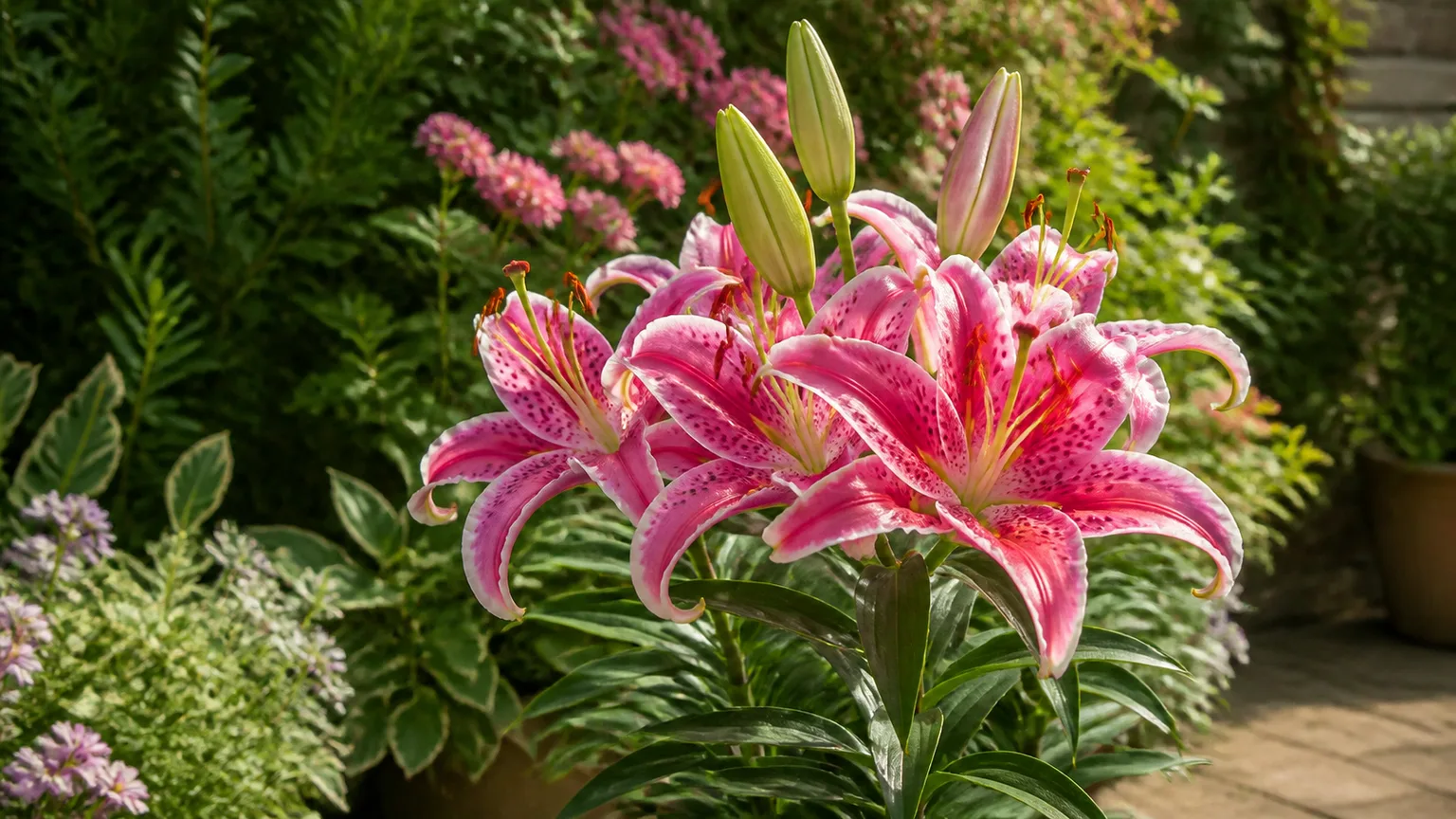
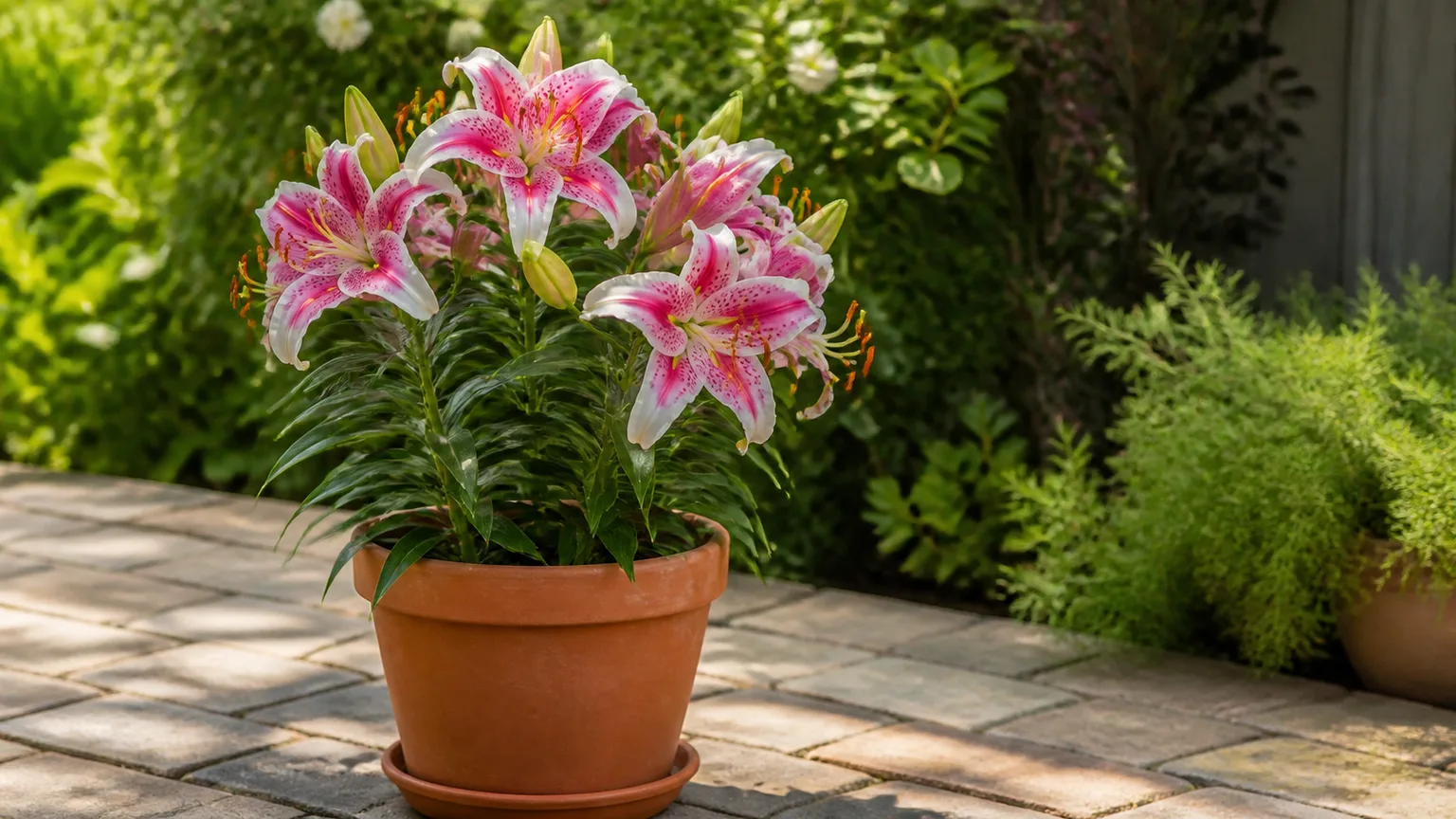
Oriental lilies are the classic perfumed late-summer lily. Trumpet lilies add mid-summer spice and immense size. Orienpet lilies give you Oriental presence on plants that are often easier to grow and less prone to flopping. ‘Stargazer’—technically an Oriental hybrid—deserves its own mention because upward-facing pink-and-white blooms changed what gardeners expected from Orientals when it arrived in the 1970s. It is still one of the most fragrant cut flowers you can grow; see our Stargazer lily care guide for planting depth and post-bloom foliage rules.
Easter lilies (Lilium longiflorum) are intensely fragrant white trumpets. Forced plants bought in spring can transplant outdoors in zones 4–8 where hardy, ideally in a spot with sun on the blooms and cooler roots shaded by low companions. Expect July or August flowers in the garden, not Easter week.
Golden-rayed lily (L. auratum) and Japanese show lily (L. speciosum) are species-level fragrance champions. Golden-rayed blooms can reach 10 inches across with white petals striped gold; Japanese lilies nod heavily scented pink or white recurved flowers in late August and September. Both prefer partial shade in hot climates and steady moisture.
Shade-Tolerant and Woodland Lilies
Most lilies want sun, but a few excel where bright perennials struggle.
Martagon lilies and native edge-of-woods species
Martagon lilies lead the shade-tolerant list. Site them at a woodland edge away from thirsty tree roots, expect a year to settle, and then enjoy decades of Turk’s cap blooms. Leopard lily (L. pardalinum), native to California and southern Oregon stream banks, wants moist, humus-rich soil and tolerates light shade; spotted orange-red Turk’s cap flowers appear in late spring. Canada lily (L. canadense) and Michigan lily (L. michiganense) are eastern North American natives for dappled light and consistent moisture—Canada lily with nodding speckled trumpets, Michigan lily with recurved orange-red petals that tolerate wet margins better than many lilies.
20 Lily Types Worth Knowing by Name
The nine divisions organize the chaos; these 20 types are the names you will actually see on labels, in catalogs, and in neighbors’ gardens.
Early-summer hybrids and species
- Asiatic lily (Division 1) — earliest, easiest, widest color range; usually unscented; zones 3–8.
- LA hybrid lily (Division 8) — Easter × Asiatic cross; sturdy, lightly fragrant; zones 3–9.
- Carpet border lily (Asiatic selection) — 12–18 in. groundcover effect; front borders and pots.
- Martagon lily (L. martagon, Division 2) — shade-tolerant Turk’s cap; slow to establish; zones 3–9.
- Madonna lily (L. candidum, Division 3) — heirloom white trumpets; neutral soil, dry winters; zones 6–9.
- Tiger lily (L. lancifolium, Division 9) — orange spotted recurving blooms; bulbils in leaf axils; disease-tolerant; zones 3–9.
- Wood lily (L. philadelphicum) — compact prairie native with orange-red mottled funnel flowers; zones 3–7.
Mid- to late-summer showstoppers
- Trumpet lily (Division 6) — towering fragrant trumpets mid-summer; stake tall cultivars; zones 4–8.
- Henry’s lily (L. henryi, Division 9 parent) — orange spotted recurved blooms; parent of many Aurelians; moist soil; zones 5–8.
- Oriental lily (Division 7) — late, large, intensely fragrant; acidic humus-rich soil; zones 4–8.
- ‘Stargazer’ lily (Oriental hybrid) — upward-facing pink-and-white; iconic cut flower; zones 4–9.
- Orienpet lily (OT hybrid, Division 8) — Oriental × trumpet cross; cultivars like ‘Conca d’Or’; zones 4–9.
- Easter lily (L. longiflorum) — white fragrant trumpets; potted gift plant or garden perennial; zones 4–8.
- Golden-rayed lily (L. auratum) — huge white-and-gold species blooms; afternoon shade in heat; zones 4–9.
- Japanese show lily (L. speciosum) — late-summer nodding fragrant species; keep soil moist; zones 5–8.
North American natives and regional specialties
- American hybrid lily (Division 4) — hybrids of western and eastern native parents; woodland gardens; zones 3–9.
- Leopard lily (L. pardalinum) — western stream-bank native with spotted Turk’s cap flowers; zones 5–8.
- Canada lily (L. canadense) — eastern nodding speckled trumpets; moist partial shade; zones 3–9.
- Michigan lily (L. michiganense) — recurved orange-red; tolerates wet soils; zones 3–8.
- Washington lily (L. washingtonianum) — rare western native with large fragrant white trumpets fading pink; dry woodland; zones 6–9.
That list spans every division and most common shopping categories. You do not need all 20 in one yard—pick two or three that cover different bloom windows and light conditions.
Choose Lilies by Bloom Season
Stagger divisions and you can have lilies in flower from late spring through early fall:
| Bloom window | Lily types to prioritize |
|---|---|
| Late spring–early summer | Martagon, Madonna, leopard lily, Asiatic (early cultivars) |
| Early–mid summer | Asiatic, tiger lily, wood lily, trumpet lilies (early) |
| Mid–late summer | Trumpet/Aurelian, Henry’s lily, Oriental, Orienpet, Easter lily (garden-planted) |
| Late summer–early fall | Oriental, Japanese show lily, golden-rayed lily, late Orienpets |
Within a division, cultivar choice shifts timing by one to three weeks. Check bulb labels for “early” or “late” series when you want to fine-tune the calendar. Fall-planted bulbs from our bulbs you can plant in August guide often establish faster than spring-planted stock in cold-winter regions.
Planting and Site Basics Every Lily Shares
Different lily types have different personalities, but a few rules apply to all Lilium bulbs:
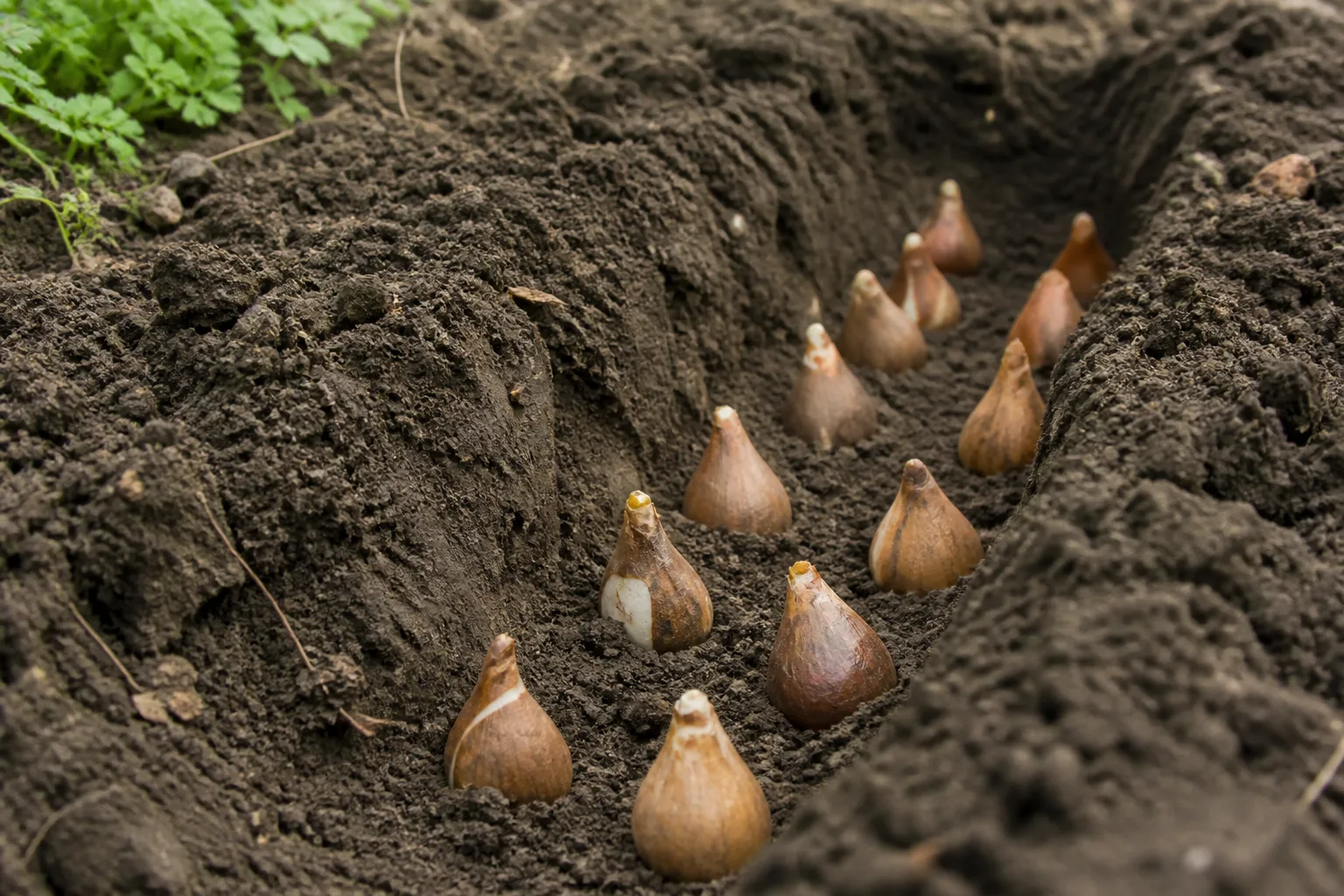
Drainage beats perfect soil texture. Lilies want moisture during growth but rot in standing water. Raise beds or use containers if your soil holds puddles. Planting depth is measured from the bulb’s base to the soil surface. A practical starting point for garden bulbs is 6 to 8 inches, adjusted for bulb size and label directions. The pointed growing tip faces up; if unsure, plant on its side.
Sun on leaves, cool roots. Full sun to light afternoon shade suits most hybrids. In hot climates, Orientals and golden-rayed types appreciate shade on the root zone via mulch or low companion plants while stems stay in bright light. Fertilize lightly in spring as shoots emerge; heavy nitrogen without drainage causes weak stems.
Leave the foliage. After flowers fade, remove seedpods but keep green leaves and stems until they yellow. The bulb rebuilds next year’s bloom from those leaves. Cutting stems to the ground in July is the most common reason lilies “skip” a year.
Stake before storms on trumpet, Oriental, and Orienpet stems over 4 feet. Winter protection matters in zones 3–5: mulch after the ground freezes and remove gradually in spring so shoots do not rot under wet mulch.
BBC Gardeners’ World notes that Asiatic lilies tolerate neutral to alkaline soil while Orientals prefer acidic conditions—a useful split when you are grouping plants in the same bed (BBC Gardeners’ World Magazine). Keep Orientals with rhododendrons and Asiatics with neutral beds rather than forcing one pH for both.
Conclusion
The twenty lily types above look wildly different, but the North American Lily Society’s nine divisions explain most of the differences in bloom time, fragrance, and fussiness. Start with Asiatic or LA hybrids if you want easy color, add trumpet or Orienpet lilies for mid-summer perfume, and save martagons and native species for woodland edges where you can meet their moisture and shade needs. Mark bloom seasons on your calendar, plant firm bulbs at the right depth in draining soil, and keep every true lily away from cats. Do that and you will have a lily palette that outlasts any single-season annual—and far more personality than a generic “mixed lily” bag ever promised.