8 Low-Maintenance July Plants for Easy Summer Color
Choose low-maintenance July plants by sun, soil, and water needs. Get honest care rules for eight tough perennials, plus mistakes to avoid in summer.
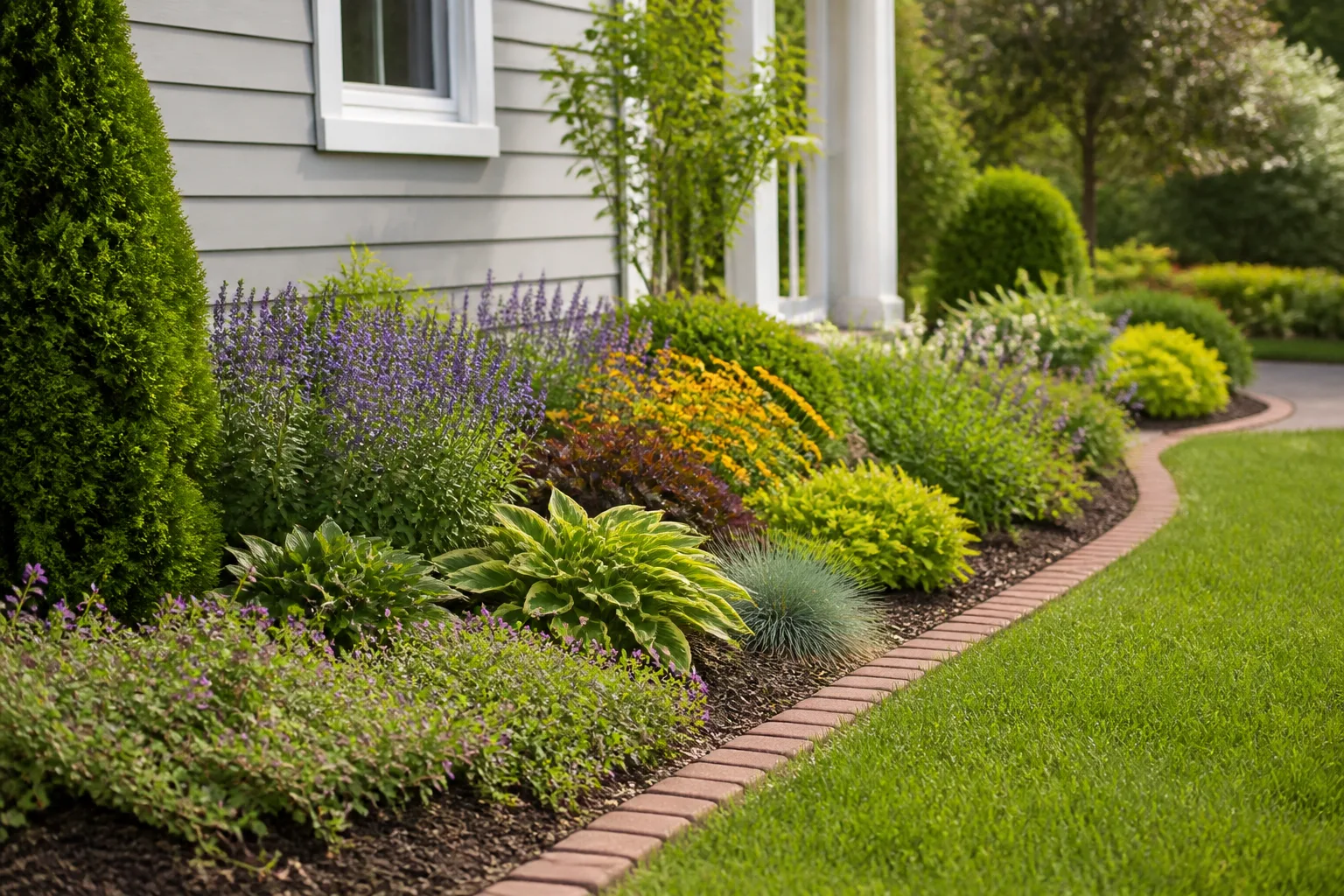
“Ignore it” is useful garden advice only when you know what the plant is asking for in the first place. A rooted perennial in the right spot may coast through a hot July with little more than rain, while the same plant can collapse if it is newly planted, shaded, waterlogged, or squeezed into a pot that dries by lunch.
The eight plants below earn their low-maintenance reputation for different reasons. Some store water, some tolerate poor soil, some handle heat, and one is happiest in shade with steady moisture. Use the list as a matching guide, not a dare to stop looking at your garden.
What “low maintenance” really means in July
For this guide, low maintenance means low intervention after establishment. The plant can keep its shape, flower, or hold attractive foliage without a daily watering ritual, weekly feeding, or constant rescue pruning. It does not mean the plant is invincible, nor does it cancel out a heat wave, a leaking irrigation line, or a pot with no drainage hole.
The biggest distinction is age. A mature daylily, coneflower, sedum, or goldenrod with roots spread through the surrounding soil may tolerate a dry spell that would kill a fresh nursery transplant. “Drought tolerant” is a description of an established root system, not permission to let a new plant wilt. Penn State Extension makes the same practical point in its perennial-care guidance: drought tolerance generally arrives after establishment, and new plantings need regular attention while roots grow.
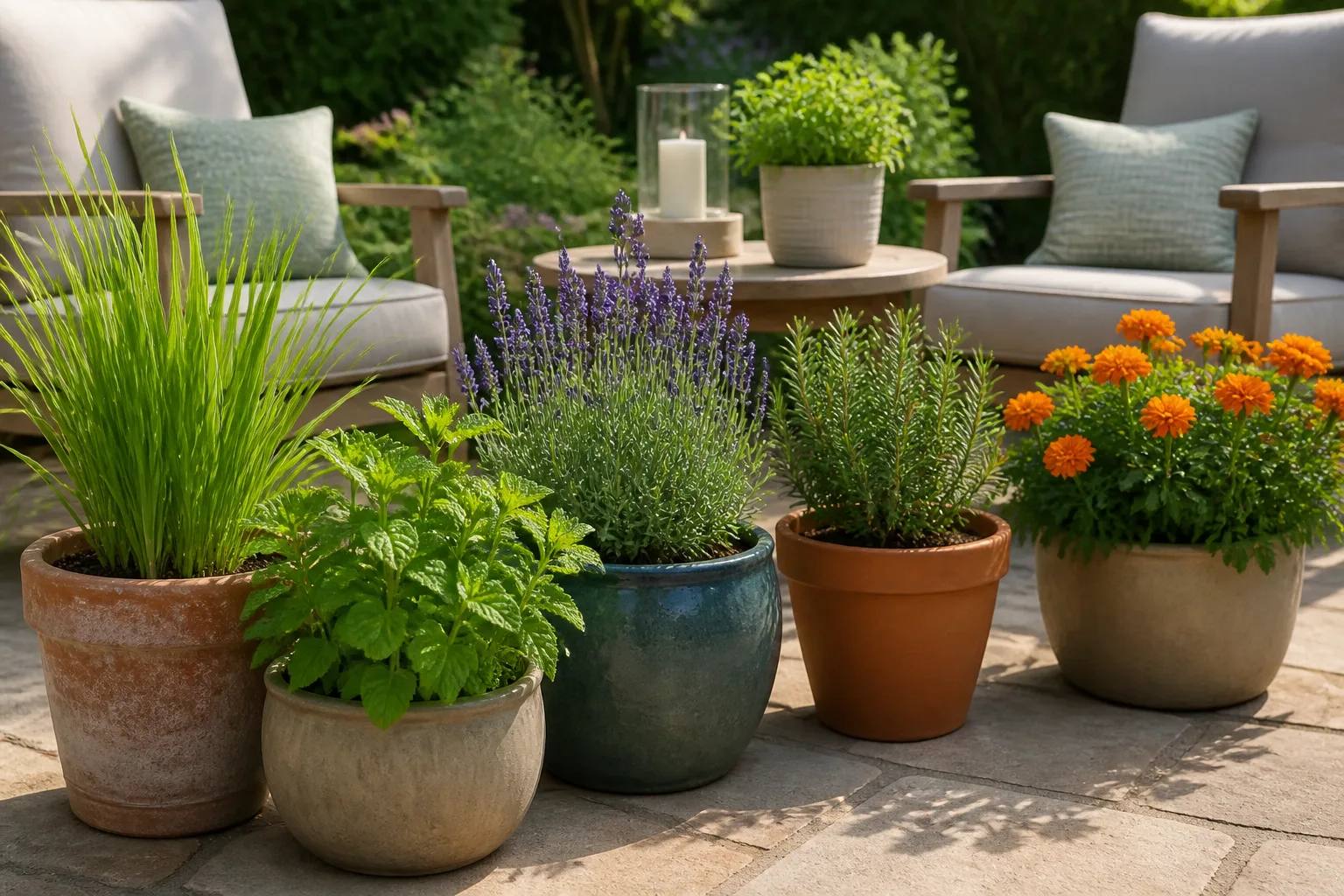
That distinction also makes the list more honest for people who garden in containers, on balconies, or in hot urban beds. A container has a small, exposed root zone; even a drought-tolerant plant may need water more often than its in-ground counterpart. A plant beside a south-facing wall may need help sooner than one in an open bed with afternoon cloud cover.
The real care plan: match the plant to the site
The easiest July garden begins before the plant goes into the ground. Choose a plant according to light, drainage, and the way you actually water, then give it enough room to reach its mature width. A plant that naturally wants dry sun will not become low maintenance in a damp shade bed simply because its label says “easy.”
| Plant | Best fit | July watch-out |
|---|---|---|
| Daylily | Sun to part shade; average, well-drained soil | New plants need water while rooting |
| Lavender | Full sun; lean, sharply drained soil | Wet soil is a bigger threat than missed feeding |
| Purple coneflower | Full sun; well-drained average to dry soil | Leave some seedheads if birds and structure matter |
| Hosta | Morning sun or shade; evenly moist soil | Protect from hot afternoon sun, deer, and slugs |
| Sedum | Sun; coarse, fast-draining soil | Avoid routine water in rainy weather |
| Goldenrod | Sun; dry to average soil with room to spread | Choose a compact habit for narrow borders |
| Coreopsis | Full sun; well-drained soil | Deadhead for display, not because it is essential |
| Succulents | Bright light; dry, draining mix or bed | Species and container size change the schedule |
This is the quick match: dry sun points to lavender, sedum, coneflower, coreopsis, or many succulents; summer color with more soil tolerance points to daylily; shade with moisture points to hosta; and late-season pollinator value points to goldenrod. When two plants seem equally attractive, pick the one that matches the water pattern you already have.
Start with sun, drainage, and the plant’s mature size
Use six or more hours of direct sun as the working definition of full sun, but notice the quality of that light. Morning sun with bright afternoon shade can be gentler than six hours beside reflected heat from concrete. Lavender, coreopsis, sedum, and most coneflowers want the sunny end of that range; hostas generally want morning light, dappled shade, or deeper shade depending on the cultivar and climate.
Drainage is the second filter. Lavender and sedum would rather face a short dry spell than sit in saturated soil. Hosta wants moisture but still needs soil that drains; roots in permanently soggy ground are more vulnerable to rot. If a site stays puddled after rain, fix the drainage or choose a moisture-tolerant plant instead of planning to “water carefully” forever.
Finally, look up and out. A mature goldenrod can be a generous late-season plant, but a spreading variety in a narrow border will create work. Tall sedums may flop when grown in too much shade or fed heavily. Hostas may be easy to grow yet still require deer or slug management where those pests are common.
Separate established plants from July transplants
If you buy a plant in July, treat it as a plant-care project for several weeks even if the species is known for drought tolerance. Water the root ball thoroughly at planting, check it before the soil dries deeply, and use a thin layer of mulch to slow evaporation. Do not bury the crown, pile mulch against stems, or assume a brief shower wet the entire nursery root ball.
For an established in-ground plant, the test is simpler: push a finger or a small soil probe into the soil near—not directly against—the plant. If the root zone is cool and damp, wait. If it is dry several inches down and the plant is showing stress, water slowly enough for moisture to soak in rather than run off. University of Wisconsin Horticulture recommends checking soil moisture instead of watering by habit, especially during drought.
Water deeply, then stop guessing
The safest July watering routine is a short inspection followed by a slow, targeted soak only when the soil needs it. Water at the soil line in the morning when possible, let the root zone absorb the moisture, and check again later rather than repeating shallow sips. A rain gauge helps you account for rainfall, but it cannot tell you whether a dense canopy kept water from reaching the ground.
Use the root-zone test instead of a calendar
An “inch per week” benchmark can be useful for newly planted perennials or prolonged drought, but it is not a universal appointment. Sandy soil drains quickly, clay soil may stay wet, containers dry faster, and a week of humid rain is not equivalent to a week of hot wind. Penn State and Wisconsin Extension both emphasize adjusting watering to establishment, soil, rainfall, and plant condition.
Give new plants a deep soak rather than a daily sprinkle. For an established plant, water when the soil has dried to the depth of its active roots and the weather has not supplied enough moisture. If a plant wilts only in the hottest part of the afternoon but its root zone is damp, do not automatically add water; heat load, root damage, or excessive sun may be the real issue.
Mulch for stability, not as a blanket over the crown
Mulch helps by reducing evaporation and moderating soil temperature, which is especially useful for a July transplant. Keep it a few inches away from crowns and stems, use a moderate layer, and pull it back if the soil beneath remains wet for days. Thick, wet mulch touching lavender stems or a sedum crown creates the damp conditions those plants are trying to avoid.
For a vacation garden, mulch is a moisture buffer, not an irrigation system. Soaker hoses or drip lines are more dependable than overhead sprinklers, and a timer is only useful if you have tested how much water actually reaches the root zone. Water before you leave, move portable containers out of the harshest reflected heat, and ask someone to check pots during a long, hot absence.
Eight plants that can coast through July
Daylily
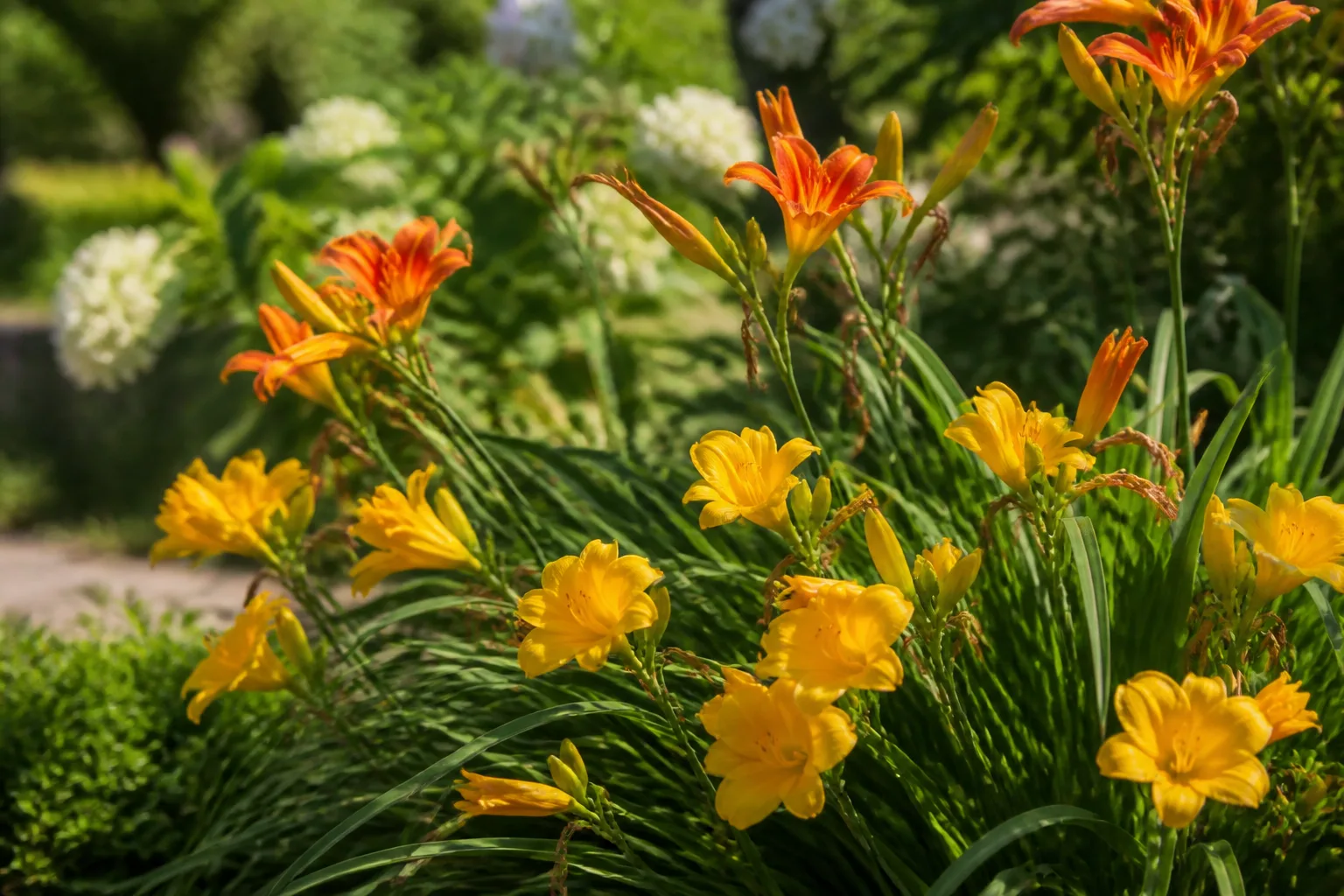
Daylilies are dependable because they combine a clumping root system with a long flowering season. Each flower lasts about a day, but a mature plant produces many buds, so the bed can stay colorful without you treating every spent bloom as an emergency. NC State Extension describes daylily hybrids as tolerant of drought, heat, salt, and urban conditions when grown in full sun to partial shade and well-drained soil.
Give a daylily the brightest site you have if bloom count matters, although many varieties handle part shade. Rich, excessively leafy growth or deep shade can mean fewer flowers. Water a new division or nursery plant consistently while it roots, then let an established clump rely more on rainfall unless the soil is genuinely dry.
The July temptation is to divide a clump because it looks crowded. Resist digging in the hottest stretch unless the plant has a pressing problem. Let the plant finish its main display, then divide during a cooler, locally appropriate window when the soil can be worked and the roots have time to recover. If you simply want a tidier look, remove spent scapes after flowering rather than disturbing the crown.
Lavender
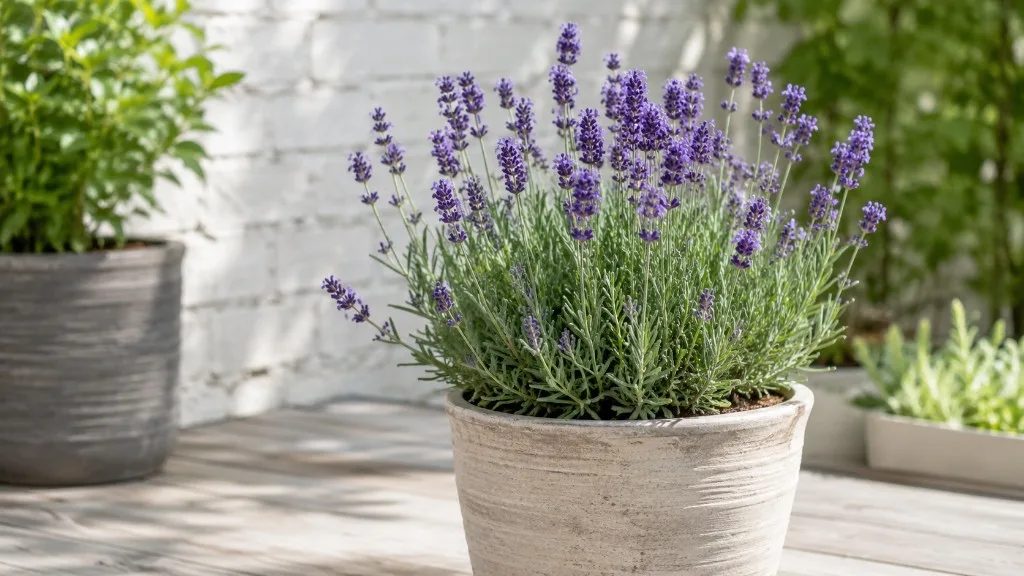
Lavender is low maintenance when you give it the conditions it evolved to prefer: strong light, lean soil, and fast drainage. The University of Delaware Cooperative Extension recommends full sun and warns that wet conditions are a common route to decline. Lavender in heavy, damp soil can need more attention than a thirstier plant in the same bed.
In July, harvest or remove fading flower stems if you want a tidy plant and a second flush from a reblooming type. Cut into leafy green growth, not deep into old, bare wood that has little ability to push new shoots. Gardeners’ World also emphasizes the practical balance: water newly planted lavender while it establishes, then keep established plants from sitting wet.
Do not reward a slow lavender with fertilizer and extra water before checking light and drainage. Pale, floppy, or yellowing growth often points to a site problem rather than hunger. In a rainy climate, a raised mound, gritty bed, or container with a drainage hole may do more for the plant than any product.
Purple coneflower
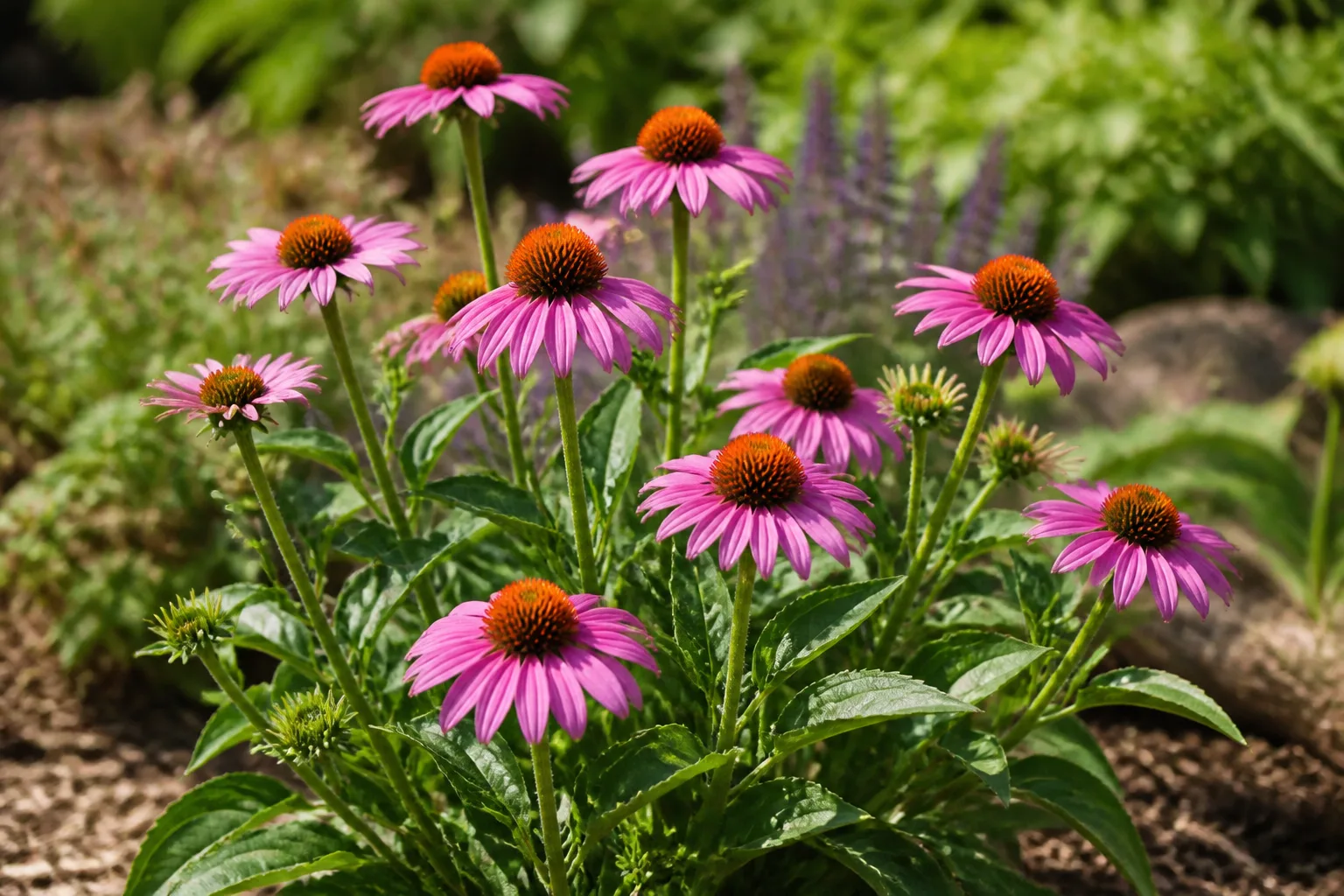
Purple coneflower, or Echinacea purpurea, is the easygoing middle of this group. It likes full sun and well-drained soil, handles dry conditions once established, and keeps its sturdy flower stems useful well after petals fade. NC State Extension lists the species as a summer-blooming perennial that tolerates drought, dry soil, heat, and poor soil.
New coneflowers need water while their roots occupy only the original transplant area. Established plants usually need supplemental water during an extended dry spell, especially in sandy soil or extreme heat, but they do not benefit from a permanently wet crown. Water slowly around the root zone and allow the surface to dry between deeper soaks.
Deadheading is a choice, not a requirement. Remove spent flowers if you want to encourage a tidier repeat display; leave some seedheads if you value winter structure and bird forage. A little restraint is part of the plant’s appeal: heavy fertilizer can encourage soft, leafy growth and reduce the sturdy, self-supporting habit that makes coneflower so useful.
Hosta
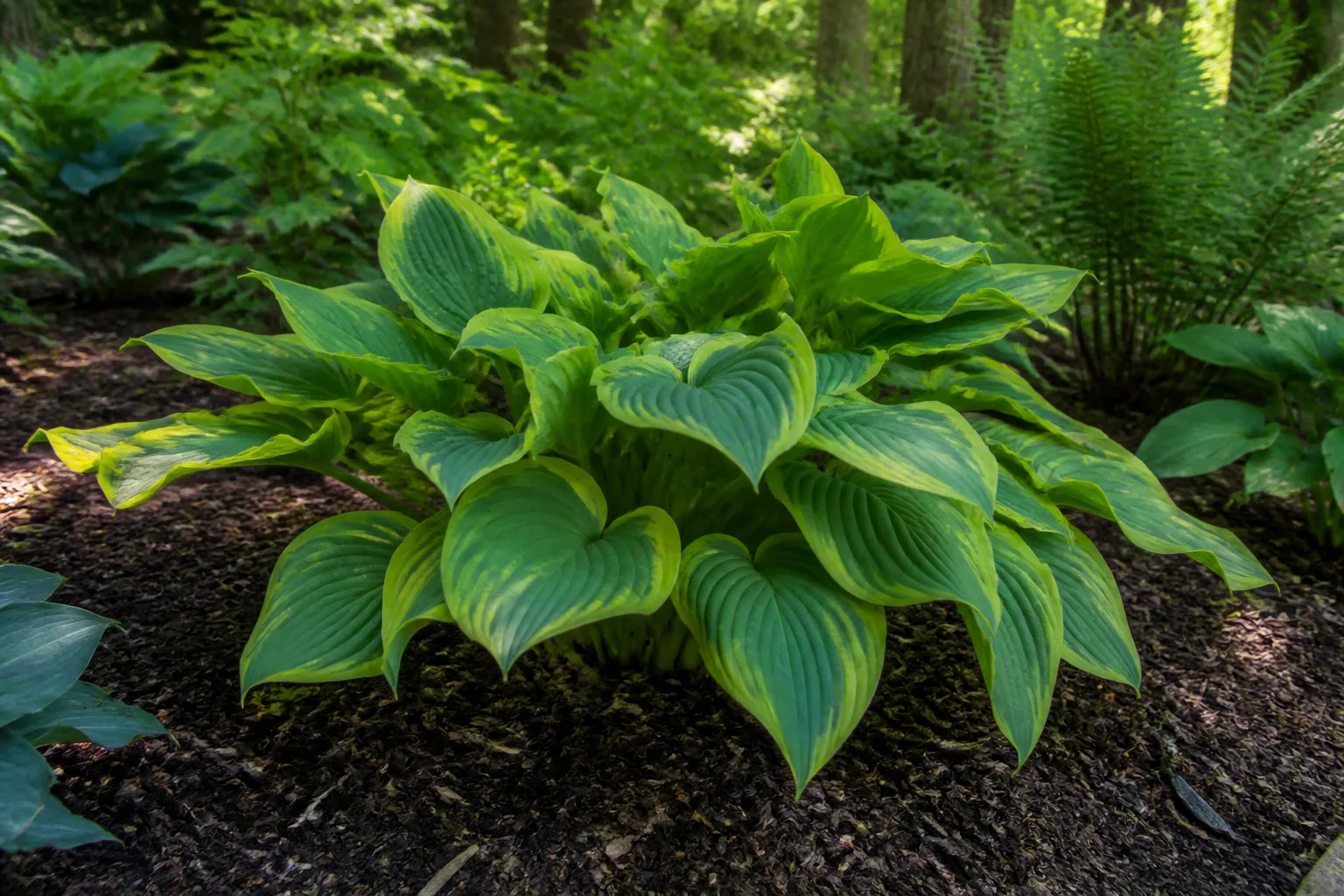
Hosta is the shade specialist on this list, and it proves that low maintenance does not always mean low water. NC State Extension recommends moist, organic soil that drains well, with morning sun or dappled shade; in hot climates, many hostas perform better with deeper shade to reduce leaf scorch.
Give hosta a spot where the soil stays evenly—not constantly—moist. A dry, exposed root zone can produce scorched edges and drooping leaves, while saturated soil can cause root or crown problems. Water at the soil line when the root zone is drying, and refresh a moderate mulch layer without covering the crown.
The work that hosta avoids is daily pruning and feeding, not wildlife management. Deer and rabbits may eat the foliage, and slugs may make ragged holes. If a hosta suddenly looks damaged, inspect the leaves and surrounding soil before assuming the plant needs more water. Moving a sun-scorched hosta to better shade can solve more than increasing irrigation.
Sedum
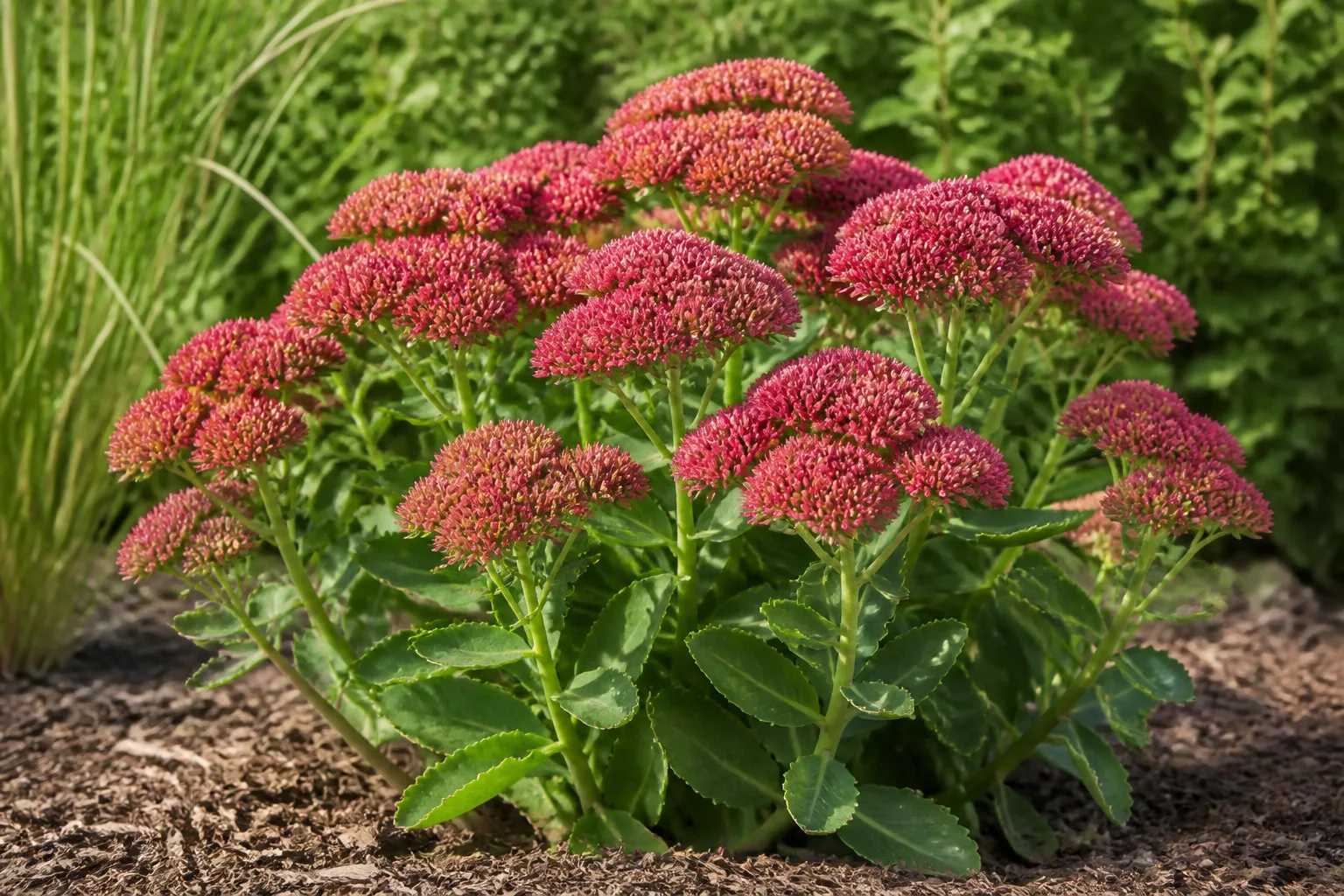
Sedum is a broad group, from low groundcovers to upright stonecrops often sold under Hylotelephium. The shared advantage is fleshy foliage that stores water. NC State Extension notes that most outdoor sedums prefer sun to part sun, coarse well-drained soil, and tolerate drought, dry soil, rocky sites, and poor soil.
The rule for sedum is simple: more sun and better drainage usually mean less work. Let the soil dry between waterings, especially for low-growing forms in containers or rock gardens. During a rainy July, do not water because the calendar says it is watering day. Check for mushy leaves, slow-drying soil, or a pot that stays heavy.
Upright sedums can flop when grown in insufficient light or pushed with excess fertilizer. If the plant is healthy but open and weak, diagnose the site before adding support or food. A spring pinch can make some tall forms sturdier, but July is generally a time to enjoy the flower heads forming, remove damaged material, and avoid unnecessary disturbance.
Goldenrod
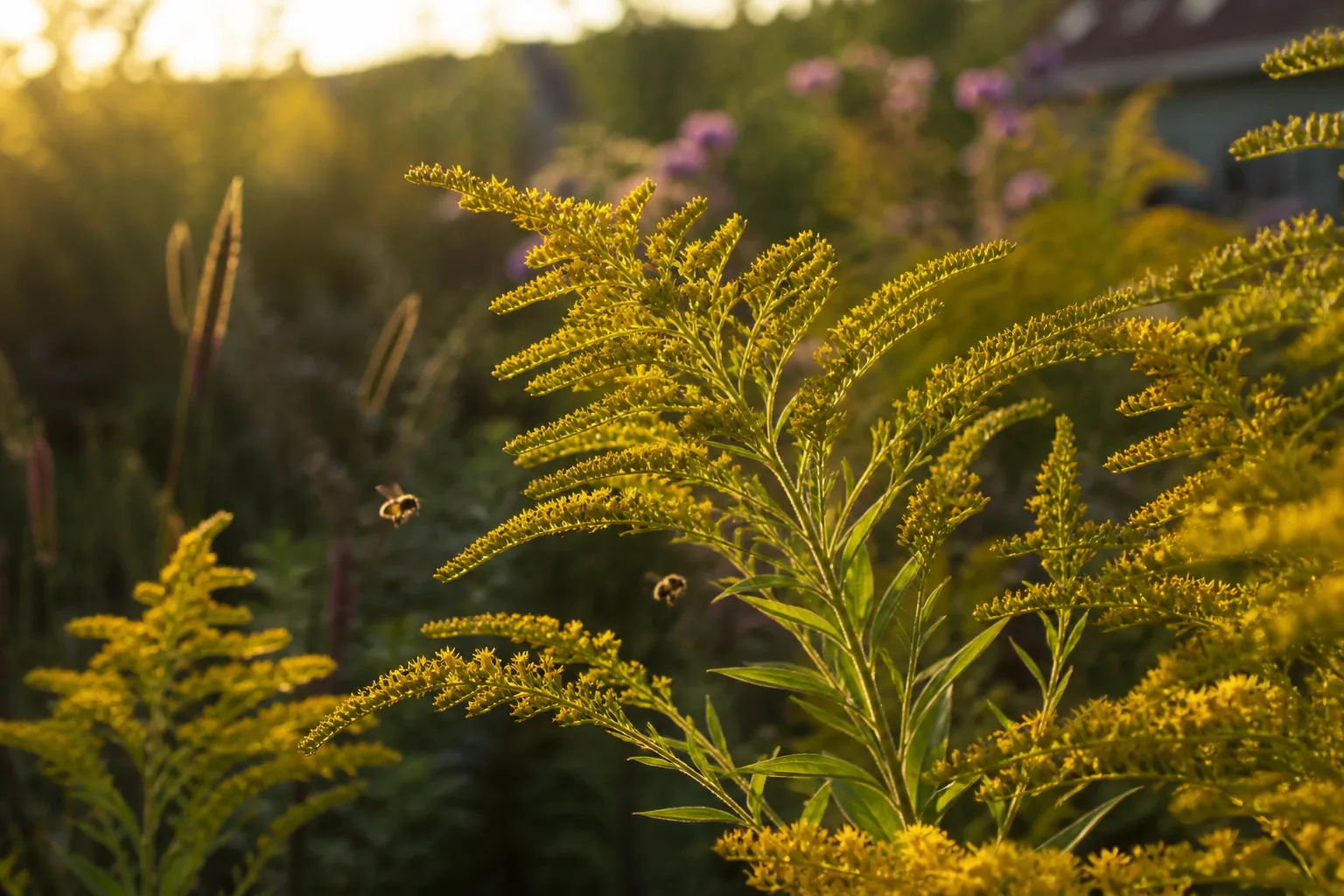
Goldenrod is a late-season workhorse, especially for gardeners who want reliable yellow flowers and pollinator activity after earlier perennials begin to fade. NC State Extension’s Solidago profile describes goldenrod as a full-sun plant that can tolerate dry soil and poor soil, but the genus contains many species and habits. Choose a cultivar that fits your border rather than treating every goldenrod as equally compact.
Once established, goldenrod typically needs little beyond a check during a prolonged drought. Keep young plants watered until roots spread, and avoid placing a tall form where it will shade smaller plants or block a path. Leaving some flowers standing supports insects and gives the garden late-summer structure; cut back only what has become diseased, damaged, or genuinely intrusive.
Goldenrod is often blamed for seasonal allergies because it blooms at the same time as ragweed. Clemson Cooperative Extension explains the useful distinction: goldenrod has conspicuous, nectar-producing flowers and heavy pollen carried mainly by insects, while ragweed has less showy flowers and lightweight pollen moved by wind. That does not make every garden allergy-free, but it does make goldenrod the wrong plant to blame by default.
Coreopsis
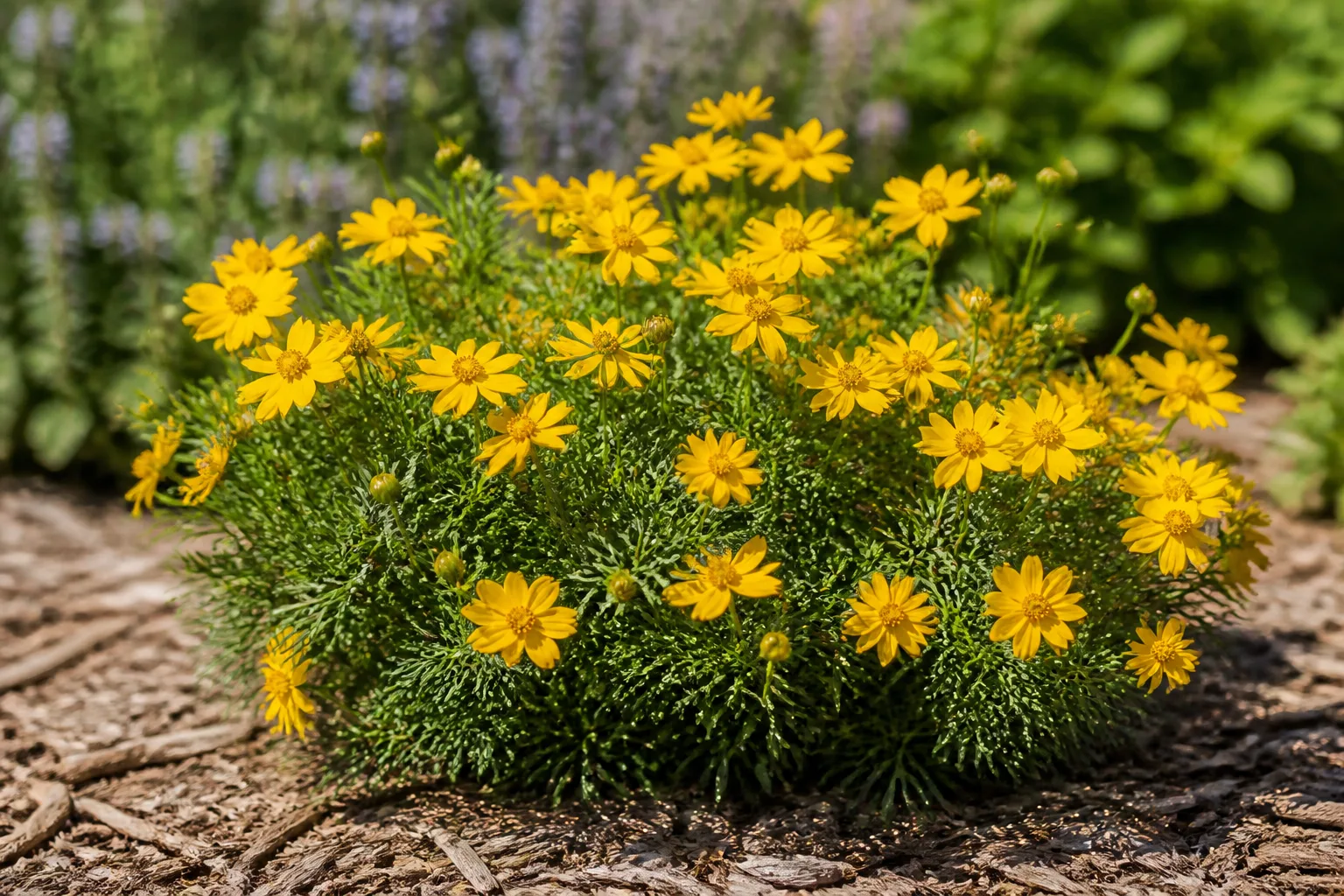
Coreopsis, also called tickseed, earns its place through long bloom potential and a tolerance for sunny, well-drained beds. The NC State Extension profile for lanceleaf coreopsis lists full sun, good drainage, summer flowers, and tolerance of drought, dry soil, heat, and poor soil. Cultivars vary, so use the mature height and width on the label when choosing a spot.
Established coreopsis usually needs water only when the soil has dried deeply during a prolonged hot spell. New plants and plants in small containers are different. Check them more often, water thoroughly, and do not assume their fine foliage means the root ball is moist.
Deadheading can keep the plant looking fresh and may encourage more flowers, but it is optional for a relaxed garden. If a healthy plant slows after an early flush, remove spent stems rather than feeding heavily. Gardeners’ World recommends regular removal of fading flowers for continued display; the broader lesson is to use the shears for a clear goal, not because every spent bloom signals failure.
Succulents
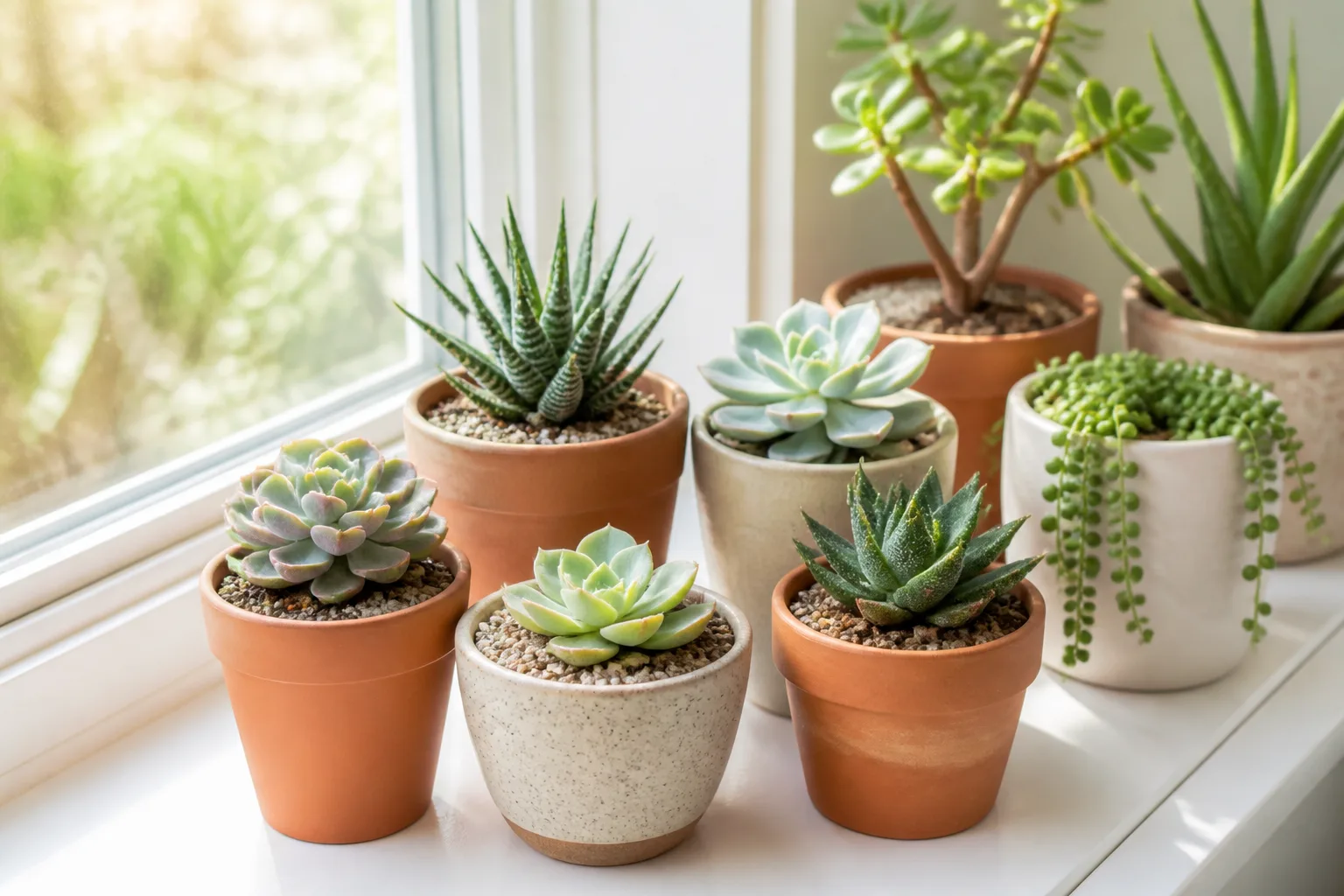
Succulents are not one plant with one July schedule. They include desert-adapted plants, hardy outdoor sedums, tender rosette plants, and tropical-looking species with very different light and temperature limits. West Virginia University Extension’s succulent guidance stresses the basics that apply across the group: bright light, a container with drainage, and watering that allows excess moisture to leave.
For an outdoor succulent in a climate and species range it can handle, water deeply enough to wet the root ball, then wait for the growing medium to dry to the level appropriate for that plant. Do not give repeated spoonfuls that wet only the top. In a pot, confirm that water exits the drainage hole; in a bed, make sure surrounding soil does not trap rain around the crown.
Summer sun also needs a little respect. A plant moved from a sheltered nursery bench into intense afternoon light may scorch even if it is drought tolerant, so acclimate it over several days when possible. During a stormy or humid July, the low-maintenance choice may be to do nothing: protect a container from repeated rain, improve airflow, and let the mix dry rather than adding more irrigation.
The few July chores that are worth your time
Spend ten minutes once or twice a week walking the garden with a hose, pruners, and a soil probe. Check new plants first, then containers, then any plant in reflected heat or visibly different soil. That order prevents the common mistake of watering the entire bed because one fresh transplant is thirsty.
Deadhead only when you know what you want. Removing spent coreopsis or daylily flowers can make the bed look cleaner and sometimes extend a display. Leaving coneflower and goldenrod seedheads can provide structure and wildlife value. Lavender may benefit from a light post-flowering trim, while sedum is usually better left alone as it builds late-season flower heads.
Skip routine fertilizer during a heat wave. If a mature plant is thriving, extra nitrogen can create soft growth, fewer flowers, or floppy stems. If growth is weak, first inspect light, root-zone moisture, drainage, pests, and crowding. A soil test and a crop-specific recommendation are more useful than guessing with a strong feed.
Before a one- or two-week trip, water newly planted beds and containers thoroughly, add or refresh moderate mulch in the ground, and group pots where they receive bright light without the harshest reflected heat. A neighbor should check containers and recent transplants because those are the plants least able to honor the “ignore me” promise.
Troubleshoot before you intervene
When a low-maintenance plant looks bad, more care is not automatically the cure. Diagnose the root zone first, then the site, then pests or disease.
- Wilting in afternoon heat: Check the soil several inches down. If it is damp, wait until morning and inspect for scorch, root damage, or excessive exposure before watering.
- Yellow leaves and soft stems: Suspect water staying too long around the roots, especially on lavender, sedum, and succulents. Verify drainage and pause irrigation rather than adding fertilizer.
- Few flowers or floppy growth: Review direct light and nitrogen. Lavender, coreopsis, coneflower, and sedum usually flower better when they are not shaded or overfed.
- Crispy hosta edges: Check for dry soil, hot afternoon sun, and wind. Shade and steady moisture are usually more useful than a larger watering can.
- Ragged hosta leaves: Look for slugs, deer, or rabbits. The plant may be healthy enough to grow, even if it is not protected from browsing.
- A new plant collapsing: Treat it as a transplant, not as a drought-tolerant adult. Recheck planting depth, root-ball moisture, mulch placement, and the amount of sun hitting it.
The most useful intervention is often moving the plant’s care back toward the site it prefers. A lavender in wet clay, a hosta in reflected afternoon sun, and a succulent in a water-retaining pot are all being asked to solve the wrong problem.
Conclusion
The best plants to ignore in July are not the ones that need absolutely nothing. They are the plants whose preferred conditions do most of the work: lavender and sedum in bright, sharply drained soil; coneflower, coreopsis, and daylily in suitable sun; goldenrod where late-season spread is welcome; hosta in cool, evenly moist shade; and the right succulent in a dry, well-drained setup.
Give new plantings a real establishment period, check soil before reaching for the hose, and reserve July chores for watering, pests, and purposeful trimming. Once those basics are in place, stepping back is not neglect. It is how you let a well-matched plant become easy.