Monstera Deliciosa vs Adansonii: Which Monstera Fits Your Space?
Compare Monstera deliciosa and Monstera adansonii by leaf size, fenestration, growth speed, space needs, and care so you pick the right Swiss cheese plant.
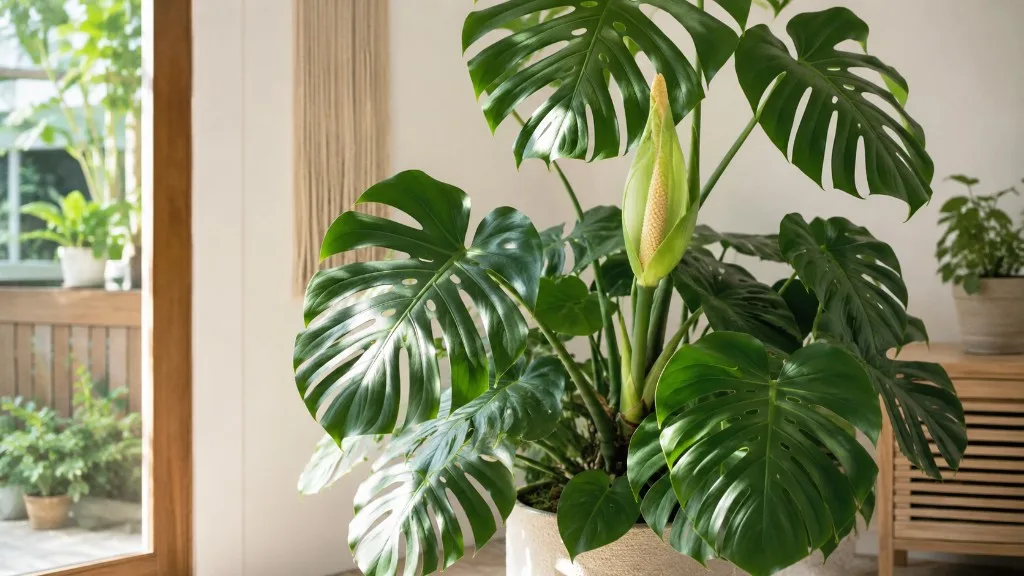
Monstera deliciosa and Monstera adansonii share the “Swiss cheese plant” nickname and the same split-leaf marketing aisle — but they are different species with different space appetites. Deliciosa is the bold floor specimen with potentially huge fenestrated leaves. Adansonii is the finer, faster vine with oval window holes and a lighter footprint.
This guide compares ID cues, fenestration expectations indoors, day-to-day care, and which Monstera fits a small apartment versus a statement corner. Cross-check species-level routines on the Monstera deliciosa hub and Monstera adansonii hub.
Quick Answer: Which Should You Buy?
Choose Monstera deliciosa if you want a dramatic floor plant, have bright indirect light, and can offer a moss pole or trellis for mature split leaves. Start with the Monstera deliciosa hub for watering, light, and repotting workflows.
Choose Monstera adansonii if you want a faster-climbing or trailing aroid that fits shelves, narrow poles, or hanging baskets without taking over the room. Use the Monstera adansonii hub for species-specific care.
If pets chew plants, neither is pet-safe. Both contain insoluble calcium oxalate crystals. Elevate vines or pick non-toxic alternatives from pet-safe houseplants.
They Are Two Species in One Genus
Both plants sit in Monstera within Araceae — the same aroid family as pothos and philodendron. Clemson HGIC groups monsteras with commonly confused trailing aroids, which is why tags sometimes say “split-leaf philodendron” for deliciosa even though it is not a philodendron.
Monstera deliciosa is the classic split-leaf Monstera sold in 6-inch pots that eventually want floor space. NC State Extension describes thick stems, aerial roots, and mature leaves that develop splits and holes when given support and adequate light.
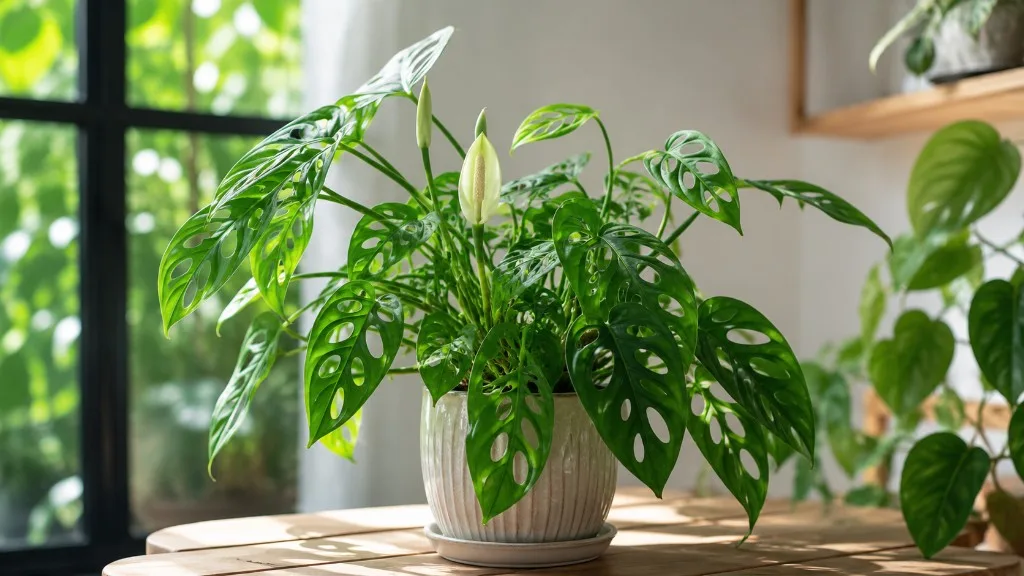
Monstera adansonii (often sold as Swiss cheese vine) keeps smaller, thinner leaves with neat oval holes. NC State notes a trailing or climbing habit and medium indirect light preference — a finer texture than deliciosa at every life stage indoors.
Comparison at a Glance
| Factor | Monstera deliciosa | Monstera adansonii |
|---|---|---|
| Leaf size (indoors) | Large; can reach 12–18+ in with maturity | Small to medium; stays vine-scale |
| Fenestration | Deep splits + holes on mature leaves | Oval holes; fewer dramatic splits |
| Growth speed | Moderate; bulk over years | Faster vine extension |
| Habit | Climbing floor specimen | Trailing vine or slim climber |
| Light | Bright indirect; tolerates some shade | Medium to bright indirect |
| Water | Allow partial dry-down; avoid soggy mix | Evenly moist, well-drained mix |
| Space | Floor pot + pole | Shelf, basket, or narrow pole |
| Toxicity | Toxic (calcium oxalate) | Toxic (same genus) |
Care Differences That Matter Day to Day
Care overlaps — warm rooms, drainage, and no harsh midday sun — but the details that cause failure differ.
Light and Fenestration
Deliciosa needs bright indirect light to develop the split-leaf look people buy it for. RHS recommends warm, humid conditions with support for climbing. A dim corner keeps deliciosa alive but often stalls fenestration for years.
Adansonii holes appear on smaller leaves and show up sooner in medium to bright indirect light per NC State. It tolerates slightly less light than deliciosa needs for dramatic mature foliage, though deep shade still produces plain juvenile leaves.
For placement detail, compare Monstera deliciosa light with Monstera adansonii light.
Watering and Soil
Both hate chronic soggy mix, but dry-down timing differs by pot size. Large deliciosa pots stay wet longer — let the top couple inches dry before soaking. Adansonii in smaller pots dries faster; keep mix evenly moist but never waterlogged, matching NC State’s adansonii guidance.
Use airy, well-draining aroid mix for both. Root rot from overwatering in oversized pots is the top deliciosa killer; adansonii fails faster in dense, always-wet soil. See Monstera deliciosa watering and Monstera adansonii watering.
Support, Space, and Growth Habit
Deliciosa rewards a moss pole or trellis — aerial roots attach and leaves enlarge over seasons. Without support, it still grows but reads as a sprawler rather than a vertical statement.
Adansonii works as a hanging basket or slim pole climber. It fills vertical space faster without the leaf mass deliciosa eventually demands. UF/IFAS notes moss-pole training as standard Monstera practice indoors.
Which Plant to Choose for Your Setup
Small apartment or first Monstera: lean adansonii. Faster gratification, smaller leaves, easier to keep on a shelf or in a hanging pot.
Statement floor plant with window space: lean deliciosa. Plan for repotting, a pole, and leaf size that will outgrow a 6-inch nursery pot within a year or two.
Low light: neither is ideal, but adansonii often holds up better as a plain green vine. Do not expect either to fenestrate well without brighter indirect light.
Pet household: neither wins on safety. ASPCA lists Swiss cheese plant (deliciosa) as toxic; treat adansonii the same.
Budget propagation: both propagate from stem cuttings with nodes. Adansonii fills a pot faster from cuttings; deliciosa cuttings take longer to reach impressive leaf size.
Related Guides on LeafyPixels
- Monstera deliciosa hub — species care cluster
- Monstera adansonii hub — vine-specific routines
- Monstera vs philodendron — if tags say “split-leaf philodendron”
- Moss pole vs trellis — support options for climbers
- Pet-safe houseplants — if toxicity is a hard filter
Conclusion
ID: deliciosa = large split mature leaves on thick stems; adansonii = smaller holed leaves on a finer vine.
Choose: floor statement + pole → deliciosa. Shelf, basket, or fast vine → adansonii.
Care: both want drainage and warm rooms; deliciosa needs more light for big splits, adansonii needs steadier moisture in small pots.
Then leave this page for species routines on the Monstera deliciosa hub or Monstera adansonii hub — not a generic “Swiss cheese plant” schedule.