How to Grow and Care for Peruvian Lily
Learn Peruvian lily care from tuber planting and drainage to containers, propagation, bloom troubleshooting, and pet-safe cut flowers.
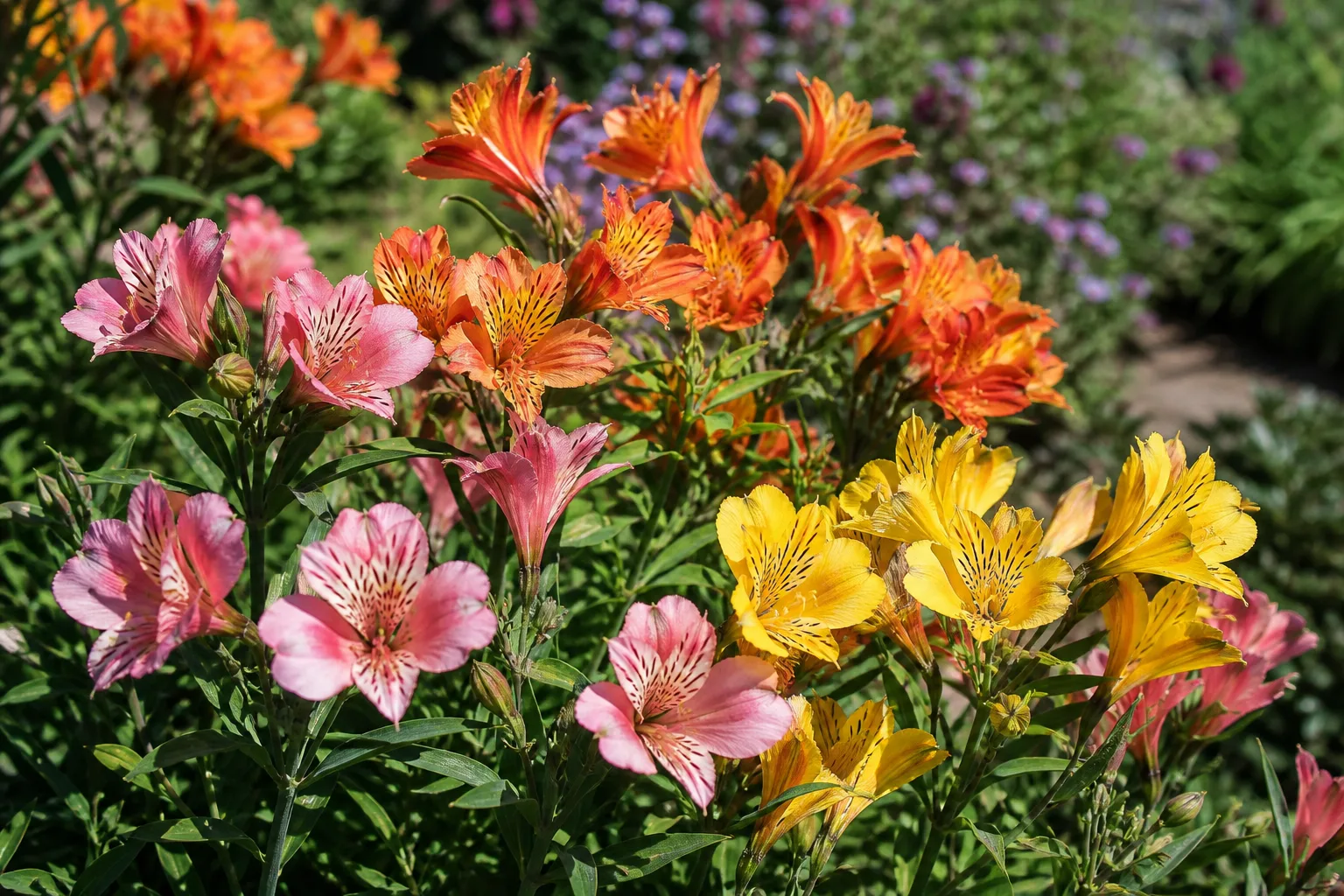
Peruvian lily looks like a summer lily, behaves like a hardworking cut-flower perennial, and frustrates gardeners who treat it like a bulb you bury deep and forget. Alstroemeria grows from brittle, finger-like tuberous roots, sends up speckled trumpet flowers for weeks, and often keeps producing more stems when you harvest the ones you want for vases.
The best Peruvian lily care comes down to a short list of non-negotiables: plant on a shallow mound so roots drain, give the leaves real sun without baking the crown in extreme heat, water steadily without drowning the tubers, harvest stems with a pull—not a snip—and divide only when bloom quality drops, not on a whim. The sections below walk through those choices from first planting through winter storage, bloom recovery, and safe handling around pets and sensitive skin.
Peruvian lily at a glance
Peruvian lily—also called lily of the Incas, princess lily, or parrot lily—is a herbaceous perennial in the genus Alstroemeria, family Alstroemeriaceae. NC State Extension lists mature size at roughly 1 to 4 feet tall and 1 to 2 feet wide, with USDA hardiness 7a through 10b in its profile (NC State Extension). Flowers appear in spring, summer, and fall depending on climate and cultivar, in colors from white and yellow through pink, orange, red, purple, and salmon, usually marked with streaks or freckles.
The plant spreads slowly by tuberous roots into a colony over time. Tall selections make excellent cut flowers; dwarf lines such as the Colorita series suit containers and front-of-border spots. Deer resistance is a practical plus in many regions, and the blooms attract hummingbirds, butterflies, and other pollinators according to NC State’s wildlife notes.
| Feature | Typical range |
|---|---|
| Common names | Peruvian lily, lily of the Incas, princess lily |
| Botanical name | Alstroemeria spp. |
| Plant type | Herbaceous perennial with tuberous roots |
| Mature size | 1–4 ft. tall, 1–2 ft. wide |
| Sun | Full sun to partial shade |
| Soil | Fertile, moist, well drained |
| Bloom season | Late spring through fall in many climates |
| Hardiness | USDA 7a–10b (check cultivar label) |
| Pet safety | Non-toxic to dogs, cats, and horses (ASPCA) |
| Human safety | Contact dermatitis possible from sap (NC State) |
Use the cultivar tag for the final word on height and cold tolerance. Some modern hybrids are sold as hardy to Zone 6, while species such as Alstroemeria aurea can spread more aggressively in mild coastal climates.
Know what makes Alstroemeria different from true lilies
The word “lily” sends many gardeners down the wrong path. True lilies belong to Lilium, grow from scaly bulbs, and include famously cat-toxic plants such as ‘Stargazer’ and other Oriental hybrids. Peruvian lily is not in that genus, does not form a classic lily bulb, and follows different planting and harvest rules.
Visually, Alstroemeria flowers are smaller than many Lilium blooms but last far longer in the garden and in vases. Each flower has six petal-like tepals, often freckled, with no fragrance. Leaves are strap-shaped and unusual: they are resupinate, twisted so the leaf underside faces upward (NC State Extension). Stems are relatively slender, which is why heavy-blooming selections may need staking even when the plant is otherwise healthy.
If you are comparing cut-flower options, a true lily gives larger, fragrant stems but demands bulb-depth rules and strict cat safety. Peruvian lily gives speckled color, repeat flushes, and ASPCA-listed pet safety—but sap can irritate human skin. For true-lily culture, see our ‘Stargazer’ lily care guide; for deadheading habits on real lilies, see should you deadhead lilies.
Choose the right site and light
Peruvian lilies flower most heavily with six or more hours of direct sun per day. NC State Extension lists full sun and partial shade as acceptable (NC State Extension). UC IPM notes that plants do well in full sun but prefer afternoon shade in areas of extreme heat (UC IPM).
In practice, match light to your climate. Cool-summer regions can often plant in open sun all day. Hot-summer regions should prioritize morning sun and afternoon protection, especially for container plants where root zones heat faster than in-ground beds.
Air movement matters as much as light in humid gardens. Space plants so foliage dries after rain or irrigation. Crowded Alstroemeria is more prone to gray mold and harder to harvest without breaking neighboring stems.
Prevent blind stems in hot weather
When daytime temperatures climb into the upper 90s°F, Peruvian lilies may produce blind stems—leafy shoots with little or no flower. That response is a heat stress signal, not a mysterious disease. Fix it by shifting new plantings toward morning sun, adding afternoon shade, mulching lightly to moderate soil temperature, and keeping moisture steady without saturating roots.
If blind stems appear on an established plant, trim them back to tidy the clump, improve airflow, and adjust water so the soil stays evenly moist rather than swinging between dust-dry and soggy. Fertilizer will not replace shade when the problem is heat.
Prepare soil that drains but stays fertile
Peruvian lily wants good drainage and steady moisture at the same time—the classic perennial border challenge. NC State lists high organic matter and good drainage as key cultural conditions (NC State Extension). UC IPM repeats that Alstroemeria grows best in soils with good drainage and regular water during growth and bloom (UC IPM).
Improve native soil with compost before planting rather than dumping fertilizer on hard clay. Raised beds, lasagna-style layered beds, and berms all work well because they lift roots out of standing water. A slightly acidic soil reaction suits most hybrids; if your soil is strongly alkaline, a container with quality potting mix may be simpler than repeated sulfur applications.
Run a drainage check before you plant. Dig a hole about 12 inches deep, fill it with water, and watch how fast it drains. If water still pools after several hours, fix the bed—not the tuber.
Plant tuberous roots the right way
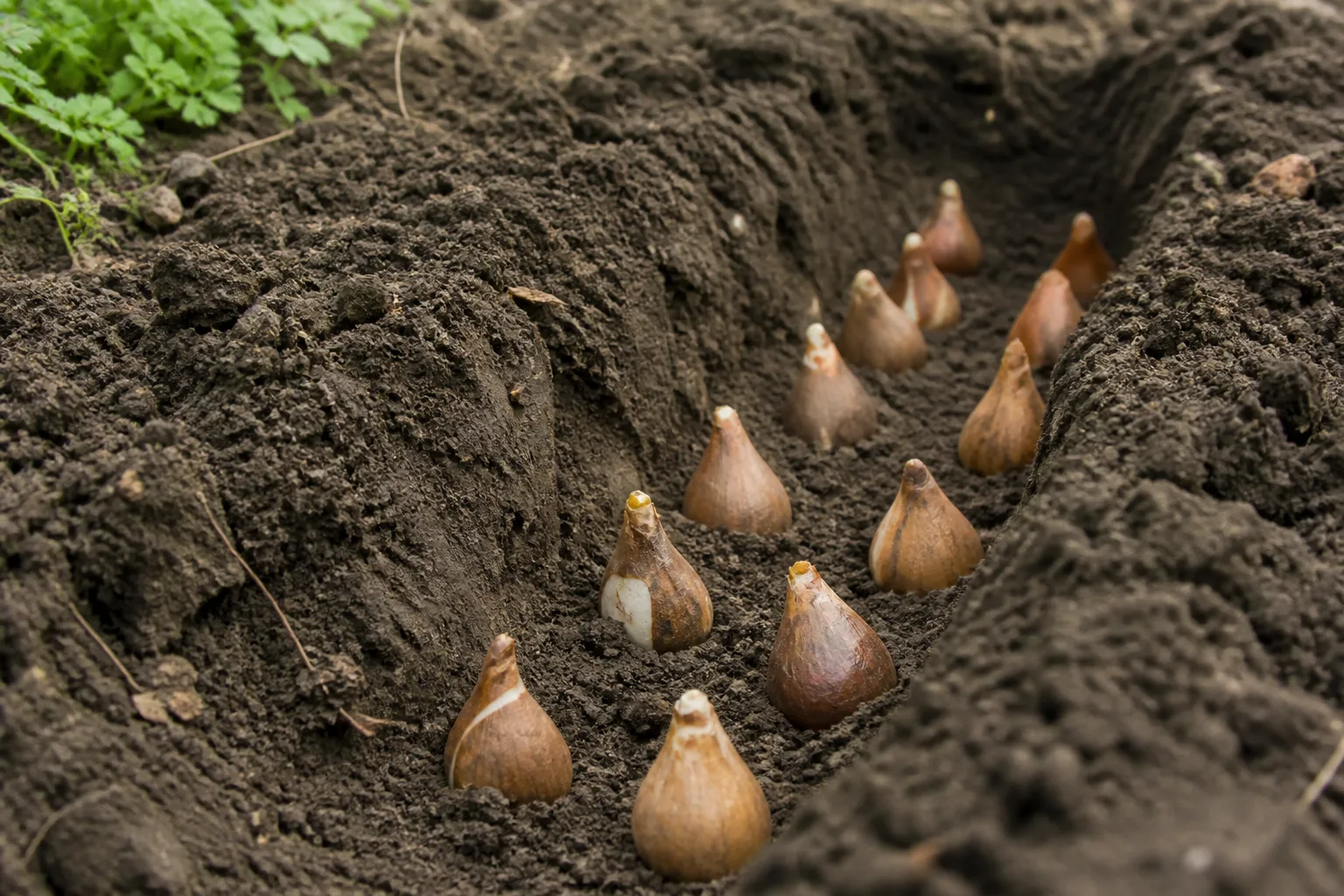
Plant Peruvian lilies in spring after frost danger passes and soil temperatures reach about 60°F. The roots are brittle; NC State warns that they damage easily during digging and recommends caution when handling them (NC State Extension).
Do not bury tubers like daffodil bulbs. Instead:
- Loosen soil and mix in compost.
- Build a low mound in the planting hole.
- Spread the finger-like roots over the mound.
- Cover with about 2 inches of soil.
- Keep any emerging shoots or stem bases above soil level.
- Water gently, then mulch lightly once growth is underway.
Gardeners Path describes the same mound method and notes that tamping soil lightly after watering helps settle brittle rootstock without compacting the whole bed (Gardeners Path).
A reliable spring planting sequence
Work on a cool morning so tubers do not dry out while you plant. Space tall cut-flower types 18 to 24 inches apart; dwarf container lines can go closer if you plan to divide sooner. Water the hole before spreading roots if soil is dry, then water again after covering.
If you buy potted plants instead of bare tubers, disturb the root ball as little as possible at transplant. Alstroemeria resents unnecessary root tearing, especially when young. A cloudy week after planting beats a heat wave.
Water for steady moisture, not soggy roots
Peruvian lily is not drought-tolerant in bloom. Aim for about 1 inch of water per week from rain plus irrigation, or water when the top inch of soil feels dry. UC IPM lists both water excess and deficiency as common environmental disorders (UC IPM).
Deep, less frequent watering usually beats a daily sprinkle that wets only the surface. Soaker hoses and drip lines keep foliage dry and reduce botrytis risk. In containers, expect to water more often because pots dry faster than ground beds—sometimes daily in midsummer heat.
Yellowing leaves can indicate underwatering, but they can also mean root trouble if the soil has been wet for days. Always check moisture at root depth before adding more water to a wilted plant.
Feed lightly and avoid excess nitrogen
One balanced flower fertilizer application in early spring is enough to start the season for many gardens. If you want maximum cut-flower production, a low-nitrogen feed every two weeks during active bloom can help—think flower-boosting formulas rather than lawn food. Gardeners Path recommends slow-release or periodic feeding with low nitrogen to avoid lush foliage and few blooms (Gardeners Path).
Compost top-dressing, compost tea, or well-rotted manure can supplement synthetic feeds in organic beds. Stop heavy feeding late in summer so new soft growth is not exposed to early frost in borderline zones.
If stems are tall and green but flowers are scarce, suspect too much nitrogen or too little sun before reaching for more fertilizer.
Popular cultivars worth trying
Modern Peruvian lilies are mostly hybrids with Alstroemeria aurea in their background. Breeders target cut-flower stem length, dwarf pot size, and bicolor patterns. NC State’s cultivar list is extensive; a few reliable starting points for home gardens include:
- ‘Fougere’ — white flowers with purple-flushed throats and burgundy streaks; about 24–36 inches tall.
- ‘Moulin Rouge’ — orange and yellow tones on sturdy stems near 28 inches.
- ‘Mauve Majesty’ — bright mauve-pink with creamy yellow throats; roughly 30 inches.
- ‘Indian Summer’ — coppery orange blooms with bronze-tinged foliage; about 30 inches.
- ‘Princess Eliane’ — bright pink with yellow and burgundy throats; compact at 9–12 inches.
- Colorita series — dwarf lines such as ‘Colorita Elaine’ and ‘Colorita Claire’ for pots and front borders near 14 inches.
Match cultivar height to the job. Tall types belong in cutting rows and back borders with staking available. Dwarf types suit cascading container combinations where you can pair them with trailing foliage plants that share the same sun and drainage needs.
Deadhead, prune, and pull stems for more blooms
Remove spent flowers regularly if you are not harvesting stems for vases. Deadheading redirects energy from seed production back into new shoots. In mild climates, allowing seed fall can spread seedlings; if you want a tidy clump, cut or pull faded stems before pods mature.
After the main flush, you can trim scrappy stems to neaten the plant, but leave enough healthy foliage to feed the tubers. Do not scalp the clump to the ground while leaves are still green unless you are dividing or lifting for storage.
The harvest method matters: see the cut-flower section below for the pull-at-the-crown technique that commercial growers use to stimulate repeat bloom. That method doubles as the best deadheading approach on many cultivars.
Grow Peruvian lilies as long-lasting cut flowers
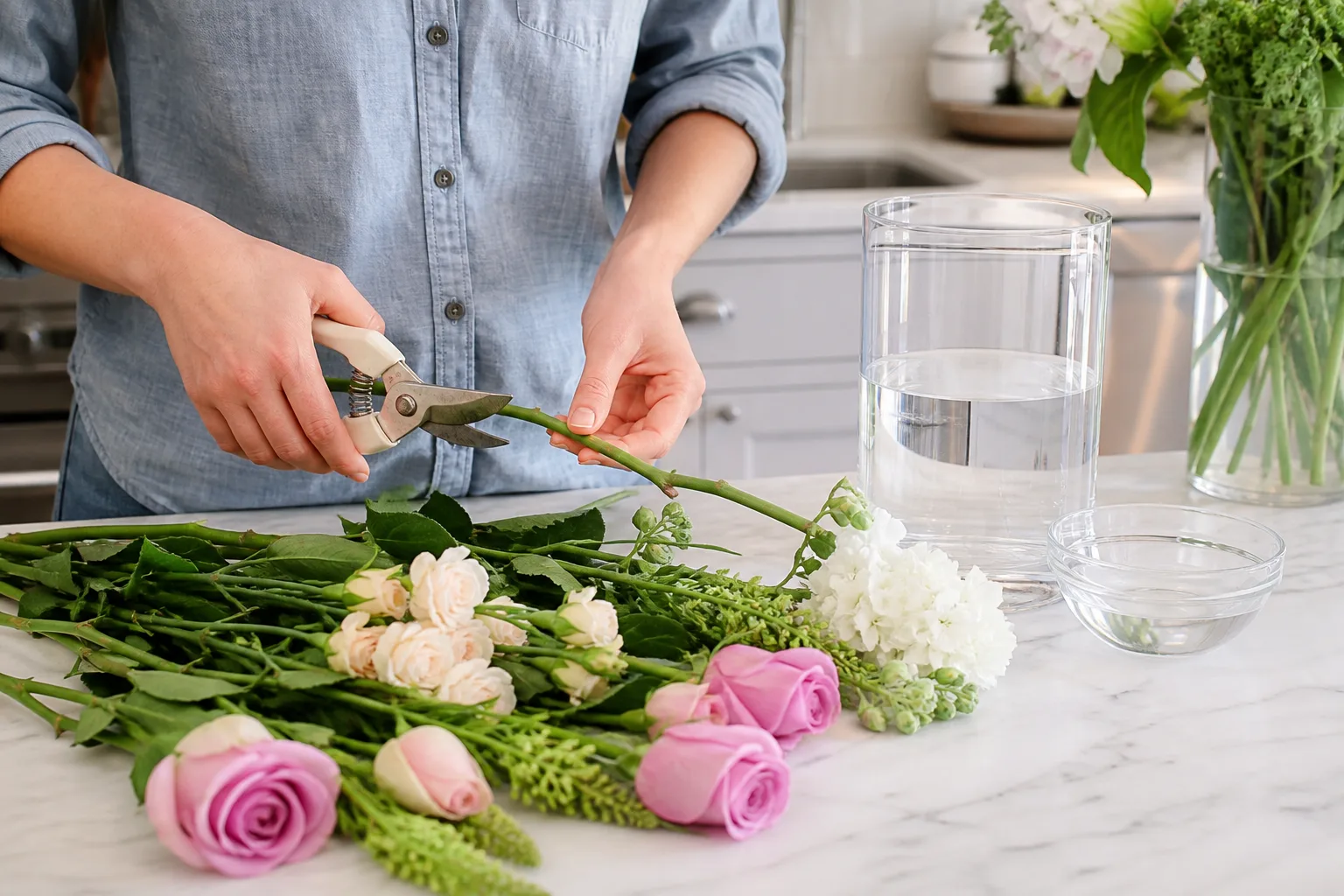
Peruvian lily is one of the best garden-to-vase perennials you can grow. NC State lists the flowers as good cut and long-lasting (NC State Extension). Individual flushes often last two to three weeks in the garden; vase life commonly reaches 10 to 14 days with clean water and a fresh cut.
Do not snip stems with pruners near the top. Instead, grasp a stem low—leaves included—and pull sideways until it separates from the crown. That pull triggers the plant to send up replacement shoots on many hybrids. Harvest freely during peak bloom; cutting often increases production rather than weakening the plant.
Strip leaves that would sit below the water line, recut stems under water, and use clean buckets. For conditioning tips that help any home-harvested stems, see our best flower delivery guide’s vase-care principles—clean vessels and fresh water matter as much outdoors as indoors.
Propagate by division — and when to leave the clump alone
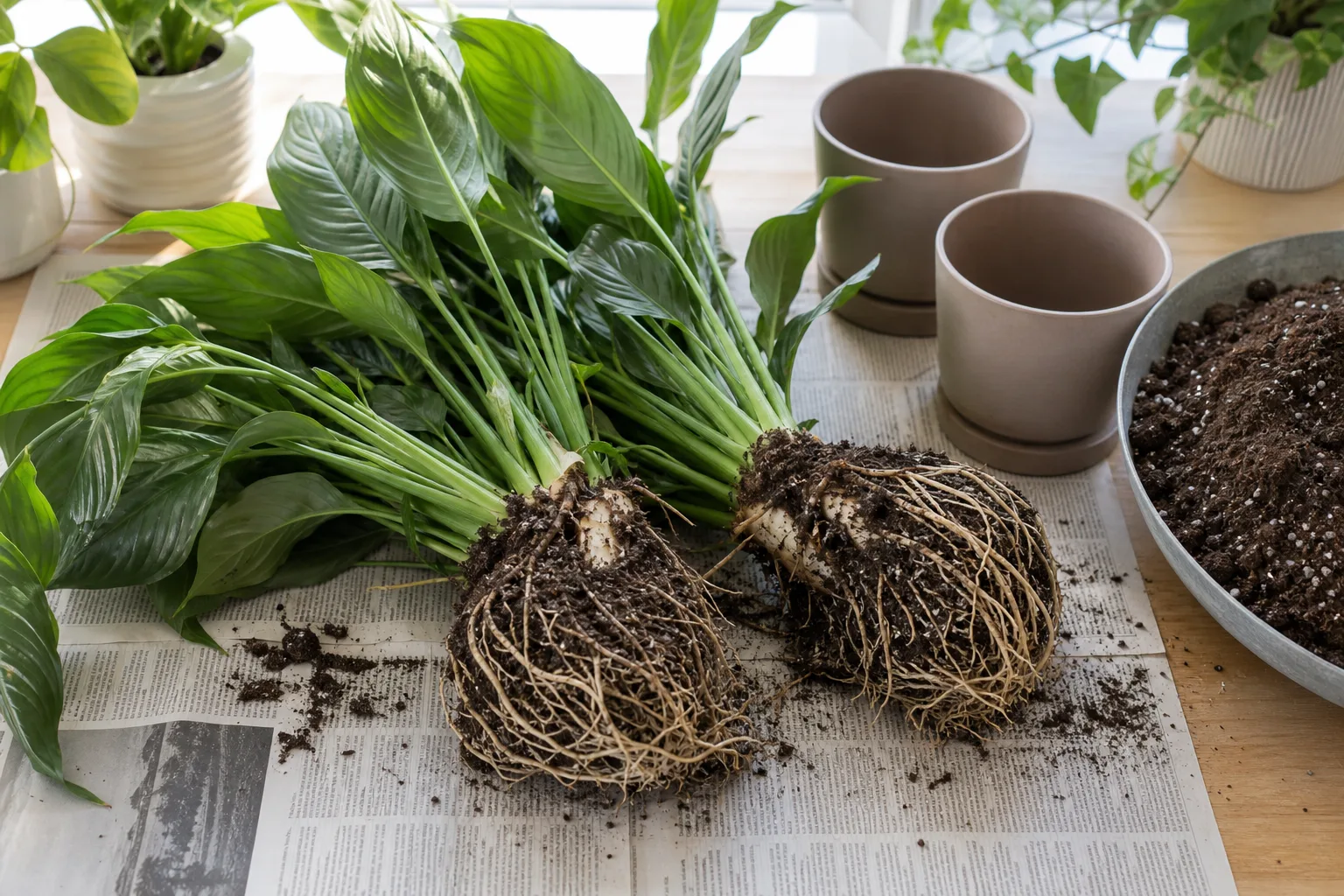
Division is the reliable propagation method. Seed is possible but slow and inconsistent. NC State lists division and seed as recommended strategies yet also notes the plant dislikes dividing and that brittle roots require care (NC State Extension).
Divide when bloom count drops on an otherwise healthy clump—often around five to six years—or when you need more plants for a new bed. Early spring, before vigorous new growth, is the usual window.
- Cut back dead or tall stems to about 6 inches.
- Dig widely around the clump; lift the whole mass if possible.
- Brush soil gently from tuberous roots without snapping them.
- Separate sections with at least three to five tubers each.
- Replant immediately on mounds; water and shade for a few days.
Some hybrids are sterile and must be divided to propagate. If a cultivar produces no seed, treat division as the only practical option.
Because NC State warns against casual dividing, do not split a young, blooming clump every year “just because.” Let it establish first. For broader context on long-lived flowering perennials, see longest-lived perennial flowers.
Starting from seed when you have patience
Seed-grown Peruvian lilies are a project, not a shortcut. Germination is uneven, and flowering can take several years. Still, seed is useful if you want species diversity or enjoy experimentation.
Collect pods after flowers fade, dry them until brittle, and extract seed. Many seeds need cold stratification: sow in moist sterile mix, chill around 40°F for about four weeks, then move to bright indirect light near 70°F until sprouting. Gardeners Path describes drying seed fully, soaking overnight, and stratifying in moist mix inside a bag in the refrigerator as a workable winter project (Gardeners Path).
Purchased seed is often pre-stratified; follow the packet. Transplant seedlings carefully—roots hate disturbance when young. For easier seed-starting habits on other flowers, our easiest flowers to grow from seed guide covers tray hygiene and timing ideas that also apply here.
Grow in containers and move pots for winter
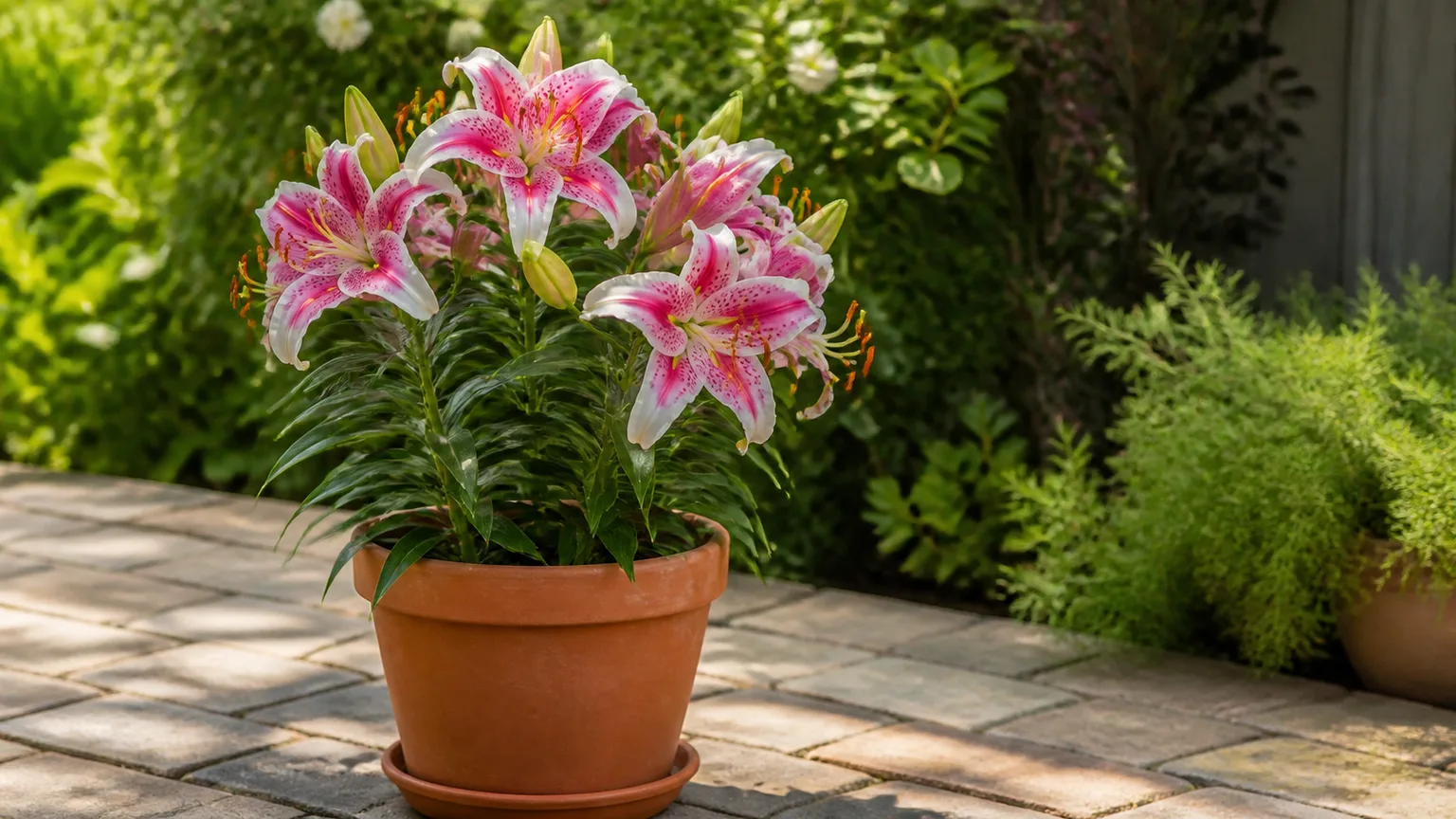
Peruvian lily can thrive in large containers with drainage holes. Choose a pot at least 8 inches wide and 24 inches deep for a single dwarf clump; taller cultivars need bigger pots and may require staking. Use fresh, free-draining potting mix—not garden soil straight from a clay bed.
Containers excel where drainage is poor, where you want to move plants into shelter, or where you pair Alstroemeria with trailing partners that share its water needs. Keep in mind that pots dry faster and freeze harder than ground soil.
Peruvian lily is not a houseplant for long-term indoor growing. You can, however, store dormant potted tubers in a cool, dry, frost-free place in cold climates, then move pots back outdoors after soil warms in spring.
Overwinter tubers by hardiness zone
Winter care depends on your zone and whether plants are in the ground or in pots.
Zones 8–10: In-ground plants usually need only cleanup of dead foliage. A light dry mulch is optional where frosts are mild.
Zone 7: Treat as a transitional zone. After foliage dies back, cover crowns with dry mulch such as shredded leaves or straw. Avoid wet, packed mulch that holds moisture against tubers.
Colder than Zone 7: Dig tubers in fall before the ground freezes. Shake off loose soil, pack tubers in slightly moist peat or vermiculite inside a paper bag, and store at 35–41°F through winter—similar to dahlia storage. Replant on mounds in spring when soil reaches about 60°F.
NC State lists bulb storage at 35–41°F in moist planting medium (NC State Extension). Check stored tubers monthly; remove any that soften or mold.
Prevent pests, botrytis, and root rot
Peruvian lily has fewer serious pests than many summer perennials, but it is not immune. UC IPM and NC State note aphids, spider mites, whiteflies, and snails; UC IPM also lists harlequin bug (UC IPM). NC State links some pest flare-ups to over- or under-watering (NC State Extension).
Botrytis (gray mold) shows as fuzzy gray-brown patches on leaves and stems in humid, crowded plantings. Prevent it with spacing, morning watering at soil level, and prompt removal of infected tissue. Severe outbreaks may require removing badly affected stems entirely.
Root rot causes wilt even when soil feels wet. Causes include poor drainage, overwatering, and warm, saturated conditions. Fix drainage first, reduce watering temporarily, and discard plants with black, mushy tubers rather than composting them.
Insecticidal soap helps soft-bodied insects when used according to label directions. For slugs and snails, hand picking, barriers, and approved baits used safely around pets are the first choices in edible and ornamental beds.
Fix a Peruvian lily that stops blooming
If a once-heavy clump now produces mostly leaves, work through this order before buying replacement plants:
| Likely cause | What you notice | First fix |
|---|---|---|
| Aging clump | Fewer flowers after years of good bloom | Divide and replant vigorous sections |
| Too much nitrogen | Lush stems, few buds | Switch to low-nitrogen flower feed; reduce manure |
| Too little light | Stretchy stems, sparse buds | Move or trim shading branches |
| Heat stress | Blind stems in summer | Add afternoon shade; keep even moisture |
| Recent disturbance | Bloom pause after divide/transplant | Wait one season; avoid re-digging |
| Overwatering | Yellowing, wilt, soggy soil | Improve drainage; adjust irrigation |
Peruvian lilies often rebloom through summer when spent stems are removed and water/fertility stay balanced. Peak bloom months are typically May through fall, fading by late autumn in cold climates.
Troubleshoot flopping stems and sudden wilt
Flopping stems usually mean tall cultivars loaded with flowers on slender stalks—not a mysterious nutrient deficiency. Stake discreetly with grow-through supports or corral stems with twine early in the season. Dwarf cultivars flop less but may still need help in windy sites.
Sudden wilt with wet soil points to root rot. Allow the top few inches to dry slightly, improve aeration, and inspect tubers if the plant keeps collapsing. Wilt with dry soil means underwatering or root damage from recent digging.
If stems break during harvest, leave the stub rather than gouging the crown. Broken tissue invites rot; a clean pull at the base is always safer than yanking mid-stem.
Safety for pets, children, and sensitive skin
Pet owners often choose Peruvian lily because it is not a true lily. The ASPCA lists Peruvian lily (Alstroemeria) as non-toxic to dogs, cats, and horses (ASPCA). That makes it a far safer cut-flower option near pets than Lilium hybrids—but it is not a green light to let animals chew ornamental plants.
For humans, the picture is different. NC State classifies Alstroemeria as poisonous to humans through contact dermatitis, with low severity but potentially severe skin irritation from sap (NC State Extension). Tulipalin compounds in the sap can cause redness, blisters, or itching, especially on sensitive skin.
Wear gloves when dividing, harvesting, or handling many stems at once. Wash tools and hands after work. Keep sap away from eyes. Teach children not to snap stems for “play bouquets” without adult help.
Do not assume “non-toxic to cats” means edible. It means Peruvian lily lacks the kidney-threatening compounds found in true lilies—not that it is food.
Conclusion
Peruvian lily rewards gardeners who respect its roots: mound plant on drainage, give leaves honest sun with heat-aware shade, water evenly, pull stems for vases, and divide only when bloom quality tells you the clump is tired. Get those habits in place and Alstroemeria delivers speckled color for months, long vase life, and pet-safe bouquets that true lilies cannot offer without extra caution.
Start with one well-chosen cultivar matched to your height and zone needs, observe how your soil dries in summer, and adjust light or water before reaching for stronger chemicals. Once the clump is established, the highest-value habit is also the simplest: harvest flowers often, cleanly, and from the base—then watch the plant send up another round.