Should You Deadhead Lilies? Yes—Here's Why
Deadhead true lilies after petals fade to recharge the bulb—not for same-season rebloom. Cut points, timing, foliage rules, and when to skip explained.
The Direct Answer: Yes for Next Year’s Blooms, Not Same-Season Rebloom
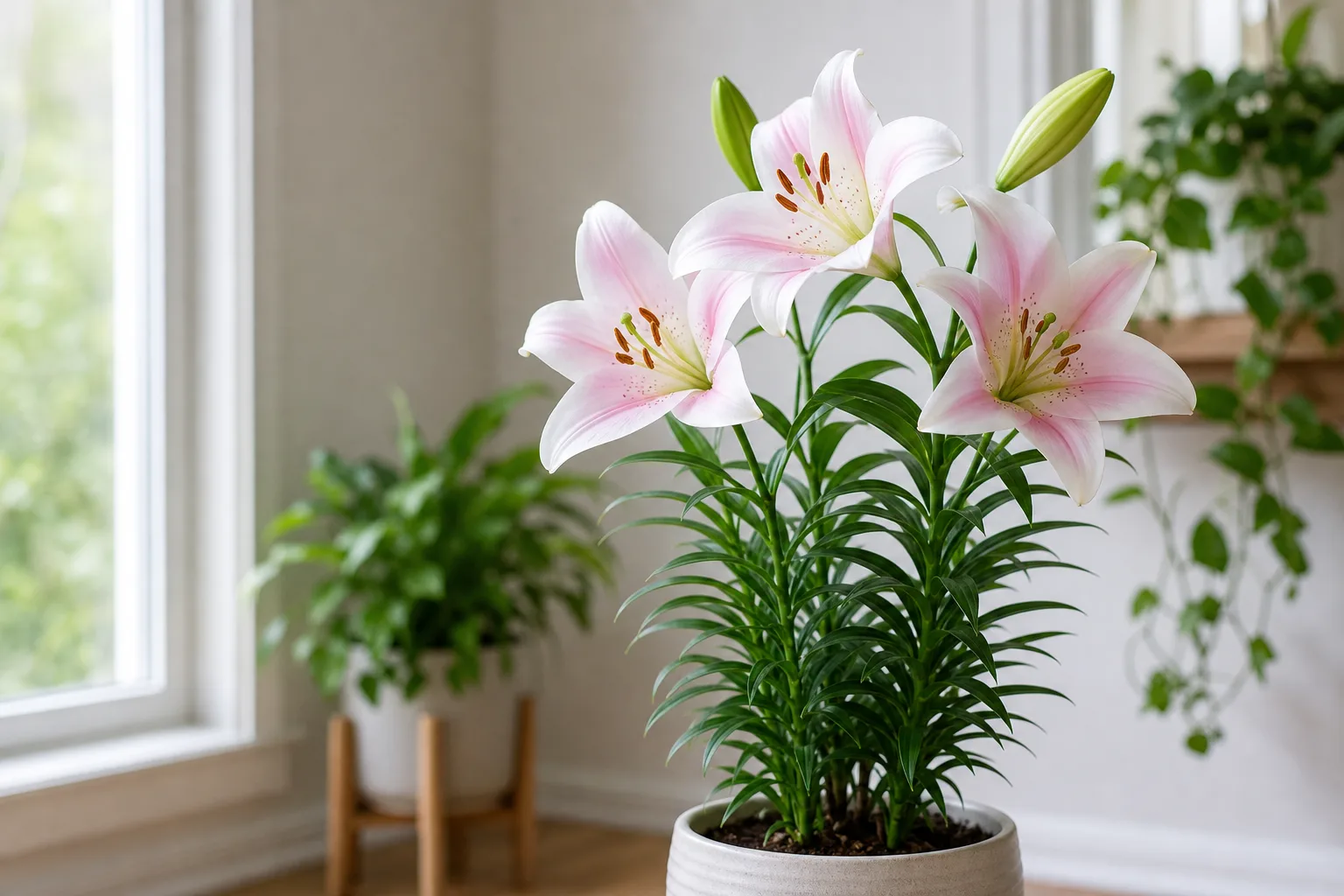
Yes—deadhead true lilies (Lilium spp.) when individual flowers fade if you want the strongest possible show next summer and a tidier garden now. Snip or pinch spent blooms before seed pods swell so the plant stops pouring carbohydrates into seed production and keeps routing that energy into the underground bulb instead. That is the entire point of lily deadheading: next year’s stems, not a second flush this season.
That last part trips people up. Unlike marigolds, zinnias, or many reblooming daylilies, true lilies do not rebloom after you remove faded flowers. Each stem puts on one midsummer display—often two to four weeks of staggered buds on a single spike—then finishes for the year. Deadheading will not coax new buds from that same stalk. What it does is protect bulb reserves so the plant can scale up rather than slowly run down.
If you prefer the look of green seed pods or want seedlings from species lilies, you can skip deadheading on selected stems. The plant will survive. You may simply see fewer, smaller, or less vigorous flowers next season compared with a well-fed bulb that was never asked to ripen seed. Treat deadheading as the default for show-quality Asiatic, Oriental, trumpet, and Orienpet hybrids, and treat seed-pod retention as a deliberate choice—not an accident you did not know you were making.
The confusion usually starts with reblooming annuals. Snip a marigold and new buds appear within days. Snip a true lily and the same stalk stands finished—but the bulb underneath is quietly deciding whether next year’s stem will carry six buds or twelve. That delayed payoff is why experienced bulb growers deadhead even when the bed already looks “done” for the year.
True Lilies vs Daylilies: Why the Rules Are Different
Garden language blurs “lily” across several unrelated plants. Deadheading advice that works on one group will mislead you on another. Before you pick up secateurs, confirm which plant you are actually growing.
What Counts as a True Lily (Lilium)
True lilies belong to the genus Lilium. They grow from scaly bulbs, send up one unbranched flowering stem per bulb (sometimes several stems on mature clumps), and carry multiple buds in a terminal cluster or along the upper stem. Leaves are arranged alternately up the stalk or in whorls, and each flower has six tepals in the classic trumpet or star shape. Asiatic, Oriental, trumpet, tiger, Easter, and Orienpet types all fit here.
These are the plants this guide is about. Their bloom window is fixed for the year. Deadheading spent flowers protects the bulb—it does not restart the clock on the current stem.
Why Daylily Deadheading Works on a Different Clock
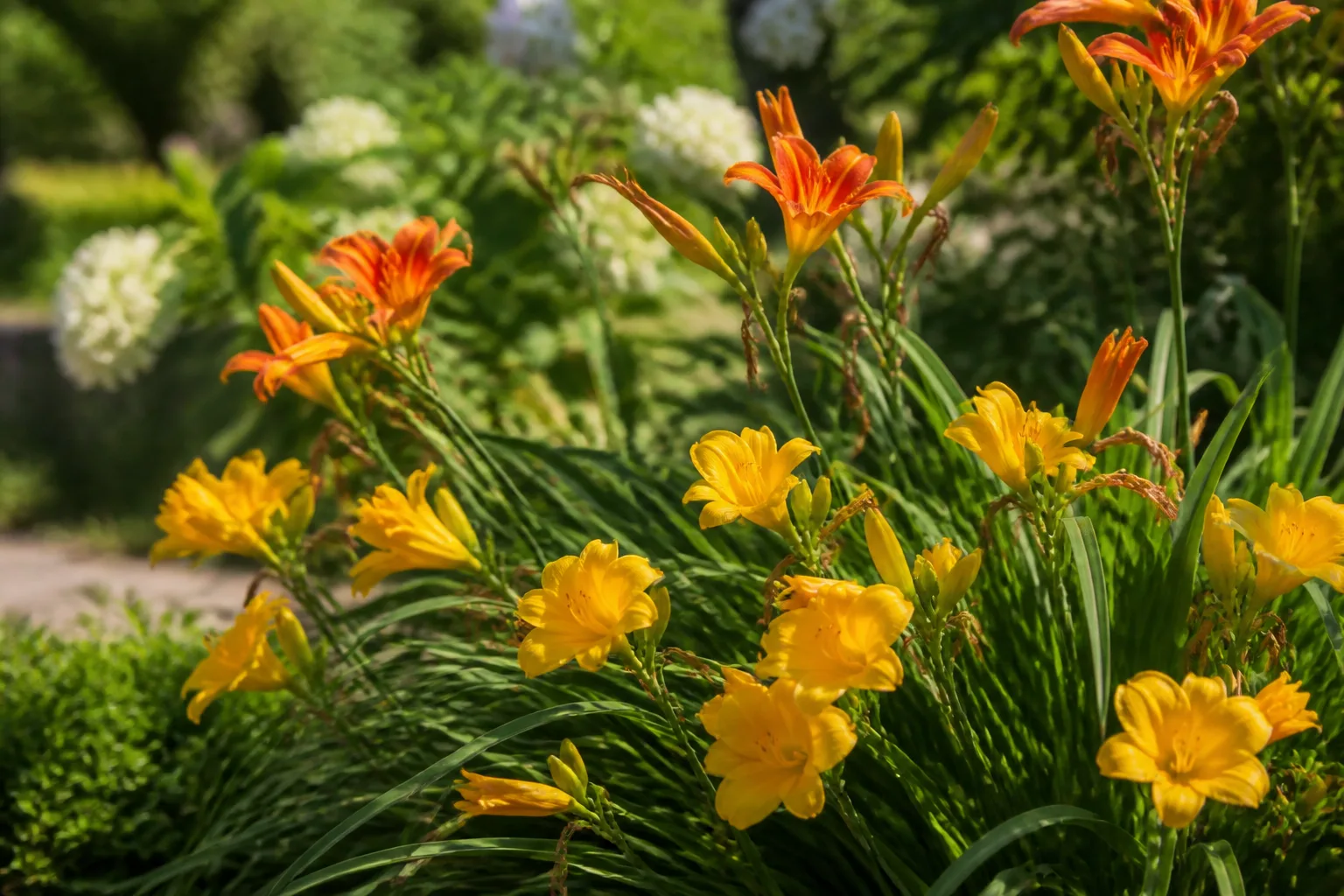
Daylilies (Hemerocallis) are not true lilies. They spread by rhizomes, each flower lasts roughly one day, and many modern cultivars—Stella de Oro, Happy Returns, Pardon Me—can push additional scapes after cleanup. Deadheading daylilies is still worthwhile for tidiness and, on rebloomers, for more flowers the same season. The cut is also different: you remove each faded bloom down to the small green ovary on the scape, then remove bare scapes at the base when every bud has finished.
If you are maintaining daylilies, use our dedicated guide on how to deadhead daylilies for rebloom timing and scape removal. The rest of this article applies to bulb-grown Lilium only.
What Deadheading Actually Does to a Lily Bulb
Deadheading is not vanity pruning on lilies. It changes where the plant spends its finite summer budget of sugars and starches.
Seed Pods vs Bulb Recharge
After pollination—or even after petals drop on some cultivars—the swollen base of the flower (the ovary) begins forming a seed pod. Filling that pod takes weeks of photosynthate pulled from leaves and redirected upward. Every gram stored in seed is a gram not banked in the bulb scales that will produce next year’s stem and bud count.
The Royal Horticultural Society notes that deadheading redirects energy into stronger growth and more flowers instead of unwanted seed pods on many garden plants. (RHS) For large bulbs such as lilies, the same logic applies in reverse: skip deadheading and you are actively choosing seed over bulb recharge. Over several seasons, neglected seeding can leave clumps looking thinner even when winter cold was not the problem.
You do not need to deadhead the instant a petal curls. The ideal window is after petals fade but before the ovary swells into an obvious pod. Once the pod is plump and green, much of the energy shift has already happened. You still tidy the plant by removing it, but the maximum bulb benefit comes from earlier removal.
Hybrid lilies are especially poor candidates for seed saving. Offspring from named cultivars rarely match the parent flower, and the bulb pays a high price for the attempt. Species lilies and a few open-pollinated types are the exception if you want volunteers—but even then, deadheading the majority of stems while leaving one or two tagged spikes gives you control without sacrificing the whole clump’s vigor.
Why Green Foliage Matters More Than the Flower Cut
Removing flowers is only half the post-bloom job. The green stem and leaves above ground are the bulb’s solar panels for the rest of summer and early fall. Through photosynthesis, they manufacture the carbohydrates that plump bulb scales and initiate next year’s flower buds internally—long before you see anything emerge in spring.
BBC Gardeners’ World is explicit: after lily flowers finish, never cut flowering stems right back to soil level. Remove spent blooms to prevent the bulb wasting energy on seed, but leave stems in place until they brown naturally because they continue feeding the bulb. (Gardeners’ World) The RHS gives the same guidance for large bulbs: cut or pinch through the flower stalk just behind the seed capsule, but leave the green flower stalk in place so it can photosynthesize and build the bulb for next season. (RHS)
Cutting green lily foliage or shortening stems to the ground in July is one of the fastest ways to shrink next year’s flowers. Deadheading protects the bulb from seed drain; keeping green tissue intact is what actually refills the bulb.
Think of the bulb as a savings account and the seed pod as an expensive withdrawal. Deadheading cancels the withdrawal; foliage makes the deposits through late summer. Skip either step and the account still runs down—just for different reasons.
When to Deadhead Lilies (Timing by Bloom Stage)
Lily stems often carry six to twelve buds that open in sequence from top to bottom—or from bottom to top on some orientals—over one to three weeks. That staggered show means deadheading is a repeat task, not a single afternoon chore.
Individual Blooms on a Multi-Flower Stem
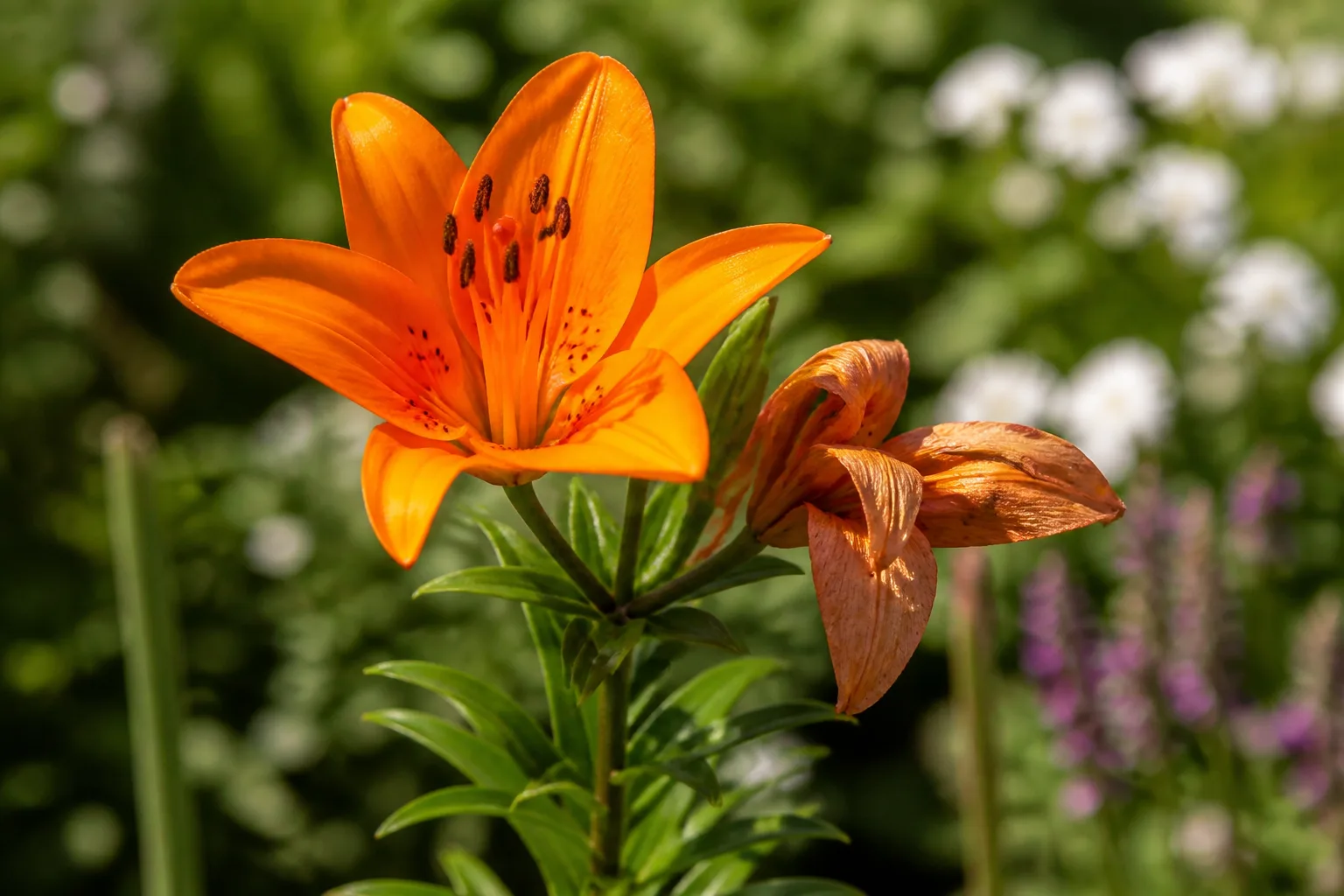
Check plants every three to five days during peak bloom. Remove any flower whose petals have browned, curled, or dropped, while lower buds are still tight or opening. You will frequently see fresh blooms, fading blooms, and bare pedicels on the same stalk at once—that is normal.
Look for the small joint where the flower’s pedicel meets the main stem. If only the petals have fallen and a dry stigma remains, you are still in the ideal window. If a green, pear-shaped pod is forming, remove it soon and plan slightly earlier passes on the rest of the spike next year.
When the Whole Spike Is Finished
When every bud on a stem has bloomed and no more will open, you have two tidy options. Continue removing individual spent heads as they appear, or cut off the entire upper flowering portion of the stalk in one motion—below the lowest former flower but above the highest remaining leaves. South Dakota State University Extension recommends removing the flowering portion once all blooms fade while keeping all healthy foliage on the plant. (SDSU Extension)
Do not interpret “remove the flowering portion” as “remove the whole stem to the ground.” The lower green section stays until autumn senescence.
Rainy summers make timing harder: saturated petals stick to buds below and can rot adjacent flowers. Removing mushy heads promptly keeps the spike cleaner even when you are deadheading primarily for appearance. In dry heat, petals desiccate in place and pods form faster—plan slightly more frequent checks when highs stay above 85°F (29°C) for days at a stretch.
How to Deadhead Lilies Step by Step
Deadheading lilies is technically simple. The damage comes from cutting the wrong tissue, using dull tools, or rushing while pests are present.
Tools, Sanitation, and Clean Cuts
Use bypass secateurs or sharp snips for thick stems; pinching works on soft Asiatic pedicels if you can snap cleanly without tearing bark. Dull blades crush tissue and leave entry points for fungal pathogens. Wipe blades with rubbing alcohol or hydrogen peroxide between plants if you know botrytis, lily virus, or other issues occur in your garden.
Deadheading itself does not prevent disease—the FAQ confusion comes from mixing sanitation with causation. Clean cuts reduce the chance you introduce problems while working; they do not immunize the plant.
While you are at each stem, scan for lily beetle adults, eggs, and black frass on leaf undersides. Deadheading forces close contact with stems; removing beetles in the same pass protects leaves that must stay green the rest of the season. Heavy infestations can strip foliage in days—exactly the tissue you need for bulb recharge—so hand-picking early beats trying to rescue defoliated plants in August.
Indoor Easter lilies forced for spring holiday display follow the same deadheading logic once flowers fade: remove spent blooms, keep the container in bright light, continue watering, and plant outdoors when weather allows if you want the bulb to recover. Many gift lilies fail not from deadheading but from discarding the pot while leaves could still photosynthesize.
Where to Cut—and What Not to Touch
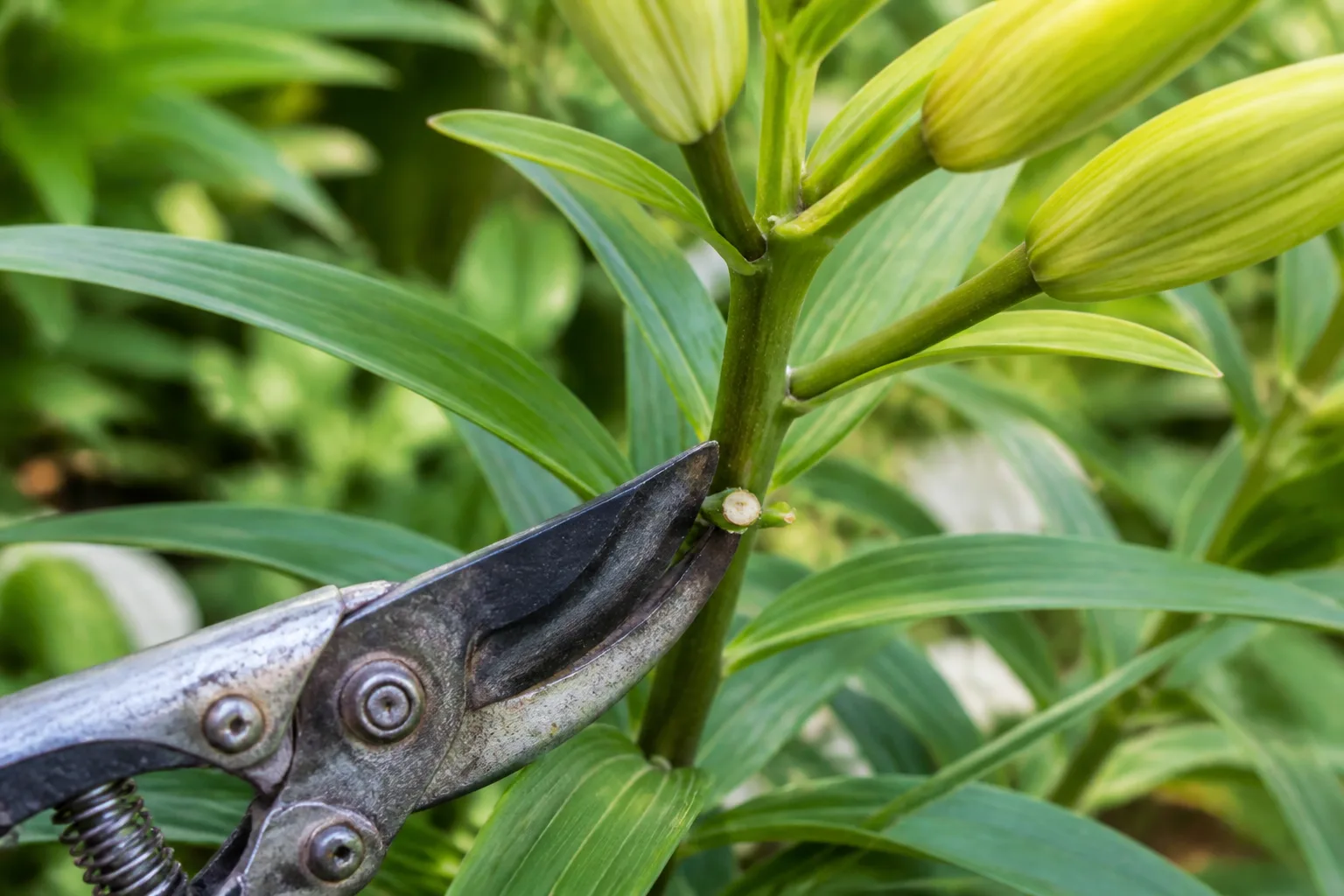
For a single spent bloom, cut the pedicel where it joins the main stem. Remove the flower head and short side stalk only. Leave the main stem, all leaves, and any unopened buds untouched.
For a finished spike, cut the main stem just above the topmost healthy leaf whorl or alternate leaf node—typically removing the top one-third of the stalk at most, as Gardeners’ World advises when cutting back after bloom for vase or garden care. (Gardeners’ World)
Never remove:
- Green leaves, even if they look long or leggy after flowers drop
- Stems that are still fully green from top to bottom (unless every flower is gone and you are only shortening the bare tip)
- Bulbs or soil-level growth while the plant is actively photosynthesizing
Avoid snapping spent flowers by hand if the pedicel tears raggedly. A jagged stub dies back slowly and can harbor moisture. One clean cut beats three messy pulls.
Compost healthy removed blooms if pests and disease are absent. Bag and trash material from virus-streaked or botrytis-infected plants instead of composting.
Which Lily Types Benefit Most (and When to Skip)
Most show lilies in home gardens reward deadheading. A few types break the default on purpose.
Asiatic, Oriental, Trumpet, and Orienpet Hybrids
Asiatic lilies—often unscented, wide color range, early to midsummer—benefit strongly from deadheading because they are bred for dense bulb multiplication and bold stems, not seed display. Oriental and Orienpet hybrids with heavy, fragrant blooms also redirect substantial energy into pods if left alone; keeping pods off is how you preserve the size that makes orientals impressive.
Trumpet and Easter lilies follow the same rules in beds and containers. Container-grown lilies especially need deadheading plus continued feeding while foliage stays green, because root space is limited and energy stores deplete faster.
Stargazer and other heavily marketed Oriental cultivars are often the plants that send people searching for deadheading advice in the first place—big fragrant blooms on tall stems, then a row of fat green pods if you turn away for a week. Keeping pods off those stems preserves the stem height and flower size the cultivar was bred for.
Martagon, Seed Pods, and Ornamental Exceptions
Martagon lilies (Lilium martagon) and related species often self-seed politely in dappled shade. Gardeners’ World notes they are the main exception to routine deadheading—many growers happily let them self-seed rather than snip every pod. (Gardeners’ World) Deadheading martagons is optional tidiness, not a requirement for survival.
Blackberry lily (Iris domestica, formerly Belamcanda) is not a true lily, but gardeners search it alongside lily deadheading advice because of the name. Wisconsin Extension describes how its seed heads open to shiny black clusters resembling blackberries and offer winter interest when left standing. (Wisconsin Extension) Deadhead blackberry lily to prolong bloom and limit self-seeding; leave pods if you want ornamental seed display or collected seed for propagation.
Tiger lilies (Lilium lancifolium) produce bulbils in leaf axils as well as seed. Deadheading flowers still helps bulb strength; manage bulbils separately if you want to control spread.
After Deadheading: Foliage, Feeding, and Fall Cutback
Once flowers are gone, shift from deadheading mode to bulb-recharge mode. Water consistently through dry spells so leaves keep working—especially for container lilies moved to partial shade after bloom, as Gardeners’ World recommends. A light potassium-forward feed (tomato feed at label rate every two weeks) while stems are green supports bulb sizing; stop feeding when foliage yellows.
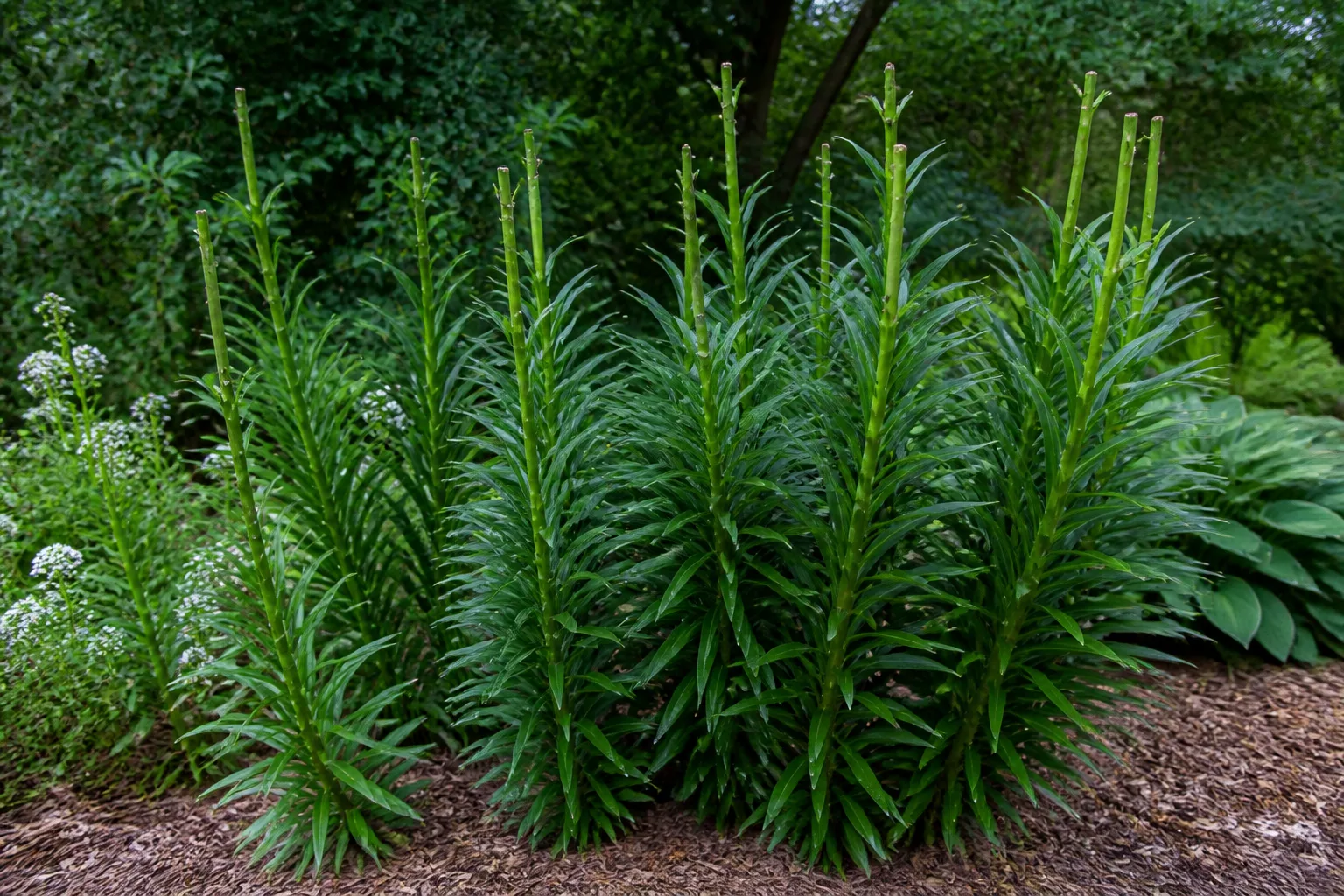
Allow stems and leaves to yellow and brown naturally in fall. Only then cut dead stalks to about an inch above soil level. In mild climates, mark lily locations before foliage vanishes completely so spring digging or division does not spears new shoots.
If you grow lilies for cutting, the same rule applies: taking flowers for vases is fine, but leave at least two-thirds of the stem and all remaining leaves on the plant in the ground whenever possible. Cutting every stem to the soil for a one-time bouquet steals next year’s display from the bulb.
Mark clumps with a short stake before foliage dies back if your garden gets mulched heavily in fall. Spring shoots are fragile; a misplaced shovel fork is more damaging than skipping one deadheading pass ever was.
Common Deadheading Mistakes That Weaken Next Year’s Show
Expecting same-season rebloom leads people to deadhead aggressively, then conclude the technique “failed” when no new buds appear. On true lilies, success is measured in next July, not next week.
Shearing green stems or leaves after bloom is the most damaging physical mistake. It starves the bulb at the exact moment it needs to bank reserves.
Waiting until seed pods are fully formed before cutting reduces the energy benefit—even though cleanup still helps appearance.
Confusing daylilies with true lilies sends gardeners to the wrong cut height or the wrong rebloom expectations. Confirm genus before you copy a neighbor’s advice.
Ignoring lily beetle while deadheading lets pests defoliate plants after you have done the hard work of protecting bulb energy. Hand-pick or treat according to label directions if infestations are heavy.
Deadheading every martagon or ornamental seed display when you actually wanted volunteers or winter structure removes a feature you meant to keep. Tag a few stems “leave for seed” early in bloom so you do not tidy them by reflex.
Stopping too early in the season is a softer mistake: if a stem still carries tight buds, keep deadheading only the blooms that have actually finished. Cutting the entire upper spike while buds remain wastes flowers you already paid for in bulb energy.
Conclusion
Deadheading true lilies is a low-effort habit with an outsized payoff: you trade seed pods you probably did not want for fuller bulbs and stronger stems next year, while keeping the bed from looking spent by mid-August. It will not rebloom your orientals in September, and it is not optional martagon maintenance—but for Asiatic, Oriental, trumpet, and Orienpet garden lilies, removing faded flowers at the pedicel before pods swell is one of the best investments you can make in next season’s show.
Leave every green leaf and stem standing through summer, cut only the flowers or bare upper spike, sanitize tools as you go, and stop expecting lily deadheading to behave like marigold deadheading. Get those pieces right and you will see the difference in bud count long before you need to remember why you snipped.



