Long-Lived Perennial Flowers: 18 That Return Every Year
Discover 18 perennial flowers that return for years, from peonies and daffodils to hostas and sedum, plus rules for planting a lasting border.
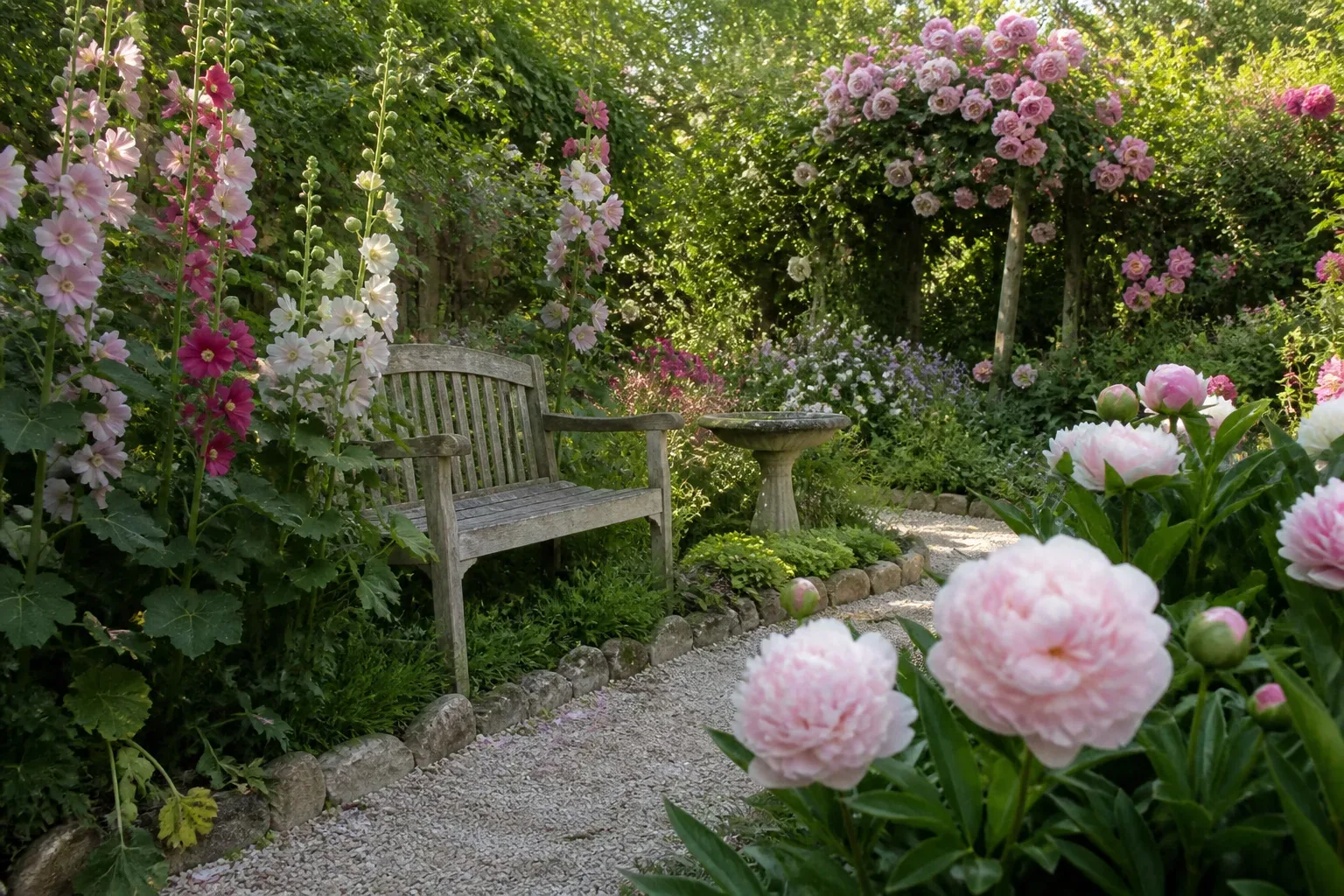
A perennial is a plant that lives for multiple years, but that definition is broad. Some plants form a woody, permanent framework; herbaceous perennials disappear to the ground in winter and re-sprout from surviving roots, crowns, bulbs, or rhizomes. The Royal Horticultural Society explains the difference between these perennial types, and it is the key to choosing plants that will actually last in your garden.
The best long-lived perennial flowers are not simply the toughest names on a list. They are plants that match your soil, light, winter temperatures, and willingness to divide or clean up. A peony in the right climate can outlive the gardener who planted it; a hosta can occupy the same shady corner for years; a daffodil colony can multiply underground. Put any of them in the wrong place, though, and “perennial” becomes a promise the site cannot keep.
Use the 18 plants below as a menu. The quick picks help you narrow the field, while each plant note explains the detail that determines whether it becomes a lasting clump or a short-lived disappointment.
What “long-lived” really means in a perennial
There is no universal lifespan ranking for garden perennials. A plant may be genetically capable of living for decades but decline quickly in compacted soil, wet winter ground, heavy shade, or a climate outside its comfort zone. Cultivars also differ: a species may persist by seed while a showy hybrid makes a smaller, slower clump.
For this guide, “long-lived” means one of three useful things: a clump can remain productive for many years, a bulb or rhizome can naturalize and expand, or a plant reliably renews itself in place. That last category matters. Black-eyed Susan, for example, is often a biennial or short-lived perennial, but it can stay in a garden through generous self-seeding; NC State Extension describes that behavior clearly. It is durable in the landscape, but not the same as a peony that holds the same crown for decades.
Choose by site before you choose by color
Start with the conditions that will not change easily. Count direct-sun hours in midsummer, notice whether water lingers after rain, and check how cold your winters get. A plant label’s hardiness range is a useful filter, not a guarantee: drainage, wind, heat, and snow cover can change the outcome within the same zone. Epic Gardening’s perennial overview makes the same practical point: light, soil, and hardiness should be matched before plants are combined.
Best for dry, sunny soil
Choose butterfly weed, sedum, Russian sage, lanceleaf coreopsis, or liatris for a sunny bed that dries between waterings. They are especially useful in lean or gravelly soil, where moisture-loving perennials sulk. Do not improve a dry-site bed by adding so much compost that it holds water around roots; the drainage pattern is part of the design.
Best for shade or steady moisture
Choose hosta, hellebore, lungwort, or a shade-tolerant hardy geranium for morning sun, dappled light, or a woodland edge. Shade is not automatically damp: tree roots can make the soil extremely dry, while low spots can stay wet enough to rot crowns. Match the plant to both light and water, not to shade alone.
Best for naturalizing and permanent structure
Choose daffodils, daylilies, Siberian iris, liriope, or peonies when you want a bed that becomes more established rather than needing a full redesign every few years. Bulbs and rhizomes can be excellent long-term investments, but they still need room. A plant that spreads beyond its allotted space is not low-maintenance; it has simply moved the work from watering to editing.
18 perennials worth giving a permanent spot
The ranges below are typical starting points for common garden forms. Always check the cultivar label, especially for agapanthus, peonies, daylilies, and plants sold under a broad common name.
Spring anchors that improve with age
1. Peony (Paeonia spp.) — Best for: a sunny, permanent border or cutting garden. Typical range: Zones 3–8, with cultivar and winter-chill differences. Light: full sun to light afternoon shade. Soil: deep, fertile, and well drained.
Peonies are the clearest example of a perennial that rewards patience. NC State Extension notes that established plants can live for decades, but a newly moved crown may spend its first year or two building roots instead of flowering. Plant the eyes about an inch below the soil surface, give the plant air circulation, and keep it away from thirsty tree roots. For bare-root plants, Home for the Harvest also recommends fall or early-spring planting and keeping the eyes shallow. In warm areas, choose a lower-chill type rather than expecting a classic cultivar to perform normally. Divide in fall only when the clump is crowded or you need more plants; routine division is not a peony requirement.
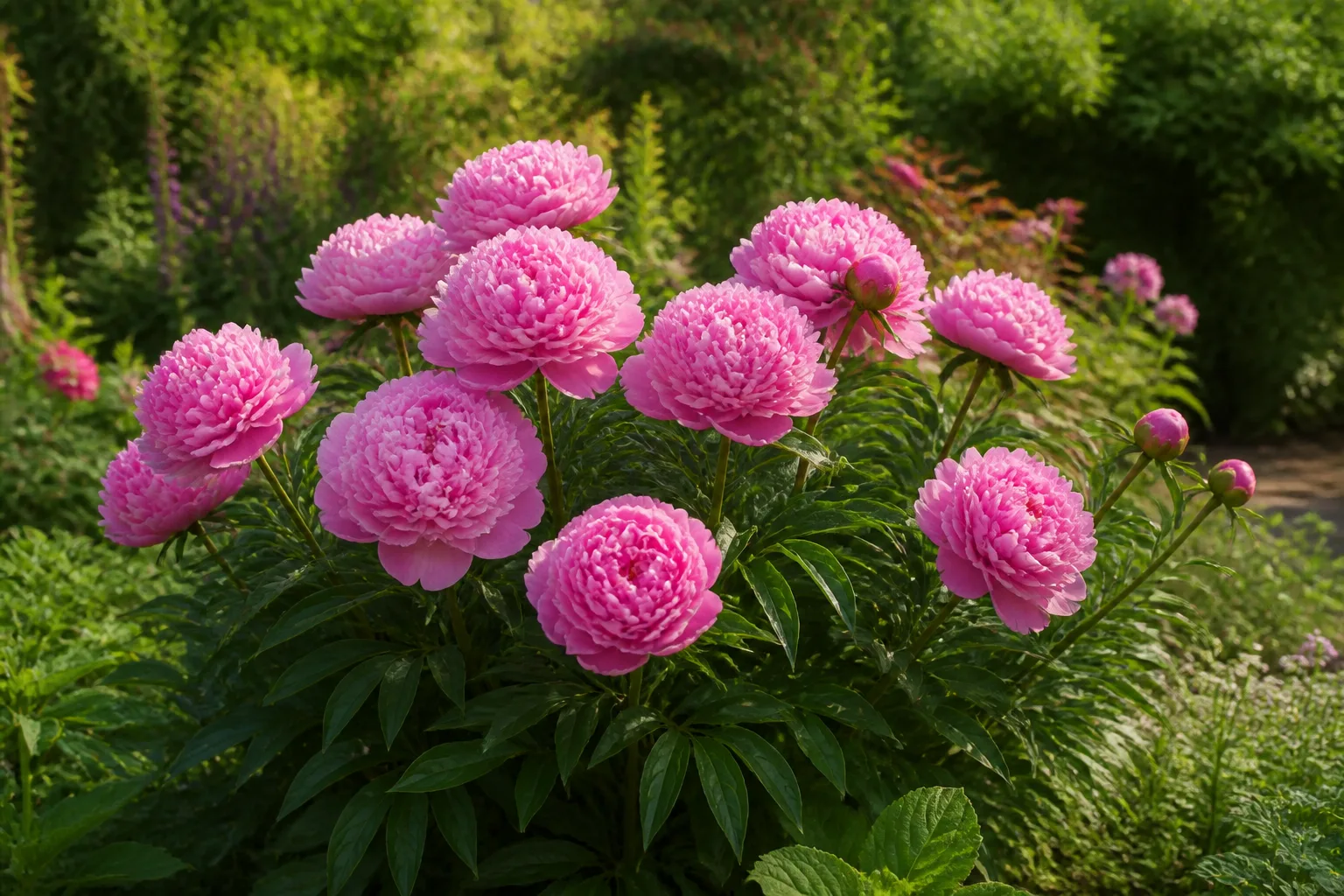
2. Daffodil (Narcissus spp.) — Best for: naturalized spring color under deciduous trees or at the front of a border. Typical range: roughly Zones 3–9, depending on the type. Light: sun to part shade. Soil: well drained, never a winter puddle.
Daffodils are among the most dependable flowering bulbs because many types multiply underground and return when the garden is barely waking up. Their longevity depends less on lifting and storing than on allowing the leaves to recharge the bulb. Remove spent flowers if you want to prevent seed production, but leave the foliage until it yellows naturally. Avoid planting them where summer irrigation keeps the bulbs constantly wet.
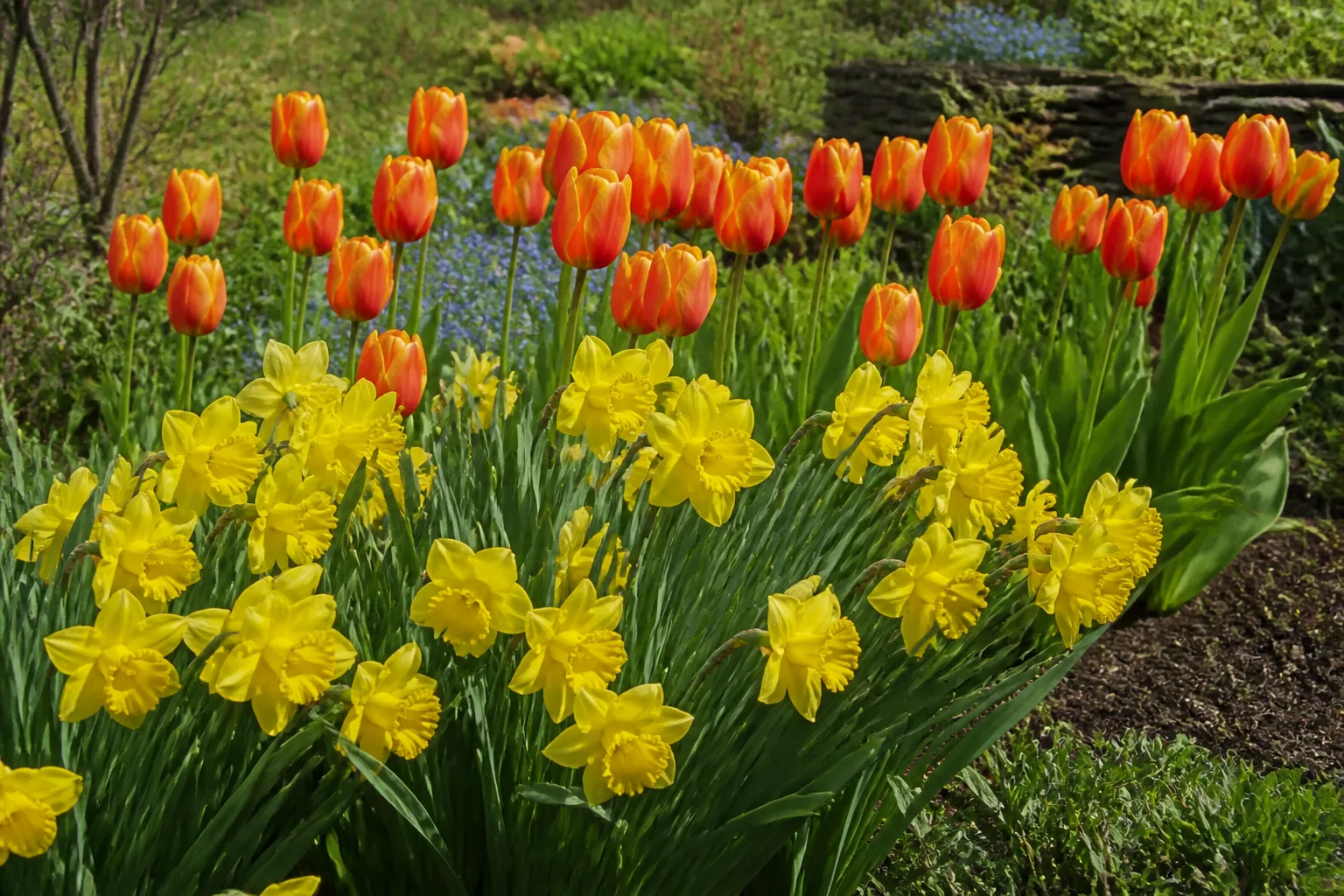
3. Hellebore (Helleborus spp.) — Best for: winter-to-spring flowers in shade. Typical range: Zones 3–9. Light: part shade to shade, with brighter winter light in cold climates. Soil: humus-rich and well drained.
Hellebores earn their permanent place through a combination of early flowers and durable foliage. They dislike being moved once established, so give them room to form a broad crown. In humid regions, remove old, damaged leaves as new growth emerges, but do not strip healthy foliage simply to make the bed look bare. The flowers often last longer than their color suggests, especially when protected from harsh afternoon sun.
4. Lungwort (Pulmonaria spp.) — Best for: a cool woodland edge or moist shade. Typical range: Zones 3–8. Light: part shade. Soil: evenly moist but not waterlogged.
Lungwort offers early flowers and spotted or silver-marked leaves after the blooms fade. It is a better long-term choice for a bed that stays moderately moist than for a dry spot beneath a mature tree. Divide an overgrown clump after flowering if it begins to crowd its neighbors. Give it enough airflow to reduce leaf problems, and use the foliage as part of the design rather than treating the short bloom window as the whole plant.
5. Siberian iris (Iris sibirica) — Best for: vertical late-spring color beside a path, pond edge, or moist border. Typical range: Zones 3–9. Light: full sun to part shade. Soil: consistently moist during establishment, then average moisture with good drainage.
Siberian iris forms an enduring rhizomatous clump and produces narrow foliage that stays architectural after the flowers pass. It does not need the exposed, shallow rhizome treatment used for bearded iris. When the center of the clump weakens or flowering drops, divide it in late summer or early fall, keeping vigorous outer sections. The plant is long-lived, but it is not a substitute for a bog plant: saturated winter soil can still cause rot.
6. Hardy geranium (Geranium spp.) — Best for: edging, cottage borders, and part-shade groundcover. Typical range: Zones 3–9, depending on species. Light: full sun to part shade. Soil: average, well drained, with regular moisture during establishment.
True hardy geraniums are not the tender “geraniums” commonly sold as pelargoniums. They form spreading mounds, flower over a useful period, and often look better after a post-bloom cutback that encourages fresh foliage. Choose the species for the site: some are tidy clump-formers, while others will roam through neighboring plants. Divide only when the plant is outgrowing its position or the center becomes thin.
Summer performers that hold their ground
7. Daylily (Hemerocallis spp.) — Best for: slopes, banks, borders, and difficult sunny spots. Typical range: Zones 3–9 or 10, depending on cultivar. Light: full sun to part shade. Soil: well drained and enriched with organic matter.
Daylilies are clump-forming plants with a long history of surviving neglect. Each flower lasts a day, but a mature scape can carry many buds, and modern cultivars extend the season from spring into fall. NC State Extension recommends full sun to partial shade and division in spring or fall. Divide when the clump is crowded, not according to an arbitrary calendar. If cats chew plants, place daylilies where they cannot reach them: the plant is toxic to cats if eaten.
8. Black-eyed Susan (Rudbeckia spp.) — Best for: a sunny pollinator border with a naturalized look. Typical range: Zones 3–9. Light: full sun, with some cultivars tolerating part shade. Soil: moist to average and well drained.
This is the list’s important longevity exception. Common Rudbeckia hirta is a biennial or short-lived perennial, while long-lived clump-forming selections such as Rudbeckia fulgida behave more like permanent border plants. NC State’s plant profile confirms the short-lived nature of R. hirta and its tendency to self-seed. Grow it when you want reliable color and wildlife value, but do not confuse “returns every year” with “the same crown lives forever.”
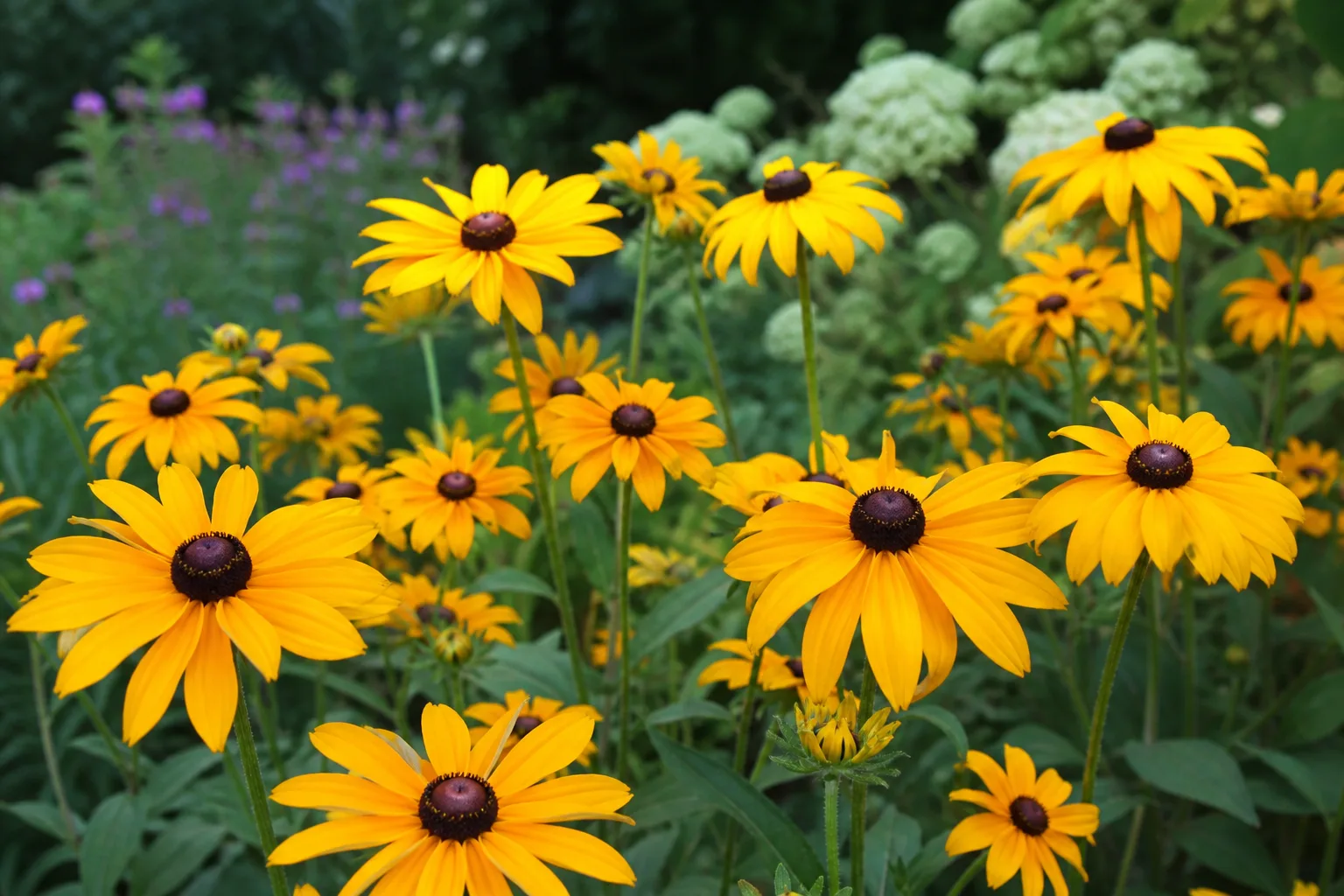
9. Butterfly weed (Asclepias tuberosa) — Best for: dry, sunny pollinator gardens. Typical range: Zones 3–9. Light: full sun. Soil: average to poor, dry to medium, and sharply drained.
Butterfly weed is a native, tuberous-rooted perennial with orange flower clusters and a deep taproot. NC State Extension notes that it can take two to three years to establish, does not transplant well, and may self-seed. That is not a flaw; it is a planting instruction. Put it where it can stay, water it through its first seasons, and do not dig it up to chase a slow first bloom. Wear gloves if the sap irritates your skin, and keep wet soil away from the crown.
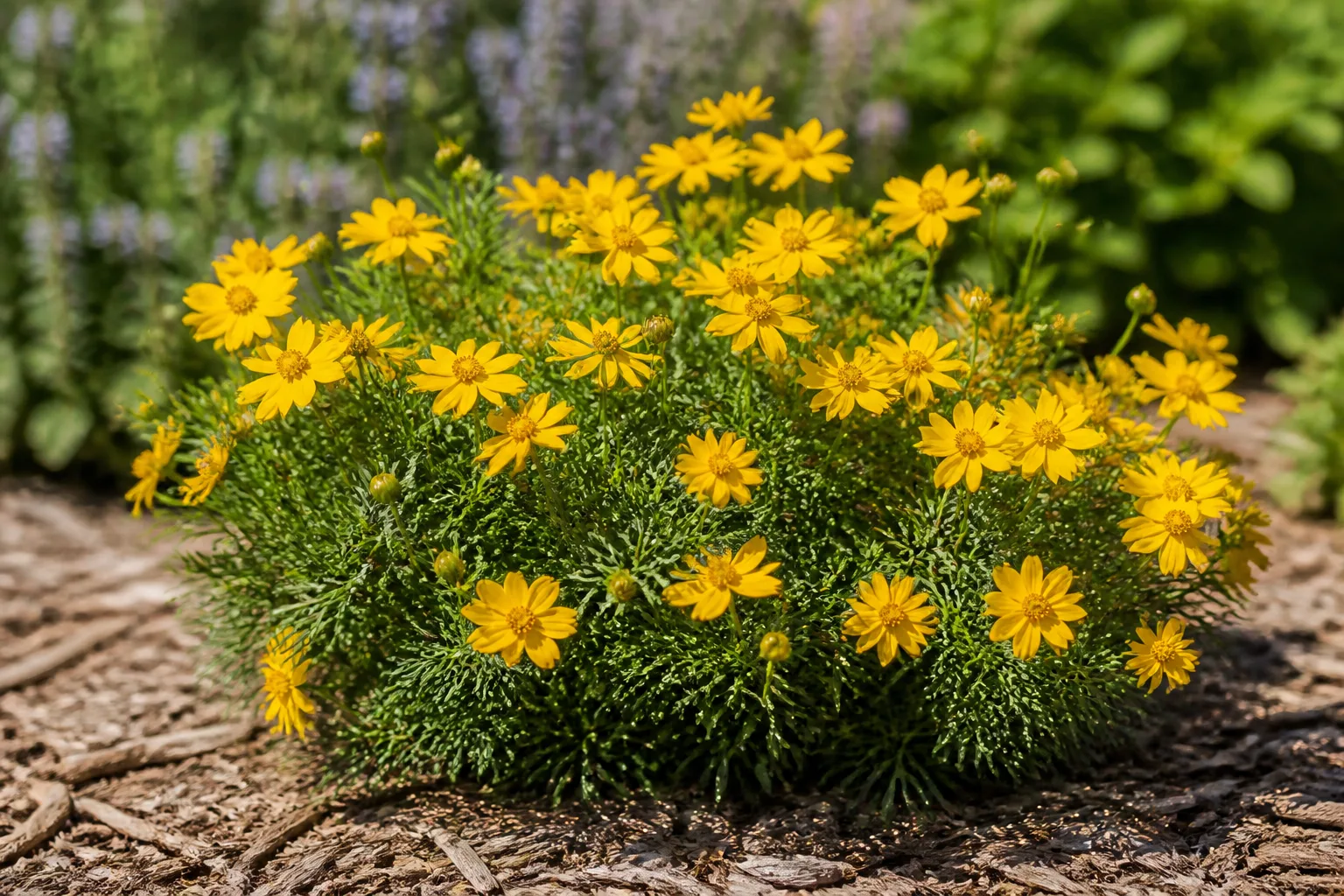
10. Lanceleaf coreopsis (Coreopsis lanceolata) — Best for: a sunny, lean-soil meadow edge. Typical range: Zones 4–9. Light: full sun. Soil: average to dry and well drained.
Lanceleaf coreopsis is a bright, resilient choice when you want a long season of yellow flowers without building a highly fertile bed. Its narrow foliage keeps the plant lighter than many border perennials, and spent stems can be cut back after the main flush. It may reseed, which is helpful in a naturalistic planting and inconvenient in a formal one. Leave a few seed heads for birds, then edit seedlings while they are small if you want the original layout to remain crisp.
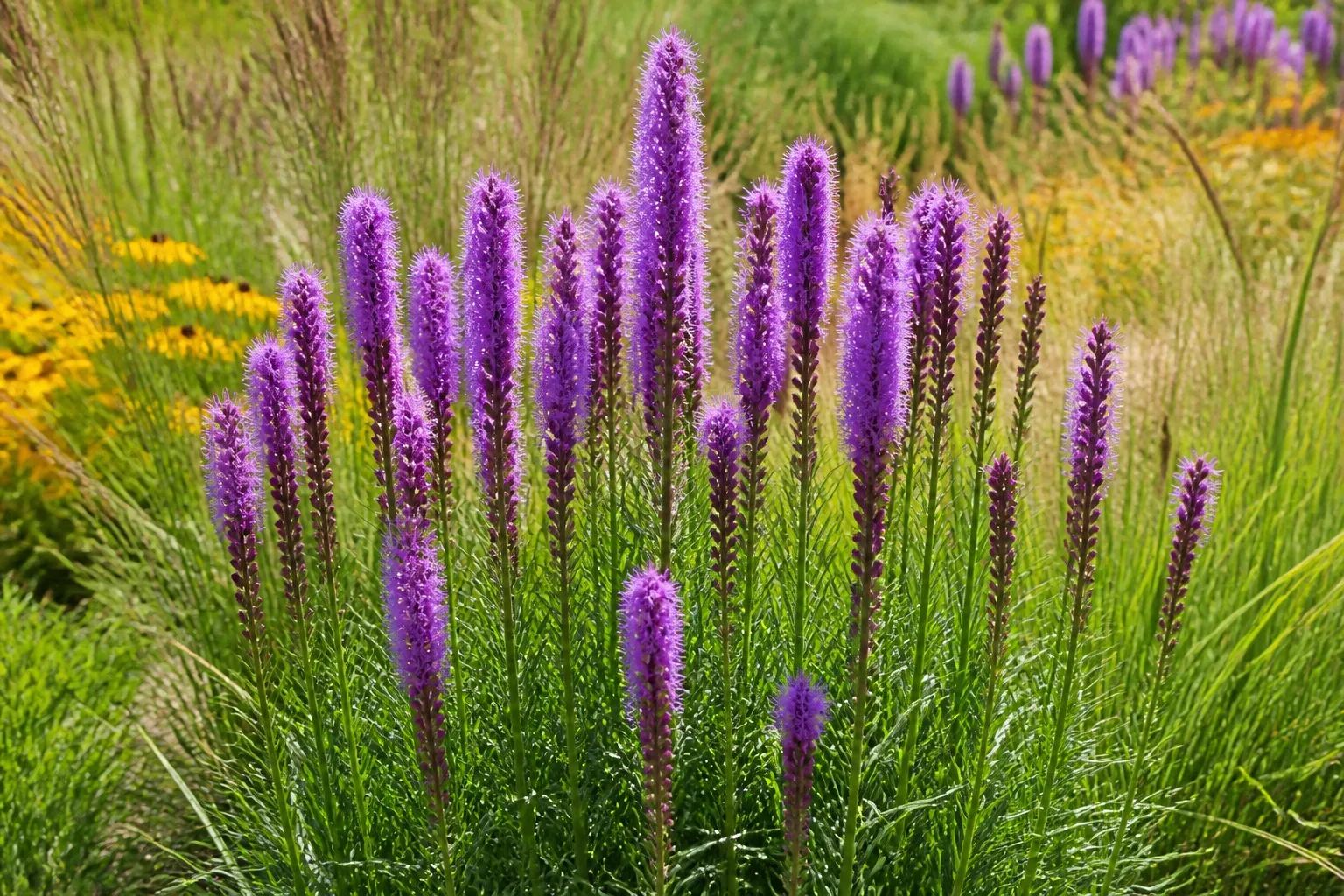
11. Liatris or blazing star (Liatris spicata) — Best for: a vertical accent in a sunny pollinator bed. Typical range: Zones 3–9. Light: full sun. Soil: average to dry and well drained.
Liatris grows from corms and sends up bottlebrush-like spikes that open from the top down, an unusual detail that makes the flowers useful in both beds and bouquets. The corms can persist for years when planted in soil that drains in winter. Avoid a rich, damp corner where tall stems become floppy and rot becomes more likely. Divide crowded colonies in spring or fall, but leave a stable clump alone if it is flowering well.
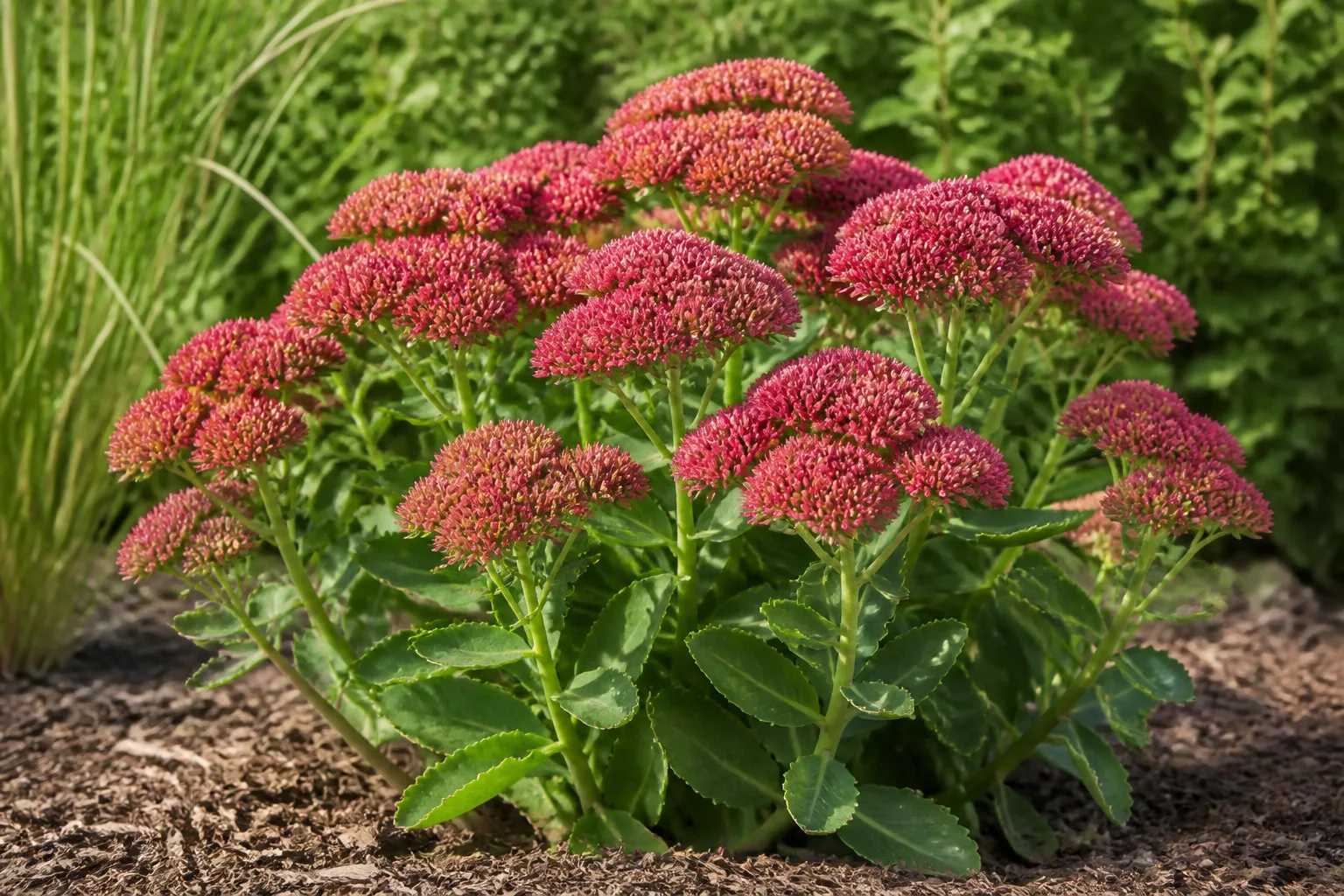
12. Sedum or stonecrop (Hylotelephium and related Sedum spp.) — Best for: hot, dry beds and late-season structure. Typical range: Zones 3–9, depending on species. Light: full sun. Soil: lean to average and very well drained.
Upright sedums bring succulent leaves, sturdy stems, and flower heads that change color as the season advances. They are durable because their leaves hold water, but that does not make them tolerant of standing water. Leave the dried heads over winter for structure and wildlife, then cut them back in late winter. Lift and divide only when the clump becomes congested; snapping a healthy stem or replanting a division is usually enough to make more plants.
13. Russian sage (Salvia yangii) — Best for: a dry, open border with long summer color. Typical range: Zones 4–9. Light: full sun. Soil: lean, dry, and fast draining.
Russian sage is a woody-based subshrub often grown as a perennial, so its winter behavior differs from a hosta or daylily. Give it space, airflow, and sharp drainage; do not hide its crown beneath a heavy blanket of wet mulch. Its airy lavender flower wands pair well with sedum and grasses, and a hard late-winter cutback keeps the new season’s growth from becoming a tangled shrub. In colder or wetter climates, choose a protected site and expect more dieback.
Late-season bloomers and foliage plants
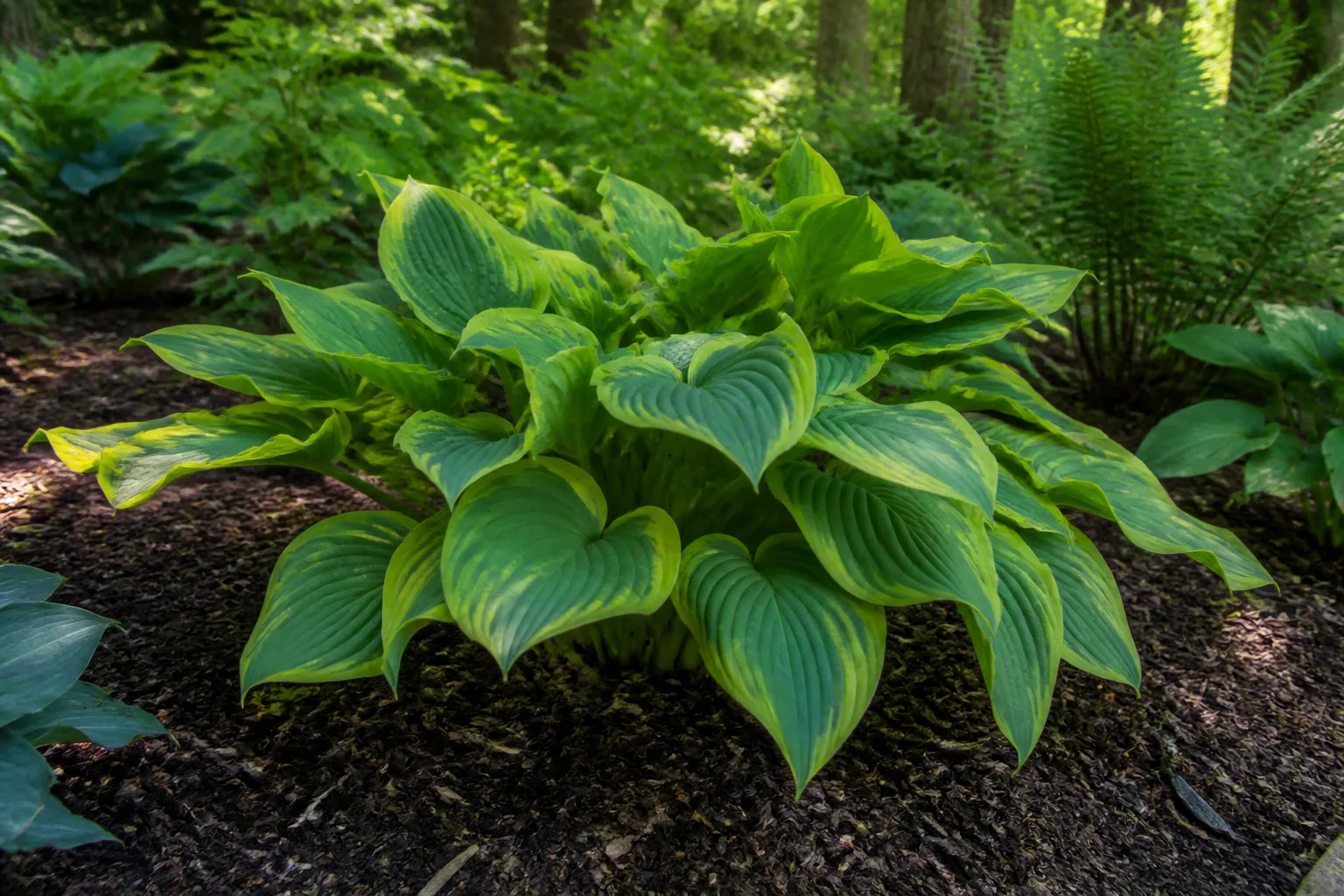
14. Hosta (Hosta spp.) — Best for: dependable foliage and summer flowers in shade. Typical range: Zones 3–9. Light: morning sun, dappled shade, or shade, depending on cultivar. Soil: moist, rich, and well drained.
Hostas are long-lived clump-formers, but their real value is the foliage: texture, blue, gold, green, and variegation remain after the short flower display. NC State Extension emphasizes moist, slightly acidic soil and warns that hostas dislike soggy winter conditions. In hot climates, more shade protects leaves from scorch. Divide in early spring only when a mature clump is too large, has a weak center, or needs to be moved; an undisturbed hosta often becomes the backbone of a shade bed.
15. Liriope or lilyturf (Liriope spp.) — Best for: edging, erosion control, and a tough groundcover. Typical range: Zones 4–10. Light: full sun to part shade. Soil: average and well drained.
Liriope combines strappy evergreen or semi-evergreen foliage with late-summer flower spikes. It can be a smart permanent edging in a warm climate, but creeping forms may spread beyond the line you intended. Choose a clumping form for a formal border, and shear old foliage in late winter before new leaves emerge. Treat “low maintenance” as “tolerates neglect once placed correctly,” not as permission to ignore its spread.
16. Balloon flower (Platycodon grandiflorus) — Best for: a compact blue-flowering perennial that can stay put for years. Typical range: Zones 3–8. Light: full sun to part shade. Soil: fertile, well drained, and not waterlogged.
Balloon flower earns its name from the inflated buds that open into star-shaped flowers, but its real long-term advantage is a clump that dislikes unnecessary disturbance. Plant it where the mature height will not be swallowed by taller neighbors, then leave the crown alone while it settles. Deadhead for a tidier look or shear lightly after the first flush for a possible late-summer repeat. The deep root makes careless transplanting harder than simply choosing the right spot at the start.
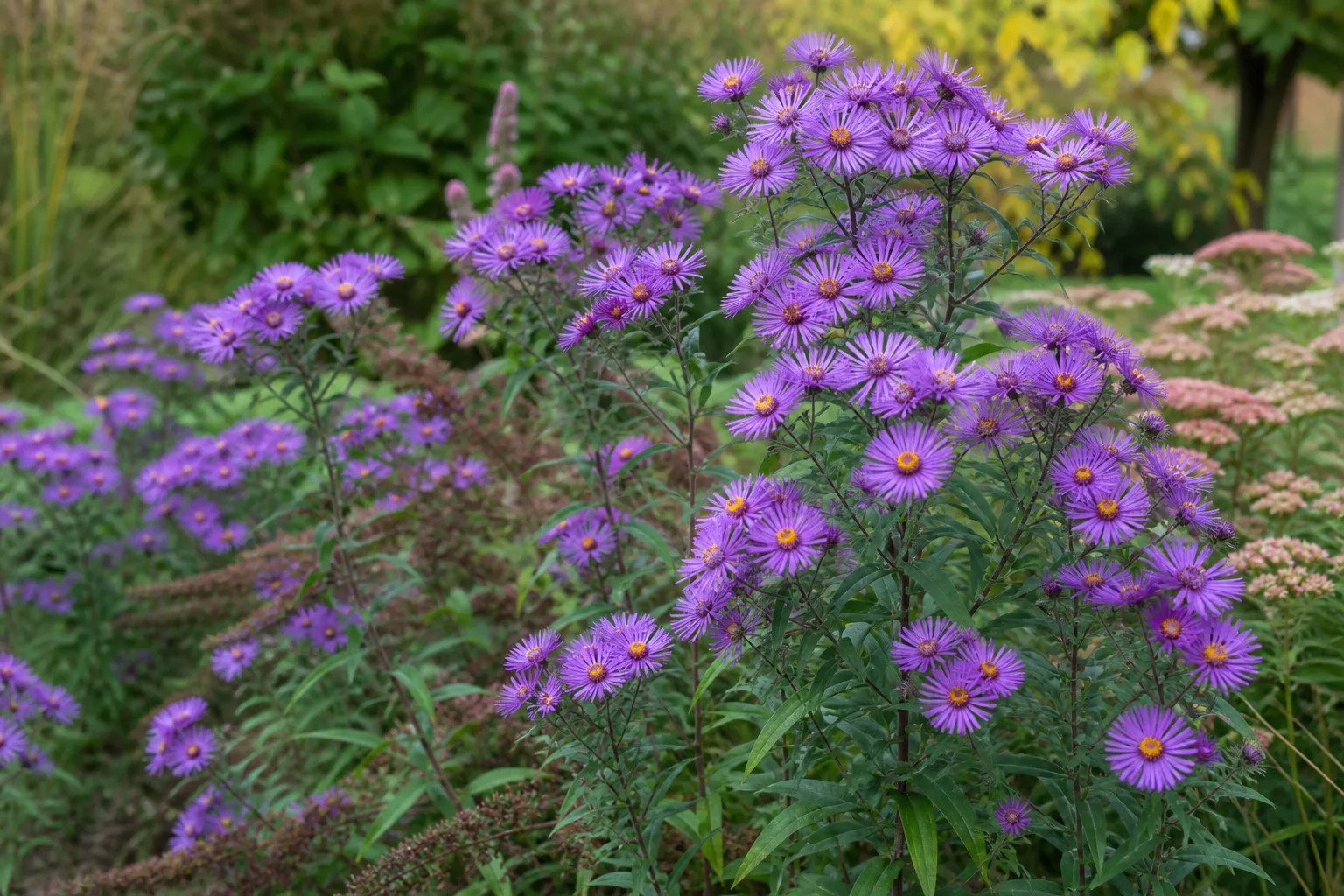
17. New England aster (Symphyotrichum novae-angliae) — Best for: late-summer and fall color in a native or pollinator planting. Typical range: Zones 4–8. Light: full sun. Soil: average to moist and well drained.
New England aster closes the gap after spring bulbs and early-summer perennials have passed their peak. It can grow tall, especially in fertile soil, so pinch the growing tips in early summer or plant it where neighboring grasses can support the stems. Divide a crowded clump every few years if the center weakens. Good air circulation and a site that does not stay wet on the leaves help keep the late-season display healthy.
Warm-climate or protected-site choices
18. Agapanthus or African lily (Agapanthus spp.) — Best for: sunny borders, containers, and mild-winter gardens. Typical range: commonly Zones 7–10, with cultivar differences. Light: full sun to part shade. Soil: well drained.
Agapanthus is a long-lived clump-former where winters are mild enough, but it is not a universal cold-hardy perennial. In cooler areas, grow it in a container that can be protected, or choose a hardy form and follow local guidance. Avoid overwatering dormant plants, and do not bury the crown deeply. The strap-like foliage can be evergreen or deciduous, while blue, white, or purple flower globes rise above it in summer. Its best use is a clearly matched climate, not wishful zone-pushing.
Planting rules that keep perennials returning
Buy for hardiness and site fit
The most expensive perennial mistake is buying by bloom color and trying to negotiate with the site later. RHS recommends choosing perennials for the actual soil, problem areas, season of interest, size, and evergreen or herbaceous habit. That is a better shopping checklist than a generic “full sun” label.
Before buying, write down four facts: winter low temperature, hours of direct sun, whether the soil stays wet after rain, and the mature width. Then choose the plant. If you have wet clay, look for a plant that tolerates moisture and improve drainage only where practical. If you have dry shade under trees, do not plant a sun-loving sedum and blame the plant when it fails.
Give roots a strong first season
The first year determines whether a perennial spends the next decade flowering or merely surviving. Plant at the same depth it was growing in its container, except for species with a specific crown or bulb-depth requirement. Firm the soil around the roots, water deeply, and keep competing weeds away while the plant establishes.
Water newly planted perennials consistently rather than alternating between drought and saturation. Once roots reach surrounding soil, taper irrigation according to the plant’s needs. Deep, less-frequent watering encourages a broader root system; daily shallow sprinkles keep the surface wet while leaving the root ball vulnerable below.
Mulch can reduce competition and temperature swings, but keep it a few inches away from crowns and stems. Wet mulch pressed against a crown is an invitation to rot, especially for iris, butterfly weed, agapanthus, and sedum.
Divide only when the plant asks
Division is a renewal tool, not a yearly chore. Divide when the center of a clump is weak or bare, flowers are noticeably reduced, the plant has outgrown its space, or you want to propagate a healthy specimen. Do it at the plant’s safe window—often early spring or early fall—so roots can recover before heat or hard frost.
Some plants resent disturbance. Butterfly weed develops a deep taproot, balloon flower prefers not to be moved after establishment, and peony can take years to recover from an improperly planted division. If a plant is healthy and still fits, leaving it alone is usually the most sophisticated maintenance decision.
Protect the crown and leave useful foliage
Many “dead” perennials are simply dormant. Do not dig up a bare crown in late winter because it has not emerged yet. Likewise, do not cut every bulb leaf immediately after flowering: daffodils need that foliage to recharge for next year.
Clean diseased leaves, remove debris that harbors pests, and cut back stems when they become a real problem. Otherwise, leave sturdy seed heads on plants such as sedum, liatris, and asters for winter structure and wildlife. A tidy garden is not necessarily a healthier garden; the right cleanup depends on the plant and the season.
Build a succession of bloom, not one short show
Even the longest-lived perennial may flower for only a few weeks. A durable garden feels generous when it combines plants with different bloom windows and different forms of interest. Pair hellebore and lungwort for early color, daffodils and peonies for spring, daylily, iris, coreopsis, and liatris for summer, then sedum, Russian sage, New England aster, and the foliage of hosta or liriope for late-season structure.
Use repetition rather than collecting one of everything. Three peonies look more intentional than one isolated plant, and a drift of liatris or coreopsis is easier to edit than a crowded patchwork. A simple rule is to choose two or three backbone plants for the site, add a few seasonal accents, and leave enough empty space for mature width. The garden will fill in; its long-term success depends on not filling it too quickly.
If you want the fewest future interventions, start with a peony or daffodil for a cool spring garden, hosta or hellebore for shade, and sedum or butterfly weed for dry sun. If you want a more naturalistic look, let black-eyed Susan and coreopsis seed lightly, but mark the difference between welcome renewal and a plant that is crowding its neighbors.
Conclusion
The longest-lasting perennial is the one that fits the place you actually have. Peonies and daffodils can become inherited garden plants, hostas and hellebores can anchor shade for years, and sedum, butterfly weed, coreopsis, and Russian sage can handle a sunny bed that dries quickly. Other choices, including black-eyed Susan and agapanthus, need a more honest description: one persists mainly by seed, while the other lasts only where winter conditions cooperate.
Choose for hardiness, drainage, mature size, and bloom sequence before you choose a flower color. Give new roots a good first season, divide only when a clump shows a reason, and let useful foliage and seed heads do their work. That is how a perennial border stops being a yearly replacement project and starts becoming part of the landscape’s history.



